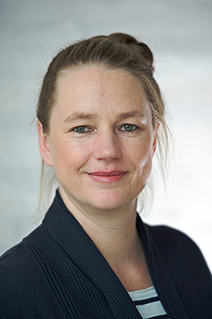
Ulrike Kutay is a Full Professor of Biochemistry at ETH Zurich, Switzerland, with a research focus on nuclear biology and dynamics. Her work investigates nuclear envelope structure/function, ribosome biogenesis, and nucleo-cytoplasmic transport. Diploma in Biochemistry (Free University Berlin, 1992) PhD in Natural Sciences (Humboldt University Berlin, 1996) Research interests center on nuclear compartmentalization, including mitotic nuclear envelope breakdown and reassembly, ribosome assembly pathways, and the molecular mechanisms governing nuclear transport. Her lab explores how nuclear dysfunction contributes to diseases like ribosomopathies and cancer. Recent publications highlight her work on SUN/KASH proteins in nuclear envelope dynamics, ribosome biogenesis steps, and nuclear pore complex regulation. Collaborations with groups like the Spahn lab in Berlin underscore her interdisciplinary approach. EMBO Member (2010) Leopoldina Member (2012) ERC Advanced Grant (2012) As a mentor, she has supervised PhD students including Chiara and Roja. She actively participates in editorial boards, grant review panels (e.g., ERC, DFG), and institutional leadership roles at ETH Zurich and the Biochemistry Center Heidelberg. The Kutay Group at ETH Zurich combines proteomics, functional analyses, and structural studies to unravel nuclear processes, fostering a collaborative environment with recent achievements in mitotic nuclear disassembly and ribosome maturation research.
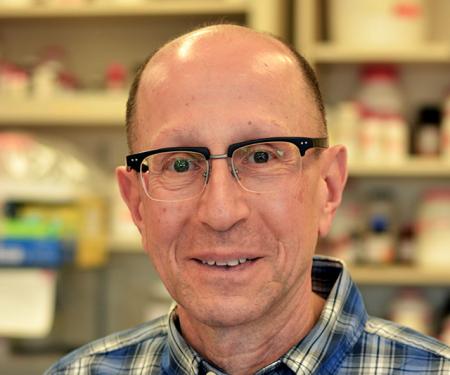
Gabriel A. Cook is an Associate Professor in the Department of Chemistry at Oklahoma State University (OSU), where he has held his current position since July 2024. Previously, he served as an Assistant Professor at OSU from 2014 to 2024. His academic background includes a PhD in Biochemistry from Kansas State University (2005) and a postdoctoral fellowship at the University of California San Diego (UCSD) focusing on membrane protein structural biology. Dr. Cook's research focuses on the structure, dynamics, and interactions of membrane glycoproteins, particularly their role in diseases such as muscular dystrophy and cancers. His lab employs nuclear magnetic resonance (NMR) spectroscopy to study these proteins in lipid environments, including the use of nanodiscs and solid-state NMR techniques. Key proteins under investigation include γ-sarcoglycan and Syndecan-1, which are linked to muscle integrity and cancer biomarkers, respectively. In addition to research, Cook teaches General Chemistry and graduate courses on biophysical chemistry. He supervises PhD students and collaborates on projects involving glycosylation studies and drug development. His lab has secured funding for initiatives such as the REU Site: Multi-disciplinary Research in Chemical Sciences and studies on SARS-CoV-2 entry proteins. Key grants include the NIH-funded 'Glycosylation and Structural Studies of SARS-CoV-2 Entry Membrane Protein TMPRSS2' and OSU's Henry Bellmon Research Center collaborations. His work has led to advancements in understanding viroporin function, bacterial pathogenesis, and protein-lipid interactions.
Richard Katz, PhD, is a Professor and Adjunct Professor at the Fels Institute for Cancer Research and Molecular Biology, Temple University School of Medicine, based at Fox Chase Cancer Center. His research focuses on epigenetic regulation in cancer, particularly the role of the nuclear lamina in organizing heterochromatin and gene silencing. PhD in Microbiology, Columbia University (1983) BS in Biology, Summa cum laude, Syracuse University (1975) Dr. Katz's research spans several key areas in epigenetics and cancer biology. He investigates how the nuclear lamina controls epigenetic silencing through proteins like PRR14, which tethers heterochromatin to the nuclear periphery. His lab uses siRNA-based genome-wide screens to identify novel epigenetic silencing networks. Another major focus is melanoma plasticity, where his team discovered ID4 as a key mediator. He also studies epigenetic antiviral responses involving Daxx and retroviral silencing, and functional analysis of breast cancer genes from GWAS and DASE studies using BioID for protein interaction mapping. His recent publications reveal a strong trend in understanding chromatin dynamics, epigenetic silencing mechanisms, and their implications in cancer and viral defense. His work integrates molecular biology, functional genomics, and systems approaches to dissect complex regulatory networks. Notable scientific recognitions include being selected for Cover Art in Epigenetics (2014) and an Article of Significant Interest by the editors of Journal of Virology (2013). Dr. Katz actively mentors students and technicians in his lab, including graduate students and post-baccalaureate researchers. He collaborates widely across Fox Chase, including with J.P. Issa, A. Bellacosa, and A.M. Skalka. His lab participates in the Undergraduate Summer Research Fellowship and research volunteering programs, indicating a strong commitment to training and education. His lab at Fox Chase (R422/W422) includes current members such as Valentina Medvedeva (Graduate Student), Trinity Pellegrin (Scientific Technician), and several student assistants, reflecting an active and collaborative research environment.
Prof. Donal O'Shea is a Professor in the Department of Chemistry at the Royal College of Surgeons in Ireland (RCSI). Previously, he held roles including Head of Pharmaceutical & Medicinal Chemistry at RCSI and Associate Professor/Senior Lecturer at University College Dublin (UCD). He earned a PhD (1993) and BSc (1990) in Chemistry from University College Galway. His research focuses on synthesizing complex molecules for applications in fluorescence-guided surgery , light-activated anti-cancer agents , and nanomedicine . Key areas include near-infrared fluorophores , drug delivery systems , and collaborations with medical imaging. He has led initiatives like the Centre for Synthesis & Chemical Biology at UCD and contributed to projects on exosome imaging and anti-microbial agents. Recent publications highlight innovations in fluorescence imaging probes , vaping health risk modeling , and bioorthogonal reactions . His work aligns with UN Sustainable Development Goal 3 (Good Health). Awards include the 2012 North/South Ireland Lectureship , Teacher of the Year (2008, 2011), and multiple visiting professorships. He has secured grants totaling millions, including SFI-funded projects on super-resolution imaging and colorectal cancer diagnostics . Prof. O'Shea oversees RCSI's Chemistry Department and collaborates internationally. His lab develops tools for real-time cellular imaging and targeted drug delivery , with applications in surgery and oncology.
Professor Vincent Archambault holds a full professorship at the University of Montreal's Faculty of Medicine, Department of Biochemistry and Molecular Medicine, and leads the Cell Cycle Regulation Research Unit at the Institute for Research in Immunology and Cancer (IRIC). His work focuses on molecular mechanisms regulating the cell division cycle, particularly in Drosophila models, with implications for cancer research. Education: B.Sc. in Biochemistry, Université de Montréal (1999) Ph.D. in Cell Cycle Studies, Rockefeller University (2004) Postdoctoral training at University of Cambridge (2004–2009) Research Interests: Cell cycle control, mitotic regulation, cancer biology, protein kinases (e.g., Polo, Greatwall), phosphatase networks (PP2A), and Drosophila model systems. His research identifies therapeutic targets for cancer by studying disruptions in cell cycle pathways. Key contributions include co-discovering Greatwall kinase and its role in mitotic regulation. Over 50 peer-reviewed articles highlight his work on nuclear reassembly, cytokinesis, and phosphatase-kinase interactions. Awards: Maud Menten New Principal Investigator Award (2009) GE Healthcare New Scientist Award (2015) Human Frontier Science Program Fellowship (2005–2009) Grants: Over 15 projects funded by CIHR, CRSNG, and others, totaling millions in research support. Labs/Teams: Leads the IRIC Cell Cycle Regulation Unit, collaborating with teams like Sylvain Meloche and Jean-Claude Labbé.
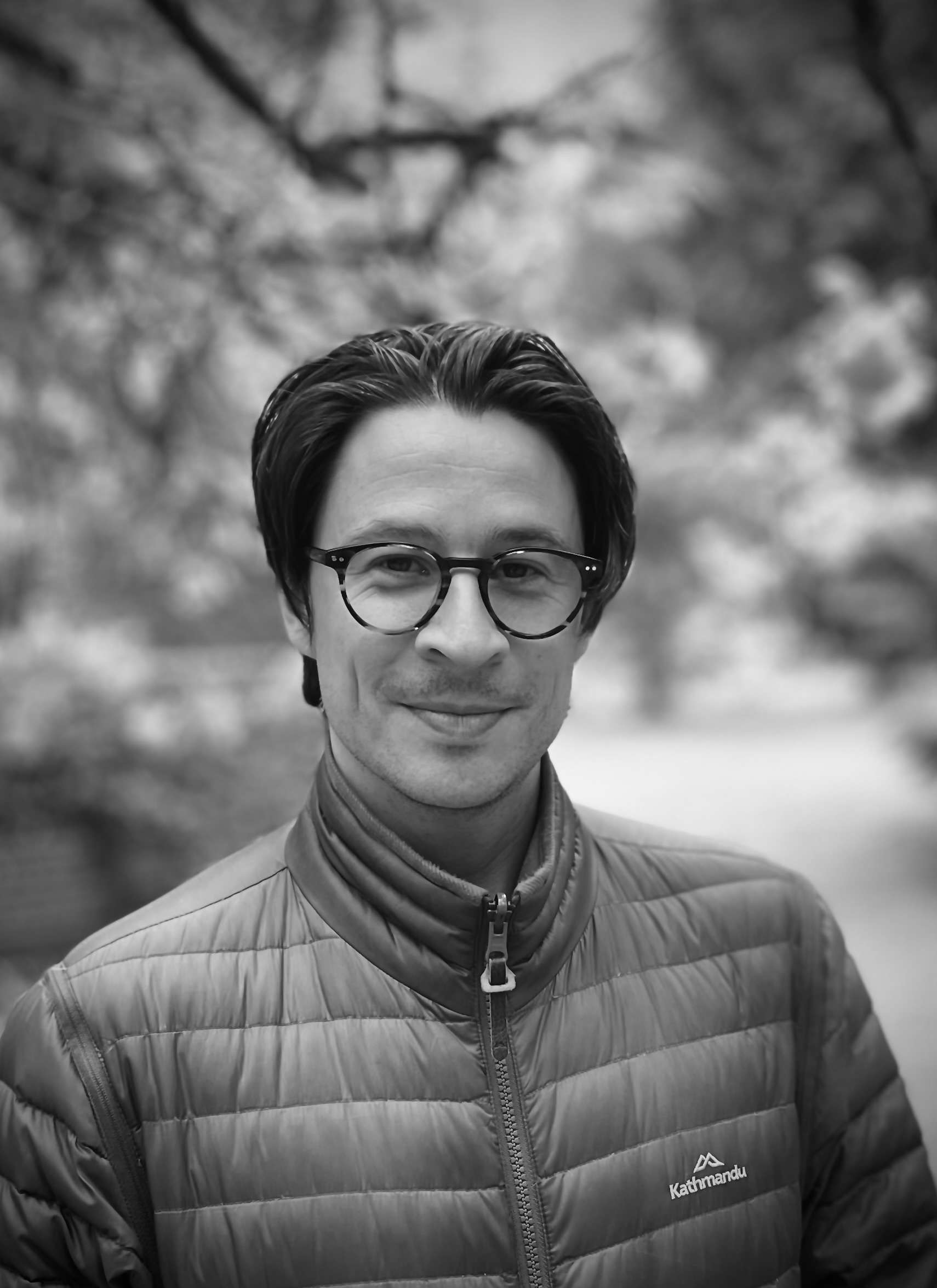
Kevin Aguyar Brix is a mathematician at the University of Southern Denmark (Odense, Denmark), where he holds a Reintegration Fellowship from the Carlsberg Foundation (CF23-1328). Previously, he worked as a postdoc at Lund University (Sweden), the University of Glasgow (Scotland), and the University of Wollongong (Australia), funded by grants from the Swedish Research Council, the Independent Research Fund Denmark, and the Carlsberg Foundation. PhD in Mathematics (2019) from University of Copenhagen, Denmark Member of the Centre for Symmetry and Deformation Supervised by Søren Eilers Kevin's research focuses on the intersection of pure mathematics, particularly exploring the connections between topological dynamical systems, operator algebras, and group theory. He specializes in symbolic dynamical systems and their encoding into C*-algebras, investigating how much dynamical structure is preserved or lost in this process. His work often employs operator algebraic tools to derive properties of the original dynamical systems, with specific emphasis on shift equivalence, covers of dynamical systems, and ideal structures of C*-algebras. Kevin's publications reveal a consistent focus on the interplay between dynamical systems and operator algebras. His work spans symbolic dynamics, groupoids, C*-algebras, and their ideal structures. Recent papers explore unital shift equivalence, Hausdorff covers for non-Hausdorff groupoids, and maximal ideals of reduced group C*-algebras. His research often involves collaborations with leading mathematicians worldwide, addressing fundamental questions about the relationship between algebraic structures and dynamical properties. Carlsberg Foundation Reintegration Fellowship (CF23-1328) Swedish Research Council Starting Grant (2024-2028) for "Dynamics, Groups, and C*-algebras: from one to many dimensions" Swedish Research Council Starting Grant (previous) Independent Research Fund Denmark International postdoctoral grant Carlsberg Foundation Internationalisation Fellowship Though specific details about Kevin's advisees are not provided in the available information, his extensive publication record suggests active mentorship of junior researchers. His research is supported by prestigious grants including the Carlsberg Foundation Reintegration Fellowship and a Swedish Research Council Starting Grant. These grants fund his work on "Dynamics, Groups, and C*-algebras: from one to many dimensions," indicating significant recognition of his research potential and contributions to the field. Kevin's collaborative approach is evident in his numerous co-authored papers with established and emerging researchers in operator algebras and dynamical systems. Kevin is actively involved in the international mathematical community, participating in workshops and collaborations across Europe and Australia. He co-organized the Glasgow Late August Symbolic dynamics, Groups, and Operators Workshop in 2022, which aimed to include young mathematicians in the interactions between group theory, dynamical systems, and operator algebras. His research network includes prominent mathematicians from institutions worldwide, reflecting his position within a vibrant interdisciplinary research community. He has presented his work at numerous conferences including IWOTA in Kent, seminars in Florianopolis, and workshops in Oberwolfach, demonstrating his active engagement with the global mathematics community.
Buzz Baum is a Research Fellow at the MRC Laboratory of Molecular Biology (LMB) within the University of Cambridge. His work focuses on the generation of biological form ("morphogenesis") through the study of cell division across archaea and eukaryotes, with a particular emphasis on the role of the cytoskeleton and ESCRT-III proteins in evolutionary transitions. Key research themes: Morphogenesis, Cell Division, Evolutionary Cell Biology, Archaeal Biology, Eukaryogenesis, Membrane Remodeling His lab investigates cell division using Sulfolobus , a hyperthermophilic archaeon, to identify conserved processes and core principles. Recent work explores the application of imaging techniques in extremophiles and the evolutionary implications of ESCRT-III proteins in both archaea and humans. Future research will focus on Asgard archaea, the closest living relatives to eukaryotes, to study the origins of cell division and symbiosis. Collaborations include researchers at the LMB, UK institutions, and international partners. Group members include Alice Cezanne, Sherman Foo, Yin-Wei (Kris) Kuo, Magda Lechowska, Fraser MacLeod, Florian Mayer, Joe Parham, Arthur Radoux, Iain Richard, and Jeanne Salje.
Thomas Maresca is an Associate Professor in the Biology Department at the University of Massachusetts Amherst, serving as Graduate Program Director for Molecular & Cellular Biology within the Interdisciplinary Doctoral Graduate Program (IDGP). His research laboratory investigates fundamental mechanisms of cell division with institutional affiliation to the university's life sciences division. His academic training includes: Ph.D. in Cell Biology from the University of California at Berkeley (2005) B.S. in Biology from the University of North Carolina at Chapel Hill (1999) Dr. Maresca's research centers on chromosome segregation mechanics during mitosis, employing Drosophila and Xenopus model systems with advanced live-cell imaging techniques. His laboratory specializes in quantifying kinetochore-microtubule interactions , error correction mechanisms , and force generation during cell division. Key approaches include FLIM-FRET biosensors, single-molecule tracking, and micromanipulation in egg extracts to dissect how intrinsically disordered proteins, motor complexes (particularly dynein), and kinase networks (Aurora A/B, MPS1) ensure mitotic fidelity. Current work focuses on spatiotemporal regulation of phosphorylation gradients and mechanical feedback at the kinetochore-microtubule interface. Analysis of his 15 most recent publications reveals a consistent trajectory in mitotic mechanics with increasing emphasis on intrinsically disordered proteins as mechanical regulators and subcellular signaling hubs . His work bridges molecular biophysics with cellular function, demonstrating how microtubule plus-ends act as physical signaling platforms and how kinase crosstalk establishes precise spatiotemporal control during anaphase. Recent methodological innovations include commercial FLIM-FRET adaptation and quantitative force measurements at kinetochores. As Graduate Program Director, Dr. Maresca oversees curriculum development and student mentorship for the Molecular & Cellular Biology track. His laboratory (located in Morrill Science Center IV, Room 436) maintains active research programs in kinetochore mechanics and mitotic regulation, supported by continuous publication output since 2000. Collaborative networks include structural biologists and biophysicists investigating mechanochemical transduction in division processes.
Dr. Zoi Diamantopoulou is a Beatson Research Fellow at the Cancer Research UK Scotland Institute (School of Cancer Sciences), Glasgow. Previously, she held Senior Postdoctoral Marie Curie Fellowships at ETH Zürich and University of Basel. Her research focuses on the interplay between circadian rhythms and cancer metastasis, particularly through circadian regulation of Circulating Tumour Cells (CTCs). Education: PhD in Cellular Biology (2010), University of Patras, Greece BSc in Biology (2005), University of Patras, Greece Her work employs in vivo mouse models, microfluidics, genetic engineering, and next-generation sequencing to explore how circadian disruptions influence metastatic progression. She also investigates chronotherapy for optimized drug administration and analyzes patient blood samples to identify circadian-related molecular vulnerabilities. Scientific Awards: 2021 Marie Skłodowska-Curie Postdoctoral Fellowship 2018 The BACR Chris Marshall Prize for Cell Signalling Lab Members: Senior Scientific Officer Gurman Pall, PhD Student Sara Ortega.
Ricardo Benavente is an Extraordinary Professor and Academic Director in the Department of Cell and Developmental Biology at the University of Würzburg's Biocenter. He leads the Benavente Lab, focusing on meiotic processes and synaptonemal complex (SC) structure. His career includes a Dr. med. from the University of Heidelberg, a habilitation (Dr. rer. nat. habil.), and postdoctoral work as an Alexander von Humboldt Fellow at the German Cancer Research Center. Research interests center on the functional organization of the cell nucleus during meiosis, particularly the synaptonemal complex and telomere dynamics. Techniques used include super-resolution microscopy and electron tomography, applied to mouse models and comparative studies across metazoans. Key findings include insights into SC protein conservation and meiotic chromosome behavior. Publications highlight structural studies of SC components (e.g., SYCP proteins), telomere-nuclear envelope interactions, and evolutionary aspects of meiosis. He contributed to the Latin-American Academy of Sciences since 2001 and collaborates with institutions like Uruguay's Clemente Estable Institute. His work bridges molecular mechanisms of meiosis with evolutionary biology, emphasizing structural and functional insights into genetic variability.
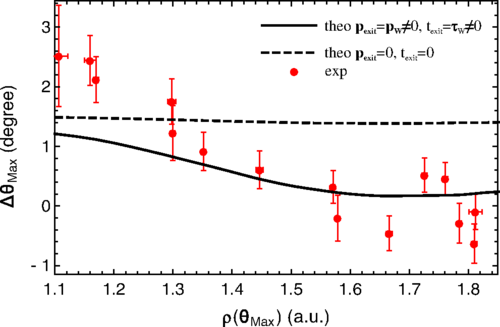
Karen Z. Hatsagortsyan is a Group Leader at the Max Planck Institute for Nuclear Physics in Heidelberg, Germany. Her research focuses on the interaction of ultrastrong laser fields with matter, spanning relativistic and nonperturbative quantum electrodynamics (QED), strong-field ionization dynamics, and plasma diagnostics using polarization properties of ejected particles. She collaborates with experimental facilities like DESY , SLAC , and the European Extreme-light-infrastructure (ELI) , and has contributed to proposals such as the LUXE experiment and FACET-II for testing nonlinear QED effects. Research Interests : Relativistic ionization and sub-barrier electron dynamics Spin polarization effects in high-energy laser interactions Gamma-ray and x-ray source development via nonlinear QED Plasma diagnostics through polarization measurements Recent Publications demonstrate advancements in ultrashort time delay measurements ( Phys. Rev. Lett. 2022 ), polarization transfer in positron beam generation ( Phys. Rev. Lett. 2019 ), and attosecond-resolved plasma field analysis ( Phys. Rev. Res. 2022 ). Her work bridges theoretical predictions with experimental validation, particularly in attoclock protocols, Coulomb focusing, and laser-based collider concepts.
Stefanie Redemann is an Associate Professor at the University of Virginia , affiliated with the Department of Molecular Physiology and Biological Physics in the School of Medicine . She holds a Diploma in Biology from Technische Universität Darmstadt and a PhD in Cell Biology from the Max Planck Institute for Cell Biology and Genetics, with postdoctoral training at Technische Universität Dresden. Education: Diploma in Biology (Technische Universität Darmstadt), PhD in Cell Biology (Max Planck Institute), Postdoc in Cell Biology/Biophysics (Technische Universität Dresden) Her research focuses on chromosome segregation and aneuploidy in meiosis and mitosis , using advanced imaging techniques like 3D electron tomography and CRISPR tools in models such as tissue culture cells, mouse oocytes, and C. elegans embryos. She investigates molecular and mechanical principles of spindle assembly to address errors linked to cancer progression and reproductive health issues. Recent publications highlight work on microtubule dynamics, chromokinesin function, and tubulin regulation in meiosis. Awards include being named a Cell Scientist to Watch (2021). Her lab at the University of Virginia integrates interdisciplinary approaches to unravel mechanisms of cell division.
Prof. Dr. Lukas C. Kapitein is a leading researcher in Cell Biology, Neurobiology and Biophysics at the Faculty of Science, Utrecht University . His work bridges physics and neuroscience to understand how cells maintain their shape and intracellular organization, particularly in neurons. Academic Affiliation: Full Professor of Molecular and Cellular Biophysics since 2018 Key Collaborations: Co-manages the Gravitation project IMAGINE! with Anna Akhmanova Research Focus: The lab investigates the neuronal cytoskeleton , emphasizing microtubule organization and motor protein dynamics. They develop advanced optical methods to map cytoskeletal architecture and design intracellular assays to probe motor-cargo interactions, linking these to neurodegenerative disease mechanisms. Awards: ERC Consolidator Grant (2018), ERC Starting Grant (2013), NWO VIDI (2013), NWO ALW-VENI (2011), Erasmus MC Fellowship (2011). Students: PhD students include Albert Serweta, Thijs Makaske, Jasper Schelt, and Varsha Mahapatra. The lab also features postdocs and technical staff in microscopy and protein engineering. Methods: Combines protein engineering , super-resolution microscopy (STED, Localization, Expansion), and mathematical modeling to resolve microtubule polarity, transport rules, and dendritic spine dynamics.
Abigail Polin is a theoretical and computational astrophysicist and Professor of Physics and Astronomy at Purdue University. Her research focuses on astrophysical transients, particularly Type Ia supernovae and stellar explosions. She utilizes hydrodynamical simulations and radiative transport calculations to bridge theory with observational data. Polin holds a PhD from UC Berkeley (2020), where she worked under Peter Nugent and Dan Kasen, and previously served as a postdoctoral fellow at Carnegie Observatories and Caltech. Her work has been recognized with the NERSC Early Career Award (2025) for modeling sub-Chandrasekhar mass Type Ia supernovae. Polin's research spans observational astronomy, numerical modeling, and instrument design, including proposals for CubeSat missions like UVIa to study ultraviolet signatures of supernovae. She collaborates extensively with international teams on projects like the Carnegie Supernova Project-II and Zwicky Transient Facility surveys. Key research themes include: Explosion mechanisms for calcium-rich transients and Iax/Ia supernovae Stellar progenitor systems and detonation processes Anisotropy studies in supernova remnants Multi-wavelength observations using JWST and ground-based facilities Her recent work emphasizes late-time NIR spectroscopy, forbidden line emission analysis, and the connection between theoretical models and observational data from transient surveys. Polin actively participates in transient classification efforts like POISE and contributes to both observational campaigns and numerical simulation frameworks.
Theodorian Borca-Tasciuc is a Professor and Associate Head of Graduate Studies in the Department of Mechanical, Aerospace and Nuclear Engineering at Rensselaer Polytechnic Institute. He directs the Nanoscale Thermophysics and Energy Conversion Laboratory (NanoTEC) , focusing on thermal conductivity, thermoelectric materials, and energy-efficient systems. PhD in Mechanical Engineering from UCLA (2000) Academic career since 2001 Research interests span thermal engineering, nanoscale thermophysics, and energy conversion for electronics and buildings. His work includes thermal metrology, thermoelectric enhancement, and sustainable building systems. Publications highlight trends in nanoscale thermal transport, energy-efficient building envelopes, and thermoelectric materials (e.g., Bi2Te3, graphene composites). Awards: NSF CAREER award (2004) Professional roles include Associate Editor for the Journal of Nanomaterials , ASME K8 committee member, and symposium organizer for ASME/MRS.