Qingguang Zhangمشاهده پروفایل
استادیار
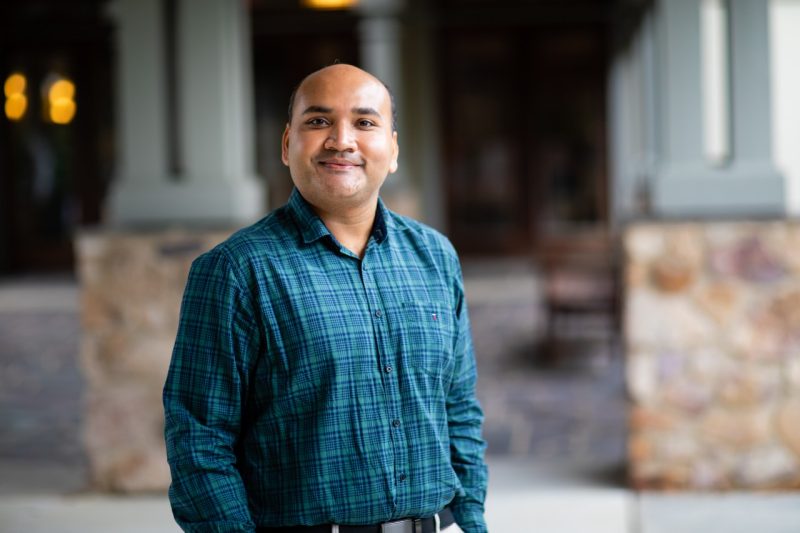
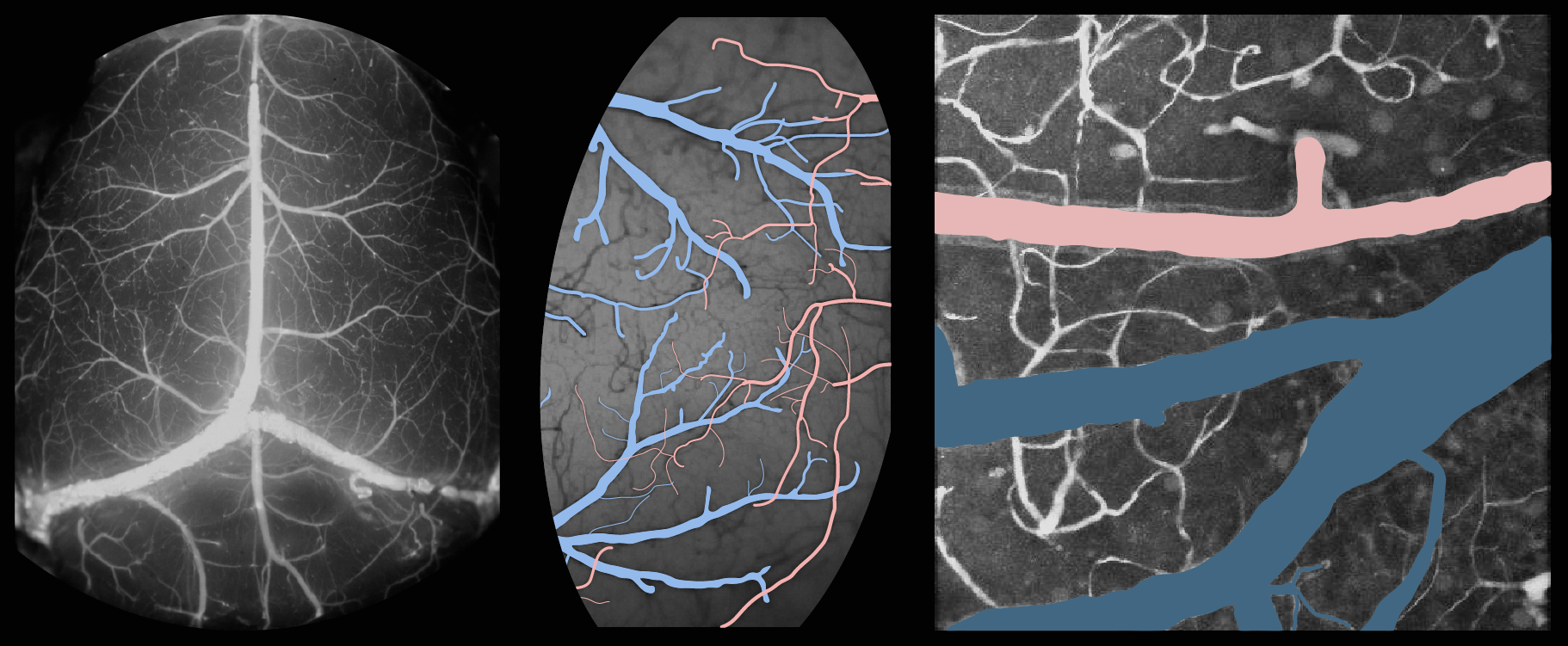
Qingguang Zhang serves as an Assistant Professor in the Department of Physiology and the Neuroscience Program at Michigan State University, with an additional affiliation in the BioMolecular Science Gateway. His academic role centers on advancing cerebrovascular physiology through interdisciplinary engineering and biological approaches. Dr. Zhang's research program investigates the fundamental mechanisms governing nervous-vascular system interactions for optimal brain function. His laboratory employs multimodal imaging to observe brain dynamics during natural behaviors in mouse models, combined with cellular and molecular techniques to dissect cell-type-specific signaling. Key research domains include neurovascular coupling, cerebrovascular remodeling during aging, respiratory modulation of cerebral blood flow, and brain microcirculation dynamics, spanning neuroscience, physiology, and biomedical engineering with translational applications for neurological disorders. Analysis of his 2019-2025 publications reveals consistent focus on awake-behaving animal methodologies, cerebrovascular network adaptations, and the interplay between respiratory patterns, locomotion, and cerebral oxygenation. His work demonstrates methodological innovation in physiological monitoring and imaging, with implications for improving disease screening and treatment strategies in brain research. No scientific awards or honors were explicitly mentioned in the available documentation. While the provided materials describe Dr. Zhang's research program and publications, specific details regarding graduate student mentorship, research grants, or funded projects were not included in the current text. The Zhang Laboratory operates within Michigan State University's Department of Physiology, maintaining a research environment dedicated to elucidating biophysical principles of brain microcirculation. The lab integrates engineering perspectives with physiological inquiry to address fundamental questions about blood flow regulation during normal function and disease states, with recent investigations extending to gut-brain hydraulic interactions and cellular mechanisms of neurovascular coordination.