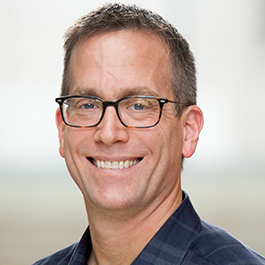
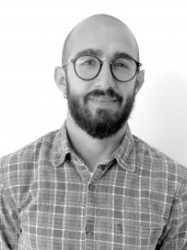
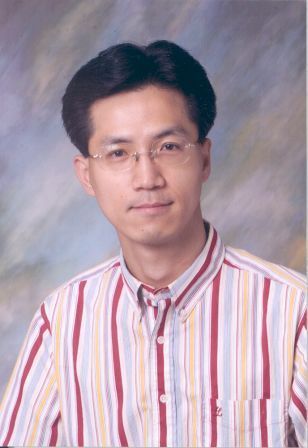
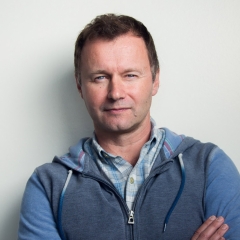
Chao Liu is a Research Scientist at CNRS (French National Center for Scientific Research) since 2008, affiliated with the DEXTER team and the Department of Robotics, LIRMM at University of Montpellier, France. He earned his Ph.D. in Electrical & Electronic Engineering from Nanyang Technological University, Singapore (2006). Current research focuses on surgical robotics , haptics , teleoperation , and nonlinear control theory with applications in computer vision. His work addresses challenges in robotic-assisted telesurgery, including: Stable and transparent human-robot interaction through wave variable compensators and passivity filters Physiological motion compensation using spatio-temporal LSTM and dual Kalman filters EMG-based motion recognition for surgical skill assessment 3D soft-tissue reconstruction with stereo-endoscopes and deep learning Dr. Liu leads European and French projects like: TS2RT (CNRS-funded): Safer teleoperation with motion compensation ROBACUS (ANR-funded): Needle positioning with MPC control HaTUMoCo (CNRS-funded): Haptic teleoperation with uncertainty handling ARAKNES (EU-funded): Microrobotic systems for endoluminal surgery Scientific honors include Senior Member of IEEE and Member of Sigma Xi . He supervises Ph.D. and Master's students working on topics such as concentric tube robot optimization, haptic teleoperation, and EMG-based force estimation. Dr. Liu serves on IEEE Technical Committees for Telerobotics and Haptics , and as Technical Editor of IEEE/ASME Transactions on Mechatronics.
Dr. Todd D. Murphey is a Professor of Mechanical Engineering at Northwestern University's Robert R. McCormick School of Engineering and Applied Science. He serves as Director of Transformative Research and Director of the Master of Science in Robotics Program at Northwestern, leading initiatives in computational dynamics, control systems, and robotics. His work bridges engineering, neuroscience, and biomedical applications, with a focus on developing systems that interact effectively with humans and their environments. Dr. Murphey received his Ph.D. in Control and Dynamical Systems from the California Institute of Technology in 2002, with a thesis titled "Control of Multiple Model Systems." Prior to that, he earned a B.S. in Mathematics, summa cum laude, from the University of Arizona in 1997. Dr. Murphey's research centers on computational methods in dynamics and control, with applications spanning neuroscience, health science, robotics, and automation. His work in the Interactive & Emergent Autonomy Lab focuses on computational models of embedded control, biomechanical simulation, dynamic exploration, and hybrid control. The group develops mathematical approaches that lead to orders of magnitude improvement in computational efficiency for real-time implementation. Key application areas include assistive exoskeleton control, stabilization of energy networks, bio-inspired active sensing, entertainment robots, robotic exploration, and software-enabled stroke rehabilitation. Analysis of Dr. Murphey's recent publications reveals a strong emphasis on human-swarm interaction, algorithmic matter, and control of cyber-physical systems in uncertain environments. His work increasingly integrates information theory with physical systems, exploring how both autonomous and biological systems interact with environments to learn and improve behaviors. Recent trends show growing applications in rehabilitation technology, with particular focus on human-machine interaction in biomedical devices and embodied intelligence. Dr. Murphey has received numerous honors and awards for his contributions to robotics and engineering: Named Director of Transformative Research at Northwestern University (2025) Appointed IEEE Robotics and Automation Society Vice President of Publication Activities (2022) Co-recipient of Best Paper Award for IEEE Transactions on Robotics (2020) Appointed to Air Force Scientific Advisory Board (2019) Recipient of ABB Best Student Paper Award for CPL-SLAM research (2019) Cole-Higgins Award from Northwestern Engineering (2015) Dr. Murphey has supervised numerous graduate students including Taosha Fan, Giorgos Mamakoukas, and Ian Abraham, with research spanning robotic exploration using electrosense and mechanical contact, human-in-the-loop control, and shared control for rehabilitation devices. His lab has secured significant funding from the National Science Foundation, DARPA, and industry partners including Siemens and Ekso Bionics, supporting research in algorithmic matter, emergent behavior, and human-swarm collaboration. The Interactive & Emergent Autonomy Lab, led by Dr. Murphey, investigates how both autonomous systems and biological systems interact with their environments to learn and improve behaviors. Current projects include active learning and data-driven control, active perception in human-swarm collaboration, algorithmic matter and emergent computation, control for nonlinear and hybrid systems, cyber physical systems in uncertain environments, harmonious navigation in human crowds, information maximizing clinical diagnostics, reactive learning in underwater exploration, robot-assisted rehabilitation, and software-enabled biomedical devices. The lab collaborates with researchers across Northwestern and institutions including Georgia Tech, MIT, and industry partners.
Michele Dolce is a Lecturer and Scientist at the École Polytechnique Fédérale de Lausanne (EPFL), affiliated with the School of Basic Sciences (SB) and the Chair of Mathematical Analysis, Calculus of Variations and PDEs (AMCV). He previously held positions as a Postdoc at EPFL and a Research Associate at Imperial College London, where he worked under Prof. Michele Coti Zelati. His academic journey includes a PhD from the Gran Sasso Science Institute. Current affiliation: EPFL, School of Basic Sciences (SB), Department of Mathematics (MATH), AMCV Past affiliation: Imperial College London His research focuses on the mathematical analysis of Partial Differential Equations (PDEs) in fluid dynamics and kinetic theory. Key areas include hydrodynamic stability, long-time behavior of viscous vortex systems, and time-decay properties of kinetic models like the Boltzmann and Wave Kinetic Equations. Recent work explores vortex merging phenomena and Taylor dispersion in rotationally symmetric flows. Scientific activities include organizing workshops such as "Long time dynamics in random and deterministic systems" (2025) and co-organizing events like the "Deterministic and random features of fluids" summer school (2023) and the "Enjoying Probability and Fluids in Lausanne" workshop (2023). His publications span journals including Communications in Mathematical Physics, Archive for Rational Mechanics and Analysis, and Journal of Mathematical Fluid Mechanics. Supported by Swiss National Science Foundation (SNF Ambizione grant PZ00P2_223294) Partially funded by GNAMPA (INdAM group)
Inseok Hwang is the Paul Stanley Professor of Aeronautics and Astronautics at Purdue University's School of Aeronautics and Astronautics. He earned his Ph.D. from Stanford University, specializing in multiple-vehicle control systems. His research focuses on hybrid systems, air traffic control, unmanned systems, and cybersecurity of cyber-physical systems. He leads the Flight Dynamics and Control/Hybrid Systems Laboratory and has received numerous awards, including the NSF CAREER Award and AIAA Associate Fellow designation. His work spans theoretical advancements in control theory and practical applications in aerospace systems. He has over 150 peer-reviewed publications and actively collaborates with industry and government agencies like NASA and the FAA. Education: B.S. (Seoul National University, 1992), M.S. (KAIST, 1994), Ph.D. (Stanford, 2004). Professional memberships include AIAA and IEEE. Research Interests: Hybrid systems analysis, air traffic surveillance and control, fault detection and isolation, spacecraft control, and cybersecurity for autonomous systems. His lab develops algorithms for safe and efficient operation of networked systems, including UAS traffic management and resilient control protocols against cyberattacks. Awards: NSF CAREER (2008), AIAA Associate Fellow (2012), University Faculty Scholar (2017), C.T. Sun Award (2019), multiple Seed for Success Awards (2020–2024), and Paul Stanley Professorship (2024). Grants and Collaborations: Active projects funded by NSF, NASA, FAA, and industry partners. Focus areas include resilient navigation, anomaly detection in air traffic systems, and cyberattack mitigation for autonomous vehicles.
Dr. Haiyan Liu is an Associate Professor of Quantitative Methods, Measurement, and Statistics in the Department of Psychological Sciences at the University of California, Merced, within the School of Social Sciences, Humanities, and Arts. She earned her Ph.D. in Quantitative Psychology from the University of Notre Dame (2018). Her research focuses on advanced statistical modeling of psychological and educational data, including high-dimensional, longitudinal, and social network data. She develops Bayesian methodologies and machine learning techniques to enhance understanding of human behavior, with recent emphasis on structural equation modeling, network dynamics, and nonparametric growth curves. Her work addresses challenges in survey methodology and behavioral data analysis. Dr. Liu’s educational background includes a Ph.D. in Quantitative Psychology from the University of Notre Dame (2018), complementing her current academic role. Her lab, accessible at https://sites.google.com/view/ucmhaiyanliu , supports her research activities. Her research interests span Bayesian SEM, social network analysis, and applications of machine learning to behavioral data, aiming to bridge methodological innovation with practical psychological inquiry. Her recent articles highlight advancements in Bayesian model selection, longitudinal sentiment analysis, and social network mediation. She emphasizes prior specification rigor in Bayesian frameworks and explores nonlinear relationships in social dynamics. Though no awards are explicitly listed, her contributions to statistical methodologies in psychological research reflect significant scholarly impact. Dr. Liu advises students in quantitative methods and has developed software tools like logistic4p for misclassification correction in logistic regression. Her work integrates computational methods with theoretical advancements, positioning her as a key contributor to modern quantitative psychology.
Sean Andersson is a Professor in Mechanical Engineering and Systems Engineering at the College of Engineering, Boston University, and serves as Director of the BU Robotics Lab. His research bridges systems and control theory with applications in nanotechnology , atomic force microscopy , and robotics . His work in nanobioscience focuses on single molecule tracking and high-speed imaging in atomic force and fluorescence microscopy, leveraging control theory to enhance imaging capabilities. In robotics, he develops stochastic control methods for autonomous systems operating in complex environments, emphasizing multi-agent systems , sparsely sampled data , and symbolic control frameworks . Recent publications highlight trends in receding horizon control , persistent monitoring , neural style transfer for imaging , and stochastic policy optimization . The Andersson Lab also explores compressive sensing and optimal control for sensor networks and nanoscale fluid dynamics.
Igor Mezić is a Professor in the Department of Mechanical Engineering at the University of California, Santa Barbara. His research focuses on operator-theoretic analysis of nonlinear dynamical systems, with applications in microfluidics, nanotechnology, and biotechnology. He holds affiliations with the Institute for Collaborative Biotechnologies and the California Nanoscience Institute. Education: MS in Mechanical Engineering, University of Rijeka, Croatia PhD in Mechanical Engineering, California Institute of Technology Research Interests: Mixing and separation in fluids, particle dynamics at micro/nano scales, Atomic Force Microscope (AFM) dynamics, and complex systems theory. His work bridges physical phenomena with mathematical modeling for device design and improvement. Awards: Early Career Award (NSF) Alfred P. Sloan Fellowship George S. Axelby Award (IEEE) United Technologies Special Achievement Prize J.D. Crawford Prize (SIAM) Advising & Grants: Supported by NSF Early Career Award. Active in mentoring through interdisciplinary research groups focusing on fluid dynamics and nanotechnology. Labs & Teams: Leads research through the Mezić Group (mgroup.me.ucsb.edu), collaborating on projects spanning microfluidic systems, biotechnology applications, and multiscale dynamics.
Ulrich Berger is a Professor of Economics at the Department of Economics of WU Vienna University of Economics and Business (WU Vienna). He serves as Editor-in-Chief of the journal Games and is actively involved in promoting science through the Vienna Skeptics Society. His research focuses on game theory, including non-cooperative, evolutionary, behavioral, and experimental variants. He has been recognized with multiple awards, including the WU Best Paper Award and an Outstanding Reviewer Award. His work explores dynamics of cooperation, reputation systems, and strategic behavior in economic contexts. Key research areas include evolutionary stability in reputation games, indirect reciprocity, and cognitive hierarchies in strategic interactions. His publications span peer-reviewed journals like PLoS ONE and Scientific Reports , as well as popular science articles in outlets like derStandard.at . Berger has led research projects on topics such as cognitive hierarchies in minimizer games and has contributed to policy discussions on access pricing in telecommunications. His academic contributions reflect a blend of theoretical rigor and practical engagement, with recent work emphasizing evolutionary mechanisms of deterrence and experimental validation of equilibrium concepts.
Shima Nazari is an Assistant Professor in the Department of Mechanical and Aerospace Engineering at the University of California, Davis. Her research focuses on dynamics and control with applications to transportation systems, energy systems, and electrified/automated vehicles. She leads the CORE Lab, exploring advancements in hybrid powertrains, autonomous vehicle control, and energy-efficient systems. Education: Ph.D., Mechanical Engineering, University of Michigan (2019) M.S., Electrical Engineering, University of Michigan (2016) M.S., Mechanical Engineering, Sharif University of Technology, Iran (2012) B.S., Mechanical Engineering, Sharif University of Technology, Iran (2009) Her research interests span dynamics and control theory applied to hybrid electric vehicles, powertrain optimization, and autonomous systems. She has contributed to advancements in energy-efficient vehicle designs, regenerative braking, and control strategies for electrified powertrains. Her work often bridges mechanical and electrical engineering disciplines to address real-world challenges in transportation and energy. Recent research trends in her articles emphasize data-driven control methods, hybridization strategies for autonomous systems, and thermal management of energy storage solutions. These studies reflect her commitment to interdisciplinary innovation. Although no scientific awards are explicitly mentioned, her contributions to the field are evident through her active research and publications. She advises students in her lab and collaborates on grants focused on sustainable mobility solutions. Dr. Nazari is affiliated with the UC Davis College of Engineering and actively contributes to graduate programs in Dynamics, Controls, Vehicles, and Robotics. The CORE Lab serves as a hub for experimental and computational research in her areas of expertise.
Dr Peter Horak is an Associate Professor at the Optoelectronics Research Centre (ORC) of the University of Southampton. With expertise in theoretical and computational photonics, his research spans nonlinear optics, quantum technology, and fiber optics. He obtained his MSc in Theoretical Physics (1993) and PhD in Theoretical Quantum Optics (1997) from the University of Innsbruck, followed by postdoctoral positions in Paris and Glasgow before joining the ORC in 2001. Current roles: ORC Exam Officer Admissions Tutor, EPSRC CDT in Quantum Technology Engineering Dr Horak leads the Computational Nonlinear Optics group, focusing on theoretical and numerical modeling of photonics systems across scales—from single photons to gigawatt laser pulses. His work addresses fundamental physics and device optimization in hollow-core fibers, quantum devices, and high-harmonic generation. Recent publications highlight hollow-core fiber gas dynamics, nonlinear optical sensing, and microresonator alignment challenges. Collaborations include the UK National Quantum Technology Programme and EPSRC-funded projects like QCI3 and HiPPo. External roles: Editorial Board, Physical Review A (2017–2022) Peer reviewer for EPSRC (since 2012) and ESF (since 2017) He supervises PhD students in nonlinear and quantum optics, and teaches optical fiber and computational modeling topics.
Federico Toschi is a Full Professor at Eindhoven University of Technology (TU/e), holding joint appointments in Applied Physics and Mathematics and Computer Science departments. His research focuses on multi-scale transport phenomena, combining statistical physics, fluid dynamics, and computational methods. He leads projects in the 4TU Centre for Multiscale Phenomena and EAISI. Education: PhD in Physics (University of Pisa, 1998) and academic background at Scuola Normale Superiore di Pisa. Interdisciplinary expertise in fluid dynamics turbulence, Lagrangian turbulence, crowd dynamics, and Lattice Boltzmann methods. Recipient of APS Fellow (2015), Euromech Fluid Mechanics Fellow (2012), and Ig Nobel Prize for Physics (2021). Research emphasizes turbulence modeling, pedestrian dynamics, and active matter, with applications in environmental flows and crowd management. His work bridges computational innovations with experimental validations. Recent articles explore kinetic data-driven turbulence modeling, pedestrian flow optimization, and turbulence effects in biological systems. Projects include digital twins for seismicity modeling and rarefied gas dynamics. Teaches fluid mechanics, computational physics, and chaos theory courses. Founded Flow Matters Holding BV, applying research to practical solutions.
Sourav Sarkar is a University Associate Professor in Probability at the Department of Pure Mathematics and Mathematical Statistics (DPMMS), University of Cambridge (since July 2024) and a Fellow of Trinity Hall. Previously, he held positions as an Assistant Professor at DPMMS (2021–2024), Postdoctoral Fellow at the University of Toronto (2019–2021), and completed his Ph.D. in Statistics at UC Berkeley (2019) under Prof. Alan Hammond. His education includes a BSc (2013) and MSc (2015) in Statistics from the Indian Statistical Institute, Kolkata, advised by Prof. Parthanil Roy. Research Interests : Probability theory with a focus on KPZ universality class, random growth models (e.g., last passage percolation, exclusion processes), Coulomb gas, and percolation theory. His work bridges stochastic processes, mathematical physics, and statistical mechanics. Teaching : Teaches advanced courses in Probability and Stochastic Calculus at the University of Cambridge, including Part II courses on Applied Probability and Probability & Measure. Previously taught at UC Berkeley, where he received the Outstanding Graduate Student Instructor Award (2019). Publications : Focuses on KPZ fixed point, geodesic properties, and phase transitions in interacting particle systems. Recent work includes studies on the directed landscape, stable random fields, and competitive erosion dynamics. Awards : Recognized for exceptional teaching at Berkeley and sustained contributions to probability theory research.
Dr. Christopher Morton is an Associate Professor in the Department of Mechanical Engineering at McMaster University, specializing in fluid-structure interaction, UAV technology, and energy systems. His research focuses on aerodynamics, flow control, and sustainable energy solutions, with applications in aerospace and environmental engineering. Education background includes a BASc in Mechatronics Engineering (University of Waterloo, 2008), MASc (2010), and Ph.D. (2014) in Mechanical Engineering from the same institution. His work bridges experimental and computational methods, particularly in flow estimation and control using advanced diagnostics like PIV and spectral analysis. His research interests span vortex-induced vibrations (VIV), unsteady aerodynamics, and energy harvesting through fluid-structure interactions. Recent publications highlight innovations in flow field reconstruction, sensor-based monitoring, and turbulence control. His work has been recognized through awards such as the Departmental Research Excellence Award (2021-2022) and multiple teaching accolades, reflecting his dedication to both research and education. Dr. Morton currently teaches MECH ENG 4FM3 (Advanced Instrumentation for Thermo-Fluids) and MECH ENG 723 (Flow Induced Vibrations), emphasizing hands-on experimental techniques and theoretical analysis. He actively supervises graduate students and collaborates with industry partners like Atlantis Research Labs and Plains Midstream Canada. Key Research Clusters: Advanced Materials & Manufacturing, Digital & Smart Systems, Energy, and Environment. Teaching Excellence: Awarded “Professor of the Year” multiple times and recognized for outstanding teaching performance.
Jack Puleo is a Professor and Chair in the Department of Civil and Environmental Engineering at the University of Delaware (UD), and a core faculty member of the Center for Applied Coastal Research (CACR). He holds a Ph.D. from the University of Florida, a Master’s from Oregon State University, and a Bachelor’s from Humboldt State University. His research focuses on coastal hydrodynamics, sediment transport, and nature-based solutions for coastal resilience. He has served as Associate Chair and Director of CACR, and was a Fulbright Scholar and Visiting Professor at Plymouth University (2011-2012). Research Interests: Small-scale hydrodynamic processes and sediment transport in coastal zones Remote sensing and sensor networks for coastal monitoring Nature-based solutions for coastal protection Munitions mobility in nearshore environments Climate change impacts on coastal flooding Awards and Honors: NSF CAREER Award (2007) ASCE Teaching Awards University of Delaware Teaching Awards (twice) Chi Epsilon Advising Award ASBPA Robert G. Dean Award German DAAD Scholarship Labs and Collaborations: Core member of the Center for Applied Coastal Research (CACR), collaborating on projects such as UXO mobility studies, coastal flooding modeling, and military infrastructure resilience. Active in interdisciplinary work with the Naval Research Laboratory and joint bases like Langley-Eustis.
Richard Pawlowicz is a Professor in the Department of Earth, Ocean & Atmospheric Sciences at the University of British Columbia (UBC), within the Faculty of Science. His research focuses on ocean physics, seawater properties, geophysical fluid dynamics, and coastal processes. He holds a PhD from the MIT/WHOI Joint Program and has been a faculty member at UBC since 1996. His work integrates field observations, numerical modeling, and novel instrumentation, such as neutrally buoyant floats (Swish floats) and satellite-tracked drifters, to study coastal circulation, estuarine dynamics, and double diffusion processes. He leads research in the Salish Sea, Strait of Georgia, and Gulf of St. Lawrence, emphasizing subsurface mixing, dispersion, and the impacts of climate change on marine ecosystems. Education & Background: B.Sc. (Hons) from Queen's University (1987), PhD from MIT/WHOI (1994), Postdoctoral research at Institute of Ocean Sciences (1994–1996). Research Interests: Ocean circulation, nonlinear waves, estuarine mixing, double diffusion in stratified basins, and the application of TEOS-10 seawater standards. He collaborates on projects like the MEOPAR Observation Core and has developed influential software tools for oceanographic analysis. Students & Supervision: Active supervisor of graduate students and postdocs in physical oceanography. Notable supervisees include Mark Halverson, Caixia Wang, Sam Stevens, and Grace Watts. He emphasizes mathematical rigor and writing skills, requiring strong backgrounds in PDEs and fluid dynamics. Labs & Teams: Member of the MEOPAR Research Management Committee, co-chair of SCOR/IAPWS/IAPSO seawater committees, and collaborator with the Pacific Salmon Foundation's citizen science programs. His work contributes to coastal resource management and climate resilience initiatives.