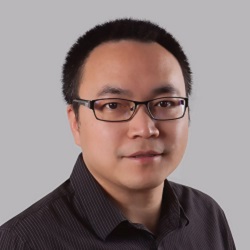
Zhe Ji is an Assistant Professor in the Department of Biomedical Engineering at McCormick School of Engineering and the Department of Pharmacology at Feinberg School of Medicine, Northwestern University. His research integrates computational and experimental genomics to study gene transcription and RNA translation in cell fate commitment and oncogenic processes, aiming to develop precision medicine strategies. **Education**: Postdoctoral Fellow in Cancer Systems Biology, Harvard Medical School Postdoctoral Fellow in Computational Biology, Broad Institute of MIT and Harvard Ph.D. in Computational Genomics, Rutgers University B.S. in Biotechnology, Nanjing University, China **Research Focus**: Keywords include Data Science, Computational Biology, Functional Genomics, RNA, Cancer, Inflammation, and Machine Learning. The lab explores regulatory mechanisms underlying disease, with a focus on translational control, cancer metastasis, and inflammatory networks. **Grants & Advising**: No specific grants or student advisees listed. The lab emphasizes collaborative projects and computational-experimental approaches. **Lab Affiliations**: Zhe Ji’s lab is part of Northwestern’s interdisciplinary environment, bridging engineering and medicine to advance genomic technologies and therapeutic strategies.
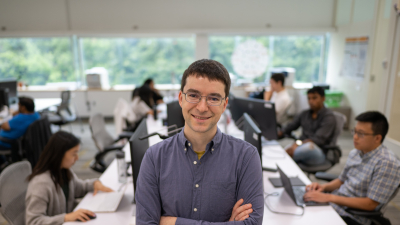
Yuri Pritykin is an Assistant Professor at Princeton University, affiliated with the Lewis-Sigler Institute for Integrative Genomics and the Department of Computer Science. He also holds cross-appointments in Molecular Biology, the Omenn-Darling Bioengineering Institute, and the Center for Statistics and Machine Learning. Pritykin earned his Ph.D. in Computer Science from Princeton University (2014), alongside MSc and Ph.D. in Mathematics from Lomonosov Moscow State University. His research lies at the intersection of applied statistics, machine learning, and functional genomics, focusing on integrative analysis of multi-dimensional biological data. Research Interests: Decoding regulatory genomics in immune cells, CRISPR tool development (GuideScan2), single-cell and spatial multi-omics for immunology and cancer, post-transcriptional regulation, and cell-cell interaction profiling (uLIPSTIC technology). Awards: NSF CAREER Award (2023) NIH New Innovator Award (2022) Recognized by Princeton Ludwig Institute, Rutgers Cancer Institute, and AACR Teaching: Courses in computational biology, genomics, and machine learning applications in life sciences. His lab actively collaborates with immunologists and genomicists, seeking interdisciplinary scientists at all career stages.
Alisha Jones is an Assistant Professor of Chemistry at New York University, affiliated with the Department of Chemistry within the College of Arts & Science. She holds a Ph.D. in Chemistry from the University of Washington and dual Bachelor’s degrees in Chemistry and Zoology from Miami University of Ohio. Her research focuses on RNA structural dynamics, particularly the role of long noncoding RNAs (lncRNAs) in gene regulation and disease mechanisms. Dr. Jones employs a combination of biochemical, biophysical, and computational approaches to study RNA structure and function, including chemical probing, molecular dynamics simulations, and machine learning. Her group investigates how structural conformations of lncRNAs influence their biological roles, such as regulating gene expression through conformational changes. They also explore therapeutic strategies to target these RNA structures in diseases like cancer and viral infections. Notable projects include studying the Xist lncRNA’s A-repeats, SARS-CoV-2 methylation complexes, and the functional core of the lncRNA Cyrano. Publications highlight her work on RNA structure probing techniques, cooperativity effects in chemical experiments, and the interplay between RNA dynamics and biological function. Her lab, the Jonesy Research Group, emphasizes interdisciplinary approaches and hosts outreach initiatives to promote RNA science. Dr. Jones is based at NYU’s Silver Center, and her contact information includes aj3863@nyu.edu.
Iwijn De Vlaminck is an Associate Professor in the Meinig School of Biomedical Engineering at Cornell University. His research focuses on developing precision medicine technologies, including liquid biopsies for diagnosing infectious and immune-related diseases, and spatial profiling of microbiomes and host-microbiome interactions. He leads the De Vlaminck Lab, which integrates engineering, biophysics, and computational biology to advance diagnostics and therapeutics. Key affiliations include the College of Engineering and interdisciplinary graduate fields such as Biomedical and Biological Sciences and Computational Biology. Education: B.S., Electronic Engineering, Katholieke Universiteit Leuven (2000) M.S., Electronic Engineering, K.U. Leuven (2003) Ph.D., Science and Engineering, K.U. Leuven (2008) Research Interests: His lab develops high-throughput technologies for studying diseases like organ transplant rejection, urinary tract infections, and viral myocarditis. Innovations include spatial transcriptomics and methods to map microbial communities in tissues. Recent work addresses biomarkers for MIS-C in children and applications of cell-free DNA in spaceflight studies. Awards: NIH New Innovator Award (2017) Elected Fellow of the American Institute for Medical and Biological Engineering (2025) Rainin Foundation Synergy Award (2019) Teaching Excellence Awards (2017, 2022) Grants & Collaborations: Recipient of a $3M NSF grant for bio-inspired architecture and a $9.5M NIH grant for chronic fatigue syndrome research. Collaborates with institutions like Weill Cornell Medicine and NASA on spaceflight biology and clinical diagnostics. Labs & Teams: Directs the De Vlaminck Lab, which includes interdisciplinary researchers working on spatial omics, liquid biopsies, and microbiome technologies. Engaged in industry partnerships, including co-founding Kanvas Biosciences.
Dr. Jing Zhang is an Assistant Professor in the Department of Computer Science at the University of California, Irvine (UCI), affiliated with the Donald Bren School of Information and Computer Sciences. She holds a Ph.D. in Electrical Engineering and Molecular/Computational Biology from the University of Southern California (2012) and completed postdoctoral training in Computational Biology at Yale University. Her research focuses on developing computational methods to unravel gene regulation mechanisms and link genetic variations to diseases, particularly in noncoding regions of the genome. She has contributed extensively to the ENCODE project, co-authoring pivotal studies in Nature and producing over 5,900 experimental datasets. Dr. Zhang’s work bridges engineering, mathematics, and biology, with applications in precision medicine for cancers and psychiatric disorders. She emphasizes the importance of noncoding DNA in disease causation and has pioneered tools like EN-TEx and scENCORE to analyze epigenomes and regulatory elements. Her lab actively seeks to recruit Ph.D. students, postdocs, and interns to advance genomic technologies. Key research areas include single-cell and spatial transcriptomics, gene regulatory networks, and computational methods for multi-omics data integration. Despite pandemic-related challenges, she maintains strong collaborations and teaches courses in bioinformatics. Her future goals include expanding lab interactions and applying computational models to predict disease susceptibility and treatment responses.
Aly Karsan is a Professor in the Department of Pathology and Laboratory Medicine at the University of British Columbia (UBC) and a Distinguished Scientist at Canada’s Michael Smith Genome Sciences Centre at BC Cancer. His research focuses on the molecular basis of myeloid leukemias, aging-related cancer resistance, and clinical genomics innovation. Affiliations: Faculty of Medicine (UBC), School of Biomedical Engineering (UBC), BC Cancer Research Institute, Centre for Blood Research (UBC) Clinical leadership: Established first clinically-accredited Next-Generation Sequencing lab in Canada Research Interests Dr. Karsan investigates: Genomic and epigenomic aberrations in aging-related leukemia Role of noncoding RNAs and innate immune signaling in blood cancers Embryonic blood stem cell emergence via Sash1 signaling Clonal interactions in acute myeloid leukemia (AML) Mechanisms of lenalidomide resistance in myelodysplastic syndromes Scientific Contributions Recent publications demonstrate expertise in: NGS technology validation Genetic barcoding systems TGFβ signaling in hematopoiesis Bayesian network diagnostics Awards & Recognition Tier 1 Canada Research Chair in Blood Cancers John Auston BC Cancer Foundation Clinical Scientist Award Health Employers Association of BC Gold Apple Award for Innovation Multiple CIHR Clinician-Scientist and MSFHR Scholar awards Labs & Collaborations Leads the Karsan Lab at BC Cancer Research Institute and coordinates a Terry Fox Research Institute Program Project with six principal investigators.
Yoosik Kim serves as Associate Professor at the Korea Advanced Institute of Science and Technology (KAIST), leading the RNA Engineering & Application Lab (also known as Bio Network Analysis Lab). His research centers on double-stranded RNA (dsRNA) as a critical regulator of innate immune responses beyond viral contexts, investigating endogenous dsRNA production in mammalian cells and its roles in cell cycle regulation, protein translation, and gene expression. His lab employs integrated methodologies including molecular biology, high-throughput sequencing, quantitative imaging, and computational modeling to decode RNA networks. Key disease connections include cancer, dementia, and arthritis where dsRNA-protein interactions drive pathological immune activation. Research aims to develop novel therapeutic strategies by targeting dsRNA and RNA-binding proteins for disease intervention. Dr. Kim actively recruits graduate students for M.S. and Ph.D. positions across experimental and computational projects, emphasizing interdisciplinary collaboration between biologists and engineers. His work bridges chemical engineering principles with biological systems analysis, originating from his Ph.D. training in Chemical Engineering at Princeton University.
Audrey Fu is an Associate Professor of Family Medicine and Public Health Sciences and of Molecular Medicine and Genetics at Wayne State University School of Medicine, located at Scott Hall, 540 E. Canfield Street, Detroit, MI 48201. Her interdisciplinary work bridges computational methods with biomedical applications, particularly in genomics and medical imaging fields. Her educational background includes a PhD from the University of Washington (2008), followed by postdoctoral training at the University of Chicago (2008-2014) and a Visiting Postdoctoral Scholar position at Stanford University (2014-2015). This strong foundation in statistics and computational biology has enabled her to develop innovative approaches to complex biomedical data analysis. Dr. Fu specializes in developing statistical methods and algorithms for analyzing high-dimensional biomedical data, with particular expertise in causal network inference using Mendelian randomization, deep learning for single-cell RNA-sequencing data, and methods for identifying disease-relevant cell types through integration of genomic data. Her research group actively practices open science, distributing open-source software packages in R and Python through GitHub and CRAN. Her publication record reveals a clear progression from fundamental statistical methodology development toward increasingly translational biomedical applications. While her earlier work focused on DNA methylation patterns, statistical inference of gene expression noise, and Bayesian clustering methods, her recent publications demonstrate expansion into medical imaging analysis, particularly in space medicine applications and neurological conditions like Chiari malformation. This evolution shows her ability to adapt statistical frameworks to address diverse biomedical challenges. NIH Pathway to Independence Award (K99/R00; 2014-2019) International Society for Bayesian Analysis Travel Award (2010) Dorothy and Leon Gilford Fellowship, Department of Statistics, University of Washington (2003) Dr. Fu is currently accepting new M.S. students for 2025-2026 but not new Ph.D. students. Her NIH K99/R00 award indicates successful transition from postdoctoral research to independent investigator status. Her lab develops multiple open-source software packages including MethylHMM, MRPC, LATE, and rolypoly, reflecting her commitment to making computational tools accessible to the broader research community. Her collaborative work spans multiple institutions and disciplines, from basic molecular biology to clinical applications in ophthalmology and neurosurgery.
Tian Hong is an Associate Professor at the Department of Biological Sciences, The University of Texas at Dallas , with a joint appointment as Research Associate Professor at the Department of Biochemistry & Cellular and Molecular Biology, The University of Tennessee, Knoxville . His research focuses on systems biology, bioinformatics, cancer biology, and mathematical biology , particularly the plasticity and heterogeneity of epithelial and immune cells during development and cancer progression . He develops computational and mathematical models for gene regulatory networks, pattern formation, and dynamical systems. Education : PhD in Genetics, Bioinformatics and Computational Biology from Virginia Tech; MS in Bioinformatics from Nanyang Technological University, Singapore; BS in Biological Sciences from Nanyang Technological University, Singapore. Previous Appointments : Associate Professor (2023–2024) and Assistant Professor (2017–2023) at The University of Tennessee, Knoxville. His recent publications explore noncoding RNA-driven oscillations , Turing pattern formation without feedback , and epithelial-mesenchymal transitions using single-cell transcriptomics and mathematical modeling . He has received the Professional Promise in Research and Creative Achievement Award (2024) and the Transdisciplinary Team Science Fellow (2009). His work is funded by NIH grants including R35GM149531 (PI) and R01GM140462 (completed PI). Dr. Hong advises PhD and Master’s students and collaborates with researchers at the Center for Systems Biology, UT Dallas . His lab ( link ) actively seeks undergraduate, graduate, and postdoctoral researchers interested in interdisciplinary computational biology .
Professor Marcel Dinger is a prominent academic and researcher currently serving as Professor and Head of School for Biotechnology and Biomolecular Sciences at UNSW Sydney. With over 20 years of experience in genomics, he has established himself as a leading figure in both academic and entrepreneurial spheres within the field. He has published 153 papers with over 24,000 citations and maintains an h-index of 61 on Google Scholar. His leadership extends beyond academia as he serves as President of the Australasian Genomics Technologies Association (AGTA) and holds director positions at Pryzm Health and the National Centre for Indigenous Genomics (NCIG). Professor Dinger's research laboratory focuses on establishing new links between phenotype and genotype, particularly examining rare and complex diseases in relation to underexplored regions of the genome including pseudogenes, repetitive elements, non-canonical DNA structures, and noncoding RNAs. His work harnesses population-scale genomic datasets and sophisticated data science methods to bring an objective perspective to understanding how the genome stores information and how it is transacted in biology. His research interests span genomics, non-coding RNA biology, clinical applications of genomic medicine, and the development of computational approaches for analyzing complex genomic data. Analysis of Professor Dinger's recent publications reveals a strong emphasis on non-coding RNA research, particularly long noncoding RNAs and their roles in disease mechanisms. His work spans cancer genomics, neurological disorders, and fundamental genomic mechanisms including DNA secondary structures like i-motifs and G-quadruplexes. His research combines experimental approaches with advanced bioinformatics to address fundamental questions in genomic medicine and has significant translational implications for disease diagnosis and treatment. Highly Cited Researcher in Cross-Field category (2019, 2020, 2021) Fellow of the Faculty of Science (Research), Royal Society of Pathologists of Australasia (2016) NHMRC Career Development Award (2010) Queensland Government Smart Futures Fellowship (2009) Foundation of Research, Science and Technology New Zealand Postdoctoral Fellowship (2005) Professor Dinger has been instrumental in establishing and leading several significant research initiatives including Genome.One, one of the first companies globally to provide clinical whole genome sequencing services, and the Kinghorn Centre for Clinical Genomics at the Garvan Institute of Medical Research. His entrepreneurial experience includes founding four biotechnology and IT startups. He serves on multiple governance boards including the National Centre for Indigenous Genomics, focusing on using genomics to improve health outcomes for Australia's First Peoples. His laboratory at UNSW continues to advance our understanding of genomic regulation and its implications for human health and disease.
Dr. Juli Feigon is a Distinguished Professor in the Department of Chemistry and Biochemistry at UCLA's College of Letters and Science, where she has been a faculty member since 1985. Her research focuses on the structure and function of nucleic acids using multidimensional NMR spectroscopy, X-ray crystallography, and cryo-EM to study telomerase, riboswitches, and RNA-protein complexes. As a member of the National Academy of Sciences and recipient of numerous prestigious awards, she has established herself as a leader in structural biology of nucleic acids. Dr. Feigon received her B.A. from Occidental College and her M.S. and Ph.D. from the University of California, San Diego where she studied with Dr. David Kearns. Her postdoctoral work was completed at the Massachusetts Institute of Technology as a Damon Runyon-Walter Winchell Cancer Fund Postdoctoral Fellow with Dr. Alex Rich. Dr. Feigon's laboratory studies nucleic acid structure and function with emphasis on telomerase structure and mechanism, H/ACA RNPs biogenesis, and riboswitch dynamics. Her group uses NMR spectroscopy as a primary tool, complemented by X-ray crystallography, cryo-EM, and biochemical methods to understand how RNA and RNA-protein complexes function in the cell and how mutations can lead to disease. Current research focuses on structure, function, dynamics, assembly, and folding of human telomerase, Tetrahymena telomerase, riboswitches, H/ACA RNPs, and other noncoding RNAs. Analysis of Dr. Feigon's recent publications reveals a progression from fundamental RNA structure studies to increasingly complex biological systems. Her work has evolved from isolated RNA domains to full complexes and holoenzymes, with growing integration of multiple structural biology techniques. While maintaining her core focus on telomerase structure, her research has expanded to include connections to human diseases like cancer and neurodegenerative conditions, demonstrating the broad applicability of her structural insights. Member, National Academy of Sciences (2009) Glenn T. Seaborg Medal (2024) Herbert Newby McCoy Award (2022) Dorothy Crowfoot Hodgkin Award from Protein Society (2017) Founders Award from the Biophysical Society (2019) Presidential Young Investigator, National Science Foundation (1989-1994) Camille and Henry Dreyfus Teacher/Scholar Award (1990) Dr. Feigon has mentored numerous postdoctoral fellows and graduate students who have gone on to independent positions at institutions worldwide. Her laboratory has been exceptionally successful in securing postdoctoral fellowships for its members, including American Heart Association, NIH Ruth L. Kirschstein, and Life Sciences Research Foundation awards. She established the 'Juli Feigon Helping Hands Award' to support postdoctoral fellows, research staff, and graduate students who are primary caregivers for dependent children or other family members, with matching funds from the Department of Chemistry and Biochemistry. The Feigon Laboratory maintains state-of-the-art NMR facilities including an 800MHz Bruker Avance with TCI cryoprobe, 600MHz with TXI cryoprobe, and two 500MHz spectrometers. The lab collaborates extensively with UCLA's DOE shared facilities for crystallization, protein expression, and X-ray/EM structure determination, as well as the EICN EM facility featuring Titan Krios and other advanced electron microscopy equipment. Her research group continues to investigate the structure, function, dynamics, assembly, and folding of telomerase and other non-coding RNA complexes.
Dr. Laura Leighton is a Postdoctoral Research Fellow in the mRNA Sciences group at the Australian Institute for Bioengineering and Nanotechnology (AIBN), The University of Queensland. Her research focuses on RNA biology, particularly the functional characterization of RNA molecules and their roles in cancer therapy and neurological processes. She leads the development of mRNA-based therapeutics for liver cancer, leveraging lipid nanoparticle (LNP) delivery systems to target intracellular cancer proteins. Dr. Leighton holds a PhD from the Queensland Brain Institute (2021), where her work, supported by the Westpac Future Leaders Scholarship, explored small noncoding RNAs in fear-related learning and memory. She completed her postdoctoral training under Dr. Seth Cheetham at AIBN in 2023. Her educational background includes a Bachelor of Science and Bachelor of Science (Honours) from The University of Queensland. Her research interests integrate molecular biology, neuroscience, and translational medicine, with a focus on RNA modifications (e.g., m6A), long noncoding RNAs, and the epigenetic regulation of memory processes. Key themes in her work include fear extinction mechanisms, synaptic plasticity, and the application of mRNA therapeutics in cancer treatment. Dr. Leighton’s articles consistently explore RNA-driven mechanisms in memory and disease. Recent work highlights the role of DNA G-quadruplex structures in memory regulation, the interplay between stress hormones and sperm RNA dysregulation, and the synthesis of novel long noncoding RNAs (e.g., ADRAM) that drive fear extinction. Her findings bridge basic neuroscience and clinical applications, emphasizing RNA’s dynamic role in health and disease. Awards: Westpac Future Leaders Scholarship (2017) Grants: TdC Mid Career Grant (Targeting liver cancer with mRNA therapies), Prader Willi Syndrome Research Grant (2022–2024) She is actively involved in supervising research students and contributes to the development of advanced drug delivery systems targeting liver cancers. Her lab is part of AIBN’s mRNA Sciences team, collaborating on projects that translate RNA-based discoveries into clinical solutions.
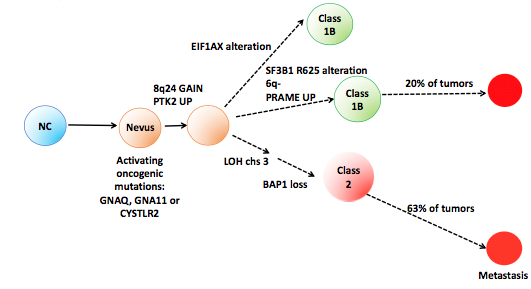
Dr. Anne Bowcock is a Professor in Oncological Sciences, Dermatology, and Genetics and Genomic Sciences at the Icahn School of Medicine at Mount Sinai. She previously held positions at Imperial College London and Washington University Medical Center. Her research focuses on cancer genomics and inflammatory skin diseases, particularly psoriasis and psoriatic arthritis. She identified key genes like CARD14 (linked to psoriasis) and BAP1/SF3B1 (critical for uveal melanoma progression). Her lab uses genomic, epigenomic, and functional approaches to study disease mechanisms. Education: PhD from the University of the Witwatersrand; Postdoc at Stanford University. Awards: 2005 American Skin Association Psoriasis Achievement Award, Medical Research Council Award (1981). Research interests include molecular drivers of cancers (e.g., uveal melanoma, acral melanoma) and genetic basis of skin disorders. She investigates small RNAs, noncoding RNAs, and therapeutic interventions for psoriasis. The lab also explores tumor heterogeneity and metastasis mechanisms in uveal melanoma using organoid models. Key articles highlight discoveries in cancer genetics and psoriasis pathogenesis. Her team includes postdoctoral fellows, bioinformaticians, and collaborators across disciplines.
Fiachra Emanuel Humphries , PhD, is an Assistant Professor at UMass Chan Medical School within the T.H. Chan School of Medicine and the Morningside Graduate School of Biomedical Sciences . His primary affiliations include the Division of Innate Immunity and cross-appointment in multiple graduate programs. BS in Biotechnology, National University of Ireland, Maynooth PhD in Immunology, National University of Ireland, Maynooth Research Focus : Innate immune signaling pathways, particularly cGAS-STING axis , inflammasome regulation , and RNA-protein condensates in viral and inflammatory diseases. His work bridges molecular mechanisms with therapeutic development for COVID-19 and autoinflammatory syndromes . Recent Publications highlight discoveries in: Gasdermin D inactivation mechanisms STING oligomerization inhibitors Intestinal immune homeostasis regulation SARS-CoV-2 restriction strategies Networks include collaborations with Katherine Fitzgerald, Paul Thompson, and Scott Shaffer. Key research concepts span Inflammasomes , Interferon Type I , and Phosphate-Binding Proteins .
Dr. Rafet Al-Tobasei serves as an Associate Professor in the Department of Computer Science at Middle Tennessee State University (MTSU), where he applies computational methodologies to solve complex biological problems in aquaculture species. His research bridges computer science and genomics to address critical challenges in fisheries science and genetic improvement programs. His academic credentials include: Ph.D. in Computer Science, Middle Tennessee State University (2017) M.A. in Computer Science, Middle Tennessee State University (2011) M.S. in Computer Science, Middle Tennessee State University (2011) B.S. in Computer Science, Tennessee State University (2007) Dr. Al-Tobasei's research program focuses on developing and implementing bioinformatics tools for aquaculture genomics, with particular emphasis on rainbow trout and Nile tilapia. His expertise spans RNA sequencing analysis, Genome-Wide Association Studies (GWAS), Single Nucleotide Polymorphism (SNP) discovery, Long non-coding RNA (lncRNA) characterization, DNA methylation profiling, and Chromatin Immunoprecipitation Sequencing (ChIP-Seq) data interpretation. He investigates molecular mechanisms underlying economically important traits including muscle growth, fillet quality, disease resistance, and stress response. Analysis of his publication record reveals consistent thematic progression in aquaculture genomics: early work established foundational genomic resources for rainbow trout, followed by sophisticated GWAS applications for trait mapping, and recent integration of multi-omics approaches (transcriptomics, epigenomics, and lipidomics). His research increasingly emphasizes practical breeding applications, with significant contributions to genomic selection methodologies using reduced-density SNP panels and advanced statistical models. While specific awards and grants aren't documented in the source material, his extensive publication record in high-impact journals like BMC Genomics and Scientific Reports demonstrates substantial scholarly impact. His collaborative network spans multiple institutions and includes frequent co-authorship with leading aquaculture geneticists, indicating active participation in the research community and likely involvement in mentoring graduate students through research projects.