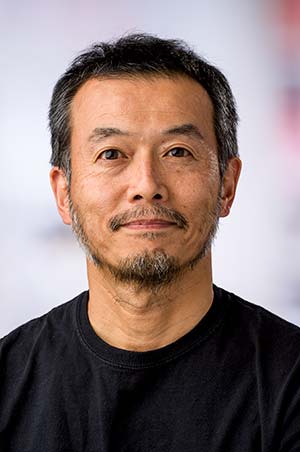
Adam Engler is a Professor in the Department of Bioengineering at the University of California San Diego. His research focuses on mechanotransduction, extracellular matrix regulation, and biophysical cues in cellular behavior, spanning cancer metastasis, cardiac function, and stem cell differentiation. He leads multiple NIH- and NSF-funded projects investigating matrix stiffness, tumor progression, and muscle dysfunction. Research Interests: Mechanotransduction in cancer and cardiac cells Dynamic extracellular matrix modeling Stem cell niche engineering Biophysical signaling in metastasis Age-related muscle degeneration Conductive biomaterials for tissue maturation Recent Publications: His work spans biophysical interrogation of glioblastoma invasion, mechanogenetic approaches in muscle dysfunction, and heterogeneous cancer cell mechanics. Articles highlight stiffness-driven cell fate decisions, adhesome technology for metastatic markers, and collaborative efforts in medical device design. Grants: Major funding includes NIH R01NS116802 (2020-2025), NIH R25EB023839 (2018-2024), and NSF grants on cancer cell mechanics and tissue engineering. Labs & Collaborations: Engler's lab integrates bioengineering and molecular biology, collaborating with teams at UCSD and across institutions to develop dynamic hydrogels, conductive scaffolds, and single-cell atlases for cardiac and cancer research.
Caitlin C. O'Meara, PhD is an Associate Professor in the Department of Physiology at the Medical College of Wisconsin and a member of the Cardiovascular Research Center. Her research program focuses on understanding the molecular and cellular mechanisms underlying cardiac regeneration and repair following injury. Dr. O'Meara's research interests center on cardiac regeneration mechanisms, with particular focus on: Cardiomyocyte proliferation and cell cycle regulation IL-4/IL-13 signaling pathways in cardiac repair Cardiac macrophage function in regeneration Genetic regulation of heart function Cardiac remodeling after myocardial infarction Her most recent publications (2023-2025) demonstrate continued innovation in methodologies for measuring cardiomyocyte division and understanding the complex interplay between immune signaling and cardiac repair mechanisms. The research shows a clear trajectory toward translating basic findings into potential therapeutic approaches for heart disease. Notable scientific contributions include: Elucidating the role of IL-13 in promoting functional recovery after myocardial infarction Demonstrating that Runx1 influences but is not essential for cardiomyocyte cell-cycle activation Developing novel methods for quantifying cardiomyocyte cell division Revealing the adverse cardiac effects of IL4Rα blockade Dr. O'Meara maintains an active research program with consistent publication output, demonstrating strong mentorship through numerous collaborative projects and contributing significantly to the understanding of cardiac regeneration mechanisms. Her work bridges basic science and potential clinical applications for improving cardiac outcomes after injury.
Niels Tommerup is a Professor of Medical Genetics at the Department of Cellular and Molecular Medicine, University of Copenhagen, where he has served since 1996. He previously directed the Wilhelm Johannsen Centre for Functional Genome Research (2001-2013) and was Deputy Head of Department (2007-2019). His research group focuses on mapping balanced chromosomal rearrangements (BCR) to identify disease genes, regulatory domains (Topological Associating Domains), and novel genetic mechanisms, as well as characterizing germline chromothripsis and functional studies of non-coding RNA genes. Tommerup earned his DMSc. in genetics (1994) and medical degree (Cand.med., 1978) from the University of Copenhagen. His early career included positions as a junior doctor, research assistant, and senior doctor at the J.F. Kennedy Institute in Denmark (1978-89), and as a Consultant at the Department of Medical Genetics, Ullevål University Hospital in Oslo, Norway (1989-91). He has held visiting scientist positions at institutions in London, Australia, and Norway. His research spans multiple areas including cytogenetics, translocations and inversions, next generation sequencing, Topological Associating Domains, Long Range Position Effects, 3D-genome organization, and long noncoding RNAs. Tommerup coordinates the International Breakpoint Mapping Consortium (2014-present), involving over 100 diagnostic cytogenetic laboratories from more than 50 countries across six continents. His work has established that direct gene truncation may explain approximately 18% of BCR-associated developmental disorders, and that long-range position effects may be at least as frequent a cause as gene truncation. His recent publications reveal trends in understanding sex differential responses to viral infections (particularly focusing on the X-chromosome), linking anatomical variation to genetic variation, and developing methods for visualization of nuclear genome organization. His work bridges basic genomic research with clinical applications in developmental disorders, intellectual disability, autism, epilepsy, and other conditions. Det Classenske Fideicommis Boglegat (1987) Iris Preuss's Mindelegat (1994) First Harold Klinger Memmorial Award Lecture, Atlanta, USA (2006) Tommerup has supervised 27 PhD students and 10 postdocs. His editorial roles include service on the boards of Briefings in Functional Genomics, Clinical Genetics, Computational and Structural Biotechnology Journal, PeerJ, and Australasian Med J. He has organized numerous academic events including the International Summer School in Functional Genomics and the Wilhelm Johannsen Symposium. His international collaborations include the EU-concerted action Mendelian Cytogenetics Network and the International Breakpoint Mapping Consortium. Tommerup leads the Tommerup Group which coordinates the International Breakpoint Mapping Consortium and collaborates with Michael Talkowski's group at Harvard to accumulate the largest collection of sequence-resolved germline balanced chromosomal rearrangements. His laboratory combines DNA-DNA-interaction (Hi-C) studies with short and long read sequencing to improve the dissection of complex chromosomal rearrangements. The group has initiated systematic X-inactivation studies of sequence-resolved X;autosomal translocations and X-inversions, and conducts research on germline chromothripsis and host genetic factors underlying sex differential responses to viral infections.
Sarah Rennie serves as Assistant Professor in the Department of Biology within the Faculty of Science at the University of Copenhagen, specializing in Computational and RNA Biology. Her research focuses on RNA modifications and their implications in cancer biology, particularly gastrointestinal and pancreatic cancers. Her primary research interests span RNA modifications, noncoding RNA biology, cancer epigenetics, and bioinformatics. Current work investigates N6-methyladenosine (m6A) modifications in pancreatic cancer progression, tumor microenvironment adaptations, and computational approaches for RNA analysis. Her lab develops and benchmarks bioinformatic tools for lncRNA research and RNA editing detection, bridging wet-lab experiments with computational modeling. Recent publications demonstrate significant contributions to understanding RNA modification roles in cancer, with 2024-2025 work appearing in high-impact journals including Cancer Science , Cell Reports , and EMBO Journal . Her research shows strong emphasis on translational applications, particularly in developing RNA-based cancer biomarkers and therapeutic targets. Rennie serves as Editor for the journal Non-coding RNA (2023), demonstrating leadership in the field. Her work receives consistent attention across academic platforms with multiple mentions on X (formerly Twitter), Reddit, Bluesky, and Mendeley. Her laboratory operates within the Computational and RNA Biology section at Ole Maaløes Vej 5 in Copenhagen, utilizing both experimental and computational approaches to study RNA modifications in disease contexts. Current projects focus on acid microenvironment adaptations in pancreatic cancer and deep learning applications for RNA modification analysis.
Joan Steitz is the Sterling Professor of Molecular Biophysics and Biochemistry at Yale School of Medicine, where she has made groundbreaking contributions to RNA biology. She leads the Steitz Lab, which is affiliated with multiple Yale research centers including the Yale Cancer Center, Yale Stem Cell Center, and the Center for RNA Science and Medicine. Yale School of Medicine, Department of Molecular Biophysics and Biochemistry (Primary) Yale Cancer Center Yale Stem Cell Center Yale Combined Program in the Biological and Biomedical Sciences (BBS) Center for RNA Science and Medicine Dr. Steitz earned her BS from Antioch College (1963) and PhD from Harvard University (1967), followed by postdoctoral work at the Medical Research Council Laboratory of Molecular Biology in Cambridge, England. She joined Yale as an assistant professor and progressed to become a Sterling Professor, one of Yale's highest academic honors. Her research focuses on RNA-protein complexes, particularly small nuclear ribonucleoproteins (snRNPs) that play critical roles in pre-mRNA splicing. The lab investigates how these complexes recognize intron signals and assemble into functional spliceosomes. Recent work has explored stress-induced transcriptional readthrough, RNA stability mechanisms involving poly(A) tails, and the functions of viral noncoding RNAs from herpesviruses. Analysis of Dr. Steitz's recent publications reveals a strong emphasis on RNA structure-function relationships, viral-host interactions, and the molecular mechanisms of RNA processing. Her work spans structural biology, virology, and molecular genetics, with applications to understanding human diseases including cancer. Warren Alpert Prize (2021) Wolf Prize in Medicine (2021) Watson Prize (2021) Medal Prize Lecture (2021) Honorary Doctor of Science (2021) Dr. Steitz actively mentors students and postdocs, with numerous trainees appearing as co-authors on her publications. Her lab maintains strong collaborations across Yale and with international researchers, as evidenced by her extensive publication record. She has also been a prominent advocate for gender diversity in STEM fields, co-authoring influential papers on improving representation of women in science. The Steitz Lab maintains active research programs in RNA structure, splicing mechanisms, viral noncoding RNAs, and stress responses, with ongoing projects examining how RNA-protein interactions govern gene expression in both normal and disease states.
Toshio Tsukiyama, PhD, DVM, serves as Professor and Associate Director of the Basic Sciences Division at Fred Hutchinson Cancer Center and holds an Affiliate Associate Professor position in Biochemistry at the University of Washington School of Medicine. His laboratory focuses on understanding how cells regulate chromatin, the complex packaging system that compresses extensive DNA within microscopic cell nuclei. Dr. Tsukiyama's educational background includes a PhD in Mechanism of Suppression of the Long Terminal Repeat of Moloney Leukemia Virus in Mouse Embryonal Carcinoma Cells from Hiroshima University (1991), a DVM in Transforming Genes of Canine Adenovirus Type from Obihiro University of Agriculture & Veterinary Medicine (1987), and a BS from the same institution (1985). His research interests center on chromatin regulation, DNA packaging, gene expression control, and cellular quiescence. Dr. Tsukiyama investigates how chromatin structure influences critical cellular processes including transcription, DNA replication, repair, and recombination. His laboratory has made significant discoveries about how specific protein families help control when genes are turned on and off, and how the 3D structure of DNA regulates cellular processes. A major focus of his recent work examines quiescence, a reversible cellular state where DNA becomes dramatically more condensed, which has important implications for understanding cancer cell dormancy and resistance to chemotherapy. Analysis of Dr. Tsukiyama's publication record reveals consistent contributions to understanding chromatin remodeling mechanisms, particularly through studies of the Isw2 complex and related proteins. His work spans molecular genetics, genomics, cell biology, and biochemistry, with a strong emphasis on in vivo mechanisms. The research shows an evolution from basic chromatin structure studies to more complex investigations of how chromatin regulation affects cell cycle control and cellular quiescence. Dr. Tsukiyama's scientific achievements were recognized with his election to the American Academy of Microbiology in 2024, highlighting his significant contributions to understanding DNA packaging and how cells exploit chromatin structure to enter and exit dormancy states. As Associate Director of the Basic Sciences Division at Fred Hutch, Dr. Tsukiyama plays a leadership role while maintaining an active research laboratory. His lab continues to investigate how chromatin structure regulates cellular processes, with particular focus on the mechanisms underlying cellular quiescence and its implications for cancer therapy. The Tsukiyama Lab employs diverse approaches including genomics, molecular genetics, cell biology, and biochemistry, providing graduate students with training in a wide variety of techniques including deep sequencing and bioinformatic analyses.
Montserrat C. Anguera is an Associate Professor in the Department of Biomedical Sciences at the University of Pennsylvania School of Veterinary Medicine. Her research focuses on epigenetic mechanisms in immune cells and placental development, with particular emphasis on X-chromosome inactivation and sex-biased diseases. Dr. Anguera earned her PhD in Biochemistry, Molecular and Cellular Biology from Cornell University in 2004, followed by postdoctoral training at Massachusetts General Hospital/Harvard Medical School (2004-2012). She maintains active affiliations with multiple research institutes including the Epigenetics Institute, Institute for Immunology, Center for Research on Reproduction & Women's Health, and Institute for Regenerative Medicine at the University of Pennsylvania. Her research program investigates mechanisms of X-chromosome inactivation in lymphocytes and stem cells, revealing that female immune cells exhibit unique epigenetic features on the inactive X chromosome that may explain female predisposition to autoimmune disorders like lupus. Her lab also studies sex-specific differences in placental development using human stem cell models, identifying novel X-linked long noncoding RNAs that regulate immune responses during pregnancy. Recent work demonstrates that Xist RNA deletion in B cells triggers lupus-like phenotypes , providing direct evidence for X-chromosome involvement in autoimmunity. Analysis of her 15 most recent publications (2019-2025) reveals a strong focus on sex differences in immunity, with recurring themes of X-chromosome dysregulation in autoimmune diseases, epigenetic control of immune cells, and the role of long noncoding RNAs in development. Her work spans basic molecular mechanisms to translational applications in lupus and other sex-biased conditions. Dr. Anguera serves as an editorial contributor to key publications in her field, including a 2020 Frontiers in Cell and Developmental Biology editorial on X-chromosome regulation. Her research bridges immunology, epigenetics, and developmental biology to address fundamental questions about sex differences in health and disease.
Sathyanarayanan V Puthanveettil is an Associate Professor in the Department of Neuroscience at the University of Florida College of Medicine, where he leads the SR-NEURO-PUTHANVEETTIL LAB. His academic journey includes significant research at Columbia University under Nobel laureate Eric Kandel, followed by positions at Scripps Research Institute and Florida Atlantic University. Dr. Puthanveettil's research focuses on the molecular and cellular basis of memory storage and cognitive disorders. His laboratory investigates the critical role of axonal transport in long-term memory formation, examining how organelles, proteins, mRNAs, and noncoding RNAs are transported to specific synapses. His integrated approach combines genomics, proteomics, electrophysiology, biochemistry, and advanced imaging techniques using model organisms like Aplysia and mice, including models of Alzheimer's and Huntington's disease. His publication record shows consistent high-impact output, with recent work focusing on RNA-mediated mechanisms of synaptic plasticity, kinesin motor proteins in memory formation, and mitochondrial transport in neurons. His research has evolved from foundational work on CPEB and synaptic plasticity to cutting-edge investigations of non-coding RNAs and their role in memory maintenance. CAREER Award from National Science Foundation (2015) Whitehall Foundation Award (2012) Young Investigator Award (2011) Searle Scholar Award nomination (2011) Recognition for work on Kinesin transported RNAs as 'HOT TOPIC' for Neuroscience (2009) Dr. Puthanveettil currently oversees multiple NIH-funded research projects totaling millions of dollars, with active grants from NIMH, NIA, NIGMS, and NIDA. His laboratory maintains collaborations across institutions and continues to train the next generation of neuroscientists. The Puthanveettil Lab utilizes advanced techniques to study how molecular transport coordinates nuclear and synaptic processes during memory storage, with significant implications for understanding and treating cognitive disorders.