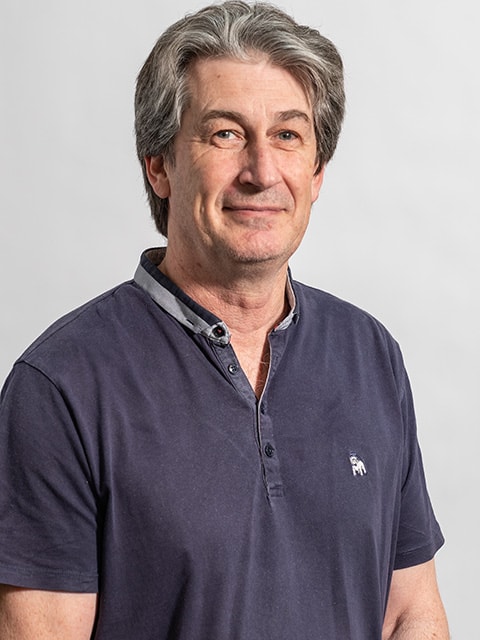
Professor Graham Sander is a Professor of Hydrology at Loughborough University, affiliated with the School of Civil and Building Engineering. His research focuses on mathematical modeling of soil erosion, unsaturated soil flow, contaminant transport dynamics, and nonlinear diffusion-convection equations. He leads the NERC-funded project on multi-dimensional soil erosion and chemical transport, collaborating with Lancaster University’s Department of Environmental Science. His academic qualifications include a BSc (Hons) and PhD. Recent research emphasizes integrating particle size-selective models to predict sediment and contaminant delivery to water bodies, supported by lab and field experiments. He has also pioneered pseudospectral methods for infiltration modeling and explored flood risk management through nature-based solutions like leaky barriers. Key contributions include advancing understanding of rainfall-driven erosion dynamics, including splash effects and rock fragment coverage impacts. His work spans experimental hydrology, numerical simulation, and interdisciplinary approaches to environmental challenges. He co-edits hydrology journals and advocates for rigorous scientific communication in the field. Grants: NERC-funded soil erosion project, Australian Research Council project on unsaturated soil flow. Labs/Teams: Collaborator with Lancaster University’s Environmental Science Department.
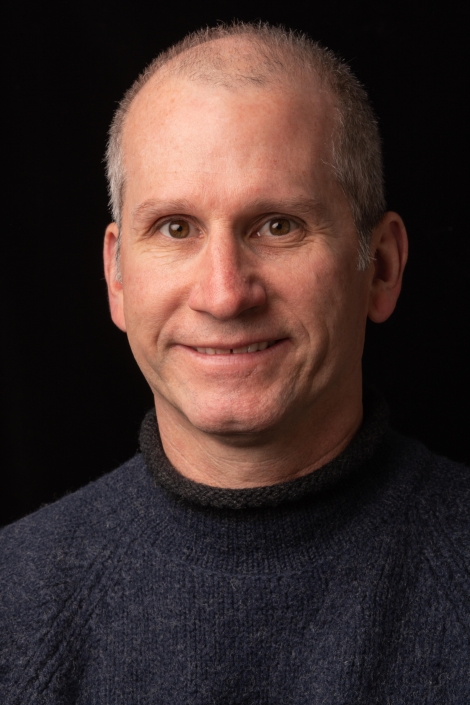
Dr. Shea Tuberty is a Professor in the Department of Biology at Appalachian State University, where he teaches Invertebrate Zoology, Ecotoxicology, and Fauna of Australasia. He directs the Tuberty Lab focused on sustainable water resource management and serves as Director of the Quality Enhancement Plan. Additionally, he holds board membership and treasurer roles at Environmental Stewards Consulting, Inc., a non-profit advising communities impacted by hazardous waste. His educational background includes a B.A. from Vanderbilt University, M.S. and Ph.D. from Tulane University, and postdoctoral training at the University of West Florida/US EPA. Research centers on ecotoxicology and aquatic ecology in southeastern U.S. streams, investigating impacts of coal ash spills, sewage effluents, road salts, and industrial contaminants. Key projects examine endocrine disruption in fish, toxic metal bioaccumulation, and stream recovery post-remediation. His lab collaborates with Chemistry and Sustainable Technology departments to develop toxin-removal techniques while emphasizing community engagement through school outreach and water quality initiatives. Publications reveal consistent focus on environmental toxicology since the 1990s, with recent work addressing emerging threats like road salts and invasive Didymo diatom in Blue Ribbon flyfishing rivers. Early research established foundational knowledge on heavy metal bioavailability and endocrine disruption in crustaceans. Dr. Tuberty actively mentors high school, undergraduate, and M.S. students through the Tuberty Lab and AppAqua research cluster. He leads civic engagement projects with local schools and non-profits for water quality assessment, while collaborating on regional initiatives like CSETAC conferences and Upper South Fork New River studies. The Tuberty Lab operates within the AppAqua interdisciplinary cluster, studying headwater streams across six Southern Appalachian river systems (Catawba, Linville, New, N. Toe, Watauga, Yadkin). Partnerships with Chemistry and Sustainable Technology departments drive innovation in point-source toxin degradation, directly supporting ASU's sustainability strategic plan.
Professor Eigil Kaas is affiliated with the Niels Bohr Institute at the University of Copenhagen . His work spans climate dynamics , numerical weather prediction (NWP) , and atmospheric modeling . As former Section Head of Climate and Computational Geophysics , he leads research on climate-chemistry coupling and sea ice impacts. Education : MSc (1987) and PhD (1993) in Meteorology from University of Copenhagen Research Focus : Climate dynamics and physics Numerical methods in atmospheric models Machine learning for weather prediction Arctic sea ice-climate interactions Thunderstorm electricity and radiation Coupled atmosphere-ocean modeling Article Trends : Recent work combines neural networks with radiative transfer optimization Focus on storm dynamics and gamma-ray flashes Extreme precipitation modeling under climate change Pioneering tidal flow studies in Faroe Island fjords Teaching Legacy : Instructor of Atmospheric Physics and Dynamical Meteorology courses Developed zonally averaged climate model for educational use Mentored 12 PhD/MSc students with DMI/ECMWF collaborations Professional Roles : Chairman of BFI Group 28 (Geosciences & Climate) Scientific Advisory Committee member at ECMWF Project lead in EU ENSEMBLES and PEGASOS initiatives
Lilit Yeghiazarian is an Associate Professor at the University of Cincinnati’s School of Energy, Environmental, Biological & Medical Engineering and the Department of Biomedical, Chemical & Environmental Engineering. She holds a Ph.D. in Biological Engineering from Cornell University (2001), an M.S. in Industrial Engineering from the American University of Armenia (1995), and a B.S. in Automation and Control (Summa Cum Laude) from Yerevan Polytechnic Institute (1992). Her research focuses on Multifunctional advanced materials and environmental sensing Biomimetic robotics and autonomous sensors Porous media flow simulation and design Watershed sustainability and stochastic contaminant transport modeling Her work bridges microscopic and macroscopic scales, integrating stochastic systems, control theory, and environmental engineering for applications like urban flood management and pathogen transport. Key contributions include the Urban Flooding Open Knowledge Network (UF-OKN) , a framework for real-time flood forecasting and risk communication, and the Pore Topology Method for porous material design. She has secured over $10 million in federal grants, including NSF CAREER and RAISE awards. Awards include the Ruth L. Kirschstein National Research Service Award (2006–2008) and Alpha Epsilon Honor Society (1998). She serves on multiple editorial and review boards, including the Water Environment Research Foundation.
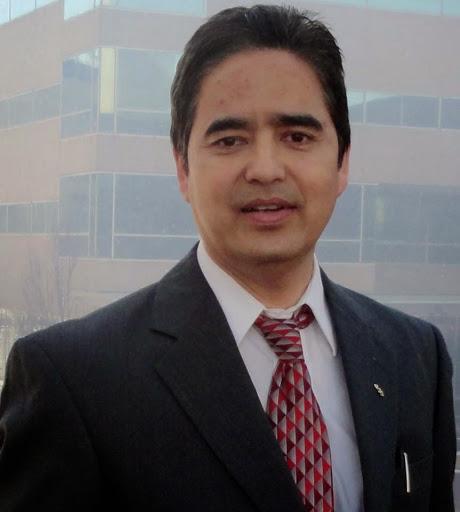
Dr. Prem Parajuli is a Professor of Environmental Engineering and Watershed Modeling in the Department of Agricultural and Biological Engineering at Mississippi State University (MSU), affiliated with the Bagley College of Engineering. He holds a Ph.D. in Biological and Agricultural Engineering from Kansas State University. His career spans over 15 years, including roles as Post-Doctoral Researcher (2007–2009) and progressively advancing to Assistant (2009–2015), Associate (2015–2021), and Full Professor (2021–present). Dr. Parajuli’s research focuses on environmental engineering, particularly watershed hydrology, water quality modeling (e.g., SWAT), climate change impacts, bio-energy systems, and GIS/remote sensing applications. Key interests include the water-energy-food nexus, agricultural conservation practices, and non-point source pollution mitigation. He leads projects funded by USDA and other agencies, emphasizing sustainable land and water management. His teaching spans courses like ABE 4803 (Biosystems Simulation), ABE 3513 (GPS/GIS in Agriculture), and ABE 4990 (Watershed Modeling). He has mentored 55 students, including 23 PhD candidates and 8 MS students, and collaborates internationally through initiatives in Nepal and Taiwan. Dr. Parajuli is a recognized leader in ASABE, serving as Outstanding Associate Editor (2021) and committee roles in hydrology and environmental systems. Notable achievements include over 100 peer-reviewed publications, development of SWAT-based models for water quality prediction, and leadership in multi-state USDA projects. His work bridges academic research with practical solutions for environmental resilience, emphasizing climate adaptation and sustainable agriculture.
Paolo Castellini is an Associate Professor at the Department of Industrial Engineering and Mathematical Sciences, Università Politecnica delle Marche (UNIVPM). His research focuses on mechanical measurements, vibration analysis, and advanced imaging techniques. He teaches courses in the College of Engineering and has published extensively on applications of hyperspectral imaging, 3D scanning, and neural networks in industrial and biomedical contexts. Office hours: Monday-Friday, 08:30-13:00 Email: p.castellini@univpm.it Location: via Brecce Bianche, 12, Ancona Recent research trends include vibration decoupling metastructures, microplastic detection in biological samples, and UAV-based photogrammetric analysis of olive trees. His publications emphasize non-destructive testing, acoustic beamforming, and uncertainty evaluation in measurement systems. Notable projects involve mmWave radar displacement analysis, cardiac simulators for prosthetic valves, and light-controlled polymer films for mechanical motion.
Dr. Enrique Gomezdelcampo is an Associate Professor at Bowling Green State University (BGSU), affiliated with the School of Earth, Environment and Society and the Department of Geology. His research focuses on ecohydrology, watershed analysis, GIScience methods, and fluvial geomorphology. He holds a Ph.D. in Civil Engineering from the University of Tennessee (2002), an M.S. in Environmental Engineering (1991), and a B.S. in Engineering Physics from Universidad Iberoamericana (1986). His research explores nonlinear responses of biodiversity to environmental change, particularly in oak savanna ecosystems linked to the Karner Blue Butterfly’s habitat. He has contributed to projects on riparian buffer zones, CAFO siting models, and watershed management in Ohio. His teaching emphasizes student-led capstone projects, enhancing applied learning in geoscience education. Dr. Gomezdelcampo has held roles at institutions including Oak Ridge National Laboratory and the University of Washington. His work integrates spatial statistics, environmental modeling, and interdisciplinary approaches to address sustainability challenges. Current research includes nutrient transport modeling in agricultural systems and biogeochemical simulations of grassland productivity.
Peter Enright is a Lecturer in the Farm Management and Technology Program at McGill University's Faculty of Agricultural and Environmental Sciences. With degrees in Agricultural Engineering, he focuses on field monitoring systems, water quality management, and practical farm skills. Affiliations: Ordre des ingénieurs du Québec, Canadian Society for Biological Engineering, American Society of Agricultural and Biological Engineers, Canadian Water Resources Association, Canadian National Committee for Irrigation and Drainage His research addresses agricultural non-point source pollution through field monitoring of water, sediment, and nutrient transport. He received the 2013 Jim Beamish Award and 2000 CANCID Land Resources Management Award. Peter teaches courses on soil tillage, health and safety, precision agriculture, farm building development, and enterprise management. His work emphasizes practical skills for real-world agricultural challenges, including environmental compliance and strategic business planning. Scientific Awards 2013: Jim Beamish Award (CSB) 2000: CANCID Land Resources Management Award Peter's publications focus on cold-climate watershed modeling, phosphorus transport mechanisms, and precision agriculture applications, with a strong emphasis on field-scale data collection and analysis.
Allan Crowe is an Adjunct Professor in the School of Earth, Environment & Society at McMaster University. His academic work focuses on groundwater-surface water interactions , contaminant transport , and coastal ecosystem dynamics , with a particular emphasis on the Laurentian Great Lakes region. He has contributed extensively to studies on environmental remediation , hydrological modeling , and public health implications of groundwater quality . Research Interests : Crowe's work spans environmental hydrology , groundwater contamination , and wetland remediation . His studies often integrate field measurements with numerical modeling to address issues like nutrient loading , pesticide transport , and microbial pollution in coastal zones. Publication Trends : Over 35+ years, Crowe has published on topics including stochastic groundwater modeling , constructed wetland effectiveness , and DDT persistence . His recent work (2013-2018) emphasizes urban stormwater management , herbicide impacts , and microbial water quality in Great Lakes beaches. Methodological Contributions : Notable technical developments include Excel-based tools for trilinear plot generation and groundwater level animation , enhancing accessibility for hydrological data analysis.
Qiuhua Liang is a FREng Professor of Water Engineering at Loughborough University and UNESCO Chair in Informatics and Multi-hazard Risk Reduction. She co-directs the EPSRC Centre for Doctoral Training Water-WISER and leads research in computational hydraulics, disaster risk reduction, and flood management. Her work focuses on high-performance numerical models for hydro systems affected by natural hazards like floods and landslides. Her research integrates AI, agent-based modeling, and crowd-sourced data to enhance real-time flood forecasting and resilience strategies. Notable projects include the PYRAMID platform for hyper-resolution flood risk assessment and the GCRF Living Deltas Hub addressing deltaic sustainability. Research Interests: Hydrodynamic modeling of fluvial, pluvial, and coastal floods Natural hazard dynamics (debris flows, tsunamis, glacial lake outbursts) AI-driven hydroinformatics and smart monitoring systems Climate change adaptation and nature-based solutions Key Projects (selective): EPSRC Water-WISER CDT (2019–2027) NERC-funded PYRAMID platform (2020–2023) Living Deltas Hub (UKRI GCRF, 2019–2024) CHANS frameworks for urban flood mitigation Awards: Fellow of the Royal Academy of Engineering (FREng) Grants & Collaborations: £9M+ research funding from NERC, EPSRC, and UKRI International partnerships in Bhutan, Vietnam, and China Industry engagement through smart infrastructure solutions Her research also explores multi-hazard interdependencies, SDG interlinkages, and innovative drainage systems using GPU-accelerated models.
Hüseyin Erdem Görgün is a Professor of Environmental Engineering at Istanbul Technical University's Department of Environmental Engineering. He has held academic roles since 1990, including Professor since 2007, and served in administrative positions like Vice President of the Department and Member of the Faculty Board of Directors. His research focuses on treatment plant design, climate change mitigation, and waste management. He earned his PhD in Environmental Engineering from Istanbul Technical University in 1996 after completing his MSc (1991) and BSc (1987) in the same field. His work emphasizes sustainable development through projects like the Ergene River Basin restoration and evaluation of CO2 emission scenarios in Turkey's electricity sector. He contributed to policy frameworks such as improving environmental permit processes and deposit refund systems for recyclables. His technical expertise spans mathematical modeling of wastewater treatment systems and optimization of nitrogen removal processes. Education: Bachelor of Science in Environmental Engineering, Istanbul Technical University (1983-1987) Master of Science (Thesis), Istanbul Technical University (1989-1991) Doctor of Philosophy (Dr), Environmental Engineering, Istanbul Technical University (1992-1996) Prof. Görgün's research interests include water pollution control, industrial wastewater treatment, and environmental policy implementation. He has advised on national projects like the TC Elbistan Municipality environmental management plan and contributed to international initiatives such as the UN-CP/RAC Clean Technologies Programme. His work bridges technical innovation with policy, addressing challenges in coastal zone management and sustainable industrial clustering. Notable administrative roles include serving as National Focal Point for the UN-CP/RAC and membership in key organizations like the Turkish National Committee on Water Pollution and Research (since 1990). His research spans over three decades, with publications focusing on wastewater treatment optimization, climate change mitigation strategies, and recycling systems.
Dr. Lei Zhang holds the position of Associate Professor at the College of Resources and Environment, Southwest University in Chongqing, China, and serves as Deputy Director of the National Base of International S&T Collaboration on Water Environmental Monitoring and Simulation in TGR Region (WEMST). He is also a Project Coordinator at the Great Lakes Institute for Environmental Research (GLIER) at the University of Windsor, Canada. His expertise focuses on algal bloom mechanisms in freshwater systems, non-point source pollution, and environmental modeling. Dr. Zhang's academic journey includes a Ph.D. in Soil Biology and Ecology from Southwest University (2002), an M.Sc. in Soil Microbiology from Northwest Agriculture and Forest University (1995), and a B.Sc. in Soil Chemistry (1990). He has held roles such as Chief Scientist for the Ontario-China Research & Innovation Funding Project (2012–2016) and was a Visiting Scholar at the University of Windsor (2007–2012), supported by the China Scholarship Council. His research emphasizes collaborative international projects, particularly addressing water quality and environmental sustainability in large freshwater ecosystems. Dr. Zhang’s work bridges theoretical environmental science with applied modeling to tackle real-world pollution challenges.
Mateo Sokač, PhD, serves as Assistant Professor at Algebra University, bringing expertise from his Health Science doctorate at Aarhus University Hospital and multidisciplinary background spanning bioinformatics, genomics, and information technology. His academic foundation includes a Master's in Bioinformatics and Bachelor's in Information Technology from RIT Croatia, complemented by internationally recognized certifications in AI, machine learning, and genomic engineering. His educational qualifications: PhD in Health Science, Aarhus University Hospital, Aarhus, Denmark Master's in Bioinformatics, Aarhus University Hospital, Aarhus, Denmark Bachelor's in Information Technology, RIT Croatia, Zagreb Dr. Sokač's research pioneers the integration of cancer evolution analysis with personalized medicine development, employing cutting-edge computational approaches to transform public health standards. His work uniquely bridges genomic engineering, artificial intelligence, and clinical oncology to address complex challenges in tumor heterogeneity and therapeutic resistance. This multidisciplinary focus has generated significant publications in high-impact journals, particularly in cancer vaccine development and genomic biomarker discovery. Analysis of his 2023-2025 publications reveals dominant themes in computational oncology (73% of works), with strong emphasis on AI-driven cancer vaccine development, multi-omics integration for personalized therapy, and environmental health applications. His research consistently employs advanced techniques like graph neural networks, non-negative matrix factorization, and foundation models across diverse domains from marine microbiology to lung adenocarcinoma grading. Professional development highlights: Dozen+ international certifications in AI, machine learning, and genomic engineering Specialized training in DNA sequencing and genomic engineering Certifications acquired from domestic and foreign institutions While specific advising details remain undisclosed, his publication record indicates extensive collaboration on large-scale cancer genomics projects including TRACERx and international consortia. His work on ctDNA analysis and immune cell profiling suggests involvement in major grants related to cancer evolution and immunotherapy response prediction. Current research trajectories point toward developing integrated platforms for real-time cancer monitoring and personalized treatment adaptation. Dr. Sokač leads innovative projects at the intersection of computational biology and clinical oncology, notably developing frameworks like ANORAK for histopathological analysis and BRAINS for neuroimaging applications. His environmental monitoring initiatives using solar gliders and drone technology demonstrate commitment to cross-domain applications of data science, contributing to Algebra University's research ecosystem through interdisciplinary collaboration.
Hamdi Adel is a Senior Lecturer (Maître de conférences HDR) at INSA Rouen Normandie, France, since September 2008. He is a permanent member of the Laboratory of Mathematics (LMI) and has collaborated with institutions in Germany (Humboldt University Berlin) and Tunisia. His research focuses on inverse problems in partial differential equations (PDEs), optimization with PDE constraints, and controllability of transport equations, particularly applied to groundwater and surface water pollution monitoring. His work includes developing non-iterative methods for source identification, dispersion-current adjoint functions for pollution tracking, and optimization techniques like the SAND (Simultaneous Analysis and Design) approach. He has supervised PhD students Boris Gnamah and Imed Mahfoudhi and contributed to projects such as M2NUM (Normandy Region & FEDER) and ECOS NORD M15M01. Hamdi's publications span journals like Inverse Problems , Journal of Engineering Mathematics , and Computational Optimization and Applications , addressing topics from 1D/2D/3D transport equations to aerodynamic optimization. He has also held administrative roles in academic committees (CoS INSA Rouen, CNU 26) and organized international workshops on automatic differentiation and optimization.
Michael K. Stenstrom is a Distinguished Professor in the UCLA Civil and Environmental Engineering Department. His expertise spans environmental engineering, focusing on water and wastewater treatment systems, stormwater management, and mathematical modeling. He has held administrative roles including Chair of the Civil and Environmental Engineering Department (8 years), Assistant Dean for Computing Resources, and Associate Dean for Research and Facilities. He developed the SEASnet Computing Facility and chaired the task force creating UCLA's campus network in the 1980s. Education: B.S., M.S., and Ph.D. in Environmental Engineering from Clemson University. His research emphasizes biological treatment methods, computing technologies in environmental engineering, and energy conservation in treatment plants. He has pioneered models to estimate pollutant emissions from stormwater runoff, particularly in the Santa Monica Bay watershed. Research highlights include oxygen transfer efficiency in activated sludge plants, fine-pore diffuser fouling studies, and greenhouse gas emission reduction strategies. His work bridges theoretical models with field applications, such as energy conservation programs in treatment plants across the U.S. and Canada. Awarded prestigious honors including the AEESP Fellow (2020), ASCE Fellow (1997), and Gordon Maskew Fair Distinguished Educator Medal (2019). His contributions span academic, administrative, and industrial collaborations, addressing critical environmental challenges like urban runoff management and sustainable infrastructure.