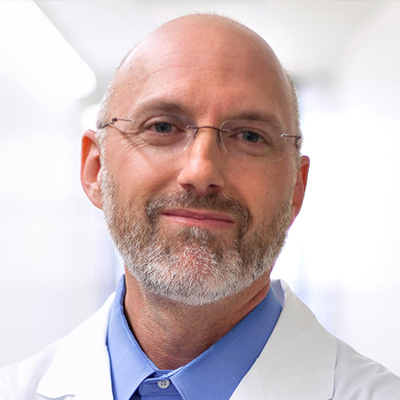
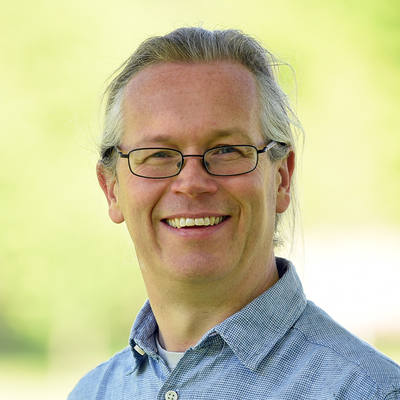
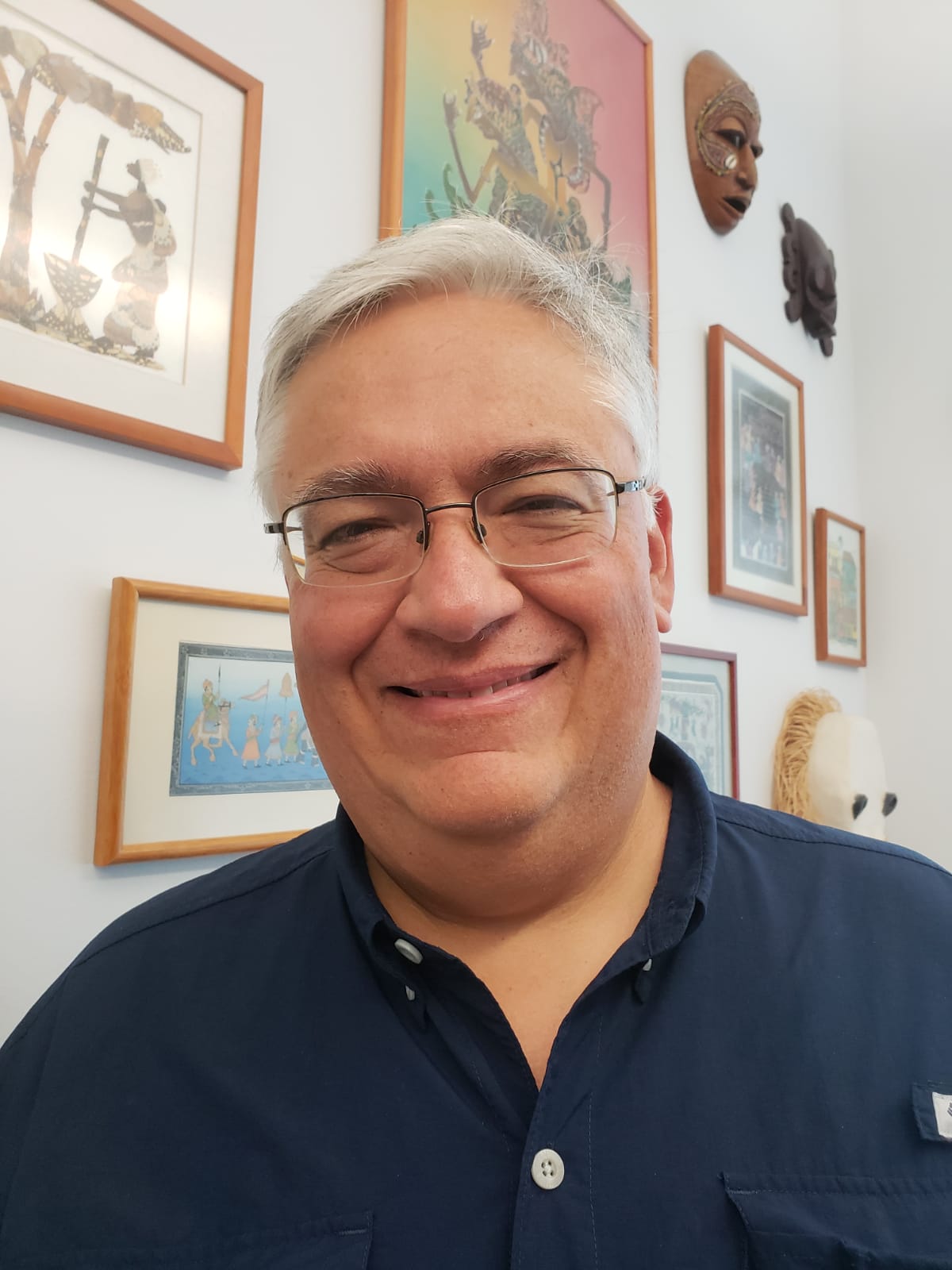
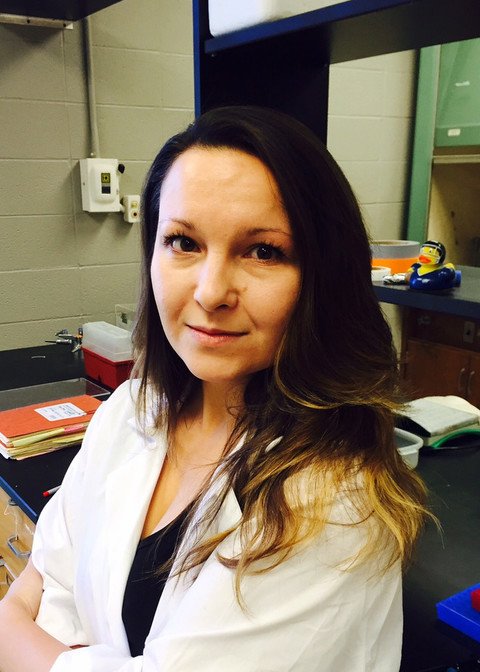
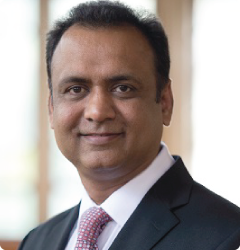
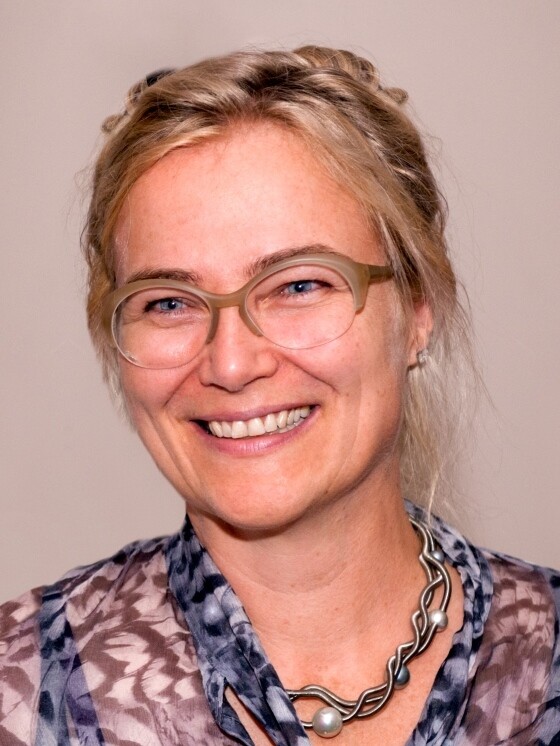
Prof. Waldemar Kolanus leads the Molecular Immunology and Cell Biology department at the University of Bonn's Life & Medical Sciences Institute (LIMES) . His research bridges immunoregulation , stem cell dynamics , and metabolic stress responses in immune cells. Unit 2 member at LIMES Principal investigator in SFB 704 and ImmunoSensation Cluster Leads a multidisciplinary lab with postdocs, PhD students, and technical staff His work focuses on intracellular signaling pathways connecting immune activation to tissue homeostasis, particularly through: Cytohesin proteins in integrin-mediated adhesion and migration TRIM71 in stem cell regulation and congenital hydrocephalus High-salt environments affecting macrophage function Publication trends show expertise in immune cell migration , genetic models , and chemical inhibition , with frequent use of mice and zebrafish for in vivo studies. Key articles explore: TRIM71's dual role in auditory development and germ cell maintenance Cytohesin family's Golgi regulation and insulin signaling Ruxolitinib's off-target migration inhibition of dendritic cells Contact details: Address: LIMES Institute, Carl-Troll-Straße 31, Bonn Email: kolanus.sekretariat@uni-bonn.de Phone: +49 228 73-62788
Colin Cooper is a Professor of Cancer Genetics at the Norwich Medical School, University of East Anglia. He is also a member of the Metabolic Health and Cancer Studies research groups. His work focuses on genomic evolution, tumor microbiome dynamics, and biomarker development for prostate cancer and musculoskeletal health. Cooper’s recent research explores the interplay between cancer genetics and microbial communities, emphasizing their role in prognosis and treatment outcomes. He investigates clonal evolution in tumors, mutational signatures, and non-invasive diagnostic tools like urinary extracellular vesicles. His collaborations span genomics, microbiology, and clinical applications. 2025: Causes of evolutionary divergence in prostate cancer (Genomics, Precision Medicine) 2024: Applications of urinary extracellular vesicles... (Biomarker Development, Liquid Biopsy) 2023: Caution regarding pan-cancer microbial structure (Methodological Considerations, Microbiome Analysis) In 2022, Cooper received the European Urology Oncology SoMe Award for his contributions. His work is frequently cited and has been featured in media outlets globally, highlighting his impact on cancer and aging research.
Dr. Brent Fogel is a Professor in the Departments of Neurology and Human Genetics at the David Geffen School of Medicine, UCLA. He directs the Neurogenetics Clinic and the UCLA Clinical Neurogenomics Research Center , focusing on diagnosing and managing genetic neurological disorders such as cerebellar ataxia , ataxia with oculomotor apraxia , spastic paraplegia , and leukodystrophies . His research integrates genomics , bioinformatics , and neuroimaging to improve precision medicine in prenatal counseling and rare disease diagnosis. Education: MD, PhD from Medical College of Wisconsin (2003) PhD in Genetics (2001) Internship in Internal Medicine (Northwestern University, 2004) Residency in Neurology (UCLA, 2007) Fellowship in Neurogenetics (UCLA, 2009) Board Certified in Neurology (2009) Research Focus: Dr. Fogel’s work spans neurogenetics , spinocerebellar ataxia , leukodystrophy , and genomic technologies . He has pioneered gene discovery in hereditary ataxias, developed transcriptional biomarkers , and contributed to diagnostic guidelines for rare disorders. His studies on lysosomal genes in Parkinson’s disease and exome sequencing disparities address critical gaps in neurogenetic research. Key Collaborations: He leads multicenter studies with the Ataxia Global Initiative , Undiagnosed Diseases Network , and Genomics England Research Consortium . His lab ( FogelLab ) develops tools like multiWGCNA for gene network analysis.
Philip Boone, MD, PhD, is an Attending Physician in the Division of Genetics and Genomics at Boston Children's Hospital and an Instructor of Pediatrics at Harvard Medical School. He specializes in medical genetics with particular expertise in rare disorders, medical mysteries, deletion and duplication syndromes, and Cornelia de Lange syndrome. Dr. Boone sees patients at Boston Children's Brookline location (2 Brookline Place, 7th Floor) and provides comprehensive genetic care including diagnostics, counseling, and individualized management. Stanford University (Undergraduate, 2006) Baylor College of Medicine (Graduate & Medical School, 2013-2014) Boston Combined Residency Program (Internship & Residency, 2016-2020) Harvard Medical School Genetics Training Program (Fellowship, 2020) Dr. Boone's research focuses on neurodevelopmental disorders, chromatin regulation, and genetic diagnostics. His work spans from fundamental genetic mechanisms to clinical applications, with particular emphasis on cohesinopathies including Cornelia de Lange syndrome. He has contributed significantly to understanding genetic variants associated with growth disorders, developmental features, and structural chromosomal abnormalities. His research combines advanced genomic technologies with clinical insights to improve diagnosis and management of rare genetic conditions. Analysis of Dr. Boone's publication record reveals a strong focus on medical genetics with emphasis on neurodevelopmental disorders, chromatin regulation, and genetic diagnostics. His work spans basic research on gene function and regulation to clinical applications in rare disease diagnosis. A notable trend is his investigation of cohesin complex disorders, particularly SMC3 variants and their relationship to Cornelia de Lange syndrome. His publications demonstrate expertise in both traditional genetic analysis and cutting-edge genomic technologies including long-read sequencing and telomere-to-telomere assembly. Dr. Boone actively contributes to medical education through publications on genetic diagnostics and distance learning resources for medical genetics. He has co-authored educational materials that help advance the field's knowledge base and training capabilities. As an attending physician in the Division of Genetics and Genomics at Boston Children's Hospital and a research fellow in the Center for Genomic Medicine at Massachusetts General Hospital, Dr. Boone works within one of the largest pediatric genetics practices in the country. The division includes over 30 board-certified clinical geneticists, genetic counselors, dieticians, and nursing staff who provide comprehensive care for patients with both common and extremely rare genetic conditions.
Dr. Andrew Bassett serves as Head of the Cellular and Gene Editing Research group at the Wellcome Sanger Institute, where he develops cutting-edge genome engineering techniques using human pluripotent stem cells to investigate neurodegenerative diseases including Alzheimer's and Parkinson's. His work focuses on scaling genetic screening approaches and improving CRISPR specificity for modeling complex disease mechanisms. His academic training includes: PhD at the MRC Laboratory of Molecular Biology (MRC-LMB) with Andrew Travers on chromatin remodelling in heterochromatin formation Postdoctoral research with David Baulcombe at the University of Cambridge studying small RNA roles in chromatin modification Additional postdoctoral work with Chris Ponting at the MRC Functional Genomics Unit (MRC-FGU) in Oxford, where he pioneered CRISPR applications in Drosophila Bassett's research program centers on developing advanced genome engineering methodologies for precise modulation of gene expression networks during development and neurodegeneration. His group specializes in creating complex editing events (SNPs, paired knockouts, enhancer perturbations) within iPSC-derived models, with particular emphasis on epigenetic regulation and transcriptional control. Current projects integrate single-cell 'omics and phenotypic assays to decode genetic causes of neurodegenerative disorders through the OpenTargets consortium. Analysis of his 15 most recent publications reveals dominant trends in CRISPR technology development (35%), neurodegenerative disease modeling (30%), and single-cell functional genomics (25%). His work consistently bridges methodological innovation with disease mechanism studies, increasingly incorporating multi-omics approaches and expanding into cancer immunology and infectious disease applications since 2022. As group leader, Bassett mentors postdoctoral researchers and PhD students while securing major funding for genome engineering initiatives. His team operates within the Sanger Institute's Cellular Operations division and maintains critical partnerships with the OpenTargets consortium for therapeutic target validation. The laboratory specializes in high-throughput screening platforms using iPSC-derived neural and microglial models, with recent methodological advances including scSNV-seq and ONE-STEP tagging systems that significantly enhance precision genome editing capabilities.
Dr. Richard Y. Zhao is a tenured Professor in the Department of Pathology and Microbiology-Immunology at the University of Maryland School of Medicine. His research combines molecular biology, fission yeast genetics, mammalian biology, and virology to study virus-host interactions, particularly for HIV and Zika virus. He previously held academic positions at Northwestern University and Columbia University and has contributed to over 120 peer-reviewed articles. B.S., China Oceanography University (1981) M.S., Oregon State University (1995) Ph.D., Oregon State University (1991) Postdoctoral Training, Columbia University (1991-1992) Dr. Zhao's research focuses on: Virus-host interactions and pathogenicity High-throughput drug screening for antivirals Role of viral proteins in neuroinflammation and cancer Translational genomics in precision medicine His recent publications highlight SARS-CoV-2 ORF3a, Zika envelope proteins, and HIV protease inhibitors, emphasizing host-pathogen mechanisms across species. He has served on NIH panels and editorial boards for journals like Cell Research and Retrovirology . Scientific awards include: Fellow, American Academy of Microbiology (2019) Bernard L Mirkin Endowed Chair (2001-2004) Honorary Director, Shandong Gallo Institute (2009) Distinguished Service from SCBA (2015) Outstanding Service from CBA-USA (2016) Dr. Zhao also contributes to clinical diagnostics and personalized medicine through molecular testing and pharmacogenetics programs.
Ananias A. Escalante is a Professor in the Department of Biology at Temple University's College of Science and Technology, and a core faculty member of the Institute for Genomics and Evolutionary Medicine (iGEM). He holds a PhD in Biology from the University of California, Irvine (1995), and has held roles at the CDC (1995–2005) and Arizona State University (2005–2015). His research integrates population genetics with epidemiology, focusing on malaria parasites' evolution, drug resistance mechanisms, and biodiversity. Key areas include Plasmodium falciparum resistance mutations, primate malaria origins, and molecular tools for surveillance. Education: PhD in Biology, University of California, Irvine (1995) MSc in Ecology, Universidad Simón Bolívar, Venezuela Bachelor's Degree in Biology, Universidad Simón Bolívar, Venezuela Research interests span evolutionary genomics, malaria parasite diversity, and the application of genomic tools to epidemiology. He investigates how genetic diversity in parasites influences drug resistance and transmission dynamics, with a focus on nonhuman primate malaria as a model for human malaria origins. His work includes phylogenetic studies of Plasmodium species and the development of mitochondrial genome protocols for pathogen analysis. Notable contributions include studies on Plasmodium vivax population genetics in the Americas, the impact of drug resistance mutations (e.g., pfhrp2/pfhrp3 deletions), and the molecular characterization of novel malaria parasites in reptiles and birds. He collaborates on initiatives like the Amazonian International Center of Excellence for Malaria Research. Advising and grants: While specific student names aren’t listed, his research team likely includes graduate students focused on evolutionary parasitology. Grants support projects on malaria genomics and vector ecology. He leads Temple’s iGEM lab, advancing interdisciplinary research in genomics and evolutionary medicine. Labs/Teams: Core faculty at Temple’s Institute for Genomics and Evolutionary Medicine (iGEM), collaborating on projects integrating genomics, epidemiology, and evolutionary biology.
Julia V. Halo is an Associate Professor in the Department of Biological Sciences at Bowling Green State University (BGSU) , where she leads the Halo Lab . Her research focuses on the genomic impact of transposable elements , particularly endogenous retroviruses (ERVs) and SINE/LINE pairs , in human and non-human systems. She received her Ph.D. in Molecular Microbiology from Tufts University's Sackler School of Biomedical Sciences. Research Interests Genomic evolution driven by retrotransposon activity ERV-host interactions in disease and evolution Mechanisms of SINE/LINE retrotransposition Comparative genomics of mobile elements Publications & Grants 15+ peer-reviewed articles in journals like PNAS , Retrovirology , and PLoS Genetics Three consecutive NIH R15 AREA grants (2017, 2020, 2025) for ERV studies in domestic dogs Scientific Awards 2024 President’s Award for Collaborative & Creative Research 2021 Elliot L. Blinn Award for Faculty-Undergraduate Innovation 2020 Outstanding Early Career Award 2021 Sigma Phi Epsilon Faculty Fellow Mentoring & Lab Members Mentored students: Abigail Jarosz-DiPietro (Ph.D.), Maddie Altieri (M.S., now Ph.D. student), and Savanna Spitnale (M.S.) Undergraduate researchers: Abby Grady, Molly Buffenbarger, Genesis Pyles, and others
Dr. Steven Jacobsen is a Professor in the Molecular, Cell, and Developmental Biology Department at the University of California, Los Angeles (UCLA), where he leads the Jacobsen Lab. His work focuses on epigenetic inheritance and gene regulation in Arabidopsis thaliana and mammalian stem cells, utilizing genetic screens, genomics, epigenomics, and biochemical approaches. The lab also pioneers CRISPR-mediated genome editing techniques. University: University of California, Los Angeles Department: Molecular, Cell, and Developmental Biology Research Interests: Jacobsen's research spans multiple interconnected domains in epigenetics, including DNA methylation patterning, histone modification interplay, and transposable element silencing. His team investigates how chromatin structure influences gene expression and epigenetic inheritance, with applications from plant development to human health. Key areas include: CRISPR-based epigenetic modifications RNA-directed DNA methylation (RdDM) mechanisms Chromatin compaction via MORC proteins Histone variant functions in methylation Transposon control in plant genomes Comparative epigenomics across species Advising Legacy: Over two decades, Dr. Jacobsen has mentored 21 former lab members who now hold academic and industry positions globally, including professors at Chinese Academy of Sciences, University of Georgia, and Southern University of Science & Technology. His lab's publications reveal a consistent focus on DNA methylation dynamics, chromatin remodeling, and small RNA pathways, with recent work emphasizing CRISPR innovations and structural insights into epigenetic regulators.
G. Petur Nielsen, MD is a Professor of Pathology at Harvard Medical School and serves as Subspecialty Head, Bone and Soft Tissue Pathology at Massachusetts General Hospital . With a clinical focus on bone and soft tissue tumors, his expertise spans diagnostic pathology, molecular genetics of neoplasms, and ancillary testing applications. Research interests center on Pathology and biology of bone/soft tissue tumors Molecular genetics of bone and soft tissue neoplasms Chordoma and sarcoma research Epithelioid vascular tumor differentiation Mesenchymal tumors of the female genital tract His work includes landmark studies on tumor misdiagnosis rates, immunohistochemical profiling, and genomic analysis of chordomas. Scientific contributions appear in leading journals like Nature and American Journal of Surgical Pathology , with major emphasis on Molecular tumor classification Mutational signature analysis Translational oncology Diagnostic accuracy improvement Genomic instability mechanisms
Sudhir Kumar is a Professor and Principal Investigator at Temple University, leading a research laboratory focused on molecular evolution, phylomedicine, and functional genomics. His lab develops mathematical methods, computational algorithms, and software packages for analyzing genomic variation across populations, pathogens, tumors, and species. Key contributions include the widely used MEGA software (www.megasoftware.net) for molecular evolutionary analysis and the TimeTree knowledge-base (www.timetree.org) that synthesizes evolutionary knowledge on species divergence times. Dr. Kumar's research interests center on integrating mathematical and computational techniques into evolutionary biology and biomedicine. His lab pursues a holistic paradigm where evolutionary and genomic patterns are discovered through comparative analysis of big datasets, then used to reveal underlying biological processes and develop predictive models. His work spans phylomedicine of genetic diseases, molecular phylogenomics, and the timetree of life, with recent innovations including Bayesian methods, machine learning algorithms, and statistical approaches for inferring molecular phylogenies, divergence times, and pathogenic mutations. Analysis of his recent publications reveals a strong trend toward applying artificial intelligence and machine learning to evolutionary genetics, with multiple 2025 papers focused on sparse learning techniques, transformer-based models, and AI-assisted analytical protocols. His work increasingly bridges evolutionary biology with cancer genomics and precision medicine applications. His scientific achievements have been recognized with the prestigious 2025 George W. Beadle Award from the Genetics Society of America, which honors his "efforts to democratize evolutionary genetics." Dr. Kumar has mentored numerous doctoral candidates, postdoctoral researchers, and graduate students, many of whom have gone on to faculty positions at institutions including Oakland University and universities in Brazil. His lab includes current doctoral candidates working in bioinformatics and statistical molecular evolution, supported by technical staff including programmers, genome tech specialists, and informatics specialists. The Kumar Laboratory operates as an interdisciplinary research hub with multiple projects including MEGA (Molecular Evolutionary Genetics Analysis), TimeTree, myPEG (web-based evolutionary tools), and FlyExpress (a knowledge base for Drosophila melanogaster embryo images). The lab emphasizes green computing efforts aimed at democratizing scientific practice and making big data analytics more accessible.
Andrew Godwin is a Professor at the University of Kansas Medical Center , where he serves as the Chancellor’s Distinguished Chair in Biomedical Sciences and Director of Molecular Oncology in the Department of Pathology and Laboratory Medicine. He is also the Deputy Director of the NCI-designated University of Kansas Cancer Center and the Founding Director of the Kansas Institute for Precision Medicine and Biospecimen Shared Resource . Dr. Godwin is a leader in translational research and precision medicine , with a focus on molecular oncology , biomarker discovery , and genomic diagnostics . His work bridges basic and clinical science to improve cancer patient care, particularly in ovarian cancer , Ewing sarcoma , and breast cancer . He has contributed over 230 ovarian cancer-related publications and pioneered studies linking the PI3K/AKT pathway to cancer treatment targets. His research program encompasses liquid biopsies using extracellular vesicles , molecular therapeutics , companion diagnostics , and clinical trial validation . He leads the Biomarker Discovery Laboratory and has secured over $250M in extramural funding , including a $11.4M NIH grant for precision medicine initiatives. His team has developed CELLSEARCH® , the first FDA-cleared test for circulating tumor cells. Notable awards include the Dolph C. Simons, Sr. Higuchi Award (2020), Outstanding Mentorship in Pathology Award (2024), and multiple mentoring accolades from KU. He has mentored over 150 trainees across career stages and leads a multidisciplinary lab with expertise in genomics , proteomics , and bioengineering . Academic Roles: Chancellor’s Distinguished Chair in Biomedical Sciences Director, Molecular Oncology, Pathology and Laboratory Medicine Deputy Director, KU Cancer Center Founding Director, Kansas Institute for Precision Medicine Adjunct Professor, Bioengineering Program, University of Kansas Scientific Awards: KUMC Achievement Award for mentoring postdocs (2014) Chancellor’s Club Award for Research (2018) Dolph C. Simons, Sr. Higuchi Award (2020) KU Excellence in Mentoring Award (2021) Outstanding Mentorship in Pathology (2024) Key Research Themes: Extracellular vesicles as liquid biopsy tools Molecular mechanisms of sarcoma and breast cancer Genomic diagnostics and precision oncology Clinical trial biomarker validation Biospecimen repository leadership
Bouke de Jong is a Professor and Unit Head of Mycobacteriology at the Institute of Tropical Medicine in Antwerp, Belgium. She holds a PhD and MD in Medicine, alongside an MSc in Epidemiology from the Netherlands Institute for Health Sciences and the University of Amsterdam. Her research focuses on molecular epidemiology of Mycobacterium species, including tuberculosis (TB), Buruli Ulcer, and leprosy, emphasizing improved diagnostics, treatment optimization, and evaluating public health interventions to curb transmission. Supported by an ERC Starting Grant, she leads a team studying the impact of interventions on disease spread in endemic regions. Education and Academic Qualifications: PhD in Medicine, University of Amsterdam MD in Medicine MSc in Epidemiology, Netherlands Institute for Health Sciences Research Interests: Improved molecular diagnostics for TB, Buruli Ulcer, and leprosy Phylogeography and phylodynamics of Mycobacterium species Optimized treatment regimens for drug-resistant strains Public health strategies to reduce transmission Grant and Project Activity: Dr. de Jong oversees 82 active projects, including ERC-funded research on drug-resistant TB lineages and USAID-supported Tuberculosis Implementation Framework Agreements (TIFA DRC). Notable collaborations involve studies in The Gambia, Rwanda, Niger, the Comoros, and Cuba, addressing TB epidemiology, drug resistance, and clinical intervention efficacy. Scientific Contributions: Her work has advanced understanding of M. africanum, transmission dynamics of M. leprae, and the development of rapid diagnostic methods like ethanol-based RNA preservation and tongue swab culturing. She advocates for global health security funding and participates in clinical trials optimizing treatments for multidrug-resistant infections.
Lionel Hebbard is a Professor in the Department of Molecular and Cellular Biology at James Cook University's College of Medicine and Dentistry. His research spans hepatocellular carcinoma mechanisms, metabolic liver disease, and cancer therapeutics with significant contributions to adiponectin biology and sarcopenia assessment in cardiac surgery. James Cook University (Current) Department of Molecular and Cellular Biology College of Medicine and Dentistry Senior Researcher in Liver Cancer Biology His research focuses on hepatocellular carcinoma pathogenesis , particularly adiponectin signaling pathways and liver cancer stem cells. He investigates non-alcoholic fatty liver disease progression to cancer, metabolic drivers of tumorigenesis, and therapeutic targeting using aptamer-based delivery systems. Recent work explores sarcopenia quantification via CT imaging for cardiac surgery risk prediction, demonstrating clinical translation of his molecular findings. His lab employs advanced techniques including CRISPR screening (TARGET-SL platform), in vitro cancer models, and murine tumor systems. Analysis of his 15 most recent publications reveals strong emphasis on translational liver cancer research (60%), cardiac surgery complications (20%), and emerging biotechnologies (20%). Key trends include adiponectin's dual roles in fibrosis and tumorigenesis, sarcopenia as a surgical biomarker, and aptamer-based targeting of cancer stem cells. His work consistently bridges molecular mechanisms with clinical applications, particularly in hepatocellular carcinoma diagnostics and treatment. He mentors multiple doctoral students and early-career researchers including Rhys Gillman and Miriam Wankell. His research is supported by continuous funding from Australian NHMRC and international collaborations with George Jacob (Westmead Institute), Qiao Liang (Bentham Books), and Ranscht Barbara (T-cadherin studies). He leads the Hepatic Cancer Biology laboratory focusing on: Liver cancer stem cell characterization Adiponectin receptor signaling in HCC Metabolic drivers of tumor progression Novel drug delivery systems for liver cancer Translational sarcopenia assessment tools
Michael Nothnagel is a Professor at the University of Cologne, where he leads the Department of Statistical Genetics and Bioinformatics within the Cologne Center for Genomics (CCG). His work spans statistical genetics, genetic epidemiology, and forensic genetics, focusing on methodological development and large-scale genomic data analysis. His research interests encompass theoretical and applied statistical genetics, with emphasis on human genetic diversity, disease etiology, and forensic applications. Key areas include Y-chromosomal phylogeography, genome-wide association studies for complex diseases, development of statistical methods for variant interpretation, and forensic marker optimization. His group leverages next-generation sequencing data and specialized forensic markers to address questions in population history, disease mechanisms, and identification systems. Recent publications reveal a strong focus on computational approaches to genetic analysis, including spatial frequency interpolation for haplogroup mapping, polygenic risk score applications for behavioral traits, and advanced methods for variant classification. His work demonstrates consistent integration of statistical theory with practical applications in medical and forensic genetics, often through international collaborations like the VISAGE Consortium. Nothnagel maintains active involvement in the Cologne Center for Genomics, contributing to seminars and collaborative projects including the upcoming 34th International Genetic Epidemiology Society meeting. His research group operates at the intersection of computational biology and medicine, with particular strengths in handling complex genomic datasets and developing novel analytical frameworks for genetic epidemiology.