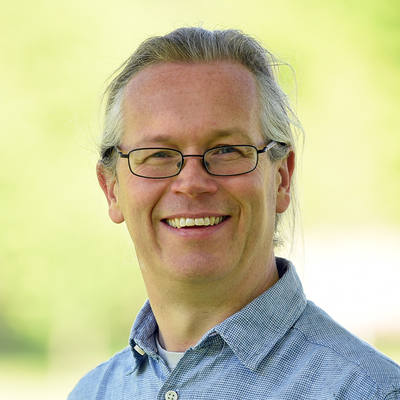
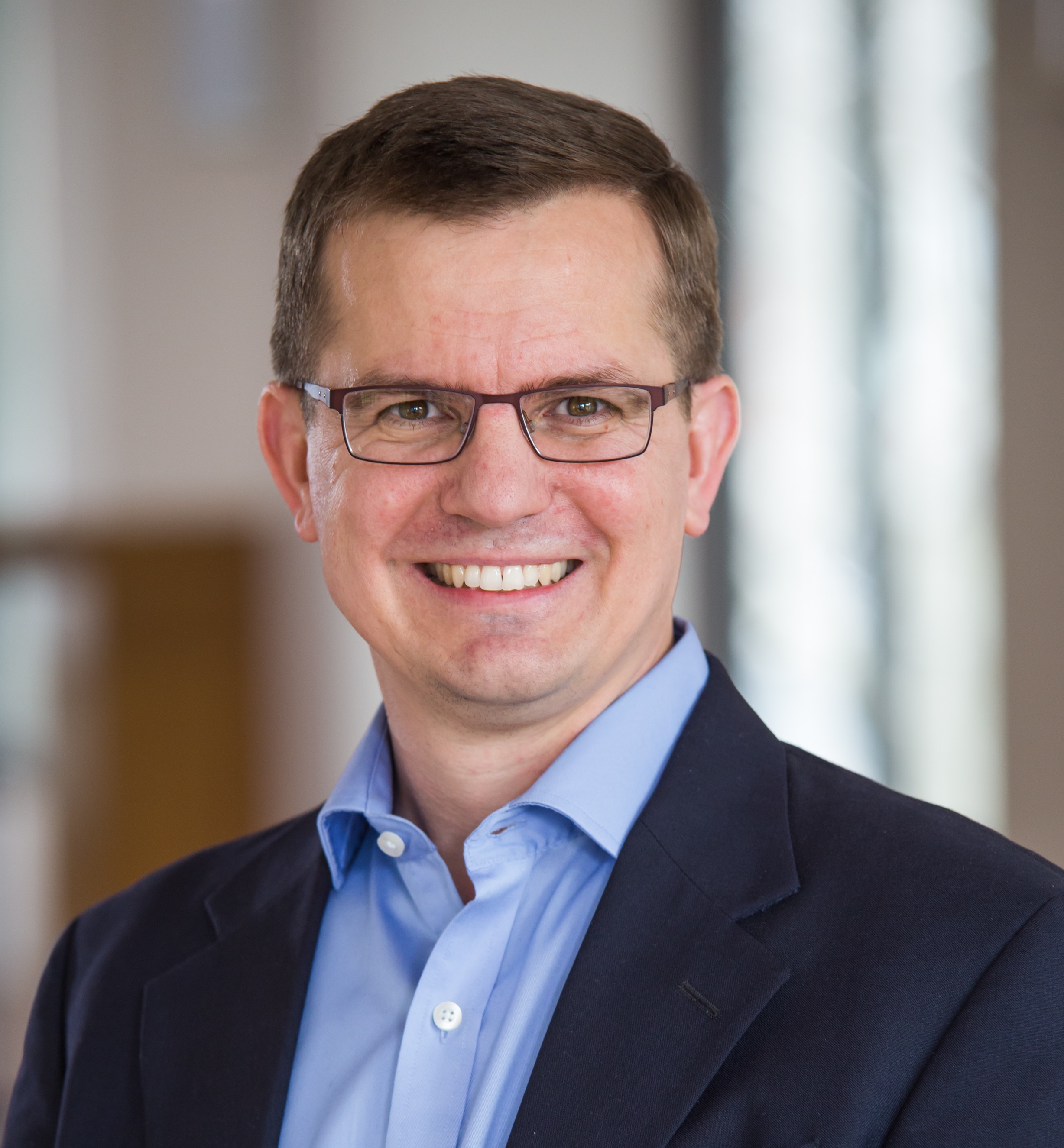
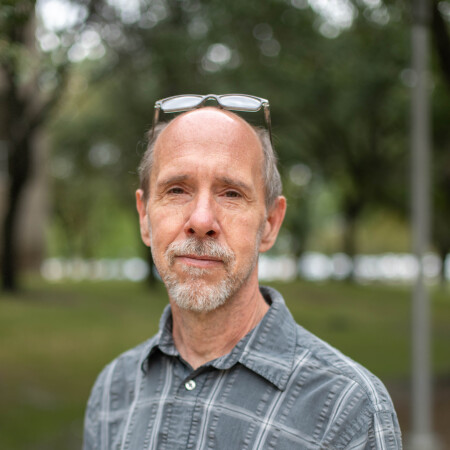
Prof. Dr. Sven Panke is a Full Professor and Head of the Department of Biosystems Science and Engineering at ETH Zürich. His research focuses on bioprocess engineering, synthetic biology, and enzymatic process development. Key areas include miniaturized bioreactor systems, microbial engineering for novel metabolite production, and high-throughput screening methodologies. Education: Studied Biotechnology at TU Braunschweig, with postgraduate research at the German National Research Center for Biotechnology and ETH Zurich. Transitioned from industry (DSM) to academia in 2001 as an Assistant Professor, progressing to Associate Professor (2007-2009) before leading the BSS department. Research interests emphasize directed evolution of enzymes, metabolic pathway engineering, and systems biology approaches to optimize microbial production systems. Current projects include bio-indigo synthesis, antimicrobial peptide discovery, and synthetic biology tools for cellular engineering. Labs/Teams: Leads the Bioprocess Engineering Lab at ETH Zurich, collaborating on projects like the E. coli import system design and γ-glutamyltransferase engineering. Active in developing microfluidics platforms for parallel reaction analysis. Grants/Advising: Funded by initiatives in sustainable biomanufacturing and synthetic biology. Supervises graduate students in bioprocess design and microbial systems engineering.
Dr. Andrew Bassett serves as Head of the Cellular and Gene Editing Research group at the Wellcome Sanger Institute, where he develops cutting-edge genome engineering techniques using human pluripotent stem cells to investigate neurodegenerative diseases including Alzheimer's and Parkinson's. His work focuses on scaling genetic screening approaches and improving CRISPR specificity for modeling complex disease mechanisms. His academic training includes: PhD at the MRC Laboratory of Molecular Biology (MRC-LMB) with Andrew Travers on chromatin remodelling in heterochromatin formation Postdoctoral research with David Baulcombe at the University of Cambridge studying small RNA roles in chromatin modification Additional postdoctoral work with Chris Ponting at the MRC Functional Genomics Unit (MRC-FGU) in Oxford, where he pioneered CRISPR applications in Drosophila Bassett's research program centers on developing advanced genome engineering methodologies for precise modulation of gene expression networks during development and neurodegeneration. His group specializes in creating complex editing events (SNPs, paired knockouts, enhancer perturbations) within iPSC-derived models, with particular emphasis on epigenetic regulation and transcriptional control. Current projects integrate single-cell 'omics and phenotypic assays to decode genetic causes of neurodegenerative disorders through the OpenTargets consortium. Analysis of his 15 most recent publications reveals dominant trends in CRISPR technology development (35%), neurodegenerative disease modeling (30%), and single-cell functional genomics (25%). His work consistently bridges methodological innovation with disease mechanism studies, increasingly incorporating multi-omics approaches and expanding into cancer immunology and infectious disease applications since 2022. As group leader, Bassett mentors postdoctoral researchers and PhD students while securing major funding for genome engineering initiatives. His team operates within the Sanger Institute's Cellular Operations division and maintains critical partnerships with the OpenTargets consortium for therapeutic target validation. The laboratory specializes in high-throughput screening platforms using iPSC-derived neural and microglial models, with recent methodological advances including scSNV-seq and ONE-STEP tagging systems that significantly enhance precision genome editing capabilities.
Professor David Taubman is a distinguished academic serving as Professor and Deputy Head of School (Research) at the School of Electrical Engineering and Telecommunications (EE&T) at the University of New South Wales (UNSW) in Sydney, Australia. He is also co-director of Kakadu Software Pty. Ltd. and its affiliates Kakadu R&D and Kakadu GPU. With a career spanning over three decades, Professor Taubman has made significant contributions to the field of image and video compression, most notably as the author of the EBCOT coding algorithm adopted in the JPEG2000 international standard. Professor Taubman earned his B.Sc. in Mathematics and Computer Science (1986) and B.E. (Medal) in Electrical Engineering (1988) from the University of Sydney, followed by an M.Sc. (1992) and Ph.D. (1994) in Electrical Engineering from the University of California at Berkeley. His professional journey includes engineering work at the Electricity Commission of N.S.W. (1988-1990), research positions at Hewlett-Packard Laboratories in Palo Alto (1994-1998), and an academic career at UNSW where he progressed from Senior Lecturer (1998-2003) to Associate Professor (2004-2009) and finally to Professor (2009-present). He has held various leadership roles including Head of the EE&T Telecommunications Research Group (2003-2014), Head of the EE&T Signal Processing Research Group (2014-present), Director of Research for the School of EE&T (2011-2016), and Deputy Head of School (Research) since 2017. Professor Taubman's research interests center on image and video compression, with particular expertise in JPEG2000 standards and implementations. His work spans signal processing, wavelet transforms, scalable video coding, motion modeling, and multimedia systems. He has pioneered numerous compression algorithms and frameworks, including the EBCOT coding algorithm that became central to the JPEG2000 standard. His recent research focuses on efficient motion modeling with cuboidal partitioning, learned lifting-based transform structures, and high-throughput implementations of JPEG2000 for video applications. His work bridges theoretical foundations with practical implementations, as evidenced by the commercially successful Kakadu Software tools that have garnered around 500 commercial licensees. Analysis of Professor Taubman's recent publications reveals a consistent focus on advancing compression technologies with particular emphasis on scalability, efficiency, and adaptability. His work spans traditional image compression (JPEG2000 extensions), video coding (cuboid-based partitioning for UHD/360-degree video), and emerging applications (nanopore sequencing data compression). A notable trend is the integration of machine learning techniques with traditional compression frameworks, as seen in his work on learned lifting-based transform structures. His research maintains strong connections to real-world applications across diverse domains including medical imaging, astronomical data processing, and genomic sequencing. IEEE Fellow Engineers Australia Fellow (by invitation) Professor Taubman has served as Associate Editor for the IEEE Transactions on Image Processing for two four-year appointments (2003-2005 and 2010-2013). He has been actively involved in numerous research grants focused on image and video compression technologies, particularly those related to the JPEG2000 standard and its extensions. His work has received significant industry support, reflected in his consultancy with various U.S., Japanese, and Australian corporations. He has also contributed to international standards development as a member of Standards Australia Technical Committee MS-065 (mirroring ISO TC42 on Digital Photography) and as a constitutional member of Standards Australia Technical Committee IT-029 (Coded Representation of Picture, Audio and Multimedia/Hypermedia Information). Professor Taubman co-directs Kakadu Software Pty. Ltd. and its research affiliates Kakadu R&D and Kakadu GPU, which have developed the commercially successful Kakadu Software tools for JPEG2000. His research group at UNSW focuses on advanced image and video compression techniques, with particular expertise in wavelet-based methods, scalable coding, and motion modeling. The group maintains strong industry connections and has contributed significantly to the development and standardization of image compression technologies worldwide.
Katherine E. Varley, PhD is a Huntsman Cancer Institute Investigator and Associate Professor in the Department of Oncological Sciences at the University of Utah. She leads the Varley Lab and is a member of the Nuclear Control of Cell Growth and Differentiation Program, focusing on breast cancer genomics, epigenetics, and biomarker discovery. Her work bridges computational biology with clinical applications to improve breast cancer diagnosis and treatment. Dr. Varley earned her BS in Biology with a concentration in Computational Biology from Cornell University in 2003, followed by a PhD in Computational Biology from Washington University School of Medicine in 2009 under Dr. Robi Mitra. Her postdoctoral training was conducted in Dr. Richard M. Myers' laboratory at the HudsonAlpha Institute for Biotechnology, where she participated in the ENCODE Project Consortium. Her research focuses on using next-generation sequencing and computational analysis to study gene expression, transcription factor binding, and DNA methylation patterns in breast cancer. The Varley Lab investigates epigenetic gene regulation, develops novel molecular methods and bioinformatics approaches, and translates discoveries into clinical tools. Key research areas include Clinical Trial Genomics, Epigenome Engineering, Detecting Circulating Tumor DNA, and identifying Transcription Factors Driving Metastasis, with particular emphasis on triple-negative breast cancer. Analysis of Dr. Varley's publications reveals a consistent trajectory from fundamental genomic mechanisms to clinical translation, with recent work emphasizing biomarker discovery, tumor heterogeneity, and the development of genomic tools for precision oncology. Her research spans cancer biology, genomics, and computational analysis to address critical challenges in breast cancer treatment. Dr. Varley holds multiple patents related to cancer diagnostics and genomic technologies, including targeted sequencing methods, multigene assays for recurrence risk, and biomarkers for triple-negative breast cancer. These inventions reflect her commitment to translating basic research into clinical applications. She actively collaborates with clinical investigators in breast cancer trials and works closely with the Breast and Gynecologic Cancers Disease Center at Huntsman Cancer Institute. Her lab maintains four main research thrusts that collectively address breast cancer from molecular mechanisms to clinical applications, demonstrating a comprehensive approach to improving patient outcomes through genomic technologies.
Ben Raphael is a Professor in the Department of Computer Science at Princeton University, with affiliations at the Lewis-Sigler Institute for Integrative Genomics, Omenn-Darling Bioengineering Institute, and Center for Statistics and Machine Learning. He is also an Affiliate Faculty member at the Rutgers Cancer Institute of New Jersey, Irving Institute for Cancer Dynamics at Columbia University, and New York Genome Center. His research focuses on computational methods for analyzing large-scale biological data, emphasizing cancer evolution, network/pathway analysis, and structural variation in genomes. Research Trends: His recent work spans cancer lineage trees, spatial transcriptomics, optimal transport for developmental models, and network analysis of mutations. Articles highlight applications in prostate cancer, pancreatic cancer, and single-cell genomics. Scientific Awards: 2024 ACM Fellow 2023 RECOMB Test of Time Award 2022 RECOMB Test of Time Runner-Up 2021 ISCB Innovator Award 2021 RECOMB Best Paper Runner-Up 2020 ISCB Fellow 2020 AACR Team Science Award 2011 NSF CAREER Award 2013 RECOMB Best Paper 2010-2012 Sloan Research Fellowship Advising: He has mentored numerous Ph.D. students and postdoctoral fellows, many of whom have transitioned to academic and industry roles. Current advisees include Uthsav Chitra, Gillian Chu, and Alexander Strzalkowski. Labs & Teams: Raphael leads the Raphael Lab at Princeton, developing tools like HotNet2, CHISEL, and HATCHet for cancer genomics and network analysis.
Professor Susan Brooks is a faculty member at Oxford Brookes University in the School of Biological and Medical Sciences . Her research focuses on glycobiology , cancer progression , and the role of extracellular vesicles in metastasis. Professor of Cell Biology Director of Researcher Development Focus on breast and ovarian cancer Specialized in glycosylation mechanisms Research Interests : Dr. Brooks' work explores how aberrant glycosylation of proteins and glycans influences cancer cell behavior, including metastasis and drug resistance . Her recent studies examine extracellular vesicles as diagnostic tools and therapeutic targets. Article Trends : Over 25 years, Dr. Brooks has published 15+ articles on glycosylation patterns in breast and ovarian cancer. Key areas include lectin binding , miRNA regulation , and radiation-induced metastatic changes . Her work bridges cell biology and clinical applications .
Norbert O. Reich is a Distinguished Professor in the Department of Chemistry & Biochemistry at the University of California, Santa Barbara (UCSB), affiliated with the College of Letters and Science. He joined UCSB in 1987 after completing his Ph.D. at UCSF in 1984 and an NIH postdoctoral fellowship there. His research focuses on enzyme mechanisms, particularly DNA methylation and telomerase, with applications in antibiotic and cancer therapy design. He also develops innovative chemical biology tools, including gold nanoshell-based drug delivery systems and fluorescence-based protein tracking methods. Education: Ph.D. in Chemistry from UCSF (1984). Awards: Regent's Junior Faculty Fellowship (1987), American Cancer Society Faculty Research Award (1991), UC President's Award for Excellence in Undergraduate Research (1994). Research Interests: Epigenetic regulation via DNA methylation in bacteria and mammals Enzyme mechanisms of DNA methyltransferases (e.g., DNMT3A, CcrM) Design of therapeutic inhibitors targeting epigenetic enzymes Light-controlled delivery of proteins/RNA via gold nanoshells Protein-DNA interaction analysis using microfluidic arrays Awards and Recognition: His honors reflect contributions to both research and education, emphasizing his dual impact in science and teaching. Lab and Collaborations: Leads the Reich Lab, collaborating with researchers like Tom Pettus (UCSB) and Erkki Ruoslahti. Projects include antibiotic development, cancer epigenetics, and nanotechnology-driven drug delivery. Future Work: Expanding applications of nanoshell technology for targeted gene silencing and exploring allosteric inhibitors of DNMT3A for cancer treatment.
Prof. Valentina Boeva is an Assistant Professor at the Department of Computer Science, ETH Zürich, specializing in biomedical informatics. Her research focuses on integrating machine learning and computational methods to address challenges in genomics, oncology, and precision medicine. She holds a position in the Professur für Biomedizininformatik (Biomedical Informatics) and is based at CAB G32.2, Universitätstrasse 6, Zürich, Switzerland. Her work emphasizes applications such as cancer biomarker discovery, tumor heterogeneity analysis, and epigenetic profiling. She teaches courses including Machine Learning Seminar, Data Science Lab, and Machine Learning for Genomics. Her research group develops computational tools like CDState and UniversalEPI to decode complex biological systems. She actively publishes in top-tier journals, with recent work on exosome-driven diagnostics and chromatin interaction modeling. Her scientific contributions span methodologies for single-cell data analysis, survival modeling, and drug response prediction. She collaborates across disciplines to bridge computational science with clinical applications in cancer research.
Wilfried Haerty is a Senior Group Leader in Evolutionary Genomics at the University of East Anglia (UEA), affiliated with the School of Biological Sciences and the Norwich Institute for Healthy Aging. He also holds an external position as Senior Group Leader at the Earlham Institute since December 2015, reflecting his significant role in genomics research. Institution: University of East Anglia School: School of Biological Sciences External Affiliation: Earlham Institute Position: Senior Group Leader His academic background includes a Doctor of Science from Université de Paris, awarded in 2004, based on research into reproductive isolation in Drosophila melanogaster . Dr. Haerty's research focuses on evolutionary and comparative genomics, particularly the characterization of functional non-coding sequences and long non-coding RNAs in mammalian and human genomes. He investigates evolutionary constraints and selection pressures using population-level sequence variation data. His work integrates computational and genomic approaches to understand genome evolution across species. The recent trends in his publications highlight a strong focus on genome evolution, including hybridization in cichlid fishes, NUMT dynamics in mammals, fission yeast phylogenetics, avian developmental genomics, and evolutionary behavioral responses. These reflect interdisciplinary research spanning molecular evolution, genomics, developmental biology, and ecology. No scientific awards are explicitly mentioned in the provided text. There is no mention of student advising or research grants in the available information. However, his leadership role as a Group Leader suggests involvement in mentoring researchers and managing research projects. His collaborations span multiple institutions and countries, as indicated by co-authorship on recent studies. Dr. Haerty is associated with research teams at both the University of East Anglia and the Earlham Institute, particularly within genomics and evolutionary biology groups. His work is part of broader collaborative networks in evolutionary genomics and healthy aging, including the Norwich Institute for Healthy Aging.
Bert-Jaap Koops is a Full Professor of Regulation & Technology at Tilburg University's Tilburg Law School (TLS) and TILT (Tilburg Institute for Law, Technology, and Society). He specializes in the intersection of technology and law, focusing on cybercrime, privacy, data protection, and digital constitutional rights. Currently employed at 0.2 FTE since 2019, he has held roles including Distinguished Lorentz Fellow (2016/2017) and membership in De Jonge Akademie (2005–2010). His research spans cyber-investigation, DNA forensics, and regulatory implications of emerging technologies like robotics and neuroscience. Education includes a PhD from Tilburg University and Eindhoven University of Technology (1994–1998). He has led projects such as μMole (sewage monitoring for synthetic drugs) and contributed to the Artistic Process Futures and AI initiative. Awards include NWO’s postdoc, VIDI, and VICI grants, reflecting his impactful research trajectory. Research highlights include analyzing remote police surveillance’s impact on privacy, proposing constitutional privacy updates, and critiquing data-driven criminal procedures. He advises on governance frameworks for socio-technical change and collaborates internationally on privacy and technology issues. External roles include freelance art history work and advisory board memberships.
Jeff De Jong is an Associate Professor in the Department of Biological Sciences at the School of Natural Sciences and Mathematics, University of Texas at Dallas , where he has been a faculty member since 1995, rising from Assistant to Associate Professor in 2001. His research investigates the molecular mechanisms of gene regulation, particularly in germ cells. Research Interests: Specialized transcription machinery in germ cells vs. somatic cells Function and regulation of the germ cell-specific transcription factor ALF Core promoter dynamics and transcription initiation Interactions between TFIIA, TBP, and TFIID complexes Potential roles of non-coding RNAs, including piRNAs, in germ cell gene expression Developmental transitions in gene expression during gametogenesis and early embryogenesis The published articles show a consistent focus on germ cell-specific transcription , particularly the ALF factor, its promoter regulation, structural properties, and functional compensation for somatic factors. The work spans model organisms like Xenopus and mouse, utilizing biochemical, molecular, and genetic approaches. Research trends emphasize the evolutionary divergence of transcriptional machinery in reproductive tissues and its implications for fertility and development. Scientific Awards: No awards listed in the provided text. Advising and Teaching: Dr. De Jong has mentored multiple Ph.D. students and postdoctoral researchers, including SangHyun Lee, Ashok Upadhyaya, SangYoon Han, MinJung Kim, Dan Li, Dr. Xiao-li Wang, and Dr. Wensheng Xie. He teaches key courses such as Biochemistry II, Genetics, Molecular Genetics, and Modern Biochemistry II, contributing significantly to both undergraduate and graduate education. Labs and Research Teams: His laboratory has been actively engaged in studying the molecular basis of germ cell transcription, maintaining a research team focused on gene regulation mechanisms. The group has produced a body of work published in high-impact journals, indicating a sustained and productive research program.
Julia V. Halo is an Associate Professor in the Department of Biological Sciences at Bowling Green State University (BGSU) , where she leads the Halo Lab . Her research focuses on the genomic impact of transposable elements , particularly endogenous retroviruses (ERVs) and SINE/LINE pairs , in human and non-human systems. She received her Ph.D. in Molecular Microbiology from Tufts University's Sackler School of Biomedical Sciences. Research Interests Genomic evolution driven by retrotransposon activity ERV-host interactions in disease and evolution Mechanisms of SINE/LINE retrotransposition Comparative genomics of mobile elements Publications & Grants 15+ peer-reviewed articles in journals like PNAS , Retrovirology , and PLoS Genetics Three consecutive NIH R15 AREA grants (2017, 2020, 2025) for ERV studies in domestic dogs Scientific Awards 2024 President’s Award for Collaborative & Creative Research 2021 Elliot L. Blinn Award for Faculty-Undergraduate Innovation 2020 Outstanding Early Career Award 2021 Sigma Phi Epsilon Faculty Fellow Mentoring & Lab Members Mentored students: Abigail Jarosz-DiPietro (Ph.D.), Maddie Altieri (M.S., now Ph.D. student), and Savanna Spitnale (M.S.) Undergraduate researchers: Abby Grady, Molly Buffenbarger, Genesis Pyles, and others
Pavel P. Kuksa is a Research Assistant Professor in the Department of Pathology and Laboratory Medicine, specializing in bioinformatics, computer science, and functional genomics. His work focuses on high-throughput sequencing analysis, chromatin interaction data, and developing scalable software platforms for genomics research.
Dr. Ramanjulu Sunkar is a Regents Professor in the Department of Biochemistry & Molecular Biology at Oklahoma State University. He leads research on epigenetic and small RNA mechanisms in plant stress responses, focusing on gene regulation under drought, heat, and abiotic stresses. His work integrates genomic tools like ChIP, RNA sequencing, and CRISPR/Cas9 to study stress tolerance in crops. Education: B.Sc. (Sri Venkateswara University), M.Sc. and Ph.D. (Sri Krishnadevaraya University, India), followed by postdoctoral research at the Weizmann Institute (Israel), University of Bonn (Germany), and UC Riverside (USA). He joined Oklahoma State University in 2006, becoming Professor in 2016 and Regents Professor in 2024. Research Interests: Epigenetic modifications (DNA methylation, histone changes), microRNA-guided gene regulation, plant stress memory, and translational control mechanisms. His lab uses model systems like Arabidopsis, rice, and sorghum to study adaptive responses to environmental challenges. Grants: Over 15 grants, including USDA-funded projects on microRNA roles in photosynthesis, epigenetic control of drought tolerance, and systems genetics in rice. NSF-EPSCoR support for bioenergy research. Teaching: Courses include 'Plant Biochemistry,' 'Epigenetics,' and graduate supervision through research credits. Developed new courses on plant stress biology and molecular techniques. Labs/Teams: Leads a research group focused on epigenomics and RNA regulation in plants. Collaborates internationally on projects like the Arabidopsis transcriptome and stress memory mechanisms.
Christopher S. Sullivan is a Professor in the Department of Molecular Biosciences within the College of Natural Sciences at the University of Texas at Austin. He directs an active research laboratory focused on viral non-coding RNA biology and host-pathogen interactions, with continuous funding evidenced by publications spanning 2005-2025. His work bridges molecular virology, immunology, and RNA biology through investigations of tumor viruses and host defense mechanisms. Research interests center on the role of non-coding RNAs in viral infection and host defense pathways, with particular emphasis on viral microRNAs , RNA interference mechanisms , and host-pathogen coevolution . His lab studies diverse virus families including Polyomaviridae, Herpesviridae, Retroviridae, and avipoxviruses, with key discoveries regarding viral miRNA functions in tumorigenesis and immune evasion. Research approaches integrate molecular virology, next-generation sequencing, and computational analysis to dissect RNA-based regulatory networks. Publications reveal consistent focus on viral non-coding RNA functions, particularly how viruses exploit host RNA machinery (notably DUSP11 phosphatase) to modulate immune responses. Recent work (2021-2025) expands into viral shedding dynamics, SARS-CoV-2 diagnostics, and circular RNA biology in polyomaviruses, demonstrating evolving yet cohesive research trajectory in RNA-virus interactions. Scientific contributions include: Pioneering identification of viral microRNAs across multiple virus families Discovery of DUSP11's critical role in RNA triphosphate regulation during infection Mechanistic insights into viral evasion of RNAi and innate immunity Development of novel RNA-based detection methods The Sullivan lab maintains active collaborations through the Center for Systems and Synthetic Biology, John Ring LaMontagne Center for Infectious Disease, and Interdisciplinary Life Sciences Graduate Programs. Lab culture emphasizes collective scientific inquiry with stated mission to 'increase understanding of pathogen-host interactions while enjoying the company of fellow lab members.' Current research directions include viral exploitation of RNA modification pathways and identification of novel host defense mechanisms using viruses as 'molecular divining rods.'