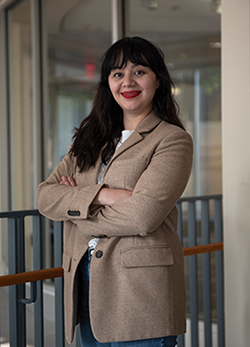
Kathrin Lang is a Full Professor at the Department of Chemistry and Applied Biosciences, ETH Zurich, and Head of the Organic Chemistry Laboratory. Her research focuses on chemical biology, particularly the development of tools for genetic code expansion to incorporate non-canonical amino acids into proteins and advance bioorthogonal chemistries for studying biological processes. Keywords: Genetic Code Expansion, Bioorthogonal Chemistry, Protein Engineering, Ubiquitylation Networks, Post-Translational Modifications. Lang’s work emphasizes proximity-triggered crosslinking reactions, bioorthogonal labeling, and in vivo chemistries to address challenges in protein interaction mapping and structural elucidation. Her group’s recent publications highlight methodologies for dual protein labeling, deciphering ubiquitin code, and enhancing cycloaddition reactivity. Current projects include exploring cyclopropene-fused dibenzocyclooctynes for improved labeling and investigating methylated lysine as a conformational regulator in Hsp90. Funding sources include the ERC (Ubl-tool), DFG (SFB1035, SPP1926), and ETH Zurich. She contributes to education through courses like Genetic Code Expansion for Studying Posttranslational Modifications and Chemical Biology and Synthetic Biochemistry . Collaborative efforts span structural biology, microbiology, and synthetic biochemistry, with applications in ubiquitin research and cellular imaging.
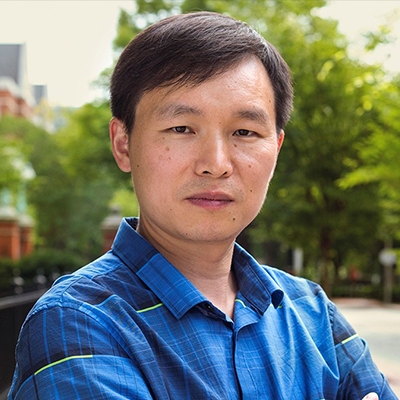
Chi Ting is an Assistant Professor of Chemistry at Brandeis University , focusing on organic synthesis and biosynthesis of natural products. Their work bridges chemical synthesis and biosynthetic pathway exploration to advance therapeutic discovery. Education : Ph.D. from University of California, Berkeley; B.S. from University of Illinois at Urbana-Champaign. Research Interests include: Concise total syntheses of complex natural products Development of novel organic reactions (e.g., chemoselective peptide functionalization) Investigation of biosynthetic mechanisms via genome mining Exploration of SAM-dependent enzymes and domain-of-unknown-function (DUF692) pathways Article Trends emphasize total synthesis (e.g., podophyllotoxin, hyperforin, RiPPs) and biosynthetic studies, with keywords spanning organic methodology, enzymatic transformations, and medicinal chemistry. Scientific Awards : Brandeis Career Hero 2022 NSF CAREER (2024-2029) Thieme Chemistry Award 2024 Grants include the NSF CAREER award for synthetic and biosynthetic research. Their lab (Edison-Lecks Science Building, Room 322) investigates chemical and enzymatic strategies for accessing therapeutic natural products.
Professor Gerrit Jan Poelarends is a distinguished academic at the University of Groningen, holding the position of Professor of Pharmaceutical Biotechnology within the Faculty of Science and Engineering. He serves as Director of the Groningen Research Institute of Pharmacy and Head of the Department of Chemical and Pharmaceutical Biology. His extensive research portfolio spans biocatalysis, enzyme engineering, and sustainable pharmaceutical synthesis, with significant contributions to the UN Sustainable Development Goals through environmentally friendly chemical processes. Prof. Poelarends' research interests focus on the discovery and design of novel biocatalysts for pharmaceutical applications. His work centers on developing enzymatic pathways for asymmetric synthesis of noncanonical amino acids, creating enantioselective biocatalysts for various synthetic bond-forming methodologies, and characterizing promiscuous protein functions to understand enzyme evolution. His research group actively explores enzyme engineering guided by mutability landscapes, development of engineered peroxygenases, and discovery of ene- and nitroreductases for sustainable chemistry applications. Analysis of his recent publications reveals a strong trend toward sustainable pharmaceutical synthesis through enzyme engineering, particularly in the areas of nitroreductases, C-N lyases, and peroxygenases. His work consistently bridges fundamental enzymology with practical applications in green chemistry, demonstrating expertise in both understanding enzyme evolution and applying this knowledge to create biocatalysts for environmentally friendly production of pharmaceuticals. His scientific achievements have been recognized through numerous prestigious awards including NWO VENI, VIDI, and VICI grants, ERC Starting and Proof of Concept grants, and competitive fellowships for his students. These awards highlight the innovative nature and impact of his research in biocatalysis and enzyme engineering. Prof. Poelarends has supervised over thirty PhD students throughout his career, with current supervision of multiple doctoral candidates working on projects related to enzyme engineering and biocatalysis. His research has been supported by substantial grants from NWO, the European Union (including multiple ERC grants), and collaborative international projects, reflecting the significance and scope of his work. The Pharmaceutical Biotechnology group he leads includes technicians, postdocs, and PhD students working on various aspects of enzyme discovery and engineering. The research team operates within well-established laboratory facilities at the Groningen Research Institute of Pharmacy, with access to state-of-the-art equipment for protein expression, purification, structural analysis, and biocatalytic reaction screening. Their work is closely integrated with the University of Groningen's broader research initiatives in sustainable chemistry and pharmaceutical sciences, contributing to multiple EU-funded training networks and collaborative projects.
Martin H. Wühr is an Associate Professor of Molecular Biology and a member of the Lewis-Sigler Institute for Integrative Genomics at Princeton University. He leads the Wuhr Lab, focusing on quantitative proteomics to understand cellular organization. His work investigates how molecules self-organize into organelles and cells, particularly studying nuclear-cytoplasmic proteome partitioning and its impact on biological function. Research employs mass spectrometry-based proteomics combined with computational, biochemical, and imaging approaches, using models like human tissue cells and Xenopus laevis embryos. Key contributions include analyzing protein localization dynamics during embryogenesis and developing novel proteomic methodologies. Recent publications highlight advancements in multiplexed proteomics, nuclear import mechanisms, and microbial nutrient interactions. Awards and grants are not explicitly listed, but his lab’s technical innovations indicate significant field impact. Advising and lab management details are not provided, though collaborations with institutions like MIT and Harvard suggest active academic engagement. Labs/Teams: The Wuhr Lab at Princeton University focuses on systems-level proteomics and cellular organization studies.
Paul Evans is an Associate Professor in the School of Chemistry at University College Dublin, where he has been a faculty member since 2006. His research focuses on organic synthesis with applications in medicinal chemistry and drug discovery. He maintains an active research program with numerous publications and research grants spanning over two decades. His educational background includes: B.Sc. in Chemistry from the University of East Anglia (1994) D. Phil. in Synthetic Organic Chemistry from the University of York (1998), supervised by Prof. R. J. K. Taylor Professor Evans' research program centers on the development of novel synthetic methodologies with biological applications. His primary research interests include the synthesis of cyclopentenone derivatives related to prostaglandins, fluorinated analogs of natural alkaloids, and antifungal compounds. His work often bridges organic synthesis with medicinal chemistry, focusing on compounds that interact with biological targets such as NF-κB and PPAR-gamma. A significant portion of his research involves asymmetric synthesis techniques, including enzymatic methods using lipase enzymes. His laboratory employs both traditional synthetic organic chemistry approaches and modern techniques like solid-phase peptide synthesis for complex molecule construction. Analysis of his recent publications (2020-2025) reveals a consistent focus on synthetic methodology development with medicinal applications. His work shows increasing emphasis on fluorinated compounds, antifungal agents, and the synthesis of complex alkaloid structures. There is a clear trend toward interdisciplinary research that combines organic synthesis with biochemical evaluation, particularly in the areas of antifibrotic agents and antiparasitic compounds. His group has made significant contributions to vinyl sulfone chemistry, cyclopentenone synthesis, and the development of novel reduction methodologies. Professor Evans has secured multiple research grants, including: Science Foundation Ireland grants for drug discovery programs (2007, 2019-2027) A Start-Up Grant (2002-2003) He actively mentors graduate students through the Chemistry MSc Internship program and coordinates several advanced chemistry courses including 'Advanced Synthetic Chemistry' and 'Organic Synthesis'. His research group appears to focus on synthetic organic chemistry with applications in medicinal chemistry and drug discovery, with particular expertise in cyclopentenone chemistry, alkaloid synthesis, and the development of novel synthetic methodologies.
Michael Marr is an Associate Professor of Biology at Brandeis University, specializing in mechanisms controlling gene expression. His research spans transcriptional and post-transcriptional regulation in metazoan cells, with a focus on Drosophila models. University: Brandeis University Department: Department of Biology Email: mmarr@brandeis.edu Research Interests Dr. Marr investigates how cells respond to developmental and environmental signals via changes in gene expression. Key areas include: Transcriptional activation by metal-dependent factors (MTF-1) under heavy metal shock Post-transcriptional control via insulin receptor pathways and IRES-mediated translation Functional coupling of transcription and translation to amplify signaling responses Role of co-activators in transcriptional regulation and redundancy analysis Notable Discoveries His lab demonstrated that the Drosophila insulin receptor (dINR) utilizes an internal ribosome entry site (IRES) for cap-independent translation, resolving how cells prioritize pathway-specific protein synthesis under stress. Article Trends His work focuses on molecular signaling, RNA biology, and transcriptional machinery across genomics, stress response, and developmental biology. Studies often bridge biochemical assays, RNA interference, and translational control mechanisms. Laboratory Located at the Rosenstiel Basic Medical Sciences Research Center, his lab employs Drosophila to dissect gene regulatory networks.
Oscar Kuipers is a Full Professor and Head of the Department of Molecular Genetics at the Groningen Biomolecular Sciences and Biotechnology Institute, University of Groningen, the Netherlands, a position he has held since 1999. He is an internationally recognized leader in antimicrobials, bacterial cell biology, synthetic biology, and bacterial gene regulation. Kuipers also serves as founder and CSO of Omnicin Therapeutics, a company he established in 2019 to develop novel antibiotics for clinical use. Dr. Kuipers earned his PhD in Biochemistry from Utrecht University with research on "Probing the mechanism of pancreatic phospholipase A2 by protein engineering." His early career included positions at NIZO Food Research (1990-1999), where he served as Head of Genetics from 1997-1999, and an EMBO Fellowship in Paris Orsay in 1988. Kuipers' research focuses on several interconnected areas that have significantly advanced our understanding of bacterial systems and antimicrobial development. He is a world-leading expert on lantibiotics (modified antimicrobial peptides produced by bacteria), having unraveled the biosynthesis route of nisin and discovered that nisin induces its own expression through bacterial cell-to-cell signaling. His pioneering work on phenotypic heterogeneity at the single-cell level revealed that differentiation in bacterial cultures is omnipresent and has important implications for bacterial behavior. More recently, Kuipers has developed a synthetic biology suite to mimic non-ribosomally produced peptide antibiotics (NRPS) with ribosomally produced and posttranslationally modified peptides (RiPPs), with applications for developing novel antimicrobials for pharmaceutical use. His publication record demonstrates consistent leadership in antimicrobial research, with particular emphasis on lantibiotics, peptide engineering, and bacterial population dynamics. The research trajectory shows an evolution from fundamental biochemical studies to applied pharmaceutical development, with recent work focusing on overcoming antibiotic resistance through innovative approaches like synthetic helper peptides and hybrid lanthipeptides. Dr. Kuipers has received numerous prestigious honors and awards throughout his career: Chairman of jury to appoint new members to Royal Netherlands Academy of Arts and Sciences (KNAW) (2021) Royal decoration of Knight in the Order of the Dutch Lion by King Willem Alexander (2019) Honorary Professor at Nankai University, China (2019) ISI Thomson Reuters Highly Cited Researcher (2016) Elected Executive Board Member, European Academy of Microbiology (EAM) (2015) Elected Member, European Academy of Microbiology (EAM) (2013) iGEM Team Groningen: European and World Champion 2012 Synthetic Biology (2012) Elected Member, Royal Netherlands Academy of Arts and Sciences (KNAW) (2011) Simon Stevin Meester Award (Science and Technology Award of STW, Dutch Science Council) €500,000 (2011) As supervisor and coordinator of the iGEM team Groningen from 2008-2015, Kuipers mentored numerous students in synthetic biology competitions. His research has been supported by significant funding, including the Simon Stevin Meester Award of €500,000. His work has resulted in an impressive publication record with an h-factor of 113 (Google Scholar) and over 50,000 citations. Kuipers leads research at the Groningen Biomolecular Sciences and Biotechnology Institute, where his group focuses on developing novel antimicrobials for pharmaceutical applications. His recent work has centered on using lantibiotics as templates for new antibiotic development, with his synthetic biology suite enabling the creation of ribosomally produced and posttranslationally modified peptides (RiPPs) as alternatives to non-ribosomally produced peptide antibiotics (NRPS). In 2019, he translated this research into practical applications by founding Omnicin Therapeutics to develop novel antibiotics for clinical use.
M. Reza Ghadiri, PhD, is a Professor in the Departments of Chemistry and Molecular Biology at The Scripps Research Institute (TSRI), holding the Darlene V. Shiley Chair in Chemistry. His research spans organic, bioorganic, and materials chemistry, with a focus on interdisciplinary approaches to biomaterial design, systems chemistry, and the origins of life. Ghadiri leads the Ghadiri Lab, which investigates peptide self-assembly, synthetic biology, and drug development, particularly in HDL modulation and histone deacetylase inhibitors. Education: B.A. in Chemistry (University of Wisconsin-Milwaukee, 1982); Ph.D. in Chemistry (University of Wisconsin-Madison, 1987). Research interests include peptide architecture, biosensor arrays, self-replicating molecular systems, and applications in medicine and nanotechnology. Notable achievements include pioneering work on peptide-based nanotubes and enzymatic replication systems. His lab currently explores gut microbiome modulation for chronic disease intervention. Awards include the Feynman Prize in Nanotechnology (1998), Arthur C. Cope Scholar Award (1999), and the Ronald Breslow Award (2022). The lab collaborates on projects such as DNA-programmed enzymes and next-generation nanopore sequencing.
Oscar Kuipers is Professor of Molecular Genetics of Prokaryotes at the University of Groningen, affiliated with the Department of Molecular Genetics within the Groningen Biomolecular Sciences and Biotechnology Institute. His research focuses on prokaryotes—microorganisms without nuclei such as bacteria and cyanobacteria—and the molecular genetic mechanisms governing their functions and interactions. Kuipers studied Biology at Utrecht University, where he also earned his PhD in Biochemistry in 1990. Following his doctoral studies, he worked at NIZO Food Research in Ede and the Wageningen Centre for Food Sciences before joining the University of Groningen. His research interests center on antimicrobial peptides, particularly lanthipeptides like nisin, and their applications in combating antibiotic-resistant bacteria. Kuipers investigates gene regulation, peptide engineering, and the biosynthesis of ribosomally synthesized and post-translationally modified peptides (RiPPs). His work bridges fundamental molecular genetics with practical applications in biotechnology and medicine, with a strong emphasis on developing novel antimicrobial strategies against drug-resistant pathogens. Analysis of Kuipers' recent publications reveals a consistent focus on peptide engineering, particularly modifications to nisin and related antimicrobial compounds. His research spans structural modifications to enhance stability and specificity, exploration of novel lanthipeptides from diverse bacterial sources, and investigation of mechanisms by which these compounds interact with bacterial pathogens. A significant portion of his recent work addresses the growing crisis of antibiotic resistance through innovative approaches to peptide-based antimicrobials. Simon Stevin Master Award (2011) with €500,000 research grant Elected member of the Royal Netherlands Academy of Arts and Sciences (KNAW) (2011) €1 million EU grant for synthetic peptides development, particularly for new antibiotics (2013) NWO subsidy for developing microscopic techniques to study intracellular processes (2012) Kuipers actively supervises the University of Groningen student team in the international iGEM competition, which achieved world champion status in 2012 with a biological detection system for meat freshness. He is also co-founder and director of the Centre for Sustainable Antimicrobials (CeSAM), a collaborative initiative between the University of Groningen and University Medical Center Groningen focused on breaking down disciplinary boundaries to accelerate the development of new antibiotics. His laboratory work centers on the Groningen Biomolecular Sciences and Biotechnology Institute, where his team employs advanced techniques in genetic engineering, peptide synthesis, and microbiological analysis to develop and characterize novel antimicrobial compounds. The research environment fosters interdisciplinary collaboration between microbiologists, biochemists, and biotechnologists working toward the common goal of addressing antimicrobial resistance.
Dr. David Fox is an Associate Professor in the Department of Chemistry at the University of Warwick. His research focuses on synthetic organic and medicinal chemistry, drug discovery and development, asymmetric and catalytic reactions, and synthetic route design for lead molecules. Current projects include medicinal chemistry for enzyme inhibitors, synthetic methodology for heterocycles, and collaborations with RxCelerate Ltd. He teaches undergraduate modules CH222 Speclab, CH271, CH3E9, and CH408. Research Interests: Specializing in small molecule and asymmetric synthesis, with applications in medicinal chemistry/drug discovery and GMP process development. Key areas include drug molecule design, fast synthesis methods, and synthetic route optimization. Publications & Patents: His work spans synthetic methods for autophagy inducers, anti-inflammatory agents, ligands for GPCRs, and molecular imaging of reactive intermediates. Collaborations with IBM Zurich on NC-AFM/STM have enabled structural analysis of otherwise unisolable molecules. Education: BA and DPhil from the University of Oxford, followed by postdoctoral research at Cambridge. Students: Supervises PhD/MSc students Matthew Clayton, Matthew Taylor, and Emma Scott.
PD Dr. Martin Fraunholz is a senior researcher and group leader at the Chair of Microbiology, Biocenter, University of Würzburg, Germany. Since 2010, he has led an independent research group investigating the intracellular lifestyle of Staphylococcus aureus and its interactions with host cells, focusing on bacterial virulence factors and host responses. Education: Habilitation in Microbiology, University of Würzburg (2021) PhD (Dr. rer. nat.), Philipps-University Marburg, Germany (1999) Diploma in Biology, University of Bayreuth, Germany (1995) Research Interests: His research delves into the molecular mechanisms underlying S. aureus pathogenesis, particularly how the bacterium survives within host cells and evades immune responses. Key areas include: Intracellular survival and replication of S. aureus in macrophages, epithelial, and endothelial cells. Phagosomal escape mechanisms mediated by bacterial factors like phenol-soluble modulins and non-ribosomal peptide synthetases. Host-pathogen interactions involving sphingolipids and calcium homeostasis. Metabolic adaptation of S. aureus during systemic infections and metastatic spread. Scientific Contributions & Trends: Fraunholz's recent publications highlight cutting-edge techniques and findings, including the use of expansion microscopy for super-resolution imaging of infections, the discovery of transcriptional regulators crucial for tissue colonization, and the identification of bacterial toxins and host factors that dictate infection outcomes. His work bridges microbiology, cell biology, and systems biology to uncover fundamental aspects of bacterial pathogenesis. Collaborations & Funding: He actively collaborates with researchers across Germany and internationally, including participation in the DFG-funded SPP2225 program "EXIT" and the Collaborative Research Center DECIDE. His lab also contributes tools and resources to the scientific community, such as fluorescent reporter strains and imaging protocols. Lab & Team: The Fraunholz lab consists of dedicated scientists and students, including technical assistants (e.g., Kerstin Paprotka) and PhD students (e.g., Fabio Schmelz, Julia Wolf), working together to advance understanding of S. aureus biology and pathogenesis.
Beth Ann Lazazzera is a Professor and Department Chair of the Life Sciences Core Curriculum Program at the University of California Los Angeles (UCLA), within the College of Letters and Science and the Department of Microbiology, Immunology, and Molecular Genetics (MIMG). She has been a faculty member at UCLA since 1999, contributing significantly to both research and teaching in the life sciences. Dr. Lazazzera earned her B.S. in Microbiology from the University of Massachusetts, Amherst in 1989, followed by a Ph.D. in Bacteriology from the University of Wisconsin, Madison in 1995. She completed her postdoctoral training in Microbiology at the Massachusetts Institute of Technology in 1999. Her research focuses on bacterial social behavior and evolution, particularly on how Gram-positive bacteria communicate using peptide signals and form biofilms. Her laboratory has identified key mechanisms of bacterial communication and biofilm formation, and is currently collaborating on developing methods to disrupt biofilms on orthopedic devices. A significant finding from her work shows that disruptions in translational quality control pathways lead to higher mutation rates, which contributes to increased antibiotic resistance development. Her research spans molecular microbiology, bacterial genetics, and the intersection of translation fidelity with bacterial social behaviors. Analysis of her recent publications reveals a strong focus on biofilm research, translational quality control, and bacterial communication systems. Her work connects fundamental molecular mechanisms with potential clinical applications, particularly in combating bacterial infections and antibiotic resistance. The research spans from basic molecular studies in model organisms like Bacillus subtilis to applied research on pathogens like Staphylococcus aureus and Vibrio cholerae. Dr. Lazazzera has received numerous scientific awards throughout her career, including: National Institutes of Health Predoctoral Fellowship (1990-1993) Herman Smythe Award from the University of Wisconsin, Madison (1994) Damon Runyon-Walter Winchell Foundation Postdoctoral Fellowship (1996-1999) Damon Runyon-Walter Winchell Foundation Alternate for Scholar Award (2000) She has secured significant research funding, including NIH, NSF, and Army Research Office grants. Her current research projects include studying electromagnetic field effects on biofilms, translational quality control in microbial systems, and peptide signaling mechanisms in bacteria. As an educator, she has taught 'Introduction to Microbiology' (MIMG101) from 2001-2018 and the introductory biology course LS7A, 'Cell and Molecular Biology' since 2019. She has held leadership roles as past Vice Chair of Undergraduate Education in MIMG, past-Chair of the Academic Senate Undergraduate Council, and is currently the Chair of the Life Science Education Department.
Edward O'Brien is a Professor of Chemistry and Director of the NSF National Synthesis Center for Emergence in the Molecular and Cellular Sciences at Pennsylvania State University. His research focuses on the biophysical mechanisms of protein folding during translation, with emphasis on ribosome mechanics, co-translational folding, and the impact of translation kinetics on protein structure/function. He holds affiliations with the Department of Chemistry and the Institute for Computational and Data Sciences. Education includes a B.S. in Biochemistry (University of the Sciences, 2002), Ph.D. in Chemical Physics (University of Maryland, 2008), and postdoctoral training at the University of Cambridge. His honors include the Presidential Early Career Award (2019), NSF CAREER Award (2016-2021), and multiple NIH grants. Research interests span mechanistic studies of ribosome-catalyzed peptide bond formation, the role of electrostatic interactions in translation elongation, and the molecular origins of protein misfolding. Recent work explores non-covalent lasso entanglements in proteins and their implications for disease, drug design, and cancer genetics. Award-winning publications include breakthrough studies on cotranslational folding dynamics and ribosome mechanochemistry. He leads interdisciplinary efforts in computational biophysics and molecular modeling, with grants totaling over $5M. His lab collaborates globally on projects involving proteostasis networks, viral protein interactions, and synthetic biology.
Dr. Justine deGruyter is a Lecturer in the Department of Chemistry at Texas A&M University, where she teaches CHEM 227: Organic Chemistry I. Her research focuses on Chemical Education, emphasizing classroom innovation and psychological safety to enhance student success, particularly for underrepresented minority students. She holds a B.S. from New Mexico State University, a Ph.D. from Scripps Research, and completed a postdoctoral fellowship at Texas A&M University. Her research interests bridge organic synthesis and educational equity, with notable contributions to bioconjugation, radical chemistry, and peptide synthesis. Key publications include work on serine-selective bioconjugation and electrochemically driven aryl amination. Dr. deGruyter advocates for inclusive STEM education, ensuring chemistry remains accessible and engaging for all students. Her articles span topics like phosphorus-based reagents, stereochemistry, and drug discovery methodologies. While no formal awards are listed, her commitment to educational innovation reflects a dedication to transformative teaching practices. She collaborates on projects involving organic synthesis and natural product chemistry, contributing to both academic and applied research fields.
Bin Wu is an Associate Professor in the Department of Biophysics at the Johns Hopkins University School of Medicine. His research focuses on visualizing and quantifying biological processes in real time using single-molecule imaging and spectroscopy technologies in live cells, combined with theoretical modeling. He leads an active lab studying gene expression regulation, particularly the dynamics of RNA molecules during transcription, translation, trafficking, and decay. Research Interests: Single-molecule imaging of RNA and protein dynamics Real-time visualization of translation using SINAPS (Single molecule imaging of nascent peptides) Regulation of gene expression in neurons, including dendritic and axonal translation Development of optical tools to manipulate gene expression spatially and temporally Understanding translational bursting, ribosome stalling, and mRNA decay mechanisms His recent publications reveal a strong trend in probing fundamental questions in gene expression using cutting-edge imaging techniques. Work spans from basic biophysical principles of translation to disease-relevant models such as ALS/FTD involving C9ORF72 repeat expansions. A key innovation is the development of SINAPS, enabling direct observation of translation dynamics at the single mRNA level. Scientific Awards: No formal awards listed in the provided text. Advising and Grants: Actively mentors multiple graduate students, master’s students, undergraduates, and research specialists. Lab members include Leslie Watkins, Blake Nelson, Mulin Li, and others working on RNA biology and imaging. Given the high-impact publications in journals like Science , Nature Communications , and Molecular Cell , it is likely that Dr. Wu holds external research funding, though specific grants are not mentioned. Labs and Teams: Dr. Wu leads a multidisciplinary team integrating physics, biology, and computational modeling. The lab is based at the Rangos Building, Room 454, and collaborates with experts in neuroscience, genomics, and biophysics. The team develops and applies novel optical methods to address previously intractable biological questions in live systems.