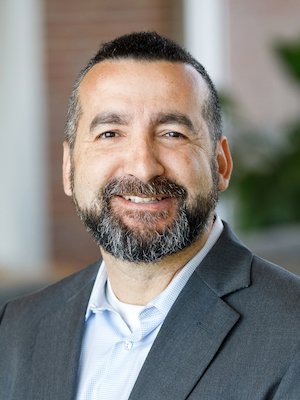
Assoc. Professor Enbang Li is a Senior Lecturer at the School of Physics within the Faculty of Engineering and Information Sciences at the University of Wollongong. His research focuses on photonics, medical physics, and optical sensor technologies with applications in radiation dosimetry, biomedical engineering, and wearable devices. He has supervised numerous PhD and Master’s students in areas such as fiber-optic dosimetry for radiotherapy, blood glucose sensing, and microfluidics. His work includes advancements in fiber-optic dosimeters for MRI-LINAC systems, polymer-based biosensors for glucose monitoring, and integrated photonic sensors for temperature and pressure measurements. He has secured funding from organizations like the Australian Synchrotron Research Program and the University of Wollongong for projects related to dosimetry and photonic integration. Recent publications highlight innovations in HDR brachytherapy dosimetry, flexible electro-optic modulators for ECG signals, and lab-on-a-chip systems. His research also extends to material science, including corrosion studies of Al-Mg alloys and the dynamic behavior of sunscreens under in-service conditions.
Dr Bastien Lechat is a Research Fellow at Flinders Health and Medical Research Institute (FHMRI): Sleep Health, within the College of Medicine and Public Health at Flinders University. He is also a Full Member of the College of Science and Engineering and the Medical Device Research Institute. As an NHMRC Emerging Leadership Fellow, he leads innovative research at the intersection of sleep medicine, artificial intelligence, and wearable technology. Education: PhD in Sleep Health, Adelaide Institute for Sleep Health, Flinders University (2018–2021) Bachelor of Engineering in Engineering Science/Acoustics, Université du Maine, France (2014–2017) Dr Lechat’s research focuses on understanding the physiological mechanisms and consequences of obstructive sleep apnea (OSA), particularly night-to-night variability and patient subtypes. He develops AI-driven tools for efficient and accurate diagnosis using wearables and signal processing. His work aims to create a scalable, low-cost model of care for sleep-disordered breathing, addressing global diagnostic gaps. His recent publications reveal a strong trend in digital health innovation, with a focus on machine learning for OSA detection, circadian rhythm modeling, cardiovascular risk prediction, and climate impacts on sleep. His research has been published in top journals including Nature Communications , Journal of Sleep Research , and Sleep Medicine , demonstrating interdisciplinary reach. Scientific Awards and Recognition: NHMRC Emerging Leadership Fellow (2023) Helen Bearpark Memorial Scholarship (2022) Emerging Research Leader Award, Flinders University (2021) Multiple early-career awards from Sleep Down Under, Australasian Sleep Association, and Adelaide Sleep Retreat Ranked in the top 5% of international authors in sleep apnea by Expertscape Dr Lechat has secured over $2.5 million in competitive research funding and actively supervises and mentors junior researchers. He serves on the program committee of the American Thoracic Society meetings and contributes to clinical guidelines. He collaborates globally with industry and academic partners to translate research into clinical practice. Laboratories and Research Teams: He co-leads the 'Novel use of digital innovations & technology development' theme at FHMRI: Sleep Health, working closely with Professor Danny Eckert. His team integrates expertise in biomedical engineering, data science, and clinical sleep physiology to advance digital sleep medicine.
Khalifa Aguir is a Professor at Aix-Marseille University, affiliated with the Department of Detection, Radiation and Reliability (DETECT) and the Microsensor Instrumentation (MCI) Team. His research focuses on gas sensing technologies , particularly metal oxide semiconductors , nanomaterials , and thin films for environmental and biomedical applications.
Lukas Graber is an Associate Professor and Sutterfield Family Early Career Professor at Georgia Tech's School of Electrical and Computer Engineering (ECE). His primary affiliations include the Plasma and Dielectrics Laboratory, focusing on high-voltage engineering, superconductivity, and cryogenic systems. He holds a Ph.D. and M.S. from ETH Zurich (2009 and 2002), with postdoctoral and research faculty experience at Florida State University's Center for Advanced Power Systems. His technical expertise spans gas-insulated switchgear, superconducting power cables, and high-speed mechanical switches. Key research areas include dielectric materials for supercritical fluids, fault current limiters, and insulation coordination for power systems. He has authored/co-authored 40+ publications and holds multiple patents in energy-related technologies. Research interests emphasize commercialization of novel energy technologies, with a focus on cryogenic electronics and eco-friendly alternatives to SF 6 . Notable awards include the ETG Innovation Prize (2010) and Electrosuisse Best Paper Award (2009). His work integrates fundamental research with applied engineering solutions for naval, aerospace, and grid systems. Labs/Teams: Director of the Georgia Tech Plasma and Dielectrics Laboratory, collaborating on projects like the TESLA Breaker and cryogenic link systems for aircraft propulsion. Active in IEEE and the Cryogenics Society of America.
Prof. Dr. Michaela Hau is a leading researcher in evolutionary physiology and endocrinology at the Max Planck Institute for Biological Intelligence in Seewiesen. Her work focuses on understanding how animals adapt physiologically to environmental challenges, particularly through studies on birds. She leads a research group investigating reproductive endocrinology, circadian systems, and stress hormone dynamics. Her team's recent work, including a 2022 study on great tits' glucocorticoid plasticity in response to temperature fluctuations, highlights her expertise in climate change biology and physiological adaptation. Michaela Hau's research integrates field studies with experimental approaches, emphasizing the interplay between ecology, evolution, and physiology. She has collaborated with institutions like the Düsseldorf University of Applied Sciences on innovative data visualization projects, such as student Evi Hoang's interactive website interpreting stress hormone data. Her research has been published in high-impact journals, addressing topics like hormone-environment interactions and the fitness consequences of reproductive strategies. Her advisory role includes mentoring PhD students like Marlene Oefele, who won a poster prize at an international symposium. While no personal awards are explicitly listed, her contributions have advanced understanding of avian endocrinology and climate resilience mechanisms.
Professor Yoav Peles is Chair of the Department of Mechanical and Aerospace Engineering at the University of Central Florida (UCF). Previously, he served as director of the mechanical engineering program and associate department head for graduate studies at Rensselaer Polytechnic Institute's Department of Mechanical, Aerospace and Nuclear Engineering. Research Focus: Convective heat transfer in micro domains, phase change heat transfer, supercritical CO2 cooling, and thermal management systems Labs: Leads the Microfluidic Heat Lab, advancing cutting-edge cooling technologies His publication record includes close to 110 peer-reviewed journal papers, about 55 conference papers, several patents, four book chapters, and a book titled Contemporary Perspective on Flow Boiling Instabilities in Microchannels . Research trends show a strong focus on supercritical CO2 cooling systems, microchannel flow dynamics, and innovative thermal management techniques. Scientific Awards Prominent Researcher Award, ASME International Conference on Nanochannels, Microchannels, and Minichannels (2016) Best Paper Award, ASME International Technical Conference and Exhibition on Packaging and Integration of Electronics and Photonic Microsystems (2015) Peles has organized multiple international conferences including the ASME International Conference on Nanochannels, Microchannels, and Minichannels (2013) and the first Gordon Research Conference on Micro and Nanoscale Phase Change Heat Transfer. He is a Fellow of the American Society of Mechanical Engineering (ASME).
Semih Doğu is an Assistant Professor at the Department of Electronics and Communication Engineering , Faculty of Electrical and Electronics Engineering , Istanbul Technical University . His research focuses on Electromagnetic Theory , Microwave Imaging , Inverse Scattering Problems , and Antenna Design . Doctorate: Istanbul Technical University (2023) Master's: Istanbul Technical University (2017) Bachelor's: Yıldız Technical University (2015) His research interests emphasize microwave-based diagnostics, including: Microwave imaging for breast cancer detection Antenna optimization for medical and security applications Inverse problem solving in electromagnetic systems Through-the-wall imaging for surveillance Semih Doğu's recent publications demonstrate his expertise in: Neural networks for temperature monitoring in hyperthermia Ku/Ka-band antenna designs for satellite systems Microwave salinity sensing Algorithm development for improved imaging accuracy He contributes to the ITU Electromagnetics Research Group , participating in projects like: Microwave Brain and Breast Imaging Device Development Compressed Sensing for Energy-Efficient Communication Microwave Tissue Analysis
Dr. Andreas Nord is an Affiliate Researcher at the University of Glasgow's School of Biodiversity, One Health & Veterinary Medicine. His work focuses on avian physiology, thermal biology, and environmental stressors. Nord has contributed to over 13 peer-reviewed publications since 2015, with recent emphasis on avian thermoregulation mechanisms, urbanization impacts on wildlife, and methodological advancements in thermal imaging. He served as a Guest Editor for the 2021 Special Issue on thermal imaging in the Journal of Thermal Biology . Research interests include comparative physiology, urban ecology, and the physiological responses of birds to environmental changes. His studies combine fieldwork with laboratory techniques to explore topics like mitochondrial thermogenesis in birds, oxidative stress in urban environments, and plumage development effects on heat loss. Nord collaborates extensively with international researchers across ornithology, thermal biology, and conservation science. Publications consistently demonstrate interdisciplinary approaches, linking molecular biology (e.g., telomere dynamics) with ecological observations (e.g., food restriction effects). His methodological contributions include evaluating body temperature measurement techniques for free-ranging animals, published in Animal Biotelemetry (2015) and Journal of Avian Biology (2015). No academic awards or grants are explicitly listed, though his editorial role highlights scholarly influence. Advising/mentoring relationships aren't detailed in the provided materials. Lab affiliations or team projects aren't specified, though collaborative work with institutions like the University of Glasgow and international partners is evident through co-authorship networks.
Dr. Amin Darvazehban is an Adjunct Research Fellow at the School of Electrical Engineering and Computer Science, The University of Queensland. His research focuses on electromagnetic antenna design for biomedical imaging systems, particularly targeting torso and liver diagnostics. Key Research Areas: Medical microwave imaging systems Metasurface and reconfigurable antenna technologies Dielectric property analysis for diagnostics Biomedical electromagnetic sensors Quantum signal processing applications Publication Trends: Recent work highlights electromagnetic solutions for non-invasive steatotic liver detection, torso imaging optimization, and metasurface-based antenna systems. His articles span IEEE journals in Antennas, Microwaves in Medicine, and Biosensors. Education: Completed his PhD thesis in 2021 on 'Reconfigurable antennas for electromagnetic torso imaging' at the School of Information Technology and Electrical Engineering, The University of Queensland. Patent: Co-inventor of an apparatus for electromagnetic characterization of internal features (US20230228917A1, 2023).
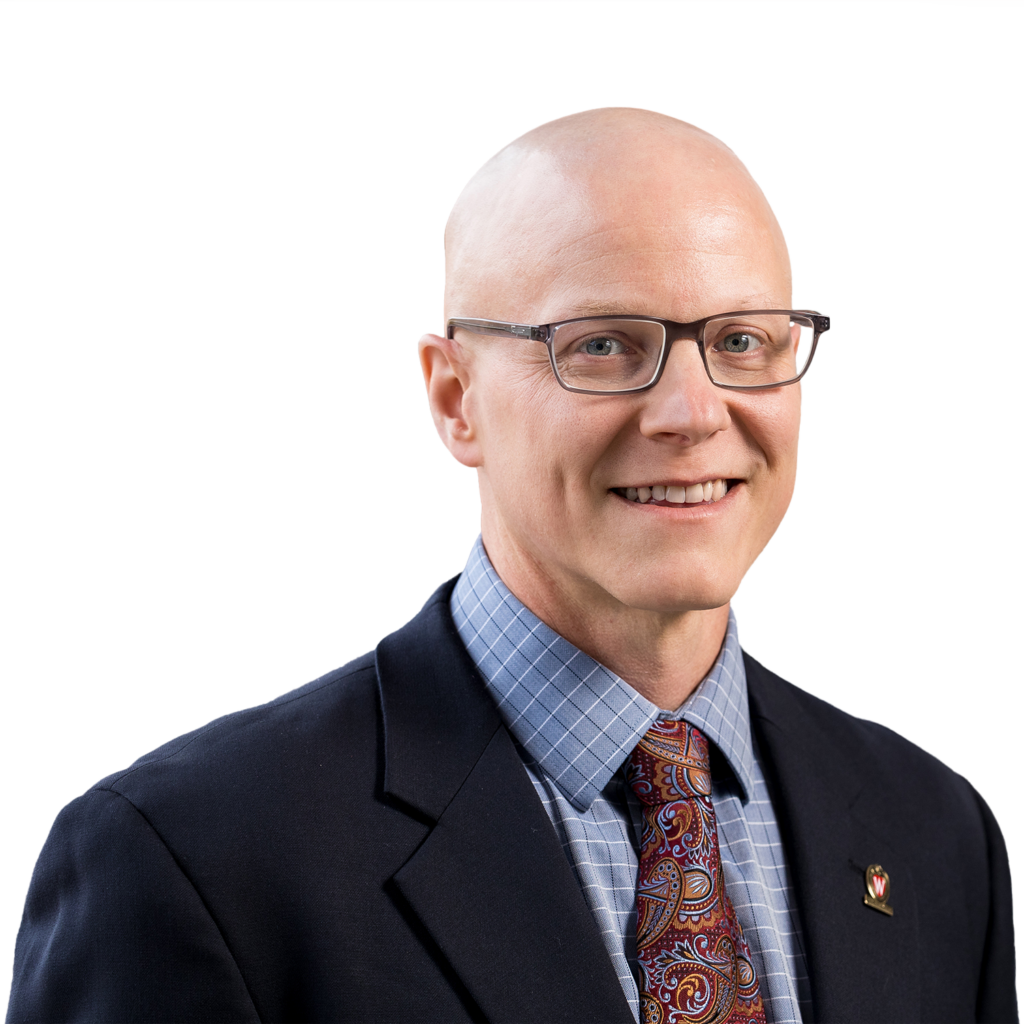
David Rothamer is the Robert Lorenz Professor and Director of the Engine Research Center in the Department of Mechanical Engineering at the University of Wisconsin-Madison. As Associate Dean for Research in the College of Engineering, he leads research strategy, core facility management, and faculty recruitment. His expertise spans combustion, internal combustion engines, renewable fuels, and optical diagnostics. He earned his PhD from Stanford University (2008) and has been at UW-Madison since 2008, receiving an NSF CAREER Award in 2011. Education PhD, Mechanical Engineering, Stanford University, 2008 MS & BS, Mechanical Engineering, University of Wisconsin-Madison, 2002 & 2000 Research Interests Rothamer’s work focuses on optimizing engine performance with renewable fuels using advanced optical diagnostics. His lab develops laser-based techniques to study combustion processes in IC engines, with recent emphasis on sustainable aviation fuels and aerosol filtration during the pandemic. Awards & Recognition ASHRAE Best Paper Award (2022) for aerosol transmission research Robert Lorenz Professorship (2020) SAE Ralph R. Teetor Educational Award (2013) Grants & Collaborations Recipient of $11.5M Army funding for hybrid-electric engine research (2020). Collaborates with industry partners on fuel blending, combustion diagnostics, and emission reduction technologies. Labs & Affiliations Leads the Engine Research Center and holds an affiliation with the Nuclear Engineering & Engineering Physics department. His team operates a state-of-the-art engine lab capable of simulating extreme environmental conditions.
Ricardo Decca serves as Professor and Department Chair of Physics at Indiana University's College of Arts and Sciences, and co-directs the Nanoscale Imaging Center. His laboratory operates two custom-built Near-field Scanning Optical Microscopy (NSOM) systems for nanoscale investigations. His educational background includes a 1996 Post Doctorate in Physics from the University of Maryland, College Park; a 1994 Ph.D. in Physics from Instituto Balseiro, Universidad Nacional de Cuyo, Argentina; and a 1988 B.S. in Physics from the same institution. His research spans four primary domains: photodefined nanowires in high-temperature superconductors using NSOM-induced oxygen migration; spectroscopic analysis of quantum dots through photoluminescence and inelastic light scattering; NSOM-based tracking of fluorescent molecules in biomembranes to study diffusion properties; and experimental searches for deviations from Newtonian gravity at submicron ranges using isotope-coated microelectromechanical systems. Decca's experimental work focuses on precision force measurements at nanoscale dimensions, particularly investigating Casimir forces and potential new interactions beyond standard gravitational models. His laboratory develops specialized NSOM instrumentation operating from room temperature down to liquid helium conditions, enabling non-invasive studies of condensed matter systems. Current projects include characterizing photoinduced Josephson junctions in YBCO superconductors, quantifying dipole-dipole interactions between quantum dots, and visualizing nanoscale domains in lipid bilayers. As Department Chair and Co-Director of the Nanoscale Imaging Center, Decca oversees research infrastructure housing custom NSOM systems and microelectromechanical experimental apparatus. His laboratory maintains active collaborations in condensed matter physics and nanotechnology, with emphasis on developing novel techniques for force measurement and nanoscale characterization at the intersection of physics, materials science, and biophysics.
Kim Cluff is a Professor and IACUC Chair at Wichita State University. Her research focuses on wearable sensing systems, biomedical engineering, and aerospace applications, with a particular emphasis on non-invasive monitoring of biofluid dynamics and medical diagnostics. She has developed novel sensors for applications ranging from aerospace health monitoring to patient-specific medical systems. Her work integrates advanced materials like PVDF and dielectric elastomers with electromagnetic and RF technologies to create innovative diagnostic tools. Key projects include skin patch resonators for fluid volume measurement and systems for real-time organ motion management in medical therapies. Publications highlight contributions to biomedical sensor design, including CO₂ gas detection and shoulder joint clearance monitoring in space suits. Though no grants or awards are explicitly listed, her research has been applied in clinical contexts such as peripheral artery disease diagnostics and cancer treatment systems. A lab website exists for her main campus research activities, though specific lab details are not provided in the text.
GÜLÇİN ECE ASLAN is an Assistant Professor at Akdeniz University's Faculty of Agriculture in the Department of Agricultural Structures and Irrigation. She has been affiliated with Akdeniz University since 2009, initially as a Research Assistant (2009-2018) before assuming her current faculty position. Her academic journey includes a PhD (2009-2018) and MSc (2009-2012) from Akdeniz University in Agricultural Structures and Irrigation, and a BSc in Soil Science from Canakkale Onsekiz Mart University (2004-2008). Her research focuses on sustainable water management in agriculture, with expertise in: Salinity stress monitoring using spectroradiometric techniques Irrigation optimization for Mediterranean crops Water conservation strategies in arid regions Remote sensing applications in precision agriculture Groundwater quality and contamination analysis She leads research on crop responses to abiotic stresses, particularly in tomatoes, stevia, and cucumbers, employing hyperspectral and VNIR spectroscopy for non-destructive plant health assessment. Her publications demonstrate a consistent focus on water-stress physiology, with 80% of articles analyzing salinity/drought impacts on crops. Recent work shows a shift toward sustainability metrics and economic assessments in greenhouse agriculture. She has supervised 6 graduate theses and secured international funding including Horizon 2020 projects like SafeH20 Farm ($2023-2026) and IGUESSMED ($2020-2024) focused on IoT-based irrigation and pollution reduction.
Dr. S. Vanapalli is an Associate Professor in the Energy Materials Systems department at the University of Twente, specializing in cryogenics, heat transfer, and microcooling technologies. With over 920 Scopus citations and a 16 h-index, their research focuses on cryogenic systems, phase change materials, and thermal management solutions for biomedical and industrial applications. Research Highlights: Developed cryogen-free snap-freezing devices for tissue preservation Innovated gas-gap heat switches for thermal control systems Investigated Leidenfrost dynamics in liquid nitrogen and dry ice systems Optimized microchannel cooling architectures with isotropically etched pillars Explored additive manufacturing applications in cryogenic components Scientific Impact: Vanapalli's recent work spans cryogenic cold chain logistics, direct-contact freeze concentration, and sublimation temperature modeling. Their research bridges fundamental thermodynamic studies with practical applications in pharmaceuticals and precision oncology, with recent emphasis on eliminating sacrificial cryogens in biomedical freezing protocols.
Professor Geoff Smith is a leading academic in Pharmaceutical Process Analytical Technology at De Montfort University, affiliated with the Leicester School of Pharmacy and the Pharmaceutical Technologies research group. He holds a PhD from the University of Brighton and a BPharm from the University of Bath, and has been instrumental in advancing freeze-drying and process analytical technologies. His research expertise lies in developing and applying novel sensing technologies for pharmaceutical manufacturing. Key areas include freeze-drying process development, impedance and dielectric spectroscopy, terahertz imaging, dynamic laser speckle, and electrostatic measurements for powder flow analysis. His work is strongly industry-oriented, focusing on enhancing process understanding and control through real-time, non-invasive monitoring. The recent publications highlight a strong trend in the application of Through-Vial Impedance Spectroscopy (TVIS) for lyophilization process optimization. Research spans from fundamental studies on ice nucleation and glass transition to practical applications in micro-collapse detection, heat transfer coefficient calculation, and container compatibility. There is also significant work on terahertz-based characterization of crystallinity and microneedle penetration, indicating a broader interest in advanced spectroscopic and imaging techniques for pharmaceutical quality assurance. Scientific Awards and Recognition: While specific awards are not listed in the provided text, his extensive publication record, multiple patents, and leadership in Innovate UK-funded projects reflect high recognition in his field. Professor Smith has successfully secured substantial research funding from Innovate UK and the Technology Strategy Board, including grants such as EXTALcoat, FastLyo, AtlasBio, BioStaRT, and LyoDEA, involving collaborations with industry leaders like GEA, AstraZeneca, and Sanofi. He has supervised numerous PhD projects and plays a key role in teaching Pharmaceutical Quality by Design and Good Manufacturing Practice. He leads the Pharmaceutical Technologies group, which he restructured to include chemists, physicists, and engineers, fostering a multidisciplinary approach to solving current pharmaceutical challenges. Laboratories and Research Groups: He leads the Pharmaceutical Technologies research group at DMU, which focuses on developing and applying advanced analytical techniques like TVIS, terahertz spectroscopy, and laser speckle imaging for pharmaceutical process understanding and control. The group operates at the intersection of pharmaceutical science, engineering, and material science, with a strong emphasis on industrial collaboration and technology transfer.