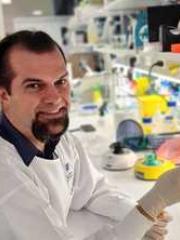
PD Dr. Thomas Müller is a Researcher at Technical University of Munich specializing in molecular catalysts and fixed-bed reactor technologies. His work bridges chemical technology and industrial application. Recent neurosurgery-focused publications (2015-2020) indicate secondary research interests in spinal surgery, neuromonitoring, and glioma treatment, utilizing advanced techniques like 3D fluoroscopy and transcranial magnetic stimulation.
Dr. Daniel Blackmore is the Animal Behaviour Facility Manager and Research Fellow at the Queensland Brain Institute (QBI), an affiliate of the Clem Jones Centre for Ageing and Dementia Research at the University of Queensland. His research focuses on neurogenesis, cognitive aging, and the neurobiological effects of exercise and growth hormones. He has contributed to studies on hippocampal function, ultrasound-based therapies for brain health, and molecular mechanisms underlying memory formation. His work spans translational neuroscience, with a particular emphasis on leveraging exercise and non-invasive technologies (e.g., ultrasound) to mitigate age-related cognitive decline. Key collaborations include projects with Perry F. Bartlett, Jürgen Götz, and Tara L. Walker, addressing topics like stem cell activation, neuroprotective pathways, and the impact of systemic factors (e.g., selenium, platelet exerkines) on brain health. Research Highlights: Investigating how high-intensity exercise enhances cognitive function in aged individuals via hippocampal neurogenesis. Developing protocols to assess spatial learning in mice, advancing behavioral neuroscience methodologies. Exploring ultrasound as a tool for monitoring and improving brain function in aging and disease models. Dr. Blackmore’s publications (34 journal articles, 2 book chapters) emphasize interdisciplinary approaches, blending molecular biology, behavioral analysis, and neurotechnology. His research has implications for therapies targeting dementia, traumatic brain injury, and age-related neurological decline.
Dr. Liviu-Gabriel Bodea is a Research Fellow at the School of Biomedical Sciences, Faculty of Health, Medicine and Behavioural Sciences, University of Queensland, and an affiliate of the Clem Jones Centre for Ageing and Dementia Research at the Queensland Brain Institute. His expertise lies in neuroimmunology, focusing on microglia-neuron interactions in health and neurodegenerative diseases like Alzheimer's and Frontotemporal Dementia. He obtained his Dr.rer.nat. (PhD) from the University of Bonn (2014) under Prof. Harald Neumann, followed by a Peter Hilton Early Career Fellowship (2014-2019) in Australia with Prof. Jürgen Götz. Since 2024, he leads the Microglia Metabolic Reprogramming and Proteostasis Research Team in Assoc. Prof. Karin Borges' lab. Research Interests: His work explores: Microglial proteostasis and metabolic reprogramming Tau protein's impact on protein synthesis Role of immune pathways in neurodegeneration Development of bioorthogonal labeling techniques for proteomic analysis Non-invasive therapeutic strategies (e.g., scanning ultrasound) Microglial receptor dynamics (TYROBP, TREM2) in disease Publications (Trends): Recent articles focus on inflammasome regulation in neurodegeneration, LINE-1 retrotransposon roles in interneuron development, ultrasound-mediated therapies, and proteomic changes during memory formation. His work bridges neuroimmunology, molecular neurobiology, and translational medicine. Scientific Awards: NHMRC Ideas Grant #2030460 (2024-2027, sole CI, ~AU$800,000) Dementia Australia Mid-Career Fellowship (2022-2024, AU$375,000) Expertscape recognition as top 0.8% tauopathy researcher (2021) Cited in 22 patents for neurodegenerative disease mechanisms Supervision & Leadership: Dr. Bodea has mentored 2 PhD students (both awarded first-class distinctions and pursuing academic careers), 4 Honours students, and >15 smaller projects. He serves as a grant reviewer for NHMRC and top journals, and as Lead Guest Editor for Frontiers in Cellular Neuroscience (2023).
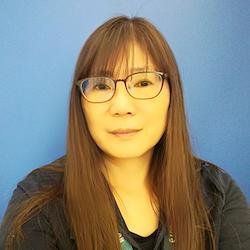
Dr. Chie Takahashi is a postdoctoral researcher at the Department of Psychology, University of Cambridge, where she works in the Vision Lab investigating human visual perception. Her research focuses on how the brain integrates multisensory signals to optimally respond to environmental stimuli. Her research interests span multiple domains of cognitive neuroscience with emphasis on vision science (particularly color, motion, and depth perception), multisensory integration mechanisms , and applied human-robot interaction . She employs diverse methodologies including psychophysical approaches, behavioral measurements, psychophysiological assessments, and non-invasive brain stimulation techniques to investigate how the brain processes visual information and controls motor responses. As a member of the Vision Lab, Dr. Takahashi contributes to Cambridge's longstanding tradition of excellence in visual perception research. Her work bridges fundamental cognitive neuroscience with practical applications in human-machine interfaces, particularly in the emerging field of socially interactive robotics where understanding human perceptual processes is critical for developing intuitive robot behaviors.
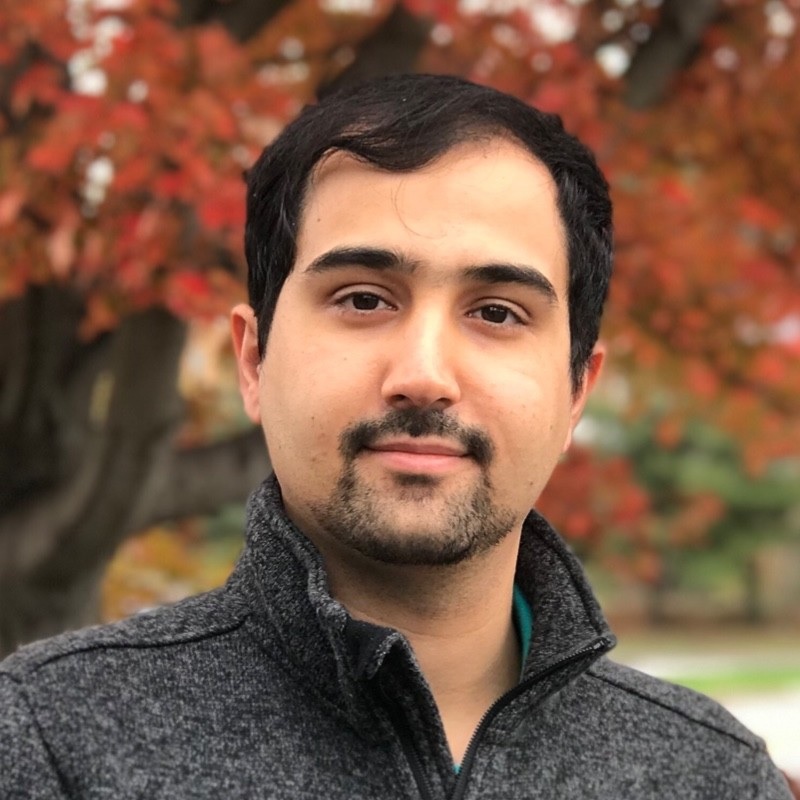
Alireza Chamanzar is a Research Fellow at Carnegie Mellon University's Neuroscience Institute with a joint appointment at Massachusetts General Hospital's ICU Precision Medicine Lab. His research integrates signal processing, AI, and statistical modeling to develop non-invasive neural monitoring systems. Chamanzar's work focuses on automated detection of neurological emergencies like spreading depolarizations and brain silences using scalp EEG. Current projects include lesion-network mapping, hyperensemble learning for outcome prediction in critical care, and generative AI applications in medicine. Key Innovations: SilenceMap framework for EEG-based brain silence localization Non-invasive suppression techniques for cortical spreading depolarizations Multimodal biosignal integration for neurocritical care prognosis As CTO of Precision Neuroscopics, he leads development of FDA-cleared monitoring systems for traumatic brain injury. His Roche Fellowship supports translational research in neurocritical care diagnostics.
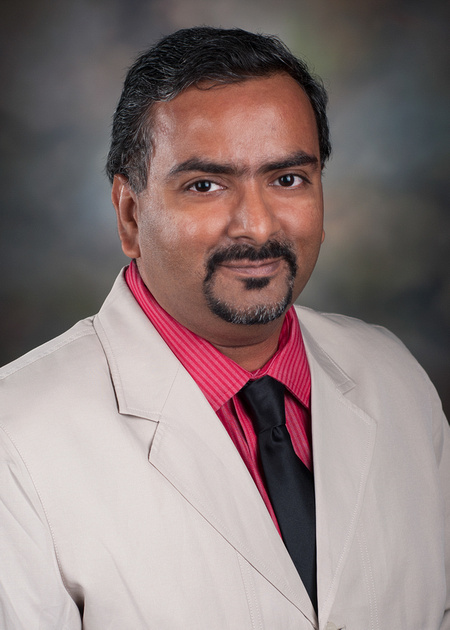
Rajesh Pahwa, MD, is a Professor of Neurology and Director of the Parkinson's Disease and Movement Disorder Center at the University of Kansas Medical Center. He holds the Laverne and Joyce Rider Professorship and serves as Chief of the Parkinson's and Movement Disorder Division. His expertise focuses on Parkinson’s disease, essential tremor, and movement disorders, with a strong emphasis on clinical research and therapeutic advancements. Dr. Pahwa completed his medical training at Seth G.S. Medical College in India, followed by residency and fellowship programs at Baylor College of Medicine and the University of Kansas Medical Center. He has led over 150 clinical trials and published more than 250 peer-reviewed articles, contributing to seminal textbooks like the Handbook of Parkinson's Disease . His research spans medical and surgical therapies for Parkinson’s, including levodopa-based treatments, deep brain stimulation (DBS), and novel drug delivery systems. Key areas include improving motor fluctuations, dyskinesia management, and quality-of-life outcomes. He also investigates non-invasive therapies for essential tremor, such as transcutaneous stimulation and wearable devices. Dr. Pahwa’s clinical contributions include directing a multidisciplinary center recognized as a Parkinson Foundation Center of Excellence. He has pioneered studies on foslevodopa/foscarbidopa infusion therapies and apomorphine delivery systems. His work on pimavanserin and antipsychotic safety has shaped guidelines for Parkinson’s psychosis management. He maintains affiliations with the American Neurological Association, Movement Disorder Society, and Parkinson’s Study Group. His awards include the Laverne and Joyce Rider Professorship, highlighting his sustained impact on advancing care for Parkinson’s patients.
Ka Loong Kelvin Au, MD, FRCPC , is a Clinical Assistant Professor in the Department of Neurology (Movement Disorders Division) at the University of Kansas Medical Center . He joined the faculty in 2021 after completing a movement disorders fellowship at the University of Florida, residency at the University of Calgary, and medical education at the University of Manitoba. Specializes in Parkinson's disease, dystonia , and deep brain stimulation Certified by Kansas State Board of Healing Arts and Royal College of Canada Active in clinical trials and multidisciplinary care approaches His research focuses on deep brain stimulation and movement disorder therapies , with recent publications analyzing DBS efficacy for DYT-11, STN-DBS longevity, and MRgFUS thalamotomy safety. Key collaborations include the Movement Disorders Society and American Academy of Neurology. Current affiliations: Landon Center on Aging (clinical site) and KU School of Medicine (academic base). Research trends show emphasis on neurostimulation technologies , gait mechanics , and chronobiology in therapy .
Dr. Jennifer Cheng is an Assistant Professor in the Department of Neurosurgery at the University of Kansas Medical Center, School of Medicine. She specializes in epilepsy surgery, deep brain stimulation, movement disorders, and functional neurosurgery. Her clinical interests also include general and pain neurosurgery. Education: Bachelor’s degree in Engineering and Biomedical Engineering from Vanderbilt University Master’s in Bioengineering from MIT M.D. from Johns Hopkins University School of Medicine Residency in Neurosurgery at Johns Hopkins Hospital Fellowship in Stereotactic and Functional Neurosurgery at Emory University School of Medicine Board certified in Neurological Surgery (2021), Dr. Cheng practices at multiple locations including the University of Kansas Health System in Kansas City and Olathe. She accepts a wide range of insurance plans and is actively involved in clinical research, with over 30 peer-reviewed publications since 2005 focusing on epilepsy, deep brain stimulation, and neurosurgical interventions. Her work emphasizes innovative approaches to seizure localization and minimally invasive techniques for movement disorders. Research Highlights: Pioneering EEG biomarkers for epilepsy surgery success Advancing stereotactic laser ablation protocols Evaluating MR-guided focused ultrasound for tremor management
Sandeep K Subramanian is an Associate Professor with Tenure in the Department of Physical Therapy at The School of Health Professions, UT Health San Antonio. His research focuses on optimizing upper extremity recovery post-stroke and traumatic brain injury (TBI), with expertise in motor control, motor learning, and the application of virtual reality (VR) and non-invasive brain stimulation. He has authored over 20 peer-reviewed articles and book chapters, and his work includes systematic reviews on genetic influences on recovery and VR-based interventions. Education: D.P.T. (Doctor of Physical Therapy), Ph.D. in Health Sciences, M.Sc., B.P.Th. Institutes: Center for Biomedical Neurosciences His research interests emphasize leveraging technology to enhance neurorehabilitation outcomes, particularly through VR platforms and motor learning principles. He has explored the efficacy of interventions like Tai Chi for Alzheimer’s patients and the role of exercise priming in Parkinson’s disease. Dr. Subramanian also serves on editorial boards for neurorehabilitation journals and reviews articles in his field. His publications highlight trends in genetic factors influencing stroke recovery, meta-analyses of VR interventions, and the interplay between pain, depression, and TBI outcomes. He actively seeks Ph.D. and M.S. students interested in advancing neurorehabilitation research.
Federico Ranieri is a Temporary Assistant Professor at the Department of Neurosciences, Biomedicine and Movement Sciences of the University of Verona. His research focuses on the neurophysiology of neurodegenerative disorders and brain plasticity, using electrophysiological and non-invasive brain stimulation techniques to investigate neural circuits in physiological and pathological conditions. His work aligns with ERC research areas including neurological and neurodegenerative disorders, neural networks and plasticity, and sensory systems. He contributes to teaching in neurology and clinical neurophysiology, with affiliations to committees like the Didactic Commission and Departmental Council.
Cory A. Alcon is an Assistant Professor and Director of Assessment and Outcomes in the Department of Physical Therapy at High Point University. He holds a PhD in pain neuromodulation from Texas Woman’s University, a Doctorate in Physical Therapy from Winston-Salem State University, and a Bachelor’s in Kinesiology from the University of North Carolina at Greensboro. Education: Bachelor’s in Kinesiology – University of North Carolina at Greensboro Doctorate in Physical Therapy – Winston-Salem State University PhD in Pain Neuromodulation – Texas Woman’s University His research focuses on leveraging neuroplasticity to address cognitive and affective dimensions of chronic pain through non-invasive brain stimulation techniques combined with cognitive behavioral therapy. As Director of Assessment and Outcomes, he uses predictive analysis to enhance student performance and National Physical Therapy Examination readiness. He teaches the Musculoskeletal Practice and Pain Science course series and emphasizes developing clinicians skilled in psychological awareness, movement analysis, and manual therapy. Advising & Administration: Course Director for Pain Science curriculum Leads assessment initiatives tracking student outcomes
Hala Nicolas, PhD, is an Associate Professor of Psychiatry and Neuroscience at Columbia University. Her research focuses on understanding the molecular and neural mechanisms underlying autism spectrum disorder (ASD) using genetically modified rat models, particularly the Shank3-deficient rats. She investigates oxytocin’s role in social behavior deficits and employs cutting-edge techniques like chemo-genetic tools and genome-wide transcriptional analysis. Her work aims to identify therapeutic targets and non-invasive interventions for ASD. Dr. Nicolas holds a BSc, MA, and PhD from the Technion – Israel Institute of Technology. Research Interests: Dr. Nicolas’ lab explores ASD pathogenesis through transgenic models, oxytocin signaling pathways, social behavior circuits, and synaptic ultrastructure. Recent studies highlight oxytocin’s effects on social recognition memory, hypothalamic circuits, and glutamatergic systems. Her work bridges basic neuroscience with translational medicine, addressing neurodevelopmental disorder mechanisms. Key Contributions: She pioneered the validation of Shank3-deficient rat models and demonstrated oxytocin’s ameliorative effects in these models. Her group’s TrackUSF tool enables automated analysis of ultrasonic vocalizations in ASD models. Current projects dissect oxytocin’s role in social reward pathways and examine juvenile social isolation impacts. Lab & Affiliations: Based at Columbia’s Annenberg Building, her lab collaborates on CRISPR-based studies of oxytocin receptors and white matter alterations in ASD. She contributes to multi-disciplinary training programs in neuroscience.
Kirstin-Friederike Heise is an Assistant Professor in the Department of Health Sciences and Research at the Medical University of South Carolina's College of Health Professions. Her research focuses on neuroplasticity mechanisms underlying motor control, stroke recovery, and aging-related changes in brain function. She specializes in non-invasive brain stimulation (tACS/tDCS), neuroimaging (MRI/MRS), and neurochemical analysis (GABA). Key research themes include: Optimizing transcranial stimulation protocols for motor rehabilitation Neurochemical correlates of motor performance across the lifespan Interhemispheric connectivity in motor learning Neuroimaging validation of stimulation efficacy Her work demonstrates advancements in: Individualized HD-tACS targeting for DLPFC Zero-phase synchronization for visuomotor integration PAS applications for chronic stroke survivors GABAergic modulation of motor inhibition Current projects involve multicenter clinical trials (NETS trial) evaluating tDCS efficacy post-stroke, and exploring neuropharmacological markers of aging brain plasticity through PET-MRS integration. She has published extensively on translational neurorehabilitation strategies.
Dr. Stephanie Aghamoosa is an Assistant Professor and licensed clinical neuropsychologist at the Medical University of South Carolina (MUSC), Department of Health Sciences and Research. She holds a PhD in clinical psychology from The Ohio State University, with a specialization in health psychology, and completed her clinical neuropsychology training at MUSC and the Ralph H. Johnson VA. Her research focuses on cognitive and neural changes in aging/Alzheimer’s disease, neuromodulation interventions, and applying neuroimaging techniques such as fMRI and diffusion MRI to study cognitive interventions. Her work bridges clinical and translational research, including phase I trials of non-invasive brain stimulation (e.g., rTMS) for amnestic MCI and mindfulness-based interventions to improve attentional control in older adults. She has led studies on connectome-based predictive models for attention and working memory in aging and neurological disorders like multiple sclerosis. Dr. Aghamoosa’s research spans interdisciplinary collaborations in aging neuroscience, neuroimaging, and clinical neuropsychology. Notable studies include investigating white matter microstructural changes in preclinical Alzheimer’s disease and validating open-access neuroimaging tools for MCI diagnosis.
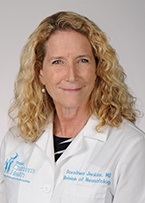
Dr. Dorothea D. Jenkins is a Professor in the Department of Pediatrics at the Medical University of South Carolina (MUSC), College of Medicine. She is an academic neonatologist with over 20 years of experience, specializing in neonatal brain injury, neuroprotection, and clinical translational research. Her work focuses on improving outcomes for infants at high risk of hypoxic-ischemic encephalopathy (HIE) and neuroinflammatory injuries. Education: MD from MUSC College of Medicine (1985) Fellowships in Pediatrics and Neonatal-Perinatal Medicine at University of Colorado and University of North Carolina Research Focus: Dr. Jenkins pioneered randomized controlled trials on hypothermia neuroprotection in neonates with HIE, leading to its adoption as standard care. She innovates non-invasive neuromodulation techniques like transcutaneous auricular vagal nerve stimulation (taVNS) paired with feeding to improve oral intake in preterm and HIE infants. Her lab investigates neuroprotective agents such as N-acetylcysteine (NAC) and vitamin D3, demonstrating their efficacy in reducing oxidative stress and improving developmental outcomes. She also explores fetal neuroinflammation in chorioamnionitis and develops early motor assessments like the Specific Test of Early Infant Motor Performance (STEP). Collaborations: Works with multidisciplinary teams including Drs. Wagner, Katikaneni, Singh, and Brown on imaging biomarkers (MRS, DTI), pharmacodynamic measures, and clinical trials. Currently developing a portable taVNS device (BabySTrong) for bedside use. Grants & Awards: NIH R01 grants from NINDS, COBRE pilot funding, and NM4R pilot grants support her work. Her trainee, Hunter Moss, received an F31 award for neonatal imaging research. Current Projects: Phase II/III trials for taVNS paired feeding therapy Combination therapy with NAC and vitamin D3 in HIE infants Longitudinal studies on STEP motor assessment correlates