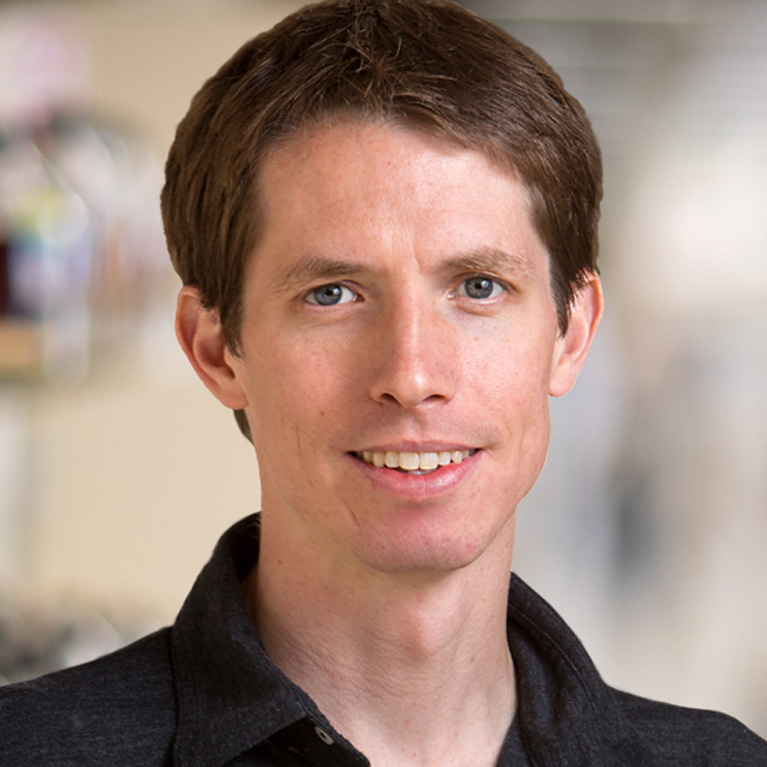
Peter Baumann is Professor of Molecular Biology at Johannes Gutenberg University Mainz, where he serves as Director of the Centre for Healthy Ageing and Adjunct Director of the Institute of Molecular Biology. His current affiliations include leadership roles at these institutes, along with previous positions at the University of Kansas Medical Center and Howard Hughes Medical Institute. Research in the Baumann Lab spans telomere biology, chromosome dynamics, and evolutionary genetics. Key interests include: Telomerase assembly and regulation in yeast/humans Chromosome end-protection mechanisms Molecular basis of parthenogenesis in reptiles Evolutionary consequences of hybridization and polyploidy This work bridges fundamental mechanisms of genome stability with implications for cancer and regenerative medicine. Significant scientific honors include: EMBO Membership (2019) HHMI Investigator (2013-2018) Alexander von Humboldt Professorship HHMI Early Career Scientist (2009-2013) The lab maintains active collaborations internationally and utilizes diverse model systems from fission yeast to reptiles. Current work focuses on identifying compounds to modulate telomerase activity for therapeutic applications.
Graham McVicker, PhD, is an Associate Professor at the Salk Institute for Biological Studies in the Laboratory of Genetics. Promoted to Associate Professor in April 2023, he leads the McVicker Laboratory which focuses on understanding how human genetic variation influences gene regulation, particularly non-coding variants. His research bridges computational and experimental approaches to unravel the molecular mechanisms underlying complex human diseases. McVicker's educational background includes a BSc in Computer Science from the University of British Columbia, a PhD in Genome Sciences from the University of Washington, and postdoctoral training at the University of Chicago and Stanford University. His interdisciplinary expertise combines computer science with genomics to develop innovative approaches for studying genetic variation. His research interests center on human genetic variation, gene regulation, and non-coding variants. The McVicker laboratory employs a three-pronged approach: analyzing natural genetic variation, conducting genome perturbations using CRISPR technologies, and developing computational methods including machine learning algorithms. His work has significant implications for understanding the genetic basis of complex diseases including autoimmune conditions, cancer, and neurological disorders. Analysis of McVicker's recent publications reveals a strong focus on CRISPR-based screening methods, multi-omic integration, and machine learning applications in genomics. His research consistently bridges computational and experimental approaches, with particular emphasis on understanding enhancer function, quantitative trait loci mapping, and the regulatory consequences of genetic variation across different cell types. Awards and Distinctions: National Human Genome Research Institute Genomic Innovator Award (2021) Natural Science and Engineering Research Council (NSERC) Postdoctoral Fellowship (PGS-D2, 2007) Natural Science and Engineering Research Council (NSERC) Postdoctoral Fellowship (PGS-M, 2005) McVicker's laboratory has received significant grant support including a $2.85 million NHGRI Genomic Innovator Award. His research has been funded by organizations including Padres Pedal the Cause, which awarded multiple cancer research grants to Salk researchers including McVicker in 2018. The McVicker Lab actively collaborates with other research groups at Salk and beyond to investigate the molecular basis of disease through genetic variation.
Jakob Skou Pedersen is an external researcher affiliated with the Faculty of Health and Medical Sciences at the University of Copenhagen. His work spans evolutionary biology, genomics, and bioinformatics, with significant contributions to understanding human evolutionary constraints, regulatory RNA structures, and ancient human genomes. His research interests focus on computational approaches to evolutionary genomics, including the identification of functional elements in genomes through comparative analysis across multiple species. He has made notable contributions to understanding protein-coding sequences under selection for overlapping functions, regulatory RNA structures, and the evolutionary constraints across mammalian genomes. Analysis of his publication record reveals a strong emphasis on interdisciplinary research combining computational biology with evolutionary genomics. His work frequently appears in high-impact journals including Nature, Cell, and Genome Research, demonstrating expertise in both theoretical modeling and empirical genomic analysis. A significant portion of his research involves large-scale comparative genomic studies across multiple species. His collaborative network is extensive, with co-authorship on major genomic projects involving international research teams. His work on the ancient Palaeo-Eskimo genome represents a notable contribution to paleogenetics and human evolutionary studies.