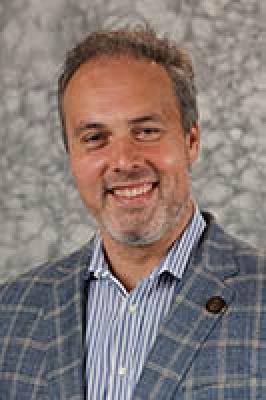
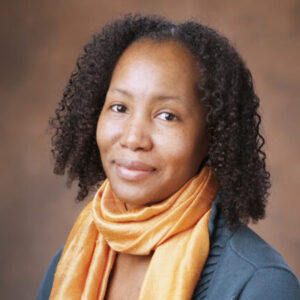
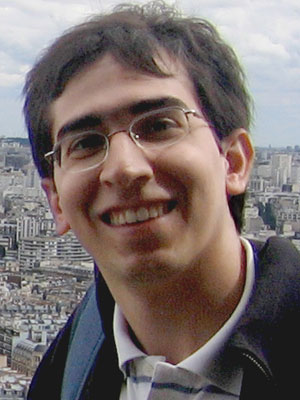
Lars Ulander is a Professor at Chalmers University of Technology specializing in radar remote sensing. His research focuses on synthetic aperture radar (SAR) signal processing, particularly for applications in forest biomass mapping and ground imaging using VHF/UHF-band systems. He is a key proposer for ESA's BIOMASS satellite mission (launching 2025) and leads the BorealScat project, utilizing a 50-meter tower-based tomographic radar to study boreal forest dynamics. His work spans radar system development, SAR tomography techniques, and environmental monitoring of forests and sea surface currents. Current research areas include vegetation water content estimation, bistatic radar configurations, and optimization of SAR data processing algorithms for multi-temporal analysis. Recent publications demonstrate expertise in P-band/L-band SAR for biomass retrieval, passive radar systems, and interferometric techniques. His articles investigate radar backscatter sensitivity to forest structure, moisture parameters, and seasonal changes, while contributing to mission design frameworks like SLAINTE and SESAME.
Erkut Erdem is a Professor in the Department of Computer Engineering at Hacettepe University, where he leads the Computer Vision Laboratory (HUCVL). His research focuses on computer vision and machine learning, particularly on incorporating different kinds of context (spatial, temporal and cross-modal) into visual processing across all levels from low to high-level vision. He received his Ph.D. (2008), M.Sc. (2003), and B.Sc. (2001) from Middle East Technical University. Prior to joining Hacettepe University in 2010, he completed a post-doctoral fellowship at Ecole Nationale Supérieure des Télécommunications (2009-2010) and held visiting researcher positions at UCLA (2007) and Virginia Tech (2004). His current research interests include Visual Saliency Prediction, Automatic Image Description, Video/Photoset Summarization, Image Filtering, and Image Editing. Recent work has focused on multimodal learning with video-language models, diffusion-based image editing, and event-based vision for low-light conditions. His research has been published in top venues including NeurIPS, ICLR, ICCV, SIGGRAPH, and ACL. He has received significant recognition including The Young Researcher Award from Turkish Academy of Sciences and being named a 2022 Outstanding Associate Editor of IEEE Transactions on Multimedia. He has secured multiple research projects funded by TUBITAK and received gift funds from Adobe Research for text-guided image synthesis work. Current Teaching: BBM202: Algorithms, AIN434/BBM444: Fundamentals of Computational Photography Graduate Supervision: 6 current Ph.D. students, numerous recent graduates including Burak Ercan (2024) and Aysun Kocak (2023) Professional Affiliations: Co-affiliated with Koç University and İş Bank AI Center (KUIS AI)
Ju Sun is an Assistant Professor at the University of Minnesota, Twin Cities, in the Computer Science & Engineering department. He leads the Group of Learning, Optimization, Vision, Healthcare, and X (GLOVEX) and plays key roles in the UMN Data Science Initiative (DSI), Program for Clinical AI, and AI-CLIMATE institute. Research Focus : Theoretical foundations of machine learning, computer vision, and numerical optimization with applications in healthcare, inverse problems, and medical imaging. Grants : $4.5M+ in funding including NSF ACED Program and NIH R01 grants for constrained deep learning and imbalanced classification. Teaching & Leadership : Featured in UMN seminars and AI institutes, with affiliations across Electrical and Computer Engineering, Health Informatics, and Medical School. Recent Publications address inverse problems, federated learning, imbalanced classification, and phase retrieval using deep generative priors and diffusion models. His group website details these innovations. Scientific Awards : McKnight Land-Grant Professorship (2025–2027) 2021 AAAI New Faculty Highlights Advising : Mentored three PhD graduates now at Meta, Amazon, and UCLA. Collaborations span medicine, materials science, and biomedical engineering, integrating physics-informed constraints into AI.
Dr. Saeed Gazor is a full Professor in the Department of Electrical and Computer Engineering at Queen's University. He holds a cross-appointment in the Department of Mathematics and Statistics. His research focuses on signal processing applications in electrical energy systems, communications, and medical imaging. He has supervised postdoctoral fellows Babak Ghaffari and Yaser Esmaeili Salehani. Professional affiliations include Senior Member IEEE and membership in the Institution of Engineering and Technology. Education: PhD (1994) in Signal and Image Processing from Télécom ParisTech; M.Sc. (1989) and B.Sc. (1987) from Isfahan University of Technology with highest honors. Academic roles include former Assistant Professor at Isfahan University of Technology (1995–1998) and research associate at University of Toronto (1999). Research interests span detection theory, smart energy systems, hyperspectral imaging, and medical signal processing. Notable contributions include innovations in radar signal processing, sparse signal reconstruction, and adaptive filtering. Active in academic service, including editorial roles in IEEE journals. Awards: Professional Engineer designation from Professional Engineers Ontario. Over 200 peer-reviewed publications with recent focus on AI-driven hyperspectral analysis, robust beamforming, and energy-efficient communication systems. Labs/Teams: Leads signal processing research initiatives at Queen's, collaborating on projects involving smart energy grids, distributed radar networks, and biomedical signal analysis. Current work emphasizes integrating deep learning with traditional signal processing techniques.
James A. Sethian is a Professor in the Department of Mathematics at the University of California, Berkeley , with additional affiliation at Lawrence Berkeley National Laboratory . His work focuses on developing and applying Level Set Methods and Fast Marching Methods to track evolving interfaces across diverse scientific domains. Education: Ph.D. in Applied Mathematics , University of California, Berkeley (1982) B.A. in Mathematics, Princeton University (1976) Research spans Applied Mathematics , Computational Physics , and Numerical Analysis , with applications in Semiconductor Manufacturing , Fluid Dynamics , Medical Imaging , Image Processing , Seismic Analysis , and Optimal Control . His publications demonstrate expertise in modeling interfaces that develop sharp corners, break apart, and merge, particularly through PDE-based numerical techniques. Key contributions include algorithms for noise removal , minimal surface computation , and multi-layer coating flows . As a mentor, he has advised numerous PhD students in computational methods and applied mathematics, including Robert I. Saye , Jon Arthur Wilkening , and David Layne Chopp . Projects under his leadership integrate ViscoElastic Flow , Tumor Modeling , and Robotics via curvature-driven evolution and interface tracking.
Mohd Fikree Hassan is a Lecturer at the School of Information Technology, Monash University Malaysia, joining in June 2023. He holds a Ph.D. and Master's from the University of Malaya, and a B.Eng. in Electronics Engineering from Multimedia University. With over 14 years of academic experience, he is actively engaged in research, teaching, and supervision. B.Eng. in Electronics Engineering (Telecommunications), Multimedia University, 2004 M.Eng. in Engineering (Telecommunications), University of Malaya, 2015 Ph.D. in Signal and Systems, University of Malaya, 2018 His research focuses on image and signal processing , particularly in image enhancement, restoration, computer vision, and human color vision . His work contributes to improving image visibility, removing color casts, and developing algorithms for noisy or degraded images. He applies mathematical and computational techniques to solve real-world imaging challenges. The recent publication trends (2021–2025) show a strong focus on image restoration using variational methods (e.g., total variation, ℓ0 regularization), color enhancement in HSI space, and video analysis for sports applications. His work bridges theoretical optimization and practical computer vision systems. He actively contributes to the academic community through peer review for journals such as Neurocomputing , Journal of Imaging , and International Journal of Computational Intelligence Systems , as well as for IEEE conferences. Mohd Fikree is currently accepting PhD students and serves as an external examiner for academic programs. His consistent research output and editorial service reflect a growing impact in the field of image processing and computer vision. While no formal lab or team is mentioned in the text, his collaborations with researchers like R. Paramesran, T. Adam, and G. Krishnasamy suggest active research partnerships in signal and image processing.
Prof. Dr. Martin Burger is a leading scientist at DESY and a Full Professor in the Department of Mathematics at Universität Hamburg, where he leads the Computational Imaging Group. His research bridges applied mathematics, imaging sciences, and machine learning, with a focus on inverse problems, mathematical modeling, and partial differential equations. He has held professorial positions at Universität Münster and FAU Erlangen-Nürnberg prior to his current dual appointment. Full Professor, Universität Hamburg (2023–present) Leading Scientist, DESY, Hamburg (2023–present) Full Professor, FAU Erlangen-Nürnberg (2018–2023) Full Professor, Universität Münster (2006–2018) His research interests include inverse problems, variational regularization, optimal transport, kinetic models, and mathematical modeling in biology and social sciences. He has made significant contributions to imaging reconstruction, sparse neural networks, and the analysis of transformer architectures. His work often integrates theoretical analysis with computational methods, influencing both pure and applied mathematics. The most recent articles reflect a strong trend toward interdisciplinary applications, combining deep learning with PDE-based modeling, analyzing social and biological systems via kinetic and mean-field models, and advancing mathematical imaging through graph-based and optimal transport methods. His publications span high-impact venues in applied mathematics and computational science. Calderon Prize, Inverse Problems International Association (IPIA) ERC Consolidator Grant (2014) Invited speaker at ECM (2021), ICM (2022), and ICIAM (2023) Editor-in-Chief, European Journal of Applied Mathematics (since 2017) Prof. Burger has supervised numerous PhD students and postdoctoral researchers, many of whom appear as co-authors in his publications. His research is supported by major grants, including funding from the German Federal Ministry of Education and Research (BMBF). He is actively involved in collaborative projects across mathematics, physics, and engineering disciplines. He leads the Computational Imaging Group at DESY, fostering a collaborative environment for developing novel mathematical tools in imaging science. The group works on both theoretical foundations and practical implementations, contributing to advancements in tomography, machine learning, and data analysis.
Omer T Inan is the Regents Entrepreneur Endowed Chair and Assistant Professor at the School of Electrical and Computer Engineering (ECE) at Georgia Institute of Technology. His work bridges biomedical engineering and wearable technology, focusing on non-invasive physiological monitoring for chronic disease management. He holds a Ph.D. in Electrical Engineering from Stanford University (2009) and previously worked at Countryman Associates (2007-2013) as Chief Engineer, developing professional audio systems. Education: B.S., M.S., Ph.D. in Electrical Engineering, Stanford University (2004-2009) His research interests include medical devices for home-based cardiovascular monitoring, musculoskeletal sound analysis, and neuromodulation of stress responses. He has pioneered technologies for heart failure patients, PTSD treatment, and osteoarthritis diagnostics. Recent publications highlight innovations in AI-driven cardiac parameter estimation, motion artifact removal in seismocardiograms, and multimodal stress tracking via wearables. His work spans biomedical signal processing, clinical translation, and portable diagnostic systems. Scientific Awards 2024 IEEE Fellow 2023 IEEE Distinguished Lecturer 2023 American College of Cardiology Fellow 2022 American Institute for Medical and Biological Engineering Fellow 2021 Academy Award for Technical Achievement (The Oscars) 2018 ONR Young Investigator Award 2018 NSF CAREER Award At Georgia Tech, Inan leads the Inan Research Lab, which develops technologies for physiological monitoring and modulation. Projects include musculoskeletal sound analysis for joint health, non-invasive cardiovascular sensing, and neuromodulation to treat PTSD via vagal nerve stimulation.
Audrey Bowden is an Associate Professor at Vanderbilt University in both the Department of Biomedical Engineering and Department of Electrical and Computer Engineering . She is also the Dorothy J Wingfield Phillips Chancellor Faculty Fellow . Education: PhD in Biomedical Engineering (2007) from Duke University BSE in Electrical Engineering (2001) from Princeton University Research Interests: Bowden's work focuses on biomedical optics and point-of-care diagnostics , with a strong emphasis on addressing healthcare disparities through low-cost technologies. Key areas include: Biomedical Imaging Biophotonics Image Processing Machine Learning in Medical Imaging Optical Coherence Tomography (OCT) Functional Near-Infrared Spectroscopy (fNIRS) Publication Trends: Recent work combines machine learning with endoscopic imaging to differentiate cancer from inflammation, develops low-cost OCT systems for smartphones, and improves fNIRS accessibility for diverse patient populations. Her lab also focuses on 3D reconstruction algorithms for urological applications and specular reflection removal in endoscopic videos. Lab & Clinical Collaborations: The Bowden Biomedical Optics Laboratory (BBOL) collaborates with clinical departments including urology , dermatology , otolaryngology , and women's health . The lab integrates optics , microfluidics , and computer science to create hardware/software tools for resource-constrained environments.
Dr. Jing Wang is a Professor in the Department of Bioinformatics at Southern Medical University's School of Medicine, with extensive research at the intersection of artificial intelligence and biomedical applications. Her work demonstrates strong cross-disciplinary collaboration across medical institutions, engineering departments, and computer science research groups. Her primary research interests include Artificial Intelligence in Healthcare , Biomedical Engineering , and Traditional Chinese Medicine Informatics , with recent publications showing particular expertise in medical imaging analysis, diagnostic assistance systems, and clinical decision support. Her work spans both theoretical algorithm development and practical clinical implementations. Analysis of her 15 most recent publications (2025-2026) reveals a strong trend toward clinically applicable AI systems, with approximately 60% of publications focused on medical diagnostics and treatment support systems. The remaining publications demonstrate expertise in industrial applications of computer vision and fundamental AI research. Her work shows consistent collaboration with both domestic Chinese institutions and international research groups. Notable scientific contributions include: Development of 'Tianyi', a traditional Chinese medicine language model for clinical practice Innovations in bionic soft robotics for rehabilitation assistance Novel approaches to medical image analysis for cancer diagnostics Her research program appears well-funded with consistent publication output across high-impact journals in biomedical engineering, AI, and medical informatics. Current work suggests strong emphasis on translating AI research into clinical practice, particularly in diagnostic support systems and rehabilitation technology.
Mohamed Hefeeda is a Professor in the School of Computing Science at Simon Fraser University (SFU), Canada. He leads the Network and Multimedia Systems Lab (NMSL) and previously served as Director of the School from 2018 to 2023. His research focuses on multimedia networking, mobile computing, cloud systems, and hyperspectral imaging. He holds an ACM Distinguished Member designation and has received prestigious awards including the NSERC Discovery Accelerator Supplements (2011) and multiple best paper awards at top conferences like ACM MM and IEEE Infocom. Education: Ph.D., Purdue University, 2004 M.Sc., University of Connecticut, 2001 B.Sc., Mansoura University, Egypt, 1994 Research Interests: Design of efficient multimedia systems and protocols for wired/wireless networks Cloud gaming optimization and video encoding techniques Hyperspectral imaging for healthcare and mobile applications AI-driven multimedia systems and mobile computing innovations Grants & Industry Collaborations: Funded by NSERC, CFI, and companies like AMD, Huawei, and CBC Co-founded Video Semantics (acquired by tech firm) Partnered with CBC on peer-assisted content distribution systems Awards Highlights: 2025: ACM Distinguished Member 2019: Best Student Paper Award at ACM MMSys 2015: NSERC Discovery Accelerator Supplements Labs & Leadership: Network and Multimedia Systems Lab (NMSL) at SFU Contributed to creation of Qatar Computing Research Institute (QCRI)
Dr. Pinon Hermida Victor is a Researcher at the Institute of Electronic Structure and Laser (IESL) under the Foundation for Research and Technology – Hellas (FORTH). He holds a PhD in Physics from the University of A Coruña (2011) and has conducted extensive research on Laser-Induced Breakdown Spectroscopy (LIBS), focusing on femtosecond lasers, double-pulse configurations, and applications in material analysis, archaeology, and environmental science. His career includes roles at Applied Photonics Ltd (UK) as Senior Applications Scientist (2014-2020) and postdoctoral fellowships at FORTH-IESL through the Marie Curie ATLAS program (2006-2008). Research interests span LIBS methodology development, optical fiber systems for high-power lasers, and software for spectral analysis. Notable contributions include portable LIBS instrument design and radiation-resistant optical components for nuclear facilities. Awards include the 2008 LIBS Contest and the 2011 Premio Extraordinario de Doctorado. Recent work focuses on applying LIBS to archaeological mollusc shell analysis for climate and environmental studies. He collaborates internationally on LIBS quantification challenges and instrument durability in harsh environments. Education: PhD in Physics (2011), University of A Coruña; Diploma in Physics (2001), University of Santiago de Compostela Key Roles: Senior Applications Scientist (Applied Photonics), Marie Curie Fellow (FORTH-IESL), Researcher (Laboratory of Industrial Applications of Lasers) Lab Affiliations: IESL-FORTH and University of A Coruña laser labs
Sergey Fomel is a Professor of Geophysics at the University of Texas at Austin, holding the Wallace E. Pratt Professorship and serving as Director of the Texas Consortium for Computational Seismology (TCCS). He is affiliated with the Jackson School of Geosciences, Bureau of Economic Geology, and the Oden Institute for Computational Engineering and Sciences. His research focuses on seismic data analysis, computational seismology, and machine learning applications in geophysics. He leads the Madagascar software project for open-source geophysical data analysis. Dr. Fomel earned his Ph.D. in Geophysics from Stanford University in 2001. He has held leadership roles in the Society of Exploration Geophysicists (SEG), including Vice President, Publications (2017–2019) and Distinguished Lecturer (2020). His awards include honorary memberships in SEG and the Geophysical Society of Houston (GSH). Recent research emphasizes deep learning for seismic inversion, noise reduction, and fault segmentation. His work addresses challenges in geophysical data processing, including adaptive algorithms, wave propagation modeling, and CO2 monitoring. Fomel's contributions span both theoretical and applied domains, bridging computational methods with practical geoscience applications. Education: Ph.D. in Geophysics, Stanford University (2001) Affiliations: Jackson School of Geosciences, Bureau of Economic Geology, Oden Institute Labs/Teams: Texas Consortium for Computational Seismology (TCCS), Madagascar Project
Arian Maleki is an Associate Professor in the Department of Statistics at Columbia University, affiliated with the Faculty of Arts and Sciences and the Foundations of Data Science Center. He holds a PhD from Stanford University (2010) and previously served as a postdoctoral scholar at Rice University. His research focuses on statistical inference, signal processing, and machine learning, with particular emphasis on compressed sensing, high-dimensional statistics, and algorithm design. Key areas include noise mitigation, image reconstruction, and the theoretical analysis of algorithms for inverse problems. Recent work highlights include studies on speckle noise challenges, phase transitions in compressed sensing, and certified data removal techniques. His contributions bridge theory and application, often addressing practical computational and statistical challenges in imaging and signal processing. No scientific awards are explicitly listed. Research outputs emphasize foundational advancements in statistical methodologies and algorithmic frameworks for high-dimensional data analysis. Labs/teams: Active involvement in the Foundations of Data Science Center at Columbia University.
Yang Liu is an Assistant Professor in the Department of Electrical and Computer Engineering at the Baskin School of Engineering, University of California, Santa Cruz. Previously, they were affiliated with Harvard University and earned their PhD in 2015 from the Department of EECS at the University of Michigan, Ann Arbor. Their research lies at the intersection of machine learning, fairness, and trustworthy AI, with a strong focus on large language models, federated learning, and causal reasoning. Their research interests include: Machine Learning and Fairness Federated and Privacy-Preserving Learning Large Language Model Safety and Unlearning Causal Inference and Counterfactual Reasoning Anomaly Detection and Robust Forecasting Human-AI Interaction and Ethical AI Recent publications (2024–2025) demonstrate a strong trend in developing methods for machine unlearning, fairness in LLMs, and robustness under label noise and distribution shifts. Their work frequently appears in top-tier venues such as NeurIPS, ICLR, ICML, AAAI, and KDD, often in collaboration with researchers like Zhaowei Zhu, Mingyan Liu, Jiaheng Wei, and Kun Zhang. Themes include algorithmic fairness, model accountability, and human-aligned AI systems. Scientific contributions include: Frameworks for LLM unlearning and model editing Methods for fair classification and recourse Robust time series forecasting under anomalies Test-time adaptation in multimodal models Causal approaches to debiasing and policy learning While no formal advising list is provided, the depth and volume of collaborative work suggest active mentorship of graduate students and postdocs. Their research program is highly active, with numerous ongoing projects in trustworthy and socially responsible AI.