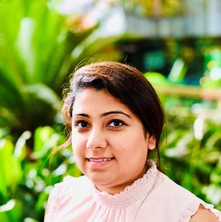
Dr. Marissa Wechsler, a first-generation Hispanic biomedical engineer, returned to her alma mater The University of Texas at San Antonio (UTSA) in 2021 as an Assistant Professor in the Margie and Bill Klesse College of Engineering and Integrated Design. As UTSA's first biomedical engineering undergraduate student (class of 2015), she now leads a 12-member research team in her biomaterials and cell engineering lab while teaching advanced courses like BME 4443: Stem Cell Engineering. Academic Journey: UTSA BME program pioneer (2015) → NSF Graduate Research Fellowship → Ph.D. from UT Austin Leadership Roles: Founding faculty member of UTSA Sigma Xi chapter (2023), SWE faculty advisor, ESTEEMED mentor Research Focus: Specializes in biomaterials engineering with emphasis on: Stimuli-responsive hydrogels for drug delivery and tissue regeneration Stem cell engineering through controlled microenvironments Biosensing platforms using nanoparticle-hydrogel hybrids Regenerative medicine applications for vascular diseases Recent publications demonstrate expertise in RNA-based vaccine delivery systems , nanoparticle engineering , and mitochondrial dysfunction analysis in peripheral artery disease. Her work combines material science innovation with clinical translation potential. Award Highlights: 2023: Sigma Xi Grant-in-Aid of Research 2021: National Science Foundation Graduate Research Fellowship (during studies) Mentorship Impact: As a former participant in federal research programs (RISE, MARC), she now mentors through: Leading 12-member research team (undergraduate to postdoctoral) Sigma Xi leadership (President-elect) Faculty advisor for Society of Women Engineers ESTEEMED program mentor
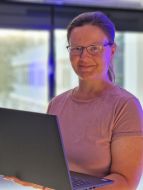
Alison Eyres is a Researcher at the Department of Zoology, University of Cambridge, and a College Research Associate at Emmanuel College. Her work focuses on understanding biodiversity dynamics through macroecology and evolutionary ecology. PhD in Ecological and Evolutionary Dynamics, Senckenberg Biodiversity and Climate Research Centre (Frankfurt) Alison’s research spans macroecology , evolutionary ecology , and conservation biology , with an emphasis on how climatic niches and human disturbances affect avian and mammalian species. She integrates climate data with evolutionary patterns to assess long-term biodiversity responses. Her recent publications highlight trends in agricultural impacts on biodiversity , trait-based vulnerability assessments , and policy frameworks like biodiversity credits and planetary computing . These works address urgent conservation challenges, such as land-use change and species extinction drivers . Alison collaborates with the Conservation Research Institute to advance data-driven environmental policy and sustainable land-use strategies.
Dr. Simranpreet Kaur serves as an Honorary Fellow at Mater Research Institute-UQ within the Faculty of Health, Medicine and Behavioural Sciences at The University of Queensland. She maintains an active research profile with numerous publications spanning immunology, hematology, and stem cell biology. Dr. Kaur's educational background includes a Bachelor of Science from Panjab University, a Masters (Coursework) of Biotechnology from The University of Queensland, and a Doctor of Philosophy from The University of Queensland. Her doctoral thesis focused on The role of macrophages in facilitating haematopoietic stem cell engraftment and reconstitution (2018) Dr. Kaur's research primarily investigates the critical role of macrophages in various biological processes. Her work demonstrates how macrophages regulate endothelial progenitors' quiescence and self-renewal during homeostasis and wound healing, influence hematopoietic stem cell engraftment, and contribute to bone pathology in osteoporosis models. She has made significant contributions to understanding SOX9's role in progenitor self-renewal and mesenchymal transition of the endothelium, as well as the impact of macrophage fragmentation on hematopoietic tissue analysis. Analysis of her recent publications reveals consistent focus on macrophage biology across multiple systems - hematopoietic, vascular, and skeletal. Her work bridges basic science with potential therapeutic applications, particularly in wound healing and stem cell transplantation. The publications demonstrate sophisticated methodologies including single-cell analysis, immunohistochemistry, and molecular deconvolution techniques. Dr. Kaur is actively involved in academic supervision, serving as an Associate Advisor for multiple PhD candidates. Her supervisory roles include projects on meso-endothelial bipotent progenitors, macrophage-endothelial progenitor interactions, and vascular Sox9 contributions to fibrosis. She collaborates extensively with leading researchers including Professor Kiarash Khosrotehrani, Professor Allison Pettit, and Professor Antje Blumenthal. Her research is primarily conducted within the Mater Research Institute environment, which provides specialized facilities for investigating macrophage biology, stem cell niches, and tissue regeneration processes. Dr. Kaur's work contributes significantly to understanding the complex interplay between immune cells and regenerative processes across multiple organ systems.
Michele K. Nishiguchi serves as Professor in the Department of Molecular and Cell Biology within the School of Natural Sciences at the University of California, Merced. Her research program centers on marine symbiosis evolution, specifically investigating the mutualistic relationship between sepiolid squids and Vibrio bacteria as a model system for understanding host-symbiont specificity, population dynamics, and environmental adaptation. Current affiliations include leadership of the Nishiguchi Lab and active participation in collaborative research initiatives addressing climate change impacts on symbiotic systems. Her primary research focuses on the molecular mechanisms governing squid-Vibrio symbiosis, examining how environmental factors and genetic determinants influence symbiont recognition, competitive exclusion, and cospeciation. Key areas include Vibrio population genetics, biofilm dynamics in host colonization, T6SS-mediated bacterial competition, and thermal stress responses in symbiotic partnerships. Recent work leverages CRISPR-based tools, transcriptomics, and genomic approaches to dissect symbiosis regulation across marine ecological niches. Analysis of her 15 most recent publications reveals a strong emphasis on environmental drivers of symbiosis (47%), molecular mechanisms of host-symbiont interaction (33%), and methodological innovations in symbiosis research (20%). Dominant themes include bacterial competition within host environments, climate change impacts on symbiotic stability, and evolutionary adaptations in symbiont transmission. Her work consistently bridges molecular microbiology with ecological and evolutionary frameworks. Scientific recognition includes: NSF CAREER Award for research on individual variation in dispersal through social landscapes Nishiguchi actively mentors undergraduate and graduate researchers, with 15 documented students in her 2022-2023 lab cohort including UROC and NSF REU participants. Current funding includes the SICBEDU collaborative grant (2024) focused on equity in integrative biology education and the BII: INSITE climate adaptation initiative (2022). Her grant portfolio demonstrates dual commitment to symbiosis research and broadening participation in STEM. The Nishiguchi Lab operates as a multidisciplinary research hub investigating marine symbiosis through molecular, ecological, and evolutionary approaches. Current projects examine biofilm-predator interactions, Vibrio genomics across host species, and climate stress impacts on symbiotic fitness, utilizing the squid-Vibrio model system's experimental tractability for both basic and applied research in microbiome science.
Ansu Perekatt is an Assistant Professor in the Department of Chemistry and Chemical Biology at the Charles V. Schaefer, Jr. School of Engineering and Science, Stevens Institute of Technology. His research focuses on understanding the molecular mechanisms of cell-fate plasticity in intestinal cancers, particularly how tumor-initiating cells persist and cause relapse. Dr. Perekatt's research centers on colon cancer stem cells and tumor relapse mechanisms. He investigates cell-fate plasticity that allows colon tumor cells to become cancer stem cells, using mutant mouse models and intestinal organoid cultures. His work elucidates the molecular basis of how tumor-initiating cells persist, with a focus on genes like SMAD4, to develop therapies targeting relapse. Analysis of Dr. Perekatt's publications (2018-2024) reveals a focus on SMAD4's role in intestinal cancer. Studies employ molecular biology, mouse models, and organoids to examine dedifferentiation, fibrosis, and wound healing. Key findings show SMAD4 suppresses WNT-driven oncogenesis and modulates fibrotic responses, suggesting therapeutic avenues for preventing colon cancer relapse. Dr. Perekatt has received the following scientific awards: Gallow Award for Outstanding Cancer Research from The Cancer Institute of New Jersey and the New Jersey Commission on Cancer Research (NJCCR) (2014, 2016, 2018) Dr. Perekatt leads a research laboratory focused on colon cancer mechanisms. He has secured a K22 Career Transition Award from NCI/NIH ($486,000, 2018-2022) to support his work on tumor-initiating cells. His institutional service includes committees for Shared Research Facility, Faculty Advisory Council, Diversity Equity and Inclusion, and animal facility expansion. He serves as peer-reviewer for Cellular and Molecular Gastroenterology and Hepatology, Scientific Reports, and PLOS ONE. His research team employs a combination of in vivo mouse models and ex vivo intestinal organoid cultures to investigate molecular mechanisms of cell-fate plasticity. The lab operates within Stevens Institute of Technology's Department of Chemistry and Chemical Biology and maintains collaborations with the Cancer Institute of New Jersey (CINJ) and AACR.
Marie I. Kaiser is a Professor at the Faculty of History, Philosophy and Theology at Bielefeld University since 2018, previously serving as a junior professor there. Her research bridges Philosophy of Science with Philosophy of Biology , focusing on reductive explanation, biological individuality, ecological niches, and animal personality. Education: Philosophy & Biology (University of Münster), PhD (University of Cologne) Key Grants: TRR-SFB 212 (DFG), RTG 2073 (DFG), Professorinnenprogramm III (Federal & State Funding) Her work emphasizes interdisciplinary integration , particularly between philosophy and life sciences. Recent publications analyze individualized niches (2025) and reductive methods in biology. She leads projects on cross-sectional concept formation (2025) and serves as Vice Rector for Human Resources Development at Bielefeld University. Notable collaborations include co-editorship of Explanation in the Special Sciences (Springer, 2014) and contributions to anthologies like Philip Kitcher: Pragmatic Naturalism (De Gruyter, 2013). Her methodological focus spans mechanistic explanation , causality , and normativity in science .
Dr. Shoukat Dedhar is a Professor in the Department of Biochemistry and Molecular Biology at the Faculty of Medicine, University of British Columbia. He is also a Senior Scientist at the British Columbia Cancer Agency / British Columbia Cancer Research Centre and affiliated with the Genetics Graduate Program. His extensive research focuses on cellular and molecular mechanisms in cancer biology, particularly in the areas of cell-extracellular matrix interactions and tumor microenvironment. Dr. Dedhar received his BSc (Hons) in Biochemistry from the University of Aberdeen, Scotland, in 1975, followed by his PhD in Pathology from the University of British Columbia in 1985. He completed his postdoctoral fellowship at the La Jolla Cancer Research Centre in 1987. Dr. Dedhar's research primarily centers on cell-extracellular matrix interactions, with a focus on the role of integrins and their associated proteins in cell signaling and cancer progression. His laboratory pioneered the discovery of Integrin-Linked Kinase (ILK), which plays a critical role in integrin function and signal transduction. More recently, his work has focused on Carbonic Anhydrases IX and XII (CAIX/XII) as therapeutic targets for solid tumors with significant hypoxic regions. His research has demonstrated that CAIX/XII play major roles in tumor cell invasion and metastasis through localization within invadopodia, where CAIX "activates" the matrix metalloprotease MMP-14. The Dedhar lab has developed potent and specific inhibitors of CAIX/XII, with significant efficacy demonstrated in pre-clinical models of breast, pancreatic, and melanoma cancers. Analysis of Dr. Dedhar's recent publications reveals a strong focus on tumor hypoxia, pH regulation, and the role of Carbonic Anhydrase IX in cancer progression and metastasis. His work spans multiple cancer types including pancreatic cancer, glioblastoma, and breast cancer, with an emphasis on understanding the molecular mechanisms that drive therapeutic resistance. A significant portion of his recent work explores combination therapies targeting hypoxic tumor microenvironments, with several studies examining how CAIX inhibition can enhance immune checkpoint blockade and overcome resistance to targeted therapies. Dr. Dedhar has received numerous prestigious awards for his contributions to cancer research: Distinguished Scholar award from the Michael Smith Foundation for Health Research Terry Fox Cancer Research Scientist award of the National Cancer Institute of Canada UBC Distinguished Medical Research lecturer Award Canadian Cancer Society Robert L Noble Prize (2013) for "Outstanding achievement in Cancer Research" 2018 UBC Killam Research Prize Elected Fellow of the Royal Society of Canada in 2018 Nobel Forum Lecture, Karolinska Institute, Stockholm, Sweden, 1995 National Cancer Institute Terry Fox Cancer Scientist Award, 1996 Distinguished Scholar, Michael Smith Foundation for Health Research, 2001 Dr. Dedhar has supervised numerous graduate students and postdoctoral fellows throughout his career, contributing significantly to the training of the next generation of cancer researchers. His laboratory has been consistently funded by major research agencies including the Canadian Institutes of Health Research (CIHR), the Canadian Cancer Society, and the Michael Smith Foundation for Health Research. He is also the co-founder of SignalChem Lifesciences Corp (SLC), a biotechnology company developing novel therapeutics targeting protein kinases, tumor hypoxia, and metabolism. Dr. Dedhar leads a vibrant research team at the BC Cancer Research Centre that focuses on understanding the molecular mechanisms of cancer metastasis. His laboratory has developed novel mouse models of cancer metastasis that have provided significant insights into the roles of tumor microenvironment and hypoxic stress as driving forces for metastatic potential. The lab has been instrumental in advancing CAIX inhibitors into clinical trials, with Phase 1/2 clinical trials currently being carried out in Vancouver and Toronto.
Jyri Backman is a Senior Lecturer at Linnaeus University's School of Business and Economics, specifically within the Department of Marketing and Tourism Studies. He is an active researcher and educator specializing in the intersection of sports, law, and business management, with particular expertise in ice hockey commercialization and sports taxation. Backman completed his Doctoral Thesis titled 'Ishockeyns amerikanisering: En studie av svensk och finsk elitishockey' at Malmö University in 2018, following a Licentiate Thesis 'I skuggan av NHL: en organisationsstudie av svensk och finsk elitishockey' at Göteborgs universitet in 2012. His academic journey demonstrates deep specialization in Nordic ice hockey systems. His research focuses on the legal and economic dimensions of sports, particularly examining how commercialization, Americanization, and juridification processes transform traditional European sports models. Backman has extensively analyzed Swedish and Finnish elite ice hockey, exploring topics ranging from tax optimization and venue management to labor relations and cross-border league expansions like Jokerit's move to the KHL. His publication portfolio reveals consistent thematic development over the past decade, with increasing sophistication in analyzing the tension between commercial imperatives and traditional sports values. Recent work shows growing attention to labor relations in football and innovative financing models in Swedish sports. Backman leads the 'Forward' research group, a multidisciplinary forum dedicated to ice hockey culture and management studies. His work bridges legal scholarship, business administration, and sports sociology, creating a distinctive niche in sports management research focused on Nordic contexts. As an educator, he teaches commercial law, tax law, and sports law at both undergraduate and advanced levels. Fluent in Finnish, he leverages his linguistic capabilities to conduct comparative research between Swedish and Finnish sports systems, providing unique insights into Nordic sports management.
Alper Ertürk is a Lecturer at the Department of Forestry, Araç Rafet Vergili Vocational School, Kastamonu University since 2018. His research focuses on Ecology , Wildlife Conservation , Species Distribution Modeling , and Camera Trapping applications in Mediterranean and temperate forest ecosystems. PhD in Ecology, Hacettepe University (2017) MSc in Ecology, Hacettepe University (2010) BSc in Biological Sciences, Middle East Technical University (2006) His work addresses human-wildlife conflict , brown bear ecology , and conservation of apex predators in Turkey and Europe. Collaborations include institutions in 12 countries, with significant contributions to European Observatory of Wildlife initiatives. Professional roles include Deputy Director of Araç Rafet Vergili Vocational School (2019-), leading 12+ research projects on wolf population dynamics , golden jackal distribution , and forest carnivore conservation . He has mentored 1+ graduate students and co-authored 43+ publications.
Dr. Bart Spee is an Associate Professor at Utrecht University , specializing in Stem Cell Biology , Biofabrication Technology , and Liver Regeneration within the Department of Clinical Sciences , focusing on Internal Medicine of Companion Animals . His work bridges Veterinary Medicine and Human Hepatology , developing organoid models for liver disease and bioengineered livers to address transplant shortages. Education : PhD in Molecular Biology (2006, Utrecht University) Key Collaborations : Pathology Department (Leuven), NIH (USA), ORGANTRANS Consortium His research explores stem cell applications for liver repair, including Wnt/Notch signaling in progenitor cell fate, canine models for Wilson's disease, and 3D bioprinting for drug testing and personalized medicine. He has secured significant funding, including a €1.4 million Horizon 2020 grant . Scientific Awards : Visiting Postdoctoral Fellowship (2007)
Ryan Martin is an Associate Professor in the Department of Biology at Case Western Reserve University. His research focuses on evolutionary ecology, phenotypic selection, adaptation, and phenotypic plasticity. He investigates how ecological interactions drive phenotypic evolution through field observations, manipulative experiments, and meta-analyses. Key projects involve resource polymorphism in spadefoot toads, divergence in Bahamas blue hole fishes, and urbanization impacts on physiological evolution. Email: ryan.a.martin@case.edu His recent work explores urbanization-induced shifts in trait correlations, thermal physiology adaptation in cities, and meta-analytical approaches to natural selection. Studies span diverse organisms, including ants, isopods, dragonflies, and fishes, addressing climate change resilience, evolutionary lags, and biotic interaction conservation. Evolutionary Ecology Phenotypic Plasticity Urban Heat Islands Thermal Adaptation Character Displacement Population Genetics
Jianru Yang is an Adjunct Assistant Professor in the Department of Foreign Language at Virginia Commonwealth University, specializing in Chinese language instruction. This role involves teaching within the College of Humanities and Sciences framework, though the specific school affiliation is not detailed in the source text. Professor Yang's academic profile reflects dual expertise: (1) Foreign language education with a focus on Chinese linguistics and pedagogy, and (2) Cutting-edge biomedical research in cancer biology and immunology. Their interdisciplinary research explores: Molecular mechanisms of cancer progression (e.g., MDA-9/Syntenin signaling, tumor microenvironment) Immunotherapeutic strategies (vaccine development, immune checkpoint modulation) Metabolic reprogramming in disease (fatty acid oxidation, sphingolipid pathways) Inflammation regulation (NLRP3 inflammasome, scavenger receptors) Analysis of 15 recent publications (2022-2024) reveals consistent focus on translational oncology, with themes spanning cancer immunotherapy development, metastasis biology, immune cell dysfunction, and therapeutic target validation across multiple cancer types (lung, prostate, melanoma, breast). Research methodologies frequently integrate molecular biology, preclinical models, and immunometabolism.
Dr. Christiane Hassenrück is a Bioinformatician and Researcher at the Leibniz Institute for Baltic Sea Research Warnemünde (IOW) in Rostock, Germany, where she leads a working group focused on bioinformatics and 'omics data science. Her research integrates molecular ecology, biodiversity assessment, and computational approaches, with emphasis on FAIR data management, multivariate statistics, and environmental genomics. She previously held postdoctoral positions at MARUM (University of Bremen), the University of Copenhagen, the Leibniz Centre for Tropical Marine Research, and the Max Planck Institute for Marine Microbiology. Her work spans marine microbial ecology, biogeochemical cycling, and environmental bioinformatics. Key themes include the dynamics of microbial communities in upwelling systems, deep-sea hydrothermal vents, polar oceans, and polluted habitats (e.g., microplastics). She also develops methodologies for DNA recovery from challenging substrates and contributes to pathogen modeling (e.g., Vibrio vulnificus ) for ecosystem management. Her research leverages omics technologies to explore microbial adaptation, cryptic speciation, and nutrient limitation responses. Hassenrück collaborates on cross-disciplinary initiatives like the 2024 '10 Must-Knows from Biodiversity Research' and co-authors frameworks for research data management in Mecklenburg-Vorpommern. She maintains active profiles on ORCID, Google Scholar, ResearchGate, and GitHub to promote open science.
Miljan Leković is an Associate Professor at the Faculty of Hotel Management and Tourism, University of Kragujevac. He holds a doctorate in General Economics and Economic Development from the same university, awarded in 2017. His academic career includes roles at the Faculty of Economics (2010) and Faculty of Hotel Management and Tourism (2011-present). Teaches Fundamentals of Economics, National Economy, Economic Policy, and Tourism Policy Engaged in doctoral supervision Research Focus: Macroeconomics, Financial Economics, Tourism Policy. His work analyzes economic impacts of sporting events, bibliometric trends in sharing economy/tourism literature, and multi-criteria decision-making in tourism. Projects: Participated in Tempus MHTSPS program, COST Action CA16121, Green Infrastructure Study, ReVillas cultural heritage project, and UNDP Green Solutions for Bio-Waste Management.
Prof. Dr. Jens Pape is a Professor for Sustainable Business Management in Agriculture and Food Industry at the Faculty of Landscape Use and Nature Conservation, Eberswalde University of Sustainable Development (HNE Eberswalde) since 2008. He has served as Dean of his department (2011-2021), Research Professor with focus on Transfer (2021-2024), and Senate Chair (2023-2025). His work bridges academic research with practical sustainability implementation in the agricultural and food sectors. Dr. Pape's educational background includes: Diploma in General Agricultural Sciences, Social and Economic Sciences of Agriculture, University of Hohenheim (1995) Promotion (PhD) in Environmental Performance Evaluation in Food Industry Companies (2002) Management Studies at University of Augsburg (1996) His research focuses on sustainable business management, with particular expertise in corporate environmental and sustainability management, sustainability controlling, carbon footprint analysis (PCF, CCF), and Corporate Social Responsibility. Dr. Pape examines how agricultural and food businesses can implement practical sustainability measures while maintaining economic viability. His work emphasizes the integration of environmental protection, social responsibility, and economic performance in business operations. Analysis of Dr. Pape's recent publications reveals a strong focus on practical sustainability implementation, particularly in package-free retail, reusable packaging systems, and sustainability metrics. His work bridges academic research with practical applications, often collaborating with industry partners. The publications show an evolving focus from theoretical sustainability frameworks (2019-2020) to more applied research on specific sustainability challenges like plastic reduction in food retail (2023-2025). Dr. Pape actively contributes to sustainability standardization and policy: Chairman of the Advisory Board of GUT Zertifizierungsgesellschaft (since 2023) Deputy President of Stiftung Umwelthilfe (since 2022) Member of Deutsche Umwelthilfe Federal Board (since 2020) Work on DIN standards for reusable packaging (2023-2024) Throughout his career, Dr. Pape has demonstrated strong commitment to translating academic research into practical sustainability solutions. He has led numerous collaborative projects between academia and industry, particularly in the areas of sustainable retail, packaging reduction, and carbon footprint measurement. His leadership roles in professional organizations reflect his influence in shaping sustainability practices and standards in Germany. Dr. Pape is actively involved in multiple networks focused on sustainable business practices, including the Arbeitsgruppe Verpackungsreduktion in der Lebensmittelwirtschaft (Working Group for Packaging Reduction in the Food Industry). His work connects academic research with practical implementation through various advisory and committee positions.