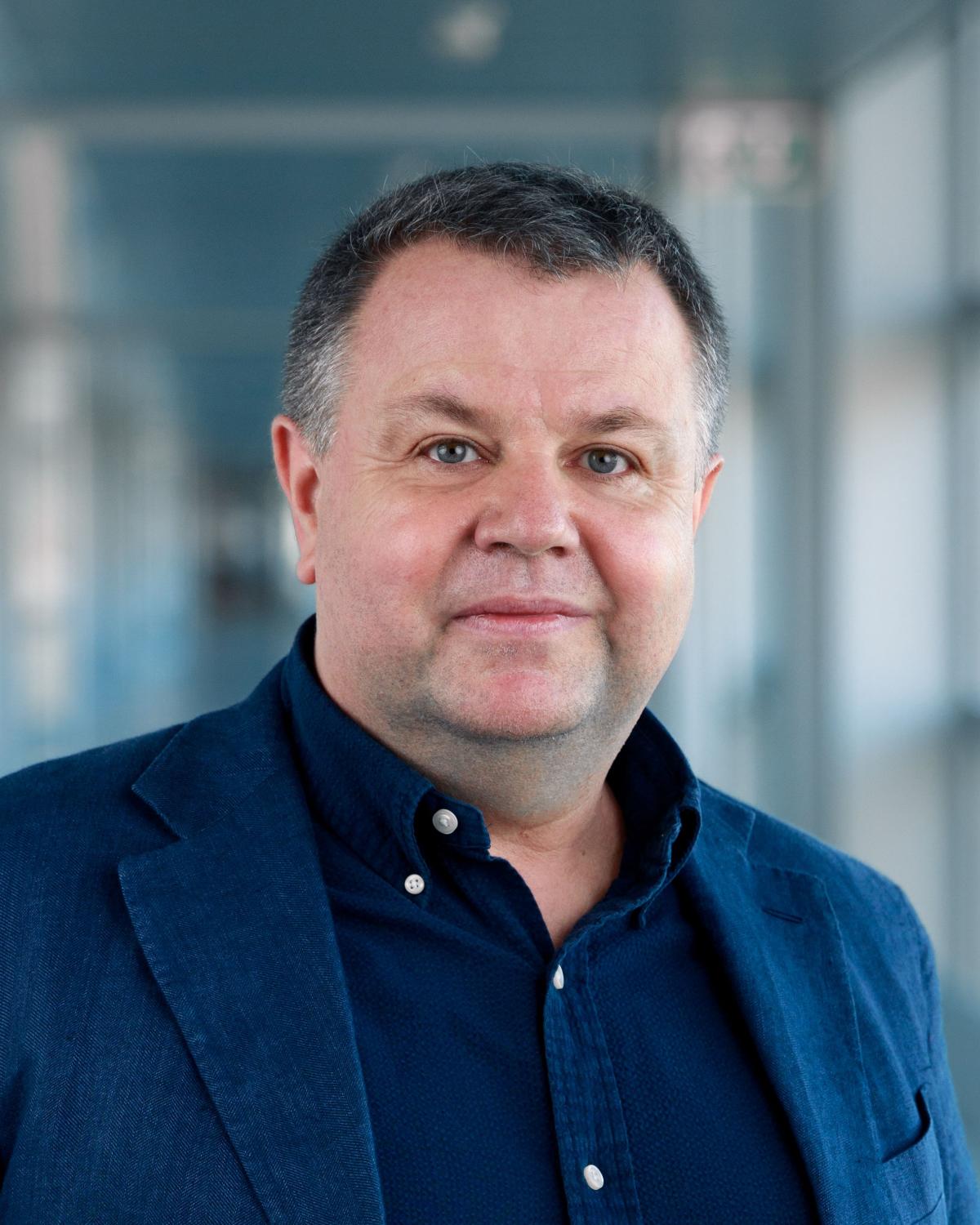
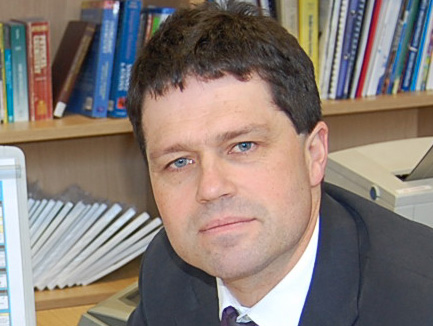
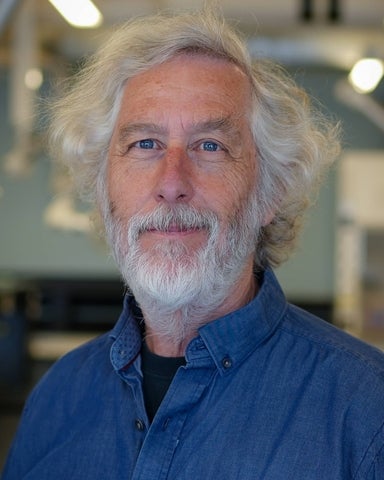
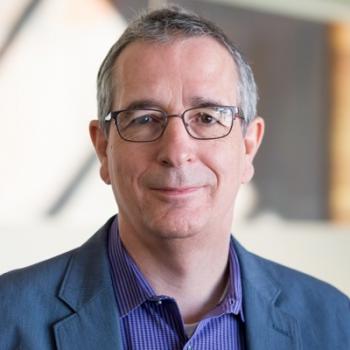
Jörg F. Löffler is a Full Professor of Metal Physics and Technology at the Department of Materials, ETH Zürich , where he has been since 2003. He previously served as Chairman of the Department (2010–2013) and holds Adjunct Professor positions at Tohoku University (Japan) and a Visiting Faculty role at Caltech. His research focuses on bulk metallic glasses , metallic biomaterials , and magnetic materials , combining synthesis, characterization, and applications in biomedical and structural contexts. Educations : Studied Physics and Materials Science at Saarland University (Germany), earned his doctorate at ETH Zurich and Paul Scherrer Institute on magnetism and neutron scattering (1997). Research Trends : Recent work explores additive manufacturing (e.g., laser powder bed fusion), biodegradable magnesium alloys for implants, and magneto-structural coupling in metallic glasses. Collaborative efforts integrate in situ analysis with computational modeling. Scientific Awards : International Magnesium Science and Technology Award (2023) MRS Fellow (2021) DGM 'Breakthrough' Prize (2016) Masing Memorial Prize (2005) ETH Zurich Medal (1998) Alexander von Humboldt Fellowship (1998-2001) Löffler advises the Department of Materials Science and Engineering at UC Davis and serves on editorial boards. His group at ETH Zürich investigates advanced metallic materials using synchrotron radiation and neutron scattering facilities.
Nishant Garg is an Assistant Professor in the Department of Civil and Environmental Engineering at the University of Illinois at Urbana-Champaign. His research focuses on sustainable construction materials, particularly cement-based systems, leveraging advanced characterization techniques such as X-ray scattering, neutron diffraction, and Raman imaging. His work addresses environmental sustainability through innovations in low-carbon materials, waste utilization, and durability enhancement. Education: Ph.D. in Nanoscience, Aarhus University (2015) M.S. in Civil Engineering Materials, Iowa State University (2012) B.E. and Diploma in Civil Engineering, Thapar Institute of Engineering & Technology and Chandigarh College of Eng. & Tech. (2010, 2007) Research Interests: Sustainable cement chemistry, material characterization, carbonation processes, and development of eco-friendly construction materials. His lab, the Garg Group, emphasizes multi-scale analysis (nano-to-macro) to bridge fundamental science and practical applications. Key Contributions: Innovations include the UR2 test for cement reactivity, SorpVision for automated sorptivity assessment, and VR tools for materials education. These advances aim to reduce costs, improve material performance, and promote circular economy practices. Awards and Roles: Dean’s Award for Excellence in Research (2025) Member, Transportation Research Board AKM 50 Committee (2025–Present) Recipient of American Ceramic Society’s Stephen Brunauer Award (2021) Advising and Grants: Actively recruiting MS/Ph.D. students. Leads initiatives on low-carbon concrete, funded by NSF and industry collaborations. Serves on CEE advisory committees and graduate admissions. Labs/Teams: The Garg Group integrates interdisciplinary approaches, collaborating with materials scientists, engineers, and data scientists to tackle global infrastructure challenges.
Valery Kiryukhin is a Distinguished Professor in the Department of Physics and Astronomy at Rutgers University, where he also serves as a Member of the Graduate Faculty. His research focuses on electronic, structural, and magnetic properties of novel materials, particularly in strongly-correlated systems, quantum magnetism, and multiferroics. He leads the Rutgers Center for Emergent Materials (RCEM), emphasizing collaborations to explore spin liquids, frustrated magnets, and materials with self-organized nanostructures using advanced neutron and x-ray scattering techniques. His experimental work combines campus-based facilities with national labs like Brookhaven National Laboratory and NIST, offering students unique exposure to cutting-edge scattering facilities and crystal growth. Key areas include magnetoelectric coupling, spin-phonon interactions, and domain dynamics in antiferromagnetic materials. His group has pioneered visualization methods for antiferromagnetic domains, as seen in recent publications. Kiryukhin has received prestigious awards including the Friedrich Wilhelm Bessel Research Award, NSF CAREER Award, and Alfred P. Sloan Fellowship. He is a Fellow of the American Physical Society (2014) and co-recipient of a W. M. Keck Foundation grant. His research bridges fundamental condensed matter physics with applications in quantum information technologies. Awards: Donald H. Jacob’s Chair in Applied Physics, Alexander von Humboldt Bessel Award, NSF CAREER Award Grants: W. M. Keck Foundation Award (2014), DOE and NSF projects Collaborations: RCEM, Brookhaven National Lab, NIST His lab provides advanced training in scattering techniques, crystallography, and interdisciplinary collaborations, shaping the next generation of materials physicists.
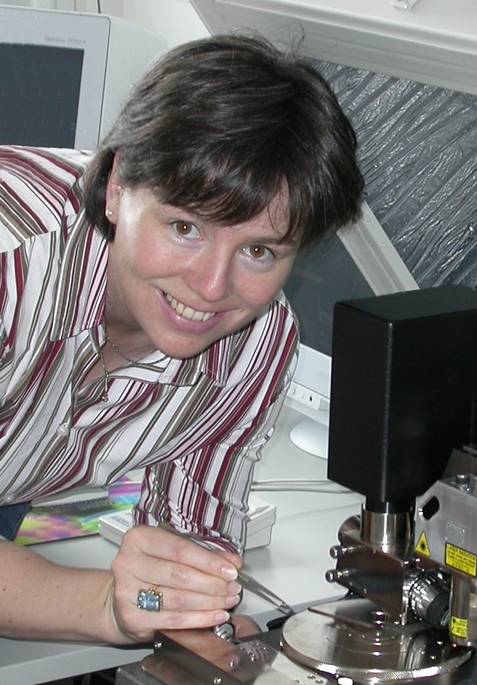
Karin Jacobs is a Professor in the Department of Physics at Saarland University, where she leads the research group for soft matter physics within the Faculty of Natural Sciences and Technology. Her work bridges experimental physics and applied materials science, focusing on interfacial phenomena, thin films, and functional materials. Research Interests: Her group investigates the stability of coatings, properties of simple and complex fluids, and the adhesion of biomolecules on surfaces. Using advanced experimental techniques such as atomic force microscopy (AFM), ellipsometry, surface plasmon resonance spectroscopy, optical microscopy, and ultra-high vacuum (UHV) methods like photoelectron spectroscopy, her team probes nanoscale and microscale interactions at solid-liquid and solid-gas interfaces. The research spans fundamental and applied domains, including the synthesis and characterization of graphene and boronitrene, production of water-in-water vesicles using hydrophobins, and bacterial adhesion studies. These investigations are often linked to industrial applications in the paint, semiconductor, and biomedical sectors. Publication Trends: Over the past 15 years, her publications reflect a consistent focus on surface physics and soft matter. Key themes include graphene synthesis via liquid precursor deposition (including unconventional sources like fingerprints), interfacial rheology, biopolymer adsorption, and quantitative imaging analysis. The interdisciplinary nature of her work is evident in the combination of physics, chemistry, and biological interfaces. Scientific Awards: No specific awards are mentioned in the provided text. Advising and Grants: As head of an active research group, Prof. Jacobs supervises graduate students and postdoctoral researchers, though specific names are not listed. Her collaborations with theoretical groups and external institutions (e.g., University of Augsburg) suggest participation in joint grants and funded projects, particularly in nanomaterials and surface science. The applied orientation of her research indicates engagement with industry partners in coatings and semiconductor technologies. Labs and Teams: The Jacobs Group operates a well-equipped experimental laboratory at Campus E2 9, Saarland University, specializing in surface analysis and soft matter characterization. The team includes researchers working on biofilms, microfluidics, and functional materials, supported by technical and administrative staff.
Dr. Bin Zhu is a Research Fellow in the School of Mechanical Engineering Sciences at the University of Surrey, affiliated with the Centre for Engineering Materials. He obtained his PhD from the same institution, focusing on multiscale residual stress evaluation and mechanical property characterization using microscopy and large-scale facilities. His research develops techniques for harsh environments to enhance material longevity by managing manufacturing-induced residual stress, with applications in nuclear fusion components. Education PhD, University of Surrey (Research focus: Multiscale residual stress evaluation and mechanical property characterization) Research Focus Dr. Zhu's research centers on three interconnected areas: 1) Multiscale residual stress evaluation using advanced techniques like plasma-focused ion beam and neutron diffraction; 2) In situ mechanical testing under extreme conditions; and 3) Computational modeling for predicting stress distributions and material behavior. His work primarily addresses nuclear fusion reactor challenges, particularly laser-welded Eurofer97 steel components, where residual stress critically impacts structural integrity. Publication Trends Dr. Zhu's recent publications (2021-2025) demonstrate three key themes: 1) Advanced residual stress analysis in nuclear materials using machine learning, neutron imaging, and synchrotron techniques; 2) High-temperature mechanical performance of welded joints for fusion reactors; and 3) Biomimetic material characterization, including bioinspired composites and biological light-diffraction mechanisms. His methodologies consistently integrate multiscale experimental approaches with computational modeling.
Professor Matthew Jonathan Rosseinsky holds the Chair of Inorganic Chemistry at the University of Liverpool, a position he has occupied since October 1999. His career includes significant appointments at the University of Oxford (1992-1999) and Bell Laboratories in New Jersey (1990-1992), following his DPhil at Merton College, Oxford. As a Fellow of the Royal Society and recipient of numerous prestigious awards, Professor Rosseinsky maintains an active research program and leadership roles in the international chemistry community. Professor Rosseinsky's educational background includes a First Class Honours degree in Chemistry with Quantum Chemistry from the University of Oxford (1987) and a DPhil in "Physical Properties of Superconducting Oxides and Radical Cation Salts" completed in 1990 under Professor P. Day FRS. His research focuses on the synthesis of new materials with applications in energy storage and generation, communications, separation, and catalysis. The Rosseinsky Group employs a broad range of synthesis and characterization techniques, including neutron and synchrotron X-ray diffraction, combined with computational methods in collaboration with Dr. George Darling. Current research areas include Dynapore, CO2 fuels, SOLBAT, and CATMAT projects that target specific material challenges. Professor Rosseinsky's publication record is exceptional, with 304 papers including 11 in Nature, 6 in Science, and 3 in Nature Materials, accumulating over 15,000 citations and an h-index of 56 as of 2012. His work demonstrates consistent excellence across materials chemistry, with particular emphasis on porous frameworks, electronic materials, and solid-state chemistry. Among his numerous accolades are the Harrison Memorial Prize (1991), Corday-Morgan Medal (2000), Royal Society Wolfson Research Merit Award (2002), De Gennes Prize (2009), and the prestigious Hughes Medal from the Royal Society (2011). He also holds an ERC Advanced Investigator Grant and has delivered distinguished lectures worldwide. Professor Rosseinsky has served in numerous editorial and advisory capacities, including as Associate Editor for Chemical Sciences, membership on the Royal Society Conference and Travel Grant Committee since 2007, and as a member of the International Advisory Board for the Max Planck Institut for Solid State Research since 2011. His professional activities extend to international review committees for research institutions in France, South Korea, and Saudi Arabia. The Rosseinsky Group operates within the Department of Chemistry at the University of Liverpool, collaborating extensively with researchers including Dr. John Claridge, Professor Andrew Cooper, and Professor Paul Chalker. The group maintains strong international partnerships and utilizes advanced facilities for materials synthesis and characterization to drive innovation in functional materials development.
David Cory is a Professor and Canada Excellence Research Chair Laureate in Quantum Information Processing at the University of Waterloo's Department of Chemistry. He is affiliated with the Institute for Quantum Computing and the Waterloo Institute for Nanotechnology. His research focuses on quantum information science, neutron interferometry, structured light applications, and spin systems. Cory's work bridges quantum physics, materials science, and biomedical imaging, with contributions to quantum control, entanglement, and advanced neutron beam technologies. He has pioneered methods for generating structured neutrons and developing quantum measurement devices, including phase grating neutron interferometers. Scientifically, Cory has advanced quantum simulations of mesoscopic systems, explored thermal state structures in quantum models, and applied structured light for biomedical diagnostics. His recent articles highlight innovations in neutron Airy beam generation, robust micro-macro entanglement, and psychophysical studies of light perception. Awards include the Canada Excellence Research Chair, recognizing his leadership in quantum technologies. Awards: Canada Excellence Research Chair Laureate in Quantum Information Processing Labs/Teams: Institute for Quantum Computing, Waterloo Institute for Nanotechnology
Oleg Shpyrko is a Professor and Department Chair in the Department of Physics at the University of California, San Diego (UCSD). He leads a research group focused on nanoscale structural dynamics using advanced x-ray scattering techniques. His work bridges hard and soft condensed matter systems, including magnetic materials, energy storage materials, and biophotonic nanostructures. Shpyrko earned his Ph.D. in Physics from Harvard University in 2004. His research leverages national facilities like the Advanced Photon Source (APS) and Linac Coherent Light Source (LCLS). Key areas include coherent x-ray imaging, domain dynamics in magnetic systems, and operando studies of battery materials. His research interests span: Coherent X-ray Scattering and Imaging Magnetic Domain Dynamics Nanostructured Materials Energy Storage (battery cathodes) Biophotonic Structures Phase Transitions Notable achievements include pioneering X-ray Photon Correlation Spectroscopy (XPCS) for antiferromagnetic domain studies and revealing dislocation dynamics in battery materials. His work has been featured in Nature , Science , and Physical Review Letters . Shpyrko has mentored over 15 graduate students and postdocs, many of whom have become faculty at top institutions. Awards include the NSF CAREER Award (2010), Hellman Fellowship (2009), and the Rosalind Franklin Young Investigator Award (2008). His group operates facilities including Dynamic Light Scattering labs, AFM/EFM microscopes, and collaborates with synchrotron and neutron sources globally.
Harald Pichler is an Associate Professor and Team Leader at the Institute of Biotechnology (IMBT) at Graz University of Technology. His research focuses on membrane biology, enzyme engineering, and industrial biotechnology using yeast systems like Pichia pastoris . Key projects include engineering microbial membranes for protein secretion, optimizing biocatalysts for terpenoid synthesis, and studying lipid interactions with membrane proteins. Collaborations with companies like DSM and LONZA highlight industrial applications of his work. Research interests span microbial membrane modifications, sterol biosynthesis, and metabolic engineering for producing valuable metabolites. Major contributions include developing yeast strains for high-throughput screening of terpenoids and engineering hydratases for biocatalytic applications. His team also explores protein secretion pathways and membrane protein expression in yeasts, with patent filings for key genetic targets. Current projects involve lipid raft dynamics, SARS-CoV-2 spike protein interactions with membranes, and low-cost cell culture media alternatives. Collaborations with academic partners like the University of Geneva and Wageningen University emphasize interdisciplinary approaches. Publications frequently address membrane biophysics, enzyme mechanisms, and yeast strain engineering, reflecting a blend of fundamental and applied research.
Mingda Li is an Associate Professor in the Department of Nuclear Science and Engineering at the Massachusetts Institute of Technology (MIT), holding the Class of 1947 Career Development Professorship. His research spans quantum materials, nanoscale energy transport, and AI-driven materials discovery, utilizing neutron/X-ray scattering techniques and machine learning to address challenges in quantum computing, thermal management, and energy conversion. He leads the Quantum Measurement Group and teaches graduate courses including Quantum Theory of Materials Characterization. Education: Bachelor of Science in Engineering Physics, Tsinghua University, 2009 Doctor of Philosophy in Nuclear Science and Engineering, MIT, 2015 Postdoctoral Research, MIT Mechanical Engineering Department Research Interests: Dr. Li's quantum research develops theoretical frameworks for topological order and defect-engineered quantum materials, with applications in microelectronics and quantum computing. His energy transport studies investigate phonon/electron dynamics at interfaces under non-equilibrium conditions to design materials for thermal management in electronics. The AI program creates symmetry-aware generative models that integrate ab initio calculations with experimental data, enabling closed-loop materials discovery for quantum and energy technologies. Publication Trends: Analysis of 15 recent 2025 publications reveals dominant themes in quantum materials (topological semimetals, 2D magnets), AI-driven design (generative models, symmetry-equivariant networks), and advanced characterization (neutron/X-ray spectroscopy). Key innovations include defect engineering for thermal transport, machine learning for spectroscopic data interpretation, and quantum phenomenon discovery in complex materials, reflecting strong interdisciplinary integration. Scientific Awards: No scientific awards were mentioned in the provided text. Advising and Grants: Dr. Li mentors graduate students in the Quantum Measurement Group, guiding research in quantum materials characterization and AI applications. He has taught core courses including Applied Nuclear Physics and Machine Learning in Nuclear Science and Engineering. His research is supported by grants focused on quantum engineering and nuclear materials, with collaborations spanning national laboratories and industry partners for quantum computing and energy applications. Labs and Teams: The Quantum Measurement Group operates at the intersection of experimental physics and computational science, utilizing neutron scattering facilities (including Spallation Neutron Source) and ultrafast X-ray techniques. The team develops custom software for data analysis and collaborates with institutions like MIT.nano for materials synthesis, maintaining a pipeline from theoretical prediction to device-level validation for quantum and thermoelectric materials.
Andreas Honecker is a Professor at the Theoretical Physics and Modeling Laboratory (CNRS UMR 8089) of CY Cergy Paris Université, where he has been employed since September 2014. He currently serves as Adjoint Director of the Institut des Sciences et Techniques (since April 2023) and was previously Director of the Physics Department (October 2020-April 2023). He also co-directs the Master Program in Physics at CY Cergy Paris Université. Professor Honecker's research focuses on condensed matter physics, particularly strongly correlated electron systems, quantum magnetism, and magnetocaloric materials. His work bridges theoretical physics with practical applications in quantum information and low-temperature refrigeration. He has made significant contributions to understanding quantum phase transitions, frustrated spin systems, and the magnetocaloric effect, with a notable Nature publication in 2021 on critical points in SrCu 2 (BO 3 ) 2 . His research activities are characterized by a strong emphasis on numerical methods for many-body systems, including quantum Monte Carlo techniques, density matrix renormalization group approaches, and advanced diagonalization methods. He has organized numerous international workshops on quantum materials, magnetocaloric effects, and quantum information, reflecting the interdisciplinary nature of his work. Among his notable recognitions are the APS Outstanding Referee award (2019) and being named a distinguished referee of The European Physical Journal (2015). He previously held a prestigious Heisenberg fellowship from the Deutsche Forschungsgemeinschaft (2007-2011). Honecker has extensive experience in academic service, including membership in the Conseil National des Universités (section 29, 2017-2023) and the Commission de la formation et de la vie universitaire at Université de Cergy-Pontoise (2016-2019). His collaborative work spans institutions across Europe, including previous positions at Göttingen University, ETH Zürich, and TU Braunschweig.
Peter Hedström is a Professor of Materials Science at the Department of Materials Science and Engineering, KTH Royal Institute of Technology. He leads the Hultgren Laboratory for Materials Characterization and directs the Center for X-rays in Swedish Materials Science (CeXS) and the Vinnova competence center NEXT. His research focuses on advanced materials characterization, structure-property relations, and materials design, particularly in metallic alloys, steels, ceramics, and composites. He co-founded companies Ferritico and Scatterin based on his research. Hedström’s work leverages large-scale infrastructure like synchrotron and neutron methods, with key projects including ENDUREIT for improving duplex stainless steels and Track-AM for additive manufacturing analysis. Education: PhD from Luleå University of Technology. Earlier roles at MEFOS/Swerim before joining KTH in 2008. Research Interests: Phase transformations, materials characterization (e.g., synchrotron/X-ray/neutron techniques), additive manufacturing, machine learning applications, and fatigue mechanics. His group explores topics like low-temperature embrittlement, microstructure-strength relationships, and cemented carbide sintering. Articles Trends: Recent work emphasizes in-situ observations of phase separation, precipitation kinetics, and microstructural stability under fatigue. Studies often integrate computational modeling with experimental methods, highlighting interdisciplinary approaches. Grants/Projects: Directs CeXS (hosting the Swedish beamline P21 at PETRA III) and NEXT. Active in EIT Raw Materials (ENDUREIT) and MMD initiatives. Supervises PhD/postdoc projects in neutron scattering, Mg-AM, and machine learning. Labs/Teams: Hultgren Laboratory, SwedNess graduate school, and collaborations with industrial partners like Ferritico.
Mariela Martins Nolasco is an Assistant Researcher at the Department of Chemistry, University of Aveiro. She specializes in computational spectroscopy, focusing on bridging theoretical and experimental research through combined computational and spectroscopic methods. Her work emphasizes understanding molecular dynamics in materials like deep eutectic solvents, polymers, and luminescent systems. Education: B.Sc. in Chemical Engineering (1999), M.Sc. in Chemistry (2004), Ph.D. in Physical Chemistry (2007), all from University of Aveiro. Research Interests: Computational Spectroscopy, Neutron Scattering, Deep Eutectic Solvents, Polymer Dynamics, Cellulosic Materials. She has led 9 R&D projects (2 national, 7 international) and contributed to 15 others. Notable collaborations include work at ISIS Neutron & Muon Source (UK) and Institut Laue-Langevin (France). Her awards include the 2021 ISIS Impact Award for societal impact in polymer research.
Stephan Rosenkranz is a Research Fellow and Group Leader at the Materials Science Division of Argonne National Laboratory, where he has been a key figure in advancing neutron and synchrotron x-ray scattering techniques since 2002. He holds a Ph.D. in Physics from ETH Zurich (1997) and a Diploma in Experimental Physics (1992) from the same institution. Educational Background Ph.D. in Physics, ETH Zurich (1997) Diploma (with distinction) in Experimental Physics, ETH Zurich (1992) His research focuses on probing short-range spin, charge, and lattice correlations in strongly correlated electron systems using neutron and x-ray scattering methods. He has led the development of the CORELLI instrument at Oak Ridge National Laboratory's Spallation Neutron Source and pioneered novel approaches to model correlated disorder from diffraction data. Recent publication trends highlight his expertise in charge density waves, spin density waves, and geometrically frustrated magnets. His work integrates experimental scattering with machine learning for big data analysis, particularly in quantum materials like nickelates, iron pnictides, and superconductors. Scientific Awards ETH Pólya Prize (1992) ETH Zurich Medal (1997) University of Chicago Distinguished Performance Award (2006) Fellow of the American Physical Society (2013) Fellow of the Neutron Scattering Society of America (2018) As Co-Director of the National School on Neutron and X-ray Scattering (2018–2024) and former President of the Neutron Scattering Society of America (2013–2016), Rosenkranz plays a pivotal role in training and governance in scattering sciences. He has contributed to beamline reviews, grant panels, and international workshops on competing interactions in transition metal compounds. His leadership extends to the development of advanced x-ray and neutron instrumentation and fostering collaborations between Argonne, Northern Illinois University, and the University of Illinois Chicago through graduate faculty appointments.
Flora Meilleur serves as a Neutron Scattering Scientist at Oak Ridge National Laboratory (ORNL) working on the IMAGINE and MaNDi diffractometers (HFIR CG-4D and SNS BL-11B), and holds a joint appointment as Associate Professor in the Biochemistry Department at North Carolina State University since 2007. She joined ORNL in 2005 after completing her PhD and has been instrumental in developing neutron scattering capabilities for structural biology research. Dr. Meilleur earned her Ph.D. in Structural Biology from the European Molecular Biology Laboratory (EMBL) and Université Grenoble Alpes (Grenoble, France) in 2004. Prior to joining ORNL, she served as an instrument scientist at the Institut Laue Langevin (ILL) on the LADI diffractometer. She was promoted to Associate Professor at NCSU in 2015 and established a university consortium that secured NSF funding to build the IMAGINE instrument at HFIR in 2009, serving as lead scientist for this project from 2009-2017. Her research focuses on applying neutron scattering techniques to understand enzymatic mechanisms, particularly in cellulose-degrading enzymes including lytic polysaccharide monooxygenases. She leads projects on cellulose deconstruction for biofuel production, nylon depolymerization, and enzyme immobilization in biopolymer matrices. Her laboratory employs a multidisciplinary approach combining X-ray and neutron diffraction and scattering, DFT calculations, and isotopic labeling techniques to study protein structure, dynamics, and function. Current research includes characterizing nylon hydrolases in collaboration with Dr. Josh Michener and studying biopolymer matrices as part of the BIG collaboration funded by the Novo Nordisk Foundation. Analysis of Dr. Meilleur's recent publications reveals a consistent focus on advancing neutron scattering methodologies for structural biology, with particular emphasis on enzymatic mechanisms in biomass degradation. Her work spans fundamental method development (beamline instrumentation, sample environments) to biological applications (viral proteins, polymer-degrading enzymes). A notable trend is the expansion of neutron techniques to study challenging biological questions, including time-resolved studies and complex enzyme systems, with increasing applications to viral research as evidenced by her SARS-CoV-2 related publications. 2013 ORNL Significant Event Award (Team award for construction and commissioning of CG4-D beamline and IMAGINE instrument; Role: Science lead) Dr. Meilleur has mentored numerous graduate students and post-doctoral fellows who utilize small angle X-ray/neutron scattering, X-ray/neutron crystallography, and computational methods in their research. She serves as Editor for the Journal of Applied Crystallography (2015-present) and was appointed as a main editor in 2021. She also mentors for the IUCr Early Career Board (2025-present) and previously served as Secretary of the Neutron Scattering Society of America (2019-2022). She has organized and led the annual 'Neutrons in Structural Biology' workshop at ORNL since 2010, fostering community development in this specialized field. Dr. Meilleur leads the Meilleur lab at NC State which focuses on structural enzymology using neutron scattering techniques. Her laboratory collaborates extensively with researchers at ORNL's High Flux Isotope Reactor and Spallation Neutron Source facilities. She has served on multiple professional committees including the SNS/HFIR user committee (SHUG) from 2007-2009 and as a member-at-large of the NSSA between 2008-2012, demonstrating sustained leadership in the neutron scattering community.