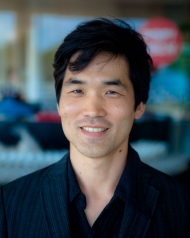
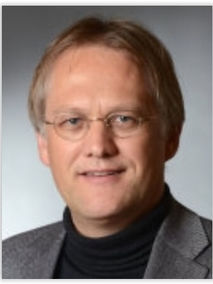
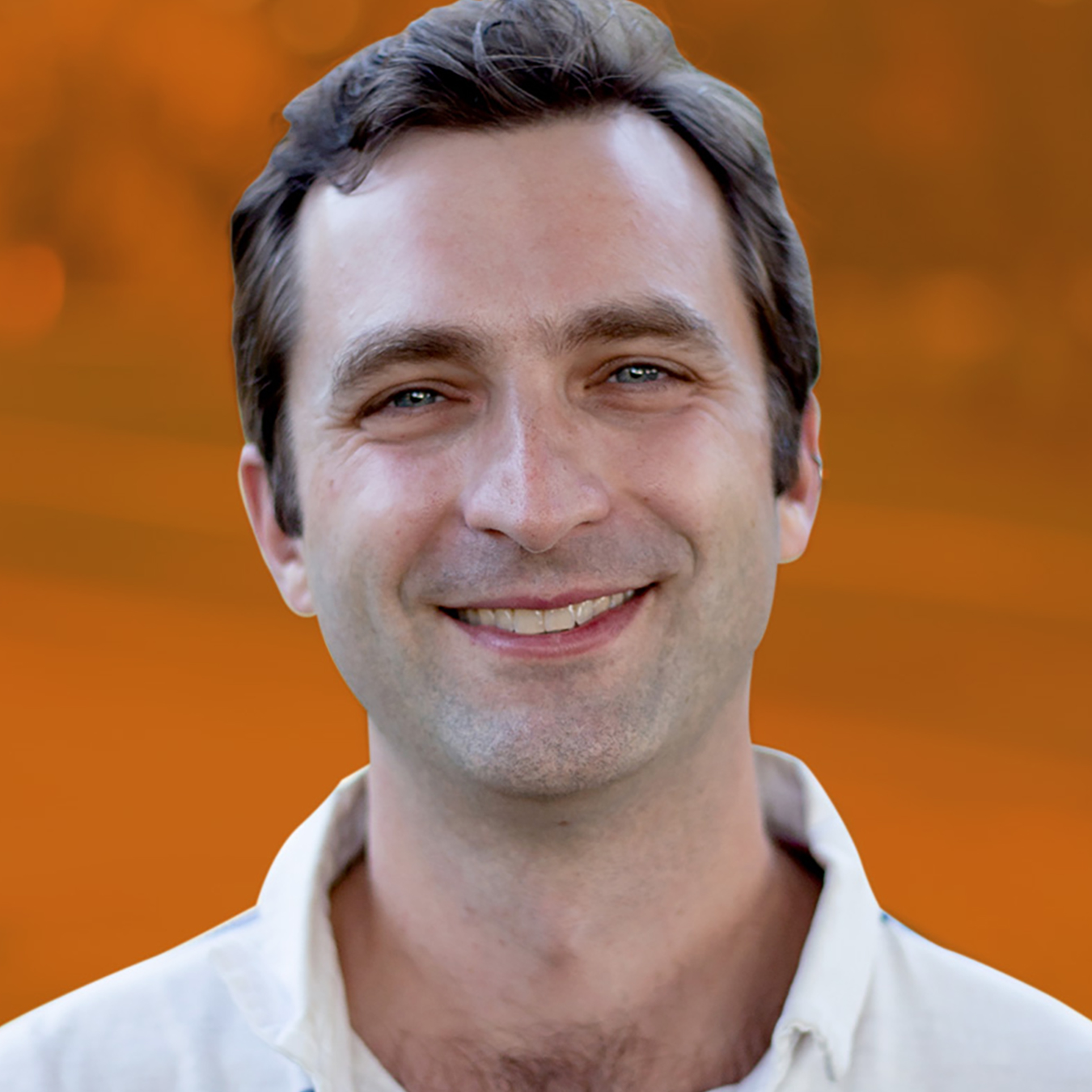
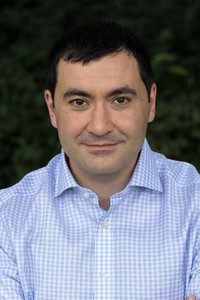
Sebastian Seung is a Professor at Princeton University , affiliated with both the Department of Computer Science and the Princeton Neuroscience Institute . His career spans Harvard University (Ph.D., 1990), Bell Laboratories, and Massachusetts Institute of Technology before joining Princeton in 2014. An External Member of the Max Planck Society and 2008 Ho-Am Prize recipient, Seung merges machine learning with neuroscience . Research Focus : Pioneering connectomics , Seung developed technologies for reconstructing neural circuits from high-resolution brain images, including FlyWire for collaborative brain mapping. His work explores brain function, development, and plasticity , drawing parallels between fly visual systems and convolutional networks . Awards & Affiliations : 2008 Ho-Am Prize in Engineering External Member, Max Planck Society Technical Contributions : Led breakthroughs in 3D connected component labeling and high-throughput EM imaging for mammalian brains, partnering with NIH’s BRAIN Initiative to scale connectomics to whole mouse brains. Seung’s team has shifted from EM analysis to interpreting connectomes , focusing on neural circuit function and biological mechanisms in flies and mice. His lab alumni network spans institutions, advancing AI and neuroscience globally.
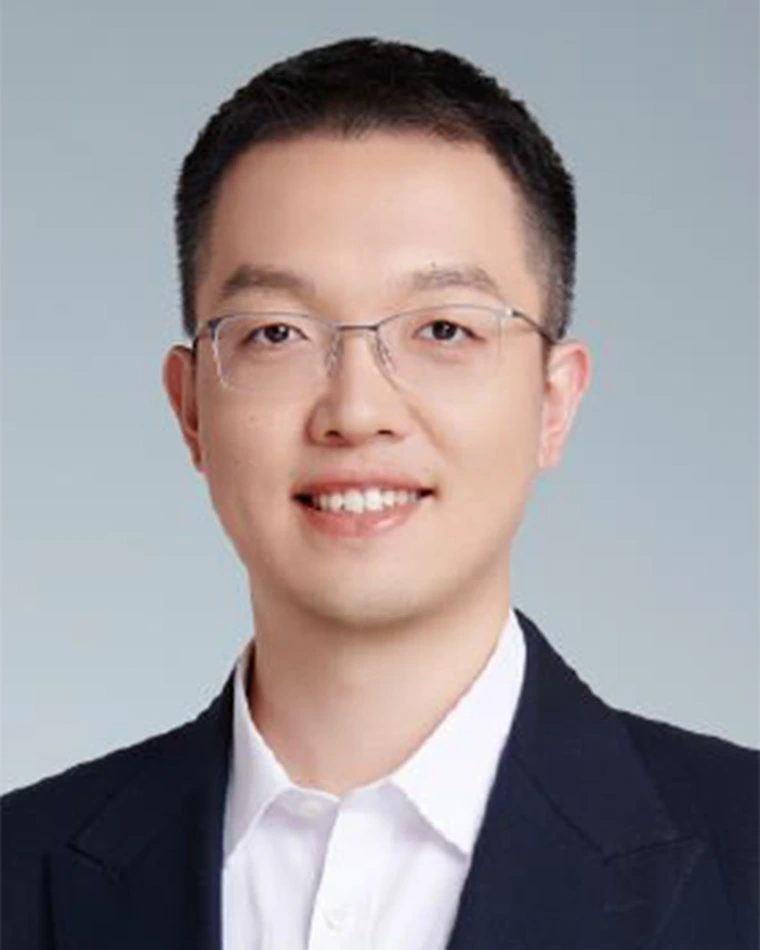
Xiaodong Yan is an Assistant Professor in the Department of Materials Science and Engineering and an affiliated faculty member in the Department of Electrical and Computer Engineering at the University of Arizona . His research bridges materials science, nanoelectronics, and quantum computing, with a focus on developing novel quantum materials and devices for next-generation computing systems. Education : BS in Physics (Peking University, China), MS in Electrical Engineering (University of Notre Dame), PhD in Electrical and Computer Engineering (University of Southern California). Postdoctoral Training : Materials Science and Engineering, Northwestern University (2021-2023). Dr. Yan’s research explores the synthesis and physics of emerging quantum materials, particularly 2D materials and van der Waals heterostructures , to create advanced devices for neuromorphic computing , quantum sensing , and low-power electronics . His work spans nanofabrication, device characterization, and algorithm integration. His recent publications in Nature and Nature Electronics highlight breakthroughs in Moiré synaptic transistors with room-temperature neuromorphic functionality and reconfigurable heterojunction transistors for machine learning hardware. These studies emphasize 2D material integration , reconfigurable electronics , and bio-mimicking systems . Scientific Awards : MHI Ph.D. Scholar, Ming Hsieh Department of ECE at USC. Dr. Yan leads the Yan Research Group , which focuses on material and device solutions for neuromorphic computing and quantum sensing . The group actively recruits graduate and undergraduate researchers.
Michael N. Economo, PhD, is an Assistant Professor in the Department of Biomedical Engineering at Boston University. His research focuses on neural circuits controlling movement, leveraging cutting-edge optical, electrophysiological, and genetic tools. He holds affiliations with Neuroscience & Neuroengineering and Photonics & Optical Systems programs. Education: PhD in Biomedical Engineering from Boston University, B.S. Biomedical Engineering and B.A. Mathematics from Duke University. Research Interests: Systems neuroscience, motor control, long-range neural circuits, computational neuroscience, neurotechnology. His lab investigates how neural circuits across brain regions coordinate movement using advanced techniques like optogenetics, in vivo imaging, and transcriptomics. Key Projects: Orofacial motor control, voltage imaging with TICO microscopy, neural circuit dissection. Technologies: Neuropixels probes, fluorescent voltage indicators, single-cell RNA sequencing. Notable Awards: NSF CAREER (2023), Scialog Fellow (2023), Whitehall Foundation Young Investigator Award (2021). Advising & Grants: Supervises graduate students (e.g., Munib Hasnain, Jackie Birnbaum) and postdocs (e.g., Vicky Moya, Yujin Han). Lab members focus on motor planning, neuromodulation, and neural dynamics. Labs/Teams: The Economo Lab collaborates on neurotechnology development and integrates interdisciplinary approaches from engineering and biology. Affiliated with BU’s Graduate Program in Neuroscience.
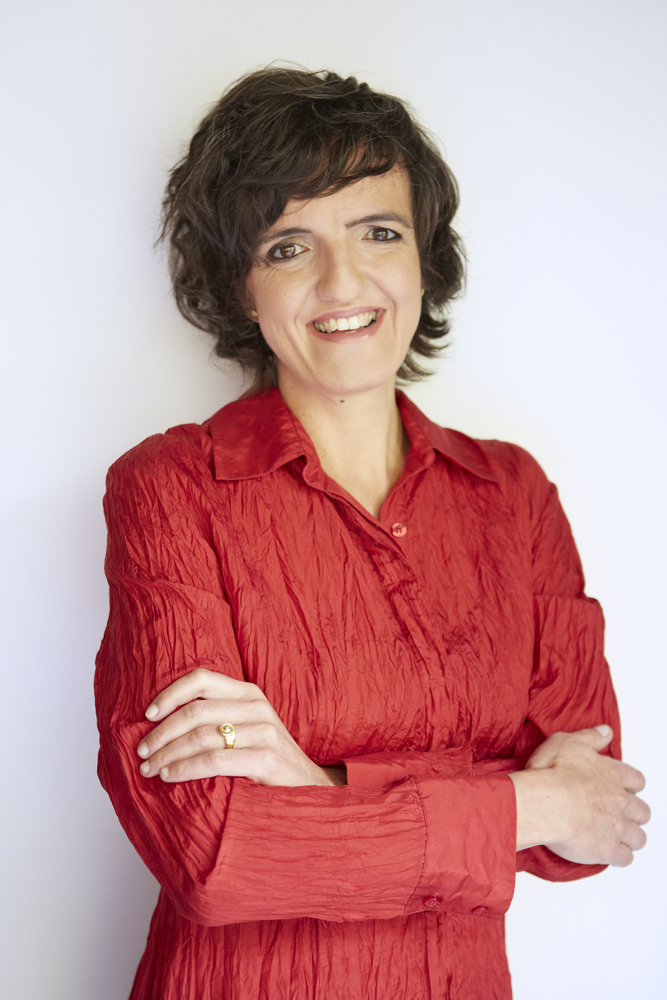
Prof. Dr. Gaia Tavosanis is a faculty member at RWTH Aachen University , affiliated with the Department of Developmental Biology . Her research focuses on the cellular and molecular mechanisms underlying neuronal resilience and dynamics in Drosophila , particularly during development and adult life. Research Interests Her work investigates dendritic structural remodeling, lipid metabolism in neuronal health, and the role of the Drosophila mushroom body in sensory processing and memory formation. These studies integrate genetic models, advanced imaging techniques, and functional analyses to uncover conserved biological principles. Publications Trends Recent publications highlight her expertise in neurodevelopmental mechanisms, lipid metabolism in neurons, and computational ethology using Drosophila . Key themes include dendritic plasticity, disease modeling, and neural circuitry optimization. Contact Email: gaia@devbiol.rwth-aachen.de Phone: +49 241 80 20870 Address: Worringerweg 3, 52074 Aachen, Germany
Thomas J. O’Dell is a Professor of Physiology and Associate Director of the Brain Research Institute at the University of California, Los Angeles (UCLA). His research focuses on synaptic plasticity mechanisms, particularly long-term potentiation (LTP) and depression (LTD), in the hippocampus. He investigates β-adrenergic signaling, NMDA receptor dynamics, and astrocyte calcium signaling in learning and memory processes. O’Dell’s work bridges molecular neurobiology with behavioral neuroscience, emphasizing how synaptic changes underlie cognitive functions. Research Interests: Neuronal plasticity mechanisms in hippocampal circuits Role of NMDA receptors in synaptic function and disease β-Adrenergic modulation of LTP Calcium signaling in astrocytes and its impact on synaptic transmission Grants & Funding: NIH R21MH115404 (Mechanisms of homeostatic plasticity) NIH R01NS060677 (Astrocyte calcium signaling in striatum) NIH R01MH060919 (NMDA receptor signaling in LTP) Labs/Teams: O’Dell leads a lab at the UCLA Brain Research Institute, collaborating on projects involving synaptic physiology, proteomics, and behavioral neuroscience.
Andrea Falini is a Full Professor of Neuroradiology at the Vita-Salute San Raffaele University (School of Medicine). He holds leadership roles including Head of the Neuroradiology Department at the Scientific Institute S. Raffaele Hospital and Head of the Advanced Diagnostic in Neuro-oncology Unit. His career spans clinical, academic, and administrative roles since 1991, with extensive experience in neuroradiology, neuro-oncology, and neuroimaging research. Education: MD (1986, University of Milan), PhD in Neurological Sciences (1989), and specialized training in Neurology and Radiology at leading institutions, including a visiting scholar position at UCSF (1996). Research interests focus on advanced MRI techniques, neuro-oncology, neurodegenerative diseases, and cognitive neuroscience. His work emphasizes functional MRI, diffusion tensor imaging, and clinical applications in glioma management and neurodegenerative disorders. Awarded the 1989 'De Visart' Prize and grants supporting his international collaborations. He has authored 218+ peer-reviewed articles, with an H-index of 40+, and actively contributes to academic committees and international conferences. Leadership roles include Vice-Director of the Neuroscience Division (2014–present) and coordination of the BraiMap Research Program. His academic teaching spans neuroradiology, biomedical engineering, and cognitive neuroscience courses.
Dr. Barbara L. Hempstead is a Professor of Neuroscience and Medicine at Weill Cornell Medical College, where she has held positions since 2001 and 2002 respectively. Her research focuses on neurotrophin signaling mechanisms, particularly the roles of BDNF and its receptors in neuroinflammation, synaptic plasticity, and neurodegenerative diseases. She has made significant contributions to understanding proBDNF/proNGF signaling pathways in neuronal apoptosis and vascular biology. Education: M.D., Ph.D., Washington University School of Medicine (1982) B.A., Tufts University (1976) Dr. Hempstead's work bridges molecular neuroscience and cardiovascular biology, with a particular interest in receptor stoichiometry (p75NTR, TrkB), neurotrophin-induced synaptic remodeling, and therapeutic applications of neurotrophin modulators in Huntington's disease and post-seizure neuronal injury. Her lab investigates how genetic variants like BDNF Val66Met influence anxiety-related behaviors, social memory, and neurodegenerative disease progression through altered neurotrophin trafficking and signaling. Her recent publications highlight neuroinflammatory mechanisms (2023), immune-neurotrophin interactions (2022), and molecular pathways involving BDNF prodomain structure (2020) and SorCS2-mediated receptor trafficking (2017-2020). While no scientific awards are explicitly mentioned in the scraped text, her funded research (National Institute on Aging, NIMH) demonstrates sustained recognition of her work in neurotrophin biology. Dr. Hempstead's lab develops in vitro and in vivo models to study neurotrophin-receptor dynamics, including 3D culture systems for angiogenesis research and transgenic mouse models for Huntington's disease. Her interdisciplinary approach combines molecular neurobiology with vascular physiology to uncover novel therapeutic targets for neurological and cardiovascular conditions.
Silvia Arber holds a joint appointment as Full Professor for Neurobiology/Cell Biology at the Biozentrum, University of Basel, and serves as Senior Group Leader at the Friedrich Miescher Institute (FMI) in Basel, Switzerland. Her laboratory investigates the organization, function, and development of neuronal circuits controlling motor behavior, with a particular focus on how these circuits enable precise movement control. Arber obtained her PhD in 1996 from the Friedrich Miescher Institute under Pico Caroni, followed by postdoctoral training with Thomas Jessell at Columbia University (1996-2000), where she studied transcription factors in spinal cord neuronal differentiation. Her educational background includes Biology II studies at the Biozentrum of the University of Basel with graduation in Cell Biology (1987), a diploma thesis at the FMI (1990), and graduate work at the FMI (1992). Her research program centers on elucidating how neuronal circuits orchestrate accurate motor behavior in response to sensory cues and voluntary movement initiation. Using mouse as a model system, her laboratory employs multi-faceted approaches including advanced mouse genetics, viral technologies for transsynaptic circuit tracing, optogenetics and pharmacogenetics for functional manipulation, quantitative behavioral analysis, electrophysiology, and gene expression profiling. Her work has revealed precise synaptic interactions within dedicated motor circuit modules throughout the nervous system and how these impact function, with implications for understanding diseases causing motor deficits and spinal cord injury. Analysis of Arber's publication record shows a consistent focus on motor circuit organization, with particular emphasis on transcriptional control mechanisms, circuit connectivity mapping, and the relationship between developmental processes and functional circuit organization. Her work bridges molecular, cellular, and systems neuroscience, providing fundamental insights into how the nervous system controls movement. The Brain Prize (2022) Elected to the National Academy of Sciences of the United States (2020) Physiological Society Annual Review Prize Lecture (2019) Pradel Research Award (2018) W. Alden Spencer Award (2018) Louis-Jeantet Prize for Medicine (2017) ERC Advanced Grant (2010-2015) EMBO Member (2005) EMBO Young Investigator Award (2001) While specific students are not listed in the provided materials, Arber's laboratory has received significant research funding including an ERC Advanced Grant (2010-2015) and multiple prestigious awards supporting her research program. Her laboratory at the Biozentrum (Room 11.038) collaborates closely with the Friedrich Miescher Institute, where she serves as Senior Group Leader. The research group employs cutting-edge technologies for neural circuit analysis and has contributed fundamental insights into motor circuit organization, with implications for understanding and potentially treating movement disorders and spinal cord injuries.
Magnus Richardson is a Professor at the University of Warwick, affiliated with the Mathematics for Real-World Systems Centre for Doctoral Training (CDT), where he previously served as Director (2016–2020) and currently acts as Deputy Director. His research focuses on theoretical neuroscience, mathematical modeling of neural systems, and neurodegenerative diseases. He has led significant grants, including the UKRI-funded £5M renewal for the CDT, extending its operations until 2028. Richardson has supervised numerous doctoral students, including Alice Wang, Ivana Del Popolo, and alumni such as Dr. Emily Hill and Dr. Robert Gowers. His work bridges computational neuroscience and experimental biology, investigating topics like synaptic plasticity, adenosine signaling, and the impact of protein aggregates (e.g., tau, α-synuclein) on neuronal function. Richardson’s teaching includes modules on mathematical biology and machine learning. His GitHub repositories reflect his computational contributions, including neural modeling frameworks for integrate-and-fire neurons. Key research themes include understanding how synaptic inputs and neuromodulators influence neuronal dynamics, and developing mathematical tools to analyze neural systems under pathological conditions. Richardson’s grants and collaborations highlight his role in advancing interdisciplinary research at the intersection of mathematics, neuroscience, and computational biology.
Prof. Thomas Kuner is a Professor and Director of the Department of Functional Neuroanatomy at the University of Heidelberg's Medical Faculty. He holds a medical degree (MD) from Heidelberg (1998) and completed postdoctoral work at Duke University and the Marine Biological Laboratory. Since 2000, he has led a research group at the Max Planck Institute for Medical Research, followed by habilitation in Physiology (2003) and appointment as Professor of Anatomy and Cell Biology (2006). Research Focus: His work focuses on neuroanatomy, synaptic transmission mechanisms, and pain research. Key projects include investigations into the structural and functional properties of synapses (e.g., calyx of Held), the role of presynaptic proteins like Mover, and the molecular basis of pain signaling via the SFB 1158 consortium. His lab uses advanced imaging techniques (e.g., STED microscopy) and genetic models to study neuronal circuits and synaptic plasticity. Funding & Collaborations: Kuner's research is supported by grants from the DFG (e.g., SFB 1158), the Baden-Württemberg Foundation, and other national/international bodies. His interdisciplinary approach bridges cellular neuroscience, molecular biology, and clinical applications in pain management. Teaching & Leadership: He oversees the Institute of Anatomy and Cell Biology, contributing to graduate programs in medical education and anatomy. His team includes postdocs and technicians, with collaborations extending to imaging technology development and medical education innovation.
Lief Fenno, MD, PhD, is an Assistant Professor at The University of Texas at Austin, affiliated with Dell Medical School’s Department of Psychiatry and Behavioral Sciences and the College of Natural Sciences’ Department of Neurology. He is a board-certified psychiatrist specializing in addiction medicine, particularly medication-assisted treatment (MAT) for opioid use disorder. His research focuses on molecular and viral tools to study neuron circuitry and behavior, with applications in precision medicine for neurological and psychiatric conditions. Fenno earned his MD and PhD from Stanford University and a BA in neurobiology from Harvard University. His research integrates neuroscience, bioengineering, and clinical medicine to develop novel tools for understanding neural circuits. Key interests include optogenetics, chemogenetics, and optical imaging of neuronal activity in awake subjects. The Fenno Lab explores mechanisms of neurological diseases, particularly addiction, and aims to translate findings into clinical treatments. Recent work emphasizes brain-wide mapping of neural circuits, including studies on glutamate neuron subtypes and VTA-lateral habenula interactions. His lab also develops sono-optogenetic technologies and nanotransducers for deep brain stimulation. Fenno’s educational background includes residency in psychiatry and a bioengineering fellowship at Stanford, underscoring his interdisciplinary approach to neuroscientific challenges.
Alejandro Sánchez Gracia is an Associate Professor at the Universitat de Barcelona's Faculty of Biology, affiliated with the Department of Genetics, Microbiology and Statistics. He leads the Molecular Evolutionary Genetics research group and directs the advanced course in 'Phylogenomics and Population Genomics: Inference and Applications.' Education: Llicenciat in Biology (Universitat de Barcelona, 1998), PhD in Biology (Universitat de Barcelona, 2006) Research Focus: Molecular mechanisms of chemosensory gene evolution in arthropods, development of bioinformatics tools for evolutionary and population genomics, and population genomics of adaptation in Drosophila. His work bridges computational methods with evolutionary biology, emphasizing genomic approaches to study adaptation. Key projects include analysis of chemoreceptor gene families across Panarthropoda, genomic studies of Canary Island endemic species, and development of tools like BITACORA for gene family annotation. He has contributed to major genomic resources such as DnaSP 6 and participated in initiatives like the Earth BioGenome Project. Active in collaborative networks like the European Drosophila Population Genomics Consortium and AdaptNET (Adaptive Genomics Network). Grants and Projects: 2021-2024: PID2020-113168GB-I00 (Ministry of Science, Spain) - Poligenic adaptation in Drosophila 2020-2021: Catalan blind scorpion genome project (Institut d'Estudis Catalans) Labs/Teams: Heads the Molecular Evolutionary Genetics group, collaborating on projects involving spider genomics, chemosensory evolution, and population-level adaptation studies.
Jose M. Carmena is the Chancellor's Professor of Electrical Engineering and Neuroscience at the University of California-Berkeley and Co-Director of the Center for Neural Engineering and Prostheses (CNEP). His research focuses on brain-machine interfaces (BMIs), neuroprosthetics, and sensorimotor learning mechanisms. Ph.D., Robotics, University of Edinburgh (2002) M.S., Artificial Intelligence, University of Edinburgh (1998) M.S., Electrical Engineering, University of Valencia (1997) B.S., Electrical Engineering, Polytechnic University of Valencia (1995) Dr. Carmena's work bridges neural engineering and systems neuroscience, investigating corticostriatal plasticity, wireless neural recording systems (e.g., neural dust), and closed-loop BMI adaptation. His publications reveal expertise in Neuroprosthetic Algorithms , Wireless Neural Interfaces , and Sensorimotor Learning with applications in chronic neuroprosthetic systems. McKnight Technological Innovations in Neuroscience Award (2017) IEEE Fellow (2017) NSF CAREER Award (2010) Sloan Research Fellow (2009) Hellman Fellow (2007) His advisees include Paul Botros, Archit Gupta, and Vivek Athalye. Dr. Carmena has published extensively in journals like Nature , Neuron , and Nature Neuroscience , developing technologies such as ultrasonic neural dust for cortical recording and adaptive control algorithms for prosthetics.
Prof. Elisabeth Engel López leads the Biomaterials for Regenerative Therapies group at the Institute for Bioengineering of Catalonia (IBEC) and serves as a Professor at the Technical University of Catalonia. With over 80 publications in JCR journals, her work focuses on designing biomaterials and scaffolds for in vitro/in vivo regenerative medicine, emphasizing cellular response mechanisms and translational applications. Developing lactate-releasing systems for metabolic modulation Advancing 3D bioprinting for tissue-specific models Engineering angiogenic and osteogenic biomaterials Her research bridges fundamental studies with industrial partnerships, including pharmaceutical and biomedical device companies, and contributes to European collaborative projects. She received the Barcelona City Award for technological research and has delivered numerous invited lectures. Her group explores substrate stiffness, ion release, and microenvironmental cues to control cell behavior in cardiac, neural, and bone regeneration contexts.
Mikail Rubinov serves as Assistant Professor of Biomedical Engineering (primary appointment), Computer Science, Psychiatry, and Psychology at Vanderbilt University's School of Engineering. His interdisciplinary work bridges computational neuroscience, network science, and clinical applications. His research focuses on integrative statistical models of large-scale neural data , exploring brain network organization across species and scales. Key interests include evolutionary principles of brain networks, transcriptomic basis of neural individuality, information transfer in neural systems, and neuropsychiatric connectivity phenotypes. The Rubinov Lab develops computational frameworks for analyzing complex neural systems and integrates neuroscientific knowledge with multi-omics data. Recent publications reveal strong trends in network neuroscience methodology development (circular analysis frameworks, unbiased sampling techniques) and translational applications (epilepsy networks, autism spectrum connectomics, gut-brain axis interrogation). His work increasingly incorporates transcriptomic data with neuroimaging at biobank scale. NIH Grant Writing Workshop (June 2022) NIH Workshop Short Talks (April 2023) Rubinov actively mentors graduate and undergraduate students across Biomedical Engineering and Computer Science. His lab maintains collaborations with UCSF, HHMI Janelia Research Campus, Weizmann Institute, and international neuroscience consortia. Current projects include integrative models of large-scale neural data and transcriptomic basis of neural individuality. The Rubinov Lab operates within Vanderbilt's Department of Biomedical Engineering with extensive cross-school collaborations. Technical resources include GitHub repositories for constraint network models (cnm-code), volumetric segmentation (voluseg), and brain connectivity toolboxes.