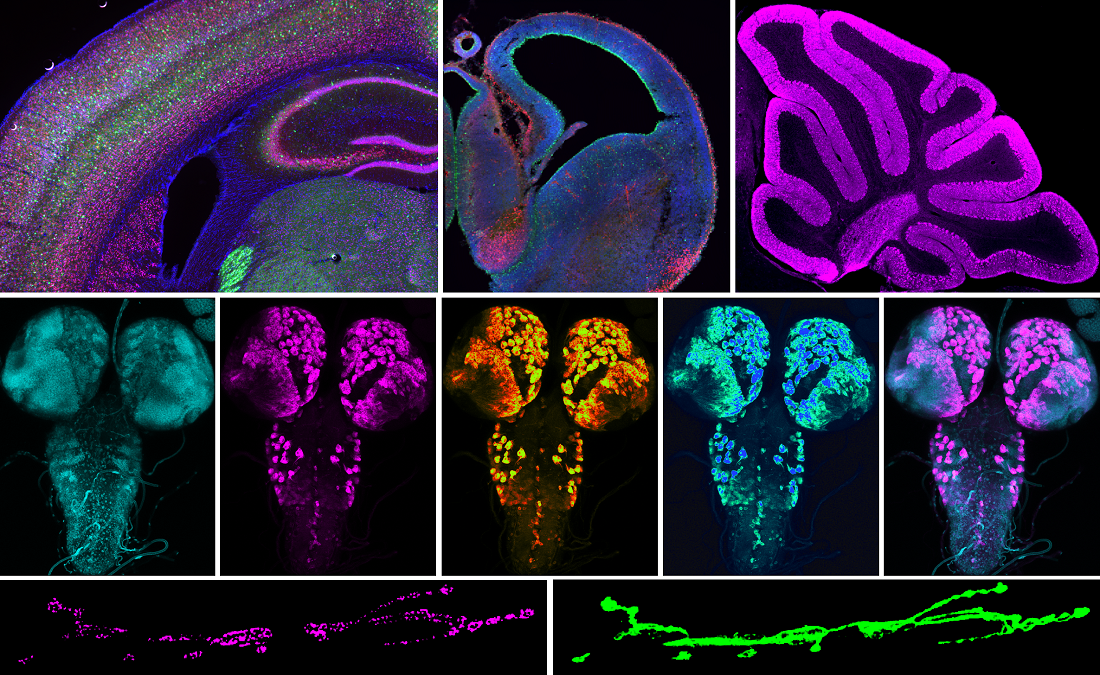
Natalia DeMarco is an Associate Professor of Neuroscience at the Feil Family Brain & Mind Research Institute, Weill Cornell Medical College. Her lab investigates how genetic programs and neuronal activity interact during early brain development, focusing on inhibitory interneurons and their role in neurological disorders like autism, schizophrenia, and epilepsy. PhD, Columbia University (2007) Postdoctoral Fellowship, Patterson Trust (2009) DeMarco’s research explores mechanisms behind excitatory/inhibitory imbalance in the brain, using mouse models to study: Neurotransmitter roles (glutamate, GABA) in interneuron maturation Electrophysiology and viral tracing for circuit analysis Developmental origins of cortical connectivity Implications for autism, schizophrenia, and epilepsy Her 15 most recent publications (2023–2002) highlight trends in cortical circuit assembly, GABA signaling, and interneuron dysfunction. Keywords span neuroscience, genetics, and neurodevelopmental disorders, with subfields like synaptic connectivity, mouse genetics, and activity-dependent plasticity. Scientific awards include: K99/R00 Pathway to Independence Award (2012) Leon Levy Fellowship (2016) Irma Hirschl Career Scientist Award (2020) 2023 Paper of the Year (Babij, Ferrer et al.) DeMarco mentors MD/PhD students (e.g., Andrew Iannone, Rachel Babij) and collaborates with institutions like NYU, Stony Brook, and INSERM. Her lab, located in Manhattan, utilizes techniques such as optogenetics and in vivo imaging to study cortical development. Grants include R01 funding from NIMH and NINDS.
Daniela Sammler is an Adjunct Professor at Goethe University Frankfurt am Main and leads the Neurocognition of Music and Language Research Group at the Max Planck Institute for Empirical Aesthetics. Her work bridges cognitive neuroscience, linguistics, and musicology to explore shared neural mechanisms in music and language processing. PhD in Psychology from the University of Leipzig and Max Planck Institute (2008) Habilitation on intonation in speech and music (2018) Venia Legendi in Frankfurt (2022) Her research focuses on neurocognitive overlaps between music and language, including syntax, prosody, and interpersonal interaction. Key findings include cortical tracking of rhythm, neural hubs for melodic processing, and evidence of universal links in speech-song perception despite cultural diversity. Recent publications analyze audio-motor coordination in duets, prosody-emotion mapping, and dyslexia-related auditory processing deficits. Awards include the Otto Hahn Medal (2010) and European historic preservation recognition (2012). Co-led studies with institutions like Western Sydney University and University of Glasgow Editor for The Oxford Handbook of Language and Music (under contract) Grants from Max Planck Society and Heisenberg Foundation
Ville Hietakangas is a Professor at the University of Helsinki, affiliated with the Faculty of Biological and Environmental Sciences and the Molecular and Integrative Biosciences Research Programme. His research focuses on gene regulation, metabolism, and nutrient sensing in Drosophila and stem cell systems. Genetics Developmental Biology Physiology Metabolism Nutrient Sensing Insulin Signaling Drosophila Recent research highlights include studies on mitochondrial inheritance in stem cells, metabolic regulation of cell fate, and CRISPR-based correction of metabolic disorders. His work spans aging-related protein structural changes, circadian clock coordination with metabolism, and signaling pathways like ERK7 in adiposity control. Ville Hietakangas leads the Nutrient Sensing Laboratory and manages the Helsinki Fly Facility. He has supervised numerous doctoral theses and contributed to academic service through review committees and international collaborations.
Eric M Morrow is a Mencoff Family Professor of Biology, Professor of Brain Science, Neuroscience, and Psychiatry and Human Behavior at Brown University. His research focuses on genetic and molecular mechanisms underlying neurodevelopmental disorders such as autism and intellectual disability, with a strong emphasis on rare syndromes like Christianson Syndrome and GPT2 Deficiency. Education: PhD in Genetics and Neurodevelopment (Harvard University), MD from MIT/Harvard Medical School. Research Interests include: Neurogenetic syndromes and their molecular pathways Neuronal organelles (endosomes, lysosomes, mitochondria) Neurometabolism and neurodegeneration Development of gene therapies for cognitive disorders Scientific Awards Psychiatry Research Mentor Award (2011-2012) Collaborations span Brown's Developmental Disorders Genetics Research Program (DDGRP), the Carney Institute for Brain Science, and partnerships with clinical and basic science researchers. His lab is located at the Laboratories for Molecular Medicine (70 Ship Street) and is funded by NIMH, NINDS, and NIA.
Mona Garvin is a Professor in the Department of Electrical and Computer Engineering at the University of Iowa's College of Engineering. She also holds researcher positions at the Iowa Institute for Biomedical Engineering and the Iowa Initiative for Artificial Intelligence , blending engineering principles with medical imaging applications. Education PhD in Biomedical Engineering, The University of Iowa (2008) MS in Biomedical Engineering, The University of Iowa (2004) BSE in Biomedical Engineering (2003) BS in Computer Science (2003) Research Focus Her work specializes in ophthalmic image analysis , leveraging machine learning and graph-theoretic approaches for 3D segmentation of retinal structures. Current projects involve differentiating optic disc pathologies (papilledema, NAION) using OCT and enhancing retinal blood flow analysis through computational models. Professional Affiliations Institute of Electrical and Electronics Engineers (IEEE) Society of Photographic Instrumentation Engineers (SPIE) Association for Research in Vision and Ophthalmology (ARVO) American Society for Engineering Education (ASEE) Innovative Contributions Developed tools like AxoNet 2.0 and eyeFusion for automated retinal segmentation and visual field quantification. Her team explores deep learning solutions for OCT analysis, latent variable modeling in retinal thickness patterns, and radiation effects on retinal structures.
Dr. Hsiao-Tuan Chao is an Assistant Professor at Baylor College of Medicine with primary appointments in the Department of Pediatrics (Division of Neurology and Developmental Neuroscience), Department of Molecular and Human Genetics, and Department of Neuroscience. She serves as an Investigator at the Jan and Dan Duncan Neurological Research Institute and Texas Children's Hospital, and is a McNair Scholar at the McNair Medical Institute. Dr. Chao also holds leadership roles as Associate Program Director for the Basic Neuroscience Pathway in the Child Neurology Residency Training Program and as a Faculty Senator at Baylor College of Medicine. Dr. Chao's educational background includes: MD from Baylor College of Medicine (2012) PhD in Neuroscience from Baylor College of Medicine (2010) BS in Neuroscience and BA in Biochemistry (summa cum laude) from University of Texas at Austin (2002) Plan II Honors in Liberal Arts (summa cum laude) from University of Texas at Austin (2002) Her research focuses on understanding the genetic and neurophysiologic underpinnings of neurodevelopmental disorders including intellectual disability, epilepsy, autism, and schizophrenia. A central theme in her work is examining how disrupted inhibitory neuronal development and function contribute to these conditions. The Chao Lab integrates cross-species approaches using human genomics to uncover genetic etiologies, fruit flies to elucidate molecular pathways, and mice to explore consequences in the mammalian brain. Key research areas include EBF3-related disorders (HADDS syndrome), STXBP1 encephalopathy, EIF2AK variants (LEUDEN and LEMPSAD syndromes), and PPFIA3-related neurodevelopmental disorders. Analysis of Dr. Chao's recent publications reveals a strong focus on identifying novel disease genes and characterizing genotype-phenotype relationships in neurodevelopmental disorders. Her work spans multiple technical approaches including whole-genome sequencing, RNA sequencing, DNA methylation analysis, and functional validation using model organisms. A significant portion of her research examines how specific genetic variants impact protein function and neuronal development, with particular attention to transcriptional regulation, protein translation, and synaptic function. Dr. Chao has received numerous prestigious awards recognizing her contributions to neuroscience and neurology: 2022 "40 Under 40" List of Autism Researchers (Global Rising Stars in Autism Research) 2022 Young Investigator Award from Baylor College of Medicine Department of Pediatrics 2022 Induction to the Society for Pediatric Research 2020 Philip R. Dodge Young Investigator Award from the Child Neurology Society 2019 Health Care Heroes - Rising Star Award from Houston Business Journal 2017 STAT Wunderkind Award Dr. Chao actively mentors a large team of researchers including postdoctoral fellows, graduate students, medical students, and genetic counseling students. Her lab has secured significant funding including an NIH R01 grant (Molecular and Cellular Mechanisms of Cerebellar Dysfunction in Neurodevelopmental disorders), a DP5 Early Independence Award from NIH, and funding from the Burroughs Wellcome Fund. Current research initiatives include the Undiagnosed Epilepsy Genetics Initiative, EBF3-related disorders research study, and a Phase 1/2a clinical trial of CAP-002 Gene Therapy for STXBP1 Encephalopathy. The Chao Lab operates within the Jan and Dan Duncan Neurological Research Institute, leveraging multiple core facilities including the Microscopy Core, Rodent Neurobehavior Core, High Throughput Behavioral Screening Core, and Optogenetics and Viral Vectors Core. Her team collaborates extensively with the Undiagnosed Diseases Network and maintains active partnerships with clinicians at Texas Children's Hospital to translate research findings into clinical applications.
Dr. James Orengo, Associate Professor at Baylor College of Medicine and Director of the Multi-disciplinary ALS Clinic at Michael E. DeBakey VA Medical Center, focuses his research on motor neuron degeneration in neurodegenerative diseases like Spinocerebellar Ataxia Type 1 (SCA1) and ALS . His lab employs mouse models , transgenic zebrafish lines , and human iNeurons to investigate disease mechanisms. Key research areas include: Pathogenic drivers of bulbar dysfunction in SCA1 Transcriptomics of motor neuron degeneration Cross-species modeling (Human, Mouse, Zebrafish) Collaborations with the Undiagnosed Diseases Network (UDN) Dr. Orengo also contributes to clinical care through the BCM ALS Clinic and co-leads multidisciplinary teams at the Michael E. DeBakey VA Medical Center . His lab develops tools for CRISPRi screens and live imaging in zebrafish to accelerate therapeutic discovery.
Lauren M. Hablitz is an Assistant Professor in the Department of Neurology at the University of Rochester Medical Center , where she leads the Hablitz Lab at the Center for Translational Neuromedicine . Her research focuses on circadian synchrony , glymphatic system function , and chronotherapy in chronic neuropathic pain and stroke . Education: B.S. in Biology from Pennsylvania State University (2010) Ph.D. in Cell, Molecular, and Developmental Biology from University of Alabama at Birmingham (2015) Dr. Hablitz defined the endogenous circadian rhythm of the glymphatic system and discovered CSF distribution rhythms between brain and mandibular lymph nodes . Her work bridges circadian biology and neurovascular function , exploring how chronotherapy can improve outcomes in neurodegenerative diseases and pain disorders . Article trends show her team's focus on glymphatic system dysfunction in chronic pain models , Aquaporin-4 mechanisms , circadian disruption effects on neurovascular integrity , and peptidergic regulation via VIP/AVP signaling . Key technical approaches include in vivo imaging , confocal microscopy , and mass spectrometry . Scientific Awards: 2021 Outstanding Early Investigator Award 2020 Merit Award 2016 Tartar Trust Foundation Fellowship 2014 Trainee Award The Hablitz Lab collaborates with Dr. Maiken Nedergaard and includes Emma Waight (Technical Associate) and Eevalien Duyvesteyn (Research Assistant) . Projects span glymphatic dysfunction in chronic pain , circadian stroke rhythms , and lymphatic-glymphatic homology , using murine models and molecular manipulation .
Nicolai Winter-Hjelm is a researcher at the Norwegian University of Science and Technology (NTNU) specializing in integrative neuroscience. He completed his Ph.D. in medicine at NTNU under the supervision of Professor Ioanna Sandvig, with collaborations from Professor Pawel Sikorski (physics) and Professor Axel Sandvig (neuromedicine and movement science). He also holds a part-time 25% duty worker position at NTNU NanoLab, providing technical assistance and training. Academic Background: Ph.D. in Medicine (2020–2024), NTNU Master in Nanotechnology (2015–2020), NTNU Exchange in Biological Studies (2019), NTU Singapore His research focuses on understanding how neuronal network topology affects functional output and computational capacity, with applications in neurodegenerative diseases like Alzheimer's and ALS. He develops microfluidic devices and 3D microelectrode arrays to study neural network dynamics in controlled environments. Key technical competencies include Biophysics , Nanotechnology , Neuroengineering , and Neuroscience . His work intersects biomedical engineering , computational sciences , and neural network modeling . Recent Publications: His 2025–2023 articles highlight advancements in 3D interfaces, nanoporous electrodes, and disease-specific neural network models. These works address structural-functional relationships in engineered networks and pathological reconfigurations in neurodegenerative conditions. Teaching & Supervision: He has supervised multiple master students at NTNU, including research on microfluidic models, 3D surfaces for neural networks, and microelectrode array fabrication.
Shaul Hestrin is a Professor at the Department of Comparative Medicine, Stanford University School of Medicine . His research focuses on understanding the neural mechanisms underlying cortical function, with a particular emphasis on synaptic transmission, cortical circuits, and GABAergic interneurons. Current teaching roles include COMPMED 200 (One Health Journal Club), COMPMED 370 (Medical Scholars Research), COMPMED 260 (Laboratory Animal Science Practicum), and directed reading/research courses (COMPMED/NEPR 198/199/299/399). Research Interests: Hestrin's work investigates the physiological and molecular basis of synaptic dynamics, including nicotinic modulation, electrical synapses, and state-dependent neural activity. His studies span cortical layer organization, neurotransmitter receptor kinetics, and the balance of excitation and inhibition in neocortical circuits. Publication Trends: His 15 most recent articles (2009–2020) highlight expertise in cortical neurophysiology, synaptic plasticity, GABAergic neuron function, and neuromodulation. Key themes include nicotinic and GABAergic signaling, electrical synapse dynamics, and the role of neuronal subtypes in circuit behavior.
Lisa R. Beutler, MD, PhD, is an Assistant Professor at Northwestern University Feinberg School of Medicine in the Department of Medicine (Endocrinology, Metabolism and Molecular Medicine). She earned her MD and PhD at the University of Washington and completed residency and fellowship training in internal medicine and endocrinology at the University of California San Francisco. Board Certifications: Internal Medicine, Endocrinology, Diabetes & Metabolism Hospital Affiliations: Northwestern Memorial Hospital, Jesse Brown VA Medical Center Her research focuses on gut-brain communication mechanisms in energy balance regulation, using optogenetics, chemogenetics, and calcium imaging in genetically modified mice. Key publications include studies on AgRP neuron dynamics, gut motility circuits, and dopamine-related schizophrenia symptoms. Scientific Awards: Kavli Fellow, National Academy of Sciences (2022, 2023, 2024) Helmholtz Young Investigator in Diabetes (HeIDi) (2023) American Diabetes Association Pathway to Stop Diabetes Award (2022) Professional Service: Editorial Board Member, Diabetes (2023–Present) Reviewer, American Diabetes Association (2023–Present) Member, Kavli Frontiers of Science Organizing Committee (2022–2024) Dr. Beutler's industry relationships include ownership/investment interests in Eli Lilly and Company, disclosed under Northwestern University Feinberg's integrity policies.
Richard S Smith is an Assistant Professor in the Department of Pharmacology at Northwestern University's Feinberg School of Medicine, with secondary appointments in Pediatrics. His research integrates neurobiology, genetics, and translational medicine to investigate prenatal brain development and ion channel diseases. Education: PhD: Cotutelle Sorbonne University & University of Maryland (2015) Postdoctoral Fellow: Harvard Medical School / Boston Children's Hospital / Howard Hughes Medical Institute (2021) Faculty Instructor: Harvard Medical School-Dept of Pediatrics (2022) Dr. Smith's research focuses on prenatal channelopathies —developmental ion channel diseases originating during gestation. His lab investigates bioelectricity in brain development using innovative models including gyrencephalic ferrets (to study cortical folding unattainable in lissencephalic mice) and human iPSC-derived neuronal systems. Key projects examine ion channel diseases affecting brain development, bioelectricity in human cortical evolution, and high-throughput screening platforms for neuronal disease modeling. His work demonstrates how ion channels like ATP1A3, SCN3A, and GRIN variants regulate cortical formation and contribute to malformations. Analysis of his publication record reveals strong emphasis on translational neurogenetics , with recent work connecting rare genetic variants to brain malformations (JAMA Neurology 2023) and developing gene therapy approaches for potassium channel disorders (BioRxiv 2024). His research bridges molecular mechanisms with clinical neurology, particularly in pediatric channelopathies and neurodevelopmental disorders. Research Leadership: Director of Smith Lab (www.rsmithlab.com) Member of Center for Autism and Neurodevelopment Member of Center for Genetic Medicine Member of Northwestern University Clinical and Translational Sciences Institute (NUCATS) Member of Stephen M. Stahl Center for Psychiatric Neuroscience Dr. Smith employs cutting-edge approaches including single-cell technologies, ferret models of gyrification, and iPSC-based drug screening. His lab trains scientists in both advanced research techniques and addressing systemic challenges in scientific communities. While no formal awards are listed in available materials, his work has been published in high-impact journals including Nature, Neuron, and JAMA Neurology.
Simona Polo is an Associate Professor at the Department of Oncology and Hemato-Oncology, University of Milan, and Director of the Molecular Machines in Signaling Pathways research program at IFOM since 2005. Her work focuses on deciphering ubiquitin's role in cellular communication systems, particularly in cancer and neurodegenerative disease contexts. University of Milan (Biology, 1991) San Raffaele Hospital (Molecular Virology, 1996-1999) European Institute of Oncology (Endocytosis research, 1999-2005) IFOM (Signaling pathways, 2005-present) Her research revealed ubiquitin as a multifaceted signaling device governing processes like EGFR internalization, lysosomal damage response, and neuronal integrity in ALS. She has trained over 20 researchers, including Elena Maspero and Carlos Alberto Niño Suarez. Key awards include EMBO Young Investigator (2009), EMBO Membership (2016), and Milan's Ambrogino d'Oro (2018). Scientific Trends : Polo's publications show sustained focus on ubiquitin's role in endocytosis, cancer signaling, and neurodegenerative disorders. Her structural biology work (X-ray crystallography) and proteomic analyses of ubiquitin networks underpin therapeutic target identification in EGFR-dependent tumors. Honors : EMBO Young Investigator Award (2009) EMBO Membership (2016) Ambrogino d'Oro Civic Medal (2018) Research Impact : Her lab has produced 40+ papers in top journals like Nature and Cell. The team's discovery of ubiquitin's role in lysophagy and identification of novel ubiquitin-binding domains (e.g., CoCUN) have advanced understanding of protein homeostasis in health and disease.
Professor Heike Laman is the Head of the Department of Pathology and Professor of Cellular and Molecular Biology at the University of Cambridge , leading research on ubiquitin ligases and their roles in disease. Her work bridges molecular mechanisms to therapeutic applications, focusing on cancer, neurodegeneration, and protein homeostasis. Current affiliation: Department of Pathology, School of the Biological Sciences Resident at Clare College since 2014 (Fellow and Graduate Admissions Tutor) Research Interests: Ubiquitin ligases orchestrate diverse cellular signals beyond protein degradation, influencing activity, localization, and interactions. Key areas include: Cancer: Investigating SCF-Fbxw7 networks in epithelial cancers and cyclin E1 accumulation Neurodegeneration: Fbxo7's role in Parkinson's disease and dopaminergic neuron survival Therapeutic Innovation: Developing PROTACs and nanobodies to target ubiquitin ligases Publication Trends: Recent work spans ubiquitin signaling in cancer metabolism, neuroprotective pathways in Parkinson's, and structure-based design of degraders. Collaborations with AstraZeneca and academic experts highlight translational focus. Scientific Awards: Recognized for academic leadership, including election to Clare College Fellowship (2014) and early career Imperial Cancer Research Fund Fellowship. Advising: Mentors PhD students in projects on ubiquitin ligases, Parkinson's, cancer metabolism, and targeted protein degradation, with lab members working in 3D organoids , mouse models , and hiPSC-derived systems . Labs & Teams: Based at the Department of Pathology (Downing Site, Cambridge), the lab collaborates across Genetics , Pharmacology , and Clinical Neurosciences , with access to the Microscopy Bioscience Platform and Cambridge Stem Cell Institute .
Professor Alexej Verkhratsky is a leading scholar at the University of Manchester , holding the Professor of Neurophysiology position in the Division of Neuroscience. With over 400 peer-reviewed publications and an H-index of 86, he is a globally recognized expert in glial physiology and neurodegenerative diseases. Member of Academia Europaea (Vice-President, Life Sciences) Elected to German National Academy of Sciences Leopoldina (2013) Highly Cited Researcher (2023) His research focuses on neuroglial communication , pioneering discoveries in calcium and sodium signaling in astrocytes and microglia. Key contributions include: Foundational work on glial excitability via Ca²⁺/Na⁺ dynamics Development of the astroglial cradle concept for synaptic regulation Identification of astroglial atrophy as an early marker in Alzheimer's disease Characterization of glial paralysis in neurodegeneration Caffeine-induced Ca²⁺ release mechanisms Role of P2X receptors in gliotransmission Recent publications (2025-2026) highlight his work on: Mitochondrial responses in Alzheimer's and tauopathies Glial regulation of cerebrospinal fluid dynamics Neurodegenerative mechanisms in white matter pathology Scientific Awards include: Copernicus Gold Medal (2017) Dana Alliance for Brain Initiatives (2012) Multiple academy memberships (Slovenian Academy of Sciences, Real Academia Nacional de Farmacia, Poland National Academy of Sciences) As Editor-in-Chief of Cell Calcium and Deputy Editor of Cell Death and Disease , he shapes discourse in glial physiology and neurodegeneration research. His work contributes to UN Sustainable Development Goals for brain health research.