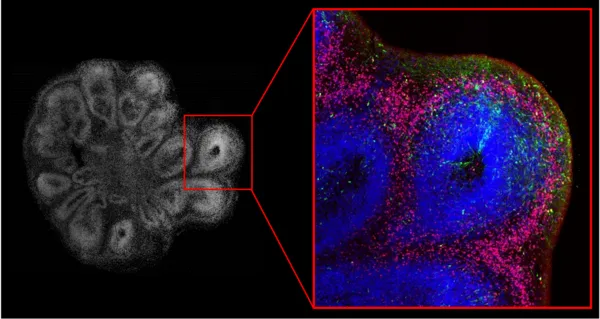
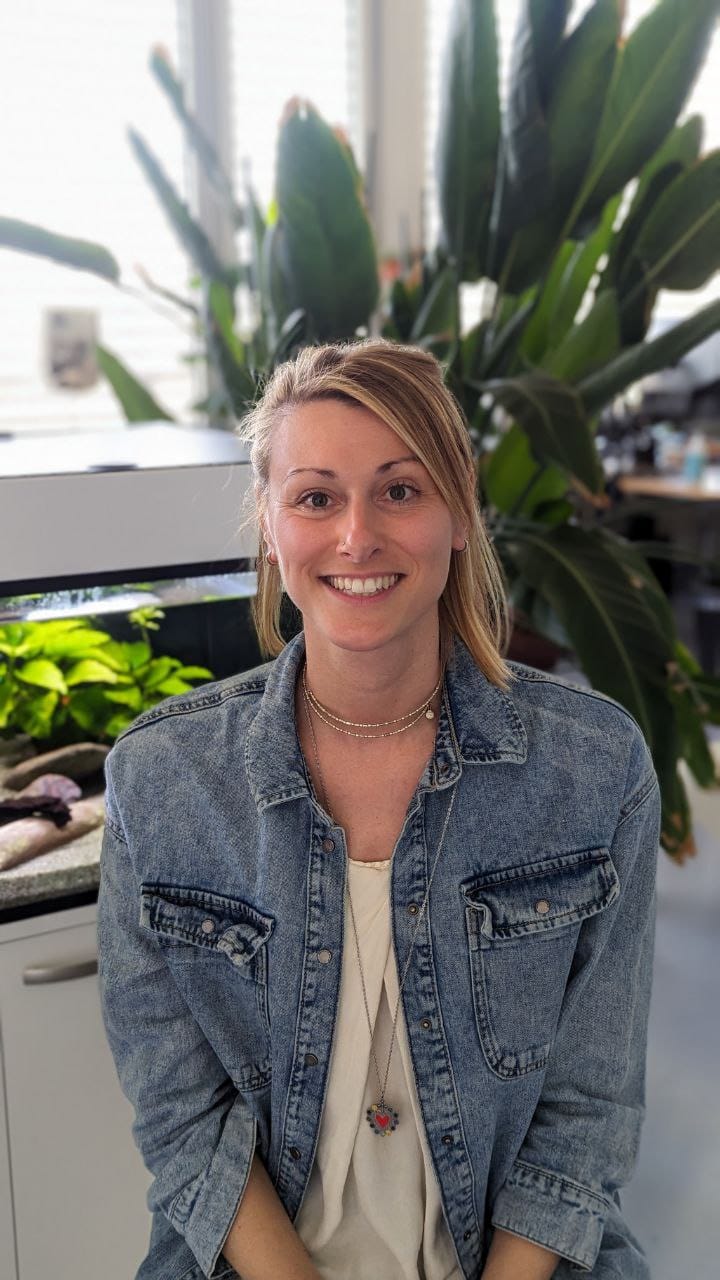
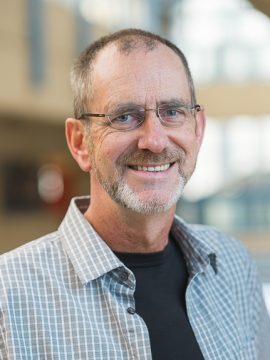
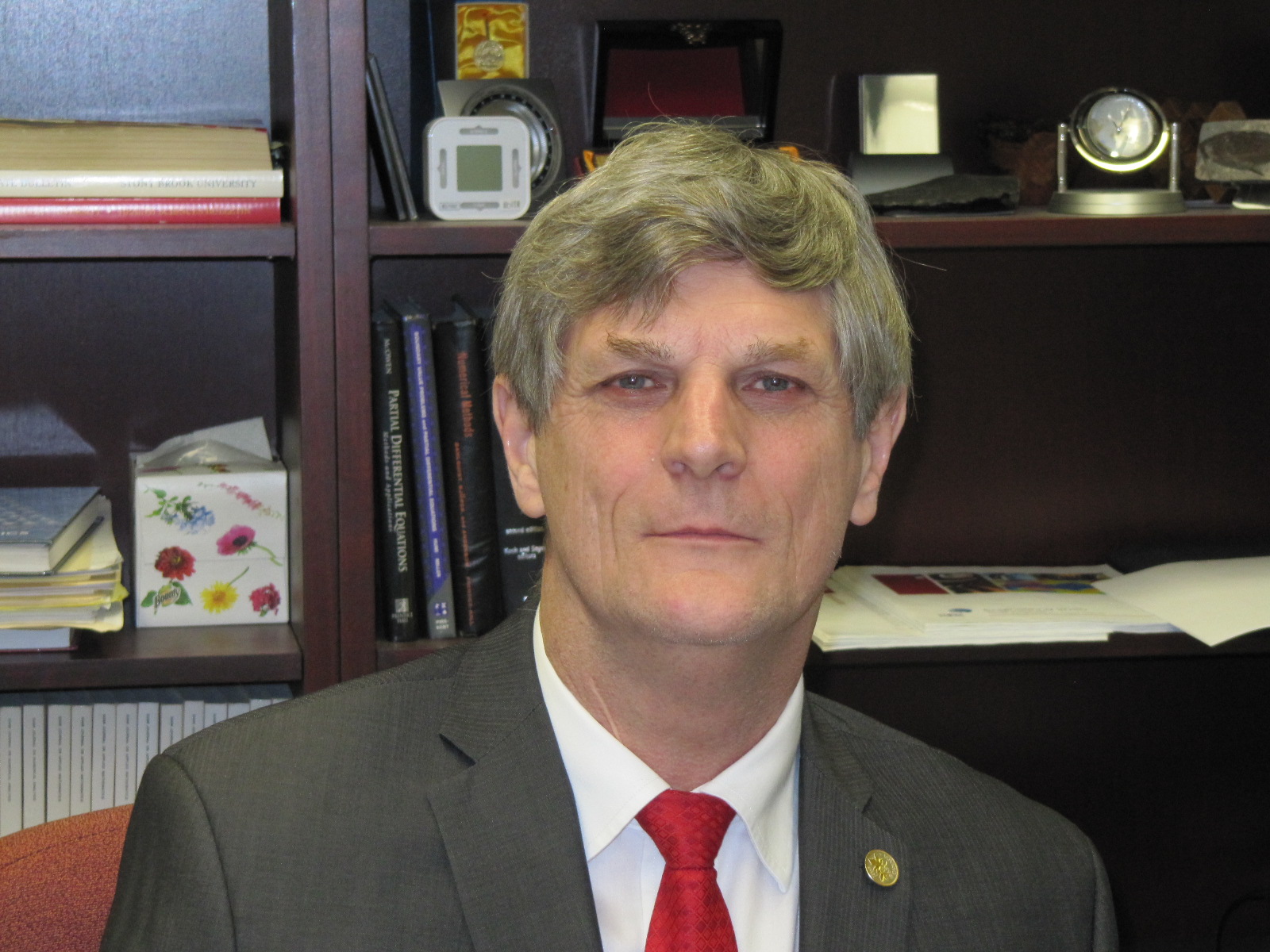
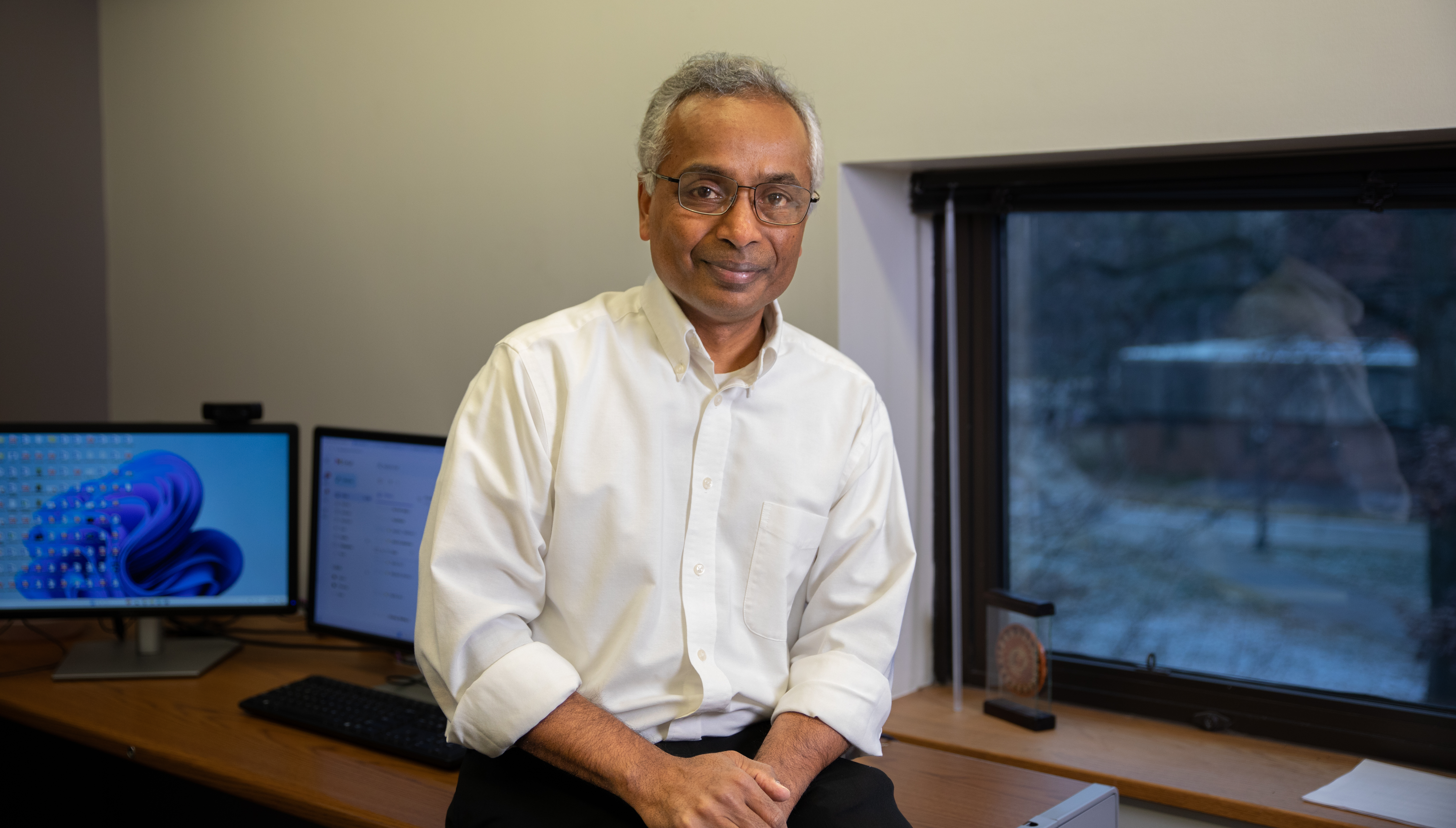
Prof. Dr. Simon Schäfer leads the Schäfer Lab at the Technische Universität München , focusing on engineering advanced organoid systems to study human brain development, disease modeling, and repair mechanisms. His work bridges stem cell biology, gene editing, and bioengineering to develop personalized therapies for brain disorders. Stem Cell & Organoid Technology Neurodevelopmental Mechanisms Neurodegenerative Disease Models Gene Editing & Neuroimmune Interactions Translational Neuroscience Recent research emphasizes brain organoid development, microglia phenotypes, and neurodevelopmental timing anomalies in autism. His team’s work also explores zika virus interactions with glioblastoma stem cells and neuronal plasticity in psychiatric disorders. Scientific awards and funding include support from the Deutsche Forschungsgemeinschaft (DFG), Brain & Behavior Research Foundation (BBRF), and Munich Cluster for Systems Neurology (SyNergy). Collaborations span institutions like the TUM Center for Organoid Systems. Advises 6 students (2 PhD, 1 MSc, 3 associated) Labs include Schäfer Lab, COS@TranslaTUM Contact: simon.schafer@tum.de
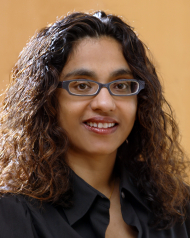
Mona Singh is a Professor of Computer Science at Princeton University, with affiliations to the Lewis-Sigler Institute for Integrative Genomics and the Department of Molecular Biology. She has been a faculty member since 1999. Ph.D., Massachusetts Institute of Technology, 1995 A.B. and S.M. degrees in Computer Science from Harvard University Her research focuses on computational molecular biology, integrating machine learning and algorithms to analyze biological networks, protein interactions, and mutational impacts. Key areas include DNA/RNA binding prediction, protein structure analysis, and network-based disease gene discovery. Her recent work highlights trends in protein language models, kinase-substrate prediction, and equitable MHC binding algorithms. These span sub-fields like structural bioinformatics, network biology, and functional genomics. Scientific Awards: Presidential Early Career Award for Scientists and Engineers (PECASE) Rheinstein Junior Faculty Award ACM Fellow (2019) ISCB Fellow (2018) She has taught an introductory computational biology course with Professor Coleen Murphy, covering sequence analysis, phylogenetics, and network reconstruction. Her group has developed tools like dPUC , nCOP , and DiffMut . Her lab collaborates with institutions including Carnegie Mellon, Duke University, and the Broad Institute, advancing applications in cancer genomics, metabolic disease, and precision medicine.
Dr. Ting-Feng Lin is an Assistant Professor at the Cell Biology, Neurobiology and Biophysics department within the Faculty of Science at Utrecht University, Netherlands. His research focuses on understanding the mechanisms of learning and memory formation in the cerebellum, particularly how synaptic and intrinsic plasticity mechanisms coordinate to regulate neuronal signaling and behavior. He employs advanced microscopy, optogenetic, and chemogenetic techniques in transparent zebrafish models to study these processes in vivo, with implications for neurodevelopmental disorders like autism spectrum disorder (ASD) and schizophrenia. 2025: Assistant Professor, Utrecht University 2019-2025: Postdoctoral Researcher, University of Chicago 2015-2019: PhD in Neuroscience, Neuroscience Center Zurich (ZNZ) 2010-2014: MS in Physiology, National Taiwan University 2006-2010: BS in Sports Medicine, China Medical University His work investigates how sensory experiences shape cerebellar processing during development, focusing on climbing fiber pathways and their role in sensory prediction errors. His group also studies the interaction between synaptic, intrinsic, and structural plasticity mechanisms in neural circuits, using zebrafish models with genetic modifications (e.g., Grid2 knockout) to model human neurological conditions. Dr. Lin has received scientific recognition including the SfN Trainee Professional Development Award for his work on Purkinje cell plasticity and the JNS Meeting Award for research on parallel fiber ramping activity and LTD. His publications span topics from cerebellar plasticity to voltage-gated K+ channel dynamics, reflecting his interdisciplinary approach to neurobiology.
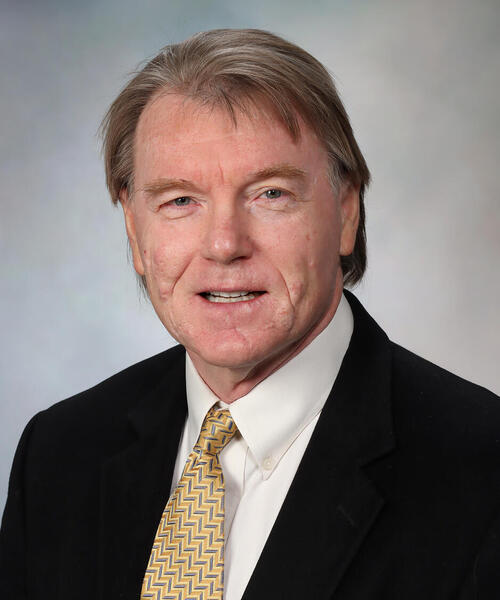
Dr. John A. Copland III is a Professor of Cancer Biology and Biochemistry & Molecular Biology at Mayo Clinic in Jacksonville, Florida. He leads the Cancer Biology and Translational Research Laboratory, focusing on molecular mechanisms of carcinogenesis, tumor progression, and development of targeted cancer therapies. Education: PhD in Physiology & Endocrinology (Medical College of Georgia), MS in Endocrinology (Medical College of Georgia), BS in Chemistry (Columbus College), with postdoctoral training at University of Texas Medical Branch. Research interests center on: Identifying tumor suppressor genes (e.g., RhoB, TBR3, GATA3) and oncogenes (e.g., FOXO3a, SCD1, NPTX2). Developing patient-derived xenografts and live cell models for personalized medicine. Designing SCD1 inhibitors via in silico modeling for clinical trials. Recent publications highlight his work on SCD1 inhibition in leukemia and thyroid cancer ImmunoPET imaging of thyroid tumors CRISPR-identified drug synergies in cholangiocarcinoma Patient-specific combination therapies using xenograft models
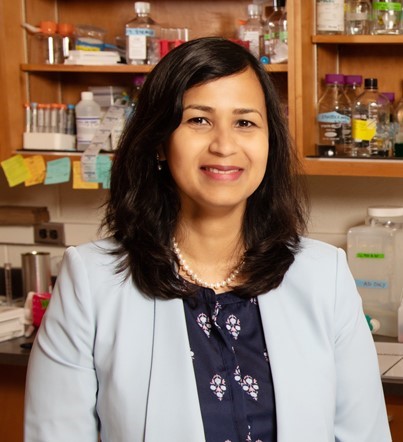
Aditi Das is a Full Professor in the School of Chemistry and Biochemistry at the Georgia Institute of Technology, College of Sciences. She leads the Das Laboratory, which focuses on the biochemistry and chemical biology of lipids, particularly studying cytochrome P450 enzymes and their role in lipid metabolism, endocannabinoid systems, and inflammatory pathways. Her educational background includes: B.Sc. in Chemistry from St. Stephen's College M.Sc. in Chemistry from Indian Institute of Technology, Kanpur (I.I.T) Ph.D. in Chemistry from Princeton University Postdoctoral research at Northwestern University (NSF-NSEC fellow) and Beckman Institute for Advanced Science and Technology, University of Illinois UC Professor Das's research interests center around understanding the physiological role of lipids in sustaining homeostasis and their implications in disease states such as neurodegenerative disorders, cancer, and cardiovascular diseases. Her laboratory specializes in: Enzymology of cytochrome P450s, particularly CYP2J2 epoxygenase Metabolism of ω-3 and ω-6 fatty acids and their derivatives Minor cannabinoid metabolism by cytochrome P450 enzymes Discovery of novel anti-inflammatory lipid metabolites and endocannabinoids Mechanistic studies of membrane proteins using nanodisc technology Her work bridges biochemistry, chemical biology, and pharmacology to uncover novel therapeutic targets related to lipid signaling pathways. Analysis of Professor Das's recent publications (2023-2025) reveals a strong focus on cannabinoid metabolism by cytochrome P450 enzymes, with particular emphasis on how these metabolic processes generate bioactive compounds that interact with the endocannabinoid system. Her research increasingly explores the therapeutic potential of omega-3 derived endocannabinoid epoxides in inflammatory and neurodegenerative conditions. The use of nanodisc technology for studying membrane proteins in near-native environments remains a consistent methodological thread throughout her work, enabling detailed mechanistic insights into enzyme function. Professor Das has received numerous prestigious awards recognizing her research excellence and teaching: 2024 NIH Outstanding Researcher Award (MIRA R35) for established investigators 2024 Vasser Woolley Faculty Fellowship 2023 Plenary Lecture at the International Society of the Study of Xenobiotics (ISSX) 2021 E.L.R. Stokstad Award 2019-2021 List of Teachers Ranked as Excellent 2019 Eicosanoid Research Foundation Young Investigator Award 2019 Zoetis Research Excellence Award 2019 Mary Swartz Rose Young Investigator Award 2015 National Scientist Development Award from the American Heart Association 2022 El Sohly Award from the American Chemical Society Professor Das actively mentors a diverse group of students and postdoctoral researchers, with several former lab members now holding faculty positions or working at prestigious institutions. Her laboratory has secured significant funding from NIH, NSF, and other sources to support research on lipid metabolism, cannabinoid pharmacology, and membrane protein biochemistry. Notable grants include an NIH R35 Outstanding Investigator Award (MIRA), an NIH R21 grant from NIDA, and multiple collaborative grants with other research groups. The Das Laboratory operates within the Petit Institute of Bioengineering and Biosciences (IBB) at Georgia Tech, utilizing state-of-the-art facilities for biochemical and biophysical studies. The lab specializes in nanodisc technology to study membrane proteins in near-native environments, with particular expertise in cytochrome P450 enzymes and their interactions with lipid substrates. Recent work has expanded into collaborative projects involving lipidomics, structural biology, and translational applications of lipid signaling research.
Dr. Elisa Donati is a researcher and independent group leader at the Institute of Neuroinformatics , affiliated with both the University of Zurich and the Swiss Federal Institute of Technology Zurich . Her work bridges neuromorphic engineering, biomedical signal processing, and wearable healthcare technologies, with a focus on creating brain-inspired systems for neuroprosthetics and rehabilitation. Affiliation: Institute of Neuroinformatics, University of Zurich & ETH Zurich Email: elisa@ini.uzh.ch Elisa’s research emphasizes developing neuromorphic signal processing strategies for wearable and embedded systems, enabling real-time closed-loop interactions with the nervous system. She specializes in translating neuroscience insights into energy-efficient technologies for digital health applications, including neuroprosthetics and personalized biomedical devices using neuromorphic hardware. Her recent publications (2024–2025) highlight advancements in gesture recognition via EMG and event-based systems, neuromorphic heart rate monitoring , and spiking neural network architectures . These works span biomedical signal processing, low-power computing, and adaptive algorithms, reflecting her commitment to robust, real-time, and brain-inspired solutions for healthcare. Elisa’s contributions to neuromorphic computing are evident in her exploration of heterogeneous population encoding , event-driven processing , and ultra-low-power microcontrollers . Her projects often integrate wearable systems with neuroscience, aiming to improve prosthetic control and rehabilitation technologies .
James T. Enns is a Professor and Distinguished University Scholar in the Department of Psychology within the Faculty of Arts at the University of British Columbia. His research primarily focuses on the role of attention in human vision, with secondary interests in developmental psychology and human-machine interaction. Dr. Enns' research interests span perception, attention, vision, cognition, development, and human-machine interaction. His work explores how the human mind selects information, with particular emphasis on visual attention mechanisms. His laboratory research investigates the fundamental processes of visual perception and how attention modulates these processes across different contexts and developmental stages. Analysis of Dr. Enns' publication record reveals consistent engagement with visual perception, attentional mechanisms, and cognitive processing. His research demonstrates expertise in both theoretical frameworks and experimental methodologies related to visual attention, with applications spanning basic cognitive science to potential implementations in human-computer interaction systems. His work often bridges theoretical cognitive psychology with practical applications. Canadian Society for Brain, Behaviour and Cognitive Science Donald O. Hebb Distinguished Contribution Award (2013) Distinguished University Scholar, UBC (2004) Robert E. Knox Master Teaching Award (2004) Royal Society of Canada Fellow (2002) Killam Faculty Research Prize (1994) Killam Faculty Research Fellowship (1993) Society of Experimental Psychology Fellow Dr. Enns has served as Editor for the Journal of Experimental Psychology: Human Perception and Performance, and as Associate Editor for Psychological Science, Consciousness and Cognition, and Visual Cognition. His research has been supported by grants from NSERC, the Canadian Foundation for Innovation, the Australian Research Council, BC Health, and Nissan. He has authored textbooks on perception, edited research volumes on the Development of Attention, and published numerous scientific articles on vision, attention, and cognitive science. Dr. Enns is currently accepting graduate students and continues to mentor the next generation of cognitive scientists. Dr. Enns leads the UBC Vision Lab, which focuses on how the human mind selects information. The lab conducts research on visual attention, perception, and cognitive processes using a variety of experimental methodologies.
Alexei A. Efros is the Howard Friesen Professor in the EECS Department at UC Berkeley, affiliated with the Berkeley Artificial Intelligence Research (BAIR) Lab. Previously, he spent a decade at CMU's Robotics Institute and held a postdoc at the University of Oxford under Andrew Zisserman. He collaborates with INRIA/École Normale Supérieure in Paris. His research focuses on self-supervised learning, generative models, and visual data mining, with applications to robotics, computational photography, and art. Education & Academic Roles: Postdoc at Oxford (with Andrew Zisserman), faculty at CMU (2005–2015), currently at UC Berkeley. Teaches courses like CS 180/280A (Computer Vision) and CS 280 (Graduate Computer Vision). Research Interests: Self-supervised learning, generative models (e.g., diffusion models, inpainting), visual commonsense, and cross-modal reasoning. His work bridges computer vision and graphics, emphasizing data-driven approaches. Recent projects include Visual Jenga, Diffusion Models as Data Mining Tools, and Prioritized Generative Replay. Grants & Labs: Leads the Efros Research Group, advised over 40 PhD students (e.g., Jun-Yan Zhu, Tinghui Zhou). Collaborates with institutions like INRIA and NVIDIA. Active in grants related to AI, vision, and robotics. Labs/Teams: BAIR Lab (UC Berkeley), former affiliations with CMU Robotics Institute and Willow Team (INRIA/ENS Paris). Current lab focuses on generative AI, 3D perception, and visual reasoning.
Naoki Yoshinaga is a tenured Associate Professor at the Institute of Industrial Science, The University of Tokyo, with extensive experience in natural language processing and computational linguistics. He has held academic positions since 2008 and currently leads research on pragmatic NLP models and multilingual systems. PhD in Computer Science, The University of Tokyo (2005-2008) MSc in Information Science (2000-2002) BSc in Information Science (1996-2000) His research focuses on mechanistic interpretability in NLP models, multilingual/multimodal NLP , and efficient model design using trie structures and conjunctive features. He also investigates knowledge acquisition from social data and evaluation metrics for language generation . Recent publications include work on neuron empirical gradient analysis (ACL-25), multilingual knowledge representation (EACL-24), and compact embedding methods (CoNLL-24). His research has been funded by multiple grants, including the University of Tokyo Excellent Young Researcher program and JSPS fellowships. Committee Special Award, Association for NLP (2023) JSAI SIG Research Award (2022) Best Interactive Award, DEIM Forum (2019, 2016) He developed widely-adopted NLP tools like pecco (fast classification library), RenTAL (LTAG-to-HPSG grammar converter), and J.DepP (Japanese dependency parser). His lab emphasizes strong equivalence in formalism comparisons and pragmatic model design .
W. Brent Lindquist is a Professor in the Department of Mathematics and Statistics at Texas Tech University, affiliated with the TTU Mathematical Finance Program. His contact details include office location in the Mathematics & Statistics building (Room 104), phone (+1 806 834 2348), and email brent.lindquist@ttu.edu. His research spans computational financial mathematics, porous media flow, neuroscience applications, and quantum electrodynamics. Key contributions include dynamic asset pricing with market microstructure integration, pore-scale flow modeling using 3D micro-tomography, automated neuron morphology identification, and QED computations for electron magnetic moments. Recent work emphasizes ESG factor incorporation into financial models. Analysis of 2023–2025 publications reveals a dominant focus on sustainable finance, particularly ESG-integrated option pricing and portfolio optimization. Methodologies include random forests for market microstructure analysis, skew random walks for volatility modeling, and Lévy processes for Bitcoin dynamics. Cross-cutting themes involve hedonic real estate models with ESG factors and unified asset pricing frameworks bridging classical finance theories.
Dr. Naseem Choudhury is a Professor of Psychology and Neuroscience at Ramapo College of New Jersey, affiliated with the School of Social Science and Human Services (SSHS). She holds a Ph.D. in Experimental Psychology from the University of Vermont. Her research focuses on the neural basis of infant information processing, particularly how perceptual abilities influence typical and atypical development, with an emphasis on familial and sociocultural factors. Her work spans auditory processing in infants at risk for developmental language disorders, electrophysiological studies in children with autism, and cross-cultural analyses of artistic perception. She directs the Palestroni Integrated Neuroscience Lab, exploring neural mechanisms underlying cognitive development. Dr. Choudhury has published extensively in journals like Journal of Neuroscience and Developmental Cognitive Neuroscience , with over 50 peer-reviewed articles since 2002. Her studies often involve ERP and EEG methodologies to track developmental milestones and intervention efficacy in high-risk populations. Her research demonstrates that early auditory experiences shape prelinguistic acoustic mapping and that neuroplasticity interventions improve outcomes for language-impaired children. She collaborates internationally on projects linking sensory perception to linguistic outcomes, particularly in Italian and bilingual populations. Dr. Choudhury’s contributions bridge basic neuroscience and clinical applications, emphasizing early screening and preventive strategies for developmental disorders.
Ananth Grama is the Samuel D. Conte Distinguished Professor of Computer Science and Associate Director of the Center for Science of Information at Purdue University. He holds a faculty position in the Department of Computer Science, College of Science. His research focuses on parallel computing, distributed systems, machine learning, and their applications in complex systems such as materials modeling and clinical analytics. He teaches advanced courses like CS525 (Parallel Computing) and CS314 (Numerical Methods). Research interests span parallel algorithms, fault-tolerant learning, quantum machine learning, and data-driven healthcare analytics. Recent work addresses fundamental limits of generative models, online learning under noisy conditions, and clinical outcome predictions. His projects include DOE-funded research on critical element recovery and NIH grants for hearing assessment technologies. Notable contributions include over 50 peer-reviewed publications since 2022, with recent papers appearing at ICLR, NeurIPS, and ICML. Current postdocs include Changlong Wu (collaborating with Wojciech Szpankowski) and Luopin Wang (with Nadia Atallah). He advises seven graduate students and oversees multidisciplinary research teams.
Anna Levina is an Assistant Professor for Computational Neuroscience at the University of Tübingen , affiliated with the Department of Computer Science under the Faculty of Science. Her research focuses on the self-organization of neuronal activity, critical dynamics in neural networks, and the excitation/inhibition balance in cortical circuits. Current positions: Assistant Professor (since 2018), Group Leader (2017-2018), Equality Officer (Computer Science) Previous roles: IST Fellow (2015-2017), Associated Researcher (2011-2015), Postdoc/PI (2011-2015), Postdoc (2008-2011) Her research integrates mathematical modeling , statistical physics , and computational neuroscience to study criticality phenomena, neural avalanches, and adaptive network dynamics. Key interests include: Self-organized criticality in neural systems Excitation/Inhibition balance mechanisms Network topology and dynamics Timescale analysis in neural processing Stochastic modeling of neural activity Recent publications reveal trends in understanding critical dynamics across biological and artificial networks, with applications to memory systems, sensorimotor integration, and disease modeling. She has received recognition as an IST Fellow .
Elias Passerini is a Researcher at the Institute of Electromagnetic Fields (IEF), ETH Zürich, part of the Department of Information Technology and Electrical Engineering. His work focuses on memristive devices and their applications in neuromorphic computing, photonics, and nanoelectronics. He completed his doctoral thesis on 'Memristors for Neuromorphic Computing' in 2025, exploring volatility control and synaptic response tuning. His research emphasizes atomic-scale memristive systems, three-terminal architectures, and material innovations like Sn alloying for improved device stability. Key contributions include developing versatile nanoscale memristive switches with gate tuning capabilities and demonstrating metamaterial graphene photodetectors with record-breaking bandwidth. Passerini collaborates with the Center for Single-Atom Electronics and Photonics, advancing low-power neuromorphic hardware and optoelectronic integration. His publications span conferences like MEMRISYS and journals such as ACS Nano and Light: Science & Applications .
Jim Smith is a Professor in Interactive Artificial Intelligence at the University of the West of England (UWE), Bristol, affiliated with the School of Computing and Creative Technologies and the Department of Computer Science and Creative Technologies. He serves as Director of the Computer Science Research Centre and leads the AI@UWE theme. His research is supported by UKRI, Innovate UK, and partnerships with organizations including Health Data Research UK, Office for National Statistics, NHS Scotland, and DSTL. University: University of the West of England School: School of Computing and Creative Technologies Department: Department of Computer Science and Creative Technologies Role: Professor in Interactive Artificial Intelligence Leadership: Director, Computer Science Research Centre Research Interests : Jim Smith's work focuses on Interactive Artificial Intelligence, particularly at the intersection of AI and privacy preservation when using sensitive data for public good. His research includes statistical disclosure control, privacy leakage from AI models, evolutionary computation, machine learning, and systems that learn through human interaction or self-adaptation. He explores how AI can automate privacy checks in research outputs and assess vulnerabilities in trained models. Recent Publications : His recent work spans AI privacy in trusted research environments (e.g., SACRO, SDC-Reboot), dialogue act classification, human-robot interaction, and visualization of deep learning models. Themes include privacy-preserving AI, automated disclosure control, interactive machine learning, and neuromorphic computing. Machine Learning & Privacy Evolutionary Computation Interactive AI Systems Human-Computer Interaction Statistical Disclosure Control Federated Learning Security Scientific Awards : No specific awards are mentioned in the provided texts. Advising and Grants : He currently supervises PhD students on topics including spatio-temporal air quality modeling, federated learning privacy, and threat detection in mobile networks. He leads Innovate UK and UKRI-funded projects such as SACRO and SDC-Reboot, focusing on AI-driven solutions for data confidentiality in public sector research. Interactive Machine Learning for Claim Settlement (Innovate UK) SDC-Reboot (DARE UK/Health Data Research UK) Threat Identification in Mobile Networks (Ribbon Communications) Labs and Teams : He leads the AI@UWE initiative and the Computer Science Research Centre at UWE. His work involves collaboration through DARE UK and open-source development via the AI-SDC GitHub organization, which hosts tools from SACRO and GRAIMATTER projects.