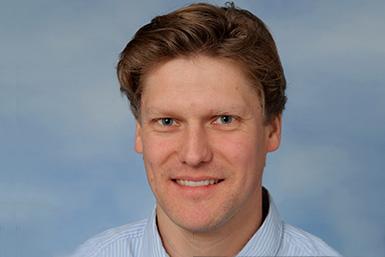
Prof. Albert Postma is a full professor in Experimental Psychology (Clinical Neuropsychology) at Utrecht University. He holds the chair in Clinical Neuropsychology and has served as department head of Experimental Psychology (2010–2017) and later as head of the Psychology Department (FSW, UU). His research focuses on spatial cognition, memory disorders, and sensory impairments, with notable contributions to understanding spatial navigation in neurological patients and the neurocognitive basis of spatial memory. Education: PhD in Psychology (1991, University of Nijmegen). Affiliations: Director of the Memory & Space Lab; Head of Research Committee at Korsakov Centrum Slingedael; Editorial roles in Cognitive Processing and Acta Psychologica . Research Interests: Spatial cognition, neuropsychology of memory (episodic, prospective), sensory deprivation effects (blindness/deafness), and neuroimaging studies of spatial processing. Key projects include EU-funded studies on spatial memory and the NWO Pioneer grant on spatial cognition development. Grants & Awards: Multiple EU Marie Curie grants, NWO Pioneer Grant (2000–2007), and coordination of the EU NEST Fp6 program on spatial orientation. His work emphasizes translational research in clinical settings, such as Korsakoff syndrome interventions. Labs & Teams: Leads the Memory & Space Lab, collaborating internationally on spatial cognition and neurological rehabilitation. Active in multidisciplinary initiatives like the Dynamics of Youth (DoY) research theme.
Dr. Ting-Feng Lin is an Assistant Professor at the Cell Biology, Neurobiology and Biophysics department within the Faculty of Science at Utrecht University, Netherlands. His research focuses on understanding the mechanisms of learning and memory formation in the cerebellum, particularly how synaptic and intrinsic plasticity mechanisms coordinate to regulate neuronal signaling and behavior. He employs advanced microscopy, optogenetic, and chemogenetic techniques in transparent zebrafish models to study these processes in vivo, with implications for neurodevelopmental disorders like autism spectrum disorder (ASD) and schizophrenia. 2025: Assistant Professor, Utrecht University 2019-2025: Postdoctoral Researcher, University of Chicago 2015-2019: PhD in Neuroscience, Neuroscience Center Zurich (ZNZ) 2010-2014: MS in Physiology, National Taiwan University 2006-2010: BS in Sports Medicine, China Medical University His work investigates how sensory experiences shape cerebellar processing during development, focusing on climbing fiber pathways and their role in sensory prediction errors. His group also studies the interaction between synaptic, intrinsic, and structural plasticity mechanisms in neural circuits, using zebrafish models with genetic modifications (e.g., Grid2 knockout) to model human neurological conditions. Dr. Lin has received scientific recognition including the SfN Trainee Professional Development Award for his work on Purkinje cell plasticity and the JNS Meeting Award for research on parallel fiber ramping activity and LTD. His publications span topics from cerebellar plasticity to voltage-gated K+ channel dynamics, reflecting his interdisciplinary approach to neurobiology.
Prof. Casper Hoogenraad is a full professor in Molecular Neuroscience at the Department of Cell Biology, Faculty of Science, Utrecht University. His research focuses on understanding how intracellular protein trafficking underlies neuronal development and function, with particular emphasis on the microtubule cytoskeleton, synaptic cargo trafficking, and synaptic plasticity. He leads an active research group within Utrecht University's Cell Biology department and collaborates extensively with other neuroscience research groups. Education: PhD, Erasmus University Rotterdam (1996-2001) Postdoc, Massachusetts Institute of Technology (2002-2005) Hoogenraad's research spans three main themes: cytoskeleton dynamics during neurodevelopment and synaptic plasticity, motor proteins and adaptors as regulators of synaptic transport, and psychiatric and neurologic disease disorders linked to intracellular transport. His work combines genetics, biochemistry, molecular, and cellular biology methods in in vitro (neuron cultures), ex vivo (brain slices), and in vivo (mice) systems, along with advanced microscopy techniques including immunofluorescent confocal microscopy, high-resolution live cell imaging, and photo-activated localization microscopy (PALM). Analysis of Hoogenraad's recent publications reveals a strong focus on microtubule organization, neuronal polarity, and the molecular mechanisms underlying synaptic function and dysfunction. His work frequently explores how disruptions in intracellular transport contribute to neurological disorders including Alzheimer's disease, schizophrenia, and autism spectrum disorders, with particular attention to the relationship between cytoskeletal organization and cargo transport in neuronal compartments. Scientific Awards and Memberships: ZonMW-VIDI (2004) European Young Investigators (EURYI) award (2005) NWO-ALW VICI (2011) ERC Consolidator grants (2013) FENS-Kavli Network of Excellence (2014) European Molecular Biology Organization (EMBO) (2015) Young Academy of Europe (YAE) (2015) IBRO Kemali Prize (2016) Hoogenraad leads a research group studying neuronal development and function, with a particular focus on how intracellular transport mechanisms contribute to both normal brain function and neurological disorders. His laboratory employs a multidisciplinary approach combining molecular, cellular, and systems neuroscience techniques to investigate the molecular basis of neuronal polarity, synaptic plasticity, and the pathogenesis of neurological disorders. He has secured significant research funding through prestigious grants including ERC Consolidator grants. The Hoogenraad lab operates within the Cell Biology department at Utrecht University, collaborating with other research groups focusing on cellular dynamics, biophysics, and neurobiology. The lab utilizes advanced microscopy techniques including immunofluorescent confocal microscopy, high-resolution live cell imaging (spinning disc microscopy and total internal reflection fluorescence microscopy), and quantitative analysis using advanced high-resolution microscopy (photo-activated localization microscopy). Current lab technicians include Phebe Wulf and Bart de Haan.
Rob Willemsen is an Associate Professor in the Department of Clinical Genetics at Erasmus MC, a leading academic medical center in the Netherlands. His research is centered on the molecular and genetic basis of neurodevelopmental and inherited disorders, with a focus on fragile X syndrome and related conditions. He employs advanced models such as zebrafish and in vivo systems to investigate gene regulation, methylation dynamics, and disease mechanisms. His research interests span clinical genetics , molecular genetics , neurodevelopmental disorders , epigenetic regulation , and rare genetic diseases . Using zebrafish models, he explores gene function and pathogenic variants associated with conditions like pediatric cardiomyopathy, hereditary spastic paraplegia, and refractive errors. His work often bridges basic science with translational applications, including drug testing in preclinical models. The trends in his recent publications indicate a strong focus on gene discovery , functional genomics , and therapeutic intervention for monogenic disorders. His studies frequently involve international collaborations and multidisciplinary teams, leveraging high-throughput sequencing, transcriptomics, and animal modeling to validate candidate genes from GWAS and clinical findings. Rob Willemsen has supervised 14 research projects, indicating an active role in mentoring students and junior researchers. He has received significant attention for his work, with mentions in news outlets and citations in major journals, though specific grants or funding sources are not detailed in the text. His collaborations span multiple institutions and countries, reflecting a broad scientific network. His research is conducted within the Clinical Genetics department at Erasmus MC, where he contributes to both fundamental research and potential clinical applications. While no specific lab name is mentioned, his work involves molecular and cellular analysis, animal models, and collaboration with clinical teams to translate findings into patient care.
Michael Levin is a Distinguished Professor at Tufts University in the Department of Biology within the School of Arts and Sciences. He serves as Director of both the Allen Discovery Center at Tufts University and the Tufts Center for Regenerative and Developmental Biology. His laboratory investigates the intersection of developmental biology, artificial life, bioengineering, synthetic morphology, and cognitive science. Allen Discovery Center at Tufts Tufts Center for Regenerative and Developmental Biology Tufts/UVM: ICDO Harvard Wyss Institute Stibel Dennett Consortium for Brain and Cognitive Science The Proteus Institute MIT Science and Technology Center EBICS Levin's research focuses on understanding diverse intelligence in evolved, designed, and hybrid complex systems. His lab combines developmental biophysics, computer science, and behavioral science to study how cognition scales up from cellular competencies to organism-level behaviors. A key specialty is developmental bioelectricity—the study of how somatic electrical networks store, process, and act on information to control large-scale body structure. His team creates tools to read and edit the bioelectric code guiding proto-cognitive computations in the body. Levin's publications reveal a strong focus on bioelectricity, morphogenesis, and non-neural cognition across multiple model systems including Xenopus, planarians, and synthetic living constructs. His recent work explores collective intelligence as a unifying concept across biological scales, the development of microfluidic devices for measuring electrical connectivity, and optical estimation of bioelectric patterns in living embryos. His research spans fundamental developmental mechanisms to potential biomedical applications in regeneration and disease treatment. As an editor, Levin serves as Co-Editor-in-Chief of Bioelectricity and Founding Associate Editor of Collective Intelligence. He has mentored numerous post-doctoral fellows and graduate students who have gone on to establish their own research programs. His lab has received significant attention for creating novel biological machines (xenobots) and demonstrating that cells can store and transmit behavioral memory outside the brain. The Levin Lab maintains several significant research initiatives including the Allen Discovery Center at Tufts, the Tufts Center for Regenerative and Developmental Biology, and collaborations with the Wyss Institute at Harvard. The lab employs a multidisciplinary approach combining wet lab experiments with computational modeling to investigate how living systems achieve goal-directed behavior and pattern formation.
Dr. Dierck Hillmann is an Associate Professor at the Faculty of Science, Department of Biophotonics and Medical Imaging, Vrije Universiteit Amsterdam. He holds a PhD in Holoscopy from Luebeck University (2013). His research focuses on advanced optical imaging techniques, particularly Optical Coherence Tomography (OCT), with applications in retinal imaging, functional signal analysis, and computational imaging. He is affiliated with the LaserLaB - Biophotonics and Microscopy research group. Key research areas include improving OCT resolution through holographic methods, functional imaging of retinal neurons and photoreceptors, and developing computational adaptive optics to enhance imaging quality. His work addresses challenges like speckle reduction, aberration correction, and real-time data processing in biomedical imaging. Dr. Hillmann’s contributions span over 37 publications, including innovations in full-field OCT, optoretinography, and phase-sensitive measurements. He teaches courses such as Computational Optical Imaging and Light-Tissue Interaction. His current project explores imaging individual retinal cells and their functions using advanced techniques. No scientific awards are explicitly listed, but his extensive publication record reflects significant academic impact. Students advised are not specified in the provided materials.
Emilia Barakova is an Associate Professor at the Industrial Design Department of Eindhoven University of Technology. She leads the Social Robotics Lab and Transdisciplinary Research & Design cluster, focusing on robotics for autism intervention and cognitive assistance. PhD in Mathematics & Natural Sciences (University of Groningen, 1999) MSc in Electronics & Automation Engineering (Technical University of Sofia, Bulgaria) Her research merges robotics, cognitive science, and AI to develop embodied agents for social skills training in autistic children and well-being enhancement for people with disabilities. She co-developed the TiViPE programming environment for customizable robot therapy scenarios. Key publication trends show emphasis on: Human-robot interaction for autism therapy Emotion recognition via movement analysis Visual programming frameworks for robot customization Multi-agent systems in social training She serves as Associate Editor for journals including International Journal of Social Robotics and Transactions of Human-Machine Systems , and has held academic positions at RIKEN Brain Science Institute and German-Japanese Robotics Research Lab.
Jelle J.F. Sleeboom is a Researcher in the Microsystems group at Eindhoven University of Technology's Department of Mechanical Engineering under Prof. Jaap den Toonder. His work focuses on developing Cancer-on-a-chip technologies to study metastasis mechanisms, particularly oxygen's role in directional migration and extracellular matrix mechanics. Education: BSc (2012) and MSc (2013) in Mechanical Engineering from TU Eindhoven. PhD (2020) in joint Soft Tissue Engineering & Mechanobiology and Microsystems groups, with research on tumor microenvironment modeling. Research Interests: Microfluidics, organ-on-a-chip systems, mechanobiology, and cancer metastasis. Key projects include Harvard collaboration on Blood-Brain Barrier models and development of 3D oxygen gradient chips. Collaborations: Active in international research networks, contributing to UN Sustainable Development Goals through biomedical innovation. Advising: Supervised 2 theses in microfluidic applications. Lab involvement: Core member of den Toonder's Microsystems group, advancing lab-on-a-chip technologies.
Remco Westerink is Associate Professor at Utrecht University's Faculty of Veterinary Medicine and head of the Neurotoxicology Research Group at the Institute for Risk Assessment Sciences (IRAS). His work focuses on cellular and molecular mechanisms of neurotoxicants in food, drugs, and environmental pollutants. Expertise Areas: In vitro toxicology, developmental neurotoxicology, neuropharmacology, microplastics, risk assessment of chemicals Techniques: Multi-electrode arrays, calcium imaging, PC12 cell models, human iPSC-derived neurons Research explores how pollutants like pesticides, flame retardants, and microplastics affect brain development, function, and degeneration through key projects including EU-funded initiatives (TUBE, ENDpoiNTs) and national collaborations. Recent articles highlight his team's work on neurotoxic effects of: Microplastics crossing blood-brain barrier Bisphenols and PFAS disrupting neuronal networks Insecticides altering calcium signaling Organophosphate flame retardants (TCP) linked to aerotoxic syndrome Designer drugs affecting neurotransmission Scientific Contributions: Editorial Board: NeuroToxicology , Toxicology in Vitro Keynote Speaker: 1st International Congress on Global Environmental Contamination (2014) Invited Talks: International Neurotoxicology Association meetings (2012-2017) Westerink leads research into advanced in vitro models to replace animal testing, including development of 48-well microelectrode array platforms and collaborations with Mimetas and RIVM for organ-on-a-chip technology.
Gina van Kleef is a Researcher and Teacher at the Faculty of Veterinary Medicine , Utrecht University , affiliated with the Institute for Risk Assessment Sciences (IRAS) and Department of Population Health Sciences . Her work focuses on neurotoxicity screening , developmental neurotoxicity , and environmental health using in vitro and hiPSC-derived neuronal models . Specializes in occupational health & safety and environmental toxicology Employing microelectrode array (MEA) recordings for neurotoxicity assessment Research trends from 2025-2020 reveal her focus on: Chemical neurotoxicity (insecticides, PFAS, flame retardants) Viral neurotoxicity (Enterovirus D-68, snake venom) Neurotransmitter receptor interactions (GABAA, nicotinic acetylcholine receptors) Novel assay development for high-throughput toxicity screening Contact: g.vankleef@uu.nl Location: Jeannette Donker-Voetgebouw, Yalelaan 104-106, Utrecht
Prof. Guus Smit is a Full Professor at the Vrije Universiteit Amsterdam (VU), holding appointments in the Faculty of Science, Center for Neurogenomics and Cognitive Research (CNCR), and Amsterdam Neuroscience (divisions: Cellular & Molecular Mechanisms and Neurodegeneration). He specializes in synaptic biology, neurodegenerative disorders, and proteomics. His research focuses on molecular mechanisms underlying Alzheimer’s disease, schizophrenia, and synaptic dysfunction, with over 370 peer-reviewed publications. He teaches courses including Cell Biology, Neurogenomics, and From Molecule to Mind. Key research areas include synaptic protein complexes, neurodevelopmental processes, and biomarker discovery for neurological diseases. His work contributes to UN Sustainable Development Goals related to health and well-being. Smit collaborates internationally and leads projects analyzing genetic overlaps in neurodegenerative diseases. He has supervised 59 PhD theses and contributed to datasets on Alzheimer’s proteomics and centenarian neuropathology. His recent publications (2025) address neuropeptide secretion mechanisms, SFRP1-driven synaptic dysfunction in Alzheimer’s, glycine receptor proteomics, schizophrenia-immune links, and hippocampal memory engram studies. He actively shares data via platforms like Figshare and engages in open-access publishing.
Prof. Dr. Martin Vinck is a Professor at the Donders Centre for Neuroscience in the Department of Neurophysics , Radboud University. He is also a Research Group Leader at the Ernst Strüngmann Institute for Neuroscience and a faculty member at the International Max Planck Research School for Neural Circuits . Current affiliations: Radboud University, ESI Frankfurt, Max Planck Research School Positions: Professor, Research Group Leader, Review Editor for eLife Research Interests span computational and systems neuroscience, focusing on predictive processing in biological and artificial neural networks. His lab investigates: How distinct excitatory/inhibitory neurons regulate plasticity and flexible information processing Neural ensemble coding via spatio-temporal patterns and spike sequences Self-supervised learning mechanisms using spatial/temporal predictions Gamma oscillations, synchronization, and their role in visual encoding Scientific Contributions include developing algorithms for high-dimensional neural data analysis, co-supervising key studies on interneuron dynamics, and pioneering work on predictive coding in V1. His grants include the ERC Starting Grant (2019) and VIDI Grant (2024) . Lab Members include PhD students Jinke Liu, Jahan Esfandiarii, Athanasia Tzanou and alumni Irene Onorato, Marius Schneider, Ana Clara Silveira Broggini . He actively promotes open science , develops the Spike Toolbox , and reviews for journals like Neuron, eLife, PLoS Computational Biology .
Prof. Dr. Lukas C. Kapitein is a leading researcher in Cell Biology, Neurobiology and Biophysics at the Faculty of Science, Utrecht University . His work bridges physics and neuroscience to understand how cells maintain their shape and intracellular organization, particularly in neurons. Academic Affiliation: Full Professor of Molecular and Cellular Biophysics since 2018 Key Collaborations: Co-manages the Gravitation project IMAGINE! with Anna Akhmanova Research Focus: The lab investigates the neuronal cytoskeleton , emphasizing microtubule organization and motor protein dynamics. They develop advanced optical methods to map cytoskeletal architecture and design intracellular assays to probe motor-cargo interactions, linking these to neurodegenerative disease mechanisms. Awards: ERC Consolidator Grant (2018), ERC Starting Grant (2013), NWO VIDI (2013), NWO ALW-VENI (2011), Erasmus MC Fellowship (2011). Students: PhD students include Albert Serweta, Thijs Makaske, Jasper Schelt, and Varsha Mahapatra. The lab also features postdocs and technical staff in microscopy and protein engineering. Methods: Combines protein engineering , super-resolution microscopy (STED, Localization, Expansion), and mathematical modeling to resolve microtubule polarity, transport rules, and dendritic spine dynamics.
Barry Rockx is an Assistant Professor in the Department of Virology at Erasmus MC, where he conducts cutting-edge research on emerging and re-emerging RNA viruses. His work focuses on understanding viral pathogenesis, host immune responses, and developing advanced preclinical models to study infections such as SARS-CoV-2, Zika virus, West Nile virus, Usutu virus, and orthohantaviruses. His research interests span virology, immunology, and infectious diseases, with a particular emphasis on arboviruses and neurotropic viruses . He employs human lung xenograft mouse models and fetal organotypic brain slice cultures to investigate infection mechanisms and evaluate potential therapeutics. The recent publications (2024–2025) demonstrate a strong trend in studying vector-borne transmission , neurovirulence , and diagnostic development . His work frequently explores cross-viral comparisons (e.g., Usutu vs. Zika vs. West Nile), highlighting shared and distinct pathogenic mechanisms. Scientific contributions include: Development of a pan-orthohantavirus human lung xenograft model for preclinical testing Investigating mosquito saliva effects on West Nile virus pathogenesis Assessing neurotropism of Usutu and West Nile viruses in human neural tissues Implementing RT-PCR diagnostics for orthohantaviruses in endemic regions Dr. Rockx supervises research work, as indicated by the 'Supervised Work (4)' metric, suggesting mentorship of students or junior scientists. He collaborates widely across institutions and countries, contributing to a robust network in global virology research. There is no mention of formal education, awards, or grants in the provided text, but his publication record and active research profile underscore his significant role in advancing virological science.
Daan Brinks is an Assistant Professor at Delft University of Technology in the Department of Imaging Physics within the Faculty of Applied Sciences. He leads the Brinks Lab, which operates at the intersection of physics, biochemistry, optics, mathematics, and nanofabrication, focusing on developing novel imaging tools for neuroscience applications. His research spans both fundamental biophysics and practical biomedical applications, with significant collaborations including Erasmus MC. Faculty of Applied Sciences, Delft University of Technology Department of Imaging Physics (ImPhys) Brinks Lab leader Founding member of BIOlab (Biomedical Intervention Optimization lab) Lead of a convergence Health and Technology Consortium Dr. Brinks' academic journey began with an MSc in Molecular Nanophotonics from the University of Twente (2002-2007), followed by a PhD at ICFO Institute Barcelona (2007-2012). He then completed prestigious fellowships at Harvard University as a Rubicon Fellow (2012-2014) and HMMI Fellow (2014-2017) before joining TU Delft as an Assistant Professor in 2017. His research interests center on voltage imaging techniques to monitor neural activity, optogenetics for neural control, nonlinear optical microscopy for enhanced resolution, and AI applications in bioimaging . The lab develops tools to transduce information in neurons into detectable photons, addressing questions from biophysical principles to behavioral consequences and from subcellular compartments to complete organisms. Current projects include Voltage nanoscopy using plasmonic enhancement, Absolute Voltage Imaging through fluorescence lifetime measurements, Multiphoton Voltage Imaging for deep tissue applications, and advanced image analysis with machine learning. The publications reveal a strong focus on developing novel optical tools for neuroscience, particularly genetically encoded voltage indicators and plasmonic enhancement techniques. His work bridges physics, molecular biology, and neuroscience, with applications ranging from fundamental understanding of neural circuits to cancer cell identification. The research shows progression from fundamental physics (early career) to increasingly applied neuroscience and biomedical applications (recent work), with publications in top journals including Nature, Science Advances, and Nature Biomedical Engineering. Rubicon Fellow (2012-2014) HMMI Fellow (2014-2017) Publications in Nature, Science Advances, Nature Biomedical Engineering Media coverage in major outlets including Delta TU Delft and Trouw Dr. Brinks actively mentors students and researchers, with his lab welcoming enthusiastic students, PhD candidates, and postdocs interested in multidisciplinary projects at the junction of optics, molecular biology, and neuroscience. His research has received external funding through fellowships and likely additional grants supporting his lab's operations. The Brinks Lab collaborates extensively with both academic and medical institutions, particularly evident in the cancer cell research with Erasmus MC. The lab maintains strong physical infrastructure including advanced microscopy systems and nanofabrication capabilities, supporting their work in voltage imaging, plasmonics, and single-cell analysis. They have developed several hardware and software interfaces for automated interaction with excitable tissues and model dynamics in hybrid systems, reflecting their interdisciplinary approach to neuroscience questions.