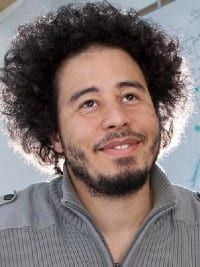
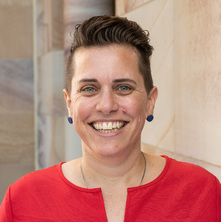
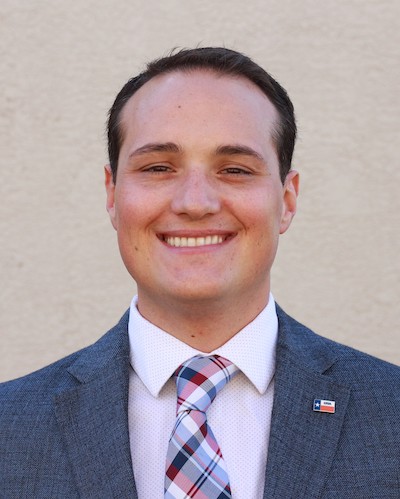
Silvestro Micera is a Full Professor at the Swiss Federal Institute of Technology Lausanne (EPFL) and holds the Bertarelli Foundation Chair in Translational Neuroengineering. He directs the Translational Neural Engineering Laboratory and teaches courses including Neural signals and signal processing and Translational neuroengineering . His research bridges neural interfaces, robotics, and neuroprosthetics to restore motor functions in spinal cord injuries, stroke, and amputations. Micera's research integrates implantable neural interfaces, robotic rehabilitation, and hybrid neuro-prosthetic systems. Key focus areas include: Robotic neurorehabilitation for mobility restoration Neural control mechanisms in movement CNS/PNS neural interface development Bioelectronic modulation for sensory feedback His recent publications emphasize machine learning-driven motor recovery prediction, closed-loop sensory feedback systems, and minimally invasive neuroprosthetics. Trends include AI-optimized stimulation protocols, multimodal data fusion for rehabilitation, and clinical translation of neural bypass technologies. Awards: IEEE EMBS Early Career Achievement Award (2009) IEEE EMBS Technical Achievement Award (2021) Micera leads EU-funded projects such as TIME, CLONS, and NeuWalk, focusing on neural prostheses. He advises 8 current and 18 former PhD students in neuroengineering. His lab collaborates with MIT, Harvard, and industry partners (e.g., Plexon) to advance translational neurotechnologies.
James Tung is an Associate Professor at the University of Waterloo’s Faculty of Engineering, Department of Mechanical and Mechatronics Engineering. His research focuses on assistive technology, rehabilitation engineering, and mobility solutions for individuals with disabilities. He leads the Neural and Rehabilitation Engineering (NRE) Lab, which develops wearable sensors, robotics, and machine learning tools to enhance mobility and monitor motor rehabilitation. He teaches courses including BME 355 (Physiological Systems Modelling), BME 540 (Neural and Rehabilitation Engineering), and ME/MTE engineering modules. The lab collaborates with clinical and industry partners to translate research into practical solutions, addressing real-world mobility challenges and aging demographics. His research spans real-world gait analysis, fall risk assessment, and prosthetic design, with a focus on pediatric neurodevelopmental disorders and elderly mobility. The NRE Lab emphasizes interdisciplinary work, combining biomechanics, robotics, and data science to improve healthcare outcomes. Lab Alumni: Includes researchers like Robin Murdock (Myant Inc.), Andrew Hart, and Raj Senthilkumar, contributing to prosthetics and gait analysis. Partnerships: Engages clinical and industry stakeholders for knowledge translation and commercialization. Current projects include developing smart rollators, biofeedback prosthetics, and sensor-based assessment tools to address mobility limitations in aging populations and individuals with disabilities.
Dr. Karen Cochrane is an Assistant Professor at the University of Waterloo, specializing in Human-Computer Interaction (HCI) with a focus on wearable and tangible computing for mental health and accessibility. Her research integrates soma design, autoethnography, and design fiction to address the needs of underrepresented communities, particularly those with disabilities. Key projects include developing assistive technologies for queer/crip identities, accessible gaming wearables, and tactile interfaces for sensory exploration. She explores embodied experiences through multidisciplinary approaches, blending traditional craft practices with modern computational tools. Her work prioritizes participatory design methodologies, collaborating with occupational therapists, disabled communities, and neurodivergent individuals to co-create inclusive technologies. Recent innovations include VARitouch (a haptic feedback device), Breathing Scarf (for emotional regulation), and adaptive switches for children with motor disabilities. Her research extends into sensory narratives, exploring how fabric and data can articulate bodily experiences through projects like Sensory Data Dialogues and Queer/Crip Body Mapping. While no formal grants or awards are listed, her publications reflect a strong focus on ethical technology, accessibility, and embodied interaction. Current projects emphasize the intersection of wearable tech with identity expression, mindfulness practices, and neuromotor rehabilitation. She actively designs prototypes that bridge clinical needs with creative technology solutions, though specific lab affiliations or team collaborations are not detailed in available texts.
Maurice Smith serves as the Gordon McKay Professor of Bioengineering at Harvard University's School of Engineering and Applied Sciences (SEAS), where he leads the Neuromotor Control Lab. His primary appointment resides within the Department of Bioengineering, focusing on the computational and neural mechanisms underlying human movement control. Smith's research centers on sensorimotor learning , motor adaptation , and neuromotor control systems . He investigates how the brain forms and retains motor memories, particularly examining cerebellar contributions to long-term sensorimotor memory and the dissociation between implicit and explicit learning pathways. His work frequently employs computational modeling to dissect neural tuning properties and motor variability regulation. Analysis of his recent publications reveals a strong emphasis on temporal dynamics in motor learning , cerebellar function in memory consolidation , and Bayesian frameworks for understanding sensorimotor adaptation . His research demonstrates consistent focus on how error processing, uncertainty, and neural plasticity shape motor memory formation across multiple timescales. Smith maintains active collaborations with researchers including Wilsaan M. Joiner, Yohsuke R. Miyamoto, and Nathan Sandholtz, as evidenced by frequent co-authorship patterns. His laboratory investigates fundamental questions in motor control with implications for neurorehabilitation and adaptive robotics.
Carolynn Patten is a Professor in the Department of Neurobiology, Physiology and Behavior at the University of California, Davis, with affiliations in Physical Medicine and Rehabilitation. Her work bridges neuroscience, biomechanics, and clinical rehabilitation to advance neurorehabilitation for individuals with motor impairments. Research Interests: Dr. Patten's research investigates the neural basis of human movement, focusing on motor dysfunction in aging and neurological conditions such as stroke. She employs transcranial magnetic stimulation (TMS), EEG, EMG, biomechanical analysis, and clinical assessments to study motor recovery mechanisms and neuroplasticity. Her work aims to develop biomarkers of recovery and improve rehabilitation efficacy. Publication Trends: Recent publications emphasize computational modeling of musculoskeletal systems, gait analysis post-stroke, and assessment tools for locomotor efficacy. These works reflect a strong trend toward integrating engineering, neuroscience, and clinical practice to enhance rehabilitation outcomes. Scientific Awards: No awards listed in the provided text. Advising and Grants: While specific students and grants are not mentioned, her active publication record suggests ongoing mentorship and externally funded research in neurorehabilitation and translational neuroscience. Labs and Teams: Her research involves interdisciplinary collaboration across neuroscience, bioengineering, and rehabilitation medicine, likely within UC Davis research centers focused on movement disorders and neurorecovery.
Panying Rong, Ph.D. is an Assistant Professor in the Department of Speech-Language-Hearing: Sciences & Disorders at the University of Kansas , within the College of Liberal Arts and Sciences. Her research focuses on the neuromechanical basis of motor speech disorders and the development of quantitative tools for speech assessment. Primary Affiliation: University of Kansas Department: Speech-Language-Hearing: Sciences & Disorders Academic Rank: Assistant Professor Email: prong@ku.edu Research Interests Dr. Rong’s work investigates the biomechanical and neurological mechanisms underlying speech impairments in neurodegenerative diseases like ALS and Parkinson’s. Key areas include: Mechanistic modeling of speech motor control Development of data-driven speech diagnostics Acoustic and kinematic analysis of bulbar disorders Compensatory articulatory strategies in speech pathologies Temporal structuring of speech signals Integration of multimodal assessments for neurological conditions Article Trends Her recent publications emphasize automated, multimodal frameworks for assessing bulbar ALS, neuromechanical biomarkers, and cultural-linguistic influences on speech outcomes. Techniques include EMA, EMG, kinematic modeling, and computational analysis of speech subsystems.
Beth Smith, PT, DPT, PhD is an Associate Professor of Pediatrics and Biokinesiology & Physical Therapy at the University of Southern California. She directs the Infant Neuromotor Control Laboratory, where she leads research on neural control of movement during infancy and develops interventions for infants with or at risk for developmental delay. Dr. Smith's research focuses on several critical areas in pediatric development: Neural mechanisms underlying infant motor development Application of wearable sensor technology for objective movement measurement Early identification of developmental delays through quantitative analysis Evaluation of intervention effectiveness for at-risk infants Cross-cultural studies of infant development in diverse settings including rural Guatemala Her work demonstrates a strong integration of technology and clinical practice, with recent publications highlighting innovative approaches to measuring infant movement in natural environments. Dr. Smith's research on algorithmic detection of developmental disabilities using wearable sensors represents a significant advancement in early identification methods. Her studies on telehealth administration of developmental assessments have gained particular relevance following the COVID-19 pandemic, potentially expanding access to early intervention services globally. As director of the Infant Neuromotor Control Laboratory, Dr. Smith oversees a research program that bridges neuroscience, engineering, and clinical practice to improve outcomes for infants with developmental challenges. Her work has important implications for developing evidence-based interventions that can be implemented across diverse healthcare settings.
Maria Dolores Blanco Rojas is a Full Professor and Deputy Director of the Systems and Automatic Engineering Department at Universidad Carlos III de Madrid (UC3M). Her research focuses on robotics and biomedical engineering, particularly in the development of soft robotic exoskeletons, shape memory alloy (SMA) actuators, and rehabilitation technologies. She leads the Robotics Lab and has contributed to over 100 peer-reviewed articles. Affiliations : UC3M, Robotics Lab, Systems Engineering and Automation Department Education : Not explicitly stated in text Her research interests include: Soft Robotics : Design of wearable exoskeletons for pediatric and post-stroke patients Materials Science : SMA-based actuators for medical and robotic applications Control Systems : Adaptive control algorithms for rehabilitation devices Biomedical Engineering : Integration of sEMG signals for gesture classification in assistive technologies Recent articles explore topics like hyperparameter optimization for machine learning models, SMA actuator efficiency, and eye-hand coordination assessment systems. Projects include the development of pediatric rehabilitation robots (Discover2Walk) and soft exoskeletons for ankle and wrist mobility. Grants/Projects : SRAR (2024–2027): Soft robotics for ankle rehabilitation STRIDE-UC3M (2022–2024): Pediatric exoskeleton validation Advising : Supervised theses on SMA actuators, soft exoskeletons, and rehabilitation systems Her lab develops novel sensors and actuators, including a silver-coated polyamide sensor and multi-wire SMA actuators for high-displacement applications. Collaborations include Airbus and TechnoFusión facilities.
Daniela Calvetti is the James Wood Williamson Professor in the Department of Mathematics, Applied Mathematics, and Statistics at Case Western Reserve University. Her research focuses on large-scale scientific computing, computational inverse problems, uncertainty quantification, and predictive modeling in neuroscience, metabolism, and cellular physiology. She holds a PhD from the University of North Carolina-Chapel Hill. Her work integrates advanced mathematical techniques with biomedical applications, including brain energy metabolism modeling, MEG/EEG source reconstruction, and computational methods for medical imaging. Notable contributions include Bayesian hierarchical algorithms for inverse problems and interdisciplinary collaborations bridging mathematics with neuroscience and physiology. Recent research highlights include developing sparsity-promoting Bayesian models for tomography, computational frameworks for neuromuscular control variability, and predictive models of disease dynamics like post-pandemic COVID-19 recurrence. Her methodologies emphasize statistically inspired preconditioning and adaptive meshing techniques to enhance computational efficiency in solving complex inverse problems. Dr. Calvetti has published extensively across computational science, inverse problems, and biomedical applications. She leads a research group advancing interdisciplinary computational methods with applications in neuroscience, virology, and metabolic systems.
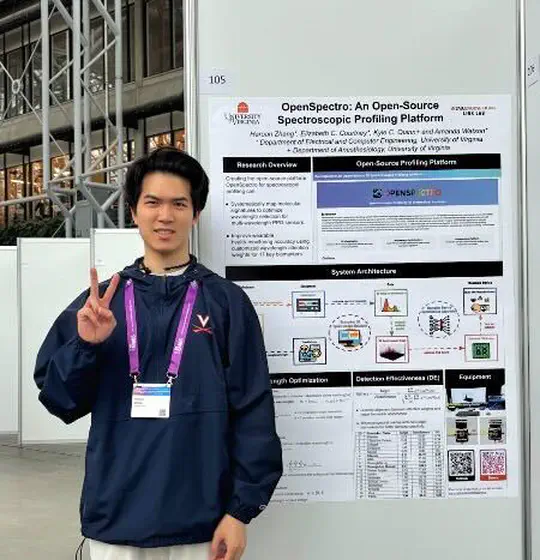
Amanda Watson is an Assistant Professor in Electrical and Computer Engineering at the University of Virginia, with joint appointments in Computer Science. She leads the Watson Research Lab within the UVA Link Lab, a multidisciplinary center for Cyber-Physical Systems (CPS) and Internet of Medical Things (IoMT) research. Her work bridges wearable technology with healthcare and athletic performance applications, focusing on noninvasive monitoring, physiological signal analysis, and safety-critical medical devices. She is also the cofounder and CEO of Luminosity Wearables, commercializing a noninvasive continuous glucose monitor. Education: PhD in Computer Science (2020) - College of William & Mary MSc in Computer Science (2016) - College of William & Mary Bachelors in Computer Science and Mathematics (2014) - Drury University Her research spans multiple domains including: Wearable spectroscopy for nutrition and skin health Machine learning for drug overdose and fall risk detection Biomechanical monitoring in sports medicine Wearable support for visual and neurological impairments IoMT device integration and analytics Recent publications (2024-2025) show strong emphasis on calibration-free physiological monitoring systems, with technical contributions in spectral analysis , multi-wavelength sensing , and rapid prototyping for healthcare wearables. Applications range from maternal health to gerontological social isolation detection. Lab and Team: The Watson Research Lab at UVA develops wearable solutions for clinical and athletic contexts, with ongoing collaborations in the PRECISE Center at University of Pennsylvania and LENS lab at William & Mary alumni network. She works with multidisciplinary teams including engineers, clinicians, and data scientists.
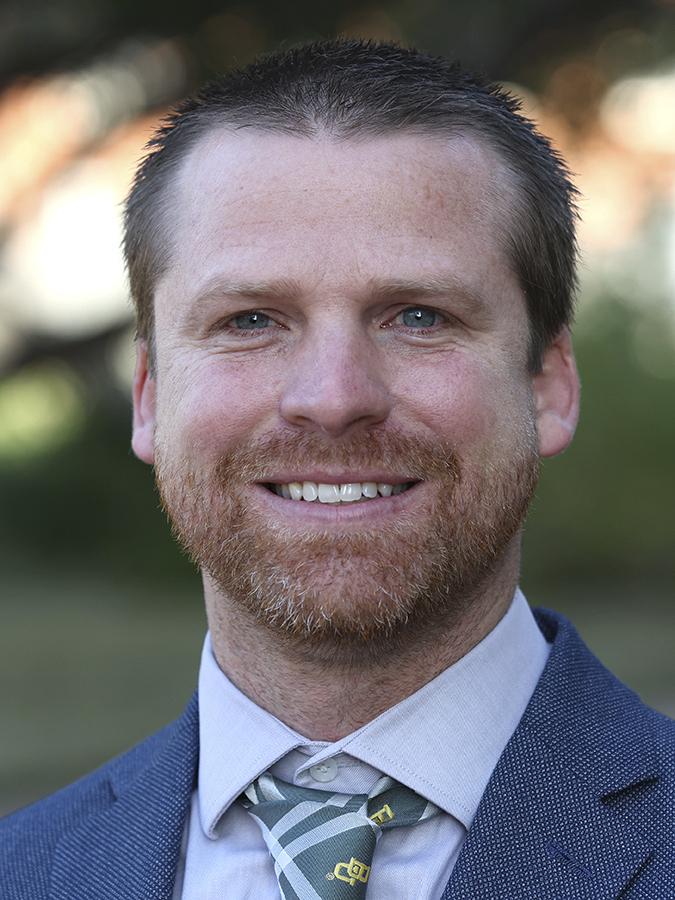
Dr. Cory Smith is an Assistant Professor in the Department of Health, Human Performance, and Recreation at Baylor University, where he directs the Human & Environmental Physiology Laboratory. His applied physiology research focuses on neurophysiological assessment methodologies, extreme environment adaptations, and sensor-based physiological monitoring systems. Current projects examine neuromuscular disease diagnostics, warfighter performance optimization, and cognitive-physiological responses in austere environments through translational research approaches. Primary research interests include: Aerospace/environmental physiology : Investigating human responses to hypoxia, cold, and gravitational stressors Neurophysiological monitoring : Developing fNIRS/EMG methodologies for clinical and tactical applications Sensor data fusion : Integrating multimodal physiological signals for performance assessment Muscle fatigue mechanisms : Studying neuromuscular adaptations during exertion under environmental constraints Analysis of recent publications (2022-2025) reveals dominant themes in neurophysiological monitoring techniques (particularly fNIRS applications), environmental stressor impacts on human performance, and rehabilitation physiology. Research consistently bridges clinical applications (neuromuscular diseases, cerebral palsy) with tactical performance optimization (marksmanship, combat fitness). Methodological innovations in EMG signal processing and hypoxia protocols form significant technical throughlines. Dr. Smith leads a research team collaborating with clinical practitioners to translate physiological insights into practical interventions for military personnel, occupational workers, and clinical populations.
Professor Kylie Tucker is a distinguished academic at the University of Queensland, serving as Professor and School Director of Teaching and Learning in the School of Biomedical Sciences within the Faculty of Health, Medicine and Behavioural Sciences. She is also an Affiliate of the Centre for Innovation in Pain and Health Research (CIPHeR) and currently serves as President of the International Society of Electrophysiology and Kinesiology (ISEK) for the term 2024-2026. Professor Tucker leads a dynamic research environment focused on advancing knowledge about muscles and movement control, with significant contributions to understanding how pain impacts movement, methods for estimating muscle forces, and assessment of childhood movement control and adolescent skeletal maturity. Professor Tucker earned her Bachelor of Arts, Bachelor of Science, and Doctor of Philosophy from the University of Adelaide. Her academic journey has positioned her as a leader in neuromuscular research, particularly in the areas of motor control and pain adaptation. Within the School of Biomedical Sciences, she has held significant leadership roles including Deputy Director of Teaching and Learning (2018-2020), inaugural chair of the REMEDE committee (2021-2023), and Director of Teaching and Learning (2024-2025). She also co-facilitates UQ's flagship Career Progression for Women program. Her research interests span motor control, pain research, biomechanics, electromyography, neuromuscular control, pediatric movement, scoliosis, and muscle physiology. Professor Tucker's work has transformed understanding of pain's impact on movement and advanced assessment methods for childhood movement control and skeletal maturity. She has recently proposed new insights into scoliosis progression, identifying unique muscle features that can be non-invasively detected early in curve progression. Approximately 3-7% of children worldwide develop adolescent idiopathic scoliosis, often requiring surgical intervention when conservative treatments fail. Analysis of Professor Tucker's recent publications reveals a strong focus on neuromuscular control mechanisms, particularly in relation to pain, scoliosis, and pediatric movement disorders. Her work integrates advanced methodologies including electromyography, shear wave elastography, and biomechanical modeling to investigate muscle function across diverse populations. A notable trend is her leadership in consensus projects (CEDE) establishing standardized methodologies for electromyography research, reflecting her commitment to methodological rigor in the field. Professor Tucker actively mentors the next generation of researchers, supervising numerous PhD students across projects related to scoliosis, knee osteoarthritis, pain research, and pediatric movement disorders. Her research is supported by significant funding including NHMRC MRFF EPCDR grants for chronic musculoskeletal conditions in children and the SRS Research Grant for novel insights into adolescent idiopathic scoliosis. She leads the Motor Control and Pain Research Lab, a collaborative environment bringing together basic science and clinical researchers. The lab focuses on two main research streams: Motor Control and Pain Research and Child and Adolescent Neuromotor Control Research. Professor Tucker teaches across 10 UQ programs with class sizes ranging from 70-1400 students, demonstrating her commitment to education alongside her research leadership.
Kelly Cheever, Ph.D., is an Assistant Professor in the Department of Kinesiology at the University of Texas at San Antonio (UTSA), affiliated with the College for Health, Community and Policy. Her research program investigates sports-related injuries with particular focus on concussion outcomes, cervical spine pathology, and injury prevention strategies. Education Ph.D. in Kinesiology (Neuroscience certificate), Temple University, 2018 M.S. in Athletic Training, Brigham Young University, 2014 B.S. in Athletic Training, Southern Utah University, 2012 Research Focus Dr. Cheever's research examines long-term health outcomes in contact sports, cervical spine injury mechanisms post-concussion, sport-related concussion management, and training load periodization strategies to reduce musculoskeletal injury risk. Her work bridges clinical athletic training with neuroscience and biomechanics. Publication Trends Her recent publications (2018-2024) demonstrate consistent focus on neck pain epidemiology in concussed athletes, injury disclosure behaviors, and workload management. Research methodologies include large consortium studies, longitudinal athlete monitoring, and scoping reviews examining cervical sensorimotor dysfunction in contact sports.
Dr. Daniel Berio is a researcher at Goldsmiths, University of London, specializing in computational models for human-like movement in digital art and robotics. His work bridges computer graphics, cognitive psychology, and robotic manipulation, focusing on stylized stroke generation, graffiti analysis, and kinematic modeling. He collaborates with Frederic Fol Leymarie and Rejean Plamondon, utilizing the Sigma Lognormal model to simulate human handwriting dynamics. Education : Doctoral thesis on AutoGraff (2021), exploring computational understanding of graffiti and calligraphy. Research Themes : Human-like motion in digital art, kinematic reconstruction from static traces, robotic graffiti generation, and perceptual fluency in aesthetic evaluation. Publications : 15+ works since 2015, spanning ACM Transactions on Graphics, British Journal of Psychology, and conferences like MOCO and IROS. Applications : Font stylization tools, synthetic graffiti generation, compliant robot control, and semantic typography systems.
Frank Van Overwalle is a Professor of Psychology at Brussels University, affiliated with the Consultation Center Brain, Body and Cognition. His research focuses on Social Connectionism and Social Neuroscience, particularly the neural mechanisms underlying social cognition, mentalizing, and cerebellar contributions to social and cognitive processes. He has led over 40 research projects and published 214 peer-reviewed articles, including works on cerebellar sequencing, mentalizing, and neuroimaging techniques. His research highlights the cerebellum's role in social action prediction, implicit learning, and emotional processing. Notable projects include investigations into cerebellar tDCS effects on social cognition and collaborations on the neural basis of group stereotypes and Theory of Mind. Van Overwalle received the Tobie Jonckheere Award in 1989 for his doctoral work on educational psychology. He has participated in numerous conferences and serves on the boards of the Cognitive Neuroscience Society and Organization for Human Brain Mapping. His work bridges cognitive models with empirical neuroimaging data, emphasizing cerebellar contributions to higher-order social functions.