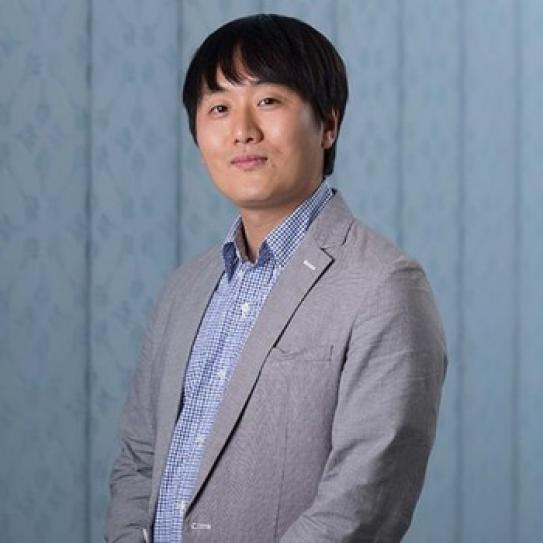
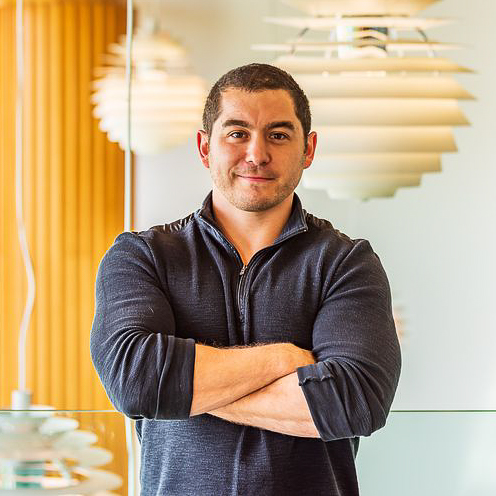
Sohmyung Ha is an Associate Professor of Electrical Engineering and Bioengineering at NYU Abu Dhabi and holds a Global Network position at NYU Tandon School of Engineering. He leads the Integrated BioElectronics Laboratory, focusing on advancing silicon integrated technologies for biomedical applications such as implantable devices and wearable sensors. His expertise spans biomedical circuits, neural interfaces, and wireless power systems. Education: MS (2004, KAIST), PhD (2016, UC San Diego) with a Best Thesis Award. Prior industry experience includes analog circuit design at Samsung Electronics (2006-2010). Academic affiliations include NYU Abu Dhabi, NYU Tandon, and global collaborations. Research interests include high-performance biomedical sensors, neural prosthetics, and energy-efficient bioelectronic systems. Notable achievements include a Best Paper Award (ISCAS 2024) and innovations in impedance spectroscopy and neural interface ICs. Current projects emphasize closed-loop neural interfaces, subcutaneous glucose monitoring, and retinal prostheses. His lab develops miniaturized, power-autonomous systems for healthcare applications.
Hongyu An is an Assistant Professor in the Department of Electrical and Computer Engineering at Michigan Technological University. He holds affiliations with the Computer Science and Biomedical Engineering departments. Dr. An leads the BrainX Lab (Neuromorphic Robotics Lab and Neuromorphic Brain-Machine Interface Lab) and collaborates with the Institute of Computing and Cybersystems (ICC). He earned his PhD, MS, and BS in Electrical Engineering from Virginia Tech, Missouri University of Science and Technology, and Shenyang University of Technology respectively. Research Interests: Dr. An focuses on neuromorphic computing and its applications in AI hardware , robotics , and medical devices . His work spans memristor-based circuits , spiking neural networks , and energy-efficient AI systems . Key projects include associative learning in neuromorphic robots , neural prosthetics for memory restoration , and power-efficient adaptive deep brain stimulation systems . Publications & Research: With over 15 significant publications since 2016, Dr. An's work demonstrates expertise in 3D neuromorphic IC design , memristor reliability , and self-learning robotic systems . His research has appeared in journals like IEEE Transactions on Computing Aided Design and Frontiers in Computational Neuroscience. Awards & Funding: Bill and LaRue Blackwell Dissertation Award NSF CRII and ERI Awards USAF VFRP Fellowship Best Paper Nomination (2017 ISQED) Students & Collaborations: Dr. An mentors PhD students Tianze Liu and Md Abu Bakr Siddique, undergraduate Lucas Haddad, and volunteers like Vinay Kumar Pillalamarri. His team collaborates with Dr. Yan Zhang on neuromorphic brain-machine interfaces . The lab operates advanced infrastructure including LabLynx wireless neural recording systems and Intel Loihi-2 neuromorphic servers .
Calogero Maria Oddo is an Associate Professor at Sant’Anna School of Advanced Studies, affiliated with the BioRobotics Institute and Department of Excellence in Robotics and Artificial Intelligence. He leads the Neuro-Robotic Touch Laboratory, coordinating a team of 25+ researchers. His work bridges neuroscience and engineering, focusing on tactile sensing, neuroprosthetics, and biomedical robotics. He holds a national qualification as Full Professor of Bioengineering and serves in academic governance roles, including Vice-Coordinator of the BioRobotics PhD program and President of the University Committee for Equal Opportunities. His research has been featured in top journals like Nature Machine Intelligence and recognized by prestigious awards such as the Feltrinelli Prize under 40 (2023). Education BSc in Electronic Engineering (University of Pisa, 2005, 1st in cohort) MSc in Electronic Engineering (University of Pisa, 2007, Excellence Track) PhD in Innovative Technologies (Sant’Anna School of Advanced Studies, 2011) Graduate of Sant’Anna Honours College (2008, 2006) Research Interests His lab develops tactile sensors inspired by human neurophysiology, with applications in bionic prostheses, robotic surgery, and healthcare. Key areas include neuromorphic engineering, mechanotransduction, and sensory feedback systems. Collaborations span institutions like the National Research Council, University of Pisa, and international partners such as École Normale Supérieure. Grants & Awards Coordinator of €10M+ in research funding from EU, Italian ministries, and private foundations Contributions to technology transfer via RoboIT and the ARTES 4.0 Competence Center Labs & Teams Leads the Neuro-Robotic Touch Lab and collaborates with the N2Lab (National Research Council), focusing on clinical translation of tactile technologies.
Luke Osborn, PhD, is an Assistant Professor in the Department of Biomedical Engineering at Case School of Engineering, part of Case Western Reserve University. He also holds an affiliation with the School of Medicine. His research focuses on restoring and enhancing human sensorimotor function through neuroengineering, bioinspired instrumentation, and human-machine interfaces. Key projects include developing neuromorphic tactile sensing systems for robotic limbs, multimodal stimulation paradigms for sensory feedback, and understanding neural mechanisms underlying sensorimotor integration. Dr. Osborn's work integrates noninvasive and invasive approaches to stimulate peripheral nerves and the somatosensory cortex, aiming to improve prosthetic functionality and human-machine integration. Recent advancements include multilayered e-dermis sensors, real-time thermal/touch feedback systems, and intracortical microstimulation techniques to modulate tactile sensitivity. His research spans materials science, computational modeling, and clinical applications. Publications emphasize sensory feedback mechanisms, neural stimulation technologies, and prosthetic system design. He has contributed to breakthroughs in tactile perception restoration and thermal feedback systems, with a focus on improving user experience and functionality in assistive devices. His work frequently involves collaborations across engineering, neuroscience, and clinical medicine. Scientific awards and recognition are not explicitly listed, but his prolific publication record and high-impact journals (e.g., Nature Biomedical Engineering , Science Robotics ) underscore his contributions. His lab focuses on translational research, bridging engineering innovations with clinical needs in neuroprosthetics and neural interfaces.
Maurizio Valle serves as Full Professor and PhD Program Coordinator at the Department of Naval, Electrical, Electronic and Telecommunications Engineering (DITEN) of the University of Genoa. His teaching portfolio includes graduate-level courses such as Digital Systems and Electronic Devices for the Master's program in Electronic Engineering, with active instruction scheduled through the 2025-2026 academic year. His research program centers on embedded machine learning systems for tactile sensing applications, with particular emphasis on FPGA implementations of neural networks for real-time sensor data processing. Key focus areas include neuromorphic engineering approaches to tactile texture classification, PVDF sensor analysis for slippage detection, and hardware-efficient implementations of convolutional networks for hand-gesture recognition in prosthetic systems. This work bridges electronic engineering, robotics, and biomedical applications through the development of electronic skin technologies and sensor fusion methodologies. Analysis of his 15 most recent publications (2024-2025) reveals a concentrated research trajectory in real-time embedded solutions for tactile perception systems. Dominant themes include hardware acceleration of neural networks on FPGA/microcontroller platforms, biomimetic sensor design inspired by cutaneous mechanoreceptors, and practical implementations for the Hannes prosthetic hand. The publications demonstrate methodological rigor in sensor characterization while prioritizing computational efficiency for resource-constrained embedded deployment. As PhD Program Coordinator at DITEN, Professor Valle oversees doctoral research in electronic engineering disciplines, mentoring students in specialized areas including embedded AI systems and tactile sensor development. His academic leadership extends to curriculum development for graduate engineering programs at the University of Genoa. His laboratory work focuses on integrated electronic skin systems for prosthetic applications, featuring custom sensor arrays, embedded processing units, and neuromorphic computing architectures. Current projects involve multimodal sensory feedback systems for upper-limb prostheses and real-time object recognition frameworks using wearable sensor gloves, indicating active collaboration with biomedical engineering and robotics research groups.
Milad Zamani is a Tenure Track Assistant Professor in the Department of Electrical and Computer Engineering at Aarhus University. His research focuses on integrated circuits, biomedical engineering, and wireless power systems with applications in neural engineering and sensor systems. He leads projects such as DONUT (European Doctoral Network for Neural Prostheses and Brain Research) and CorroSense (Self-powered corrosion monitoring). His work spans topics like bio-impedance sensing for wearables, ultrasonic energy transfer for implants, and high-precision analog circuits. Recent projects include thermally-powered leakage detection systems and optogenetic implantable devices. Zamani collaborates on advanced sensor technologies, neuromorphic hardware, and biomedical device miniaturization. His lab develops low-power circuits for medical applications, combining signal processing with cutting-edge microelectronic design.
Hoda Fares is an Assistant Professor in the Department of Electrical and Computer Engineering at Aarhus University, specializing in neuroprosthetics and human-machine interfacing. Her research focuses on developing brain-inspired neural interfaces (BI-BCIs) that integrate neuromorphic hardware and flexible materials to restore sensorimotor function in individuals with disabilities such as stroke or amputation. She works on closed-loop systems combining bioinspired spiking neural networks (SNN) with low-power neuromorphic hardware. Her expertise includes intelligent neuroprosthetics, tactile sensing technologies, and electrotactile stimulation for bionic limbs. Current projects involve wearable neuromorphic interfaces for bidirectional control of prostheses and enhancing rehabilitation systems through artificial sensory-motor restoration. Fares' work bridges artificial intelligence with neuroengineering to create adaptive, miniaturized neural implants. Selected publications highlight advancements in functional electrical stimulation for stroke recovery, electronic skin validation, and multi-channel tactile feedback systems. Her research emphasizes clinical translation of technologies for real-world prosthetic applications, leveraging flexible/stretchable materials and distributed sensing networks. Despite no listed academic awards, her contributions to tactile sensing and prosthetic control systems demonstrate significant innovation in biomedical engineering. Ongoing work includes collaborations on neuromorphic hardware design and validation of virtual prosthetic systems with tactile feedback interfaces.
Luke Theogarajan is a Professor of Electrical and Computer Engineering at the University of California, Santa Barbara (UCSB). His research focuses on integrating nanoscale sensors with conventional CMOS circuits, developing smart biosensors, and advancing neurotechnology through novel neural activity reporters and CMOS image sensors. He leads the Biomimetic Circuits & Nanosystems Group, exploring interdisciplinary applications in quantum computing, probabilistic hardware, and silicon photonics. Key research areas include: Probabilistic computing architectures and p-bit devices Quantum advantage in combinatorial optimization Photonic interconnects and silicon photonics for data centers Nanofabrication techniques for biosensors and neural interfaces MEMS-based retinal prostheses and neural recording systems His recent publications emphasize CMOS-compatible Ising/Potts annealing systems, high-density silicon photonic interconnects, and microneedle-based glucose sensors. Over 20 years of work includes foundational contributions to CMOS biosensors, optoelectronic oscillators, and wafer-scale integration of memristive memory. Labs/Teams: Biomimetic Circuits & Nanosystems Group (UCSB ECE Department).
Mohsen Rakhshan serves as an Assistant Professor in the Department of Electrical and Computer Engineering within the College of Engineering at the University of Central Florida. He leads the Laboratory for Interaction of Machine and Brain (LIMB) in the Disability, Aging, and Technology Research Cluster, focusing on ethical technological innovations to improve functional independence for older adults and individuals with nervous system injuries. His research spans Brain-Machine Interfaces , Neural Prostheses , and Computational Neuroscience , with specific projects including non-invasive sensory restoration for upper limb amputees, neuromorphic encoding for sensory compression, and intuitive robotic hand control. Current initiatives integrate Control Theory and Robotics to develop scalable tactile sensing systems. Analysis of his 15 most recent publications reveals a trajectory from theoretical control systems (2016-2019) toward increasingly neuroscience-focused work (2020-2024), particularly investigating sensory integration mechanisms in neuroprosthetics and neural correlates of decision-making under uncertainty. His computational approaches bridge engineering precision with biological plausibility. Honors include: BME Distinguished Fellowship from John Hopkins University E. E. Just Fellowship from Dartmouth College As a Technical Reviewer for IEEE journals and PLOS Computational Biology, he contributes to fields spanning neural networks, cybernetics, and cognitive systems. His laboratory emphasizes interdisciplinary collaboration between neuroscience and engineering.
Joshua Tropp is an Assistant Professor in the Department of Chemistry & Biochemistry at Texas Tech University, specializing in advanced organic electronic materials for environmental and healthcare applications. His research bridges polymer chemistry, materials science, and biomedical engineering to develop next-generation sensing platforms. Education: ACS Certified B.A. in Chemistry, Washington & Jefferson College (2011) Ph.D. in Polymer Science & Engineering, University of Southern Mississippi (2020) Postdoctoral Fellow, Center for Advanced Regenerative Engineering, Northwestern University Research Interests: Dr. Tropp's work centers on organic electronic materials and bioelectronics , with emphasis on conjugated polymers for environmental sensing and electroactive biomaterials for medical applications. His lab pioneers NIR-II emitting nanoparticles for cancer diagnostics, conductive hydrogels for neural interfaces, and paper-based sensors for environmental contaminants. Key projects include bioimaging agents, electrochemical biosensors, and sustainable polymer synthesis methodologies, addressing critical needs in precision medicine and ecological monitoring through interdisciplinary innovation. Publication Trends: Analysis of Dr. Tropp's 15 most recent publications (2023-2025) reveals dominant themes in NIR-II bioimaging (40% of articles), conductive hydrogel systems (33%), and organic mixed ionic-electronic conductors (27%). His work consistently integrates polymer chemistry with biomedical challenges, particularly in tumor visualization, nerve regeneration, and environmental sensor development. Emerging trends include standardized characterization protocols and molecular engineering approaches to enhance material performance in complex biological environments. Scientific Awards: CAS Future Leader (2020) Future Faculty Scholar by ACS PMSE (2022) Rising Star in Soft and Biological Matter by Universities of Chicago/San Diego (2022) Advising and Grants: Dr. Tropp mentors students in the Tropp Lab through Texas Tech's STEM CORE initiative, focusing on polymer synthesis and materials characterization. His research is funded by NSF and NIH grants supporting electroactive biomaterial development, with recent awards targeting bioelectronic nerve interfaces and environmental sensor platforms. He actively collaborates with biomedical engineers and environmental scientists to translate fundamental discoveries into practical applications. Labs and Teams: The Tropp Lab operates within Texas Tech's STEM CORE ecosystem, leveraging interdisciplinary resources for materials characterization and device fabrication. Key collaborations include the Center for Advanced Regenerative Engineering (legacy from Northwestern) and environmental science groups for Gulf of Mexico monitoring projects. The lab maintains partnerships with Chicago/San Diego institutions following the Rising Star recognition, focusing on soft matter applications in biological systems.
Professor Martin Bogdan serves as a Professor for Neuromorphic Information Processing at the University of Leipzig within the Faculty of Mathematics and Computer Science. His research spans multiple interdisciplinary domains including spiking neural networks, neuromorphic computing, and medical signal processing applications. University: University of Leipzig School: Faculty of Mathematics and Computer Science Department: Department of Neuromorphic Information Processing Office: Augustusplatz 10, Room P 531, 04109 Leipzig Contact: +49 (341) 97-32208 | bogdan@informatik.uni-leipzig.de Professor Bogdan completed his doctorate at the University of Tübingen in 1998 with research focused on signal processing of biological nerve signals for controlling prostheses using artificial neural networks. His educational background includes communications engineering at Offenburg University of Applied Sciences and studies at Université Grenoble I Joseph Fourier. Professor Bogdan's research interests center on neuromorphic information processing, with particular emphasis on spiking neural networks (SNNs), neurological plausible learning algorithms, and the incorporation of dynamics within synaptic efficiency. His work bridges computational neuroscience with practical applications in medical diagnostics, embedded systems, and real-time signal processing. His team has made significant contributions to understanding consciousness in locked-in syndrome patients through EEG analysis and developing innovative approaches to agricultural quality control using hyperspectral imaging and neural networks. The research demonstrates a consistent trajectory from foundational neural network architectures toward increasingly sophisticated neuromorphic computing applications. Analysis of Professor Bogdan's recent publication record reveals a strong focus on advancing spiking neural network architectures, particularly liquid state machines and synaptic dynamics models. His work increasingly bridges theoretical neuroscience with practical applications in medical diagnostics (particularly consciousness assessment in locked-in syndrome patients) and agricultural technology (using hyperspectral imaging for seed purity analysis). A notable emerging theme is the exploration of cognitive concepts like boredom in artificial intelligence systems, suggesting expanding interest in higher-order cognitive modeling within neuromorphic computing frameworks. Professor Bogdan leads the Department of Neuromorphic Information Processing at the University of Leipzig, supervising numerous PhD students and postdoctoral researchers. His team includes researchers specializing in various aspects of neural networks, signal processing, and applications in medical and agricultural domains. The department maintains active collaborations with medical institutions for clinical applications of their research, particularly in the area of brain-computer interfaces and consciousness assessment.