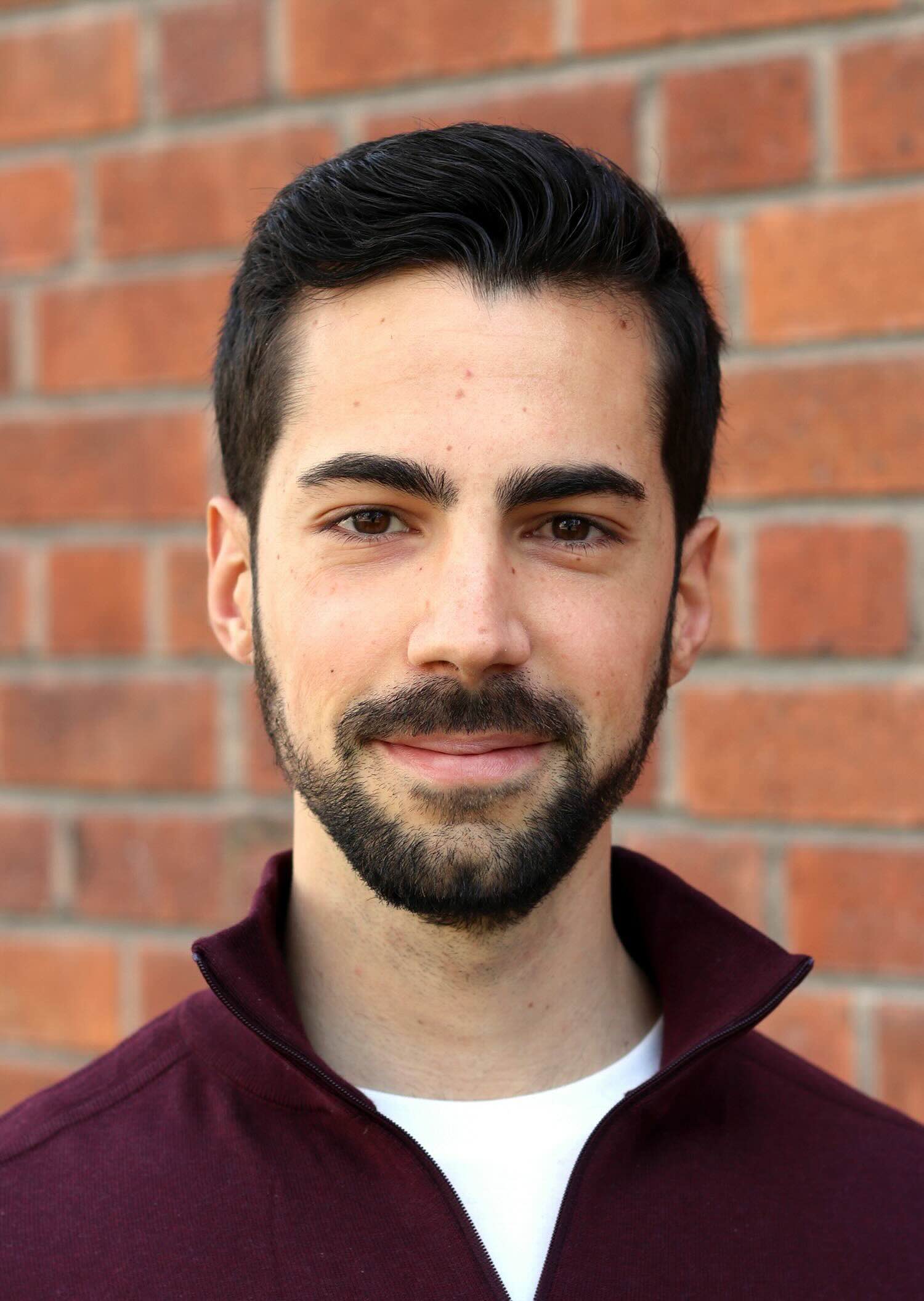
Swati Aggarwal is a Professor in Artificial Intelligence at the Faculty of Logistics, Molde University College (HiMolde). Her research focuses on AI applications in healthcare, ethics, cognitive development, and neural networks. She holds a PhD in Neutrosophic Neural Networks, a Master's in Information Technology, and a Bachelor's in Computer Science and Engineering. Previously, she was a Marie Curie Postdoc Fellow at NTNU, working on AI models for cognitive assessment in infants (AIM_COACH project). Research Interests - AI in Health/Medicine - Ethics in AI and Societal Impact - EEG/BCI for Cognitive Assessment - Machine Learning and Deep Learning Publications Her recent work spans AI ethics, BCI applications, adversarial attacks, and healthcare diagnostics. Notable contributions include EEG-based infant perceptual monitoring (2025) and malaria detection via EfficientNet (2023). She also explores cross-lingual adversarial robustness and blockchain in hospitality systems. Labs/Teams - ABC-AI: Applied, Basic, and Conscientious AI Group - Virtual Technologies and Learning Research Group
Norwegian University of Science And TechnologyNorway
Jan Helgerud is a Professor in the Department of Circulation and Medical Imaging at the Norwegian University of Science and Technology (NTNU), Faculty of Medicine and Health Sciences. His research focuses on exercise physiology, endurance training, and cardiovascular health, with particular emphasis on aerobic capacity, muscle strength, and their clinical applications in chronic diseases and rehabilitation. Research Interests: Exercise physiology and its impact on health and disease High-intensity interval training (HIIT) adaptations in athletes and clinical populations Cardiovascular and metabolic responses to exercise Strength training in patients with rheumatic diseases, Parkinson's disease, and spinal cord injuries Physiological determinants of endurance performance in sports like cycling and cross-country skiing Recent Article Trends: Recent work emphasizes the efficacy of high-intensity training protocols for improving aerobic capacity (VO2max) and functional outcomes in diverse populations, including elite athletes and patients with long-term conditions like long-COVID or rheumatic diseases. Studies also explore mechanisms of muscle adaptation, heat tolerance in occupational settings, and digital health tools for exercise assessment. Advising & Grants: Collaborations with colleagues on randomized controlled trials for strength and endurance interventions Focus on translational research linking physiological insights to clinical outcomes Labs/Teams: Active in NTNU's Department of Circulation and Medical Imaging, contributing to interdisciplinary projects in sports science and rehabilitation medicine.
Geir Selbæk is a Professor II at the University of Oslo in the Department of Geriatric Medicine . His research focuses on dementia , neurodegenerative diseases , and aging-related mental health , with extensive work on the HUNT study —a large Norwegian population-based cohort. He investigates risk factors like depression , loneliness , metabolic health , and social determinants to understand dementia progression. Key research areas: Dementia epidemiology, geriatric mental health, neurodegenerative disease, aging, cognitive impairment Recent publications analyze AI in diagnostics, genetic risk scores, social media's role in pandemic isolation, and metabolic markers Collaborations Selbæk collaborates with international teams across Alzheimer's & Dementia , Nature Genetics , PLOS ONE , and other high-impact journals. His work integrates epidemiological data , neuropsychological testing , and molecular biology to address dementia prevention and care.
Bettina Sandgathe Husebø is a Professor and Head of the Center for Geriatric and Nursing Home Medicine at the Department of Global Health and Community Medicine, Faculty of Medicine, University of Bergen (UiB). She also serves as Innovation Manager at IGS, UiB since 2019. Her extensive career spans clinical practice, research, and leadership roles in geriatric and palliative care. Dr. Husebø completed her medical education at the University of Bonn, Germany in 1988, followed by specialization in Anaesthesiology and Intensive Care in 1995. Her Norwegian qualifications include Medical Specialization in Palliative Medicine (2012) and Nursing Home Medicine (2014) from UiB, along with a PhD from the Faculty of Medicine Dentistry at UiB in 2008. She further enhanced her expertise with a Postgraduate Safety, Quality, Informatics and Leadership (SQIL) Program from Harvard University in 2021. Her research focuses on critical geriatric issues including pain assessment and management in dementia patients, behavioral disturbances in dementia, palliative care in nursing homes, and digital phenotyping applications for elderly care. She has pioneered work on the relationship between pain, agitation, and neuropsychiatric symptoms in dementia patients, particularly through the COSMOS trial and LIVE@Home.Path study. Her recent publications (2023-2025) demonstrate a strong emphasis on digital health solutions for dementia care, with particular focus on activity monitoring, pain assessment through technology, and community-based interventions for aging populations. Her work bridges clinical geriatrics, technology innovation, and patient-centered care models. Among her notable recognitions are the National Dementia Award by His Majesty King Harald of Norway (2022) and multiple awards for research excellence in pain management and palliative care. Her work has significantly influenced Norwegian healthcare policy regarding dementia care and end-of-life practices. As an educator, she lectures in English, German, and Norwegian on dementia, pain in dementia, innovation technologies for older adults, symptom management at end-of-life, systematic medication review, and advance care planning. She has received teaching awards including 'Teacher of the Year' from the Faculty of Medicine and Dentistry at UiB. Dr. Husebø leads the Center for Geriatric and Nursing Home Medicine (SEFAS) and has been instrumental in establishing Norway's first palliative care ward in a nursing home. Her research group focuses on translating evidence into practice to improve quality of life for elderly patients, particularly those with dementia.
Norwegian University of Science And TechnologyNorway
Bjørn Olav Åsvold, MD, PhD, is a Professor of Medicine (Epidemiology) and Center leader at the HUNT Centre for Molecular and Clinical Epidemiology (HUNT MCE), Department of Public Health and Nursing, Norwegian University of Science and Technology (NTNU). He also serves as a Consultant at the Department of Endocrinology, St. Olavs Hospital, Trondheim University Hospital. His research spans epidemiology, genetics, and clinical medicine. MD, Norwegian University of Science and Technology, 2001 PhD, Norwegian University of Science and Technology, 2008 Specialist in internal medicine, 2014 Specialist in endocrinology, 2015 Åsvold's research focuses on thyroid dysfunction and diabetes , investigating their interplay with cardiometabolic diseases and pregnancy complications . He utilizes Mendelian randomization studies to explore causal relationships between genetic factors and health outcomes, including sleep traits , autoimmune thyroid disease , and kidney function . His work also addresses global health issues like obesity in Nepal and diabetic complications in Norway. Recent publications highlight his contributions to understanding hip fracture risk prediction , cardiovascular implications of sleep patterns , and genetic determinants of trace elements . Åsvold's collaborations span multiple international institutions, including the HUNT Study and HUNT MCE in Norway.
Eva Gerdts is a Professor at the Clinical Institute 2, University of Bergen, and is affiliated with Haukeland University Hospital. She is a Member of the Norwegian Academy of Sciences and leads the Bergen Hypertension and Cardiac Dynamics Group. Her work is central to the Center for Research on Heart Disease in Women, established in 2020 with support from the Heart Foundation, Bergen Women's Health Association, and the Grieg Foundation. University: University of Bergen Affiliation: Clinical Institute 2 Research Group: Hypertension and Cardiac Dynamics Center: Center for Research on Heart Disease in Women Email: eva.gerdts@uib.no Her research focuses on heart disease in women , particularly as influenced by hypertension, aortic valve stenosis, obesity, and autoimmune diseases. She investigates sex-specific differences in cardiac strain, arterial stiffness, and myocardial remodeling. Her work emphasizes how male-based data cannot be extrapolated to women, advocating for gender-specific cardiovascular guidelines. Her recent publications span population studies like the Tromsø and Hordaland Health Surveys, clinical trials, and international collaborations. Key trends include sex differences in hypertension outcomes , cardiac effects of bariatric surgery , cryptogenic stroke in young adults , and inflammatory markers in autoimmune diseases . Her research integrates echocardiography, longitudinal data, and public health implications. Scientific recognition includes: Member of the Norwegian Academy of Sciences National Heart Association's Heart Research Prize 2022 She supervises multiple PhD and Master’s students, including Ester Kringeland, Sahrai Saeed, and Arleen Aune. She leads the PhD course NORHEART901 in Cardiovascular Imaging and teaches in medical education on hypertension, cardiac ultrasound, and women's heart health. Her research is supported by large-scale population studies and clinical collaborations, particularly through the NOR-SYS and SECRETO projects. She also organizes professional education on valvular disease and dyspnea. She leads or collaborates with several research teams: Bergen Hypertension and Cardiac Dynamics Group Center for Research on Heart Disease in Women NOR-SYS (Norwegian Stroke in the Young Study) SECRETO (Searching for Explanations for Cryptogenic Stroke in the Young) FATCOR Study (Fitness, Adiposity, and Cardiovascular Risk)
Heidi Johansen-Berg is Pro-Vice Chancellor (Strategic Initiatives) at the University of Oxford and Associate Head (Research and Innovation) in the Medical Sciences Division. She holds a Professorship in Cognitive Neuroscience and a Wellcome Principal Research Fellowship at the Nuffield Department of Clinical Neurosciences, where she leads the Plasticity Group at the Oxford Centre for Functional MRI of the Brain (FMRIB). Her research centers on neuroplasticity mechanisms in the sensorimotor system, with emphasis on white matter plasticity, activity-dependent myelination, and implications for stroke rehabilitation and age-related brain decline. She integrates multimodal neuroimaging with behavioral studies to investigate how the brain adapts to learning, experience, and damage, translating findings into therapeutic interventions for neurological conditions. Recent publications reveal strong thematic trends in sleep-motor interactions post-stroke, exercise-induced neuroprotection in aging and adolescence, and experience-dependent white matter remodeling. Her work demonstrates how physical activity modulates brain structure-function relationships across the lifespan, with direct applications for neurorehabilitation protocols. Scientific recognition includes: Fellow of the Royal Society (FRS) Fellow of the Academy of Medical Sciences (FMedSci) Wellcome Principal Research Fellowship Professor Johansen-Berg directs the WIN Plasticity Group and co-leads the WIN Neuroplastics Network and Oxford University Centre for Integrative Neuroimaging (OxCIN). Her research program drives translational initiatives in stroke recovery and brain health maintenance, with ongoing projects examining digital sleep therapies, myelin dynamics, and exercise neuroscience through large-scale clinical trials and advanced imaging methodologies.
Kristine Beate Walhovd is a Professor at the Department of Psychology , University of Oslo, and co-leader of the Center for Lifespan Changes in Brain and Cognition (LCBC) . She is affiliated with the UiO:Life Science initiative and has led major projects like Lifebrain (€2.5M) and Neurocognitive Plasticity (ERC Starting Grant, €1.5M). Current roles: Professor (since 2016), Co-leader of LCBC Key affiliations: University of Oslo, Lifebrain Consortium, UiO:Life Science Her research focuses on lifespan brain and cognitive changes , examining both positive/negative developmental trajectories from age 4 to 90. She studies interactions between biomedical risks (e.g., Alzheimer's, fetal drug exposure) and cognitive outcomes, employing MRI , DTI , and ERP methodologies. Recent publications highlight work on Alzheimer's biomarkers , sleep-brain interactions , memory consolidation , and fetal brain influences . Her 2025 papers in Scientific Reports and Neurobiology of Aging examine hippocampal stability and brain network segregation. Awards include: 2015 University of Oslo Research Prize (shared with Anders Fjell) 2011 Member, Norwegian Academy of Sciences and Letters 2006 His Majesty the King's Gold Medal for best doctoral thesis She supervises doctoral candidates and teaches cognitive neuroscience , experimental methods , and thesis writing .
Norwegian University of Science And TechnologyNorway
Anne-Sofie Helvik is a Professor at the Norwegian University of Science and Technology (NTNU) within the Department of Public Health and Nursing . Her research focuses on quality of life, coping mechanisms, aging, impairment, and disabilities, with a particular emphasis on older adults. Email: anne-sofie.helvik@ntnu.no Location: Øya Helsehus, 153.03.001, Øya, Håkon Jarls gate 11 Her work spans multiple domains: Health Promotion: Central to her research is improving health outcomes in older populations. Substance Misuse: Investigates alcohol and drug use among older adults and its impact on health. Mental Health: Studies depression, pain, and dementia in aging populations. Sensory Function: Explores olfactory and hearing impairments in older adults. Healthcare Systems: Evaluates treatment, care, and postoperative follow-up in both pediatric and geriatric contexts. Her methodological approach combines both quantitative and qualitative research , with a strong emphasis on longitudinal studies and population-based analyses. Currently, she supervises two doctoral students: Heidi Sivertsen – Researching depression among older community residents. Ingrid Torvik Heian – Investigating olfactory functioning. Her research unit, Allmennmedisinsk Forsknings Enhet (AFE) , focuses on aging and health in older adults, accessible via NTNU’s aging and health page.
Western Norway University of Applied SciencesNorway
Vegard Pihl Moen is an Associate Professor at the Department of Health and Functioning at Western Norway University of Applied Sciences (HVL), holding his position since 2018. He also serves as a leader at the Centre for Habilitation and Rehabilitation at Haukeland University Hospital. His academic background includes a Master's degree in Movement Science from NTNU and a PhD from the University of Bergen (UiB) in the Department of Global Health and Primary Care.
Norwegian University of Science And TechnologyNorway
Neil Martin Davies is a Researcher at the Department of Public Health and Nursing , Norwegian University of Science and Technology (NTNU) . His work bridges epidemiology, genetics, and public health, with a focus on causal inference, Mendelian randomization, and socioeconomic health disparities. His research explores the intersection of genetic epidemiology , developmental psychology , and clinical outcomes . Key themes include the impacts of antiseizure medications in pregnancy , cardiometabolic risks in psychiatric populations , and health policy implications of Mendelian randomization . Recent publications highlight methodological advancements in directed acyclic graphs (DAGs) , instrumental variable analysis , and family-based sampling . His work frequently addresses parental education effects , sleep patterns , and genetic correlations in large cohorts like UK Biobank. Neil Martin Davies contributes to scientific reporting standards , co-authoring the STROBE-MR guidelines for Mendelian randomization studies. His collaborations span neurology , mental health , and health economics , emphasizing causal relationships over correlational findings.
Dr. Espen Molden is an Adjunct Professor at the Department of Pharmacy, University of Oslo, holding a 20% position while serving as Research Manager at the Center for Psychopharmacology, Diakonhjemmet Hospital. He earned his Cand.pharm. degree from the University of Oslo in 1997 and completed his Dr.scient. there in 2003. His primary research focuses on individual variability in drug efficacy and side effects, with particular emphasis on implementing pharmacogenetic knowledge in clinical practice. His research interests span multiple areas of pharmacology, including: Pharmacokinetics and therapeutic drug monitoring Pharmacogenetics (particularly CYP2D6 and CYP2C19) Drug interactions and cytochrome P450 metabolism Clinical applications in psychopharmacology Analysis of his 15 most recent publications (2024-2025) reveals a strong focus on pharmacogenetics applications in clinical settings, particularly in psychopharmacology. His work heavily features therapeutic drug monitoring studies, CYP enzyme polymorphisms, and their clinical implications for antipsychotic and antidepressant treatments. A significant portion of his recent work examines clozapine metabolism, CYP2D6-related pharmacogenetics, and real-world data applications in personalized medicine. His scientific achievements include: Pharmacist of the Year award from the Norwegian Pharmaceutical Association (2006) Extensive publication record in high-impact journals including Nature Genetics, JAMA, and Clinical Pharmacology & Therapeutics Leadership in large collaborative research projects across multiple institutions Dr. Molden actively collaborates with numerous researchers including Professor Torgeir Bruun Wyller at Oslo University Hospital, Professor Anette Hylen Ranhoff at Diakonhjemmet Hospital, and international colleagues from institutions like Karolinska Institutet. His work bridges basic pharmacogenetic research with clinical implementation, particularly in psychiatric medication management.
Markus Hovd is a Senior Lecturer at the Section for Pharmacology and Pharmaceutical Biosciences within the Department of Pharmacy at the University of Oslo's Faculty of Mathematics and Natural Sciences. He also maintains an affiliation with the Neurosurgical Department. His work focuses on pharmacokinetic research with applications in clinical practice and personalized medicine. Philosophiae Doctor (PhD), Department of Pharmacy, University of Oslo, 2024 Master of Pharmacy, Department of Pharmacy, University of Oslo, 2019 Hovd's primary research interest centers on the mechanisms behind pharmacokinetic inter-individual variability and the development of models to aid in personalization of medicine. His research methodology includes population- and physiology-based pharmacokinetic models, in vitro-in vivo extrapolation, and clinical trials. His work spans multiple therapeutic areas including kidney transplantation, obesity-related pharmacokinetics, and cerebrospinal fluid dynamics. Analysis of Hovd's publications reveals a strong focus on pharmacokinetic applications in specialized patient populations, particularly kidney transplant recipients and patients who have undergone bariatric surgery. His research demonstrates expertise in population pharmacokinetic modeling, drug transport mechanisms, and the impact of physiological changes on drug disposition. A significant portion of his work addresses the challenges of drug dosing in complex clinical scenarios where standard pharmacokinetic assumptions may not apply. Hovd serves as a representative for temporary teaching staff on both the Teaching Committee and the Department Board at the Department of Pharmacy. His teaching portfolio includes courses in Pharmaceutical Biochemistry, Pharmacotherapy, Pharmaceutical Microbiology, Research Preparation in Biology, and Applied Pharmacokinetics and Dosing in Clinical Practice. Hovd is actively involved in multiple research groups including Pharmacokinetics, Kidney Transplant Medicine, and the KG Jebsen Center for Cerebrospinal Fluid Research, where he contributes his pharmacokinetic expertise to interdisciplinary neuroscience research.
Jon Andoni Duñabeitia is a Full Professor at the School of Languages and Education of Universidad Nebrija in Madrid. He serves as Director of the Centro de Investigación Nebrija en Cognición (CINC) and the International Chair in Cognitive Health . With an h-index of 43 (Scopus), he has published 170+ articles across psycholinguistics, multilingualism, cognitive training, and virtual reality applications in education. His research examines how language processing interacts with cognitive load, emotional modulation, and technological innovation. Principal Investigator for 8+ projects funded by Spanish Government, Basque Government, BBVA Foundation Associate Editor and Editorial Board Member of high-impact journals Recognized among Spain's top 3% scientists across all disciplines Recent publications span topics including: Second-language reading dynamics in VR environments Multilingual cognitive interactions in neurological conditions Emoji/typographic effects on word processing Computerized cognitive assessment and training systems He actively contributes to scientific meetings as invited speaker across Europe, Asia, and Americas. His work bridges basic research in psycholinguistics with applied technologies for cognitive health.
Alvaro Fernandez Quilez is an Associate Professor in Artificial Intelligence at the Department of Electrical Engineering and Computer Science, Faculty of Science and Technology, University of Stavanger. He leads the Stavanger AI Laboratory (SAIL), fostering interdisciplinary AI research with a focus on healthcare and education applications. Research Interests: His work centers on responsible AI, emphasizing ethics, fairness, transparency, and uncertainty in AI systems. He applies deep learning and machine learning techniques to medical imaging, particularly in prostate cancer and neurodegenerative diseases like Alzheimer’s and Parkinson’s. His research integrates algorithmic innovation with clinical relevance, addressing challenges in data scarcity, bias, and model interpretability. The recent publications highlight a strong trend in developing and evaluating AI models for diagnostic support in radiology and neurology. Key themes include uncertainty quantification, self-supervised learning, synthetic data generation via GANs, and fairness analysis across gender and centers. The work spans from foundational AI methods to their clinical translation in multi-center studies. Teaching and Academic Leadership: He coordinates the course DAT105 - AI for everyone and has contributed as a guest lecturer in bioinformatics, technological foundations, and PhD ethics, particularly on AI and ethics. He is also enrolled in a PhD supervisory qualification program, underscoring his growing role in graduate education. Advising and Grants: While specific students and grants are not listed in the text, his leadership of SAIL and active publication record suggest involvement in research supervision and project funding. His collaborations span multiple institutions and disciplines, indicating strong team-based research efforts. Laboratories and Teams: He leads the Stavanger AI Laboratory (SAIL), which serves as the central hub for AI research at the University of Stavanger, promoting collaboration across departments and with external partners in healthcare and technology.




.jpg)