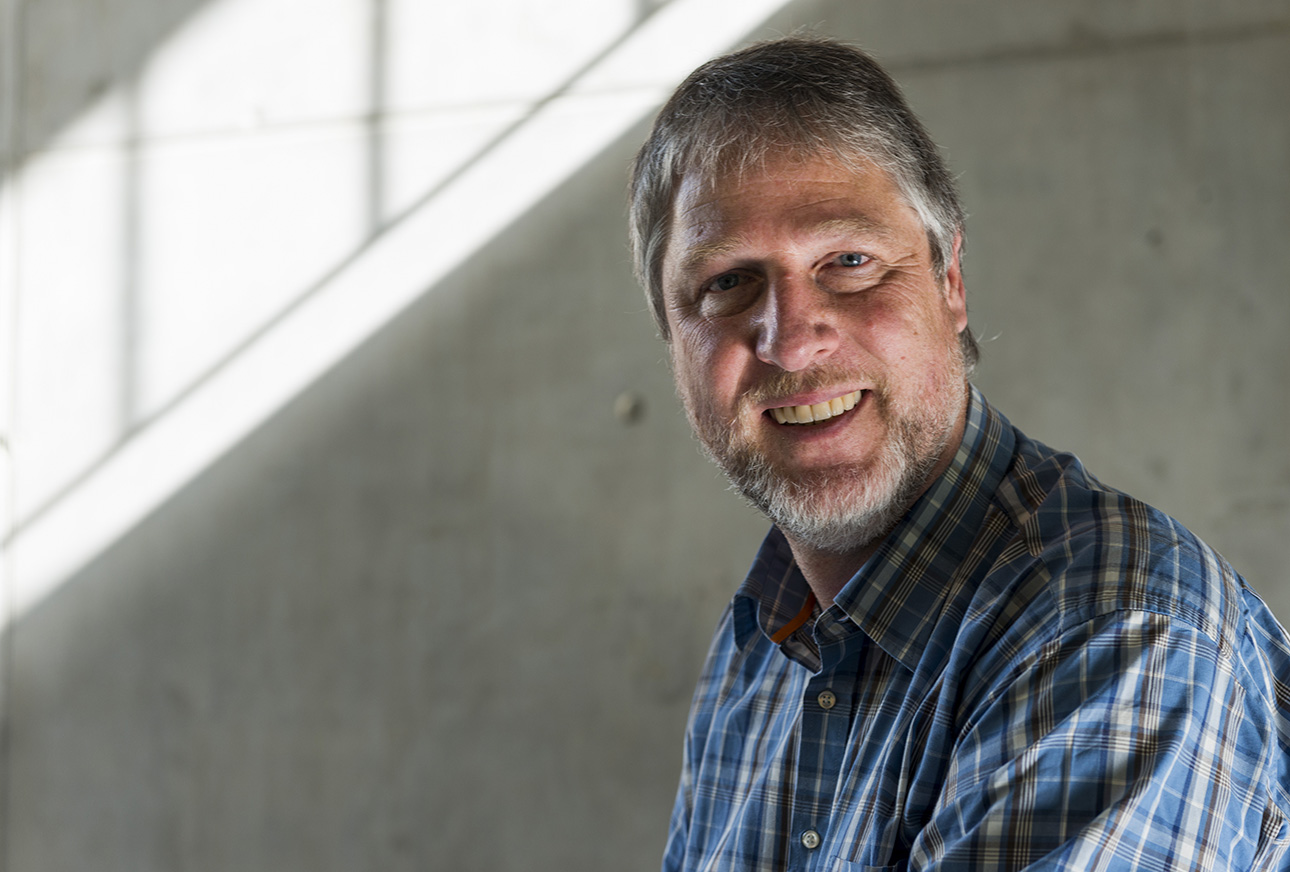
Professor Bernd Möbius is a leading academic in Phonetics and Phonology at the Department of Language Science and Technology, Saarland University. His research bridges phonetic theory with speech technology applications, focusing on text-to-speech systems, prosody modeling, and computational simulations of speech processes. Current research projects: DFG SFB 1102, C1: Information density and phonetic structure predictability DFG SFB 1102, C4: Slavic intercomprehension and surprisal theory (INCOMSLAV) Research Themes: Key areas include text-to-speech synthesis, speech prosody analysis, experimental methods in speech production/perception, information density in phonetics, and cross-linguistic studies of Slavic-Germanic languages. Scientific Contributions: Recent work explores Parkinson-induced dysarthria detection, breath noise acoustics, surprisal-driven speech behaviors, multilingual BERT models for idiomaticity, and perceptual consequences of acoustic adjustments.
Univ-Prof. Dr. med. Malek Bajbouj serves as Director of the Institute for Affective Neuroscience and Emotion Modulation at Charité – University Medicine Berlin's Campus Benjamin Franklin (CBF), operating within the Department of Neurology, Neurosurgery and Psychiatry (CC 15). His position integrates clinical leadership with translational neuroscience research focused on severe mental illnesses. Dr. Bajbouj's research program centers on affective neuroscience and emotion dysregulation mechanisms in psychiatric disorders, particularly schizophrenia spectrum conditions and depression. He pioneers multimodal intervention approaches combining neuromodulation (tDCS), oxytocin augmentation, mindfulness therapies, and digital health tools. His work emphasizes translational biomarker development using neuroimaging, machine learning, and physiological stress parameter analysis to personalize treatment for treatment-resistant populations. Analysis of his 2023-2025 publications reveals three dominant research trajectories: (1) novel treatment combinations for negative symptoms in schizophrenia (oxytocin + mindfulness, yoga therapy); (2) real-world implementation of neuromodulation (at-home tDCS protocols, technical efficacy monitoring); and (3) global mental health responses to crises (pandemic impacts on vulnerable groups, culturally adapted refugee interventions). His methodology consistently employs rigorous randomized controlled trials with embedded biomarker studies. As director of his eponymous institute, Dr. Bajbouj leads a multidisciplinary team conducting neuroimaging studies, clinical trials, and international collaborations focused on emotion modulation pathways. The institute coordinates research across CC 15's clinical infrastructure at CBF Building V, with particular emphasis on bridging laboratory neuroscience with clinical psychiatry through the DepressionDC and OXYMIND trial frameworks.
Helmholtz Association of German Research CentersGermany
Dr. Sabine Krabbe is a Group Leader at the German Center for Neurodegenerative Diseases (DZNE) in Bonn, Germany, where she leads research on neural circuit mechanisms underlying adaptive learning and state-dependent decision-making. Her work integrates neuroscience, molecular biology, and behavioral approaches to understand how internal states influence behavior and how these processes are disrupted in neurological disorders. Dr. Krabbe's research focuses on the interactions between midbrain circuits of the substantia nigra and ventral tegmental area with their output structures such as the striatum and amygdala. She investigates how these networks integrate internal states with environmental cues to produce appropriate behavioral responses. Her laboratory employs state-of-the-art techniques including deep-brain calcium imaging at single-cell resolution in mice, opto- and pharmacogenetic manipulations, anatomical tracings, and molecular approaches to characterize neural circuit elements in detail. Her recent publications reveal significant insights into amygdala interneuron plasticity during fear learning, brain-wide representational drift in memory consolidation, and the molecular mechanisms underlying Parkinson's disease progression. Her work demonstrates how activity patterns within specific neural circuits change in early stages of neurodegenerative diseases and how this dysfunction contributes to cognitive deficits and emotional disturbances. Dr. Krabbe is actively involved in the neuroscience community, organizing the BonnBrain Conference 2026 and sharing research through social media platforms. She has established herself as an emerging leader in the field of systems neuroscience with a particular focus on the neural basis of emotional states and decision-making processes.
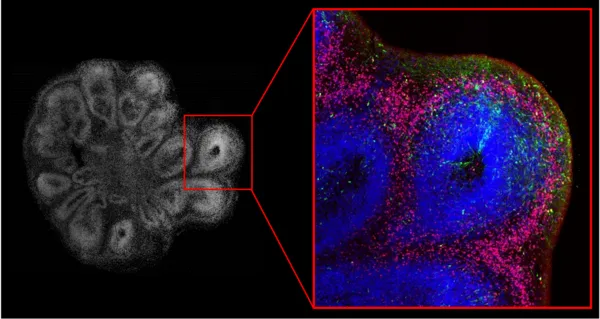
Prof. Dr. Simon Schäfer leads the Schäfer Lab at the Technische Universität München , focusing on engineering advanced organoid systems to study human brain development, disease modeling, and repair mechanisms. His work bridges stem cell biology, gene editing, and bioengineering to develop personalized therapies for brain disorders. Stem Cell & Organoid Technology Neurodevelopmental Mechanisms Neurodegenerative Disease Models Gene Editing & Neuroimmune Interactions Translational Neuroscience Recent research emphasizes brain organoid development, microglia phenotypes, and neurodevelopmental timing anomalies in autism. His team’s work also explores zika virus interactions with glioblastoma stem cells and neuronal plasticity in psychiatric disorders. Scientific awards and funding include support from the Deutsche Forschungsgemeinschaft (DFG), Brain & Behavior Research Foundation (BBRF), and Munich Cluster for Systems Neurology (SyNergy). Collaborations span institutions like the TUM Center for Organoid Systems. Advises 6 students (2 PhD, 1 MSc, 3 associated) Labs include Schäfer Lab, COS@TranslaTUM Contact: simon.schafer@tum.de
Anna Levina is an Assistant Professor for Computational Neuroscience at the University of Tübingen , affiliated with the Department of Computer Science under the Faculty of Science. Her research focuses on the self-organization of neuronal activity, critical dynamics in neural networks, and the excitation/inhibition balance in cortical circuits. Current positions: Assistant Professor (since 2018), Group Leader (2017-2018), Equality Officer (Computer Science) Previous roles: IST Fellow (2015-2017), Associated Researcher (2011-2015), Postdoc/PI (2011-2015), Postdoc (2008-2011) Her research integrates mathematical modeling , statistical physics , and computational neuroscience to study criticality phenomena, neural avalanches, and adaptive network dynamics. Key interests include: Self-organized criticality in neural systems Excitation/Inhibition balance mechanisms Network topology and dynamics Timescale analysis in neural processing Stochastic modeling of neural activity Recent publications reveal trends in understanding critical dynamics across biological and artificial networks, with applications to memory systems, sensorimotor integration, and disease modeling. She has received recognition as an IST Fellow .
Prof. Friederike Ebner holds the Chair of Infection Pathogenesis at the Technical University of Munich (TUM) since 2023, within the TUM School of Life Sciences. Her research focuses on the immunobiology of parasite infections, particularly studying gastrointestinal helminths like Ascaris suum and their interactions with host immune systems to design novel intervention strategies. She also develops biomedical models for studying infectious diseases. Educational Background: Friederike Ebner earned a biotechnology degree from TU Berlin and Dongseo University (South Korea). She completed her PhD in biology at Humboldt University Berlin (2014), followed by postdoctoral research in immunology at Freie Universität Berlin, where she became an assistant professor before moving to TUM. Research Interests: Her work spans helminth-host immune dynamics, vaccine development, microbiome interactions in parasitic infections, and translational models for human diseases. Key topics include Th2/Th1 immune balance, helminth-derived immunomodulators, and xenotransplantation safety. Notable Contributions: Her recent studies address diagnostic methods for ascariasis, microbiome roles in helminth survival, and immunotherapeutic applications of parasite products. Current efforts emphasize bridging fundamental immunology with clinical and veterinary applications. Professional Activities: Prof. Ebner teaches immunology and parasite biology at TUM while maintaining active collaborations in global health and infectious disease research. She advocates for interdisciplinary approaches to address knowledge gaps in parasitology and vaccinology.
Leibniz Institute for Research on Evolution and Biodiversity at the Humboldt University BerlinGermany
Dr. Peter Bartsch serves as curator of the fish collection and construction project officer at the Museum für Naturkunde (MfN), Leibniz Institute for Evolution and Biodiversity Science, which is affiliated with Humboldt University Berlin. With expertise in ichthyology, embryology, and comparative anatomy, Dr. Bartsch has been instrumental in the museum's collection management and building renovation projects since joining the institution as a research associate before becoming curator in 2000. Dr. Bartsch received his academic training in ichthyology, embryology, and comparative anatomy at the University of Cologne. His academic career includes positions as a research assistant at the University of Tübingen and a postdoctoral fellowship at the Natural History Museum in Stockholm before joining the Museum für Naturkunde. Dr. Bartsch's primary research focuses on the evolution and systematics of major groups of bony fishes (Osteichthyes), with particular emphasis on primitive ray-finned fish lineages. His work integrates morphological analysis of both fossil and extant species to understand evolutionary relationships. A significant portion of his research centers on the developmental biology of ancient fish groups, especially the Polypteridae (bichirs), examining embryonic development, skeletal formation, and sensory systems. More recently, his interests have expanded to include the logistics and optimal management of research collections, reflecting his administrative responsibilities at the museum. Analysis of Dr. Bartsch's recent publications reveals a consistent focus on fish morphology, evolution, and development, with particular attention to primitive actinopterygian lineages. His work spans both systematic taxonomy and functional morphology, with increasing attention to museum collection management challenges. The publications demonstrate expertise in comparative anatomy across diverse fish groups including chondrichthyans (sharks, rays, and chimaeras) and basal actinopterygians. Recent work shows integration of molecular phylogenetic approaches with traditional morphological analysis. Dr. Bartsch has held significant administrative roles at the Museum für Naturkunde, serving as head of the collections department from 2011 to 2013. He was responsible for the museum's construction program for the east wing reconstruction, completed in 2010, which created modern facilities for the storage and scientific processing of the museum's wet collections. Currently, he manages the second phase of the building's renovation that began in 2011 and participates in planning for the future development of the museum's facilities. The Museum für Naturkunde houses extensive ichthyological collections that form the basis for Dr. Bartsch's research. His work involves close collaboration with various research teams within the museum, particularly in the areas of molecular phylogenetics, collection preservation, and paleontological research. The museum's facilities include specialized laboratories for morphological analysis, molecular studies, and collection management that support his research activities.
Prof. Dr. Peter Falkai is a Professor and Chair at the Department of Psychiatry and Psychotherapy, LMU University of Munich. He leads regular members of the Munich Cluster for Neuroscience (MCN) and Graduate School of Neuroscience (GSN), with affiliations to the Medical Faculty and various research groups, including the Psychotherapy and Social Neuroscience Research Unit and Center for Neurostimulation (CNS LMU). Primary research focus: Molecular & Developmental Neuroscience Secondary research focus: Behavioral & Cognitive Neuroscience Tertiary research focus: Cellular & Systems Neuroscience His research explores the neurobiological origins of psychotic disorders like schizophrenia, utilizing functional imaging, gene expression analysis in human post-mortem tissue, and lifestyle interventions. He coordinates cross-diagnosis studies, including EU-FP7 PRONIA, and collaborates on neurostimulation, addiction medicine, and precision psychiatry. Prof. Falkai served as President of the German Society for Psychiatry, Psychotherapy and Neurology (DGPPN) from 2010–2012 and on the European Psychiatric Association (EPA) Council of National Societies. He oversees clinical operations, including private wards, outpatient clinics, and specialized units for autism, bipolar disorders, and addiction medicine.
University Medical Center Hamburg-EppendorfGermany
Stefan Kluge is a Professor at the Department of Intensive Care within the University Medical Center Hamburg-Eppendorf . With over 150 publications in 2025-2024 alone, his work focuses on critical care medicine, sepsis, ARDS, and cardiogenic shock. His recent research explores ARDS impact on liver cirrhosis outcomes Hyperoxia effects in traumatic brain injury Biomarkers for cardiogenic shock prognosis Novel retrograde limb perfusion techniques during ECPR Dual-energy CT for body composition analysis He contributes extensively to German national guidelines for nosocomial pneumonia and participates in multi-center critical care trials. Stefan Kluge's collaborations span neuro-intensive care , cardiovascular research , and infection/immunity domains. His work integrates machine learning applications and medical informatics to improve ICU decision-making.
Prof. Dr. Nadine Lehnen is a Research Group Leader at the Department of Psychosomatic Medicine , Faculty of Medicine, Technical University of Munich (TUM). Her work bridges computational neuroscience and psychosomatic disorders, focusing on the central nervous system (CNS) mechanisms underlying functional symptoms that lack organic explanations. Research Focus : Functional somatic disorders, sensorimotor processing, vestibular system dysfunction, and computational modeling of symptom pathogenesis. Key Collaborations : EURONET-SOMA Group, interdisciplinary teams in neuroscience and clinical psychology. Her recent studies explore sensorimotor dysregulation in irritable bowel syndrome, post-COVID symptoms, and functional dizziness, emphasizing transdiagnostic mechanisms. Publications highlight translational approaches combining computational and experimental methods to redefine understanding of persistent physical symptoms. She mentors students such as Dr. Lena Schröder and Dr. Dina von Werder, contributing to training in psychosomatic research. While no specific awards are listed, her work has been supported by institutional affiliations and collaborative grants.
University Medical Center Hamburg-EppendorfGermany
Byron Crape, PhD, MSPH, is an Associate Professor of Practice at the Nazarbayev University School of Medicine, Department of Biomedical Sciences. He has previously served as Assistant Professor of Practice at the same institution and has held academic positions at the American University of Armenia College of Health Sciences, Anton de Kom University School of Medicine in Suriname, and King Saud University College of Medicine. His extensive career spans global health roles with WHO, Johns Hopkins University, and the Maryland State Department of Health. Education: PhD in Infectious Disease Epidemiology, Johns Hopkins University (2006) MSPH in Biostatistics, Loma Linda University Health (1988) BS in Physics, University of Washington (1980) Research Interests: Dr. Crape's research focuses on Evidence-Based Medicine , Infectious Diseases , Chronic Diseases , Mental Health , and Environmental Health . He employs Population-Based Research Methodologies and Clinical Research approaches to address global health challenges, particularly in resource-limited settings. His work on Disaster Surveillance systems has been critical in managing public health emergencies. His recent publications demonstrate a strong focus on COVID-19 , neurological disorders , and environmental health impacts in Central Asia, especially Kazakhstan. The research spans from assessing the burden of Parkinson's disease to evaluating the neurotoxic effects of indoor air pollution from cooking. Scientific Awards: While specific awards are not detailed in the provided text, his significant contributions are evidenced by a substantial publication record and active research funding. Projects and Funding: Prerequisites for end-of-life care provision in Kazakhstan (2021-2025, PI) Effectiveness of preloaded combination nicotine replacement therapy on smoking cessation in Kazakhstan (2022-2024, Co-PI) Exposure to Cooking Ultrafine Particles and Neurodegenerative Diseases (2022-2024, Co-PI) Clinico-epidemiological assessment of COVID-19 infection in Kazakhstan (2021-2022, Co-Investigator) Longitudinal Tracking of COVID-19 seroprevalence in Kazakhstan (2021-2024, Co-Investigator) Laboratory and Team: Dr. Crape collaborates extensively with multidisciplinary teams across institutions, mentoring students and junior researchers. His projects involve partnerships with WHO, national ministries of health, and academic institutions worldwide, fostering a collaborative environment for global health research.
University Medical Center Hamburg-EppendorfGermany
Thomas Beikler serves as a Professor in the Department of Periodontology, Preventive Dentistry and Dental Conservation at the University Medical Center Hamburg-Eppendorf (UKE), which operates under the Faculty of Medicine. His academic credentials include dual doctoral degrees as indicated by his title 'Univ.Prof.Dr.Dr.' Dr. Beikler's research spans multiple dimensions of periodontal science and oral-systemic health connections. His work investigates the relationship between periodontal disease and various systemic conditions including hypophosphatasia, liver cirrhosis, depression, and neurological changes. He has made significant contributions to understanding oral health literacy, particularly among German adult populations with migration backgrounds through the MuMi Study. His research methodology frequently employs large population-based studies like the Hamburg City Health Study to establish epidemiological connections between oral and general health. His publication record demonstrates a strong interdisciplinary approach, bridging dentistry with neurology, hepatology, psychiatry, and public health. Notable research directions include microbiome-based therapies for periodontitis, the role of biomarkers in oral health assessment, and the development of innovative dental education models in Germany. Dr. Beikler has led significant research projects including the 'Transplantation of a healthy oral donor microbiome for periodontal therapy' (2016-2019), which explored cutting-edge approaches to treating periodontal disease. He has also contributed to dental education reform through the iMED DENT program, Germany's first model dental study program.
University Medical Center Hamburg-EppendorfGermany
Prof. Dr. med. Franz Lennard Ricklefs is a Senior Physician and Head of the Working Group at the Department of Neurosurgery, University of Hamburg Faculty of Medicine. He is a Medical Specialist in Neurosurgery with cross-disciplinary expertise in neuro-oncology, molecular pathology, and extracellular vesicle research. Affiliations: University Medical Center Hamburg-Eppendorf (UKE), European Liquid Biopsy Society (ELBS), International Consortium on Meningiomas (ICOM) Research Interests: His work focuses on neurosurgical oncology, particularly glioblastoma and meningioma pathobiology. He investigates DNA methylation patterns, extracellular vesicle biomarkers, and liquid biopsy implementation in clinical neuro-oncology. Additional interests include surgical outcomes for epilepsy and aneurysm management. Article Trends: Over the last decade, Dr. Ricklefs has published extensively on: Extracellular vesicle applications as liquid biopsy markers DNA methylation subclasses for glioblastoma and meningioma Multicenter surgical outcome benchmarking Immune evasion mechanisms in neuro-oncology Technological innovations in neurosurgical visualization Molecular characterization of rare CNS tumors Professional Contributions: He co-authored the MISEV2023 guidelines for extracellular vesicle studies and participates in international consensus reviews for meningioma classification. His collaborations span institutions across Europe and North America.
Axel Haase is a Carl von Linde Senior Fellow at the Technical University of Munich (TUM) and Director of the Institute of Medical Engineering (IMETUM). He holds a professorship in Experimental Physics (Biophysics) at the University of Würzburg. His research focuses on magnetic resonance imaging (MRI), including co-inventing the FLASH MRI technique and advancing biomedical applications like cardiac and neurological studies. He previously served as President of the University of Würzburg (2003–2009) and President of the European Society of Magnetic Resonance in Biology and Medicine (ESMRMB). Education: Diploma in Physics (1977), PhD (1980) from University of Giessen, Habilitation in Biophysical Chemistry (University of Frankfurt). Leadership Roles: Max Planck Institute of Biophysical Chemistry (1978–1989), Postdoc at University of Oxford (1982). Research Interests: MRI技术创新,包括快速成像技术、医学成像应用、生物医学工程。His work has led to patents and significant advancements in MRI methodologies. Awards: 包括Bavarian Academy of Sciences Fellow (2001)、ISMRM金质奖章 (1991)、DFG Heisenberg Fellowship (1987)等。 Labs & Teams: Director of IMETUM at TUM, leading interdisciplinary research in medical engineering and imaging technologies.
Professor Moritz Rossner serves as Head of the Department of Molecular and Behavioral Neurobiology at the Department of Psychiatry and Psychotherapy, Faculty of Medicine, Ludwig-Maximilians-Universität München (LMU). His research integrates molecular and behavioral approaches to understand the neurobiological underpinnings of psychiatric disorders, particularly schizophrenia and bipolar disorder. Rossner's research interests focus on molecular neurobiology and behavioral analysis using mouse models. His laboratory employs advanced techniques including mouse genetics , behavioral phenotyping , biosensors , next-generation sequencing , and transcriptomics to investigate psychiatric risk genes and pathways. His work bridges cellular and molecular mechanisms with behavioral outcomes, particularly in schizophrenia and bipolar disorder research. Analysis of Rossner's 15 most recent publications (2025) reveals a strong focus on precision psychiatry , neuroimaging biomarkers , and genetic mechanisms underlying psychiatric disorders. His research increasingly incorporates multimodal approaches combining neuroimaging, genomics, and clinical phenotyping to develop biologically informed diagnostic and treatment frameworks. Key themes include blood-brain barrier dysfunction in schizophrenia, inflammatory contributions to symptom severity, and pathway-specific polygenic scores for treatment prediction. Rossner leads the Molecular & Behavioural Neurobiology working group at LMU's Department of Psychiatry and Psychotherapy, which includes specialized units like the Mouse Behavioral Unit. His research program appears well-funded through multiple collaborative projects focused on understanding the molecular basis of psychiatric disorders and developing novel therapeutic approaches.