Professor James St John is a translational neuroscientist and HTH Dean (Research) at Griffith University, leading the Clem Jones Centre for Neurobiology and Stem Cell Research. His work focuses on developing cell-based therapies for spinal cord injury, leveraging olfactory glial cells and three-dimensional nerve bridges. He holds a PhD in Agricultural Science from the University of Melbourne and has secured over $35 million in research funding. Affiliations: Institute for Biomedicine and Glycomics, Griffith University Roles: Professor, Head of Clem Jones Centre, HTH Dean (Research) Research interests include spinal cord injury repair, peripheral nerve regeneration, microbial contributions to neurodegeneration, and olfactory system biology. His team is advancing a Phase I/IIA clinical trial for spinal cord injury therapy using autologous olfactory cell transplantation combined with rehabilitation. Key grants include Perry Cross Spinal Research Foundation funding ($5M+), NHMRC/MRFF support, and philanthropic donations from the Clem Jones Foundation. Supervised over 30 doctoral and master’s students in neural repair research. Labs/Teams: Clem Jones Centre for Neurobiology and Stem Cell Research, collaborating with Making Strides Rehabilitation for clinical trial readiness.
Poul Henning Jensen is a full Professor at Aarhus University , affiliated with both the Department of Biomedicine (Skou-building) and the Department of Molecular Biology and Genetics (Neurobiology section). Research Interests : Neurobiology of synucleinopathies Molecular mechanisms in Parkinson's disease Protein aggregation and propagation Calcium signaling in neurodegeneration Neuroinflammatory responses Scientific Activities : His work focuses on α-synuclein biology, covering structural analysis, aggregation pathways, and their pathological consequences. Recent studies include novel detection methods for early α-synuclein pathology mechanisms of neurotoxicity sex-specific neuroprotective factors and protein interaction networks in disease models . Scientific Awards : Recipient of at least one significant research prize Collaborations : Works with international teams on clinical trials targeting α-synuclein and coordinates multiple studies on neurodegenerative disease mechanisms.
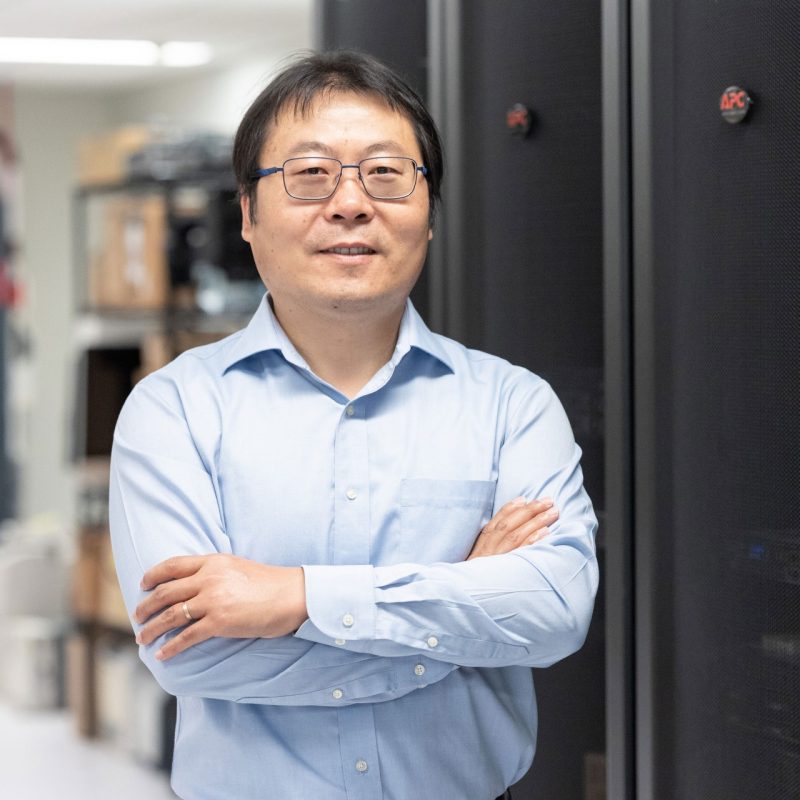
Guoqiang Yu is a Professor in the Bradley Department of Electrical and Computer Engineering at Virginia Tech. He holds a joint appointment at the Virginia Tech Research Center - Arlington. His research focuses on integrating machine learning, signal processing, and statistical methods to develop computational tools for analyzing multiplatform biomedical data. Key areas include neuroinformatics, bioinformatics, and systems biology, with applications in understanding human diseases through genomic, proteomic, and imaging data integration. Education: Ph.D. in Electrical Engineering, Virginia Tech (2011) Postdoctoral Fellowship at Stanford University (2012) M.S. Tsinghua University (2004) B.S. Shandong University (2001) Research Interests: Machine learning methodologies for biomedical data analysis, pattern recognition in complex datasets, optimization algorithms for high-dimensional data, stochastic signal processing, and their applications in neurodegenerative diseases (e.g., ALS, Alzheimer's), glial cell biology, and precision medicine. His work emphasizes developing open-source tools like ABDS, CAM3.0, and SynQuant for data normalization, deconvolution, and quantitative imaging analysis. Awards & Service: NSF Career Award (2018) Dean's Award for Excellence in Research (2022) Member of NIH BRAIN Initiative Consortium (2021–present) Associate Editor for BMC Bioinformatics (2017–present) Labs & Teams: Leads the Yu Lab at Virginia Tech, collaborating with multidisciplinary teams in neuroscience, bioengineering, and computational biology. Active in NIH-funded consortia focused on brain data science and large-scale neuroimaging initiatives.
Patrick R. Sweeney is an Assistant Professor of Molecular & Integrative Physiology at the University of Illinois Urbana-Champaign, affiliated with the College of Liberal Arts & Sciences. His research focuses on neural circuit mechanisms linking energy homeostasis, emotion, and reproduction, particularly through the central melanocortin system. He holds a B.A. from the University of Rochester (2012), a Ph.D. from SUNY Upstate Medical University (2017), and completed postdoctoral training at the University of Michigan (2017–2021). His lab employs optogenetics, calcium imaging, and molecular genetics to study how melanocortin receptors (MC3R/MC4R) regulate feeding, anxiety, and metabolic disorders like anorexia nervosa and obesity. Research Interests: Endocrinology, metabolic regulation, neurobiology, neural circuitry, optogenetics, and reproductive biology. His lab investigates how POMC/AgRP neurons communicate metabolic signals to secondary brain regions, with a focus on how dysfunction in these circuits contributes to metabolic and psychiatric disorders. Recent Work: Recent studies explore MC3R signaling in energy rheostasis, stress-feeding interactions, and lactation-associated hyperphagia. His work has implications for developing therapies targeting melanocortin pathways in obesity and anorexia. Key Techniques: Inscopix miniscope imaging, optogenetics, light-sheet imaging, single-cell RNA sequencing. Labs/Teams: Sweeney Lab focuses on interdisciplinary approaches to neural circuitry and metabolic disorders.
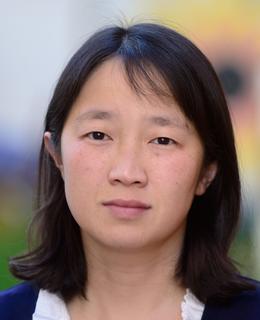
Yuki Ogawa is an Assistant Professor in the Department of Biological Sciences at the University of South Carolina , affiliated with the College of Arts and Sciences . Her research focuses on the molecular mechanisms governing neuronal structure and connectivity, particularly the role of the axon initial segment (AIS) in synaptic formation and neuropsychiatric disorders like autism spectrum disorders . Her lab employs proteomics , adeno-associated viral vectors , and CRISPR genome editing to study AIS development and synapse maintenance. They also prioritize biochemical tool development to address unresolved neuroscience questions. Key collaborators include Matthew Rasband and Elisa V. de Freitas . Recent publications explore K2P K+ channel clustering , TRIM46 function , and localized gene transfer methods . The lab's work intersects neurobiology , cellular dynamics , and neuroengineered therapies , with implications for neuropsychiatric disease mechanisms. For inquiries, contact her at yuki.ogawa@sc.edu or visit the Ogawa Lab Website .
Alexandros Poulopoulos, PhD, serves as Associate Professor in the Department of Pharmacology & Physiology at the University of Maryland School of Medicine. His research integrates synthetic biology with developmental neuroscience to pioneer molecular therapeutics for neurogenetic disorders through advanced CRISPR-based genome editing technologies. Education: BSc in Biology, University of Athens, Greece (2003) PhD in Neuroscience, University of Göttingen, Germany (2008) Postdoctoral Fellow, Max Planck Institute for Experimental Medicine (2009) Postdoctoral Fellow (EMBO fellow), Massachusetts General Hospital (2012) Postdoctoral Fellow (HFSP fellow) and Research Associate, Harvard University (2016) Dr. Poulopoulos' research focuses on cortical development, synaptogenesis, and neurogenetic disease mechanisms. His lab develops precision CRISPR agents like Cas9-RC for in vivo somatic genome editing, targeting conditions including epilepsy, autism, schizophrenia, and neurodegeneration. Key investigations explore mTOR signaling pathways, cell adhesion molecules (particularly Neuroligin), and CRISPR delivery systems using in utero electroporation. His work bridges fundamental synaptic biology with therapeutic applications for brain disorders. Analysis of recent publications (2023-2025) reveals three dominant research trajectories: 1) Advancement of prime editing technologies for modeling rare epilepsies (particularly GRIN2A-related disorders), 2) Elucidation of synaptic organization mechanisms through phosphorylation-dependent neuroligin localization and axon guidance principles, and 3) Development of novel delivery platforms including focused ultrasound-mediated blood-brain barrier penetration and nanoparticle systems. These efforts demonstrate a clear progression from basic synaptic biology toward clinically translatable genome editing therapies. Scientific Awards: NIH TARGETED Challenge, phase II winner (2025) Society for Neuroscience Greater Baltimore Chapter President (2024) GPILS Teacher of the Year Award, University of Maryland (2020) NIH Director's New Innovator Award (2019) Harvard Distinction in Teaching Award (2015) Human Frontier Science Program Fellowship (2012) EMBO Fellowship (2010) Max Planck Society Otto Hahn Medal (2009) Dr. Poulopoulos leads the Poulopoulos Lab (poulab.org), which operates within the University of Maryland's Center for Innovative Medicine. His team comprises postdoctoral fellows, graduate students, and research technicians focused on CRISPR agent development and neurogenetic disease modeling. Current funding includes NIH New Innovator Award support for precision genome editing platforms and recent success in the NIH TARGETED Challenge for rare epilepsy therapeutics. He actively mentors PhD candidates through the Graduate Program in Life Sciences (GPILS) and serves as course director for advanced neuroscience modules. The lab employs cutting-edge approaches including single-cell transcriptomics of neuronal compartments, in utero prime editing, and light-sheet imaging of developing cerebellar circuits. Collaborations with clinical neurologists at UMMC and industry partners accelerate translation of their CRISPR-Cas9-RC system toward correcting genomic lesions in neurodevelopmental disorders, with particular emphasis on patient-specific epilepsy models.
Ning Cheng is an Assistant Professor (Teaching & Research) at the University of Calgary's Faculty of Veterinary Medicine, with affiliations to the Alberta Children's Hospital Research Institute (ACHRI) and Hotchkiss Brain Institute (HBI). Their research focuses on neurodevelopmental disorders, particularly autism and Fragile X Syndrome, using rodent models to investigate mechanisms and develop experimental therapeutics. PhD in neuroscience from Johns Hopkins School of Medicine Postdoctoral work on neurological disorders at NIH Research spans molecular mechanisms, neural circuitry, and translational approaches to address social, communication, and behavioral challenges in autism spectrum disorders. The lab utilizes in vivo recording/modulation of brain activity, biochemical analyses, and multidisciplinary collaborations. Recent publications highlight expertise in EEG biomarker discovery, auditory processing abnormalities, ketogenic diet interventions, and ERK pathway modulation in mouse models of neurodevelopmental conditions. Key technologies developed include wireless cortical hemodynamic monitoring systems (TinyIOMS) and open-source electrophysiology tools (OSERR). As part of ACHRI's Precision Medicine & Disease Mechanisms program and HBI's Neurodevelopment/SCNIP strategic initiatives, Cheng contributes to university-wide efforts in Brain and Mental Health (2015-2021) and Child Health and Wellness (2020-2025).
Prof Gareth Brian Miles is a Professor of Neuroscience at the University of St Andrews, affiliated with the School of Psychology and Neuroscience. His research focuses on understanding the neural control of movement, particularly motor systems of the brainstem and spinal cord, with applications to neurodegenerative diseases like Motor Neuron Disease (MND). His lab studies ion channels, neuronal networks, and synaptic physiology in both healthy and diseased states. Research Interests: His work spans from molecular mechanisms to network dynamics, emphasizing the role of astrocytes, cholinergic pathways, and synaptic dysfunction in motor disorders. Key areas include ALS, dystonia, and the modulation of spinal circuits by glial-derived signaling molecules like adenosine. Selected Achievements: Miles has received the 7th International Paulo Gontijo Award in Medicine (2015) and a teaching award for dissertation supervision (2010). His lab has pioneered techniques like super-resolution microscopy and biointegrated microlasers for studying neural networks and contractility in live tissues. Lab & Collaborations: The lab collaborates on projects involving human iPSC-derived models of ALS, spinal cholinergic interneurons, and optogenetic tools. Current PhD students include Jui-Yi Chen, Alyssa Corbett, Ahmad Jibai, and Struan Nisbet. Miles directs the Institute of Behavioural and Neural Sciences and holds roles in interdisciplinary research centers.
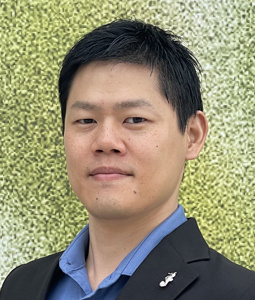
Jin Mo Chung is a Professor and Chair at the University of Texas Medical Branch (UTMB), holding the Cecil H. and Ida M. Green Distinguished University Endowed Chair in Neuroscience and Cell Biology. His work focuses on chronic pain mechanisms, particularly neuropathic pain, where he developed the foundational 'spinal nerve ligation (SNL) Chung Model' for testing analgesics. With over 160 peer-reviewed publications and 23,000 citations, his research has been NIH-funded for 35 years, including multiple R01 and Program Project Grants. Education: BS in Physics, Sogang University PhD in Physiology, Loyola-Stritch School of Medicine Post-Doctoral in Neurophysiology, Loyola-Stritch Post-Doctoral in Somatosensory Neurophysiology, UTMB Chung's research spans synaptic plasticity in pain pathways, reactive oxygen species (ROS) in chronic pain, and treatment strategies for conditions like spinal cord injury, diabetic neuropathy, HIV infection, and chemotherapy-induced pain. He has pioneered animal models for pain research and explored interventions like spinal cord stimulation, antioxidant therapy, and electroacupuncture. The 15 most recent articles reflect a focus on pain neurobiology, ROS signaling, neuroinflammation, and neuromodulation techniques. Key subfields include FGF13 in diabetic neuropathy, Wnt5a signaling in HIV-related pain, opioid-induced hyperalgesia, circadian regulation of chemotherapy pain, and neuron-type-specific spinal cord stimulation. Scientific Contributions: Developed the 'Chung Model' of spinal nerve ligation Over 160 peer-reviewed publications NIH R01 and Program Project Grants (35 years) Co-editor of Encyclopedia of Pain Chung has mentored 30 postdoctoral fellows and 22 visiting scientists. He co-founded the Association of Korean Neuroscientists and led the Gulf Coast Consortium and Texas Pain Research Consortium. His work connects basic science to clinical applications, with global impacts on analgesic drug development.
A. Denise R. Garcia, PhD is an Associate Professor in the Department of Neurobiology & Anatomy at Drexel University College of Medicine. Her research focuses on astrocyte biology and their roles in neural circuit assembly during brain development, particularly through Sonic Hedgehog signaling pathways. PhD in Neurobiology, University of California, Los Angeles BS in Biology with Neuroscience specialization, University of California, Irvine Research Interests: Neurodevelopmental processes Astrocyte-neuron interactions Sonic Hedgehog signaling in glia Astrocyte heterogeneity and functional diversity Synaptic organization and repair Publication Trends: Analysis of her 15 most recent articles reveals consistent focus on astrocyte biology, Sonic Hedgehog signaling, and neural circuit development. Work spans molecular neuroscience, developmental biology, and neurotrauma repair mechanisms, with a strong emphasis on mouse genetics and advanced imaging techniques.
Dr. Hye Yoon Park is an Associate Professor in the Department of Electrical and Computer Engineering at the University of Minnesota. Her research focuses on developing advanced biomedical technologies for studying RNA regulation at the single-molecule and single-cell levels in living tissues and organisms. Research Interests Real-time imaging of gene expression dynamics Activity-dependent transcription in neural networks RNA localization and transport mechanisms Development of fluorescent RNA labeling systems Key Techniques Live-cell and in vivo imaging Genetic engineering of mouse models Quantitative single-molecule analysis Computational modeling of RNA transport Her recent publications highlight interdisciplinary approaches combining RNA biology, neuroscience, and nanotechnology, with particular emphasis on Arc and β-actin mRNA dynamics in neurons, optogenetic control of RNA condensation, and novel diagnostic tools like nanoparticle-enhanced QuIC assays for Parkinson's disease. She actively seeks graduate students for research and has developed specialized software such as HybTrack for particle tracking analysis.
Irmgard Tegeder is a Professor of Clinical Pharmacology at Johann Wolfgang Goethe-University Frankfurt, affiliated with the pharmazentrum frankfurt/ZAFES research center. Her work bridges molecular neuroscience and pharmacology. Focuses on molecular mechanisms of pain Develops novel analgesic targets Integrates human and rodent experimental models Research spans: Neuroimmune interactions in neuropathic pain Tetrahydrobiopterin regulation of pain hypersensitivity IKKbeta signaling in primary afferent neurons Synaptic vesicle proteins in glutamatergic pain pathways Granulins in nerve regeneration Publications since 2019 demonstrate expertise in lipid mediators and neuroglial communication across pain, neurodegeneration, and psychiatric disorders.
Tomas Deierborg is a Professor and Research Team Manager at Neuroinflammation , Lund University . He serves as Principal Investigator for MultiPark: Multidisciplinary research focused on Parkinson's disease and Head of Department at the Department of Experimental Medical Science . Additionally, he is a Profile Area Member in Proactive Ageing and Affiliated Researcher at Infect@LU . His research focuses on neuroinflammation , Alzheimer's disease , Parkinson's disease , and microglial function . Specific interests include protein aggregate transmission , galectin-3 mechanisms , gut-brain axis , and neuroimmune regulation . He explores amyloid-beta pathology , neuronal death pathways , and microglial polarization in neurodegenerative contexts. Recent publications analyze CSF biomarker changes in Alzheimer's models, microglial extracellular vesicles in neuroinflammation, and galectin-3's role in pro-tumoral microglia . His work also addresses prion-like transmission of protein aggregates and immune modulatory therapies for neurodegenerative diseases. Currently leading projects include "Denominating genetic and immunogenic factors of consequential microglia phenotype in AD" , "Microglial Galectin-3 in Alzheimer's" , and "Gut-brain axis in Alzheimer's disease" . These projects receive funding from organizations like Alzheimerfonden and Swedish Research Council . He collaborates internationally on neurodegenerative research , with affiliations to MultiPark and Infect@LU . Recent activities include research supervision workshops and translational studies connecting neuroimmunology to UN Sustainable Development Goals related to health and well-being.
Thomas Fisher is a Professor and Department Head of Anatomy, Physiology and Pharmacology at the University of Saskatchewan. With a research focus on neuroendocrine physiology, he investigates osmotic regulation of ion channels, Ca 2+ channel targeting in neurosecretion, and gliotransmitter mechanisms. His work bridges molecular neuroscience and systems physiology. Academic Affiliation: University of Saskatchewan Research Themes: Neuroendocrine Ion Channels, Osmoregulation, Glia-Neuron Interactions Research Trends across his publications highlight: Evolution of Ca 2+ and K + channel studies in hypothalamic neurons Integration of molecular force spectroscopy and live-cell imaging Translational focus on water balance and vasopressin secretion Methodological contributions to immunocytochemical channel visualization Grants & Collaborations include NSERC, CIHR, and Heart & Stroke Foundation funding (2005-2014). His lab trained numerous students and pioneered techniques for studying channel dynamics in neuroendocrine systems.
Dr. Mriganka Sur is the Newton Professor of Neuroscience and Director of the Simons Center for the Social Brain at MIT. He previously served as head of the MIT Department of Brain and Cognitive Sciences for 15 years. His research focuses on the organization, plasticity, and dynamics of the cerebral cortex, employing experimental and theoretical approaches. Key areas include synaptic plasticity mechanisms, cortical circuit development, and neurodevelopmental disorders like Rett syndrome. His lab pioneered imaging techniques to study intact brain circuits and identified gene networks underlying cortical plasticity. Education: B.Tech. in Electrical Engineering from the Indian Institute of Technology, Kanpur (1978), and PhD in Electrical Engineering from Vanderbilt University (1983). Research interests span cortical circuit dynamics, neuromodulation (e.g., noradrenaline signaling), astrocyte-neuron interactions, and translational strategies for neurodevelopmental disorders. Recent work includes discoveries on astrocyte roles in synaptic refinement and the therapeutic potential of IGF-1 for Rett syndrome. Major awards include the Krieg Cortical Discoverer Prize, Royal Society Fellowship, and multiple NIH grants. He has mentored over 80 doctoral students and postdoctoral fellows, recognized for teaching and mentoring excellence. His lab is funded by NIH BRAIN Initiative, Simons Foundation, and other institutions. Labs/Teams: Sur Lab (MIT) focuses on cortical circuits and Rett syndrome mechanisms. He directs the Simons Center for the Social Brain, advancing social neuroscience research.