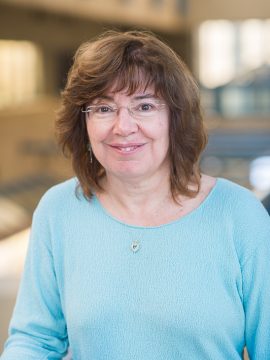
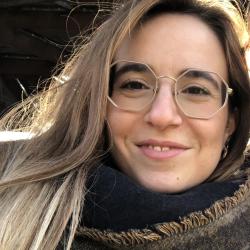
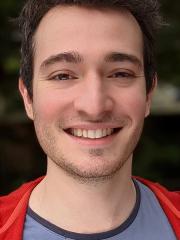
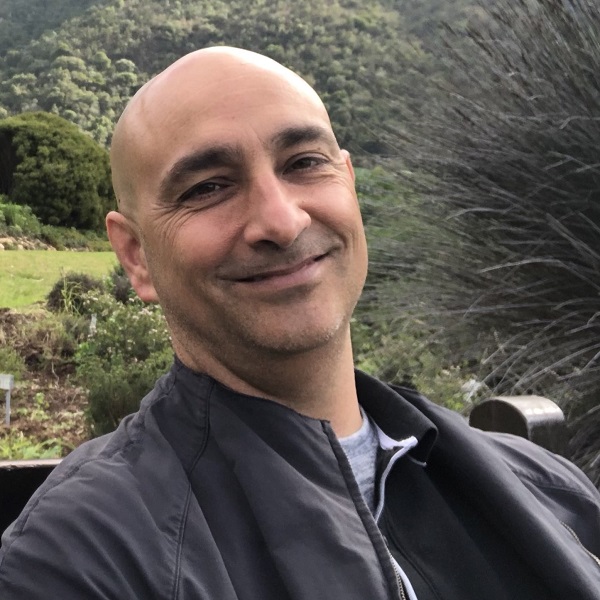
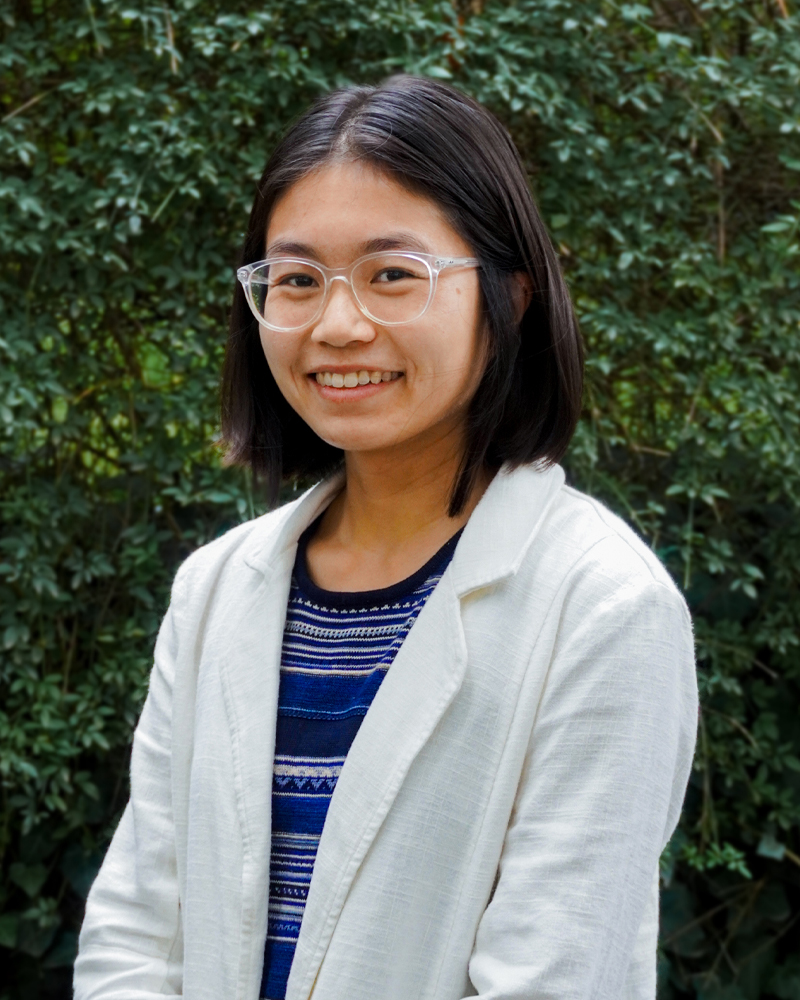
Dr. Jingni He is a Research Fellow in the Department of Neuroscience at Monash University's School of Translational Medicine. She holds a PhD in Bioinformatics from the University of Calgary (2023) and a Master of Medicine from Xiangya Hospital, Central South University (2017), along with a Bachelor of Medicine from Central South University (2014). Her work bridges computational biology, genomics, and translational medicine, focusing on developing statistical tools for multi-omics data integration, biomarker discovery, and machine learning applications in precision medicine. Education: PhD in Bioinformatics, University of Calgary (2018–2023) Master of Medicine in Internal Medicine, Xiangya Hospital, Central South University (2014–2017) Bachelor of Medicine, Central South University (2009–2014) Research Interests: Dr. He's research emphasizes advanced computational methods for multi-omics data integration, including transcriptome-wide association studies (TWAS), genome-wide association studies (GWAS), and machine learning for disease mechanism exploration. Key areas include identifying genetic loci linked to complex diseases, drug responses, and disease progression mechanisms in cohorts with deep phenotyping. She also collaborates on clinical translation to bridge research and patient care. Labs/Teams: While no specific lab name is mentioned, her affiliation with the Department of Neuroscience at Monash University indicates involvement in collaborative translational medicine initiatives. She actively mentors students in bioinformatics, statistical modeling, and high-performance computing applications in genomics.
Sam Griffiths-Jones is a Professor of Computational Biology at the University of Manchester, affiliated with the Division of Evolution, Infection and Genomics within the Faculty of Life Sciences and Faculty of Biology, Medicine and Health. His research focuses on non-coding RNA (ncRNA) structure, function, and evolution, leveraging computational methods and databases such as Rfam and miRBase. He holds a PhD in Chemistry from the University of Nottingham (2000) and has held academic positions since 2007, including roles at the Wellcome Trust Sanger Institute. Research interests include ncRNA gene identification, microRNA regulation, and comparative genomics. Key contributions include curating miRBase and expanding Rfam to include viral and metagenomic families. His work bridges computational tools and biological insights, addressing questions about RNA diversity and evolutionary mechanisms. Education: BSc (Biochemistry) and PhD (Chemistry) from the University of Nottingham Labs/Teams: Leads a group focused on RNA computational biology and collaborates with global teams on Rfam/miRBase development Grants/Impacts: Impacts include tool development for microRNA research and pharmaceutical applications Teaching roles include Academic Admissions Officer for biosciences programs and courses in bioinformatics and genomics. Recent publications (2020-2025) highlight advancements in RNA sequencing, database resources, and functional studies in diverse organisms.
Dr. Catharine Rankin is a Professor of Psychology at the University of British Columbia, affiliated with the Faculty of Arts and the Centre for Brain Health. Her research focuses on understanding how experience alters the nervous system using the nematode C. elegans as a model. She is renowned for discovering learning and memory capabilities in C. elegans and uncovering genes critical to these processes. Her work spans habituation mechanisms, neuropsychiatric disorders (e.g., Alzheimer’s, Parkinson’s), and developmental effects of ethanol exposure. Education: PhD, City University of New York, 1984. Research Interests: Behavioral Neuroscience, Cognitive Science, Developmental Psychology. Her lab employs genetic, neural circuit, and behavioral analyses to study learning, memory, and the impact of early sensory experience on adult behavior. Key projects include investigating habituation deficits in neuropsychiatric disorders and modeling gene dysfunction using C. elegans . Awards: Gantt Medal (Pavlovian Society, 2024) Killam Research Prize (2004) Killam Teaching Prize (1991) Advising & Labs: Supervises graduate students in Neuroscience, Psychology, and Cell & Developmental Biology. Leads the Behavioral Neurogenetics Lab at UBC, fostering collaborations across Vancouver’s C. elegans research community. Current projects include optogenetic studies of neural circuits and CRISPR-based gene editing. Publications: Over 80 peer-reviewed articles, focusing on C. elegans learning mechanisms, habituation in disease, and high-throughput behavioral analysis.
Dr. Sara De Felice is a social neuroscientist at the University of Cambridge's Department of Psychology. Her research focuses on the neuroscience of social interaction, particularly how real-world teacher-learner dynamics enhance human learning. She employs advanced neuroimaging, eye-tracking, and behavioral measures to model these interactions, with implications for education, therapy, and teamwork. Dr. De Felice holds a PhD in Social Neuroscience from UCL and has conducted research visits at institutions worldwide, including NYU and Yale University. Education: PhD in Social Neuroscience, UCL (2018–2023) MSc Brain and Mind Sciences, UCL/UPMC (2016–2018) BSc Psychology, Aston University (2012–2016) Research Interests: Dr. De Felice's work explores how social interactions, especially in educational contexts, shape learning. She investigates neural and behavioral mechanisms underlying collaborative learning, emphasizing the role of social dynamics in knowledge acquisition. Her studies often involve hyperscanning techniques to analyze inter-brain synchronization during co-activities. Awards: EPS 13th Frith Prize Jon Driver Prize fNIRS Society Women Excellence in Research Award Advising & Grants: Currently a postdoc in Prof. Blakemore's lab (2023–present) and a ROKOS Fellow at Queen's College. Upcoming role as an MSCA Fellow at IIT, Rome (2026–2028). Her research is supported by grants from the EPSRC and Wellcome Trust. Labs & Teams: Collaborates with the Developmental Cognitive Neuroscience Group and has affiliations with the Blakemore Lab. Engages in interdisciplinary projects with the Cambridge Neuroscience Initiative and the Centre for Educational Neuroscience.
Dr. Josh Arnold is a Senior Lecturer at the School of Electrical Engineering and Computer Science, University of Queensland, and a Research Officer in the Scott Lab at the Queensland Brain Institute. His research bridges computational neuroscience and robotics, focusing on neural computation, temporal learning, and brain-wide activity modeling in zebrafish. Bachelor (Honours) of Engineering, University of Queensland Doctor of Philosophy in Artificial Intelligence, University of Queensland Josh specializes in computational neuroscience, particularly the role of conduction delays in neural learning rules. His work spans spiking neural networks, auditory processing in zebrafish, and social behavior modeling in robots. Recent studies examine sedation effects on brain activity and neurodevelopmental disorder phenotyping in zebrafish mutants. His publications highlight applications in temporal learning, robotics, and neuroimaging. Josh is available for supervision and contributes to projects involving zebrafish models, neural plasticity, and collaborative interdisciplinary research in the Scott Lab.
Bogdan Pasaniuc is a Professor in the Departments of Pathology and Laboratory Medicine, Human Genetics, and Computational Medicine at the University of California, Los Angeles (UCLA). His academic career spans multiple disciplines within genomics and computational biology, with a focus on advancing precision medicine through genetic and genomic research. He holds a BSc in Computer Science from A.I. Cuza University of Iasi (2003) and a PhD in Computer Science and Bioinformatics from the University of Connecticut (2008). His postdoctoral training included positions at the Broad Institute of Harvard and MIT (2012), Harvard School of Public Health (2012), and ICSI at UC Berkeley (2010), where he specialized in statistical genetics and computational biology. His research interests encompass statistical genetics, polygenic risk scoring, and the application of computational methods to understand genetic architecture across diverse populations. He focuses on translational research in precision medicine, including the development of tools for polygenic risk assessment and their implications in healthcare disparities. Key areas include the genetic underpinnings of complex diseases such as cancer, neuropsychiatric disorders, and metabolic conditions, alongside the integration of genomic data with electronic health records (EHR) for clinical insights. Notable contributions include leadership in the UCLA ATLAS Community Health Initiative and the PRIMED Consortium, which aim to improve polygenic risk assessment in underrepresented groups. His work also extends to the All of Us Research Program, leveraging large-scale genomic and health data to enhance disease understanding and precision medicine applications. He collaborates across institutions and leads research teams focused on computational methods for admixture mapping, genetic epidemiology, and multi-omics integration. His projects often emphasize reducing disparities in genomic research and ensuring equitable access to precision health solutions.
Michael F. Wells is an Assistant Professor in the Department of Human Genetics at the David Geffen School of Medicine, University of California, Los Angeles (UCLA). His research focuses on discovering the foundations of human brain diversity and the mechanisms underlying neurodevelopmental disorders, such as autism and intellectual disability. Dr. Wells earned his B.S. in Biological Sciences from the University of Notre Dame in 2008, followed by a PhD in Neurobiology from Duke University in 2015 under the guidance of Dr. Guoping Feng. He completed his postdoctoral training at Harvard University and the Broad Institute in 2021, working in the laboratory of Dr. Kevin Eggan. His research interests span Neurodevelopment, Human Genetics, Autism Spectrum Disorders, Neurodevelopmental Disorders, Human Variation, and Stem Cell Models. Dr. Wells employs stem cell models and other cutting-edge techniques to investigate the genetic basis of neurodevelopmental conditions. His work has significant implications for understanding human brain diversity and developing potential interventions for neurodevelopmental disorders. Dr. Wells' publications demonstrate a strong focus on autism spectrum disorders, neurodevelopmental mechanisms, and stem cell modeling of neurological conditions. His research spans from fundamental mechanisms of brain development to translational applications for understanding and potentially treating neurodevelopmental disorders. Intersections Science Fellow, Yale University, 2021 Program for Achieving Career Excellence (PACE) Rising Star, Cornell University, 2020 K99/R00 Pathway to Independence Award, National Institute of Mental Health, 2019-2024 Rising Stars in Biomedicine, Massachusetts Institute of Technology, 2019 Postdoctoral Enrichment Program award, Burroughs Wellcome Fund, 2018-2021 F31 Ruth L. Kirschstein National Research Service Award for Individual Predoctoral Fellowship, National Institute of Mental Health, 2012-2015 As an early-career researcher, Dr. Wells has established a robust research program focused on understanding the genetic basis of neurodevelopmental disorders. Outside of his laboratory work, he serves as the creator and co-director of the COVID-19 National Scientist Volunteer Database (covid19sci.org), which connects scientists with health officials and decision-makers to address pandemic-related challenges. He also chairs the Society for Neuroscience (SfN) Trainee Advisory Committee and has participated in the SfN Early Career Policy Ambassador program, demonstrating his commitment to science policy and community engagement.
Prof. Dr. Dr. Andreas Heinz serves as Director of the Department of Psychiatry and Psychotherapy CCM at Charité – Universitätsmedizin Berlin. His expertise spans global mental and somatic health, neuroimaging-based psychopathology frameworks, and international mental health policy. He leads the German Center for Mental Health (DZPG) and collaborates with global experts to address mental health disparities. His research focuses on brain-derived nosology, addiction neurobiology, and the impacts of climate change on mental health. He investigates mechanisms underlying psychiatric disorders using multimodal neuroimaging and machine learning, with emphasis on alcohol use disorder, eating disorders, and adolescent neurodevelopment. His work includes longitudinal studies on risk-taking behaviors, neural correlates of uncertainty processing, and ethical challenges in healthcare equity. Research interests include neuroimaging of brain networks, neurodevelopmental pathways, and translational approaches to mental health. He has pioneered studies on the Earth, Brain, Health Commission and the psychological effects of global environmental crises. His clinical work addresses refugee mental health through stepped care models and examines gender-specific alcohol use patterns during pandemics. He is committed to reducing coercion in psychiatric care and advocating for humane housing solutions for vulnerable populations.
Dr. Noura Vyas is an Associate Professor of Mental Health in the Department of Psychology at Kingston University's Faculty of Business and Social Sciences. She serves as the Academic School Lead for Civic Engagement and has been with Kingston University since 2012, having previously held a Senior Lecturer position at Middlesex University. Dr. Vyas is also an Honorary Senior Lecturer at Imperial College London, Imperial College Healthcare NHS Trust. Dr. Vyas completed her PhD in Psychiatry at the Institute of Psychiatry, Psychology and Neuroscience (IoPPN), King's College London in 2008. Her educational background includes a BSc (Hons) in Psychology from City University London. She is a Chartered Psychologist and Associate Fellow of the British Psychological Society, a Chartered Scientist of The Science Council, and holds a Senior Fellowship with the Higher Education Academy. Dr. Vyas's research program focuses on understanding the pathophysiology of schizophrenia, particularly early-onset schizophrenia (EOS), using multimodal approaches including clinical assessment, cognitive testing, and advanced neuroimaging techniques. Her work investigates neurocognitive functioning in EOS patients and their first-degree relatives, brain oscillations and structural/functional abnormalities using magnetoencephalography (MEG), diffusion tensor imaging (DTI), and positron emission tomography (PET), and the effectiveness of mindfulness interventions on wellbeing in typical children. Her research bridges neuroscience, genetics, and clinical psychiatry to uncover the complex mechanisms underlying psychotic disorders. Analysis of Dr. Vyas's publications reveals a consistent trajectory from basic neuroimaging and genetic studies of schizophrenia toward more integrated approaches examining the interplay between multiple biological systems and clinical manifestations. Her work spans psychiatry, neuroscience, genetics, and psychology with increasing emphasis on translational research that connects basic findings to clinical applications. 2017: Women of the Year Award, British Asian Achievers Award 2017: Team Excellence Award, Succeed Canvas project, Rose Awards 2017: "Highly Commended" STEM Leader, Forward Ladies National Awards 2017: 'Inspirational Role Model of the Year' (Finalist), European Diversity Awards 2017: 'Women of the Future Awards – Science' (Finalist) 2017: Marquis Who's Who Lifetime Award 2017: Young Investigator Award, 13th World Congress of Biological Psychiatry 2016: Outstanding Women in Science, Technology & Mathematics (STEM), Precious Award 2016: Winston Churchill Travelling Fellowship 2011: Lindemann Trust Fellowship, English-Speaking Union Dr. Vyas has secured significant research funding from diverse sources including Fulbright, Winston Churchill Memorial Trust, UKRI, and institutional grants. Her leadership roles include Faculty Champion for Canvas implementation (2016-2018), KAPS Panel Assessor (2018-present), and Course Director for the Foundation Year in Social Sciences (2018-2022). She currently co-leads the MSc conversion (online) degree program and teaches across undergraduate and postgraduate courses including Psychology MSc, Clinical Applications of Psychology MSc, and various BSc Psychology programs. Dr. Vyas is actively engaged in public mental health initiatives as a series guest speaker on mental health with Resourceful Women's Network, Riverside Radio, Healing our Earth online platform, and Dharma Mandir. She organizes public engagement talks supporting mental health initiatives and contributes to KU Blogs on mental wellbeing topics. Her Instagram account @mentalhealth_connect serves as a platform for public education on mental health issues.
Dr. Peter Torre III is Professor of Audiology at San Diego State University and Director of the Recreational Noise Exposure and Hearing Lab. His research examines auditory function in HIV-affected populations and noise-induced hearing loss in young adults. Research focuses on: HIV-related auditory and cognitive impairments Neurodevelopmental effects of perinatal HIV exposure Recreational noise exposure risks Auditory-gut-brain axis interactions Dr. Torre's work utilizes neuroimaging, psychoacoustic testing, and longitudinal cohort studies to investigate central auditory processing disorders, white matter changes in HIV-positive children, and diagnostic tools for HIV-associated neurocognitive disorders.
Dr. Tracy Masterson is Professor of Psychology at John Carroll University with clinical expertise in autism spectrum disorders and developmental psychology. Her research examines support systems for autistic individuals across educational transitions, infection control adherence in cystic fibrosis, and empathy development frameworks. Community engagement includes board membership at autism service organizations. Research integrates clinical psychology with educational support mechanisms, particularly for adolescents and young adults with neurodevelopmental conditions. Publications focus on university accommodations, safety training, and developmental interventions. Honors include: Lucrezia Culicchia Teaching Excellence Award (2019) Curtis W. Miles Service Award (2014) Cystic Fibrosis Foundation Traineeship (2006)
Dr. Julie A. Saugstad is a researcher specializing in Cell/Molecular Neurobiology, focusing on Alzheimer's Disease, Neuroprotection, and the role of MicroRNA and Extracellular Vesicles in neurological processes. She holds a Ph.D. from the University of Oklahoma Health Sciences Center (1991) and completed her postdoctoral fellowship at the Vollum Institute (1991-1996). Dr. Saugstad is actively involved in collaborative research, contributing to advancements in understanding neurodegenerative diseases and extracellular vesicle biology. Education: Ph.D., 1991, University of Oklahoma Health Sciences Center Postdoctoral Fellow, Vollum Institute, 1991-1996 Research Interests: Dr. Saugstad’s work centers on Cell/Molecular Neurobiology , with a focus on Signal Transduction , MicroRNA , and Extracellular Vesicles . Her research explores their roles in Alzheimer’s Disease and strategies for Neuroprotection . Her studies often address sex-specific differences in neurodegenerative processes and the application of biomarkers in clinical diagnostics. Publications Overview: Dr. Saugstad’s recent work includes studies on Alzheimer’s biomarkers, the impact of prenatal THC exposure on neurodevelopment, and the standardization of extracellular vesicle research methodologies. Her contributions span interdisciplinary collaborations, emphasizing reproducibility and translational applications. Awards & Honors: None explicitly mentioned in the provided information. Advising & Grants: While specific grants or student advisement details are not listed, her extensive co-authorship network suggests active participation in collaborative research projects, likely involving grant-funded initiatives. Labs & Collaborations: Engaged with the International Society for Extracellular Vesicles. Her work often involves interdisciplinary teams, as reflected in co-authorships with institutions such as Oregon Health & Science University and the University of Miami.
Professor Emma Hodson-Tole is a leading researcher in neuromuscular biomechanics at Manchester Metropolitan University , where she investigates the interplay between skeletal muscle anatomy, physiology, and neurodegenerative diseases like Motor Neurone Disease (MND). Her work integrates ultrasound imaging and electromyography to develop innovative tools for measuring muscle health and disease progression. PhD from University of London (Structure & Motion Laboratory, Royal Veterinary College, 2007) Postdoctoral Fellow, School of Applied Physiology, Georgia Institute of Technology Current Professor of Neuromuscular Biomechanics at Manchester Metropolitan University Her research focuses on: Diagnosis and monitoring of neurodegenerative diseases Mechanisms of motor unit recruitment and variability in neuro-motor control Biomedical imaging techniques for skeletal muscle Applications of signal processing and computer vision in neuromuscular studies Recent publications highlight her work on: Evaluating digital monitoring tools for MND progression Age-related muscle changes and mobility limitations Ultrasound-based fasciculation detection Muscle architecture during dynamic movements Scientific awards include the Sir Henry Wellcome Postdoctoral Fellowship . Her projects, funded by the MRC MND Accelerator and The MND Association , aim to improve early MND diagnosis and personalized care through remote monitoring and advanced imaging. She collaborates with institutions like Kings College London , University College London , and healthcare providers in Salford and Sheffield. Teaching emphasizes skeletal muscle function and peripheral nervous system behaviors in courses such as BSc Human Physiology and MSc Human Physiology . She supervises undergraduate and postgraduate students and is involved in public engagement via projects like Star Cells , a neurophysiology-inspired dance collaboration with The Physiological Society .
Bill DeCoteau is the Absalom Graves Gaines Professor in the Psychology Department at St. Lawrence University. His research focuses on the neurobiology of cognition and the application of nanoparticle-based therapies for neurodegenerative disorders (e.g., ALS, Parkinson’s) and neurodevelopmental disorders (e.g., autism spectrum disorder). He holds a B.A. in Psychology from Mercyhurst University and a Ph.D. in Cognition and Neural Science from the University of Utah, followed by postdoctoral training at MIT’s McGovern Institute for Brain Research. He teaches courses in Behavioral Neuroscience, Human Neuropsychology, and Animal Behavior, and has led a Neuroscience of Fear summer program in Rome, Italy. His research uses rodent models to study spatial and motor behaviors, with recent emphasis on evaluating cerium oxide nanoparticles to mitigate motor/cognitive decline in disease models. He has contributed to over 30 peer-reviewed publications on nanoparticle efficacy, striatal-hippocampal theta rhythm coordination, and neurocognitive lesion studies. Professional service includes roles as Faculty Council Secretary and membership in the Institutional Strategy and Assessment Committee. Key research themes include: Antioxidant nanoparticle development for neuroprotection Neural mechanisms of spatial/temporal cognition Behavioral modeling of neurodegenerative diseases Recent work emphasizes translational applications of nanotechnology in neurological disease treatment.
Jessica Ng is a Research Fellow at Princeton University affiliated with the High Meadows Environmental Institute (HMEI). Her primary research focuses on extractivism and the energy transition, particularly examining lithium mining and decolonial climate justice frameworks. She explores just transition strategies rooted in land and labor movements, bridging environmental humanities, earth history, and energy engineering disciplines. Her academic work combines environmental policy analysis with technical investigations into sustainable resource management. Though her current HMEI affiliation emphasizes socio-environmental research, her scholarly outputs include significant contributions to insect olfactory neuroscience, reflecting prior research on mosquito host-seeking mechanisms and odor coding systems. Ng holds a Princeton University email address (jn0090@princeton.edu). Her publications span both environmental humanities and biological research, demonstrating interdisciplinary engagement. While no specific awards or grants are listed, her dual focus areas indicate active participation in both climate justice advocacy and life sciences research. Her work uniquely connects ecological systems analysis with social justice frameworks, offering critical perspectives on resource extraction's socio-environmental impacts. Though no formal student advisement is recorded, her research teams likely engage graduate students in these interdisciplinary projects.