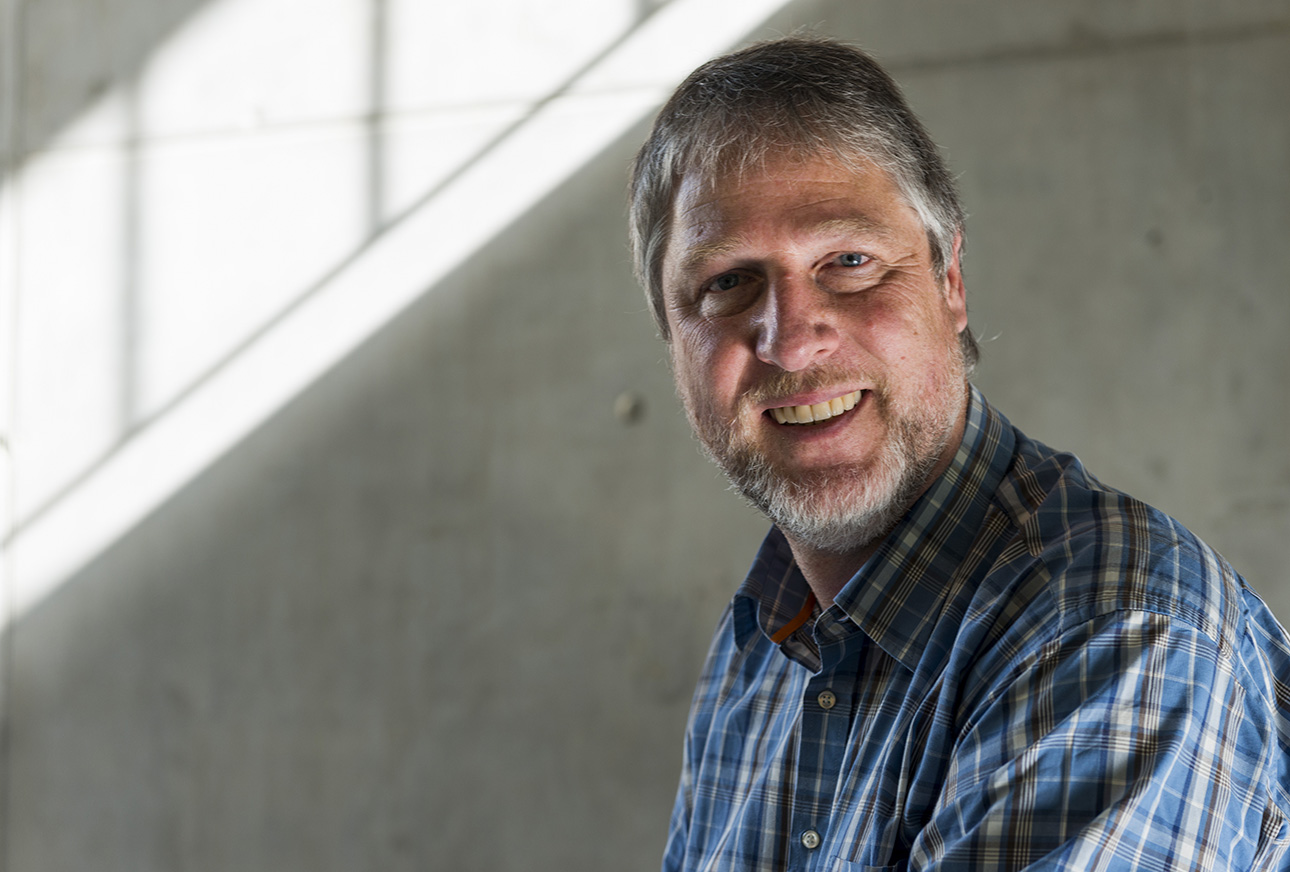
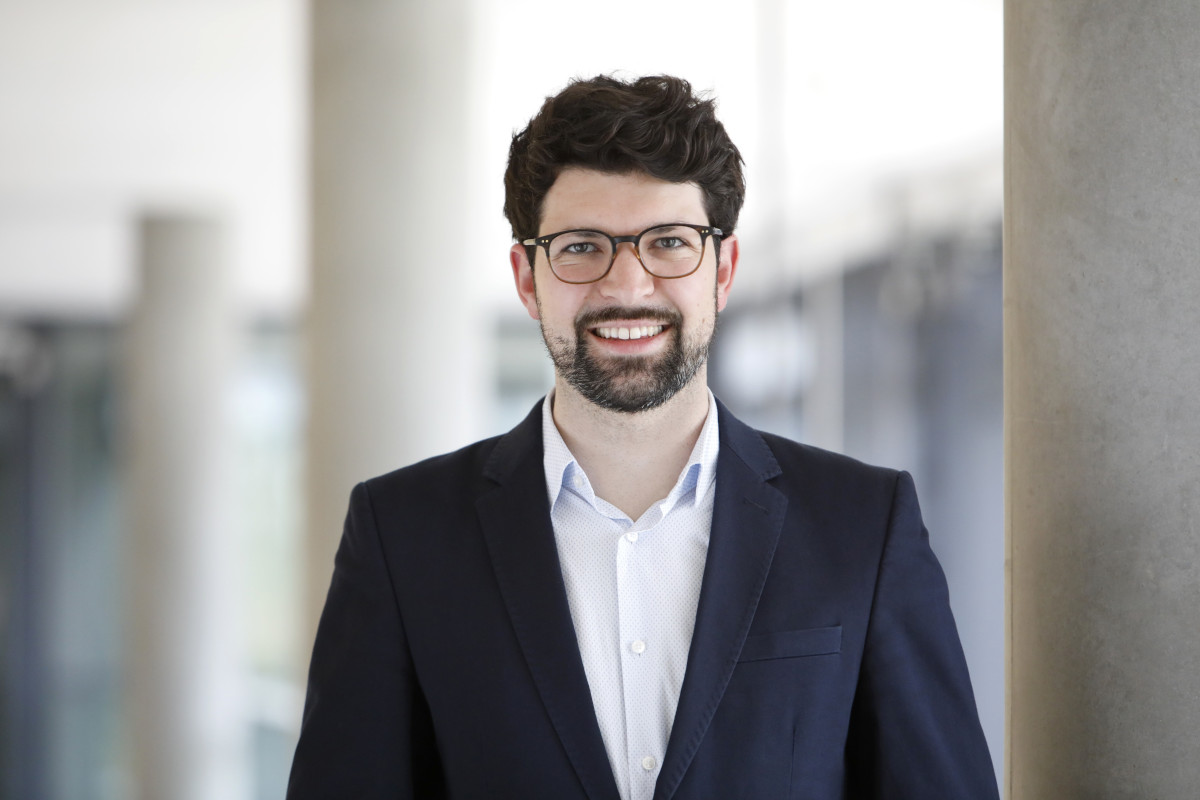
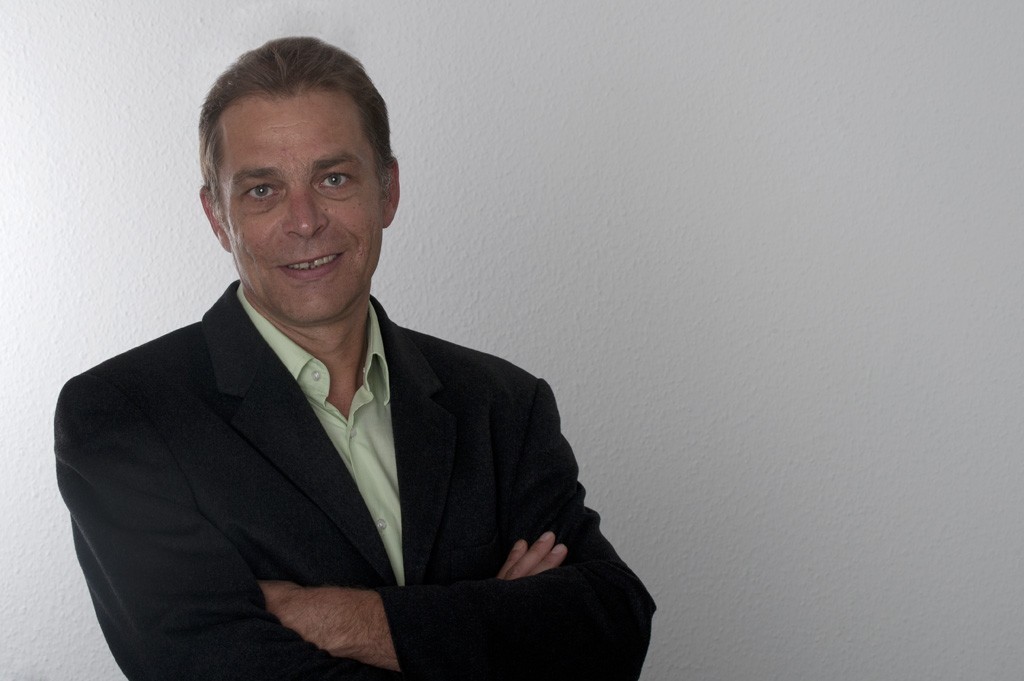
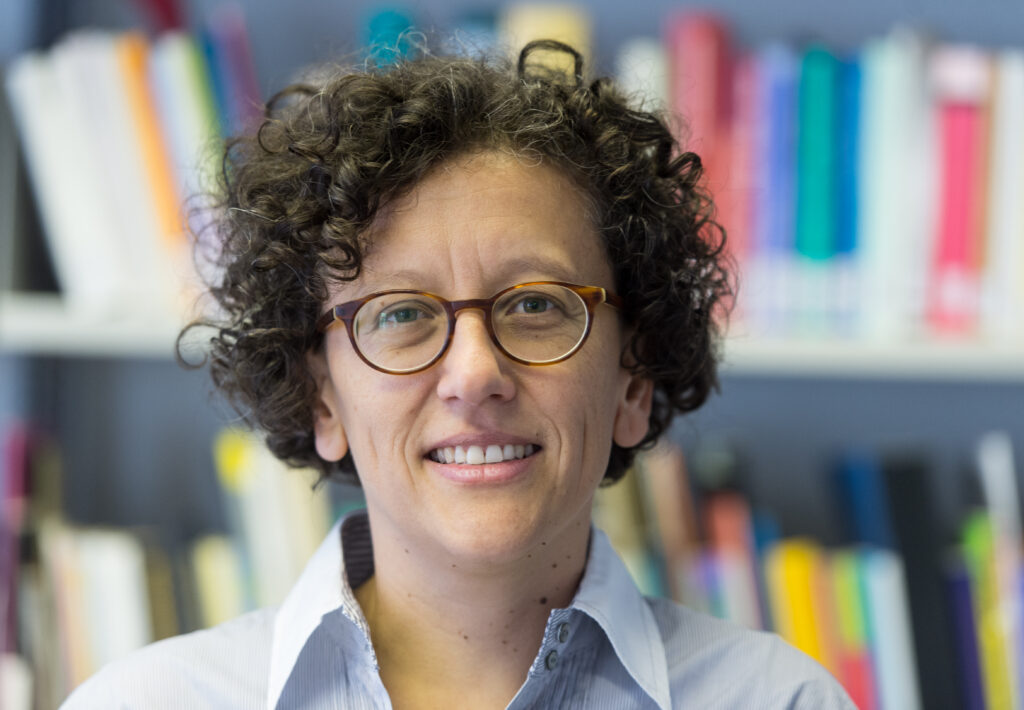
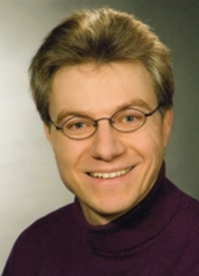
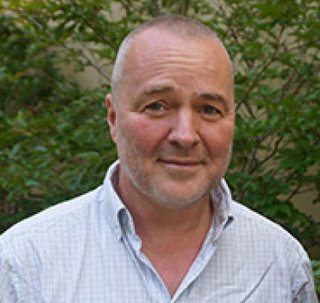
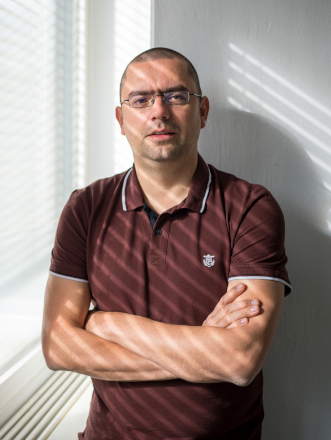
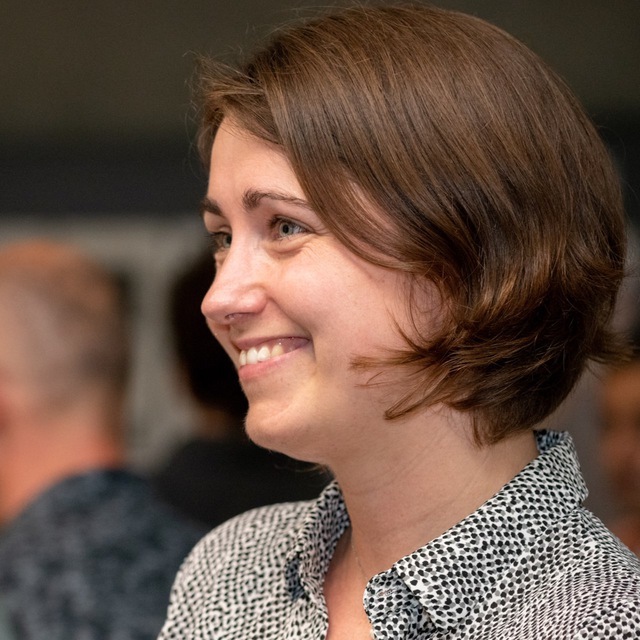
Professor Bernd Möbius is a leading academic in Phonetics and Phonology at the Department of Language Science and Technology, Saarland University. His research bridges phonetic theory with speech technology applications, focusing on text-to-speech systems, prosody modeling, and computational simulations of speech processes. Current research projects: DFG SFB 1102, C1: Information density and phonetic structure predictability DFG SFB 1102, C4: Slavic intercomprehension and surprisal theory (INCOMSLAV) Research Themes: Key areas include text-to-speech synthesis, speech prosody analysis, experimental methods in speech production/perception, information density in phonetics, and cross-linguistic studies of Slavic-Germanic languages. Scientific Contributions: Recent work explores Parkinson-induced dysarthria detection, breath noise acoustics, surprisal-driven speech behaviors, multilingual BERT models for idiomaticity, and perceptual consequences of acoustic adjustments.
Max Planck Institute for Human Cognitive and Brain SciencesGermany
Professor Thomas R. Knösche is a Group Leader at the Methods and Development Group Brain Networks within the Max Planck Institute for Human Cognitive and Brain Sciences in Leipzig, Germany. His research focuses on computational modeling of neural networks, biophysical modeling of EEG/MEG data, diffusion tractography, and the neurocognition of language and music. He holds a professorship at the institute and leads research initiatives in brain networks and neuroimaging methodologies. His work bridges theoretical neuroscience with practical applications in understanding brain function through advanced computational techniques. Contact information includes his office phone (+49 341 9940-2619) and lab address: Stephanstraße 1A, 04103 Leipzig, Saxony, Germany.
Dr. Adrian Meier is a tenure-track Junior Professor for Communication Science at Friedrich-Alexander University Erlangen-Nuremberg (FAU), holding the Chair of Communication Science since February 2024. Previously, he served as Assistant Professor at the University of Amsterdam (2020-2021) and as a Research Associate at Johannes Gutenberg University Mainz (2015-2020), where he completed his doctorate summa cum laude in August 2020, an MA in Communication Science (2013-2015), and a BA in Journalism and Political Science (2010-2013). His research is conducted through the Junior Professorship for Communication Studies, part of the Institute for Labor Market and Socioeconomics (IAS) within FAU's School of Business, Economics and Social Sciences. Meier's research focuses on media usage and effects research, media psychology, and interpersonal communication, with particular emphasis on the consequences of digital communication for well-being, health, and self-regulation at the interface between work and leisure. His work investigates phenomena such as digital stress, procrastination, and digital communication in the home office. Methodologically, he specializes in in-situ surveys, digital behavioral data analysis, and AI-supported literature syntheses, with a strong commitment to theory-driven, media-psychological, and quantitative-empirical approaches. His research employs short-term longitudinal designs including diary studies and experience sampling, systematic literature reviews, and adheres to open science principles with pre-registration. Analysis of Meier's recent publications reveals a consistent focus on digital disconnection and its relationship to well-being, examining how temporary breaks from digital media can improve situational psychological states. His work innovates in measuring digital behavior beyond simple screen time metrics, exploring nuanced aspects of smartphone usage patterns, temporal dimensions in media effects, and the motivational factors behind digital disconnection. He has made significant contributions to understanding the complex relationship between social media use and mental health, particularly in adolescent populations, while challenging simplistic narratives about passive versus active social media use. Dordick Dissertation Award from ICA Communication & Technology Division Dissertation Prize from German Society for Journalism and Communication Studies (DGPuK) Best Paper Award at Annual Conference of the Section for Reception and Effect Research Editorial board member for Media Psychology, Journal of Media Psychology, and Mobile Media & Communication As an active researcher and educator, Meier supervises bachelor's theses and offers a range of courses in communication science. His research has been funded through prestigious grants including an ERC Starting Grant for his project 'Social Well-Being from Hybrid Interactions in Hybrid Work' (HYIHY), which received €1.5 million in funding. His work has established him as a leading voice in understanding the psychological implications of digital communication in contemporary society, particularly at the intersection of work and personal life in the era of hybrid work arrangements.
Prof. Dr. Axel Mecklinger is a leading cognitive neuroscientist at Saarland University , specializing in the neurocognition of memory and language through spatiotemporal brain imaging (EEG/MEG/fMRI). His career spans over three decades, with significant contributions to understanding visual working memory , associative recognition , and memory development . Key research areas: Memory binding, ERP subsequent memory effects, novelty detection, and cognitive aging Major grants: DFG Research Groups, Collaborative Research Centers, and international collaborations with the Chinese Academy of Sciences Scientific leadership: Organized conferences, edited journals, and served as speaker for research training groups His recent work explores unitization in memory formation , cross-cultural differences in memory processing , and theta neurofeedback interventions . Awards include the Early Career Award of the German Psychophysiology Society (1992) and the European Federation of Psychophysiology Societies' Federation Prize (1994). Current projects investigate the neural mechanisms of semantic surprisal and memory plasticity in aging populations.
Prof. Dr. rer. nat. Rasha Abdel Rahman is a leading figure in Neurocognitive Psychology at the Institute of Psychology, Humboldt-Universität zu Berlin . Her research bridges the domains of language production , visual perception , and semantic memory organization , with particular emphasis on electrophysiological mechanisms (EEG) and emotional influences on cognitive processing. Habilitation in Psychology (2008), Ph.D. in Psychology (summa cum laude, 2001), and M.S. in Psychology (1997) from Humboldt-Universität Since 2010: Heisenberg Professor of Neurocognitive Psychology 2009: Heisenberg Fellow Her research interests focus on: Language production mechanisms Interface between vision, semantics, and language Functional organization of semantic memory Attentional and emotional modulation of perception Face and object perception dynamics Mental imagery processes The laboratory employs behavioral and electrophysiological (EEG) methods to investigate how knowledge shapes perception and language processing. Recent studies examine: Emotional content's impact on social judgment AI-generated face perception Art perception influenced by artist morality Trustworthiness effects in visual consciousness Selected scientific awards include: Heisenberg-Fellowship (DFG, 2008) Heinz Heckhausen Junior Scientist Award (DGPs, 2002)
Prof. Dr. Anelis Kaiser Trujillo is a Professor for Gender Studies in MINT (Mathematics, Informatics, Natural Sciences, and Technology) at the Department of Computer Science, Faculty of Engineering, University of Freiburg since 2017. She holds affiliations with the NeuroGenderings network and has held visiting roles at institutions including Uppsala University and the Technical University of Berlin. Her research focuses on sex/gender in neuroscience, intersectionality, and feminist critiques of neuroscientific practices, emphasizing interdisciplinary approaches that bridge natural sciences and social sciences. Educational Background: PhD in Gender Studies (Postgraduate Programme Science “Gender” – Symbolic Order, University of Basel, 2005) Visiting PhD studies at the London School of Economics (2005) Research Interests: Neurogender studies, feminist neuroscience, intersectionality, language processing in multilingualism, and critical analyses of race and gender bias in science. She critiques neuroscientific methodologies that essentialize sex/gender differences and advocates for more inclusive interdisciplinary frameworks. Awards: Recipient of the Emma Goldman Award 2021 for contributions to feminist and inequality studies. Active in international networks like NeuroGenderings, emphasizing global collaborations. Grants & Projects: Marie Heim-Voegtlin fellowship (2013–2016) for research on language processing and brain plasticity. Collaborations on NIH policy critiques and feminist STS responses to societal challenges like the pandemic. Labs/Teams: Leads interdisciplinary projects at the intersection of computer science, neuroscience, and gender studies, fostering critical dialogues in STEM fields.
Max Planck Institute for Human Cognitive and Brain SciencesGermany
Dr. Gesa Schaadt is a postdoctoral research scientist at the Clinic of Cognitive Neurology , University of Leipzig, affiliated with the Medical Faculty . Holding a PhD in Psychology from Humboldt-Universität zu Berlin, her work focuses on the neurocognitive mechanisms underlying speech processing and language development in children, particularly those with writing difficulties and dyslexia. She has held research positions at both Humboldt-Universität and the Max Planck Institute for Human Cognitive and Brain Sciences. Education AS-Level (Psychology, Biology, Mathematics, Spanish), King Edward VI Sixth Form College (2003) University Entrance Certificate (Advanced Courses: English, Biology), Rübekamp School (2005) Diploma in Psychology (Cognitive Psychology), Humboldt-Universität zu Berlin (2011) Doctor of Psychology (Dr. rer. nat.), Humboldt-Universität zu Berlin (2016) Research Interests encompass visual-auditory speech integration, developmental language disorders, and the hormonal impacts on language acquisition during 'mini-puberty'. Her work bridges cognitive psychology and clinical neurology, utilizing neuroimaging and behavioral methods. Scientific Awards include fellowship support during her PhD studies at the Max Planck Institute for Human Cognitive and Brain Sciences (2011-2013). Current Work investigates neurocognitive pathways in language development and disorders, combining insights from cognitive psychology and neurology.
Prof. Dr. Kai Essig is a Professor of Human Factors and Interactive Systems at the Faculty of Communication and Environment, Rhine-Waal University of Applied Sciences, Kamp-Lintfort, Germany. He has a strong interdisciplinary background combining computer science, cognitive science, and human-computer interaction, with a focus on eye tracking, visual perception, and assistive technologies. Master of Science in Computer Science and Chemistry, Bielefeld University (1998) Ph.D. in Computer Science, Bielefeld University (2007) His research centers on eye tracking, human-computer interaction, usability engineering, visual attention, and cognitive interaction technology . He investigates how movement expertise influences visual perception and how multimodal software can support real-time human actions. His work integrates computer vision, machine learning, and neuroscience to develop intelligent systems that adapt to user behavior. The 15 most recent publications reflect a consistent trend in eye movement analysis, mental representations, brain-machine interfaces, and assistive technologies . These works span domains such as sports psychology, robotics, augmented reality, and cognitive neuroscience, demonstrating a strong interdisciplinary approach. Key themes include gaze-based interaction, automated annotation of visual behavior, and the implementation of smart systems for daily living assistance. Scientific recognition includes: Landmark in the Land of Ideas (2018) – for the ADAMAAS project, awarded by 'Land of Ideas', a joint initiative of the German government and the Federation of German Industries Prof. Essig has been actively involved in research projects such as ADAMAAS (Adaptive and Mobile Action Assistance in Daily Living Activities), which received national recognition. He has collaborated extensively with the Neurocognition and Action-Biomechanics Research Group at Bielefeld University and the Excellence Cluster CITEC. While no formal advising of students is listed, his publications suggest mentorship and collaboration with junior researchers. His lab work is centered on eye-tracking systems, multimodal interaction, and cognitive modeling , particularly within applied environments like smart glasses and assistive technologies.
Prof. Matthias Schlesewsky is a Professor of Psychology at the University of South Australia. Previously, he held positions as Professor of General Linguistics at the University of Mainz and as a Junior Professor at the University of Marburg. With a unique background in chemistry and a PhD in linguistics, he specializes in interdisciplinary research at the intersection of science and humanities. His research focuses on the neurobiological foundations of language and how language processing evolves across the lifespan. Key interests include sentence comprehension mechanisms, cross-linguistic neurocognitive models, and the interplay between auditory processing and language evolution. Prof. Schlesewsky’s work integrates experimental methods like EEG and eye-tracking to explore real-time language processing. His contributions have advanced understanding of linguistic universals and neural mechanisms underlying language.
Sven Apel is Professor of Computer Science at Saarland University, where he holds the Chair of Software Engineering and directs the Saarbrücken Graduate School of Computer Science within the Saarland Informatics Campus. His research aims to advance software engineering into an era of intensive automation by developing methods, tools, and theories for building efficient, reliable, and maintainable software systems, with a strong emphasis on the human factor and interdisciplinary inquiry. His primary research interests include software variability and configuration, AI-based program generation and optimization, socio-technical software analysis, and the application of empirical and neurophysiological methods to study program comprehension. He actively collaborates with industry partners such as Siemens AG, Bosch Engineering, and Airbus Helicopters to apply his research in real-world contexts. His recent publications demonstrate a strong trend towards integrating artificial intelligence and neurocognitive methods into software engineering, focusing on configurable systems, performance modeling, debugging processes, and the scientific validity of empirical studies. His work spans top venues like ICSE, FSE, ASE, and IEEE TSE. ERC Advanced Grant “Brains On Code” ASE Fellow ACM Distinguished Member Hugo Junkers Award for Research and Innovation Heisenberg Professorship (DFG) Emmy-Noether Fellowship (DFG) Best Doctoral Dissertation Awards (University of Magdeburg, Ernst-Denert Foundation, 2007) Most Influential Paper Awards (SPLC'19, ICPC'22, GPCE'23) ACM SIGSOFT Distinguished Paper Awards (ICSE'15, ICSE'21) Best Paper Awards (SPLC'11, Modularity'15, Academy of Management'18) Distinguished Reviewer Awards (ASE'18, ICSE'24, FSE'24) Sven Apel has secured significant research funding, including an ERC Advanced Grant (€2.5M) and multiple DFG grants as Principal Investigator and Project Leader. He has advised numerous PhD and Master’s students and is actively involved in the academic community through program committees for major conferences like ICSE, FSE, and ASE. His work is conducted within a collaborative environment that includes close partnerships with researchers at the Max Planck Institute for Informatics and other institutions within the Saarland Informatics Campus.
Max Planck Institute for Human Cognitive and Brain SciencesGermany
Daniela Sammler is an Adjunct Professor at Goethe University Frankfurt and Research Group Leader of the Neurocognition of Music and Language research group at the Max Planck Institute for Empirical Aesthetics in Frankfurt/Main. She has established herself as a leading researcher at the intersection of music cognition, language processing, and neuroscience, with a particular focus on prosody, syntax, and the neural mechanisms underlying both speech and musical processing. Education 2025: Adjunct Professor, Goethe University Frankfurt/M. 2022: Venia Legendi, Goethe University Frankfurt/M. 2018: Habilitation and Venia Legendi, University of Leipzig (Topic: Intonation in speech and music) 2004-2008: Dr. rer. nat. in Psychology, University of Leipzig and MPI for Human Cognitive and Brain Sciences, Leipzig (Topic: Syntax in language and music) 1997-2004: Psychology studies at University of Leipzig and Université Louis Pasteur, Strasbourg (Diploma from Leipzig) Research Interests Daniela Sammler's research focuses on the neurocognitive foundations of music and language processing , with particular emphasis on how prosody, melody, and syntax are represented and processed in the brain. Her work explores the common neural mechanisms underlying speech and music, investigating how the brain processes intonation patterns in both domains. She has made significant contributions to understanding the dorsal and ventral pathways for prosody and the neuroanatomical overlap of syntax processing in music and language. Her research employs a variety of methodologies including fMRI, EEG, intracranial ERP studies, and behavioral experiments with both healthy participants and patient populations. She has conducted groundbreaking work on amusia and language disorders , prosodic structure building , and the neural bases of musical joint action . Analysis of her recent publications reveals a growing focus on interpersonal musical interaction, interbrain synchrony, and the cognitive mechanisms underlying collaborative music-making. Scientific Awards Gold Medal for outstanding achievements in the preservation of historic monuments in Europe (2012) Otto Hahn Medal of the Max Planck Society (2010) Otto Hahn Award of the Max Planck Society (2010) Poster Award, Organization of Human Brain Mapping (2010) Research Leadership and Grants Since 2020, Dr. Sammler has led the Neurocognition of Music and Language research group at the Max Planck Institute for Empirical Aesthetics. Prior to this, she headed the Otto Hahn Group Neural Bases of Intonation in Speech and Music at the MPI for Human Cognitive and Brain Sciences from 2013-2020, which was funded through her Otto Hahn Award. Her research has been supported by prestigious grants from the Max Planck Society and other funding bodies, enabling her to establish cutting-edge research programs at the intersection of music, language, and neuroscience. She currently leads multiple research projects including "Neural Networks for Real-Time Joint Music Performance: Piano duos in the MR-scanner" and "Cognitive drivers of interbrain synchrony during musical interaction," which investigate the complex cognitive and neural processes underlying musical collaboration. Her research group has also explored how vocal tone carries information about emotional state and speaker intention through prosody. Research Environment Dr. Sammler's research group operates within the Department of Music at the Max Planck Institute for Empirical Aesthetics in Frankfurt. Her lab employs state-of-the-art neuroimaging techniques including fMRI, EEG, and intracranial recordings to investigate the neural substrates of music and language processing. The research environment fosters interdisciplinary collaboration between neuroscientists, linguists, musicologists, and cognitive scientists, creating a rich intellectual space for exploring the complex relationships between music and language.
Markus Knauff is a Professor at the Justus Liebig University Giessen in the Department of Experimental Psychology and Cognitive Science. His research focuses on high-level cognition, including reasoning, decision-making, and rationality, as well as spatial cognition and mental imagery in cognitive processes. Dipl.-Psych., University of Bochum, 1991 Dr. phil., University of Freiburg, 1996 Habilitation, University of Freiburg, 2002 His work integrates cognitive science, psychology, and artificial intelligence, emphasizing mental models and belief revision. He explores how counterexamples, probabilities, and spatial reasoning influence human cognition, with applications in navigation and decision-making. While his publications span deductive reasoning, belief dynamics, and spatial mental models, his recent studies highlight probabilistic reasoning in the brain and rationality frameworks. Markus leads the Giessen virtual environment laboratory, focusing on human wayfinding and landmark salience. He contributes to interdisciplinary projects like the SPP1516 "New Frameworks of Rationality" and has mentored researchers in cognitive systems, though specific student names are not listed in the provided texts.
MA Silke Lipinski is a Research Associate at the Institute of Psychology , Humboldt University of Berlin, specializing in Clinical Psychology of Social Interaction within the Faculty of Life Sciences . She coordinates the Center for Patient and Public Involvement (PPI) at the German Center for Mental Health (DZPG) and serves as a PPI consultant at the Berlin-Potsdam site. Her work bridges academia and community advocacy, focusing on participatory research models. Institution: Humboldt University of Berlin Department: Department of Psychology Role: Research Associate & PPI Coordinator Contact: silke.lipinski@hu-berlin.de Research Focus: Her work centers on Autism Spectrum Disorders , emphasizing participatory research methods , patient and public involvement (PPI) , and improving mental health care accessibility for autistic adults. She advocates for co-creating healthcare solutions with affected communities. Publications (2019-2024): Silke Lipinski’s research spans autism-focused psychotherapy, PPI integration in mental health systems, and self-help resource design. Her work appears in journals like Der Nervenarzt , Autism in Adulthood , and Journal of Autism and Developmental Disorders , with recent emphasis on interdisciplinary guideline development and national mental health infrastructure. Labs & Teams: She collaborates with the Dziobek-Lab and contributes to the German Center for Mental Health (DZPG), driving stakeholder engagement and translational research initiatives.
Kerem Böge is a clinical psychologist, researcher, and lecturer at Charité - Universitätsmedizin Berlin, where he leads the Psychotic Disorders Research Department. His work focuses on developing novel psychotherapeutic approaches for mental illnesses, particularly in migration contexts, and conducting interdisciplinary global health projects emphasizing capacity building, public attitudes, and stigma research in low- and middle-income countries. Primary Affiliation: Charité - Universitätsmedizin Berlin Research Themes: Migration and mental health, mindfulness-based interventions, digital mental health solutions, schizophrenia spectrum disorders Geographic Focus: Low- and middle-income countries, Vietnam, Germany Research Expertise Dr. Böge's research combines clinical practice with global health initiatives, exploring: Psychotherapeutic interventions for auditory hallucinations and negative symptoms Integration of oxytocin and mindfulness-based therapies Public attitudes toward mental illness across cultures Digital health tools for relapse monitoring and treatment engagement Cultural adaptation of diagnostic tools like the MINI-AR Publication Trends (2023-2025) His recent work emphasizes: Multicenter clinical trials for schizophrenia spectrum disorders Scientific analysis of mindfulness and empathy in psychosis Stigma research across Germany, Vietnam, India, and Turkey Development of culturally sensitive assessment tools Evaluation of digital mental health platforms Cross-national comparisons of treatment approaches Professional Context Dr. Böge operates in interdisciplinary spaces between clinical practice, research methodology, and global health policy. His roles include: Leading research on psychotic disorders Developing innovative treatment frameworks (PRoGO) Conducting cross-cultural studies on mental health literacy Training and education on mindfulness-based interventions Advocating for terminology reform in psychiatric diagnosis
Noortje Venhuizen is an Assistant Professor in the Department of Cognitive Science and Artificial Intelligence at the Tilburg School of Humanities and Digital Sciences, Tilburg University. She serves as Academic Director for the BSc Cognitive Science and Artificial Intelligence program since 2024, and has held academic positions at Saarland University (2015-2022) including roles as Scientific Staff member and Principal Investigator in SFB 1102 projects. PhD in Computational Semantics (University of Groningen, 2015) MSc in Logic (ILLC, University of Amsterdam, 2011) BSc in Artificial Intelligence (Utrecht University, 2009) Her research focuses on expectation-based language comprehension, neurocomputational modeling of semantic processing, distributional formal semantics, and pragmatic reasoning in discourse. Key contributions include PDRT-SANDBOX (Haskell NLP library) and DFS Tools (Prolog implementation of distributional formal semantics). Recent publications (2023-2025) explore multimodal word meaning, informativity in reference production, and neurocognitive models of surprisal processing. Her work combines formal semantics with cognitive neuroscience and computational modeling. LOT Grotevragenprijs essay contest - Second Prize She has presented research at major conferences including CogSci, AMLaP, and Sinn und Bedeutung. Current teaching includes courses on artificial intelligence, statistics, and semantic theory.