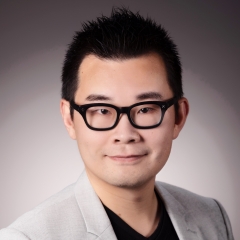
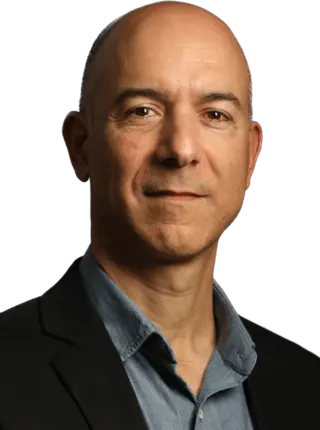
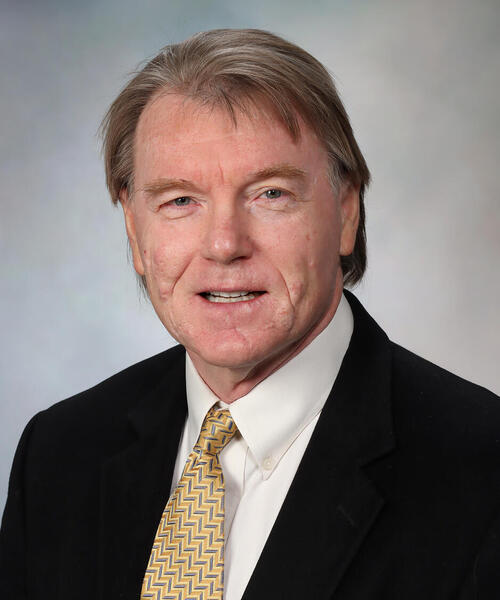
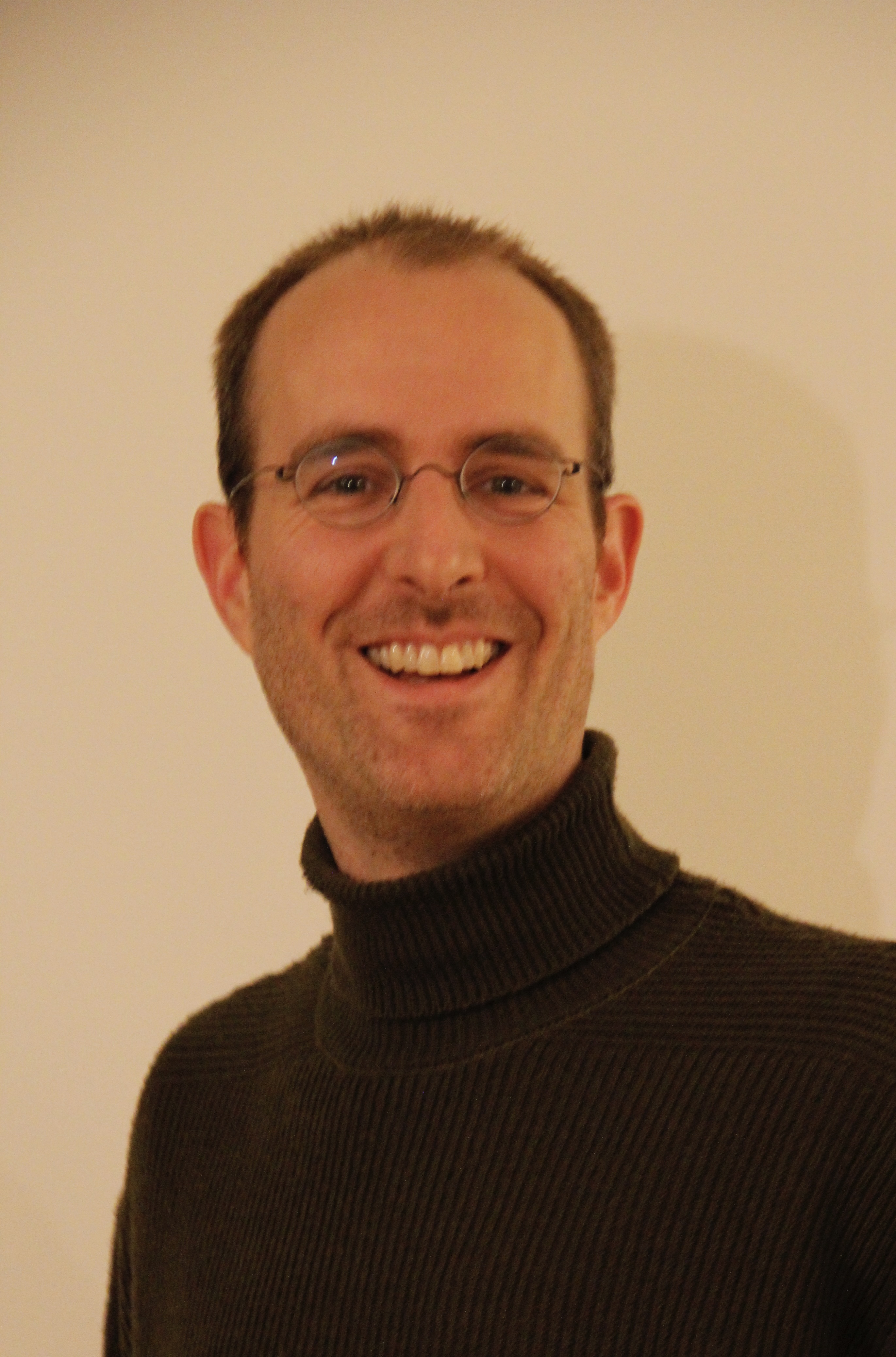
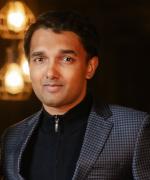
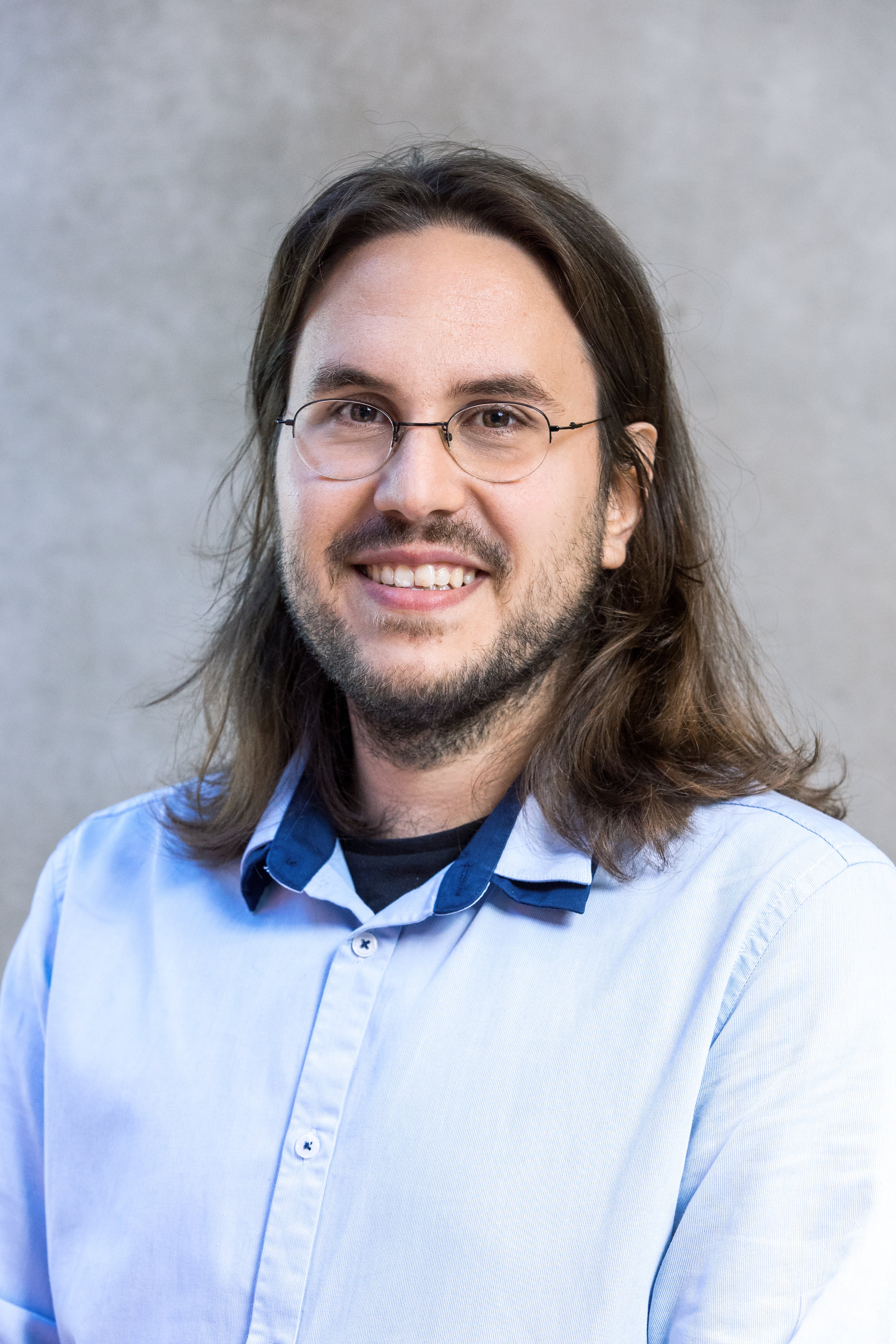
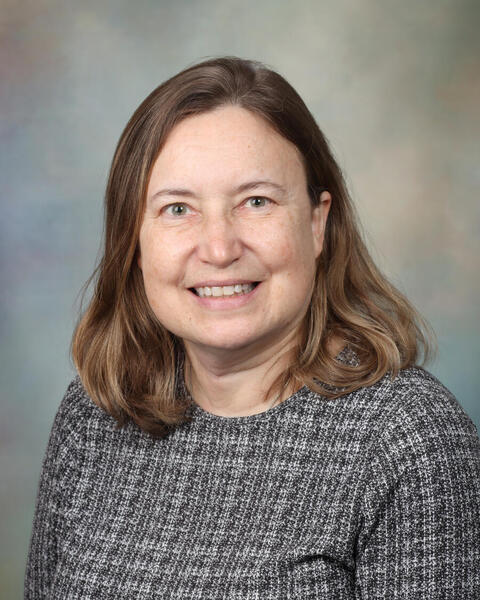
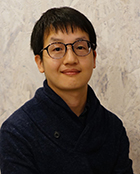
William Yang Wang serves as the Mellichamp Professor of Artificial Intelligence at the University of California, Santa Barbara (2019-present). He directs the UCSB Center for Responsible Machine Learning, the Mind and Machine Intelligence Initiative, and the UCSB NLP Group. His research focuses on theoretical foundations and practical algorithms for AI, particularly in NLP, LLMs, and neuro-symbolic reasoning. PhD in Computer Science from Carnegie Mellon University Active in AI theory and applications (2016-present) Research interests span multiple AI domains, with special emphasis on NLP and responsible machine learning. He has pioneered datasets like HybridQA, TabFact, and VaTeX, enabling advancements in multi-hop QA, fact verification, and video-language tasks. His work combines statistical relational learning with modern deep learning paradigms. Recent publications center around multimodal reasoning, knowledge graph integration, and responsible AI development. He has received numerous accolades including the IEEE SPS Pierre-Simon Laplace Award (2024) and NSF CAREER Award (2021). Karen Sparck Jones Award (2022) DARPA Young Faculty Award (2018) IBM Faculty Award Mentoring 15+ PhD and postdoc researchers who now hold positions at Microsoft Research, Amazon, Meta GenAI, and academic institutions like Arizona and Rutgers. His lab maintains active collaborations with industry partners through initiatives like ChipAgents.ai, which he founded as CEO.
Rotem Karni, PhD, is an Associate Professor of Genetics at the Perelman School of Medicine, University of Pennsylvania, Philadelphia. He leads a research lab focused on understanding how alternative RNA splicing contributes to cancer and genetic diseases, with a strong emphasis on translating these findings into RNA-based therapies. Karni's lab develops decoy oligonucleotides, small molecules, and splice-switching technologies to modulate splicing factors and enhance immunotherapy. Education BSc in Biological Chemistry from The Hebrew University of Jerusalem (1997) PhD in Biological Chemistry from The Hebrew University of Jerusalem, Israel (2002) Postdoctoral Fellowship at Cold Spring Harbor Laboratory, NY (2002-2007) Karni's research explores the deregulation of alternative splicing in oncogenesis, particularly how splicing factors like RBFOX2 and S6K1 influence metastasis, DNA repair, and immune checkpoint modulation. His team investigates m6A RNA modifications for stabilizing mutant genes, with applications in Duchenne Muscular Dystrophy and pancreatic cancer. The lab's work is commercialized through biotech companies: SKIP Therapeutics, Andlit Therapeutics, and RNAble. Selected Research Trends RNA mis-splicing and neoantigen generation (2025) Splicing factor inhibition for tumor suppression (2023) Metastatic splicing signatures in pancreatic cancer (2023) Immune checkpoint splicing in cancer immunotherapy (2021) m6A modulation for mRNA stabilization (2023) Advising & Collaborations Karni has mentored numerous PhD and postdoctoral researchers, many of whom now hold leadership roles in academia, biotech, and medical institutions globally. His lab collaborates extensively on projects involving RNA innovation, including partnerships with the Institute for RNA Innovation. Contact Department of Genetics & Institute for RNA Innovation, One uCity Square, Room 4018, Philadelphia, PA 19104 Phone: 215-898-5072 Email: Rotem.Karni@Upenn.edu
Dr. John A. Copland III is a Professor of Cancer Biology and Biochemistry & Molecular Biology at Mayo Clinic in Jacksonville, Florida. He leads the Cancer Biology and Translational Research Laboratory, focusing on molecular mechanisms of carcinogenesis, tumor progression, and development of targeted cancer therapies. Education: PhD in Physiology & Endocrinology (Medical College of Georgia), MS in Endocrinology (Medical College of Georgia), BS in Chemistry (Columbus College), with postdoctoral training at University of Texas Medical Branch. Research interests center on: Identifying tumor suppressor genes (e.g., RhoB, TBR3, GATA3) and oncogenes (e.g., FOXO3a, SCD1, NPTX2). Developing patient-derived xenografts and live cell models for personalized medicine. Designing SCD1 inhibitors via in silico modeling for clinical trials. Recent publications highlight his work on SCD1 inhibition in leukemia and thyroid cancer ImmunoPET imaging of thyroid tumors CRISPR-identified drug synergies in cholangiocarcinoma Patient-specific combination therapies using xenograft models
Professor Michael Burke holds a full professorship in Rhetoric at Utrecht University (Faculty of Humanities) and teaches at University College Roosevelt (UCR) in Middelburg. Previously, he served as UU Honours Dean (2016–2021). His research focuses on rhetoric, stylistics, cognitive aspects of language, and education. He earned his Ph.D. in English Language and Literature from the University of Amsterdam, where he also completed his undergraduate studies. Research interests span written, oral, and digital rhetoric, emphasizing pedagogical, cognitive, stylistic, and neuroscientific dimensions. He has held visiting roles at institutions like the University of Cambridge and University of Bologna. Editorial roles include series editor for Routledge’s 'Research Monographs in Linguistics' and board memberships with journals like Language and Literature . Teaching includes undergraduate courses on classical rhetoric, argumentation, and public speaking at UCR, plus leadership and interdisciplinary research modules for Utrecht’s Honours College. He supervises PhD students in the UiL-OTS linguistics research school. Notable publications include The Routledge Handbook of Stylistics (2023) and studies on critical thinking, digital literacy, and cognitive literary science. Professional activities include keynote speaking at conferences like PCST and EARS, and contributions to projects such as ‘Undergraduate Research in the Netherlands’. His work bridges rhetoric, cognitive science, and education, emphasizing practical applications for students and educators.
Thomas Demeester is an Associate Professor at the Internet Technology and Data Science Lab (IDLab), Ghent University - imec, Belgium. Appointed as Assistant Professor in 2019, he leads an AI research group focused on health applications and drug design, co-directing the Text-to-Knowledge research cluster with Prof. Chris Develder. His educational background includes: M.Sc. in Electrical Engineering from Ghent University (2005), completed with thesis work at ETH Zurich Ph.D. in Computational Electromagnetics from Ghent University (2009), funded by Research Foundation - Flanders (FWO) Demeester's research spans artificial intelligence with emphasis on deep learning and neuro-symbolic methods. Current tracks include energy-based models (Hopfield Networks, Deep Equilibrium Models), diffusion models for drug design, and clinical reasoning systems. His work bridges NLP, healthcare informatics, and generative AI with strong industry partnerships. Recent publications (2023-2025) reveal strategic expansion from NLP into health-centric AI: BioLORD biomedical encoders (2023), synthetic medical data frameworks (UAI/NeurIPS 2024), and novel diffusion model guidance (ICLR 2025). This evolution demonstrates convergence of generative modeling, clinical data analysis, and protein design. He actively mentors 24 PhD students across diverse AI domains: Current Research: Conversational agents, emotion analysis, clinical reasoning, antibody design, and diffusion model optimization Recent Graduates: Interpretable language models, biomedical semantics, task-oriented dialogue, and social media knowledge extraction Research is supported by imec funding and collaborations with Flemish biotech companies, building on his post-doctoral experience securing media-sector projects. Within IDLab, he co-leads the Text-to-Knowledge cluster driving NLP innovations for healthcare, legal, and economic applications.
Hong Han is an Assistant Professor in the Department of Biochemistry & Biomedical Sciences within McMaster University's Faculty of Health Sciences and a member of the Centre for Discovery in Cancer Research (CDCR). She holds a Canada Research Chair and leads the Han Lab, which focuses on cancer biology, RNA regulation, and innovative high-throughput technologies for therapeutic discovery. Dr. Han earned her Ph.D. from the University of Toronto (2010-2016) and has established herself as a leading researcher in glioblastoma and alternative splicing regulation. Her interdisciplinary research integrates cancer biology, RNA science, and multilayer gene regulation to uncover mechanisms underlying cancer progression and treatment resistance. Her laboratory pioneers integrated technological platforms for large-scale genetic/drug screening and ultra-high-throughput single-cell profiling. The research focuses on three main areas: alternative splicing regulation in cancer (particularly glioblastoma and prostate cancer), multilayer mechanisms of glioblastoma heterogeneity and microenvironment evolution, and multiplexed screening approaches for therapeutic discovery in treatment-resistant cancers. Analysis of Dr. Han's recent publications reveals a strong emphasis on single-cell technologies to characterize glioblastoma heterogeneity, minimal residual disease states, and tumor-immune interactions. Her work increasingly bridges basic RNA biology with translational applications, particularly in developing novel therapeutic strategies targeting splicing networks and immune evasion mechanisms. Canada Research Chair Dr. Han teaches Advanced Techniques in the Biomedical Sciences (BIOCHEM 734). Her research program is supported by multiple funding sources, as evidenced by her extensive publication record in high-impact journals including Nature, Cell, Molecular Cell, and Nature Communications. She employs a comprehensive approach combining in vitro, in vivo, and patient cohort studies with cutting-edge genomic technologies. The Han Lab has developed innovative multiplexed screening platforms that enable simultaneous interrogation of thousands of conditions, ranging from CAR-T cells to small molecule therapeutics. This approach accelerates the discovery of novel cancer targets and therapeutic strategies for treatment-resistant cancers.
M. Tamer Özsu is a University Professor of Computer Science at the David R. Cheriton School of Computer Science, University of Waterloo, where he holds a Cheriton Faculty Fellowship. He also serves as a Distinguished Visiting Professor at Tsinghua University and is the Founding Director of Waterloo-Huawei Joint Innovation Laboratory since 2018. His extensive contributions to computing have earned him numerous prestigious awards including the 2024 ACM Presidential Award for long-standing and significant contributions to the computing field. Professor Özsu's research focuses on data engineering aspects of data science, particularly addressing data management issues with two main foci: management of non-traditional data and large-scale distributed data management. He is renowned for his seminal book "Principles of Distributed Database Systems" (co-authored with Patrick Valduriez), now in its fourth edition, and the "Encyclopedia of Database Systems" (co-edited with Ling Liu), in its second edition. His work bridges theoretical foundations with practical system implementations, targeting grand societal challenges through computational approaches. His recent publications reveal a strong trend toward graph analytics, streaming data processing, and the integration of large language models with vector data management. The research shows increasing focus on GPU-accelerated graph processing, RDF query optimization, and multimodal data analysis, reflecting the evolution of data management challenges in the era of big data and AI. His work continues to address fundamental challenges in distributed data systems while adapting to emerging technologies and application domains. Scientific Awards and Fellowships ACM Presidential Award (2024) IEEE TCDE Education Award (2024) IEEE Innovation in Societal Infrastructure Award (2022) CS Can | Info Can Lifetime Achievement Award (2018/2019) ACM SIGMOD Test-of-Time Award (2015) ACM SIGMOD Contributions Award (2006) The Ohio State University College of Engineering Distinguished Alumnus Award (2008) Fellow of the Royal Society of Canada Fellow of the American Association for the Advancement of Science (AAAS) Life Fellow of the Association for Computing Machinery (ACM) Life Fellow of the Institute of Electrical and Electronics Engineers (IEEE) Fellow of the Asia-Pacific Artificial Intelligence Association (AAIA) Elected member of the Science Academy, Türkiye Professor Özsu has been deeply involved in academic leadership and community building. As Founding Editor-in-Chief of ACM Books (2013-2019), he launched a series that by 2019 had published 28 major books with another 30 under contract. His service to ACM, particularly through SIGMOD, has been exemplary and widely recognized. He directs the Waterloo-Huawei Joint Innovation Laboratory, which focuses on cutting-edge research in data management and distributed systems, fostering strong industry-academia collaboration.
Kevin Wood was an Associate Professor of Physics and Biophysics at the University of Michigan. He held a dual PhD in Theoretical Physics and Physical Chemistry from the University of California-San Diego (2007), followed by postdoctoral research in Systems Biology (2008-2013) and Chemistry (2007-2008) at Harvard University. His research focused on applying theoretical physics principles to study antibiotic resistance, microbial ecology, and cancer biology. Wood's work emphasized understanding population dynamics in bacterial colonies, drug resistance evolution, and optimizing treatment strategies through mathematical modeling. Education: B.S. Chemical Physics, Centre College (2001) M.S. Biology, University of California-San Diego (2003) Ph.D. Physics and Ph.D. Physical Chemistry, University of California-San Diego (2007) Postdoctoral Fellowships: Harvard University (2007-2013) Wood's research interests included spatial evolution of drug resistance, collateral sensitivity in bacteria, and critical phenomena in cancer cell populations. His lab developed novel frameworks for predicting antibiotic efficacy and designing treatment sequences to combat resistance. Despite his untimely passing, he left a legacy of impactful contributions to biophysics and mentorship of students. Advising and Grants: Wood mentored numerous students but specific grants were not detailed. His Wood Lab was located in the Randall Laboratory and Homer A. Neal Lab at the University of Michigan.
Prof. Dr. med. Franz Lennard Ricklefs is a Senior Physician and Head of the Working Group at the Department of Neurosurgery, University of Hamburg Faculty of Medicine. He is a Medical Specialist in Neurosurgery with cross-disciplinary expertise in neuro-oncology, molecular pathology, and extracellular vesicle research. Affiliations: University Medical Center Hamburg-Eppendorf (UKE), European Liquid Biopsy Society (ELBS), International Consortium on Meningiomas (ICOM) Research Interests: His work focuses on neurosurgical oncology, particularly glioblastoma and meningioma pathobiology. He investigates DNA methylation patterns, extracellular vesicle biomarkers, and liquid biopsy implementation in clinical neuro-oncology. Additional interests include surgical outcomes for epilepsy and aneurysm management. Article Trends: Over the last decade, Dr. Ricklefs has published extensively on: Extracellular vesicle applications as liquid biopsy markers DNA methylation subclasses for glioblastoma and meningioma Multicenter surgical outcome benchmarking Immune evasion mechanisms in neuro-oncology Technological innovations in neurosurgical visualization Molecular characterization of rare CNS tumors Professional Contributions: He co-authored the MISEV2023 guidelines for extracellular vesicle studies and participates in international consensus reviews for meningioma classification. His collaborations span institutions across Europe and North America.
Dr. Robert Lieck is an Assistant Professor in the Department of Computer Science at Durham University. His research focuses on interdisciplinary applications of machine learning (ML) and artificial intelligence (AI), emphasizing interpretability, robustness, and ethical considerations. He explores computational models in music cognition, communication dynamics, and medical image analysis, aiming to bridge theory and practical tools for domain experts. Before Durham, he was a postdoctoral researcher at EPFL's Digital and Cognitive Musicology Lab (2018–2021) and earned his PhD from the Learning and Intelligent Systems Lab in Stuttgart/Berlin (2012–2017). His work combines probabilistic modelling, neuro-symbolic systems, and reinforcement learning to address challenges in music analysis, autonomous decision-making, and medical robotics. Key research themes include: Music structure and perception modelling Symbol emergence in multi-agent communication Ethical AI and autonomous systems governance Medical imaging applications (CT/MRI analysis) Recent projects involve developing patient-agnostic diabetes management systems using deep reinforcement learning and surgical workflow anticipation through graph learning algorithms. He actively contributes to conferences such as NeurIPS, ISMIR, and AAAI, with publications spanning music informatics, robotics, and biomedical engineering. Current supervision includes four postgraduate students focusing on AI applications in healthcare, music technology, and autonomous systems. His work bridges technical innovation with societal impact, addressing challenges in policy, legislation, and interdisciplinary collaboration.
Nabil Imam is an Assistant Professor at the School of Computational Science and Engineering within the College of Computing at Georgia Institute of Technology. He holds a Ph.D. in electrical engineering and neuroscience from Cornell University, advised by Rajit Manohar and Barbara Finlay. Prior to academia, he conducted research at IBM and Intel Labs, focusing on neuromorphic engineering and AI. His current research integrates computational neuroscience, probability theory, and control systems to model biological computation, with an emphasis on process algebras for asynchronous circuits and systems. Education: Ph.D. in Electrical Engineering and Neuroscience, Cornell University (Advisors: Rajit Manohar, Barbara Finlay) Research interests include computational neuroscience, parallel computing, probabilistic methods, and neuromorphic systems. His work bridges biological neural mechanisms with technological applications, such as neuromorphic olfactory circuits and cortical development models. Notable contributions include neuromorphic chips featured in Science and Nature . His publications highlight interdisciplinary trends in neural coding, neuromorphic hardware, and evolutionary neuroscience. Recent work explores dual computational systems in mammalian brain evolution and self-organizing cortical structures. Earlier projects include scalable spiking-neuron integrated circuits (Science, 2014) and neurosynaptic cores with event-driven architectures (Best Paper Award, 2012). Awards: Best Paper Award at IEEE International Symposium on Asynchronous Circuits and Systems (2012) Teaching includes CSE 8803: Computational Methods for Complex Systems. His lab investigates process algebra frameworks for asynchronous systems and biological computation principles. Collaborations span industry (IBM, Intel) and academic institutions. Future directions emphasize theoretical neuroscience and neuromorphic technology applications.
Sebastijan Dumancic is an Assistant Professor at Delft University of Technology, focusing on neuro-symbolic AI through program synthesis and probabilistic programming. He leads the RAIL lab and collaborates with institutions like Harvard, MIT, and CNRS. His research bridges symbolic AI and machine learning, applying program synthesis to scientific discovery, transportation, and robotics. He holds an FWO-funded PhD from KU Leuven and has participated in initiatives like ELLIS and the Symbolic Computation and Machine Learning Initiative. Program synthesis Probabilistic programming Neuro-symbolic AI Constraint-based learning His recent articles highlight advancements in program synthesis, neuro-symbolic integration, and constraint satisfaction. Projects like Find2Fix and Intelligent Greenhouse Horticulture (funded by NWO) demonstrate practical applications. ELLIS Membership University Teaching Qualification He supervises numerous MSc and PhD students in projects involving logic programming, program synthesis, and probabilistic modeling. Active in workshops and symposia, he contributes to neuro-symbolic AI and scientific discovery.
Travis Desell is a Professor in the Department of Software Engineering at Rochester Institute of Technology (RIT), part of the B. Thomas Golisano College of Computing and Information Sciences. His research focuses on data science and machine learning applied to large-scale datasets using high-performance and distributed computing. He specializes in neuro-evolution, combining evolutionary algorithms with neural networks, particularly through his EXACT and EXAMM algorithms. He leads the D2S2 Lab and has developed the SALSA programming language based on the actor model. Currently funded projects include the National General Aviation Flight Information Database (NGAFID) and an NSF award exploring contextual bandits for decision-making in cyber-physical systems. His work emphasizes practical scientific applications, including stock forecasting, power plant data prediction, and explainable time series models. Education details are not explicitly provided, but his roles and publications indicate advanced academic credentials. Research interests span neuro-evolutionary techniques, recurrent neural networks, and distributed computing frameworks. Key projects include EXAMM for time series forecasting and NGAFID for flight safety analysis. Collaborations involve students and teams at RIT and beyond, with a focus on advancing AI-driven solutions in dynamic environments. Lab affiliations include the D2S2 Lab, where he mentors students and conducts cutting-edge research. Current opportunities exist for PhD students with backgrounds in software engineering and expertise in areas like NLP, web development, and distributed systems.
Karen S. Anderson, M.D., Ph.D. is a Professor of Medicine at Mayo Clinic in Phoenix, Arizona, where she serves as a Contract Physician in the Division of Hematology/Oncology within the Department of Internal Medicine. Her clinical practice focuses on breast cancer, and she is affiliated with the Mayo Clinic Comprehensive Cancer Center and the Breast Clinic. As an active researcher, Dr. Anderson leads clinical trials in breast cancer immunotherapy and biomarker development. Dr. Anderson's educational background includes: Medical Scientist Training Program (MD), Duke University School of Medicine (1994) Ph.D. in Microbiology and Immunology, Duke University (1994) BA in Chemistry, University of Virginia (1986) Internship and Residency in Internal Medicine, Brigham and Women's Hospital, Boston Fellowship in Adult Hematology and Oncology, Dana Farber Cancer Institute Dr. Anderson's research focuses on cancer immunology with particular emphasis on breast cancer biomarkers, ovarian cancer biomarkers, pancreatic cancer biomarkers, cancer vaccines, and HPV-related cancers. Her work spans from basic immunology to clinical applications, with a strong focus on translating laboratory findings into clinical practice. She has developed innovative approaches for early cancer detection and has been instrumental in advancing breast cancer immunotherapy through clinical trials. Analysis of Dr. Anderson's recent publications reveals a consistent focus on breast cancer immunology, biomarker discovery, and HPV-related cancers. Her work integrates molecular biology, immunology, and clinical oncology to develop novel diagnostic and therapeutic approaches. Notably, her research has expanded to include computational approaches for neoantigen prediction and has addressed public health challenges including HPV-related cancer screening and even COVID-19 vaccine strategies. Dr. Anderson has received several prestigious awards: Outstanding Faculty Mentor Arizona State University Faculty Women's Association (2020) Chief Resident West Roxbury VA Hospital (1996) Phi Beta Kappa University of Virginia (1986) Merck Scholar (1986) Alpha Omega Alpha Honor Medical Society (1986) Echols Scholar University of Virginia (1982) Dr. Anderson has been actively involved in mentoring students and early-career researchers, serving on numerous thesis committees at Arizona State University across multiple departments including Molecular and Cellular Biology, Chemistry, and the Barrett Honors College. Her research is supported by multiple grants from the National Cancer Institute, including her role as Co-Chair of the Breast and Gynecologic Cancers Collaborative Group within the Early Detection Research Network. Dr. Anderson is a key member of the Arizona Biomarker Alliance Executive Committee and has established collaborative research teams focused on cancer biomarker discovery and validation. Her laboratory work integrates protein microarray technology, immunology, and cancer genomics to develop novel diagnostic and therapeutic approaches for breast and HPV-related cancers.
Tengfei Ma is an Assistant Professor in the Department of Biomedical Informatics at Stony Brook University, with affiliations to Computer Science and Applied Mathematics & Statistics. He holds a Ph.D. from The University of Tokyo, M.S. from Peking University, and B.E. from Tsinghua University. Previously, he was a Research Scientist at IBM T.J. Watson Research Center. His research focuses on machine learning, natural language processing (NLP), and biomedical informatics, particularly deep graph learning, scalable graph methods, and healthcare applications. He has contributed to frameworks like EvolveGCN for dynamic graphs and IGB datasets for graph benchmarks. Key awards include ISWC 2021 Best Paper (Research Track) and IBM Outstanding Research Accomplishments (2019, 2022). His work bridges theory and practice, addressing challenges like over-dilution in GNNs and interpretable time series analysis. Collaborations span interdisciplinary areas, such as AI for wound monitoring and code summarization. He teaches BMI530: Software Development for Biomedical Informatics and is open to graduate students from CS, BMI, and AMS departments. Research highlights include: Deep Graph Learning: Scalability (FastGCN, IGB), dynamic graphs (EvolveGCN), and topology-enhanced GNNs. Healthcare: Models for EHR analysis, medication recommendation (GAMENet), and wearable wound monitoring. NLP: Document summarization, code summarization (CP-BCS), and commonsense generation via knowledge graph compression. Recent projects include AI tools like Influencer for promotional content creation and neural-symbolic models for interpretable time series analysis. His lab explores foundational AI for healthcare, code analysis, and graph systems.