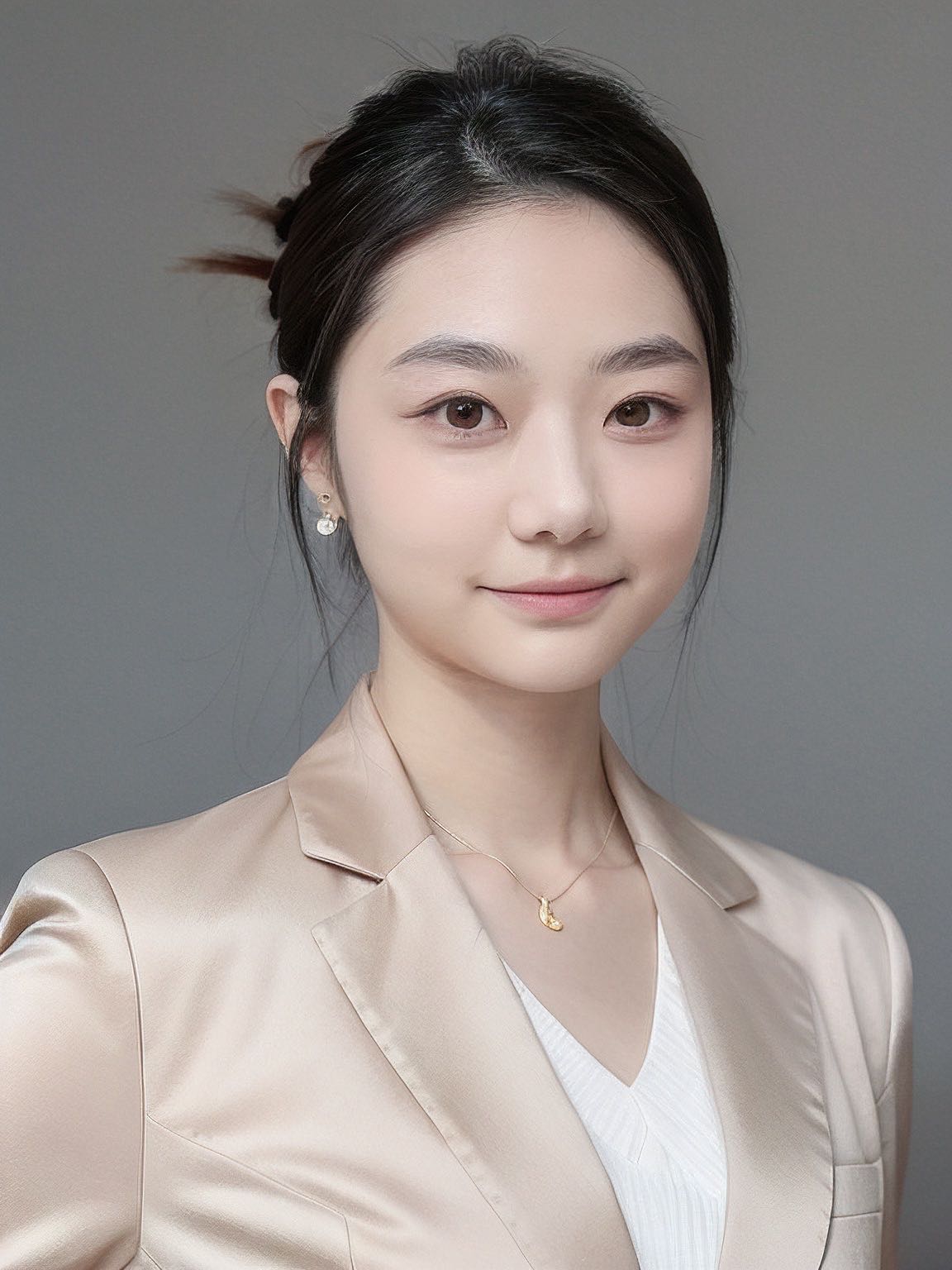
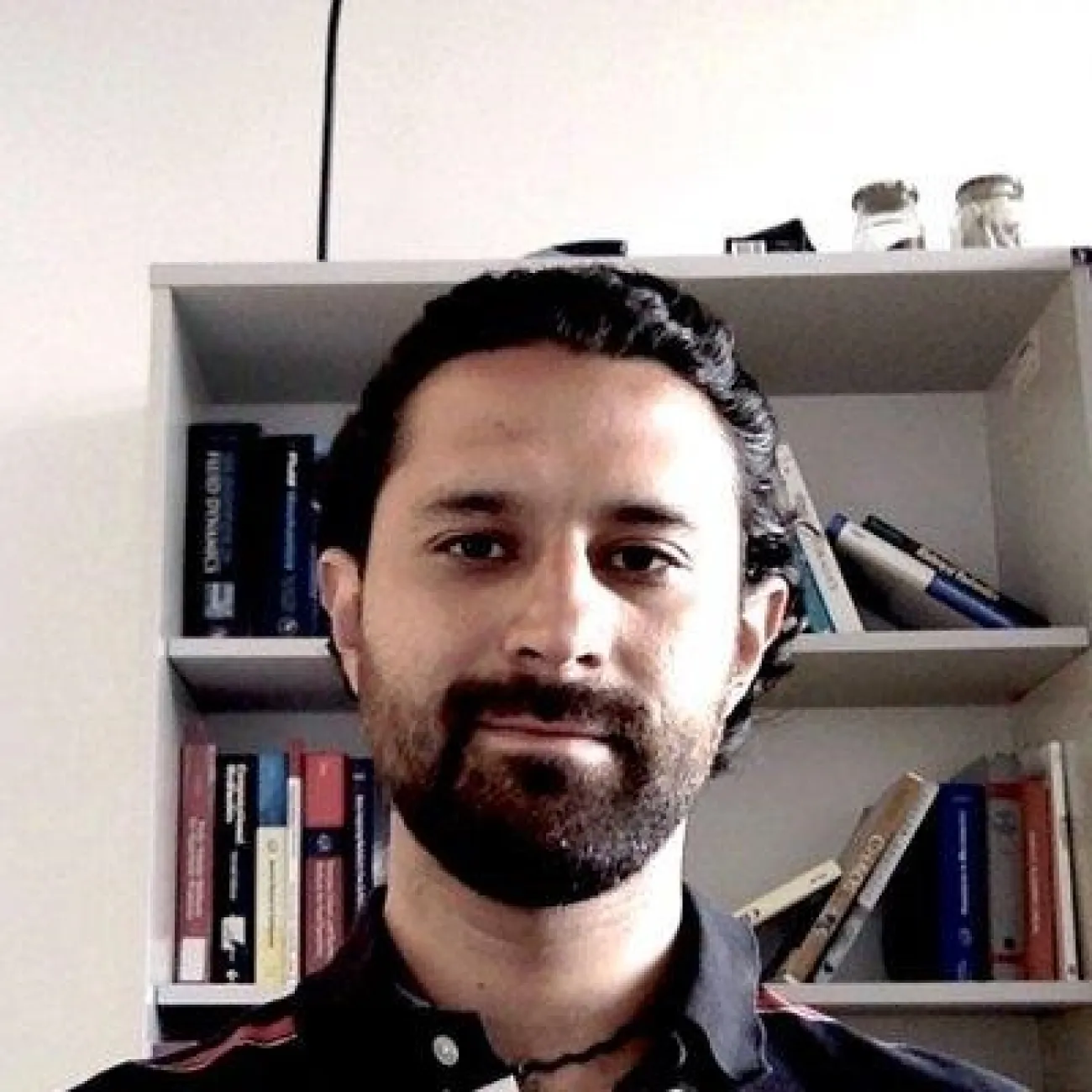
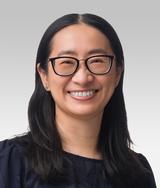
Dr. Yixuan Zou is a Lecturer in Digital Signal Processing at the School of Electronic Engineering and Computer Science, Queen Mary University of London (QMUL). She co-teaches QMUL's Joint Programme with Beijing University of Posts and Telecommunications (BUPT). B.Sc. in Mathematics M.Sc. from Imperial College London Ph.D. in Computer Science, QMUL (2022) Her research focuses on applying artificial intelligence to wireless communications, specifically non-orthogonal multiple access (NOMA), IRSs/RISs-aided systems, and resource allocation for 6G networks. She integrates machine learning, deep reinforcement learning, and meta-learning techniques to optimize network performance. Recent publications highlight advancements in secure IoT node identification, UAV-assisted RIS-NOMA networks, STAR-RIS beamforming, and wideband near-field communication optimization. She contributes to IEEE conferences as a Technical Program Committee member and session chair. Academic Fellow at Digital Environment Research Institute (DERI) Dr. Zou supervises PhD students researching next-generation multiple access, AI-driven near-field communication, and human action recognition, while also serving as a reviewer for top-tier journals like IEEE TWC and IoT-J.
Ning Cheng is an Assistant Professor (Teaching & Research) at the University of Calgary's Faculty of Veterinary Medicine, with affiliations to the Alberta Children's Hospital Research Institute (ACHRI) and Hotchkiss Brain Institute (HBI). Their research focuses on neurodevelopmental disorders, particularly autism and Fragile X Syndrome, using rodent models to investigate mechanisms and develop experimental therapeutics. PhD in neuroscience from Johns Hopkins School of Medicine Postdoctoral work on neurological disorders at NIH Research spans molecular mechanisms, neural circuitry, and translational approaches to address social, communication, and behavioral challenges in autism spectrum disorders. The lab utilizes in vivo recording/modulation of brain activity, biochemical analyses, and multidisciplinary collaborations. Recent publications highlight expertise in EEG biomarker discovery, auditory processing abnormalities, ketogenic diet interventions, and ERK pathway modulation in mouse models of neurodevelopmental conditions. Key technologies developed include wireless cortical hemodynamic monitoring systems (TinyIOMS) and open-source electrophysiology tools (OSERR). As part of ACHRI's Precision Medicine & Disease Mechanisms program and HBI's Neurodevelopment/SCNIP strategic initiatives, Cheng contributes to university-wide efforts in Brain and Mental Health (2015-2021) and Child Health and Wellness (2020-2025).
Joseph Galea is Professor of Motor Neuroscience and Head of Research at the School of Psychology, University of Birmingham (UK). He holds a PhD and BSc from the University of Birmingham. His research integrates behavioral experiments, brain imaging (fMRI), non-invasive brain stimulation (TMS, tDCS), and computational modeling to investigate motor control, learning mechanisms, and rehabilitation in both healthy individuals and neurological patients (e.g., Parkinson's disease, dystonia). Research interests focus on: Reward-based motor learning and decision-making Sequential action planning and execution Neurophysiological mechanisms of motor control Dopaminergic modulation of movement Sensorimotor integration in virtual environments Clinical applications for stroke and movement disorders His publications demonstrate consistent focus on reward/punishment effects on motor behavior, cerebellar-basal ganglia interactions, and neuroplasticity. Recent work explores pharmacological interventions, VR technology validation, and cortical excitability dynamics during learning. Scientific Awards: Early-career award (British Association of Cognitive Neuroscience, 2018) Elected member of Young Academy of Europe (2016) Klein-Vogelbach Prize for human movement research (2012) Leads a productive research group with multiple postdoctoral fellows and PhD students. Secured major grants including ERC Starting Grant, MRC, BBSRC, and ERC Proof-of-Concept funding. Current projects involve developing hand-based rehabilitation robotics and investigating reward mechanisms in motor disorders.
Dr Sergio Maldonado is a researcher at the University of Southampton 's Faculty of Engineering and Physical Sciences , specializing in Environmental Fluid Mechanics and Hydraulics . He leads modules including Environmental Hydraulics and Flood Modelling and Mitigation while supervising PhD students in topics spanning sediment transport, coastal morphodynamics, and fluid-algae interactions. Education: PhD (Environmental Fluid Mechanics, University of Edinburgh), MSc (Hydraulic Engineering, UNAM), BSc (Mechanical Engineering, Tecnológico de Monterrey) Research Focus: His work addresses fundamental aspects of environmental hydraulics, with applications in: Sediment transport mechanics in open channels Coastal and river morphodynamics Fluid dynamics of algae systems Machine Learning for computational hydraulics Experimental fluid mechanics innovations Recent Publications demonstrate expertise in morphodynamic simulations, temperature measurement techniques, and physics-informed neural networks for shallow water equations. He actively supervises PhD students and contributes to interdisciplinary coastal risk reduction research.
Armita Törngren Golkar is an Associate Professor at Stockholm University's Department of Psychology and an affiliated researcher at Karolinska Institutet. Her work focuses on emotion regulation and learning mechanisms, particularly fear and safety learning through direct experience and social transmission. PhD in Psychology (2013) from Karolinska Institutet Postdoctoral Fellow at Karolinska Institutets emotionlab (2013-2015) Swedish Research Council International Postdoctoral Grant (2015-2018) Research Interests : Dr. Golkar's lab investigates how aversive experiences shape emotional learning through behavioral, psychophysiological, and fMRI approaches. Key areas include social threat transmission, fear extinction mechanisms, and neurodevelopmental factors in anxiety disorders. Her work bridges experimental psychology with clinical applications, exploring both individual and intergroup dynamics in emotional processing. Scientific Achievements : Recipient of the Wallenberg Academy Fellow grant (2021), Outstanding Young Researcher in Psychology award (2015), and Best Thesis of the Year recognition (2013). Her publications in journals like PNAS and Psychological Science demonstrate cross-disciplinary impact in cognitive neuroscience and social psychology.
Nicole Gervais, PhD is an Assistant Professor and Rosalind Franklin Fellow in behavioural and cognitive neuroscience at the University of Groningen's Faculty of Science and Engineering. She is affiliated with the Groningen Institute for Evolutionary Life Sciences (GELIFES) and the Faculty of Medical Sciences/UMCG's Cognition, Ageing and Disease (CAD) research group. Dr. Gervais leads the Memory, Sleep, and Hormones (MeSH) lab, which focuses on translational research examining how sex differences and hormonal changes affect brain health. Dr. Gervais earned her PhD in Psychology/Behavioural Neuroscience from Concordia University in Montréal, Québec. She completed postdoctoral training at institutions in Amherst, Massachusetts, USA and Toronto, Canada. Before joining the University of Groningen in September 2023, she held a Research Associate position at the Rotman Research Institute and University of Western Ontario in London, Canada. Her research program explores diversity in vulnerability to neuropsychiatric conditions and responses to therapeutics, with particular focus on how individual factors (especially sex) and environmental conditions contribute to neuropsychiatric disease and treatment effectiveness. She investigates sleep-wake patterns, social interactions, and cognition across species to understand how hormonal transitions like menopause affect brain health. Her work has significant implications for understanding why certain neurological and psychiatric conditions disproportionately affect women. Dr. Gervais's publications reveal a strong focus on the intersection of sex differences, sleep physiology, and cognitive function. Her recent work examines how early ovarian removal affects hippocampal function, memory, and sleep architecture. She employs both human studies and rodent models to investigate these questions, using techniques including neuroimaging (MRI), sleep physiology measurements, behavioral assessments, hormone quantification, and pharmacological manipulations. Rosalind Franklin Fellowship Dr. Gervais serves as an editor for special issues of the journal Hormones and Behavior. Her research has received significant attention, with multiple publications covered in international media outlets. Her work contributes to the United Nations Sustainable Development Goals, particularly those related to good health and well-being. She has published over 27 research outputs including articles, preprints, editorials, and review articles, with many receiving substantial citations and media coverage. Dr. Gervais directs the Memory, Sleep, and Hormones (MeSH) lab, which takes a translational approach to studying how major hormone changes interact with genes to increase vulnerability for developing insomnia and its adverse consequences for the aging female brain. The lab uses complementary research in rodents and humans, employing touchscreen tasks with high translational value to assess cognitive function in rodents and EEG recordings to assess sleep. Their research has important implications for understanding and treating conditions that disproportionately affect women, such as insomnia and Alzheimer's disease.
Courtney Dumont is an Associate Professor in the Biomedical Engineering department at the College of Engineering , University of Miami. Her research focuses on neural stem cells and tissue-engineered microenvironments to repair nervous system injuries. Education: Not explicitly detailed in the text. Dr. Dumont’s recent publications highlight a multidisciplinary approach combining nanotechnology , biomaterials , and gene therapy to address neurological injuries. Her work spans spinal cord repair , anti-inflammatory strategies , and innovative treatments for SARS-CoV-2 . Key trends in her research include precision nanoparticle delivery systems , engineered scaffolds for cell transplantation , and modulating oxidative stress and inflammation to enhance regeneration. These studies emphasize the integration of biomaterial design with cell and gene therapies for clinical translation. Her lab, the NeuSTEM Research Group , develops multichannel bridges and hydrogel substrates to improve axon regeneration , myelination , and neuronal integration in rodent models.
Emmanouil Z. Psarakis is an Associate Professor at the Department of Computer Engineering & Informatics , University of Patras, Greece. Born in 1963, he has been affiliated with the university since 2005 and is a member of the Signal Processing and Communications Lab . His academic journey includes teaching courses such as Signals and Systems Theory , Digital Signal Processing , and Computer Vision and Graphics . PhD in Computer Engineering and Informatics, University of Patras (1991) Dr. Psarakis is renowned for his research in image processing , computer vision , and signal processing , with applications in biomedical imaging , seismology , and robotics . His work spans deep learning , filter design , and 3D reconstruction , reflecting a multidisciplinary approach. His 15 most recent publications (2020–2025) focus on sign language recognition , adversarial defense , 3D shape analysis , and medical imaging . These works integrate machine learning , stochastic modeling , and computer vision to address challenges in video summarization , image inpainting , and seismic signal analysis . Dr. Psarakis has supervised over 10 PhD students , including Fotini Fotopoulou (2016–2019) and Panagiotis Georgantopoulos (2020–2023). He has participated in EU-funded , Hellenic , and bilateral R&D projects related to biomedical signal processing , robot vision , and forest fire monitoring . He leads the Signal Processing and Communications Lab , which collaborates with institutions like the Computer Technology Institute and international universities. His contributions include filter design , image alignment , and stereopsis techniques , with a focus on practical implementations in telecommunications and medical diagnostics .
Dominique Durand is a Professor of Biomedical Engineering at Case Western Reserve University and Director of the Neural Engineering Center. His research focuses on neural engineering, computational neuroscience, and neuromodulation, particularly for epilepsy treatment and neural interface development. Professor, Biomedical Engineering Director, Neural Engineering Center Research interests include: Neural interfacing and prostheses Non-linear dynamics of neural systems Control of epilepsy via electrical stimulation Carbon nanotube (CNT) yarn electrodes for chronic neural recording Computational modeling of neural activity Ephaptic coupling mechanisms in seizure propagation Recent work examines: Transcranial direct current stimulation (tDCS) effects on seizures Low-frequency stimulation for seizure suppression Neural activity in tumors for cancer-state determination Advanced electrode designs for peripheral nerve interfaces Autonomic nervous system modulation in disease Laboratory affiliations include the Neural Engineering Center, which develops technologies for neural system analysis and therapeutic interventions.
Keller Martin is a research associate in the Department of Applied Exercise Physiology at the University of Basel , Switzerland. Their work focuses on neurophysiology of balance , motor cortex plasticity , and age-related adaptations to training interventions. Email: martin.keller@unibas.ch Office: Grosse Allee 6, 4052 Basel, Switzerland Research Interests: Keller Martin investigates how balance training affects cortical activity , spinal reflexes , and motor performance . Their studies explore task-specific neural adaptations , attentional focus modulation , and augmented feedback mechanisms in elite athletes and aging populations. Article Trends: Their publications emphasize neuroscience (10+ papers), biomechanics , and exercise physiology . Key subfields include motor imagery , cortical inhibition , postural threat , spinal reflex plasticity , and cross-limb interference .
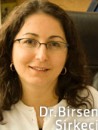
Birsen Sirkeci is a Professor in the Department of Electrical Engineering at San Jose State University (SJSU), San Jose, CA. She holds a PhD from Cornell University (2006), an MSc from Northeastern University (2000), and a BSc from Middle East Technical University, Turkey (1998). Prior to joining SJSU, she was a postdoctoral researcher at UC Berkeley. Her educational background includes: PhD in Electrical Engineering, Cornell University, Ithaca, NY (2006) MSc in Electrical Engineering, Northeastern University, Boston, MA (2000) BSc in Electrical Engineering, Middle East Technical University, Ankara, Turkey (1998) Professor Sirkeci's research spans wireless communications , sensor networks , statistical signal processing , and machine learning . Her work focuses on developing advanced algorithms for cognitive radio networks, spectrum sensing, and cooperative communication systems. She has pioneered applications of neural networks in materials science (e.g., stress prediction in porous ceramics) and medical imaging (e.g., colon cancer detection), demonstrating exceptional interdisciplinary innovation. Analysis of her 2013-2021 publications reveals a dominant trend at the intersection of wireless communications and deep learning. Key themes include spectrum sensing via convolutional neural networks, cooperative broadcast strategies in dense networks, and physics-informed machine learning for materials engineering. Her work consistently addresses real-world constraints like channel estimation errors and hardware limitations using USRP SDRs. Her scientific contributions have been recognized with: Best Paper Awards at MILCOM 2005, WCECS 2010, and ICETEC 2013 IEEE ICME Outstanding Organizing Committee Member (2013) Applied Materials Teaching Award at SJSU (2014) As an advisor, she co-led the SJSU Spartans team to the DARPA Spectrum Challenge finals in 2013. While specific grants aren't detailed in source material, her award-winning publications and competition success indicate sustained research funding. She actively mentors students through capstone projects and competitive teams, emphasizing hands-on implementation. Professor Sirkeci leads wireless communications research within SJSU's Electrical Engineering department, with strong ties to industry through awards like Applied Materials. Her DARPA Spectrum Challenge involvement underscores leadership in translating theoretical research into competitive, real-world systems.
Md. Abul Hassan Samee is an Associate Professor at Baylor College of Medicine , specializing in Integrative Physiology . He is affiliated with the Computational and Integrative Biomedical Research Center (CIBR) , THINC@BCM , and the Cardiovascular Research Institute (CVRI) . Education: Postdoctoral Fellowship at Gladstone Institutes, University of California San Francisco PhD in Computer Science from University of Illinois Urbana Champaign Research Interests: Development of machine learning algorithms for biological datasets Single-cell and spatial omics analysis Comparative genomics in regeneration and aging Computational models for cancer and neurodegenerative diseases Publications focus on spatial transcriptomics, cardiac regeneration, and interpretable AI in genomic research. Recent projects include SPaSE for pathology scores and GraphAge for epigenetic aging. Grants from the National Institutes of Health support his work on Alzheimer's disease and MYH7 variant interpretation.
Professor Yalin Zheng is a faculty member at the University of Liverpool, specializing in artificial intelligence, machine learning, and medical image analysis with applications in ophthalmic imaging. They hold a Ph.D. in Computer Science from the University of Southampton (2003) and have held research roles at King's College London and Medicsight PLC prior to joining Liverpool in 2008. Research interests focus on developing AI-driven solutions for eye disease diagnosis and management, including glaucoma, diabetic retinopathy, and corneal imaging. Their work integrates deep learning and novel imaging technologies like optical coherence tomography (OCT) for applications in ophthalmology and cardiology. Recent publications (2024-2025) emphasize AI techniques for OCTA vessel segmentation, corneal analysis, and cardiovascular risk prediction. They have secured significant research grants from organizations including the Medical Research Council, Wellcome Trust, and Procter & Gamble. Teaching roles include modules in Clinical Imaging and Applications (MSc) Ophthalmology Clinical Imaging (Module Co-ordinator) Medical Image Processing Professional activities include editorial roles in BMJ Open Ophthalmology (Associate Editor) Nature Scientific Reports (Editorial Board Member) and invited presentations on automated segmentation and ophthalmic imaging technologies.
Wen Lu, PhD is a Research Assistant Professor in the Department of Cell and Developmental Biology at Northwestern University's Feinberg School of Medicine. Her primary research focuses on cytoskeletal regulation and molecular motor coordination in super-large cells including oocytes and neurons, utilizing Drosophila melanogaster as a model organism. She employs high-resolution live microscopy, genetic engineering, optogenetics, and pharmacological manipulations to investigate microtubule and F-actin dynamics in cellular development and regeneration. Her educational background includes a BS from Peking University (2004) and a PhD from The University of Chicago (2010), followed by postdoctoral training at Northwestern University Feinberg School of Medicine. Dr. Lu maintains active affiliations with the American Society for Cell Biology (2019-2024) and the Genetics Society of America (2022-2023), and serves on the FlyBase Community Advisory Group since 2014. Research interests center on cytoskeletal dynamics in cellular polarization, with particular emphasis on oocyte specification, growth mechanisms, and neuronal regeneration after injury. Her work bridges developmental biology and neurobiology through innovative imaging techniques that reveal molecular transport mechanisms in cellular systems. Current investigations explore microtubule movement regulation and the interplay between cytoskeletal elements during critical developmental processes. Publication trends demonstrate strong interdisciplinary focus spanning cell biology, neurobiology, and imaging sciences, with recent work increasingly incorporating translational elements in ophthalmology and oncology. Her articles reveal consistent methodological innovation in live-cell imaging and genetic manipulation techniques applied to fundamental biological questions. Winner 2025 Drosophila Art Contest, The FlyStuff / Genesee Scientific Team Winner of CDB Graphic Design Contest, CDB Special Events Committee (2024) Winner in Category 2, Microscopy Image Competition 2024, ProteinTech Group 2nd Prize in Published Category, Microscopy Today Micrograph Awards (2024) BINA 2022 Image Contest- People's Choice Award, BioImaging North America Dr. Lu serves on the FlyBase Community Advisory Group and maintains industry relationships including ownership in Quantum Music LLC. Her laboratory work integrates advanced microscopy with genetic models to address fundamental questions in cellular organization, with potential implications for understanding developmental disorders and neurodegenerative conditions.
Prof. Dr. Reto Huber is a leading researcher in Developmental Pediatrics , focusing on sleep neuroscience, EEG dynamics, and cognitive development. His work bridges pediatric neurology with advanced neurostimulation techniques. Key affiliations: Zurich University Children's Hospital (inferred from context) Research areas: Sleep EEG modulation, memory consolidation, psychiatric sleep links, and neurodevelopmental disorders Research Highlights : Recent studies explore auditory stimulation to enhance slow-wave sleep in Parkinson's patients, fractal sleep cycle modeling, and the impact of 5G electromagnetic fields on EEG patterns. His projects also address sleep-cardio interactions in aging populations and trauma memory processing during NREM sleep. Article Trends : A focus on targeted auditory stimulation (7/15), sleep-related memory processing (6/15), and clinical sleep applications (5/15) emerges. Cross-disciplinary work connects neurology , psychiatry , and cardiology through sleep biomarkers.