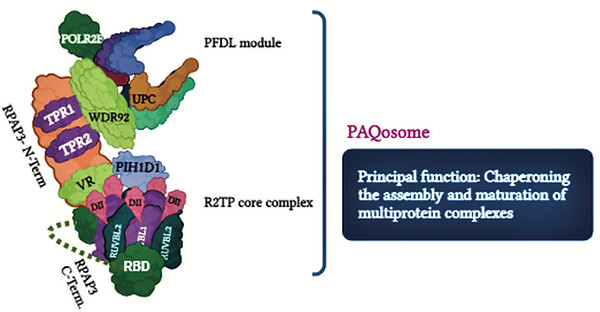
Benoit Coulombe is a Professor and researcher at the Université de Montréal's Department of Biochemistry and Molecular Medicine, affiliated with the Montreal Clinical Research Institute (IRCM). He holds the Bell-Bombardier Excellence Chair and directs the Translational Proteomics Research Unit at IRCM. His academic career includes roles as a postdoctoral researcher at the University of Toronto and Université libre de Bruxelles, followed by professorships at Université de Montréal since 2001. His research focuses on protein-protein interactions, RNA polymerase II transcription regulation, and molecular chaperones. Key projects include developing tools like MAGPIE (machine learning for protein interactions) and investigating leukodystrophies caused by RNA polymerase III mutations. He has published over 100 articles, with work cited over 8,300 times. Recent studies highlight drug discovery targeting the PAQosome complex, mechanisms of hypomyelinating disorders, and precision medicine approaches. Collaborations include IVADO and Génome Québec for clinical trial transparency initiatives. Awards include leadership in the IRCM's Responsible Conduct of Research program and contributions to open-access science. His lab integrates proteomics, bioinformatics, and molecular biology to advance disease understanding and therapeutic development.
Zoha Kibar is an Accredited Professor at the Department of Neuroscience, Faculty of Medicine, University of Montreal. She is affiliated with the Research Center of CHU Sainte-Justine. Her research focuses on the molecular genetics of congenital anomalies in the central nervous and skeletal systems, particularly neural tube defects (NTDs) and Chiari I malformations (CMI). She uses genetics, genomics, and molecular biology to study these conditions, emphasizing gene-environment interactions. During her postdoctoral work at McGill University, she identified the Vangl2 gene in the Loop-tail mouse model, linking it to NTDs. Her lab investigates VANGL1/2 genes in human NTDs, studies novel mouse models via N-ethyl-N-nitrosourea mutagenesis, and employs array-based Comparative Genomic Hybridization for copy number variants in patients. For CMI, she examines genetic predispositions using dog models (Cavalier King Charles Spaniels and Brussels Griffon) to parallel human studies. Her research aims to elucidate molecular mechanisms underlying congenital anomalies, enabling better preventive strategies and genetic counseling. Key findings include the first report of pathogenic VANGL1 mutations in human NTDs. Current projects focus on expanding gene discovery in NTDs/CMI and bridging animal models to human clinical insights.
Michael Sutcliffe is a Professor of Biomedical Engineering at the University of Cambridge, serving as Head of Division C (Mechanics, Materials and Design) and Head of the Biomechanics Group within the Engineering Department. He additionally holds leadership roles as Programme Director for the part-time PgCert/PGDip/MSt in "Healthcare Innovation: Engineering, Systems and Improvement" and Co-Director of the Cambridge Centre for Engineering Better Care (CEBC), a cross-disciplinary initiative connecting engineering, medicine, and healthcare industry partners in the Cambridge region. His research centers on biological tissues (joints, brain, arteries), composite materials (forming/failure mechanisms), tribology in composites processing, and mechanical behavior of materials. This work operates under the department's Bioengineering research theme through active collaborations with Addenbrooke’s Hospital and the University Vet School, translating engineering principles into medical solutions for tissue mechanics and implant design challenges. Analysis of his recent publication record reveals consistent interdisciplinary focus on biomechanical modeling across dental/orthopedic implantology, spinal disorder mechanics, cardiovascular tissue analysis, and composite manufacturing optimization. His work demonstrates heavy reliance on finite element analysis and computational modeling, increasingly incorporating machine learning techniques, with strong translational emphasis on healthcare innovation through engineering systems. No scientific awards were mentioned in the provided text. Information regarding student advising relationships and research grant funding was not provided in the source materials. Prof. Sutcliffe leads the Biomechanics Group at Cambridge's Trumpington Street site (office BE3-29) and co-directs the Cambridge Centre for Engineering Better Care (CEBC). These entities drive collaborative projects between engineers, clinicians, and industry partners to develop healthcare technologies, improve surgical planning through computational modeling, and optimize medical device design using advanced material science principles.
Burcu Biterge Süt is an Associate Professor at the Department of Molecular Biology and Genetics, Istanbul Technical University. Her research focuses on histone biology, epigenetic regulation, and molecular mechanisms underlying cancer and developmental disorders. She investigates the roles of eukaryotic elongation factors, histone modifications, and electromagnetic field effects on biological systems. Her work bridges molecular genetics with clinical implications, particularly in hepatocellular carcinoma and neural tube defects. Research Interests: Her studies explore histone variants, cancer epigenetics, ion channel mutations in epilepsy, and the impact of environmental factors like electromagnetic fields on tissue pathology. She employs computational methods and in silico modeling to analyze genetic mutations and protein structures. Key areas include viral infection epigenetics, comparative anatomy of subterranean mammals (e.g., blind mole rats), and tumor subtype characterization through genomic profiling. Collaborations: Her international collaborations include studies on viral pathogenesis and neuroanatomical adaptations in extreme environments. These projects highlight interdisciplinary approaches to understanding complex biological systems. Notable Contributions: Her recent work includes functional evaluations of neural tube defect-related mutations, computational analyses of cancer driver genes (e.g., TP53 and CTNNB1), and histopathological investigations of electromagnetic field exposure effects. These studies contribute to biomarker discovery and therapeutic target identification in oncology and developmental biology.
William O. Walker, Jr., MD is the Robert A. Aldrich Professor of Pediatrics at the University of Washington School of Medicine and Chief of the Division of Developmental Medicine at Seattle Children’s Hospital. With over 30 years of clinical, administrative, educational, and research experience, he specializes in developmental disabilities with a focus on spina bifida and neural tube defects. His educational journey includes: BS in Biology from Tulane University (1975) MD from Tulane University School of Medicine (1979) Pediatrics Internship and Residency at William Beaumont Army Medical Center (1979-1982) Fellowship in Developmental Behavioral Pediatrics at William Beaumont Army Medical Center (1985-1987) Dr. Walker’s research centers on the impact of neural tube defects on continence, technology use, quality of life, participation, employment, and educational success through the International Classification of Functioning (ICF) framework. He emphasizes practical solutions for families and long-term collaborative care models. His 25+ year publication record shows consistent focus on spina bifida outcomes, with recent work addressing bowel/bladder management, patient registries, fetal surgery, and transition to adulthood. Key themes include healthcare access disparities, obesity in myelomeningocele, and bullying prevention. Scientific recognition includes: “A” Proficiency Designator from The Surgeon General, Army Medical Department (1997) BG George J. Brown Mentor’s Cube from Madigan Army Medical Center (2000) Outstanding Teacher Award from University of Washington Pediatric Residency Program (2005) As an educator, he has trained generations of pediatric specialists while leading national initiatives including the Department of Defense/Health and Human Services Task Force on Children with Special Health Care Needs (1993-1998) and NICHD-funded Management of Meningomyelocele Study (MoMS II) as Steering Committee Chair since 2011. His NIH and CDC-supported work focuses on improving ambulatory and community-based healthcare systems. Dr. Walker directs Seattle Children’s Division of Developmental Medicine, which integrates clinical care, research, and training through the National Spina Bifida Patient Registry and multidisciplinary teams addressing lifelong disability management.
Janice L. Brissette is an Associate Professor in the Department of Cell Biology at SUNY Downstate Medical Center. Her research focuses on mammalian development and disease, particularly regulatory mechanisms in skin, brain, and intestines. Key research areas include morphogenetic regulation, epithelial differentiation, and pigment recipient cell dynamics. Her lab developed flash-forward genetics to dissect molecular traits in mammals, leading to discoveries like the nude-like locus and novel skin cell types. Recent publications highlight work on hair follicle morphogenesis, pigmentation patterns, and epithelial-mesenchymal interactions. The lab investigates murine models for vitiligo, Dandy-Walker syndrome, short bowel syndrome, and melanoma.
Marko Knezevic is a Professor in the Department of Mechanical Engineering at the University of New Hampshire (UNH), joining the faculty in spring 2013. His prior experience includes roles as a principal research scientist at Scientific Forming Technologies Corporation (2009-2011), developing the DEFORM finite-element software for manufacturing analysis, and as a LANL Seaborg Institute Postdoctoral Fellow at Los Alamos National Laboratory (2011-2013). His educational background includes: Ph.D. in Materials Engineering from Drexel University M.S. from University of Novi Sad B.S. from University of Novi Sad Prof. Knezevic's research integrates computational methods and experiments to understand materials behavior under complex loading. He develops constitutive models and high-performance computational applications for multi-scale prediction of materials response, with emphasis on microstructural design, component manufacturing, and fracture mechanics. His work bridges fundamental crystal plasticity theory with industrial applications in additive manufacturing and structural materials. Recent publications (2025) demonstrate strong focus on crystal plasticity modeling of metals, neural network-enhanced multi-scale simulations, and additive manufacturing optimization. Key trends include strain-induced phase transformations in steels, strength-ductility tradeoffs in Al-Ce alloys, fatigue performance of additively manufactured components, and advanced modeling of hexagonal metals like magnesium and titanium. He teaches doctoral research courses (IAM 999, ME 999, MS 999) alongside specialized courses including Fracture Mechanics (ME 726/826), Continuum Mechanics (ME 922), and Computational Mechanics of Materials (ME 795/995). While specific grant details aren't provided, his research scope implies substantial federal and industry funding in computational materials science. Information about dedicated laboratories or research teams isn't specified in available sources, though his publications suggest collaborations with national laboratories and materials-focused research groups.
Dr. İbrahim Halil YILDIRIM is an Associate Professor at the Faculty of Medicine of Kirşehir Ahi Evran University , Turkey. Previously, he served as a Faculty Member at the Zootecni ve Hayvan Besleme Bölümü of Dicle University 's Veterinary Faculty from 2011 to 2020. His academic journey includes a PhD in Medical Biology and Genetics from Gaziantep University (2010), MSc from İnönü University (2004), and BSc from Akdeniz University (2001). Education PhD: Medical Biology and Genetics, Gaziantep University (2010) MSc: Medical Biology and Genetics, İnönü University (2004) BSc: Biology, Akdeniz University (2001) Dr. YILDIRIM's research focuses on Medical Biology and Genetics , particularly in Cancer Biology , Genetic Polymorphisms , and Stem Cell Research . His work explores mechanisms of Apoptosis , Inflammatory Pathways , and Gene Expression in diseases like Colorectal Cancer , Breast Cancer , and Neural Tube Defects . He investigates the impact of substances like Thymoquinone and Vitamin D on cellular processes. His recent publications analyze 2019-2025 trends in Genetic Polymorphisms (e.g., TLR4, HIF1A), Cancer Stem Cell behavior, and Imaging Contrast Agents . Key projects include COVID-19 mRNA Vaccine Development (2020-2024) and Infertility Biomarkers studies (2018-2021). Collaborations span institutions like Selçuk University and Sinop University from 2011-2025. He has advised Master's theses on Blastocystis sp. and Neural Tube Defects , and served as a Principal Investigator for grants analyzing NK Cell Activity in infertile individuals (2018-2021) and MEFV Gene Mutations in rheumatoid arthritis (2013-2014).
Professor Justin Cooper-White is Head of School and Professor of Bioengineering at the School of Chemical Engineering, University of Queensland. He holds affiliate appointments at the Australian Institute for Bioengineering and Nanotechnology (AIBN) and serves as Director of the Australian National Fabrication Facility-Queensland Node, Research Director of the Herston Biofabrication Institute, and co-Director of the Australian Organoid Facility. His leadership extends to past presidencies of the Australasian Society for Biomaterials and Tissue Engineering and Australian Society of Rheology. Cooper-White's research focuses on decoding microenvironmental cues governing stem cell behavior and tissue genesis, with emphasis on aging-related tissue dysfunction. His team develops innovative biomicrodevices, engineered surfaces, and advanced scaffolds for regenerative applications. Key research domains include: Smart biomaterials for tissue engineering Mechanotransduction signaling pathways Stem cell niche engineering Microfluidic platforms for high-throughput screening Nanoparticle-based tissue rejuvenation His publication portfolio demonstrates strong interdisciplinary integration across biomedical engineering, materials science, and computational biology. Recent work emphasizes multiscale tissue modeling, stem cell reprogramming, organoid systems, and advanced biomaterial characterization. Biomechanics and mechanobiology emerge as unifying themes, with significant focus on spinal disorders and cardiovascular aging. Awards and recognitions include: Fellowship in the International Union of Societies for Biomaterials Science and Engineering Fellowship in the Queensland Academy of Arts and Sciences CSIRO Office of the Chief Executive Science Leader Visiting Professorships at ETH Zurich and Politecnico di Milano He has secured over $57M in competitive funding, including ARC Discovery Projects and NHMRC grants. Current doctoral supervision spans regenerative engineering, stem cell biomanufacturing, and neural tissue regeneration. He leads international collaborations with institutions including MIT, Stanford, ETH Zurich, and Max Planck Institute, while maintaining industry partnerships with Unilever, Nestle, and Syngenta. As Editor-in-Chief of APL Bioengineering, Cooper-White shapes publication standards in the field. His laboratory develops transformative technologies including patented microbioreactor arrays and tissue engineering scaffolds commercialized through Australian and US ventures.
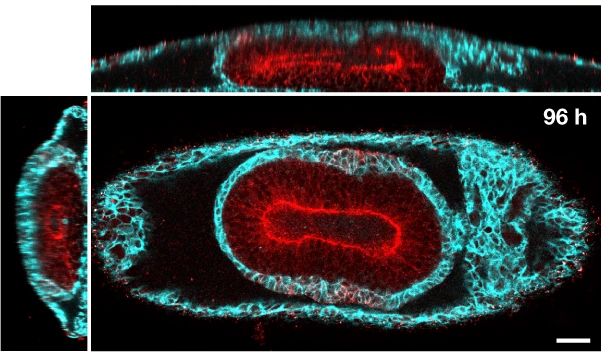
Sebastian Streichan is an Associate Professor in the Department of Physics at the University of California Santa Barbara, where he leads the Streichan Lab focused on understanding the physical principles underlying embryonic development. His research bridges physics, biology, and engineering to develop quantitative approaches to morphogenesis - the process by which developing organisms obtain their shape. The lab employs cutting-edge microscopy, computational modeling, and synthetic biology approaches across multiple model systems. Streichan's research interests center on quantitative understanding of developmental biology at the level of whole organs. His lab studies how cells dynamically coordinate to generate forces and shape tissues, combining physics-inspired analysis with advanced imaging techniques. They investigate morphogenesis across diverse model systems including synthetic organoids, Drosophila, zebrafish, Parhyale, and Hydra. Key research themes include mechanical feedback loops in tissue development, geometric control of cellular processes, and the physical principles governing organ formation. Analysis of Streichan's recent publications reveals a strong trend toward interdisciplinary approaches that integrate physics, computational methods, and biology. His work increasingly focuses on developing quantitative frameworks for understanding morphogenesis, with emphasis on mechanical feedback mechanisms, topological analysis of tissue organization, and computational tools for analyzing 3D microscopy data. Recent papers demonstrate growing interest in synthetic morphogenesis and applying physics principles to engineer organ development. Streichan actively mentors graduate students and postdoctoral researchers, with recent advisees including Dillon Cislo and Hannah Gustafson who successfully defended their theses in 2022. His lab has received support from multiple funding sources enabling research across various model systems. The lab collaborates extensively with theoretical physicists, particularly through the Kavli Institute for Theoretical Physics (KITP), to develop mathematical models of morphogenesis. The Streichan Lab operates as a collaborative team of biologists, physicists, and engineers working together to uncover the principles underlying embryonic development. They have developed innovative approaches including synthetic neural tubes from human stem cells, dynamic atlases of Drosophila morphogenesis, and advanced light-sheet microscopy techniques. The lab actively participates in educational initiatives through UCSB's interdepartmental quantitative biology course and organizes the Santa Barbara Advanced School of Quantitative Biology in collaboration with KITP.
Sofia Kamakh Asaad is a Physician Scientist at Aalborg University Hospital within the Faculty of Health Sciences, Department of Gastrointestinal Surgery. Her clinical and research work bridges gastrointestinal oncology and neurosurgery, reflecting a unique dual-specialty focus. Her research interests center on cancer surgery (particularly stomach and esophageal cancers), endoscopic procedures , and neurosurgical device innovation . Key areas include esophagogastroduodenoscopy optimization for cancer diagnosis, cerebrospinal fluid management techniques, and rare congenital spinal disorders in adult populations. Recent publications reveal a strong trend toward practical surgical innovations: the 2024 study on preoperative endoscopy protocols demonstrates her focus on improving gastrointestinal cancer outcomes, while the 2019 ABCD study highlights her contributions to neurosurgical device safety. All three publications show significant clinical impact with 20 Scopus citations and multiple international readership metrics. Her collaborative network spans Denmark and international institutions, with fingerprint analysis confirming dominant expertise in Cancer Surgery (100%), Stomach Cancer (100%), and External Ventricular Drain technology (100%). Dr. Asaad maintains active clinical work in gastrointestinal surgery while contributing to neurosurgical research, evidenced by her dual-publication track in both Scandinavian Journal of Surgery and Acta Neurochirurgica. Her 2020 case report on spinal dysraphism demonstrates ongoing engagement with complex neurosurgical presentations.
Associate Professor Necati Üçler is a faculty member at Gaziantep University's Faculty of Medicine, Department of Neurosurgery. He completed his Medical Doctorate at Istanbul University-Cerrahpasa (1995–2002) and specialized in Neurosurgery at Firat University (2006–2013). His research centers on neurosurgery , with emphasis on spinal disorders, cerebrovascular pathologies, brain tumors, and pediatric neurosurgery. He has authored 75 articles and 23 book chapters, reflecting expertise in surgical techniques, trauma management, and experimental neuropharmacology. Recent publications (2020–2025) focus on aneurysmal treatments, spinal surgery innovations, pediatric head trauma diagnostics, and neuroprotective agents. His work consistently addresses clinical outcomes and novel therapeutic approaches. He has presented 135 conference papers, including studies on pituitary tumors, spinal infections, and earthquake-related neurotrauma (e.g., 2024 Kahramanmaraş earthquake spinal injuries).
Charles Baroud is a Principal Investigator and Researcher at the Institut Pasteur in Paris, France. He leads a multidisciplinary Quantitative Biology Program group integrating microfluidics , mathematical modeling , and biomedical engineering to study biological processes at single-cell resolution. Research Focus: The group develops anchored microfluidic droplet platforms for quantifying antibiotic resistance in monoclonal bacterial populations and analyzing mechanical forces in 3D tumor models . Their work bridges physical sciences with cell biology to address challenges in infectious diseases and cancer. Scientific Contributions: Recent articles highlight probabilistic antibiotic susceptibility curves (2024), APC mutation effects on T cell interactions (2024), and 3D mechanobiology of cell aggregates (2024). The lab actively engages in technology transfer via startup spin-offs and licensing agreements. Laboratory: The BaroudLab combines microfabrication , image analysis , and data science tools. Former members have founded three startup companies and secured faculty positions internationally, demonstrating the lab's impact on both academia and industry.
Jan Deprest serves as a full Professor at KU Leuven's Faculty of Medicine, where he heads the Urogenital, Abdominal and Plastic Surgery unit within the Department of Development and Regeneration. His leadership extends to multiple institutional roles including membership in iSi Health - KU Leuven Institute for Physics-based Modeling for In Silico Health and Leuven.IRD - KU Leuven Institute for Rare Diseases, along with participation in various evaluation committees and faculty councils. His research spans cutting-edge fetal surgical interventions, minimally invasive techniques, and pelvic floor reconstruction. Current projects focus on innovative solutions for congenital conditions including the Vortex Shunt for urinary tract obstruction, AI-enhanced pelvic imaging, miniature flexible robots for gynecological procedures, and in-situ 3D bioprinting for spina bifida treatment. His work bridges engineering advancements with clinical applications to improve perinatal outcomes. Analysis of his recent publications reveals a strong emphasis on translational research connecting fetal diagnostics with therapeutic interventions. His team produces high-impact work in top journals covering congenital diaphragmatic hernia management, spina bifida repair outcomes, pelvic floor dysfunction, and AI-assisted obstetric imaging, demonstrating consistent contributions to advancing fetal medicine and reconstructive surgery. As an educator, Professor Deprest teaches multiple courses in gynecology and obstetrics, including specialized modules on sexual health, gynecological skills development, and problem-solving approaches in women's healthcare. His supervisory role extends to doctoral candidates like Page, A-S., whose 2025 thesis focused on innovative pelvic floor therapies. Professor Deprest leads numerous active research projects funded through KU Leuven, with several extending through 2028-2029. His laboratory work encompasses fetal lamb models for surgical device testing, AI algorithm development for medical imaging, and tissue engineering approaches for congenital defect correction, maintaining KU Leuven's position at the forefront of fetal surgical innovation.
Jiang Chang is a Professor and Deputy Director at the Center for Genomic and Precision Medicine within Texas A&M University College of Medicine . With dual MD and PhD degrees from Wuhan University and Texas A&M University respectively, his research focuses on molecular mechanisms of cardiac pathologies and metabolic disorders. Education: M.D., Wuhan University School of Medicine, Wuhan, China Ph.D., Texas A&M University, College Station, Texas Postdoc, Baylor College of Medicine, Houston, Texas His work integrates genetic mouse models to study maladaptive cardiac remodeling in myocardial infarction, hypertension, and diabetes. Recent studies highlight his discovery of the nuclear phosphatase SCP4 in regulating FoxO1/3a transcriptional activity during gluconeogenesis. Key publication trends show expertise in Rho signaling , cardiac exosome tracking , and metabolic disease models , with collaborations across institutions in chronic kidney disease and cancer research. Scientific Awards: Chancellor EDGES Fellow His laboratory has trained numerous researchers including Yuan Dai , Weijia Luo , and Xiaojing Yue , with projects funded by NHLBI , NIDDK , and NIAMS grants.