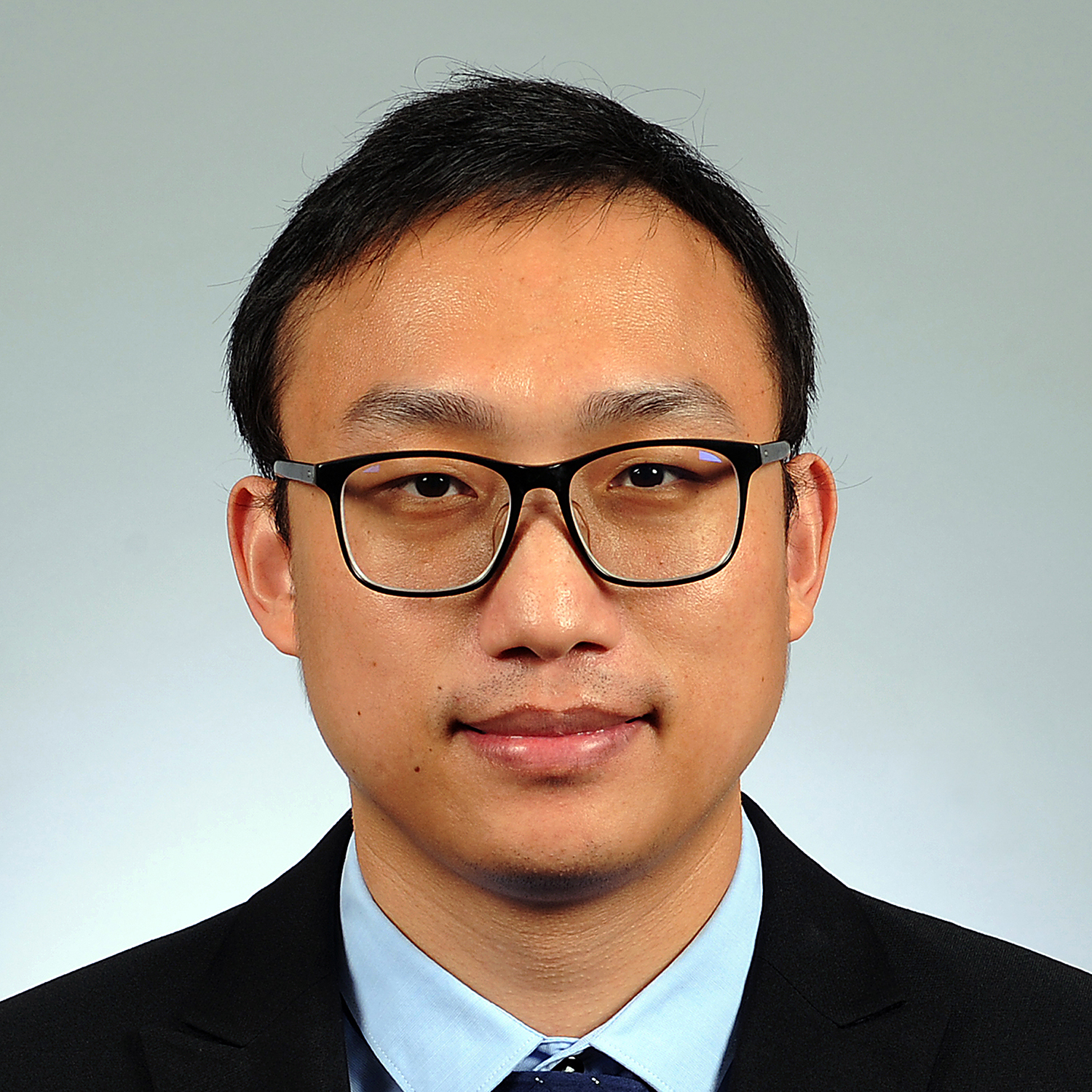
Prof. Dr. Kei Ito is a leading neuroscientist at the University of Cologne , specializing in Drosophila melanogaster brain architecture. His research focuses on mapping " terra incognita " regions of the brain, analyzing glial cell functions across development, and establishing standardized insect brain nomenclature through international collaboration. As AXA Chairholder and former HHMI Senior Fellow , he combines molecular genetics with 3D virtual reality visualization to unravel neuronal network organization . Academic Affiliation : University of Cologne (2016–present) Prior Positions : The University of Tokyo (2002–2017), National Institute for Basic Biology (1998–2002) Research Interests span multiple domains: "Terra Incognita" Analysis : Systematic mapping of previously uncharacterized brain regions (70% of brain volume) Glial Cell Biology : Classification and functional analysis from embryo to adult Connectome Research : Integration of electron microscopy data with genetic tools Neuronal Lineage Studies : 3D reconstruction of neuroblast progeny patterns Scientific Contributions include: Creation of 4,500 NP Gal4 driver lines (Japan consortium, 1998) Pioneering Split-Gal4 systems for precise neuron labeling Establishment of 6 distinct neuron naming schemes for EM data Leadership in Insect Brain Name Working Group (2007–2014) Advising Legacy features direct mentorship of 6 doctoral students and collaborative analysis of 3,777 neuron types in EM datasets. His lab maintains 1,000+ specific Split-Gal4 lines for terra incognita research.
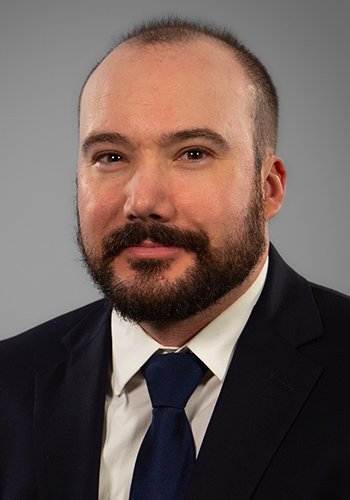
Isabella Di Lenardo is a Lecturer and Scientist at the Digital Humanities Institute (DHI) at École Polytechnique Fédérale de Lausanne (EPFL), where she also serves as the coordinator of the EPFL Time Machine Unit and the European Local Time Machines. She holds affiliations across multiple departments, including DHI-GE, SAR-ENS, SHS-ENS, and EDDH-ENS, reflecting her interdisciplinary role in teaching and research. Her educational background includes a PhD in Theories and Art History, with postdoctoral and faculty experience at institutions such as INHA (Paris), EPFL, and IUAV (Venice). Her research spans Digital Humanities, Art History, Urban History, and GIS , with a focus on digital urban reconstruction, historical cadastres, and AI applications in cultural heritage. She employs advanced computational methods including machine learning, 4D modeling, and semantic segmentation to analyze historical maps, cadastral records, and art archives. Her work bridges humanities scholarship with computer science, particularly in reconstructing urban evolution and analyzing visual patterns. The recent publications reveal a consistent trend in AI-powered historical data analysis , especially in processing non-standardized historical documents, reconstructing urban spaces, and developing open-source tools for digital heritage. Her work frequently involves large-scale datasets from Venice, Lausanne, Paris, and Jerusalem, demonstrating a transnational and interdisciplinary approach. She has contributed to significant collaborative projects such as the Venice Time Machine , Parcels of Venice , and Time Machine Organization , often acting as a principal investigator or project leader. Her role involves coordinating diverse teams of researchers, engineers, and cultural institutions. Scientific contributions include: Development of the Morphograph tool for visual pattern recognition in art archives Automatic vectorization and analysis of Napoleonic cadastres Creation of 4D models for historical cities AI-driven text and pattern extraction from historical maps Building discovery engines for digital art history She actively teaches ex cathedra courses in Digital Urban History and Art History at EPFL and internationally. Her work in grants and projects emphasizes open data, reproducibility, and interdisciplinary collaboration. She has led research funded by organizations supporting digital heritage innovation. She is a key member of the Digital Humanities Laboratory at EPFL and the Time Machine Organization , where she fosters collaboration between computer scientists, historians, and cultural institutions. Her work in the Replica Project and ARCHiVe center highlights her leadership in digitizing and making accessible large art historical archives.
Dr. Shuangshuang Jin is an Associate Professor in the School of Computing with a joint appointment in the Department of Electrical and Computer Engineering at Clemson University's College of Engineering, Computing and Applied Sciences. Previously, she served as a Senior Research Scientist at Pacific Northwest National Laboratory. Her educational background includes a Ph.D. in Computer Science (2007), M.S. in Computer Science (2003) from Washington State University, and a B.S. in Computer Science (2001) from Wuhan University. Ph.D., 2007 - Washington State University, Computer Science M.S., 2003 - Washington State University, Computer Science B.S., 2001 - Wuhan University, Computer Science Dr. Jin specializes in high-performance computing (HPC), distributed and parallel computing, general-purpose computation on graphical processing units (GPGPU), and HPC-based big data analysis, machine learning, scientific computation, and visualization. Her research focuses on applying these technologies to electrical engineering (power and energy systems, power electronics), automotive engineering, systems biology, and computer graphics. She leads the High-Performance Computing Enabled Science and Engineering (HPCeSE) Lab, where she supervises six PhD students working on HPC implementations for power system dynamic simulation, GridPACK application development, data-driven model-based smart control of power electronics converters, and other cutting-edge projects. Her recent publications demonstrate expertise in accelerating power system simulations, PV inverter reliability assessment, edge computing for power systems, and virtual prototyping of vehicle powertrain systems. The research trends show increasing focus on GPU acceleration, real-time simulation capabilities, and integration of HPC with emerging power system challenges. Junior Faculty Excellence in Teaching award (2021) Churchill Carter Fellowship (2022-2023) Zucker Graduate Education Center PhD Grant (2023) Doctoral Dissertation Completion Award (2023-2024) Outstanding Masters Student in Computer Science award (2022) Dr. Jin has successfully secured multiple grants from DOE, DOD, and other agencies for projects including 'Vehicle Propulsion Digital Twins', 'GridPACK-Wind', and 'Tool for Reliability Assessment of Critical Electronics in PV (TRACE-PV)'. She has advised numerous PhD and Master's students who have gone on to positions at national laboratories and industry. Her HPCeSE Lab maintains strong connections with Pacific Northwest National Laboratory, Fermi National Accelerator Laboratory, and other research institutions, providing students with valuable internship opportunities. Dr. Jin leads the High-Performance Computing Enabled Science and Engineering (HPCeSE) Lab at Clemson University, which focuses on developing optimized HPC-based parallel programming algorithms and architectures to solve complex scientific and engineering domain problems. The lab works on smart grid modeling and simulation, power electronics reliability assessment, ground vehicle systems prototyping, and advanced grid analytics, utilizing OpenMP, MPI, Pthreads, and CUDA/OpenCL on various computing platforms.
Yu Fujimoto is a Professor at Waseda University's Advanced Collaborative Research Organization for SmartSociety. Previously, he served as an Associate Professor at Waseda University's Advanced Collaborative Research Organization for Smart Society (2015-2023) and Institute for Nanoscience & Nanotechnology (2012-2015), and as an Assistant Professor at Aoyama Gakuin University's Department of Integrated Information Technology (2009-2012). He holds a Doctorate from Waseda University's Graduate School, Division of Science and Engineering and is a member of IEEE and the Information Processing Society of Japan. His research focuses on statistical science applied to energy systems, with specific interests in renewable energy forecasting, statistical data analysis for energy management systems, and statistical machine learning theory. Fujimoto has published 109 papers with 1,191 citations and maintains an h-index of 16, demonstrating significant impact in his field. His recent publications show a strong trend toward integrating machine learning techniques with power system applications, particularly focusing on renewable energy integration, electric vehicle charging optimization, smart grid technologies, and carbon reduction strategies. His work frequently addresses the challenges of grid stability with high renewable penetration and develops innovative solutions using advanced data analytics. Best Paper Award for Big Earth Data (2025) for wind generation dataset research Best Paper Award in International Conference on Power, Energy and Electrical Engineering (2025) Second Best Paper Award in International Conference on Renewable Energy Research (2024) Top Downloaded Article in IET Smart Cities (2023) Top Downloaded Article in IEEJ Transactions (2022) Fujimoto's research bridges theoretical statistical methods with practical energy system applications, contributing significantly to Japan's efforts in smart grid development and renewable energy integration. His work often involves collaboration with industry partners and government research organizations to address real-world power system challenges.
Lorenzo Alberio is a full professor at the University of Lausanne (UNIL), Faculty of Biology and Medicine, and serves as head physician at the Central Hematology Department and Laboratory of the Lausanne University Hospital (CHUV). He has held academic and clinical leadership roles since joining UNIL in 2014 and was promoted to full professor in 2024. His educational background includes a medical degree (1990) and doctorate (1993) from the University of Bern, FMH in internal medicine (1996), and specialist qualifications in hematology (1999) and analytical hematology (2002). He completed research training at the University of Oklahoma (1997–1999). Alberio's research focuses on hemostasis , platelet function , and coagulation disorders . His work includes the development of flow cytometry techniques and assays for procoagulant platelets (COATs), heparin-induced thrombocytopenia, and thrombin generation. His publications span high-impact journals and cover translational and clinical hematology, with a strong emphasis on diagnostic innovation and therapeutic applications. His recent articles reflect a consistent trend in thrombosis , platelet biology , and anticoagulation strategies , often in the context of cancer and critical care. The work bridges basic science with clinical implementation. Scientific awards include: Johann-Lukas-Schönlein Prize (2000) Multiple distinctions from the Swiss Society of Hematology Alberio is deeply committed to education and mentorship, having developed the Lausanne School of Hemostasis and actively teaching at undergraduate and postgraduate levels. He has secured significant research funding from the Swiss National Science Foundation (SNSF) and leads interdisciplinary projects. His research group operates within the Hemostasis & Platelet Research Laboratory at CHUV, part of a broader network including units in blood cancer proteostasis, targeted immunotherapies, and regenerative hematopoiesis. He maintains international collaborations with institutions in Strasbourg, Tübingen, Islamabad, Leuven, Ghent, and Maastricht. He is also President of the GTH Congress (2021, 2025), underscoring his global academic leadership.
Ryo Ikeshiro is an Assistant Professor at the School of Creative Media, City University of Hong Kong, and co-director of the spatial audio art/research unit SoundLab. His work bridges sound art, computational creativity, and cultural studies through immersive installations, algorithmic audio-visual systems, and sonification techniques. PhD in Creative Practice (Goldsmiths, University of London) MPhil in Music (University of Cambridge) BMus (King's College London) Ikeshiro's research interrogates the materiality of sound through: Multichannel Ambisonics and directional audio Neural network-driven temporal dislocation Sonification of climate data and historical soundscapes Machine learning for artistic interpretation Interplay of identity and technology East Asian ideophonic traditions His 2010-2024 publications and installations reveal cross-disciplinary engagement with: Fractal mathematics in audiovisual art Algorithmic composition systems Interactive installation technologies Sonic cartography Historical memory in sound Collaborative research frameworks SoundLab, which he co-directs, develops spatial audio research at the intersection of: Technical innovation Cultural representation Experimental pedagogy Public engagement International artistic exchange Practice-based research
Prof. Dr. Melanie Krüger is a faculty member at Leibniz University Hannover , where she serves as Head of the Research Unit Sports and Cognition within the Institute of Sports Science. Her academic career spans institutions including the Technical University of Munich, University of Tasmania, and Ludwig Maximilian University. She leads research initiatives in embodiment, cognitive aging, motor decision-making, and the impact of physical activity on neurocognitive and motor functioning. Current Position: Professor, Institute of Sports Science, Leibniz University Hannover Prior Appointments: Post-doctoral roles at Technical University of Munich, University of Tasmania, and Pennsylvania State University Education: PhD in Systemic Neurosciences, Ludwig Maximilian University; Diploma in Sports Science, University of Leipzig Krüger's research focuses on: Embodiment Research: Systemic interactions between cognitive and motor development Cognitive Aging: Age-related changes in motor decision-making and coordination Human Locomotion: Collision avoidance, mixed reality interactions, and real-world movement studies Open Science: Advocacy for research data management in sports science Her recent publications explore mixed reality applications ( 2024 ), stress effects on motor function ( 2023 ), and methodological innovations in locomotion studies ( 2021-2025 ). Current projects include Moving Forward (2021-2022) and two Innovation Plus initiatives (2022-2024) developing experimental frameworks for human movement analysis. Krüger actively participates in academic governance: Spokesperson, German Society of Sport Science's Ad Hoc Committee on Research Data Management (since 2022) Board member, DVS Section 'Sports Motor Skills' (since 2022) Doctoral Committee, Faculty of Humanities Examination Board, MSc Sustainable Health Promotion in Sports Science
Sidonie Christophe is a Senior Researcher (Directrice de Recherche, DR1) at UMR LASTIG, a joint research unit of Université Gustave Eiffel, IGN-ENSG, and EIVP. She serves as co-director of the LASTIG laboratory and leads research in geovisualization, map design, and interactive spatial data exploration. She also holds a part-time advisory role (60%) at the French Ministry of Higher Education and Research in the domain of digital technology, environment, climate, and sustainable urban development. PhD in Geographic Information Sciences Senior Researcher, DR1, MTECT Co-Director, LASTIG Laboratory (since 2021) Former Team Leader, GEOVIS (Geovisualization, Interaction, and Immersion) Advisor, Environment and Urban Climate, French Ministry of Higher Education & Research Her research centers on innovative methods for 2D/3D and nD geospatial data visualization, with a focus on enabling spatio-temporal understanding through visual and non-visual spatial thinking. Her work integrates principles from geographic information science, human-computer interaction, and computer graphics. Key areas include urban climate visualization, tactile and augmented reality for accessibility, expressive cartographic rendering, and cognitive aspects of map design. She investigates how aesthetic and semiotic choices impact map comprehension and utility. The 15 most recent publications reflect a strong trend in interactive and accessible geovisualization, particularly for urban and environmental applications. Topics include neural map style transfer, 3D urban climate analysis, tactile maps for the visually impaired, augmented reality in geography, and visual analytics for crisis and climate data. There is a consistent emphasis on user-centered design, interdisciplinary integration, and the development of tools for decision-making under uncertainty. Scientific Recognition and Service: Invited speaker at major conferences (IEEEVIS, AGILE, ICC, CPGIS) Co-organizer of international workshops (e.g., GeoVIS, ISPRS AR/VR sessions) Leader of national research projects (ANR ORACLES, ANR ACTIVmap, ANR ECOCIM) Recipient of international mobility grants (AMICI I-SITE FUTURE) Contributor to national glossaries and research strategy (e.g., French photogrammetry glossary) Advising and Grants: Sidonie Christophe actively supervises PhD students and postdoctoral researchers, including Markie Jiang, Maria-Jesus Lobo, and Alexandre Mielniczek. She leads or participates in multiple funded research projects such as ANR ORACLES (marine flooding visualization), ANR ACTIVmap (tactile 3D maps), and ANR ECOCIM (eco-design of city information models). Her advisory role at the MESR involves shaping national research strategy in digital and environmental sciences. Labs and Research Teams: She is a core member of the GEOVIS team (Geovisualization, Interaction, and Immersion) at LASTIG and previously served as its leader. As co-director of LASTIG, she plays a central role in the leadership and strategic direction of the entire laboratory, which comprises over 100 researchers across four teams: ACTE, GEOVIS, MEIG, and STRUDEL.
Carlos Cifuentes is an Associate Professor in Human-Robot Interaction at the Bristol Robotics Laboratory (BRL) , part of the University of the West of England (UWE Bristol) . He also serves as the Deputy Director of the VIVO Hub , a £13.4M UK-funded research initiative (2024-2030) focused on robotics for rehabilitation and healthcare. His research spans Human-Robot Interaction , Rehabilitation Robotics , Healthcare Robotics , and Socially Assistive Robotics , with applications for conditions such as cardiac diseases , post-stroke recovery , spinal cord injuries , cerebral palsy , Parkinson's disease , musculoskeletal disorders , and autism spectrum disorder (ASD) . Carlos has over 15 years of experience and 200+ publications in robotics for rehabilitation and assistive technologies. His recent work explores smart walkers with multimodal feedback, soft prosthetics using polymeric optical fiber sensors , and machine learning models for fatigue and stress estimation. He also investigates inclusive design for social robots in global contexts , including a CASTOR Robot for ASD therapy and collaborative design processes with Colombian communities. Carlos serves as an Associate Editor for IEEE Robotics and Automation Magazine (since 2021), ICRA , and IROS (since 2023). He leads projects integrating wearable sensors , deep learning , and haptic feedback to enhance mobility, autonomy, and quality of life for individuals with disabilities. As Deputy Director of the VIVO Hub, he focuses on long-term deployment of robotic systems in real-world healthcare settings, emphasizing collaboration with clinicians , caregivers , and neurodiverse communities . His work bridges robotics , biomedical engineering , and human-centered design .
Fan Yao is an Associate Professor in the Department of Electrical and Computer Engineering at the University of Central Florida's College of Engineering and Computer Science. She received her Ph.D. in Computer Engineering from The George Washington University in 2018 and currently leads the Computer Architecture and Systems Research (CASR) lab. Her research focuses on the intersection of computer architecture, security, and machine learning, with particular emphasis on hardware-based security vulnerabilities and defenses. Dr. Yao's research interests span computer architecture, hardware and system security, AI security, energy-efficient computing, and cloud computing. Her work addresses critical security challenges in modern computing systems, particularly focusing on microarchitecture attacks, hardware-based model tampering in deep learning systems, and information leakage threats in emerging non-volatile memory systems. She has developed innovative defense mechanisms against cache timing channels, branch predictor vulnerabilities, and GPU-based side channels. Her recent publications demonstrate a strong focus on AI security (particularly Deep Neural Network vulnerabilities), hardware security (including cache and branch predictor attacks), and secure memory architectures. The research shows an evolution from traditional computer architecture topics toward the security implications of AI hardware and emerging memory technologies, with increasing emphasis on practical attacks and defenses in real-world systems. NSF GW I-Corps Site Grant Award, 2018 Best Dissertation Award, GWU, 2018 The Norris & Betty Hekimian Engineering Endowment Fellowship, GWU, 2017 Top Picks in Hardware and Embedded Security, 2019 NSF CAREER project award, 2024 Dr. Yao currently leads multiple NSF-funded research projects including 'Understanding and Taming Deterministic Model Bit Flip Attacks in Deep Neural Networks' (NSF SaTC, 2020-2023), 'Towards Secure-By-Design Integration of Emerging Non-Volatile Memory in Future System' (NSF CNS, 2020-2023), and 'Architecting Secure-by-Design Memristor-Based Memories' (NSF CNS, 2019-2022). She has successfully mentored numerous PhD students, many of whom appear as first authors on top-tier conference publications, demonstrating her commitment to graduate education and research mentorship. As the leader of the CASR lab, Dr. Yao oversees a vibrant research group focused on building secure-by-design, efficient, and advanced future systems through novel techniques spanning hardware, computer architecture, and systems. The lab actively publishes at top computer architecture and security conferences including ISCA, MICRO, HPCA, IEEE S&P, and USENIX Security, with multiple papers accepted to these venues annually. The group has developed several influential tools and frameworks for security analysis, including proof-of-concept code for BranchSpec exploits that has been widely cited in the hardware security community.
Dr. Andrew Nordin is an Assistant Professor in the Department of Biomedical Engineering at the University of Houston's Cullen College of Engineering. His research focuses on neuromechanics, neural engineering, and biomechanics of human movement control during gait and locomotion. He holds degrees from Lakehead University (BS, HBK, MS) and the University of Nevada, Las Vegas (PhD), with postdoctoral training at the University of Michigan. Previously, he was a Research Assistant Scientist at the University of Florida and an Assistant Professor at Texas A&M University. Dr. Nordin's academic training spans biomechanics, physiology, neural engineering, and signal processing. His lab, the Nordin Neuromechanics Laboratory, develops methods for measuring electrophysiological signals (EEG/EMG) during dynamic movements. Current projects include studying brain-muscle dynamics during obstacle avoidance in virtual reality, bodyweight-supported treadmill walking, and dual-task gait asymmetries in older adults. His research integrates wearable sensors and machine learning to analyze movement biomechanics and neural control in real-world settings. Key areas of focus include neuromuscular adaptation, gait variability, and injury mechanisms. Dr. Nordin collaborates across disciplines to advance wearable technologies for clinical and sports performance applications. His publications emphasize EEG/EMG signal processing innovations to mitigate motion artifacts, and explore how gravitational environments (e.g., low-gravity simulations) affect balance control and cortical activity. Despite prolific publishing, no specific awards are listed in his profile. Lab activities include: 1) Biomechanics & Neural Engineering - hardware validation for mobile EEG/EMG systems; 2) Locomotion Neuromechanics - kinematic/kinetic analysis during walking/running; 3) Applied Neuromechanics - injury prevention strategies using wearable sensors. Office located in SERC 2020 with lab website at nordinlab.com .
Mark Heinrich is an Associate Professor in the Department of Computer Science at the University of Central Florida (UCF), where he also serves as Undergraduate Coordinator for CS and IT, and Senior Design Coordinator. He previously held roles at Cornell University and has industry experience co-founding companies like Phanfare and Flashbase. His research focuses on parallel computer architecture, heterogeneous systems, cache coherence protocols, and multiprocessor simulation. Heinrich holds a Ph.D. in Electrical Engineering from Stanford University (1998) under John Hennessy, and a B.S. in Electrical Engineering and Computer Science from Duke University (1991). Research Interests His work spans parallel architectures, active memory systems, scalable cache coherence protocols, and hardware/software co-design. Recent efforts include innovations in persistent memory technologies and multiprocessor simulation methodologies. Teaching In Spring 2020, he taught CS Senior Design I and II courses (COP 4934/4935), with office hours focused on senior design and undergraduate coordination. Professional Background Associate Professor at UCF since 2003 Past roles: Director of UCF's School of Computer Science (2005), Associate Director of EECS (2005-2007) Co-founder of the Cornell Computer Systems Laboratory Contributed to the FLASH multiprocessor architecture and its simulation tools Labs & Projects He has been involved in projects like Active Memory Clusters and architectural support for multiprocessor systems. His work often bridges theoretical computer architecture with practical hardware implementations.
Tuğçe Bilen is an Assistant Professor at Istanbul Technical University's Department of Artificial Intelligence and Data Engineering, within the School of Computer and Informatics. Her research focuses on Artificial Intelligence and Computer and Communication Networks, particularly Digital Twin technologies, 6G wireless systems, and smart IoT applications. PhD in Computer Engineering (2017-2022), Istanbul Technical University Master's in Computer Engineering (2016-2017), Istanbul Technical University Licence in Computer Engineering (2010-2015), Istanbul Technical University Her research explores Digital Twin middleware for smart farms, energy-aware task scheduling in 6G edge networks, aeronautical ad-hoc network optimization, and cloud-based protocol enhancements. Recent work addresses metaverse-driven supply chain optimization and secure routing for aircraft networks. Key publication trends show strong focus on: Digital Twin integration across domains 6G wireless network architectures Adaptive routing algorithms Energy-efficient IoT systems Security in airborne communication Machine Learning for network management Scientific recognition includes: Serhat Özyar Young Scientist of the Year Honorary Award (2023) Doctoral Thesis Award from Istanbul Technical University (2023) TÜBA Doctoral Science Awards-Teknofest (2023) She serves as Principal Investigator for the Unsupervised Learning-Based Management of Ad Hoc Airborne Network Topology project (2024-2026) and holds a patent for Parametric Parsing Based Routing System in Content Delivery Networks (2021). As IEEE member since 2015, she contributes to telecommunications standards.
Dr. Chunming Qiao is a SUNY Distinguished Professor and Chair of the Department of Computer Science and Engineering at the University at Buffalo (SUNY) , leading the Lab for Advanced Network Design, Evaluation and Research (LANDR) since 1993. His work spans cyber-physical systems , optical networks , and Internet of Things (IoT) , with a focus on safety, reliability, and protocol design. Education: PhD in Computer Science from the University of Pittsburgh (1993) BS in Computer Science and Engineering from the University of Science and Technology of China (1985) Dr. Qiao’s research interests combine theoretical and applied network design, including autonomous vehicles , quantum computing , and cloud services . He pioneered optical burst switching (OBS) and iCAR systems for wireless convergence, cited in BusinessWeek and Wireless Europe . His recent publications emphasize quantum networking , federated learning , and autonomous driving security , with projects on entanglement routing , edge inference optimization , and LiDAR adversarial attacks . Articles span IEEE and ACM venues , and include best paper awards . Scientific Awards: TC-CSR Distinguished Technical Achievement Award (2015) SUNY Chancellor's Award for Excellence (2013) IEEE Fellow (2009) UB Exceptional Scholar-Sustained Achievement Award (2005) Dr. Qiao has secured over two dozen NSF grants and collaborations with Google , Cisco , and NEC Labs . His 7 US patents and consulting experience highlight his industry impact, while his editorial roles and conference leadership underscore academic influence. He actively contributes to multi-disciplinary research through the New York State Center of Excellence in Bioinformatics and Life Sciences and CEDAR , advancing high-performance computing and document analysis .
Dr. Elena Antonova is a Senior Lecturer in Psychology at Brunel University London's Department of Life Sciences within the College of Health, Medicine and Life Sciences. She holds a PhD in Cognitive Psychology from King's College London and has held postdoctoral and academic positions at the Institute of Psychiatry, Psychology and Neuroscience (IoPPN) and the University of Hertfordshire. Her research bridges contemplative neuroscience and AI, focusing on mindfulness-based interventions for mental health, neural dynamics in meditation, and applications to schizophrenia and healthy aging. Education: BSc (UCL, 2000), PhD (IoPPN, 2004) Affiliations: Visiting Researcher at IoPPN, Senior Visiting Research Fellow at University of Hertfordshire's Adaptive Systems Research Group Her work integrates neuroimaging (fMRI, EEG), psychophysiology, and computational methods to study mindfulness expertise and its clinical applications. Recent projects include Mindfulness-based Environmental Sustainability (MiBEST) and Using mindfulness to reduce schizophrenia vulnerability , funded by the British Academy and the United States Air Force Office of Scientific Research. Key publications analyze neural substrates of mindfulness, Long-COVID cognitive effects, and AI risk mitigation via neurophenomenology. Her 2024 articles explore brain structure in COVID-19 survivors, sensory processing in meditators, and paranoia reduction in schizotypy populations. Scientific Recognition: Templeton Positive Neuroscience Fellowship (2011-2013) Elected Honorary Research Fellow, Mind and Life Institute (2017) Chair, European Varela Awards Review Panel Public engagement includes BBC documentaries and features on mindfulness neuroscience. She collaborates with Prof. Veena Kumari, Prof. Chrystopher Nehaniv, and institutions like King's College London and University of Hertfordshire.