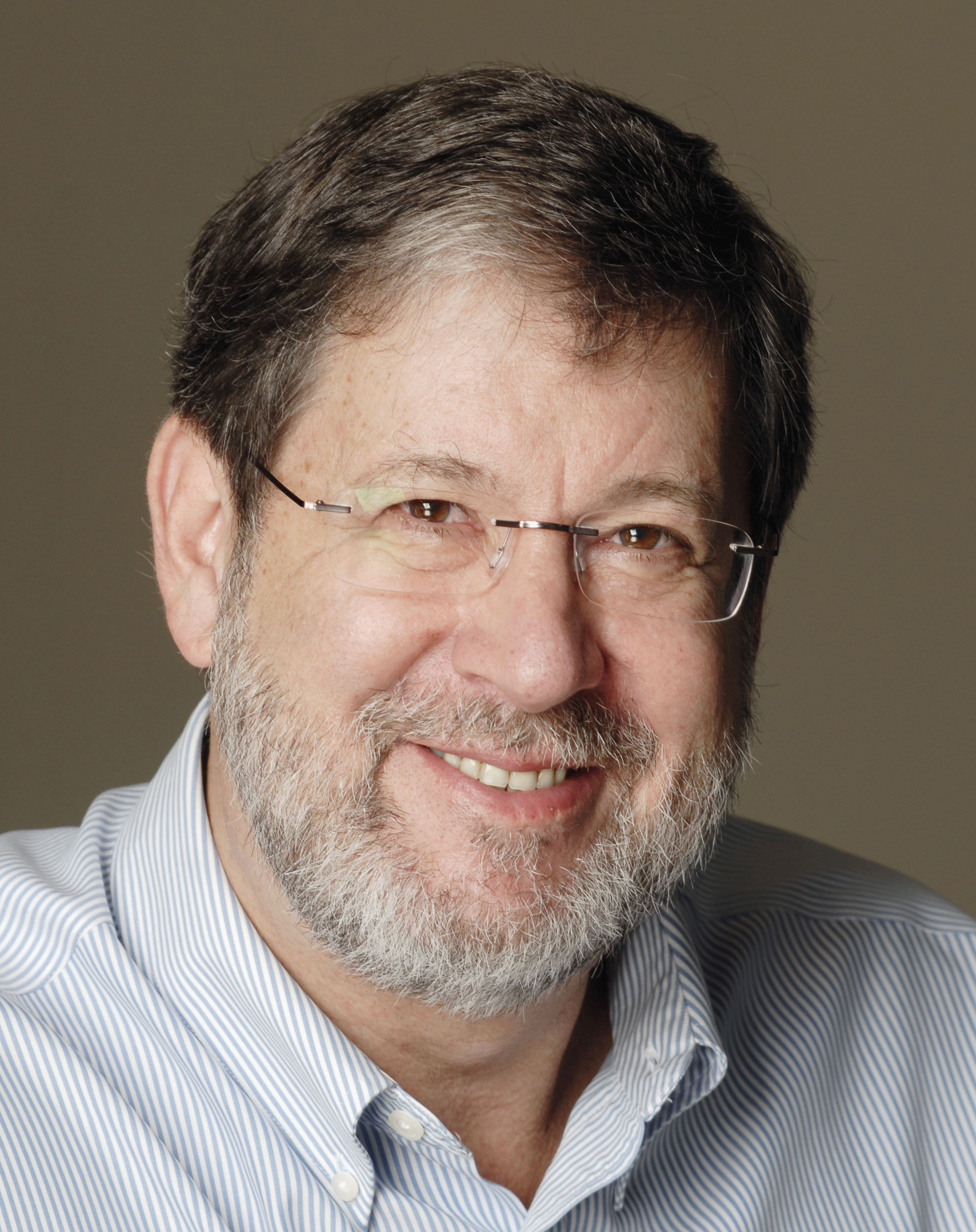
Haifeng Shen is a Professor affiliated with the Peter Faber Business School. His research spans software engineering, distributed systems, machine learning, and medical informatics. Key areas include DevOps practices, cybersecurity, AI system robustness, and assistive technologies for attention disorders. His work integrates interdisciplinary approaches, such as applying CNNs for medical imaging and gaze-based interfaces for ADHD management. Recent studies focus on edge-cloud frameworks for robotics, federated learning for data clustering, and DevSecOps adoption challenges. Publications highlight contributions to code review systems, microservice root-cause analysis, and human-AI collaboration in image classification. His research emphasizes practical applications in healthcare, software development, and user-centric design.
Dr. Bevan Koopman leads the Health Search team at CSIRO's Australian e-Health Research Centre and serves as Associate Professor in Language Technologies at University of Queensland. His research develops AI systems for clinical information retrieval, focusing on evidence-based medicine and health decision support. Current work examines large language models for medical question answering, automated clinical trial matching, and systematic review acceleration. Methodologies combine neural ranking, query refinement, and domain-specific knowledge integration. Publications demonstrate innovations in semantic search for medical records, Boolean query generation for systematic reviews, and conversational agents for agricultural health questions. Recent work evaluates ChatGPT for health information reliability. Teaching emphasizes quantitative skills development in biosciences. Funded projects include MathBench Australia for improving STEM education and automated diagnostic coding systems.
Dr. Lia Song is a Lecturer (teaching-research balanced) at the University of Adelaide (UoA) and a researcher at the Australian Institute for Machine Learning (AIML). She is also a Visiting Scholar at the Australian Artificial Intelligence Institute (AAII) at the University of Technology Sydney (UTS). Previously, she held roles as a Laureate Postdoctoral Research Associate at AAII and a Research Fellow at RMIT University. She holds a PhD in Statistics from the University of Technology Sydney, complemented by a Master's and Bachelor's in Statistics from China. Her teaching focuses on artificial intelligence and machine learning, including coordinating courses like 'Concepts in Artificial Intelligence' and 'Using Machine Learning Tools PG.' She supervises student projects across various levels, emphasizing critical thinking and teamwork. Her research addresses foundational challenges in machine learning, particularly data distribution discrepancies, aiming to enhance model accuracy, robustness, fairness, and transparency. Key areas include robust modeling, AI agent collaborations, and real-time forecasting applications in finance and weather. She collaborates with institutions like UniSA's Australian Research Centre for Interactive and Virtual Environments and RMIT's Enterprise AI and Data Analytics Hub. Dr. Song leads and participates in grants such as the Surrey-Adelaide Partnership Fund and UoA Start-up Grant, focusing on adversarial learning, digital capabilities for aged care, and AI ethics tools. Her long-term goal is to develop end-to-end trustworthy AI solutions for diverse users.
Duwage Alwis is a Lecturer in the Faculty of Medicine, Nursing and Health Sciences at Monash University, affiliated with the Faculty Office. His research focuses on neuroscience, particularly traumatic brain injury (TBI), sensory processing, and neurophysiological mechanisms. He investigates how neural systems integrate sensory information and respond to injury, with a focus on white matter dynamics, lipid gradients, and neural encoding in rodent models. His work employs advanced imaging techniques and interdisciplinary approaches, collaborating with researchers in neurochemistry and cellular biology. Alwis has contributed to over 16 peer-reviewed publications since 2012, including studies on multisensory integration, TBI-induced cellular changes, and neuroimaging methodologies. Notable outputs include investigations into somatosensory encoding enhancement via auditory input and the long-term effects of TBI on inhibitory neurons. His research bridges clinical and experimental neuroscience, aiming to advance understanding of neurological disorders. No scientific awards or grants are explicitly listed in the provided data. Collaborations include work with colleagues such as Dr. Hartnell, Dr. Rajan, and Dr. Hackett. While specific student advisees are not mentioned, his research activities suggest involvement in training graduate students in experimental neuroscience.
John Stanley Mattick is the SHARP Professor of RNA Biology in the School of Biotechnology and Biomolecular Sciences at UNSW Sydney. Previously, he served as Executive Director of Genomics England (2018-2019) and Director of the Garvan Institute of Medical Research (2012-2018). He holds leadership roles in genomic research, establishing key facilities like the HiSeq X10 sequencing platform. His career includes foundational roles at the University of Queensland, including founding the Institute for Molecular Bioscience and the Australian Genome Research Facility. Education: BSc (First Class Honours, Biochemistry) from the University of Sydney (1972) PhD in Biochemistry from Monash University (1978) DSc from the University of Queensland (2024) Research focuses on regulatory RNAs, noncoding DNA functions, and their roles in development, disease, and evolution. Key areas include RNA structure-function relationships, lncRNA roles in cognition, and the epigenetic trajectories of development. His work challenges traditional views of genomic 'junk' DNA, emphasizing the centrality of RNA in genetic regulation. Publications span over 300 peer-reviewed articles, cited over 100,000 times. Notable contributions include co-authoring RNA, the Epicenter of Genetic Information (2022), which won awards for Best Science Open Access Book. Awards and Honors: Officer in the Order of Australia (AO) Fellowships in the Australian Academies of Science, Health & Medical Sciences, and Technology & Engineering Recipient of the IUBMB Medal and HUGO Chen Medal Ranked #1 globally in noncoding RNA research (2023) Leadership and Service: Chaired major international genome conferences and advisory boards Contributed to ethical frameworks for genomic research and healthcare Member of the Queensland Studies Authority (2004-2007) Current research explores RNA modification dynamics, lncRNA functions in brain plasticity, and the genomic basis of complex traits.
Dr. Clarissa Whitmire is a Senior Lecturer in Electrical Engineering and Computer Science (EECS) at The University of Queensland (UQ) and a Senior Research Fellow at the Queensland Brain Institute (QBI). She leads a research group focused on understanding how somatosensory information is encoded across the neuraxis, particularly within thalamocortical circuits. Her interdisciplinary work bridges neuroscience and engineering, employing experimental and computational methods to study neural representations of sensory stimuli. Dr. Whitmire holds a B.S. in Biomedical Engineering from North Carolina State University and a Ph.D. from Georgia Institute of Technology/Emory University. After postdoctoral research at the Max Delbrück Center for Molecular Medicine, she established her lab at UQ in 2023. Her research explores nonlinear neural coding mechanisms, emphasizing the dynamic role of the thalamus. Key themes include temperature sensation, sensory integration, and the interplay between neural circuit states and signal timing precision. Publications span neuroscience, biomedical engineering, and optical imaging, reflecting her expertise in sensory systems and neural circuit analysis. She actively trains students in Honours and PhD programs, fostering interdisciplinary approaches to brain science. Labs: Whitmire Lab at QBI. Collaborations include work on three-photon microscopy and optogenetic neurocontrol, with a focus on advancing tools for in vivo neural recording and manipulation.
Dr. Phill Bokiniec is a Research Fellow within the Systems Neuroengineering group at the Queensland Brain Institute (QBI), University of Queensland. He holds a PhD in Neuroscience from Macquarie University (2016) and completed a postdoctoral appointment at the Max Delbrück Center for Molecular Medicine in Berlin, Germany (2016–2023). His research focuses on neurophysiological mechanisms underlying sensory processing, particularly somatosensory information routing and transformation from peripheral receptors to the brain. Key interests include the functional roles of dorsal root ganglia, thalamus, and cortex in encoding sensory signals, and how these processes are disrupted in conditions like autism and chronic pain. Education: PhD in Neuroscience (Macquarie University, 2016); Postdoctoral Research (Max Delbrück Center, 2016–2023). Research Trends: Recent work explores thermal perception circuits, medullary motor control, and polysialic acid regulation in autonomic pathways. His studies bridge cellular, circuit-level, and systems neuroscience to address translational questions in sensory and autonomic disorders. Labs/Teams: Active member of the Systems Neuroengineering group at QBI, collaborating on neurophysiological and connectomic projects.
Professor Ehsan Arabzadeh leads the Neural Coding Group at the Australian National University's Eccles Institute of Neuroscience. His research investigates sensory processing mechanisms using rodent models, focusing on the whisker-barrel pathway. His lab employs electrophysiology, calcium imaging, and computational approaches to analyze how neural circuits encode sensory information and support adaptive behavior. Recent work examines prediction errors in visual processing and multisensory integration. Professor Arabzadeh currently supervises seven doctoral students investigating neuronal correlates of perception, cortical adaptation, and sensory integration mechanisms. His group maintains active collaborations with neuroscience institutes internationally.
Nathan Beu is a cognitive neuroscientist and experimental psychologist at the University of Adelaide's School of Psychology within the Faculty of Health and Medical Sciences. He conducts research at the intersection of cognitive neuroscience, neurogenetics, and clinical applications, with particular focus on Parkinson's disease, traumatic brain injuries, and cognitive aging. His work spans multiple laboratories including the Cognitive Neural Sciences Lab and the Cognition, Ageing, and Neurodegenerative Disease laboratory. Dr. Beu's research interests encompass the neurobiological substrate of higher-order cognition, intelligence, and motor control, with special emphasis on neurogenetics and frontal cortico-basal ganglia pathways. He employs a model-based systems neuroscience approach that integrates individual differences methods, computational modeling, genotyping, EEG, neuroimaging, neurostimulation techniques, and behavioral testing. His work has four broad themes: (1) psychonomics and psychometrics of individual differences in intelligence; (2) philosophical foundations of experimental cognitive science; (3) interventions to enhance cognitive and motor functions; and (4) formal models of pathology for improved medical diagnostics. His publication record demonstrates significant contributions to understanding response inhibition, cognitive control, and evidence accumulation models. Recent work has focused on neural correlates of cognitive decline, genetic markers of executive function, and computational approaches to decision-making. His research employs decomposition models to capture distinct cognitive, neural, and motor processes involved in decisions and responses, mapping these onto imaging and genetic information to improve early detection of cognitive decline. Dr. Beu is deeply committed to open science practices, sharing research code and data, preregistering studies, and supporting replication efforts. His work emphasizes justice, equity, and diversity in both education and scientific research, aiming to create a more transparent and reliable scientific community. He collaborates with researchers including Dr. Irina Baetu, Prof. Nicholas Burns, and others in the Cognitive Neural Sciences Lab, investigating how learning from experiences guides choices and how cognitive control abilities change during aging and in Parkinson's disease. Their work focuses on discovering genetic variations that may help preserve cognitive abilities and inform new treatments for cognitive decline.
Anina Rich is a Professor at Macquarie University's School of Psychological Sciences and an ARC Future Fellow. She is affiliated with the Performance and Expertise Research Centre and the Perception in Action Research Centre. Her research focuses on sensory processing, particularly selective attention mechanisms and multisensory integration, including synaesthesia studies. She has received numerous awards, including being a finalist in the Australian Museum Eureka Prizes (2001, 2002) and the Australian Postgraduate Award (2001-2004). Her work combines psychophysics, neuroimaging, and cognitive neuroscience to explore attention dynamics and synaesthesia. Research Interests: - Selective attention: Balancing voluntary and involuntary attention, applied in medical imaging contexts, sustained attention, and neural underpinnings. - Multisensory integration: Investigating synaesthesia (e.g., mirror-touch, grapheme-color), exploring how sensory modalities interact. - Neuroimaging techniques: Using fMRI and MEG to study brain regions involved in attention and perception. Awards: 2001-2004 Australian Postgraduate Award 2004 Cognitive Neuroscience Society Graduate Student Award 2005 Australian Psychological Society Excellent PhD Thesis Award Multiple media engagements on synaesthesia and perception Grants/Projects: Dealing with Distraction: Understanding Recovery After Interruption (2024-2028) Improving Inferences from Brain Imaging to Understand Selective Attention (ongoing) Magnetic Resonance-Compatible Audio-Visual Stimulus Delivery System (2014-) Labs/Teams: Active member of the Perception in Action Research Centre and collaborator in the Centre for Elite Performance Expertise and Training (CEPET).
Professor Paul Martin of the University of Sydney serves at the Faculty of Medicine and Health , specifically within the Clinical Ophthalmology and Eye Health department. As a leading figure in Visual Neuroscience , his research at the Save Sight Institute investigates retinal structure/function and pathways for color, form, and motion processing. His work bridges evolutionary neurobiology and clinical applications, focusing on koniocellular ( blue-yellow ) and parvocellular ( red-green ) pathways. PhD in Physiology (University of Sydney, 1986) Director of Research at National Vision Research Institute of Australia (2003-2009) Professorial Research Fellow at University of Melbourne (2003-2009) His research interests include: Retinal neuroanatomy and synaptic connectivity Color vision pathways in primates Neural processing of visual threats Neurodegenerative eye diseases He employs techniques like immunohistochemistry , single-cell recording , and connectomic mapping . Key collaborations span: University of Pécs Medical School (Hungary) University of Washington (US) Vanderbilt University (US) Scientific contributions include over 100 publications and 20+ NHMRC/ARC grants (2000-2025), such as "Structural and functional evidence for glymphatics in human posterior eye" (2019) and "Propagating Neural Waves" (2015). His 2001 Nature paper on peripheral retinal chromatic sensitivity revolutionized understanding of primate vision.
Allen Zhong is a Lecturer in the Department of Data Science & AI at Monash University. His research focuses on combinatorial optimization, constraint programming, and machine learning. He has contributed to advancements in dominance breaking techniques for constraint optimization problems and explores the integration of machine learning with optimization frameworks like Predict+Optimize. Zhong is an Associate Investigator on the NLCG: Huub project (2025-2026), focusing on Next-Gen Lazy Clause Generation. His work spans theoretical contributions (e.g., functional constraints exploitation) and applied domains such as network coding and computer vision. Collaborations include international researchers in AI and information theory. Zhong’s publications appear in top venues like Artificial Intelligence, Journal of Artificial Intelligence Research, and NeurIPS.
Dr. Saba Gharaei is a Research Fellow at the Australian National University (ANU), affiliated with the Division of Neuroscience (Eccles Institute of Neuroscience) within the John Curtin School of Medical Research (JCSMR). She is part of the Arabzadeh Group, focusing on neural coding and multisensory integration. Her research spans visual and somatosensory systems, with emphasis on how the brain processes sensory information across modalities. Key areas include the role of the superior colliculus in modulating cortical responses and the integration of visual/whisker signals in rodents. Education: PhD in Neuroscience (specific degree details not explicitly stated). Affiliations: ANU Eccles Institute of Neuroscience, Arabzadeh Group. Research Interests: Her work investigates multisensory integration mechanisms, neural pathways in sensory processing, and behavioral neuroscience. Specific topics include classical conditioning, reinforcement learning, and visual motion perception in primates. Recent studies highlight the superior colliculus’s role in somatosensory-cortical interactions and cross-modal signal integration. Publications: Dr. Gharaei has contributed to seminal studies on sensory integration, including work on rat visual-whisker signal integration (2018) and marmoset visual motion processing (2013). Her 2020 paper on somatosensory-cortical modulation in the superior colliculus advanced understanding of neural coding pathways. Grants/Labs: Active in collaborative projects within the Arabzadeh Group, focusing on neural coding and neurophysiological techniques. No explicit grant details provided in texts.
Karin Nordstrom is a Professor at the College of Medicine and Public Health, Flinders University, and a Full Member of the Flinders Health and Medical Research Institute. She holds a Matthew Flinders Professorship and has been active in academic roles since 2003 across institutions including Uppsala University and the University of Adelaide. Her research focuses on neural computations underlying motion vision in small brains , utilizing hoverflies as a model organism. Techniques include electrophysiology of single neurons , quantitative behavior analysis , free flight experiments , and field site measurements . A neuroethological approach ensures stimuli are behaviorally relevant. Recent work (2023-2025) explores descending neuron responses to artificial targets , olfactory-visual cue integration in pollinators , and virtual reality applications in behavioral studies . Articles reflect interdisciplinary themes spanning computer vision , neural circuit modeling , and computational aesthetics . Scientific awards include a Future Fellowship (ARC, 2019-2023) Swedish Research Council Fellowship (2009-2013) ARC Research Fellowship (2008-2009) Swedish Research Council Postdoctoral Fellowship (2005-2006) She supervises projects related to motion vision processing , neural adaptation , and behavioral tracking software development , though specific advisee names are not listed in the provided text. Her lab at Flinders continues to investigate target detection , optic flow , and collision avoidance mechanisms in hoverflies.
Professor Victor Solo serves as Director of Research with the School of Electrical Engineering and Telecommunications at the University of New South Wales (UNSW). With an extensive academic career spanning over four decades since earning his PhD from the Australian National University in 1979, he has established himself as a leading expert in multiple interdisciplinary fields. University: University of New South Wales School: School of Electrical Engineering and Telecommunications Department: Electrical Engineering and Telecommunications Position: Professor and Director of Research Professor Solo received his BSc from the University of Queensland, followed by a BSc (first class honors) and BE (first class honors) from UNSW, culminating in a PhD from ANU in 1979. His educational background provided the foundation for his diverse research career spanning engineering, mathematics, and biomedical applications. His research interests encompass a wide range of theoretical and applied topics, with particular emphasis on Systems and Signal Processing, Control Theory, and Ill-Conditioned Inverse Problems. He has made significant contributions to Econometrics and Time Series Analysis, developing innovative approaches to System Identification. His work extends into biomedical domains through research in Medical Imaging and Computer Vision, as well as Neuroengineering through studies of Neural Coding and Point Processes. Professor Solo's interdisciplinary approach bridges theoretical mathematics with practical applications across engineering and medical fields. Analysis of Professor Solo's recent publications reveals a strong focus on advanced statistical modeling techniques, particularly in time series analysis and point process modeling. His work consistently addresses stability and identifiability challenges in complex models, with recent publications exploring Vector Autoregressive models, Hawkes processes, and stochastic differential equations on manifolds. The research demonstrates a progression from foundational theoretical work to increasingly sophisticated applications in network modeling and biomedical signal processing. Professor Solo has maintained an exceptionally productive research career with publications spanning from 1981 to the present, demonstrating remarkable longevity and adaptability in his research focus. His work shows consistent contributions across multiple high-impact journals including IEEE Transactions on Signal Processing, Automatica, and Neural Computation. While specific awards are not listed in the available information, his sustained publication record in top-tier journals indicates significant recognition within his fields of expertise. As Director of Research, Professor Solo likely oversees research strategy and development within the School of Electrical Engineering and Telecommunications. His extensive publication record suggests active supervision of graduate students and postdoctoral researchers, though specific names of advisees are not provided in the available information. His research has likely attracted substantial grant funding given the scope and duration of his work across multiple domains.