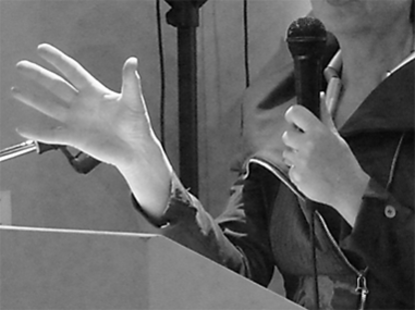
Martina Pippal is an Associate Professor at the University of Vienna's Department of Art History within the Faculty of Historical and Cultural Studies. She maintains an active research profile with a particular focus on medieval art history and digital art historical methodologies. Professor Pippal's research spans medieval art, particularly the works of Nicholas of Verdun, visual representation techniques, and Vienna's art history. She has developed innovative approaches combining traditional art historical analysis with digital visualization techniques to examine artistic influences across centuries. Her recent documentary '4 Worlds' (2023) demonstrates her commitment to using multimedia formats for art historical research. Her scholarly output shows consistent productivity over several decades, with publications ranging from 'Schatzkunst' (1987) to the recent '4 Worlds' documentary. The publications demonstrate a progression from traditional art historical scholarship to more multimedia and digitally-enhanced research outputs. Professor Pippal has supervised numerous doctoral students, with 25 completed theses documented in her profile. Her supervision spans diverse topics within art history, reflecting her broad expertise and commitment to graduate education. She maintains an active professional presence through her personal website (http://martinapippal.at/) and continues to contribute to the academic community through seminars, lectures, and study trips. Her work bridges traditional art historical scholarship with contemporary digital methodologies, making her a significant figure in the evolving field of art history.
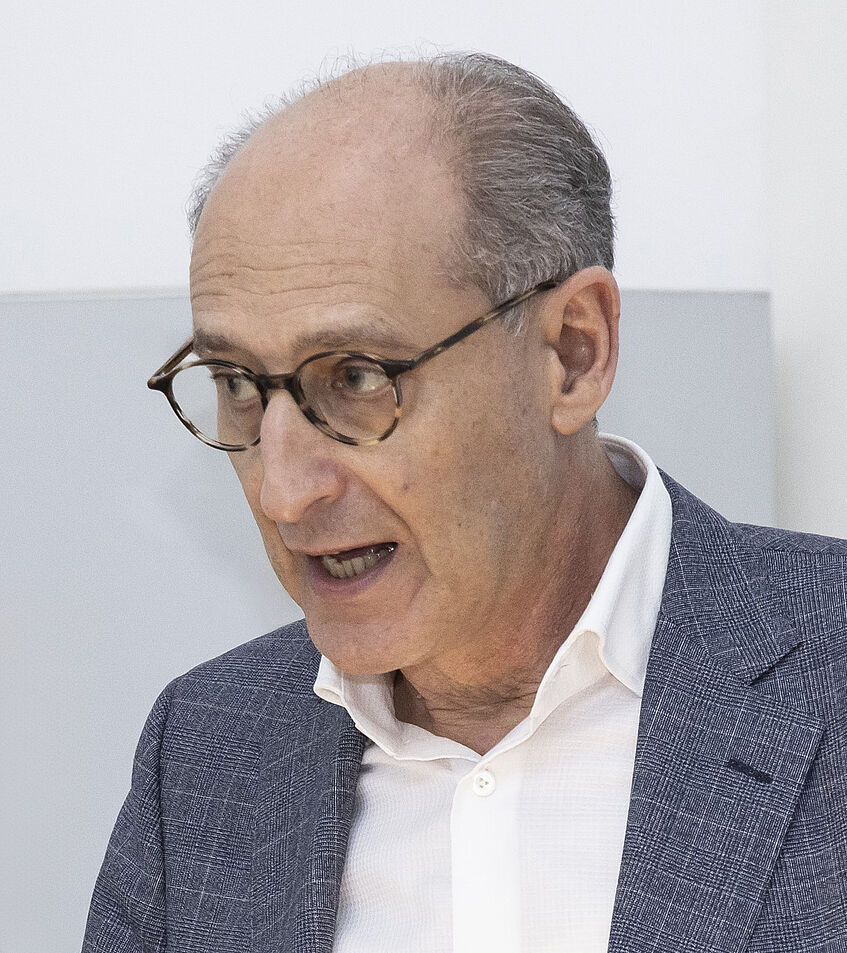
Raphael Rosenberg serves as Professor and Deputy Head of the Department of Art History at the University of Vienna within the Faculty of Historical and Cultural Studies. His academic profile demonstrates a unique blend of traditional art historical expertise with cutting-edge interdisciplinary approaches, particularly in applying cognitive science methodologies to the study of art perception. Rosenberg maintains an active teaching schedule covering core art history methodology, thesis supervision, and specialized courses on avant-garde movements and art networks. Rosenberg's research interests focus on the intersection of art history with cognitive science and digital humanities. He has pioneered the application of eye-tracking technology to investigate how viewers engage with artworks, challenging traditional assumptions about visual perception in art. His work spans from Renaissance studies (particularly Michelangelo) to early 20th century avant-garde movements, with a special emphasis on the role of exhibitions as platforms for artistic innovation. The Database of Modern Exhibitions (DoME) project represents a significant contribution to documenting European painting and drawing exhibitions between 1905-1915. Analysis of Rosenberg's recent publications reveals a clear trajectory toward increasingly interdisciplinary research that bridges art historical scholarship with empirical methods from cognitive science. His work consistently demonstrates how digital tools and empirical methodologies can enhance traditional art historical inquiry, particularly in understanding viewer engagement with artworks. The recurring themes across his publications include the cognitive processes involved in art perception, the historical development of exhibition practices, and methodological innovations in art historical research. Rosenberg maintains an extensive collaborative network across disciplines, frequently working with psychologists, computer scientists, and other art historians. His research group appears to focus on empirical approaches to art history, particularly through the use of eye-tracking technology in museum settings. The Database of Modern Exhibitions project represents a major collaborative effort to document exhibition practices during a crucial period of artistic innovation in the early 20th century.
Linn Burchert is a Visiting Professor for Global Contemporary Art at the Institute of Art History, University of Vienna, during the Summer semester of 2023. Previously, they served as a Research and Teaching Assistant at the Chair of Modern Art (Prof. Dr. Eva Ehninger) from April 2018 to March 2021. Since April 2021, Burchert has been working as a Research Associate on the DFG Project "Climate Summit Art: Art and Political Events, 1972-2022" in a private position. Their academic work bridges art history with contemporary political and ecological concerns, particularly focusing on the intersections between art, climate policy, and institutional frameworks. Burchert completed their doctorate in 2018 on the topic "The Image as Living Space. Ecological Impact Concepts in Abstract Modernism 1910-1960." Their educational background includes: MA in Comparative Literature and Art History from the University of Potsdam (2012-2014), with thesis on "Approaches to Nature in Art: The Example of Remedios Varos" Study abroad in Mendoza, Argentina (2012-2013), including internship at the Sociedad Goetheana BA in Cultural Studies and English/American Studies from the University of Potsdam (2008-2012), with thesis on "Interferences between Art and Science: The Example of Kandinsky and Quantum Physics" Research assistant and doctoral student at the Chair of Art History at Friedrich Schiller University Jena (2014-2017) Linn Burchert's research focuses on several interconnected areas that demonstrate a consistent engagement with the relationship between art and broader societal structures. Their primary interests include Art and Politics in Modern and Contemporary Times, Global Art History, and the Framework Conditions of Art and Art Exhibitions, particularly examining funding mechanisms, cultural policies, and institutional frameworks. Burchert has made significant contributions to the study of Abstraction and Avant-Garde from 1910-1960, with special attention to the Bauhaus movement, and has developed innovative approaches to understanding Concepts of Nature and Approaches to Nature in Art since 1750. A distinctive thread throughout their work is the exploration of ecological impact concepts in abstract art, breath as a metaphor and model in artistic practices, and the intersection of art with climate policy and sustainability goals. Burchert's publication record reveals a consistent trajectory examining the intersection of art with ecological concerns, political structures, and historical frameworks. Their work demonstrates a particular interest in how artistic practices engage with breath, rhythm, and natural processes, often connecting these to larger questions of sustainability and climate action. There's a clear evolution from historical studies of the Bauhaus and abstract modernism toward contemporary analyses of art's role in climate summits and environmental activism. Their scholarship consistently bridges historical analysis with contemporary concerns, showing how past artistic movements inform current practices addressing ecological crises. The publications also reveal a growing emphasis on global perspectives in art history and the political dimensions of artistic production. Burchert has demonstrated leadership in collaborative scholarly projects, including co-editing the volume "Breath. Morphological, Ecological and Social Dimensions" with Iva Rešetar (2021). Their research has been supported through the DFG Project "Climate Summit Art: Art and Political Events, 1972-2022," indicating significant recognition of their scholarly contributions. While specific awards aren't detailed in the available information, their publication record in prestigious journals and edited volumes suggests substantial peer recognition of their work at the intersection of art history, ecology, and political engagement. As a Visiting Professor at the University of Vienna, Burchert contributes to the academic community through teaching and research supervision. Their work on the DFG Project "Climate Summit Art" likely involves collaboration with other researchers examining the relationship between artistic practices and international climate policy forums. Burchert's scholarship often engages with interdisciplinary approaches, connecting art history with environmental studies, political science, and cultural policy analysis, suggesting participation in broader academic networks addressing climate change and sustainability through cultural lenses.
Michael Christian Leitner serves as Head of Research & Transfer Services and External Lecturer in Information Technologies and Digitalisation at Salzburg University of Applied Sciences. With dual PhDs in Psychology and Communication Science from the University of Salzburg, he bridges academic research with practical applications in neuropsychology and sports psychology. PhD in Psychology (University of Salzburg, 2021) Master in Psychology (University of Salzburg, 2016) Bachelor in Psychology (University of Salzburg, 2014) PhD in Communication Science (University of Salzburg, 2012) Master in Communication Science (University of Salzburg, 2009) Bachelor in Communication Science (University of Salzburg, 2007) Master in Telecommunication & Media (St. Pölten University of Applied Sciences, 2005) Leitner's research spans three primary domains: neuropsychological rehabilitation for visual field defects after stroke, sport psychological effects of crowd absence during the COVID-19 pandemic (ghost games), and social engineering/cybersecurity. His innovative work combines eye-tracking technology, virtual reality interventions, and psychological assessment to address complex rehabilitation challenges and understand human behavior in high-pressure sports environments. The Salzburg Visual Field Trainer (SVFT), his VR-based rehabilitation system, represents a significant advancement over traditional stationary and unreliable visual restitution therapies. His publication record reveals a clear thematic progression from neuropsychological rehabilitation methods toward analyzing the psychological impacts of pandemic conditions on sports. The COVID-19 pandemic created a unique natural experiment for studying home advantage phenomena, resulting in multiple publications examining referee decisions, player behavior, and emotional responses in empty stadiums. His most recent work integrates eye-tracking with social science methodology to assess memory-related response variability. Science award (2022) Young Investigators Award (2022) Leitner has secured funding for significant research projects including 'The Psychological Impact of Ghost Games in Football during the COVID-19 Pandemic' (2020-2030) and 'Advanced Perimetry for the Evaluation of Neuroplasticity in the Visual Cortex' (2018-2023). His collaborative network spans multiple institutions with strong connections to the University of Salzburg's Centre for Cognitive Neuroscience. He actively engages with the public through media appearances discussing topics from emotional behavior in sports to the psychological aspects of neurovisual rehabilitation. As Head of Research & Transfer Services, Leitner leads the strategic reorientation of research at Salzburg University of Applied Sciences through a comprehensive organizational development process. His work contributes to UN Sustainable Development Goals through applications in health, wellbeing, and quality education.