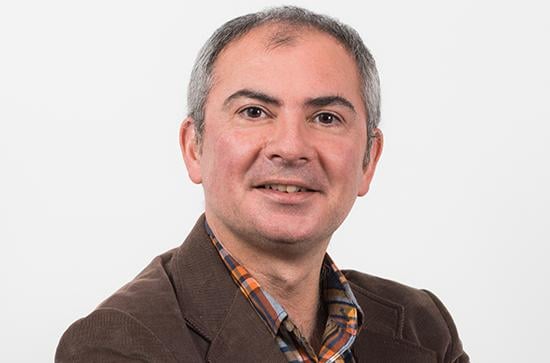
Allon Guez is a Professor in the Department of Electrical and Computer Engineering at Drexel University. His research focuses on control systems, robotics, artificial intelligence, medical robotics, and automated decision making. He actively bridges academia and industry through high-tech entrepreneurship. Education PhD in Electrical Engineering, University of Florida MS in Electrical Engineering, University of Florida MBA in Finance, Drexel University BS in Electrical Engineering, Technion - Israel Institute of Technology His research portfolio spans medical robotics, automated decision making systems, and advanced control algorithms. Key areas include wearable safety devices, radiation control in imaging systems, and closed-loop brain stimulation technologies. Notable contributions include founding ControlRad (radiation reduction systems) and GraceFall (fall detection technology). His work demonstrates a strong emphasis on translating academic research into commercial medical devices. Recent publications highlight innovations in: Fetal brainwave monitoring Postural disturbance detection Seizure prediction algorithms Magnetic microrobotics Dynamic CT collimation Cardiac tissue modeling
Andrea Santangeli serves as a Supervisor in the Doctoral Programme in Wildlife Biology and holds a Docentship in the Organismal and Evolutionary Biology Research Program at the University of Helsinki's Faculty of Biological and Environmental Sciences. He maintains an additional affiliation as an Honorary Fellow at the University of Cape Town's FitzPatrick Institute of African Ornithology under the National Research Foundation Centre of Excellence since August 2019. His research spans international collaborations across multiple continents, with particular focus on African and European conservation challenges. Dr. Santangeli completed his doctoral thesis titled 'Assessing the effectiveness of different approaches to species conservation' at the University of Helsinki in 2013. His educational background established the foundation for his current research program focused on evidence-based conservation strategies and effectiveness assessment. His research interests center on wildlife conservation biology, particularly avian ecology and species protection. Santangeli's work examines human-wildlife interactions, conservation prioritization, and the effectiveness of different conservation approaches. He investigates how climate change affects species distributions and community composition, with special attention to vulture conservation, bird-feeding practices, and the impacts of agricultural systems on biodiversity. His approach integrates ecological, social, and policy dimensions to develop comprehensive conservation solutions. Species conservation effectiveness Human-wildlife interactions Climate change impacts on biodiversity Vulture conservation Bird community dynamics Ecosystem services assessment Analysis of Santangeli's recent publications (2023-2025) reveals a strong focus on interdisciplinary conservation science addressing urgent global challenges. His work increasingly integrates One Health approaches, examining connections between wildlife health, ecosystem functioning, and human activities. Key themes include climate change adaptation strategies, human dimensions of conservation, and technological innovations for monitoring and protection. His research shows growing emphasis on policy-relevant science that directly informs conservation decision-making at multiple scales. His scientific recognition includes an Honorary Fellowship at the University of Cape Town's prestigious FitzPatrick Institute of African Ornithology, part of the DST NRF Centre of Excellence. This position acknowledges his significant contributions to African ornithology and conservation science, particularly his work on vulture conservation across the continent. As a doctoral supervisor, Santangeli guides the next generation of conservation scientists through the Wildlife Biology doctoral program. His research is supported by multiple projects, including the ongoing 'Understanding the drivers and species ecological traits underpinning the global trade in wild birds' (2019-2024), which examines wildlife trade dynamics and conservation implications. His work demonstrates strong international collaboration networks across Europe, Africa, and beyond. Santangeli's research activities involve extensive fieldwork, data analysis, and policy engagement. He participates in academic visits to institutions like the Center d'Études Biologiques de Chizé in France and contributes to scientific conferences and peer review for leading conservation journals. His work often involves citizen science approaches, as evidenced by the 'iratebirds' project on aesthetic attraction to birds.
Yue Li is the Leonard Case Jr. Professor in the Department of Civil and Environmental Engineering at Case Western Reserve University. He specializes in resilient and sustainable infrastructure systems, focusing on structural reliability, probabilistic design, and climate change adaptation. His research addresses risk assessment for infrastructure under extreme events, including earthquakes, hurricanes, and climate impacts. Education: PhD in Civil Engineering, Georgia Institute of Technology, 2005 Research Interests: Dr. Li’s work integrates advanced statistical methods and data-driven approaches to enhance infrastructure resilience. Key areas include: Probabilistic modeling of structural systems Risk-informed decision-making for multi-hazard mitigation Climate change impacts on material durability and performance Asset management and lifecycle cost analysis Notable Contributions: His recent publications emphasize data-driven resilience metrics for water systems and seismic risk assessment for bridges. He has pioneered frameworks for evaluating infrastructure vulnerability under climate change, including corrosion effects and extreme weather adaptation. Awards: ABSE Outstanding Paper Award (2023) Case School of Engineering Teaching Award (2020) Nomination for John S. Diekhoff Award (2019) Leadership Roles: Dr. Li serves as Section Editor for the ASCE Journal of Structural Engineering and chairs multiple technical committees on safety and reliability. He leads initiatives to standardize multi-hazard design practices and resilience evaluation methodologies.
Federica Sallusto is a Full Professor in Medical Immunology at ETH Zurich and Università della Svizzera italiana (USI), and a Group Leader in the Cellular Immunology department at the Institute for Research in Biomedicine (IRB), Bellinzona, Switzerland. She leads a prominent research group focused on human T cell biology, immunological memory, and immune responses in infection and autoimmunity. Doctor in Biology, University of Rome, 1988 Postdoctoral work: Istituto Superiore di Sanità, Rome; Basel Institute for Immunology Group Leader, IRB, since 2000 Full Professor, ETH Zurich and USI, since 2017 Her research centers on the heterogeneity and function of human CD4+ T cell subsets, particularly Th17 and T follicular helper cells, and their roles in protective immunity and inflammatory diseases. She investigates immune responses to pathogens such as Mycobacterium tuberculosis, influenza, SARS-CoV-2, and HIV, using cutting-edge techniques in cellular immunology and systems immunology. Her work integrates human immunology with translational applications in vaccinology and autoimmune disorders. The recent publications reflect a strong focus on human immune responses to infectious agents, mechanisms of T and B cell immunity, and the intersection of immunology with neurology and autoimmunity. Key themes include antigen-specific T cell activation, antibody cross-reactivity, regulation of inflammatory pathways, and the impact of vaccines and infections on immune memory and disease outcomes. Pharmacia Allergy Research Foundation Prize Behring Lecture Member, German Academy of Sciences Leopoldina (2009) Member, EMBO (2011) International Member, U.S. National Academy of Sciences (2022) Doctor honoris causa, University of Fribourg (2022) Federica Sallusto has mentored numerous students and postdoctoral researchers, many of whom are co-authors on her high-impact publications. Her group has received significant funding from the European Research Council (ERC), Marie Curie Actions, and the Swiss National Science Foundation (SNSF), where she served on the National Research Council from 2018 to 2024. She has held leadership roles including President of the Swiss Society for Allergology and Immunology (2013–2015) and President of the European Federation of Immunological Societies (2022–2024). Her laboratory is embedded within the IRB, a leading biomedical research institute affiliated with USI, and collaborates extensively with clinical and research teams across Europe. The group is part of broader scientific networks in antibody discovery, infectious disease immunology, and neuroimmunology.
Annakaisa Korja serves as Head of Department and Research Director at the Department of Geosciences and Geography, Faculty of Science, University of Helsinki, while also holding a Docent title in Tectonics. She is affiliated with the Helsinki Institute of Sustainability Science (HELSUS) and supervises the Doctoral Programme in Geosciences. Her leadership extends to multiple major research initiatives including EPOS Finland, where she serves as Principal Investigator. Her educational background includes a Docent qualification in Tectonics from the University of Helsinki (2003) and a Specialist qualification in Management from Liikemiesten kauppaopisto (2010). Prior to her current position, she held research roles at the Geological Survey of Finland, Geological Survey of Canada, and Geological Survey of Sweden. Korja's research centers on geophysics and seismology, with particular expertise in seismic hazard analysis, induced seismicity related to geothermal energy, tectonic evolution of the Fennoscandian Shield, and deep crustal structures. Her work bridges fundamental Earth science with practical applications in energy development and risk management, especially regarding nuclear power plant safety and urban geothermal projects. Her recent publications reveal strong trends in seismic hazard modeling for Northern Europe, moment tensor analysis of induced earthquakes, and the tectonic evolution of Precambrian terrains. She has led significant updates to the Fennoscandian earthquake catalogue and developed 3D velocity models for the Helsinki region. Suomen Leijonan 1. luokan Ritarimerkki SL R1 (Order of the Lion of Finland, First Class) - 2021 As supervisor for the Doctoral Programme in Geosciences and direct thesis advisor (including Tino Mellin's 2022 Bachelor's thesis), Korja mentors the next generation of Earth scientists. Her extensive grant portfolio includes EPOS Finland (Research Council of Finland infrastructure project), ELY-keskuksen tuki (Ministry funding until 2030), and multiple international collaborations. She actively serves on the Research Council of Finland Scientific Council for Natural Sciences and Engineering (2025-2027). Korja manages the Institute of Seismology's EPOS Finland coordination office and leads the OBF seismic network. Her research group collaborates extensively across Nordic countries and Europe, particularly on seismic hazard assessment projects involving nuclear facilities and urban geothermal development.
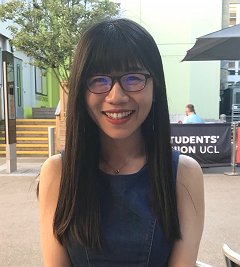
Jie M. Zhang is an Assistant Professor in the Department of Informatics at King's College London, specializing in the intersection of software engineering and artificial intelligence. Her research focuses on two main directions: AI for Software Engineering (leveraging AI technologies to automate software tasks) and Software Engineering for AI (applying SE principles to enhance AI system trustworthiness). Her educational background includes a PhD in Computer Science from Peking University, where she was supervised by Professors Lu Zhang and Dan Hao. Prior to joining King's College London, she was a Research Fellow at University College London working with Professor Mark Harman and Professor Federica Sarro. Dr. Zhang's research interests center on software testing, machine learning trustworthiness, fairness testing, bias mitigation in AI systems, and program analysis. Her work particularly examines how large language models can be utilized for code generation, test case creation, and program repair, while also developing techniques to detect and fix issues within AI models. Her recent publications demonstrate strong trends in evaluating and enhancing the trustworthiness of AI-generated code, with specific emphasis on fairness testing across various domains including autonomous driving systems, machine translation, and decision-making software. Her research increasingly focuses on the efficiency of generated code and detecting hallucinations in large language models. 2025 ACM Sigsoft Early Career Researcher Award for pioneering contributions to software engineering for AI IEEE TSE 2024 Best Paper Award for 'Stealthy Backdoor Attack for Code Models' FSE 2025 Distinguished Paper Award Royal Society International Exchange Grant recipient NMES Enterprise & Engagement Partnerships Fund recipient Dr. Zhang has served in numerous leadership roles across major software engineering conferences including as General Chair for AIware 2025, Area Chair for ASE 2025, and Steering Committee Member for ICST. She has advised multiple PhD students and received significant research funding for her work on LLMs and software engineering. Her research group collaborates with industry partners including Huawei and Facebook, and she leads projects such as ITEA GENIUS and ITEA GreenCode. She is actively involved with King's College London research hubs including the Trusted Autonomous Systems Hub, Security Hub, and Software Systems group, where her work contributes to developing trustworthy AI systems across multiple domains.
Dana Schmalz is a Senior Research Fellow at the Max Planck Institute for Comparative Public Law and International Law in Heidelberg, Germany, and currently serves as a visiting scholar at Columbia Law School and a fellow at the Columbia Center for Contemporary Critical Thought in New York. Funded by an Alexander von Humboldt Foundation fellowship, she pursues a two-year research project examining critical dimensions of international refugee law and migration governance. Her academic profile combines rigorous legal scholarship with theoretical engagement across international law, political philosophy, and migration studies. Dr. Schmalz earned her doctorate from the University of Frankfurt in 2017 with a dissertation on democratic theoretical issues in refugee law, followed by an LL.M. in Comparative Legal Thought from Cardozo Law School, New York, in the same year. She serves as an editor for the journal Kritische Justiz (KJ), contributing to critical legal scholarship in German-speaking academic circles. Her research centers on the intersection of refugee law and democratic theory, examining how political rights are secured for those without voice in democratic processes. She critically investigates population discourse and its relationship to migration governance, exploring how demographic projections shape perceptions of 'too many' migrants. Her scholarship analyzes the language and power structures of international law, examining how legal frameworks construct hierarchies and influence global governance. She has published extensively on European border policies, refugee protection mechanisms, and the theoretical foundations of international legal order. Dr. Schmalz's recent publications reveal a sophisticated analysis of migration governance that connects historical developments with contemporary challenges. She examines how legal concepts like responsibility-sharing function in practice, investigating the role of geopolitical proximity in determining state obligations toward refugees. Her work consistently combines rigorous legal analysis with critical theoretical perspectives, often challenging conventional understandings of migration governance. She explores the internalization of borders in demographic thinking and the ways legal frameworks contribute to perceptions of migration as 'excess.' Alexander von Humboldt Foundation fellowship supporting current research As an active contributor to Völkerrechtsblog, Dr. Schmalz helps shape digital infrastructure for global legal scholarship. Her work connects with broader academic communities through collaborations with scholars across international law and refugee studies. While specific grant details beyond the Humboldt fellowship aren't provided in the source material, her extensive publication record indicates sustained research activity across multiple funding cycles. She engages with practical policy challenges through her analysis of European migration governance and refugee protection mechanisms. Dr. Schmalz's research connects with multiple academic networks through her work at the Max Planck Institute, Columbia University, and her editorial role at Kritische Justiz. Her scholarship bridges German and Anglo-American academic traditions, contributing to transnational legal discourse on migration and refugee protection. She participates in interdisciplinary conversations that connect legal scholarship with political theory, philosophy, and migration studies.
Saumik Basu is an Assistant Professor in the Department of Entomology at the University of Georgia (UGA), based at the Tifton Campus within the College of Agricultural & Environmental Sciences. His research focuses on developing sustainable integrated pest management (IPM) strategies for vegetable crops in South Georgia. He leads the Vegetable Entomology Lab, which investigates pest complexes like whiteflies, diamondback moths, and pepper weevils, along with their interactions with plant pathogens. His work emphasizes molecular ecology, plant defense mechanisms, and the role of abiotic factors (e.g., climate, soil microbiota) in pest management. Education: B.S. in Human Physiology, University of Calcutta M.S. in Biotechnology, Visva-Bharati University Ph.D. in Molecular Plant Virology, Jawaharlal Nehru University Postdoctoral Research: University of Nebraska-Lincoln (UNL) and Washington State University (WSU) Research Interests: Molecular mechanisms of plant-insect interactions Sustainable IPM for vegetable pests Plant defense signaling and phytohormonal crosstalk Impact of soil microbiota on pest-pathogen dynamics Climate change effects on agroecosystems Lab & Collaborations: The lab collaborates with county extension agents, growers, and other research groups to translate findings into practical solutions. Current projects address pest attack order effects on plant defenses and the role of biopesticides like Metarhizium fungus. Graduate students and postdocs work on topics such as soil amendments for pest resistance and vector-borne disease transmission. Advising & Grants: Advises Ph.D. candidate Sourav Pal and M.S. student Rajesh Udavant. Technical staff includes Charles Laney Gruver, an expert in field trials and insect rearing. Undergraduate Alexis Crossgrove supports lab activities. Labs/Teams: Vegetable Entomology Lab (UGA), previously affiliated with Molecular Plant Sciences at WSU.
Professor Michael Doherty is a Full Professor of Law at Maynooth University's School of Law and Criminology, where he has been a faculty member since 2013 and served as Head of School from 2013-2022. His academic career spans over two decades with previous positions at Dublin City University from 2004-2013. His educational background includes: LL.B from Trinity College Dublin LL.M from Queens' College Cambridge PhD (on Irish Trade Union Membership) from Trinity College Dublin Called to the Irish Bar in 2002 (Honorable Society of King's Inns) Professor Doherty's research focuses on employment and labour law, industrial relations, and EU labor policy, with particular expertise in collective employment rights, employee representation, trade union roles, and social pacts in socio-economic governance. His work bridges theoretical scholarship with practical policy applications, as evidenced by his numerous collaborations with European institutions and Irish government bodies. His recent publications demonstrate a strong focus on contemporary labor challenges including platform work, minimum wage regulation, worker classification, and collective bargaining in the digital economy. Professor Doherty has received significant recognition for his expertise: Appointed by the Irish Government in 2021 as Chair of a High Level Group reviewing industrial relations and collective bargaining in Ireland Past President of the Irish Association of Law Teachers Member of several European research networks examining labor law in the EU Serves on editorial boards including Employee Relations, Journal of Law and Politics, and Irish Employment Law Journal As an academic leader and researcher, Professor Doherty has supervised multiple PhD students working on employment rights, public procurement, and human rights implementation. His research projects include significant EU-funded work on public procurement, cross-border working conditions, and platform work. He is also a frequent media contributor on labor relations issues and has worked extensively with the European Commission and European Parliament on labor policy matters.
Marten Scheffer is a Full Professor at Wageningen University & Research , specializing in Aquatic Ecology and Water Quality Management . His work bridges ecology, climate science, and mental health, focusing on tipping points in ecosystems and social systems. He has received the prestigious Spinoza Prize 2009 , Netherlands' highest scientific honor. Research Interests: His research explores Anthropocene dynamics , ecological resilience , climate change impacts , and psychiatric disorders through dynamical systems theory . Notable projects include studying boreal forest collapse and trust dynamics in economies. His work also addresses global sustainability and early warning signals for critical transitions in social-ecological systems. Recent Articles: His 2025 publications highlight trust erosion in weak governance , ecological tipping points , and revolutionizing psychiatric diagnosis . 2024 work includes computational models of panic disorders and resilience indicators for disease outbreaks. Advising & Grants: He supervises PhD students including Agrawal (river commons), Capriati (marine protected areas), and Delecroix (infection warnings). Active in projects funded across ecosystem resilience , AI applications , and climate policy . Labs & Collaborations: Collaborates globally on tipping points research and mental health systems. Datasets include boreal forest dynamics and human climate niche models.
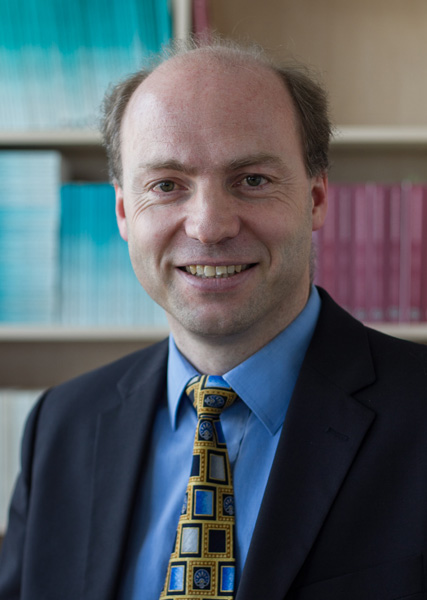
Matthias Sutter serves as Director at the Max Planck Institute for Research on Collective Goods in Bonn while holding part-time professorships at the University of Cologne (10%) and University of Innsbruck (5%). His academic career spans multiple prestigious institutions including the European University Institute in Florence (2013-2014), University of Gothenburg (2007-2013, part-time), University of Cologne (2015-2017, Excellence Chair), and University of Innsbruck (2006-2017). His educational background includes a PhD in economics (1999) and habilitation (2002), both from the University of Innsbruck. Additional academic recognition includes membership in the German National Science Association (Leopoldina) and Academia Europaea. Sutter's research program centers on experimental economics, with particular focus on team decision making processes and the development of economic decision capabilities across different age groups. His work investigates how patience, risk preferences, and social behaviors evolve throughout life, and how these economic preferences impact health and economic success. He has made significant contributions to understanding credence goods markets, where information asymmetry between providers and consumers creates unique market challenges. His experimental approaches combine laboratory studies with field experiments to generate robust insights applicable to real-world economic situations. His publication record demonstrates consistent output in top-tier journals, with recent work spanning diverse topics including energy consumption during crises, workplace climate interventions, vaccination attitudes in polarized environments, and the formation of economic preferences in childhood. The interdisciplinary nature of his research connects economics with psychology, public policy, and organizational behavior, reflecting his broad scholarly impact. Major Awards and Honors: 2017 Hans Kelsen Preis of the Universität zu Köln 2016 Pater Johannes Schasching SJ Preis for dialogue between economy, ethics and religion 2015 Exeter Prize for Research in Experimental Economics 2009 Science Prize of the State of Tyrol 2008 Honorary Prizes from Stiftung Südtiroler Sparkasse and State of Vorarlberg 2004 Oberbank-Science-Prize Linz Sutter serves as Principal Investigator in the Excellence Cluster 'ECONtribute: Markets & Public Policy,' funded by the German Science Foundation (DFG). He holds editorial positions as Associate Editor of 'Management Science,' 'European Economic Review,' and 'Economics Letters,' and serves on the Editorial Boards of 'Experimental Economics' and 'Journal of the Economic Science Association.' His work extends beyond academia through popular science communication, including the best-selling book 'Die Entdeckung der Geduld' (The Discovery of Patience) exploring the importance of patience for health and economic success.
Dr. Gordon O'Brien serves as a Senior Fellow in Water at the Gulbali Institute, Charles Sturt University (Australia), bringing over 20 years of expertise in African freshwater systems since 2004. A South African Council for Natural Scientific Professionals registered scientist and NRF (C2) rated researcher, he bridges academic research with practical water management solutions across continental scales. Education: Doctor of Philosophy (Ph.D.) from University of Johannesburg (2012) His research integrates sustainable water resource management, freshwater ecology, and fish/ fisheries sciences through probabilistic modeling of multiple stressors at regional scales. Specializing in environmental flows, ecosystem services, and ecotoxicology, he develops holistic frameworks for vulnerable socio-ecological systems facing climate change and anthropogenic pressures. Current work emphasizes digital innovation in water security through real-time monitoring and risk assessment. Recent publications reveal a strategic shift toward digital water management, featuring tools like FISHTRAC for fish monitoring and PROBFLO for environmental flow implementation. His research increasingly focuses on African river basins (particularly Limpopo and Incomati), addressing invasive species impacts, fish community dynamics, and AI-driven decision support systems while maintaining strong policy relevance for water-scarce regions. Scientific Recognition: South African National Research Foundation (C2) rating Dr. O'Brien has supervised over 12 PhD and 20 MSc students to completion while securing more than US$2.5 million in research funding from governmental, NGO, and international sources. His projects directly inform water policy development across Africa, with documented contributions to legislation and management frameworks. Current grant portfolios emphasize digital water security tools and transboundary river basin management. As leader of the Rivers of Life applied research program in South Africa and member of CSU's Inland Freshwater Fisheries Research Group, he directs field teams across Kruger National Park and the Limpopo Basin. His collaborative network spans 12 African nations and includes partnerships with the International Water Management Institute for basin-scale digital twin development.
Prof. Peeter Verlegh is a Full Professor of Marketing and Head of the Marketing Department at Vrije Universiteit Amsterdam (VU). He holds a PhD (2001) and MSc in Food Science from Wageningen University. Previously, he served at Erasmus University Rotterdam and the University of Amsterdam. He has held visiting roles at the University of Colorado-Boulder and lectured internationally. His research focuses on consumer responses to branding, marketing communications, and social interactions (e.g., social media and word of mouth), emphasizing practical business applications. He edits top journals like Journal of Consumer Research and International Journal of Research in Marketing . Key research interests include brand engagement authenticity, social media impact, and consumer resistance to advertising. Notable contributions include meta-analyses on social media effects and front-of-package labeling. He has received awards, including the 2015 Best IJA Paper Award. Teaching includes Branding & Advertising (MSc) and Consumer Marketing (Part-Time MSc). His work aligns with UN Sustainable Development Goals, addressing responsible business practices. Recent projects include studies on music’s value and online booking barriers. He actively participates in international conferences and editorial roles. Awards: Best IJA Paper (2015), ICORIA Conference Best Paper (2017), AMS Sheth Finalist (2021) Grants: Behavioral intervention research, consumer behavior measurement tools Collaborations: Global research on marketing psychology and consumer behavior Labs/Teams: Leads the Marketing Department’s research initiatives at VU’s School of Business and Economics. Engages in interdisciplinary projects on consumer engagement and brand activism.
Prof. Dr. Andreas Beyer holds a faculty position at the University of Cologne, affiliated with the Cluster of Excellence Cellular Stress Responses in Aging-Associated Diseases (CECAD) and the Cologne Excellence Cluster for Cellular Mechanisms in Cancer (CMMC). His research focuses on systems-level analysis of aging processes in humans and model organisms, integrating genomic, proteomic, and computational approaches. Key interests include understanding how genetic variation influences protein networks, developing algorithms for big data analysis, and exploring epigenetic mechanisms related to longevity. Research projects include studying age-associated changes in transcriptional elongation, molecular networks in kidney disease, and the impact of dietary restriction on aging. His group develops tools for proteomics and systems biology, such as methods for analyzing limited proteolysis data and single-cell resolution imaging. Collaborative efforts emphasize translational research in aging-related diseases and drug discovery. Prof. Beyer’s work spans computational biology, molecular genetics, and translational medicine. Notable contributions include identifying epigenetic changes linked to longevity and developing predictive models for age-related disease progression. His lab’s projects often involve multi-omics integration and network-based analyses to uncover disease mechanisms. His research has implications for personalized medicine, cancer biology, and interventions to extend healthspan. Current efforts include optimizing drug combinations targeting aging processes and advancing proteomic technologies for clinical applications.
Eyal Mayroz is a Senior Lecturer in Peace and Conflict Studies within the Discipline of Sociology and Criminology at the University of Sydney's Faculty of Arts and Social Sciences. His academic work bridges genocide studies, counter-terrorism expertise (as a retired Captain from Israel's Defense Forces), Middle East affairs, and computer programming. He is frequently sought by media outlets for commentary on responses to mass atrocity crimes and the Israel-Palestine conflict, with hundreds of media appearances documented through 2025. Mayroz's research centers on genocide and mass atrocity prevention, examining how public opinion and media coverage influence responses to these crimes. His work explores the psychological dynamics of fear, identification, and empathy in conflict situations, with regional expertise focused on Israel-Palestine, Lebanon, and Syria. His publications reveal a consistent scholarly trajectory analyzing the interplay between policymakers, media narratives, and public sentiment in shaping international responses to genocide and mass atrocities. His scholarly impact is evidenced by his book Reluctant Interveners: America's Failed Responses to Genocide from Bosnia to Darfur (Rutgers University Press, 2020), which was selected by Choice magazine as an Outstanding Academic Title for 2020. His research demonstrates how institutional and psychological barriers prevent effective international intervention in genocide situations. Faculty of Arts and Social Sciences Teaching Excellence Award (2019) Faculty of Arts and Social Sciences Teaching Excellence Award (2023) Six consecutive Dean's Commendations for Excellence in Teaching (2018-2021) Choice magazine Outstanding Academic Title for 2020 As an academic advisor, Mayroz supervises research on international responses to conflict and atrocity, including current work examining Indonesian public opinion on the Ukraine and Gaza crises. His professional activities extend to membership in the Genocide Prevention Advisory Network, an international expert group advising governments on genocide prevention. His extensive media commentary demonstrates his commitment to translating academic insights into public discourse on pressing global conflicts and humanitarian crises.