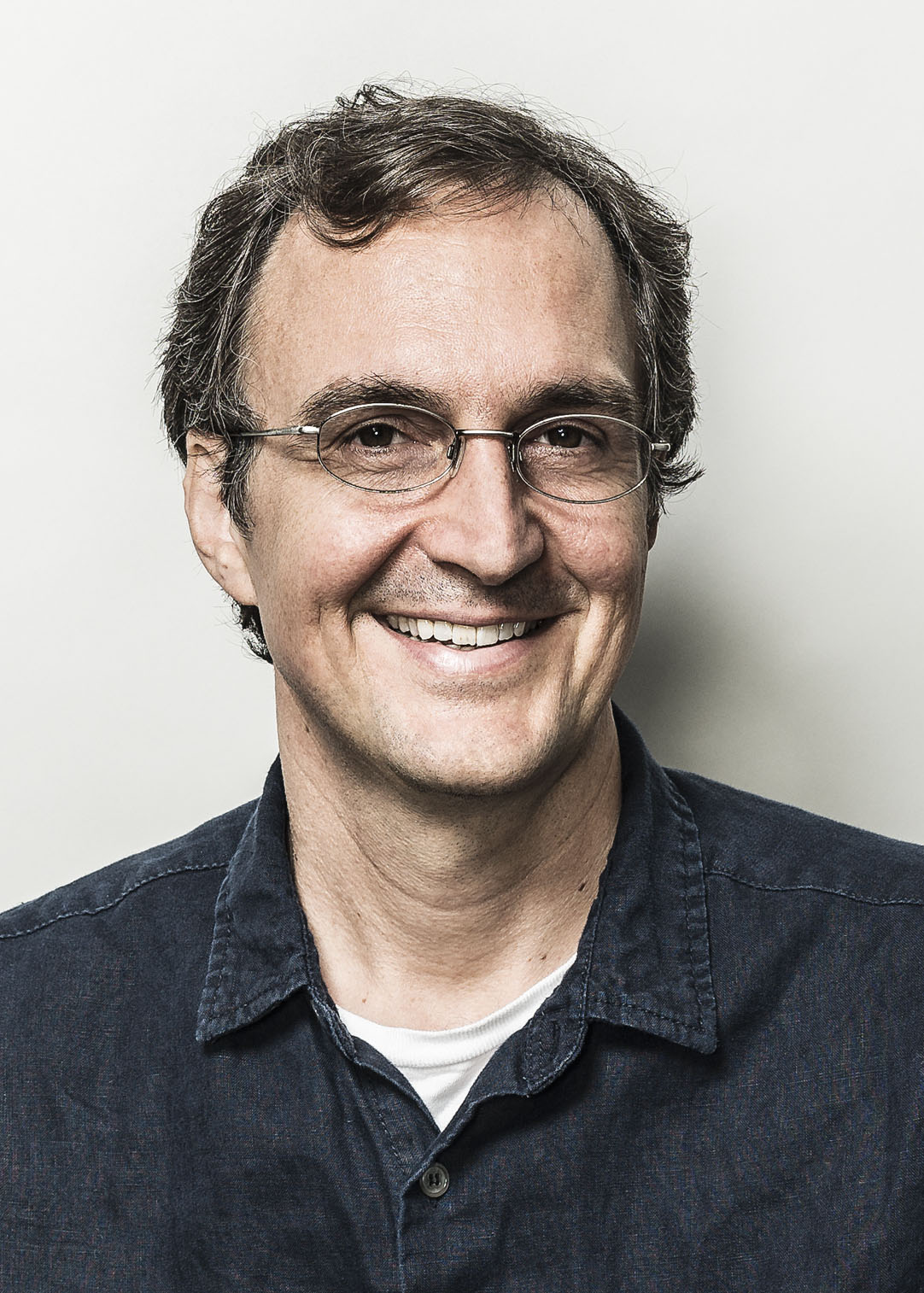
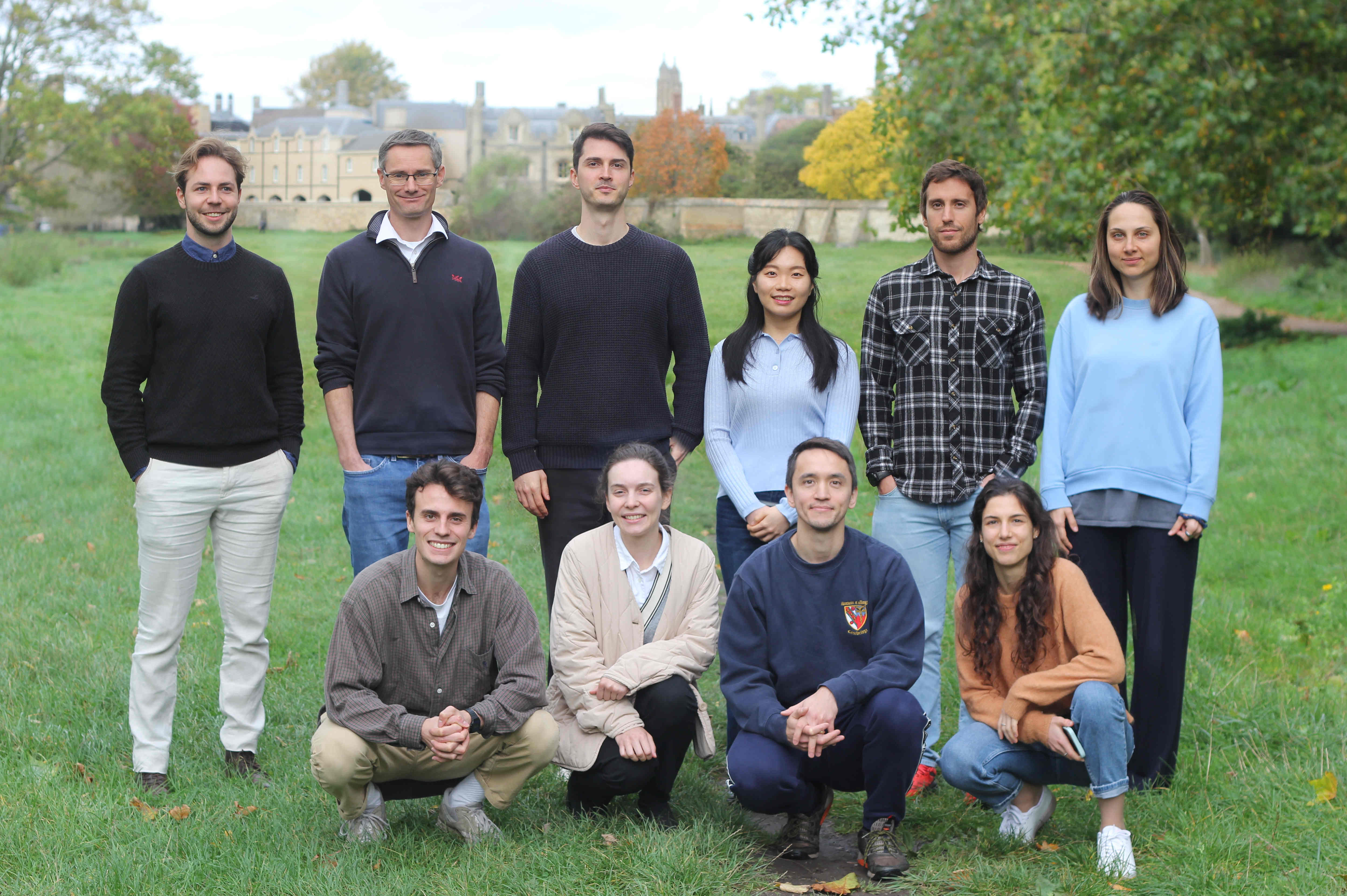
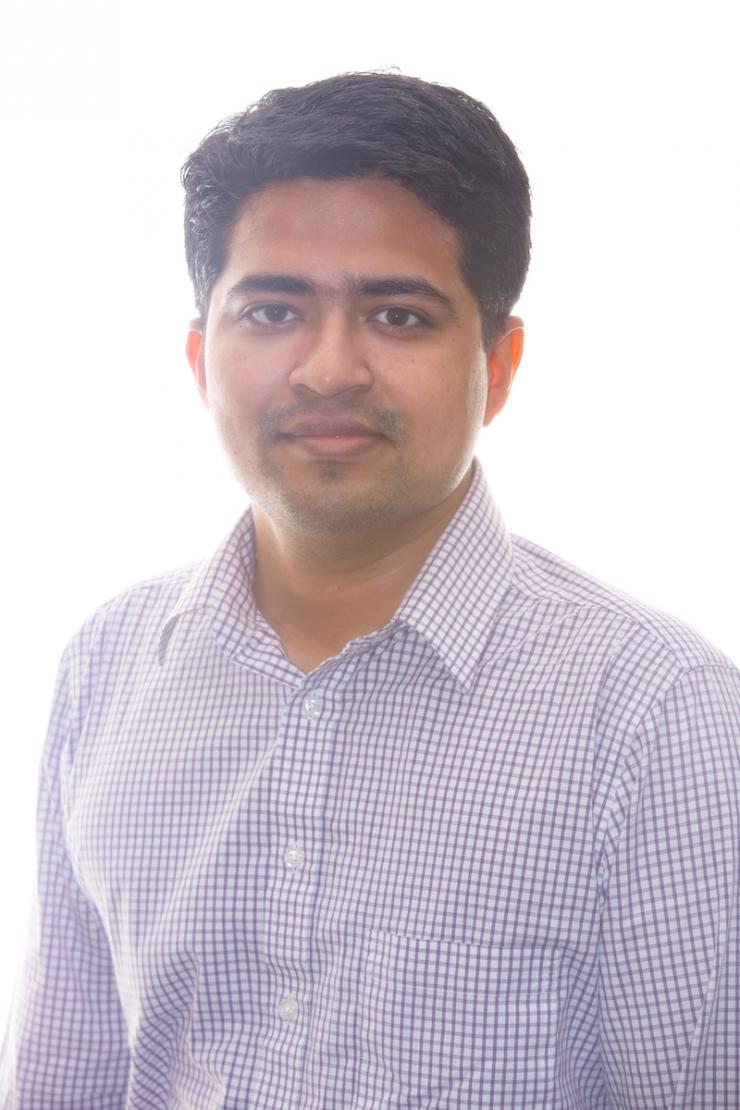
Michael S. Brown is a Professor and Canada Research Chair at York University's Department of Electrical Engineering and Computer Science (EECS). He also serves as Senior Director at the Samsung AI Center in Toronto, Canada. His research focuses on computer vision, image processing, and computer graphics, with a deep specialization in camera imaging pipelines, color theory, and AI-driven ISP optimization. He has organized major conferences like ProCams, eHeritage, WACV, and ICCV, and holds editorial roles in journals like TPAMI and IJCV. He is renowned for his work on computational color constancy, ISP hardware algorithms, and AI-based image enhancement techniques. His recent ICCV 2023 tutorial detailed modern camera pipelines and AI applications in ISP components. His research is supported by grants from NSERC, Samsung, Adobe, Google, and Microsoft. Brown advises numerous graduate students and has mentored over 30 alumni now in academia and industry roles at Meta, Samsung, Microsoft, and startups. His lab focuses on camera systems, noise modeling, and cross-platform color management, with contributions to open-source datasets and software platforms for ISP experimentation.
Professor Andrew Chadwick is a leading scholar in political communication and digital media studies at Loughborough University, where he directs the Online Civic Culture Centre (O3C). He holds a BSocSc from Birmingham, MSc and PhD from the London School of Economics. His research focuses on hybrid media systems, disinformation dynamics, and digital politics. Key contributions include conceptualizing hybrid media events and analyzing misinformation in personal messaging platforms. His work has been recognized with prestigious awards, including the APSA Best Book Award. He supervises numerous PhD students exploring topics like social media influence, public opinion, and digital disinformation. Current projects include the Leverhulme-funded Everyday Misinformation Project examining numerical disinformation on messaging apps. His media engagements span BBC Radio 4 to The Washington Post. Research highlights include studies on misinformation warnings' ineffectiveness, vaccine hesitancy, and the role of celebrities in political representation. O3C serves as a hub for interdisciplinary research on digital civic culture. Chadwick’s academic leadership includes roles in editorial boards for top journals and international conference keynotes.
Prof. Mark Heitmann is a Professor of Marketing & Customer Insight at the University of Hamburg Business School. He holds a visiting appointment at Nova School of Business and Economics. His research focuses on AI-driven marketing strategies, social media analytics, brand equity, and consumer decision-making. He has held academic roles at institutions including the University of St. Gallen and Christian-Albrechts-University in Kiel before joining Hamburg in 2011. Academic Career: Holds a PhD (2004) and post-doctoral Habilitation (2007) from the University of St. Gallen. Visiting researcher at Columbia University and the Max Planck Institute for Human Development. Research Interests: Applications of artificial intelligence in marketing Social media and digital transformation Ethical consumer behavior Brand self-expression and visual design Marketing technology (MarTech) innovations Key Achievements: Over 20 peer-reviewed publications in top journals like Journal of Marketing Research and Harvard Business Review . Award-winning research includes the MSI/H. Paul Root Award and IJRM-EMAC Best Article Award. Active in translating research into scalable commercial solutions through software-as-a-service ventures. Team & Collaborations: Leads a research team including M.Sc. candidates Sammar Rath, Julia Rosada, Maximilian Witte, Tijmen Jansen, Claus Hegmann-Napp, and Magdalena Heynicke. Engages in interdisciplinary projects with industry partners.
Nirupam Roy is an Assistant Professor at the Department of Computer Science, University of Maryland, College Park, and Director of the iCoSMoS research lab. His work bridges wireless networking, mobile computing, and acoustic sensing with applications in IoT, localization, healthcare, security, and wearables. Research Focus: Wireless Networking & Mobile Sensing Awards: Best paper award, MobiSys 2022 Best demo award, MobiSys 2021 CSL Ph.D. Thesis Award, UIUC 2019 Students: Nakul Garg, Yang Bai, Irtaza Shahid, Harshvardhan Takawale, Aritrik Ghosh, Ayushi Mishra, Sumbul Zehra, Justin Goodman Grants: NSF CAREER award (2023), Meta Research Award (2023)
Richard E. Turner is a Professor of Machine Learning at the University of Cambridge's Department of Engineering and Research Lead for AI for Weather Prediction at the Alan Turing Institute. He serves as Cambridge Lead for the EPSRC Probabilistic AI Hub and previously held roles including Visiting Researcher at Microsoft Research, Co-Director of the AI4ER CDT, and Course Director for the Machine Learning and Machine Intelligence MPhil program. Current research focuses on probabilistic machine learning fundamentals, environmental prediction (weather/climate), and spatio-temporal modeling combining deep learning with Bayesian methods Supervised 26 PhD students (13 graduated) and 7 research assistants/associates Secured over £30M in research funding from EPSRC, Microsoft, Toyota, Google, DeepMind, Amazon, and Improbable Featured in BBC Radio 5 Live's The Naked Scientist, BBC World Service's Click, and Wired Magazine His recent publications demonstrate expertise in diffusion models for PDE simulations, Gaussian Processes for environmental applications, and Bayesian methods for spatio-temporal forecasting. Key trends include climate modeling using ML, neural PDE solvers, and scalable probabilistic inference. Awards : Cambridge Students' Union Teaching Award for Lecturing; supervised Qualcomm Innovation Fellowship winner Collaborations : Microsoft Research (AI4Science), Alan Turing Institute, EPSRC Probabilistic AI Hub Turner leads the Turner Group within Cambridge's Machine Learning Group, focusing on uncertainty-aware ML for scientific applications. Current research assistants work on topics like meta-learning, Bayesian inference, and climate science applications.
Joy Arulraj is an Associate Professor in the School of Computer Science within the College of Computing at Georgia Institute of Technology. His research focuses on data systems, machine learning, and database systems, with a particular emphasis on video analytics and adaptive query processing. He leads the Data Systems and Analytics Group and is developing the EVA AI-Relational Data System. Dr. Arulraj's research interests span data systems, machine learning, database systems, video analytics, and adaptive query processing. His work centers on developing systems that efficiently process complex queries, particularly for video analytics and machine learning workloads. He has made significant contributions to GPU database systems, non-volatile memory database management, and adaptive query processing techniques. His research often bridges the gap between theoretical database principles and practical implementations for modern hardware architectures. His recent publications show a strong trend toward video analytics systems, adaptive query processing for machine learning workloads, and GPU-accelerated database systems. The EVA system represents a major focus of his recent work, providing end-to-end exploratory video analytics capabilities. His research also addresses fundamental database concepts like buffer management, query optimization, and storage management, adapting these principles for modern hardware and application requirements. Dr. Arulraj has advised numerous graduate students including Pramod Chunduri, Gaurav Tarkok Kakkar, Jiashen Cao, and Sayan Sinha. His graduated students have gone on to work at companies like ServiceNow, Meta Research, and the Korean Army. He actively teaches database system courses at Georgia Tech, including Database System Implementation (CS 4420/6422) and Advanced Database System Implementation (CS 4423/6423), where students build database systems from scratch using C++ and the BuzzDB framework. He maintains an active research program with consistent publication output across top database and systems conferences. His work spans from theoretical database principles to practical system implementations, with a recent emphasis on video analytics, machine learning integration with database systems, and leveraging modern hardware like GPUs and non-volatile memory for database applications.
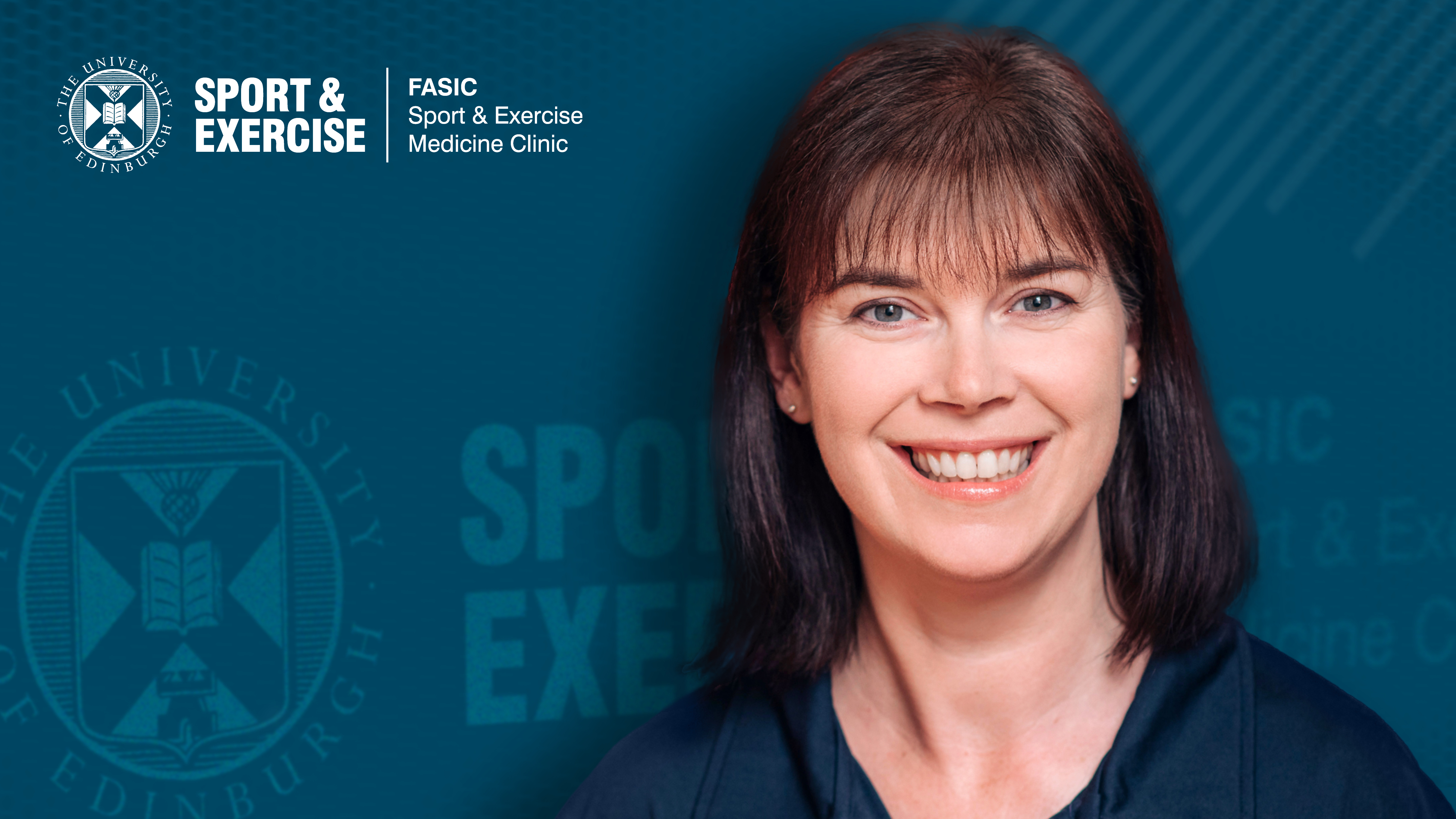
Linda Linton is an Advanced Practice Sports and Musculoskeletal Physiotherapist and Medical Educator at Queen Margaret University, with a career spanning over 25 years. She serves as clinical lead at FASIC Sport & Exercise Medicine Clinic for back, neck, and pelvic/hip conditions and supervises PhD students in aquatic therapy research. Her work bridges clinical practice, education, and research in injury prevention and rehabilitation. BSc(HONS) Physiotherapy (University of Ulster, 1994) PG Cert Sports Physiotherapy (Manchester Metropolitan University, 1997) MMACP (Glasgow Caledonian University, 2000) MSc Manual Therapy (Glasgow Caledonian University, 2005) PG Cert Diagnostic Musculoskeletal Ultrasonography (University East London, 2018) Injection Therapy (Queen Margaret University, 2022) Linton’s research focuses on running-related injury prevention, aquatic therapy for low back pain, and physical activity promotion. Her work includes scoping reviews on injury risk reduction practices, meta-analyses of exercise-based prevention programs, and qualitative studies on community aquatic therapy. She pioneered Prehabilitation for Runners Workshops and investigates neuromuscular training, gait re-education, and aquatic muscle activity patterns. Her publications span journals like Journal of Sports Rehabilitation , Physiotherapy , and Physical Therapy in Sport , with recent 2024-2025 studies addressing aquatic therapy mechanics, running injury prevention frameworks, and swimmer injury risk factors. She collaborates with Edinburgh Sports Medicine Research Network and Bath Research Centre in the IOC Research Centre. Linton supervises PhD students in aquatic therapy projects and integrates load management, strength training, and running biomechanics into her clinical education. Her work emphasizes practitioner-patient collaboration and evidence-based strategies to reduce injury risks across athletic populations.
Benjamin Arold is a University Assistant Professor at the Faculty of Economics, University of Cambridge. His academic career spans theoretical and applied research in labor economics, education economics, and AI-driven policy analysis. Previously, he held postdoctoral positions at ETH Zurich and visiting roles at Harvard University and Princeton University. Education: Ph.D. in Economics, LMU Munich His research bridges economic theory with empirical applications, focusing on: Long-term impacts of school curricula on student outcomes AI and NLP applications in labor economics Economics of religion and its societal implications Recent Article Trends: His work highlights intersections between education policy and technological innovation, including meta-analyses of private schooling effects, charter school performance evaluations, and computational methods for analyzing educational interventions. Scientific Awards: Prize for Best Dissertation (2021/2022) - German Economic Association Fürther Ludwig Erhard Prize (2023) Teaching: He teaches advanced courses on NLP in economics at Princeton University and Basel University, with a focus on computational methods for non-standard data.
Susanne Weis is a Research Professor and Group Leader of the 'Variability of the Brain' group at the Department of Brain and Behavior (INM-7), part of the Institute of Neuroscience and Medicine (INM) at Research Center Jülich GmbH. Her work focuses on understanding brain variability through advanced neuroimaging techniques and machine learning, with particular emphasis on sex differences, hormonal influences, and clinical applications in mental health. Her research interests include neuroimaging methodologies, machine learning applications in cognitive neuroscience, and the structural-functional relationships underlying brain variability. She investigates how factors like sex hormones and naturalistic stimuli (e.g., movies) affect brain connectivity and cognitive performance, aiming to improve diagnostic and predictive tools for disorders such as schizophrenia and Alzheimer’s disease. Publications highlight her contributions to developing datasets (e.g., SpEx), analyzing confound leakage in ML models, and exploring meta-analytic networks during naturalistic viewing. Her work bridges basic science and clinical impact, addressing challenges in interpreting neuroimaging data and advancing personalized medicine approaches. In her role as a group leader, Weis oversees research projects and collaborates with interdisciplinary teams. She is affiliated with the Helmholtz Association and contributes to the broader scientific community through her research in neuroimaging and computational neuroscience.
William Yang Wang serves as the Mellichamp Professor of Artificial Intelligence at the University of California, Santa Barbara (2019-present). He directs the UCSB Center for Responsible Machine Learning, the Mind and Machine Intelligence Initiative, and the UCSB NLP Group. His research focuses on theoretical foundations and practical algorithms for AI, particularly in NLP, LLMs, and neuro-symbolic reasoning. PhD in Computer Science from Carnegie Mellon University Active in AI theory and applications (2016-present) Research interests span multiple AI domains, with special emphasis on NLP and responsible machine learning. He has pioneered datasets like HybridQA, TabFact, and VaTeX, enabling advancements in multi-hop QA, fact verification, and video-language tasks. His work combines statistical relational learning with modern deep learning paradigms. Recent publications center around multimodal reasoning, knowledge graph integration, and responsible AI development. He has received numerous accolades including the IEEE SPS Pierre-Simon Laplace Award (2024) and NSF CAREER Award (2021). Karen Sparck Jones Award (2022) DARPA Young Faculty Award (2018) IBM Faculty Award Mentoring 15+ PhD and postdoc researchers who now hold positions at Microsoft Research, Amazon, Meta GenAI, and academic institutions like Arizona and Rutgers. His lab maintains active collaborations with industry partners through initiatives like ChipAgents.ai, which he founded as CEO.
Mi Zhang is an Associate Professor in the Department of Computer Science and Engineering at The Ohio State University and Director of the OSU AIoT and Machine Learning Systems Lab. He holds multiple affiliations including the Institute for Cybersecurity and Digital Trust, Translational Data Analytics Institute, and 5G and Broadband Connectivity Center. Dr. Zhang received his Ph.D. from University of Southern California and B.S. from Peking University, followed by a postdoctoral position at Cornell University. His academic journey previously included a position at Michigan State University before joining OSU. His research focuses on Empowering Billions of Everyday Devices with AI to realize the Artificial Intelligence of Things (AIoT) vision. His lab works across several interconnected domains including efficient generative AI (multimodal LLMs, diffusion models), edge AI for mobile/AR/wearables, systems for AI agents, spatial computing, foundation models for IoT, and human-centered mobile health applications. This interdisciplinary work draws from mobile/edge computing, AI/machine learning, distributed systems, computer networks, and human-centered computing. Analysis of his recent publications reveals a strong focus on making AI more efficient and accessible for resource-constrained devices. His research trajectory shows increasing emphasis on large language models and their optimization for edge deployment, alongside continued work in federated learning for IoT applications. The publications demonstrate both theoretical contributions and practical applications across healthcare, wireless networks, and human-computer interaction. Best Paper Award, IEEE Internet Computing Magazine (2024) University of Chicago Outstanding Educator Award (2024) Best Paper Award, ECCV'24 Workshop (2024) USC ECE SIPI Distinguished Alumni Award (2023) Multiple Best Paper Awards from ACM/IEEE conferences NSF CRII Award Facebook/Meta Faculty Research Award Amazon Research Award MSU Innovation of the Year Award (2020) Dr. Zhang actively mentors students at all levels, with a current group of Ph.D. students working on cutting-edge AI/ML systems. His lab has secured significant funding including Meta Reality Labs Faculty Awards, NVIDIA academic grants, and NSF grants. The OSU AIoT and Machine Learning Systems Lab serves as the central hub for his research activities, fostering collaboration across multiple disciplines to advance the field of AIoT.
Päivi Eriksson is a Professor of Management at the University of Eastern Finland (UEF) Business School. She co-leads the Innovation Management research group and coordinates the MSCA Neuro-Innovation PhD Programme (2021-2026) and NOVEL Postdoctoral Programme (2024-2029). Her research focuses on innovation management, academic entrepreneurship, and collaborative research methodologies. She leads the Neuro-Innovation and Impact research team within UEF's neuroscience community (NEURO). Key projects include DATASLEEP (2021-2025), CO-RESEARCH (2022-2026), and Shadows in Paradise (2022-2032). Her work bridges academic research with societal impact through initiatives like the Auria Biobank commercialization. She has authored/co-authored over 150 publications in journals like Journal of Affective Disorders , Qualitative Health Research , and International Journal of Human Resources Development . Eriksson's awards include research council grants and contributions to Elgar's Encyclopedia of Innovation Management . She advises on academic entrepreneurship policies and collaborates with 30+ external partners in healthcare, tech, and industry sectors. Her teaching emphasizes innovation empathy and service design frameworks for customer-centric solutions.
Mingchen Gao is an Associate Professor in the Department of Computer Science and Engineering at the University at Buffalo, SUNY. He serves as Program Director for the Engineering Sciences (Artificial Intelligence) MS Program and is affiliated with the Institute for Artificial Intelligence and Data Science. Previously, he was a Postdoctoral Fellow at the NIH Clinical Center's Radiology and Imaging Science Department (2014–2017). His research focuses on medical imaging informatics, computer vision, and machine learning applications in healthcare. Notable projects include NSF-funded work on continual learning and federated domain adaptation. He teaches advanced courses like CSE674 (Advanced Machine Learning) and CSE703 (Deep Learning for Medical Imaging). Dr. Gao earned his Ph.D. in Computer Science from Rutgers University (2014), advised by Dimitris N. Metaxas, and a B.S. from Southeast University, China (2007). His lab develops AI systems for medical diagnosis, with recent work on robust neural networks and federated learning frameworks. His team has produced impactful algorithms for segmentation, classification, and domain adaptation in imaging tasks. Current research includes NSF CAREER Award (2023–2028) for deployable medical diagnosis systems and collaborations on drug discovery and toxicity prediction. He advises four PhD students and has authored over 60 peer-reviewed publications in top venues like NeurIPS, CVPR, and MICCAI.
Laurence Hunt is an Associate Professor of Experimental Psychology at the University of Oxford and a Tutorial Fellow in Psychology at St John's College. He leads the Laboratory of Decision Dynamics, focusing on neural mechanisms underlying decision-making. His work integrates mathematical models with electrophysiological techniques in humans and animal models to study behavioral and neural data. Key roles include the Wellcome/Royal Society Sir Henry Dale Fellowship and prior postdoctoral positions at UCL and Oxford's Department of Psychiatry. Education: D.Phil in Neuroscience from the University of Oxford (2007-2011), pre-clinical Medicine at Cambridge University. Research emphasizes cognitive computational neuroscience, particularly how neural systems process value, uncertainty, and learning. Collaborators include notable figures like Matthew Rushworth and Christopher Summerfield. Scientific Awards: Wellcome/Royal Society Sir Henry Dale Fellow Advising & Grants: His research is supported by fellowships, though specific grants or advisees are not detailed. The Hunt Lab actively explores topics such as reward processing, decision dynamics, and neural geometry using advanced analytical methods. Labs/Teams: Director of the Laboratory of Decision Dynamics, part of the Department of Experimental Psychology. Engaged in interdisciplinary collaborations across Oxford and international institutions.
Soumya Dutta is an Assistant Professor in the Department of Computer Science and Engineering at the Indian Institute of Technology Kanpur (IITK), where he leads the INSIGHT: Intelligent Scientific and Visual Computing of Big Data Research Group. He joined IIT Kanpur in October 2022 after working as a Scientist II at Los Alamos National Laboratory (LANL) from July 2019 to August 2022, and previously as a Postdoctoral Research Associate at LANL from June 2018 to July 2019. His educational background includes a Ph.D. and M.S. in Computer Science and Engineering from The Ohio State University (2011-2018), where he was part of the GRAVITY research group, and a B.Tech. in Electronics and Communication Engineering from West Bengal University of Technology, India (2005-2009). Research Interests: Dr. Dutta's research focuses on the intersection of machine learning, visual computing, big data, and high-performance computing. His primary research areas include Machine Learning for Visual Computing and Image Analysis, Big Data Visualization and Analytics, Data Science and HPC, Machine Learning for Scientific Computing, and Explainability and Interpretability of AI Models. His work addresses various big data characteristics including the 5 Vs: Volume, Velocity, Variety, Veracity, and Value. He develops techniques that make complex machine learning models more interpretable and explainable, enabling their effective adoption in real-life applications across scientific domains, social media, IoT, healthcare, and industry applications. Dr. Dutta's research group has secured multiple funded projects including: DAVi: An Intelligent Data Analytics and Visualization Framework (funded by ISRO), Intelligent Visual Computing of Extreme-scale Data for Accelerating Scientific Discovery (IIT Kanpur Initiation Grant), Enabling Interactive Big Data Analytics and Visualization at Exascale (SERB), Development of AI-Enabled National Portal for Efficient Search of Missing People (C3iHub), and Proactive and Generalized Deepfake Defense Mechanisms (C3iHub). Best Reviewer, Honorary Mention Award for IEEE Transactions on Visualization & Computer Graphics (TVCG), 2021 Best Paper Award at ISAV 2021, co-located with Supercomputing (SC) LAAP Award at Los Alamos National Laboratory, 2021 Best Paper Award at TopoInVis 2019 Best Paper Award at ISAV 2018, co-located with Supercomputing (SC) Best Poster Award in 12th Annual CSE Student Poster Exhibition, The Ohio State University, 2018 Best Poster Award in 11th Annual CSE Student Poster Exhibition, The Ohio State University, 2017 Best Paper Honorable Mention Award at IEEE Visualization Conference (IEEE VIS) 2016 Dr. Dutta actively mentors a large group of students including Ph.D., M.Tech., and B.Tech. students. His current Ph.D. students include Shanu Saklani, Sankhadeep Bhowmick, Ananya Chaturvedi, Arpita Santra, Anubhav Dixit (co-supervised), and Robin Shah. He has supervised numerous M.Tech. students with thesis topics ranging from uncertainty-aware neural networks to deepfake detection. Dr. Dutta currently teaches courses including CS360 - Introduction to Computer Graphics and CS661 - Big Data Visual Analytics. The INSIGHT research group collaborates internationally with researchers from Meta, Oak Ridge National Laboratory, and National Taiwan Normal University. The group's work focuses on building machine learning and data science-based solutions to analyze large-scale multifaceted data in a scalable way, enabling interactive and interpretable analytics of complex data from scientific simulations, social media, IoT, healthcare, and other application domains.