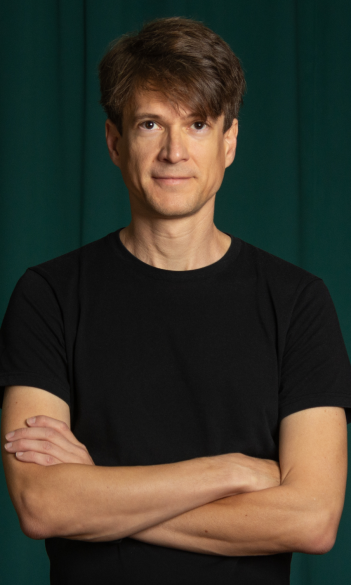
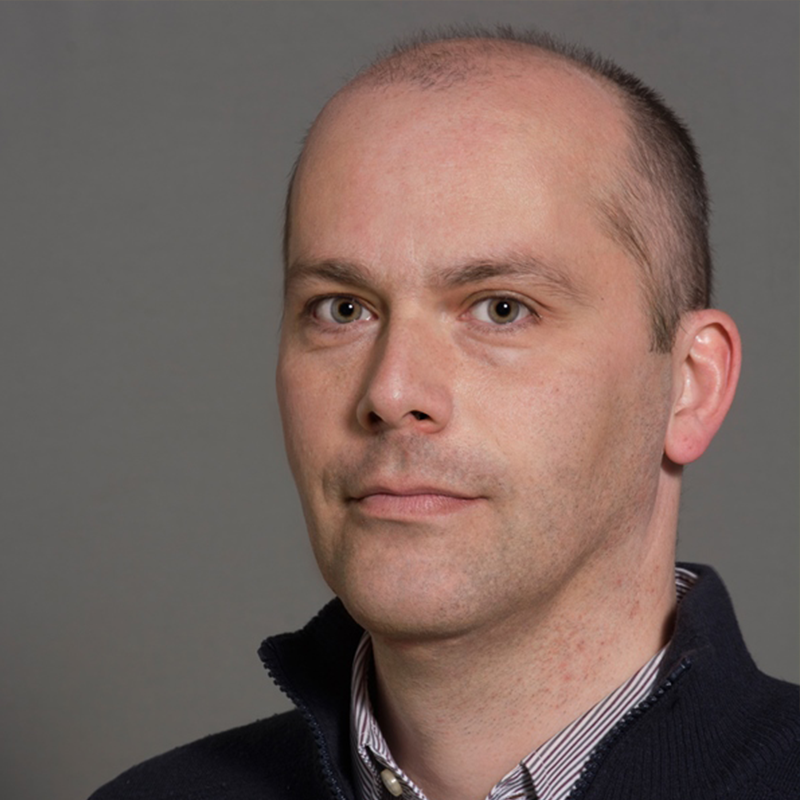
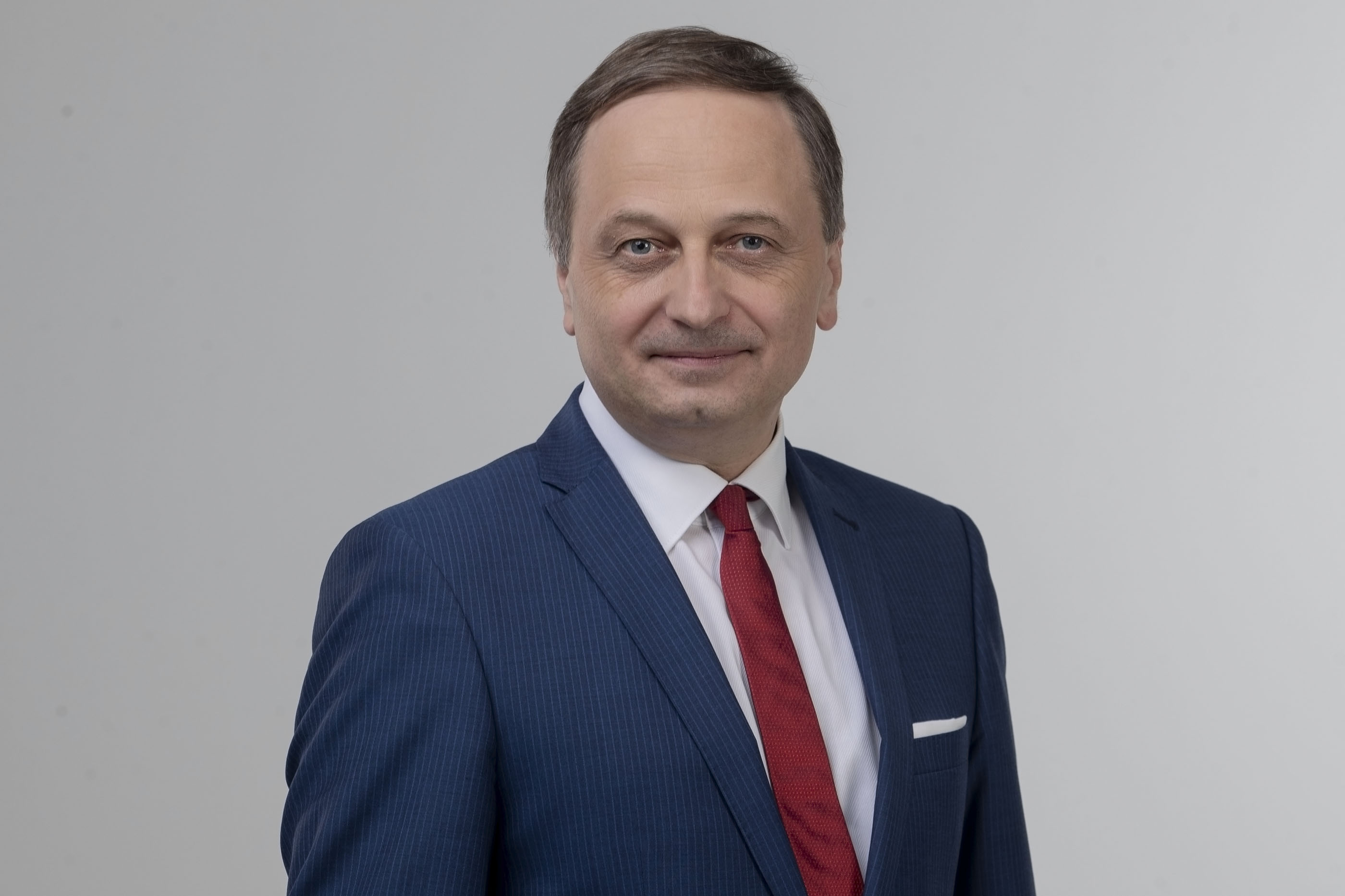
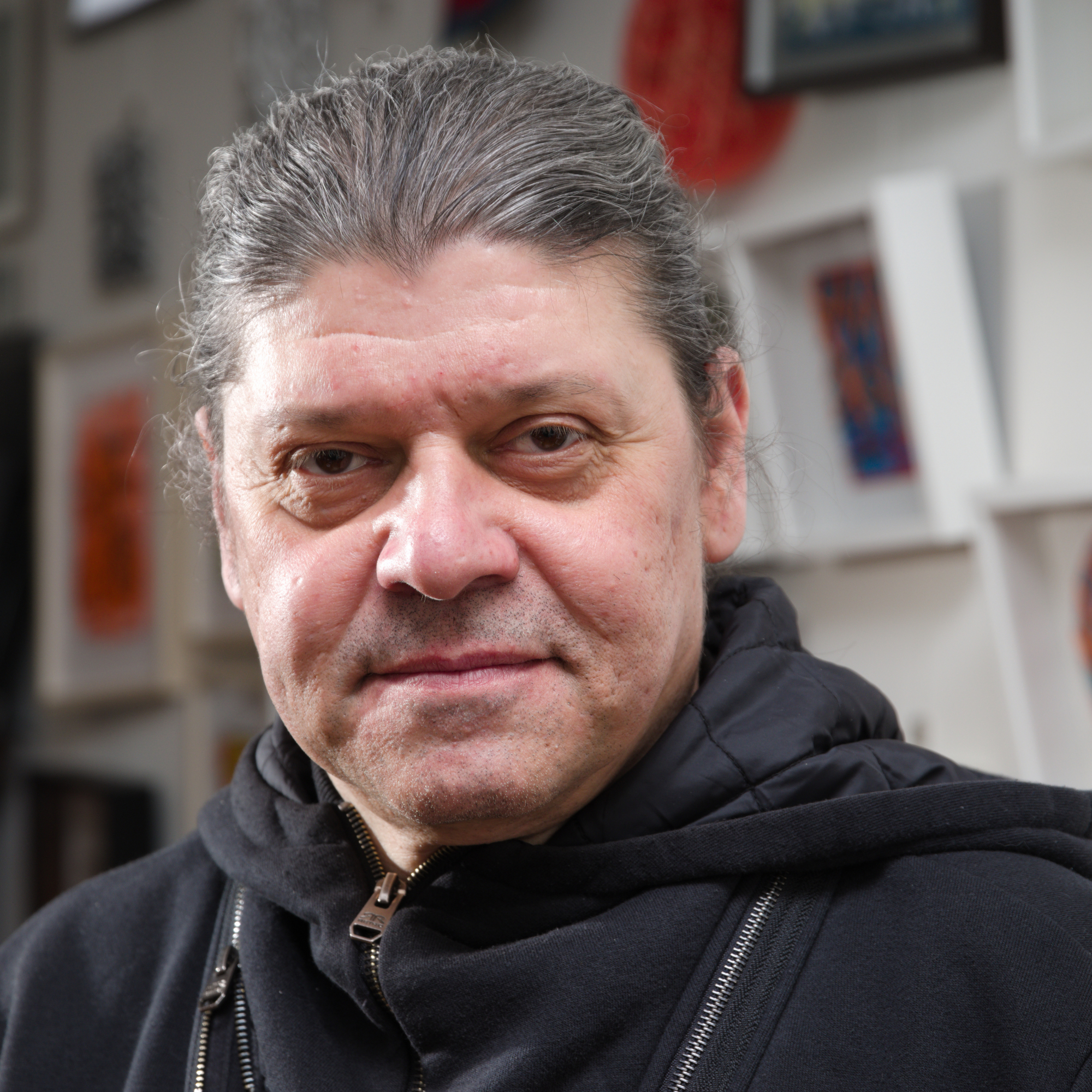
Dr. András Vadas is a habilitated Associate Professor at the Department of Medieval History , Institute of Historical Studies, Eötvös Loránd University (ELTE). He is also an alumnus of Central European University's Medieval Studies program. His career bridges medieval history with environmental history, focusing on the interplay between warfare, climate change, and ecological systems in premodern Hungary.
Attila Keresztes is an Assistant Professor in the Department of Cognitive Psychology at Eötvös Loránd University (ELTE), Budapest, Hungary. He serves as Principal Investigator of the Lifespan Memory Development Lab and Head of the Hippocampal Circuit and Code for Cognition Lab (HCCCL), a Max Planck Partner Group. His research focuses on hippocampal structure-function relationships across the lifespan, employing high-resolution MRI and experimental methods to study memory development, stress impacts, and cognitive aging. Keresztes holds a PhD in Cognitive Science from Budapest University of Technology and Economics (2014) and completed postdoctoral training at the Max Planck Institute for Human Development in Berlin. Key interests include hippocampal maturation’s role in memory specificity, longitudinal brain development, and the interplay between stress hormones (e.g., cortisol) and hippocampal morphology. His work has been funded by grants such as FK128648 from Hungary’s National Research, Development, and Innovation Office. In 2022, he received the prestigious Bolyai János Research Scholarship from the Hungarian Academy of Sciences. Current lab activities involve collaborations with the Max Planck Institute and the ELTE Babylab, including the NeMO study on early childhood memory development. The HCCCL team includes PhD students (Alex Ilyés, Zsuzsanna Nemecz, Hunor Kis) and student researchers focusing on neuroimaging, semantic memory, and pattern separation mechanisms. Public engagement initiatives include participation in events like the European Researchers' Night and science outreach for children.
László Lengyel is a Professor at the Budapest University of Technology and Economics (BME), affiliated with the Department of Automation and Applied Informatics . His work bridges theoretical and applied computer science, focusing on industrial automation, IoT systems, and model-driven engineering. Research interests include Model transformations and domain-specific languages IoT device management and multi-domain integration Software obfuscation and cybersecurity Graph algorithms and distributed computing (MapReduce) Real-time data analysis in manufacturing Automotive sensor networks His recent publications reflect expertise in model-driven IoT architectures , granule manufacturing automation , and MapReduce-based graph analysis , with a focus on industrial and automotive applications. He contributes to open-source frameworks like SensorHUB and explores gamification in driver behavior systems.
Nóra Wünsch-Nagy is an Assistant Professor at the Department of English Applied Linguistics , Eötvös Loránd University , where she teaches within the School of English and American Studies . Her work bridges social semiotics , multimodal literacy , and museum education , focusing on interdisciplinary pedagogical frameworks. Research Focus: Multimodal meaning-making, Legitimation Code Theory (LCT), academic literacy, and arts integration Teaching Approach: Embodied museum-based learning, genre-informed pedagogy Methodologies: Social semiotic analysis, semantic wave theory, curriculum development Recent publications examine digital multimodal composition, exhibition reviews as academic writing, and visual literacy development. Her work emphasizes explicit knowledge structuring through LCT and Systemic Functional Linguistics , connecting classroom pedagogy with museum-based learning environments. Key Collaborations: Dániel Horváth (art education collaboration) Network of international researchers in multimodality and LCT Professional Platforms: ResearchGate Profile Publications Repository
Dr. Csanád Bodó (Habil. Associate Professor) is affiliated with the Institute of Hungarian Linguistics and Finno-Ugric Studies at Eötvös Loránd University (Budapest). He serves as a lecturer in the Department of Hungarian Historical Linguistics, Sociolinguistics and Dialectology, and contributes to the MTA-ELTE Kollaboratív Írás Kutatócsoport (Hungarian Academy of Sciences-ELTE Collaborative Writing Research Group). Academic rank: Associate Professor Contact: bodo.csanad@btk.elte.hu His research focuses on participatory sociolinguistics , particularly in the context of Hungarian-speaking minority communities in Eastern Europe. Key themes include: Language revitalization strategies among the Moldavian Csángó community Critical family language policy in peripheral regions Translanguaging and multilingual education practices Enregistering politically correct language in urban academic settings Collaborative research methodologies Language ideologies in revitalization contexts Recent publications (2025–2022) analyze collaborative knowledge production, language revitalization through education, and transliteracies in minority educational contexts. His work critically engages with language endangerment rhetorics and participatory approaches to sociolinguistic research.
Dr. Koloman Brenner (Associate Professor) is affiliated with the Institute of Germanic Studies at Eötvös Loránd University (ELTE), Budapest, Hungary, within the Department of German Linguistics. His work focuses on German dialectology, phonetics, minority languages, and sociolinguistics in Central and Eastern Europe. Research Interests: German dialects in Western Hungary and historical sound analysis Phonetic-algorithmic methods (e.g., Vocal Hunter software) Language use in minority communities and multimedia translation Comparative language policy in Hungary and South Tyrol Lexicography and bilingual education for German minorities Language atlases and sociocultural language variation Recent Publications Trends: His recent work includes bilingual dictionaries, dialect revitalization strategies, and algorithmic phonetic analysis. Earlier studies explore acoustic parameters of dialect consonants, media representation of dialects, and generational language shifts since 1989.
Dr. Márta Seebauer is an Associate Professor at Alba Regia Faculty of Óbuda University. Her research spans interdisciplinary areas including artificial intelligence applications in energy systems, structural engineering reliability analysis, financial risk modeling, and sensor technology for food quality assessment. She maintains an active publication record with work showcased in IEEE symposiums and specialized journals. Email: seebauer.marta@uni-obuda.hu Consultation Hours: Thursdays 14:00-15:00 Her research interests emphasize practical applications of computational methods in civil, environmental, and smart city technologies. Recent work includes neural network-based energy monitoring systems and asbestos risk mitigation strategies during building demolition.
Charaf Hassan is a Professor and Head of Department at the Budapest University of Technology and Economics, specifically in the Department of Automation and Applied Informatics. His work spans interdisciplinary domains, focusing on distributed systems, network coding, and IoT technologies. His research interests include Distributed Systems and Domain-Specific Modeling Network Coding and Mobile Peer-to-Peer Systems Model-Driven Development for Multiplatform Applications Machine Learning in Fluid Dynamics and Pharmaceutical Analysis Recent publications highlight trends in applying convolutional neural networks to viscosity estimation, model-driven methodologies for IoT, and network coding in cloud storage. He teaches advanced courses in distributed systems and software architectures at the university level.
Dmitriy Dunaev is an Associate Professor at the Budapest University of Technology and Economics, affiliated with the Department of Automation and Applied Informatics. His research focuses on hardware security, particularly through Physical Unclonable Functions (PUFs), software obfuscation, and FPGA-based security solutions. Current position: Associate Professor Institution: Budapest University of Technology and Economics Department: Automation and Applied Informatics Research spans cryptographic security enhancement via configurable hardware designs, machine learning vulnerability analysis, and optimization of security protocols in embedded systems. Recent publications investigate temperature sensitivity, bit configuration in PUFs, and FPGA implementation challenges. Contact: dunaev@aut.bme.hu
Cristian-Nicolae Gaşpar is a Lecturer in the Department of Medieval Studies at the Central European University (Vienna). He holds a BA in Classics from the University of Timișoara (1997), and MA and PhD in Medieval Studies from CEU Budapest (1998 and 2006). His research focuses on early medieval hagiography, late antique intellectual history, language evolution in Banat, and annotated translations of ancient texts into Romanian and English. He has contributed extensively to studies on regional varieties of Romanian, particularly in the Psalterium Banaticum project. Key affiliations include Senior Fellow at the Center for Eastern Mediterranean Studies (since 2007) and participation in projects like the 'Sanctity of the Leaders' and 'Communicating Sainthood' initiatives. He has held fellowships at the Collegium Budapest (2010), University of Bologna (2009), and New Europe College (2002/2003). His work bridges disciplines: translating ancient texts (e.g., Minor Prophets into Romanian), analyzing regional linguistic patterns, and exploring themes like male homoeroticism in monastic contexts. Awards include the CEU Third Best Dissertation (2007) and Academic Achievement Award (2005). Active in professional networks such as the Medieval Central Europe Research Network (MECERN) and Romanian Society of Byzantine Studies, he also serves on ethics and advisory boards, including the RESTORY project and Muzeul Banatului Montan.
Bertalan Polner is an Assistant Professor at the Institute of Psychology , Eötvös Loránd University, affiliated with the Department of Clinical Psychology and Addiction . He serves as a Member of the Research Ethics Committee and maintains an active research profile at Radboud University’s Donders Centre for Cognition as a PostDoc researcher. Academic Rank: Assistant Professor Current Institutions: Eötvös Loránd University (ELTE), Radboud University Research Focus: Schizotypy-psycho sis interactions, computational psychiatry, sleep-cognition links, memory mechanisms, and emotion regulation. Dr. Polner’s research explores how positive schizotypy interacts with sleep disturbances and visual perception anomalies , using network analysis to map relationships between personality traits and mental health outcomes. His work often integrates computational modeling (e.g., drift diffusion models, predictive coding) to understand cognitive deficits in psychotic disorders. Recent publications highlight his contributions to: Mapping schizotypy’s role in stress-reactivity (2025) Investigating REM sleep’s impact on mind-wandering (2023) Analyzing reward processing in borderline personality disorder through schema modes (2023) He also develops educational tools like the introduction_to_R and Structural Equation Modeling repositories on GitHub, supporting psychological research methodology.
Jozsef Fiser is a Professor in the Department of Cognitive Science at Central European University (CEU), where he serves as Director of the Center for Cognitive Computation. His research bridges human psychophysical experiments, computational modeling, and neurophysiological studies to explore how visual statistical learning shapes internal representations for cognition and behavior. He holds advanced degrees in Psychology (D.Sc., Hungarian Academy of Sciences; Dr. habil., Janus Pannonius University), Computer Science (Ph.D., University of Southern California), and Electrical Engineering (Diploma, Technical University of Budapest). D.Sc. in Psychology, Hungarian Academy of Sciences (2007) Dr. habil. in Psychology, Janus Pannonius University (2004) Ph.D. in Computer Science, University of Southern California (1997) M.A. in Psychology, University of Southern California (1992) Diploma in Electrical Engineering, Technical University of Budapest (1986) His research focuses on hierarchical object representations, active learning, probabilistic computation in the brain, and the link between beliefs and knowledge. Key themes include temporal processing, cross-modal integration, attention, and neural variability during perceptual learning. His work often examines how low-level visual processes (e.g., orientation coding) relate to higher-level cognitive functions. Analysis of his recent publications reveals trends in visual statistical learning , probabilistic inference , and neural sampling as frameworks for understanding cognition. Many studies investigate how uncertainty, memory consolidation, and attention modulate learning across species (humans, honeybees, chicks) and contexts (naturalistic vision, sleep effects). As Director of CEU's Center for Cognitive Computation, Fiser leads interdisciplinary research linking computational models with empirical studies of perception, decision-making, and neural dynamics.
Péter Lévay is an Associate Professor at the Department of Theoretical Physics, Faculty of Natural Sciences, Budapest University of Technology and Economics. He is a member of the MTA-BME Condensed Matter Research Group, focusing on mathematical physics, quantum information, and geometric methods in theoretical physics. His research spans geometric phases, quantum entanglement, black hole solutions in string theory, and finite geometric applications to quantum systems. He has developed algebraic models for scattering theory and explored connections between quantum computing and black hole entropy. Key Research Trends: Quantum entanglement geometry in fermionic and qubit systems Finite geometric models of spacetime and black holes Holographic principles in entanglement entropy Cluster algebraic structures in quantum gravity Exceptional symmetries (E8) in quantum coding Geometric phases in chaotic and scattering systems He has authored significant publications in journals like Physical Review A/D , Classical and Quantum Gravity , and Journal of Mathematical Physics , with a focus on mathematical rigor and interdisciplinary insights.
Zoltán Szegedy-Maszák serves as Professor and Head of the Doctoral School at the Hungarian University of Fine Arts, where he previously held roles including General Vice-Rector (2009–present) and Head of the Department of Fine Arts Theory (2009–present). His academic trajectory began with Assistant Professorship in the Department of Intermedia in 1997, advancing to Associate Professor in 2003 before achieving full Professor rank through his doctoral school leadership. Education highlights: DLA (Doctor of Liberal Arts, Fine Arts), Hungarian University of Fine Arts (2003) 'dr. habil' qualification (2007) Diploma in Intermedia Department (1994) Diploma in Painting Department (1992) Postgraduate studies, Hungarian University of Fine Arts (1992–1994) Szegedy-Maszák's research interrogates the philosophical and technical boundaries of digital creation, with sustained focus on experimental photography (notably camera obscura and photogram techniques), networked art systems, and interactive installations that challenge perception. His theoretical work explores media archaeology, digital preservation, and the interplay between artistic practice and technological innovation, often examining how obsolete media forms inform contemporary digital culture. This manifests in projects like 'Cryptogram' and 'Aura' that investigate data encryption, virtual realities, and illusion mechanisms. His artistic output reveals consistent engagement with digital imaging, web-based interactivity, and real-time data systems, evolving from early computer animations (1991–1999) toward complex networked installations. Key themes include the archaeology of computing, interface design as artistic medium, and the philosophical implications of digital reproduction—particularly evident in his 2000–2010 publications analyzing virtual environments and interactive frameworks. Notable recognition includes: Munkácsy Mihály Award (2010) Camera Obscura award at Hungarian Museum of Photography (2008) Ferenc Deák Post-Doctoral Scholarship (2003–2004) Derkovits Scholarship (1999–2002) European Media Artists Residency at Bauhaus Dessau (1995) As doctoral thesis supervisor since 2003, he has mentored emerging media artists while developing innovative curricula like 'Introduction to the (An)Archaeology of Computers'—an ongoing educational resource. His collaborative work with C3 Cultural and Communication Center (1996–2002) and projects like 'Exploration Network' demonstrate commitment to interdisciplinary knowledge exchange. Current initiatives focus on preserving digital art heritage through frameworks like the '404 Project,' addressing media obsolescence while exploring new frontiers in networked artistic practice.
Péter Ekler is an Associate Professor at the Department of Automation and Applied Informatics , Budapest University of Technology and Economics (BME) , Hungary. He is affiliated with the Applied Mobile Research Group (AMORG) and the Applied Computer Science Group , focusing on cutting-edge research in AI, IoT, and mobile systems. Research Interests: Artificial Intelligence and Machine Learning Internet of Things (IoT) and Smart Cities Wireless Sensor Networks and Energy-Efficient Routing Network Coding and Mobile Peer-to-Peer Systems Blockchain and Distributed Systems Computer Vision and Sensor Data Analysis His recent work includes the development of AI-based thermal imaging systems, energy-aware IoT routing, and secure authentication mechanisms using JWT. He has published extensively on optimizing IoT performance, enhancing mobile streaming with network coding, and applying machine learning to real-world sensor data. Scientific Contributions: Published over 50 peer-reviewed articles from 2013 to 2023 Active on platforms like Google Scholar, Scopus, ResearchGate, and ResearcherID Research spans both technical systems and historical studies in science Contact & Affiliations: Email: Ekler.Peter@aut.bme.hu Location: Q.B226, Magyar tudósok krt. 2., Budapest 1117, Hungary Phone: +36 (1) 463-3702 LinkedIn: http://hu.linkedin.com/in/peterekler