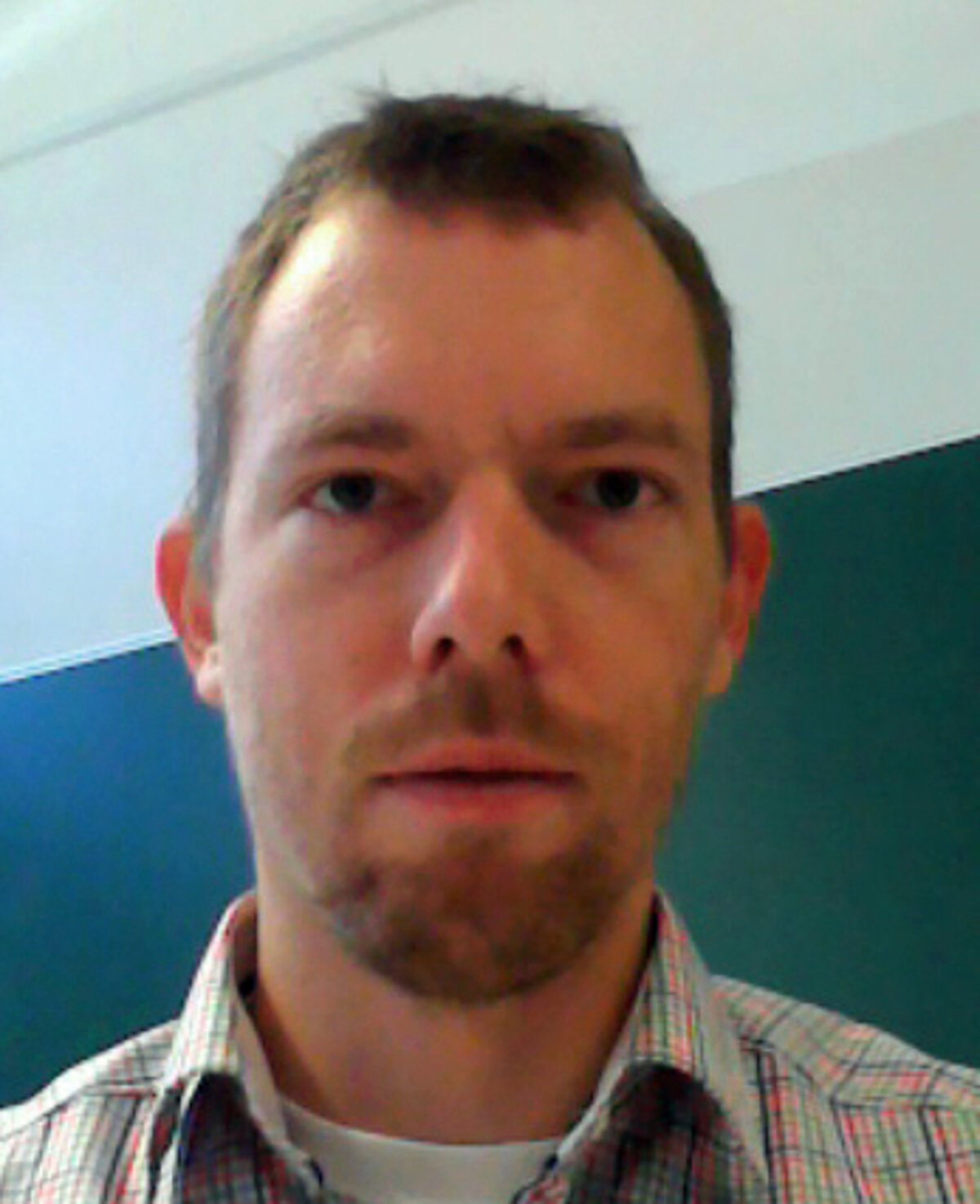
Markus Scheinert is a Researcher in the Ocean Dynamics group within the Ocean Circulation and Climate Dynamics division at GEOMAR Helmholtz Centre for Ocean Research in Kiel, Germany. His office is located in Room 3.306, Building 5 (ENB) at GEOMAR's main campus. He maintains an active research program focused on ocean circulation dynamics with particular emphasis on the North Atlantic region. Dr. Scheinert completed his PhD in 2008 at Christian-Albrechts-Universität Kiel with a dissertation titled "Causes and Impacts of northern North Atlantic Freshening." Prior to that, he completed his Diploma thesis in 2003 on "Mechanisms of low-frequency fluctuations of the western boundary current in the subpolar North Atlantic." He also conducted a research visit at Helsinki University's Division of Geophysics in 2004. His primary research interests include the dynamics and variability of the Subpolar North Atlantic gyre and western boundary current, Arctic and Sub-Arctic freshwater budget, and ocean circulation modeling. His work often involves high-resolution ocean modeling to understand climate-relevant processes in the Atlantic and Pacific Oceans. Analysis of his recent publications (2016-2025) reveals a strong focus on ocean circulation modeling, particularly examining the Atlantic Meridional Overturning Circulation, Agulhas Current system, and freshwater dynamics in the North Atlantic. His research increasingly incorporates software engineering aspects for scientific computing, reflecting the growing importance of computational infrastructure in modern oceanography. His work spans both fundamental ocean dynamics and climate-relevant processes, with recent publications addressing fine-scale climate simulations and data infrastructure development. Dr. Scheinert has been actively involved in numerous collaborative research projects, including the DRAKKAR initiative for high-resolution ocean modeling and the development of the Flexible Ocean and Climate Infrastructure (FOCI). His research often involves international collaborations with institutions across Europe and beyond, as evidenced by his participation in various workshops and conferences worldwide. He maintains a strong presence in both oceanographic research and scientific software development, with recent work addressing practical aspects of software engineering in marine research contexts. His laboratory work centers around computational oceanography using advanced modeling frameworks like NEMO and ORCA, with particular expertise in analyzing model outputs related to circulation patterns and climate variability.