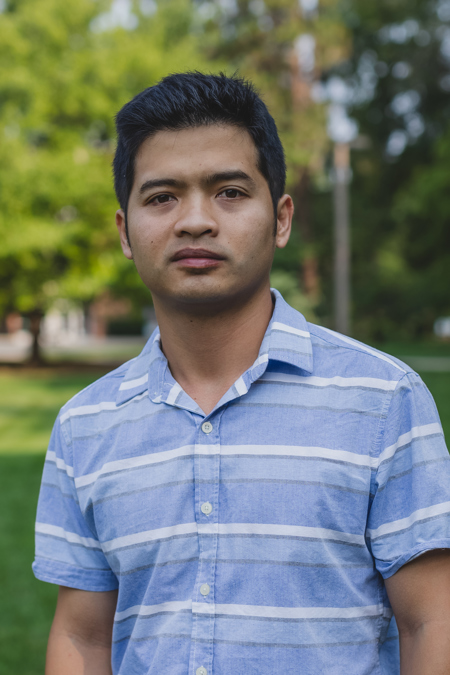
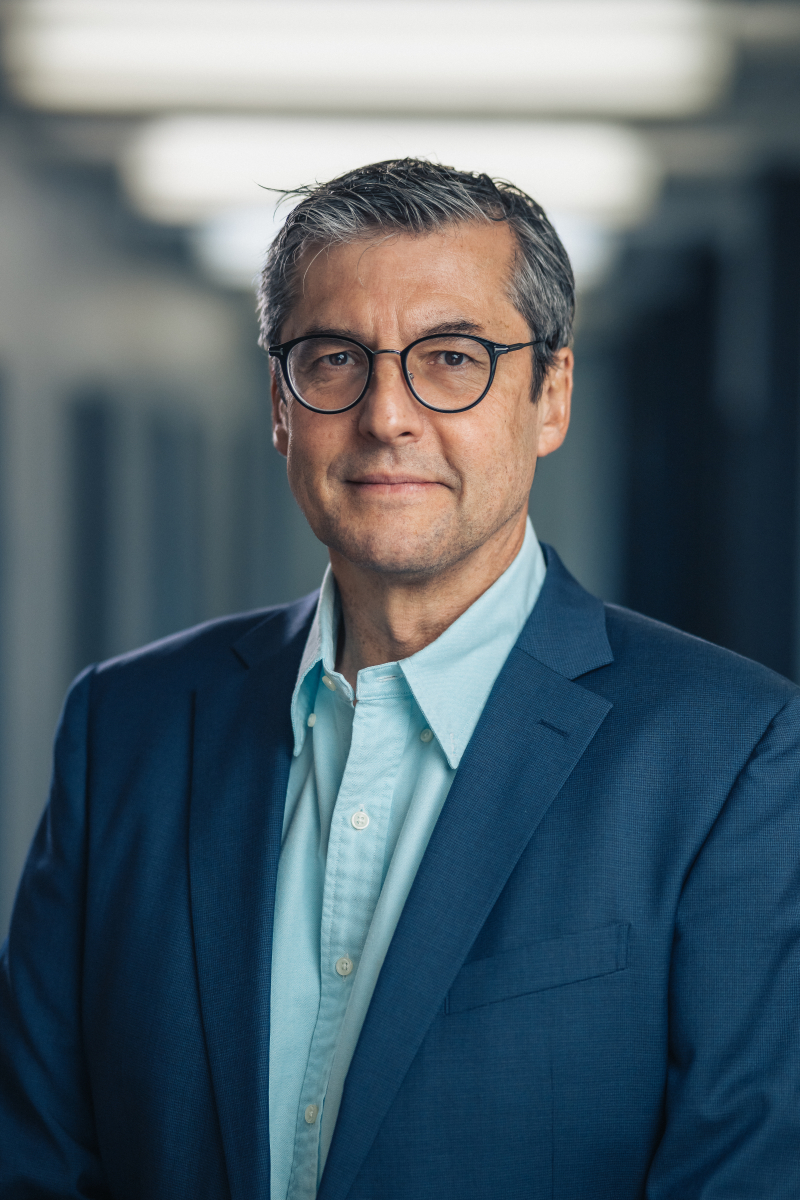
David A. Westcott is a researcher at James Cook University, specializing in ecology, conservation biology, and tropical ecosystems. His work focuses on animal behavior, habitat fragmentation, and biodiversity conservation, with particular emphasis on flying-foxes, crown-of-thorns starfish, and pollination dynamics. He has contributed to studies on the Great Barrier Reef, the Wet Tropics, and tropical dry forests, addressing threats like habitat loss and invasive species. Key research interests include ecological modeling, climate change impacts, and disease dynamics in wildlife. He has collaborated on projects assessing mitigation strategies for crown-of-thorns starfish outbreaks and developing frameworks for sustainable landscape management. His interdisciplinary approach integrates field studies with technological tools like acoustic monitoring for wildlife surveillance. Westcott has authored reports for the National Environmental Research Program and Reef and Rainforest Research Centre, emphasizing applied conservation solutions. His work bridges ecological theory and practical management, with contributions to both peer-reviewed journals and policy-oriented publications.
Pascal Guehl is a Part-Time Lecturer in Computer Graphics at the University of Strasbourg and Head of the new Master of Science and Technology in Extended Cinematography at École Polytechnique (LIX lab). He holds a PhD in Computer Graphics from the University of Strasbourg (2022) and has extensive experience in R&D roles across industry and academia. His core expertise spans procedural generation, real-time rendering, GPU computing, and virtual production technologies, with notable contributions to texture synthesis and semi-procedural modeling. Education highlights include a MRes from University Lyon 1 (2016), an Advanced Master from Arts & Métiers ParisTech (2005), and a master's in Physics from University Cergy-Pontoise (2000). His teaching spans over 15 years, covering C++ programming, real-time 3D graphics, and generative AI. Research focuses on interdisciplinary applications of computer graphics in film production, biology visualization, and defense systems. Key achievements include the semi-procedural texture synthesis framework (SIGGRAPH 2020) and leadership in ANR-funded projects like Animation Conductor (2023-2027). Awards include a Graphics Replicability Stamp and Honorable Mention for procedural texture work. Professional affiliations include ICube research lab (University of Strasbourg), where he co-supervises PhD students like Tara Butler, and collaborations with institutions like Telecom Paris, ENS Louis-Lumière, and Purdue University. Current projects emphasize extended cinematography tools and generative AI integration in visual effects pipelines.
Son N Tu is a Visiting Assistant Professor in the Department of Mathematics at Michigan State University (MSU), where he works with Prof. Olga Turanova. Starting in August 2025, he will join Baylor University as an Assistant Professor of Mathematics. He earned his Ph.D. in Mathematics from the University of Wisconsin-Madison under the supervision of Prof. Hung V. Tran, focusing on Partial Differential Equations (PDEs), particularly Hamilton-Jacobi equations and optimal control theory. His research explores nonlinear solutions to Hamilton-Jacobi equations and their applications in fluid dynamics' free boundary problems. He is currently teaching MTH 496: Capstone in Mathematics on Optimal Control Theory at MSU and previously taught MTH 490: Directed Study. In 2024, his student Minh Nguyen won the 'Best Presentation Award' at the 21st Math Student Conference. Dr. Tu has received the 2023–2024 Postdoctoral Prize for Teaching Excellence from MSU's Mathematics Department. His research contributions include studies on quasi-periodic homogenization, stochastic effective Hamiltonians, and well-posedness in free boundary problems. He co-organized the 2025 AMS Central Sectional Meeting at the University of Kansas with Yuxi Han. His work bridges theoretical PDE analysis with applied problems in control and fluid dynamics.
Roger H. von Haefen is a Professor and Associate Department Head in the Department of Agricultural and Resource Economics at North Carolina State University. He also serves as Associate Director of the Center for Environmental and Resource Economic Policy (CEnREP) and Co-Editor-in-Chief of the Journal of Environmental Economics and Management . With a Ph.D. from Duke University and a B.A. from the University of Notre Dame, his research focuses on environmental and resource economics, particularly applying benefit-cost analysis and non-market valuation to water quality, coastal zones, transportation, and climate change adaptation. He has advised federal and state agencies on natural resource damages from the Deepwater Horizon Oil Spill and co-organizes Camp Resources , an annual academic workshop. His work emphasizes empirical strategies for addressing unobservables in recreational demand modeling and policy analysis. Education: Ph.D. in Economics, Duke University B.A. in Economics, University of Notre Dame Research Interests: Dr. von Haefen’s work spans environmental policy evaluation, water quality valuation, climate adaptation strategies, and the economic impacts of endangered species protection. He integrates econometric methods to analyze recreational demand, assess environmental damages, and design cost-effective policies for natural resource management. Recent projects include quantifying the recreational costs of conservation policies in national parks and modeling the effects of weather patterns on outdoor activities. Awards & Recognition: Journal Article of the Year (2010) for "Incomplete Demand Systems, Corner Solutions, and Welfare Measurement" ( American Economic Review ) Grants & Advising: His advisory role in the Deepwater Horizon spill litigation involved estimating lost recreational benefits. He has led research on the economic trade-offs of endangered species protection in Cape Hatteras National Seashore and contributed to studies on gasoline tax impacts and fleet fuel economy. Grants have funded projects analyzing water quality improvements in urban watersheds and the economic value of submerged aquatic vegetation. Labs/Teams: CEnREP and Camp Resources are central to his collaborative work. CEnREP focuses on policy-relevant research in environmental and resource economics, while Camp Resources provides a platform for early-career scholars to develop empirical techniques in the field.
Nadieh de Jonge is a Tenure Track Assistant Professor at Aalborg University's Department of Chemistry and Bioscience, affiliated with The Faculty of Engineering and Science. She is part of the Environmental Biomontoring and Center for Microbial Communities research groups. Her work focuses on microbial ecology, environmental microbiology, and biotechnology applications. Education: Holds a Doctor of Philosophy (PhD) in Microbial Ecology. Active since 2015, with over 59 publications and 11 datasets. Research interests include anaerobic digestion optimization, microbial community dynamics in extreme environments, and environmental biomonitoring using eDNA. Projects include leading roles in studies on raccoon dog diets, desalination plant impacts, and benthic habitat mapping in Jammerbugt. Her recent articles explore topics such as brine discharge effects on marine diatoms, microbiota in cold-adapted Collembola, and pharmaceutical degradation in biofilm reactors. She has contributed to impactful studies like the discovery of ancient plant DNA in a 2,900-year-old clay brick. Grants/Advising: Principal Investigator on projects like 'eDNA spor af odder mink ræv i vandløb' (2024–2026) and 'JAMBO' (2023–2024). Collaborates on initiatives like Greenlandic arthropod documentation and housefly microbiome studies. Labs/Teams: Engaged with interdisciplinary teams in environmental engineering, marine biology, and microbial systems. Active in organizing workshops like 'Dronedagen' and participating in outreach events like Girls' Day in Science AAU.
Lena Grinsted is a Senior Lecturer in Zoology at the School of Biological Sciences, University of Portsmouth, UK, a position she has held since 2020. She serves as Chair of the Faculty Staff Network for Mental Health First Aiders, School Lead for Mental Health, Wellbeing and Culture, and is a member of the School EDI Committee and University AWERB Committee. She is affiliated with both the Ecology and Evolution Research Group and the Centre for Comparative and Evolutionary Psychology at the University. Dr. Grinsted earned her PhD in Evolutionary Biology from Aarhus University, Denmark (2010-2013), following an MSc in Biology from the University of Copenhagen (2006-2009) and a BSc in Biology from the same institution (2003-2006). Her research focuses on the evolution of group living, using spiders as primary model organisms. She investigates how animals evolve to balance the benefits of group living with the costs of competition for resources. Her work spans cooperative breeding, helping behavior, adoption of foreign offspring, and group foraging strategies. Analysis of her recent publications reveals a consistent focus on social spider behavior and evolution, with increasing interdisciplinary expansion into environmental science applications (particularly plastic pollution effects) and science education reform. Her research combines field observations with controlled experiments to understand evolutionary adaptations to group living across multiple taxa. Leverhulme Early Career Research Fellowship Dr. Grinsted actively supervises multiple PhD and MRes students, with research topics spanning spider behavior, primate welfare, and biological control applications. She has secured research funding including a GeneWiz grant for spider genome assembly. Her collaborative network spans institutions across the UK, Europe, North America, and Indonesia, reflecting the international nature of her research on social spiders and evolutionary biology. She maintains active involvement in laboratory research through the Ecology and Evolution Research Group and the Centre for Comparative and Evolutionary Psychology, while also leading initiatives related to mental health, wellbeing, and equity, diversity and inclusion within the university community.
Jacob Sieg is a Postdoctoral Scholar in the Makova Lab at the Department of Biology , Pennsylvania State University. His work focuses on RNA thermodynamics, genome-wide RNA structure analysis, and the role of metal ions and metabolites in RNA folding and stability. Research Interests: RNA Folding and Thermodynamics Metal Ion Interactions in RNA RNA-Thermometer Regulation Genome-Wide RNA Structure Analysis RNA Condensates and Assembly RNA Stability in Stress Conditions Recent work includes the development of MeltR software for nucleic acid thermodynamics analysis and in vivo RNA folding models corrected for metabolite-rich environments. Key publications address RNA structural dynamics, metal ion coordination, and RNA-based virulence regulation in pathogens like Shigella dysenteriae. Contact: jus841@psu.edu
C. Robert Bob Carlson is a Professor of Information Technology and Management at the Illinois Institute of Technology (IIT), College of Computing. His research focuses on software engineering methodologies, design patterns, database systems, and IT entrepreneurship. He holds a Ph.D. in Computer Science from the University of Iowa. Prof. Carlson has co-authored numerous influential papers, including award-winning work on design patterns and software maturity models. His research contributions include the Testing Maturity Model (TMM) adopted as an international standard and the Business Innovation Maturity Model (BIMM). He has also contributed to foundational database theory and curriculum development in computer science education. Education: Ph.D., Computer Science, University of Iowa M.S., Computer Science, University of Iowa B.S., Mathematics and Accounting, Augustana College Professional Affiliations: Association for Computing Machinery (ACM) Association of Information Technology Professionals (AITP) His work bridges theoretical software engineering with practical applications in industry, emphasizing patterns-based design, curriculum innovation, and scalable software systems. Notable contributions include the first-class connectors concept in design patterns and the integration of maturity models for testing and innovation processes. Awards: SIGITE/RIIT Best Research Paper 2013 ("Design Patterns as First Class Connectors") ACM SIGITE/RIIT Conference Best Paper Award (2013) Grants & Projects: Co-developed the Testing Maturity Model (TMM) with Dr. Ilene Burnstein Contributed to curriculum assessment frameworks used at several universities Involved in Department of Defense database design projects via Argonne National Labs Labs & Teams: Collaborations include work with Bell Laboratories on view integration tools and Argonne National Labs on DOD database projects.
Pedro Miranda Afonso serves as a Researcher in the Department of Epidemiology at Erasmus University Rotterdam's Erasmus MC. His work centers on cystic fibrosis epidemiology, lung disease progression modeling, and medical education research. His primary research domains include Cystic Fibrosis (100% focus per fingerprint analysis), Lung Diseases (94%), COVID-19 (37%), and Patient Registries (30%). He investigates environmental determinants of lung function decline, statistical modeling approaches for clinical interpretation, and diversity in health professions education. His interdisciplinary work bridges epidemiology, biostatistics, and clinical medicine. Analysis of his 2020-2023 publications reveals three dominant research trajectories: (1) Advanced statistical modeling of cystic fibrosis progression using patient registry data; (2) Environmental and built-environment factors affecting respiratory outcomes; (3) Educational equity in medical student selection. His work demonstrates methodological rigor in mixed-effects modeling while addressing clinically significant questions. With 29 total research outputs (19 articles, 8 meeting abstracts, 2 preprints), his publications have generated significant scholarly attention including Scopus citations, Mendeley readership, and news/media coverage. His ORCID profile (0000-0001-6708-9597) confirms active research engagement through 2023.
Dr. Camille Buhl is a Senior Lecturer in Plant Protection at the School of Agriculture, Food and Wine within the Faculty of Sciences, Engineering and Technology at the University of Adelaide. Her work focuses on understanding insect movement and collective behavior through interdisciplinary approaches combining experimental biology, computational modeling, and robotics. Research Interests: Buhl's research explores movement ecology, collective animal behavior, and their applications to agriculture and pest control. Key areas include locust collective movement modeling, termite nest construction mechanisms, and social insect nutrition dynamics. She employs cutting-edge technologies like drones, radar tracking, and machine learning for field monitoring. Current Projects: Her team develops robotic systems for pest detection, simulates locust band migrations using CUDA-based models, and investigates termite nest architecture evolution through computed tomography and mathematical biology. Collaborations include the Plant Accelerator, SARDI Entomology, and ECMS researchers. Grants & Supervision: Buhl is eligible to supervise Masters and PhD candidates focusing on animal behavior, computational ecology, and AgTech applications. Her work bridges ecological theory with practical agricultural solutions, emphasizing sustainable pest management strategies. Labs & Facilities: Active in the University of Adelaide's AgTech ecosystem, she utilizes advanced robotics labs and field stations for experimental work. Her research integrates field robotics, mathematical modeling, and nutritional ecology to address global challenges in sustainable agriculture.
Prof. Dr. Bernd Wilfling holds the Chair of Empirical Economics at the University of Münster. His research focuses on econometrics, financial markets, and volatility modeling, with a particular emphasis on regime-switching models and speculative bubbles. He has authored numerous articles in top-tier journals like Journal of Forecasting , Empirical Economics , and Journal of International Money and Finance . Key research areas include volatility forecasting, bubble detection, and the impact of geopolitical risks on financial markets. His recent work explores postprocessing procedures for forecast combinations and the application of Bayesian methods to multivariate stochastic volatility models. Wilfling’s contributions span empirical analyses of exchange rate dynamics, interest rate convergence, and the effects of institutional investors on market volatility. He collaborates with the Center for Quantitative Economics (CQE) at the University of Münster and has advised on data science courses at the institution.
Damien Farine is an Eccellenza Professor at the University of Zurich, leading the Department of Evolutionary Biology and Environmental Studies. He is affiliated with the Max Planck Institute of Animal Behaviour and the University of Konstanz’s Centre for the Advanced Study of Collective Behaviour. His work focuses on social and collective behavior in animal societies, particularly birds and mammals, emphasizing evolutionary mechanisms and coloniality. Farine holds a Ph.D. from the University of Oxford and has held postdoctoral positions at institutions like the Smithsonian Tropical Research Institute and the University of California Davis. His research explores how group behaviors emerge, evolve, and affect ecological outcomes. He employs interdisciplinary methods, including social network analysis, movement ecology, and computational modeling. Notable contributions include studies on shared decision-making in animal groups, stress transmission in flocks, and the role of collective intelligence in foraging strategies. Farine’s work bridges theoretical and empirical approaches to understand animal societies’ complexity. He leads a research group investigating animal social systems, with projects on vulturine guineafowl, parrots, and dolphins. His studies often involve cutting-edge technologies like drone tracking and machine learning for behavioral analysis. Farine’s research has been published in top journals such as Science , Nature , and Current Biology , reflecting his global impact in behavioral ecology.
Prof. Gabriele Keller is a Professor of Software Technology at Utrecht University's Faculty of Science. She previously held roles at the University of New South Wales, including Associate Professor (2014–2018) and Senior Lecturer (2001–2013). Her research focuses on functional programming, type systems, high-performance computing, and verification methodologies. Current projects include Accelerate (a parallel computing DSL embedded in Haskell) and Cogent (a systems programming language with formal verification features). Education: PhD in Natural Sciences (Technische Universität Berlin, 1999): 'Efficient Compilation of Nested Data-Parallelism for Distributed Memory Machines' MSc Computer Science (Technische Universität Berlin, 1995) Research Interests: Type systems and correctness guarantees Parallel computing and GPU programming Formal verification of systems software Domain-specific languages for high-performance domains Professional Activities: Co-Chair, IPN Working Group on Equity, Diversity & Inclusion Editor, Journal of Functional Programming Member, IFIP Working Group 2.8 Selected Projects: Accelerate: Optimized parallel computing for Haskell Cogent: Verified systems programming with uniqueness types EmoSTL: Formal verification of game emotion logic
Nino Grillo is a Senior Lecturer in the Department of Language and Linguistic Science at the University of York, where he has been a faculty member since 2016. He holds dual PhDs in Linguistics (Utrecht University) and Cognitive Science (University of Siena). His academic journey includes research and teaching roles at Humboldt Universität zu Berlin, Universität Stuttgart, Universidade Nova de Lisboa, Consejo Superior de Investigaciones Científicas (Madrid), McGill University, and Utrecht University. He has held honorary positions at University College London and McGill University. Education: PhD in Linguistics, Utrecht University, 2008 PhD in Cognitive Science, University of Siena, 2008 Laurea in Communication Sciences, University of Siena, 2003 Research Interests: Nino Grillo's research centers on the interface between syntax and psycholinguistics, particularly the interaction between grammatical representations and sentence processing mechanisms. He investigates how syntactic structures such as passives, relative clauses, and pseudo-relatives are processed in real time, with a focus on event structure, prosody, and locality constraints. His work spans first and second language acquisition, language impairment (especially agrammatism), and cross-linguistic variation. He employs experimental methods including eye-tracking, self-paced reading, and prosodic analysis. Recent Research Trends: His recent publications (2022–2024) emphasize prosodic disambiguation in syntactic structures, processing of filler-gap dependencies in L2 learners, and the role of event structure in passive comprehension. There is a clear trend toward integrating prosody with syntax in parsing models and extending findings to multilingual contexts. Scientific Awards: Italian Psychology Society Young Scholar Award (2006) Advising and Grants: Dr. Grillo is actively involved in PhD supervision and accepts PhD students interested in sentence processing and syntax. He has led and collaborated on multiple funded research projects, including a British Academy Visiting Fellowship (2023) and a project on cross-linguistic passive processing (2018–2020). He has also contributed to projects on cross-linguistic dependency acquisition (2013–2016). Labs and Research Groups: He is a member of the Syntax and Semantics research group at the University of York. His work is highly collaborative, involving researchers from UCL, Humboldt Universität zu Berlin, CNRS Paris, Simon Fraser University, and Universidade Nova de Lisboa.
Dr. Tanya Shoot is an Assistant Professor in the Department of Psychology at Concordia University of Edmonton. She specializes in behavioral ecology, evolution, and cognition across animals and plants. Her work examines decision-making mechanisms, individual differences (personality), and environmental influences on behavior. Shoot completed her PhD in Behavioral Cognitive Neuroscience at Wilfrid Laurier University, with postdoctoral research at the University of Alberta focusing on plant information processing. Education: BSc Honours (Neuroscience), University of Western Ontario MSc (Psychology), University of Western Ontario PhD (Behavioral Cognitive Neuroscience), Wilfrid Laurier University Research Interests: Shoot investigates how personality, experience, and environment shape decision-making in diverse taxa, including zebra finches, fruit flies, zebrafish, and plants. Her theoretical and empirical work bridges animal and plant behavior, exploring mechanisms like collective digging in fruit flies and embodied cognition in plants. Current projects aim to compare behavioral strategies across kingdoms. Grants & Collaborations: Shoot’s research utilizes interdisciplinary methods, combining computational modeling and field/experimental observations. She collaborates with institutions like the University of Alberta and Wilfrid Laurier University. She is open to student collaborations on plant-animal behavior comparisons or personality-driven group dynamics. Labs & Affiliations: Shoot’s work aligns with CUE’s focus on applied research and innovation. She participates in conferences such as the Conference on Comparative Cognition and Animal Behavior Society meetings.