- Endocrinology
- Fetal Development
- Placental Function
- +۱۰ مورد دیگر
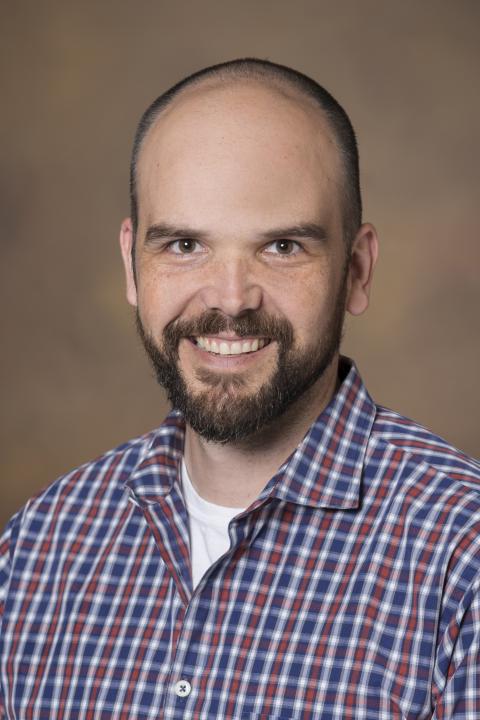
Sean W. Limesand is a Professor of Endocrinology in the School of Animal and Comparative Biomedical Sciences at the University of Arizona. He holds joint appointments with the Department of Obstetrics and Gynecology and the BIO5 Institute. Dr. Limesand serves as Director of the Agricultural Research Center and holds the Hislop-Ede Endowed Chair. He is also Chair of the University Radiation Safety Committee. Education: Ph.D. in Molecular Endocrinology, Colorado State University M.S. in Molecular Endocrinology, Colorado State University Bachelor’s in Biotechnology, North Dakota State University Dr. Limesand's research focuses on fetal endocrinology, placental function, and the developmental origins of metabolic diseases such as diabetes and intrauterine growth restriction (IUGR). He employs an integrative ovine model to study pancreatic β-cell function, insulin secretion, and metabolic adaptation at the whole-animal, organ, cellular, and molecular levels. His work extends to insulin action in skeletal muscle and developmental programming of adipose tissue. The recent publications highlight a strong trend in understanding metabolic dysregulation in growth-restricted fetuses, with emphasis on insulin signaling, mitochondrial dysfunction, epigenetic regulation, and sex-specific programming. His studies frequently involve transcriptomic, proteomic, and metabolic flux analyses in ovine and rodent models. Scientific Awards: Research Faculty of the Year, CALS, Fall 2015 Dr. Limesand has been continuously funded by the National Institutes of Health for over 23 years and has also received grants from the Bill & Melinda Gates Foundation, USDA, and JDRF. He mentors graduate students and teaches courses in endocrinology, physiology, and reproduction. He has held leadership roles in the Perinatal Research Society and the Perinatal Biology Symposium. His lab investigates long-term consequences of fetal metabolic stress and explores prenatal interventions to mitigate developmental programming of disease. Labs and Research Teams: His research is conducted through a multidisciplinary team utilizing advanced physiological, molecular, and imaging techniques, primarily based at the University of Arizona’s Agricultural Research Center and affiliated laboratories.