
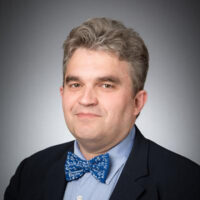
Aleksandar Jeremic is an Associate Professor in both the Electrical & Computer Engineering department and the McMaster School of Biomedical Engineering at McMaster University. His research focuses on biomedical signal processing, statistical signal processing, and biometrics, with applications in healthcare and biomedical systems. He holds a Dipl. Ing. from the University of Belgrade, and an M.S. and Ph.D. from the University of Illinois at Chicago. His expertise spans physiological signal analysis (e.g., ECG/EEG), medical imaging, and machine learning for biomedical applications. He has authored over 50 technical articles and two book chapters, and has been recognized with a teaching award from the McMaster Electrical and Computer Engineering Society (2018). He supervises graduate students in both theoretical and applied research areas. Dr. Jeremic teaches advanced courses such as Biomedical Signal Modeling and Processing and Advanced Probability and Random Processes , emphasizing practical applications of signal processing in healthcare. His work includes clinical implementations like neonatal seizure monitoring software and microwave imaging for breast cancer detection.
جستجوی استاد راهنمای دانشگاهی
برای مسیر پژوهشیتان، استاد راهنما، استاد دانشگاه و پژوهشگر مناسب را پیدا کنید و با آنها ارتباط بگیرید.
نمایش ۱-۱۵ از ۳٬۴۴۳ استاد راهنما
اطلاعات پروفایلها از صفحات عمومی دانشگاهها گرفته شده و ممکن است بهروز نباشد.
Pascal Syrenمشاهده پروفایل
پژوهشگر
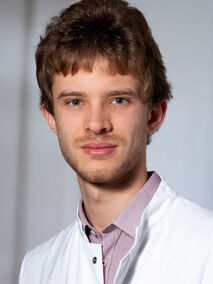
Dr. Pascal Syren is a **Researcher** and **Resident** at Heidelberg University Hospital (UKHD), affiliated with the **Department of Cardiology, Angiology, and Pulmonology** and the **Heidelberg Center for Cardiac Arrhythmias**. His academic role includes contributing to the **Group of Molecular and Translational Cardiac Electrophysiology**, focusing on epigenetic and molecular mechanisms underlying cardiac arrhythmias and heart failure. He holds a PhD from Heidelberg University (2021) on histone deacetylases' influence in cardiac electrophysiology. **Research Interests**: Cardiac electrophysiology, epigenetic regulation (HDACs), ventricular and atrial arrhythmias, echocardiography, and translational cardiology. His work spans basic science to clinical applications, emphasizing ion channel remodeling and therapeutic targets for heart rhythm disorders. **Awards**: Recipient of the **Ernst & Berta Grimmke Foundation Research Grant (2023–2024)** and **Otto-Hess Scholarship (2017–2018)** from the German Cardiac Society. His research bridges molecular mechanisms with clinical cardiology, with contributions to understanding HDAC2's role in action potential dynamics. **Publications**: Over 8 peer-reviewed articles (2016–2025) in journals like *Basic Research in Cardiology* and *Cells*, focusing on histone deacetylase pathways, atrial fibrillation, and ventricular arrhythmia models. Recent work explores neonatal cardiomyocyte electrophysiology and TREK-1 potassium channels in heart failure. **Affiliations**: Active member of the **German Cardiac Society (DGK)** and **European Society of Cardiology (ESC)**, contributing to interdisciplinary cardiac arrhythmia research at Heidelberg's medical faculty.

Thomas R Overton serves as Department Chair and Professor of Dairy Nutrition and Management in the Department of Animal Science at Cornell University's College of Agriculture and Life Sciences (CALS). He also directs PRO-DAIRY, an extension program focused on enhancing dairy farm profitability and efficiency in New York through research-based strategies for transition cow management. Education: Doctorate, University of Illinois, 1998 Master of Science, University of Illinois, 1994 Bachelor of Science, Cornell University, 1991 Dr. Overton's research centers on the transition period (late pregnancy to early lactation) in dairy cows—the most critical phase for health and productivity. His work integrates nutritional physiology with practical farm applications, targeting hypocalcemia management, protein supplementation strategies, inflammation control, and biomarker validation for metabolic health. This research directly informs his extension efforts through PRO-DAIRY, which delivers actionable knowledge to dairy producers and industry professionals. Analysis of his 15 most recent publications (2022-2024) reveals consistent emphasis on transition cow nutrition, with growing focus on metabolic analytics, precision feeding, and real-world herd management. His work bridges controlled studies at Cornell's Ruminant Center with observational research on commercial New York dairy farms. Scientific Awards: 2024 Nutrition Professionals Applied Dairy Research Award (American Dairy Science Association) 2010 CALS Extension/Outreach Team Award (PRO-DAIRY) 2007 Foundation Scholar Award (American Dairy Science Association) 2007 CALS Extension/Outreach Team Award Dr. Overton advises undergraduate and graduate students in Animal Science while leading PRO-DAIRY's extension initiatives. His program secures industry partnerships and grants focused on improving dairy farm sustainability through nutritional science. The July 2025 'Farm of the Future' showcase at Cornell's Ruminant Center exemplifies his commitment to translating research into practical innovation. He operates within Cornell's PRO-DAIRY program and the Cornell University Ruminant Center—a living laboratory for dairy technology testing—collaborating closely with industry stakeholders to address emerging challenges in dairy production.
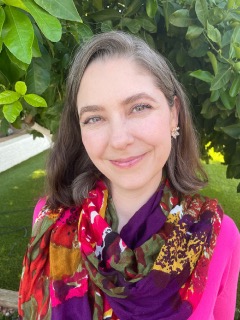
Elizabeth A. Simpson is an Associate Professor in the Department of Psychology at the University of Miami's College of Arts and Sciences. She serves as Associate Director of the Child Division and directs the Social Cognition Laboratory, focusing on infant social and cognitive development through interdisciplinary methodologies. Education: Ph.D. in Psychology (unspecified institution) Key Research Areas: Developmental Psychology, Autism, Social Cognition, Primate Studies, Visual Attention, Infant Behavior Her research investigates individual differences in infant visual attention, social motivation, and physiological markers like salivary oxytocin. Recent studies demonstrate: Stability of attentional patterns from newborn to 14 months Sex differences in early face detection Links between oxytocin levels and social affect in infants Neurophysiological markers in newborns later diagnosed with ASD Scientific awards include the NSF CAREER grant for neonatal imitation research. She contributes to open science initiatives through the ManyBabies consortium and develops remote eye-tracking methods for broader accessibility. Current lab work explores: Parent-infant affective interactions during still-face episodes Predictive power of early attentional biases Development of pathogen avoidance behaviors Cross-species comparisons of social cognition
Carina Mallard is Professor of Experimental Perinatal Brain Injury Research and Pro-Vice-Chancellor at the University of Gothenburg since July 2023, where she oversees research infrastructure and chairs the Research Board. She previously served as Deputy Vice-Chancellor (2021–2023) and Head of Core Facilities (2018–2021). Her academic career began with a Physiology degree from Lund University and a PhD in Pediatrics at the University of Auckland (1995), followed by a professorship appointment in 2006. Her research focuses on perinatal brain injury , particularly in premature infants , investigating neuroinflammatory mechanisms maternal dietary interventions neurovascular unit dynamics microglia activation long-term consequences of maternal obesity . Recent publications highlight her work on neonatal rodent models , transcriptomic profiling , and anti-inflammatory therapies . Key themes include RNA degradation , mitochondrial protection , and immune-neurovascular interactions . She has supervised 20 doctoral students since 2004 and collaborates internationally with institutions like King's College London. Contact details include two institutional emails and physical addresses across Gothenburg's biomedical campuses. Her leadership roles span research strategy, doctoral education, and EU-level scientific initiatives.
Yayun Duمشاهده پروفایل
استادیار
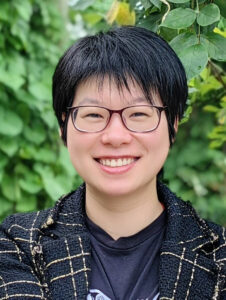
Dr. Yayun Du is an Assistant Professor in the Department of Electrical and Computer Engineering at Vanderbilt University School of Engineering. She holds a Ph.D. in Robotics and System Control (Minor: Solid Mechanics) from UCLA (2022) and was a postdoctoral scholar at Northwestern University's Rogers Group through 2024. Current faculty at Vanderbilt University Ph.D. from University of California, Los Angeles Postdoctoral experience at Northwestern University Her research integrates bioelectronics and robotics through three core directions: 1) Developing multimodal wearable/implantable sensors for health monitoring, 2) Creating human-in-the-loop interaction systems using brain-computer interfaces, and 3) Applying machine learning to medical environment robotics. She has deployed four sensor types across seven hospitals globally, serving users from neonates to elderly patients. Dr. Du's recent publications focus on wireless bioelectronic devices ( PNAS ), sustainable sensor materials ( ACS Sustainable Chemistry & Engineering ), and agricultural robotics ( ICRA , IROS ). She serves as Associate Editor for ICRA 2025 and has received two Best Paper Award final nominations at IROS 2021. Finalist - Best Paper Award in Agri-Robotics (IROS 2021) Finalist - Best Paper Award in Robot Mechanisms and Design (IROS 2021) As head of the Du Group, she leads interdisciplinary research with applications in both healthcare and agricultural contexts, collaborating with Vanderbilt Institute for Surgery and Engineering (VISE) and clinical partners. Her work emphasizes deployable systems that transition from academic research to real-world implementation in medical and industrial environments.
Daan Christiaens is a tenure track lecturer at KU Leuven's Faculty of Medicine and Faculty of Engineering Sciences. He is affiliated with the Department of Electrical Engineering (ESAT) and Department of Imaging & Pathology, serving as a member of the Medical Imaging Division and the KU Leuven Brain Institute (LBI). His academic responsibilities include membership in the Faculty Councils of Engineering Sciences and Medicine. His research focuses on: Inverse problems in medical imaging reconstruction Neuroimaging techniques for brain analysis Advanced quantitative MRI methodologies Diffusion-weighted imaging for microstructural assessment Dr. Christiaens' recent publications (2023-2025) demonstrate a consistent focus on diffusion MRI innovations, including novel reconstruction algorithms, neonatal brain development mapping, and clinical applications for neurodegenerative disorders. Key technical themes include motion correction, multi-shell modeling, and AI-enhanced image processing, while clinical applications span Alzheimer's disease, cerebral palsy, and autism research. He leads significant research projects including: MRI reconstruction with dynamic field monitoring (2024-2028) Compressed sensing for microstructure imaging (2022-2026) Neonatal diffusion MRI network connectivity analysis (2024-2028) As a core developer of the MRtrix3 software framework for medical image processing, he contributes to essential tools in neuroimaging research.

Laura Soltمشاهده پروفایل
دانشیار
Laura Solt, Ph.D. is an Associate Professor in the Department of Immunology and Microbiology at the Herbert Wertheim UF Scripps Institute for Biomedical Innovation & Technology in Jupiter, Florida. She also serves as Associate Dean of the Skaggs Graduate School of Chemical and Biological Sciences. Dr. Solt began her independent research career at Scripps Florida in 2013 and has established herself as a leading researcher in nuclear receptor biology within the immune system. Her research focuses on understanding the biologically relevant roles of nuclear receptors, particularly RORα and REV-ERBs, in the immune system with emphasis on TH17 cell development and autoimmune disease. Her lab employs a multidisciplinary approach combining molecular biology, genetic techniques, and chemical biology coupled with mouse models of autoimmunity and chronic inflammation. Dr. Solt's laboratory has made significant contributions to understanding how nuclear receptors regulate immune cell function, particularly in TH17-mediated inflammation. Her work has demonstrated roles for RORα and REV-ERBs in TH17 cell development and has developed synthetic ligands to these receptors for potential therapeutic applications in autoimmune diseases. Her extensive publication record shows a clear trajectory of research focused on nuclear receptor signaling in immunity, with recent work expanding into applications for cancer immunotherapy, neuroimmunology, and metabolic aspects of immune cell function. Her articles demonstrate expertise in both basic nuclear receptor mechanisms and translational applications. Ruth L. Kirschstein National Research Service Awards (2010-2013) Dr. Solt actively mentors graduate students including Adrianna Wilson (recipient of NIDDK F31 and Scheller Graduate Student Fellowship) and Sarah Mosure (recipient of NIH NRSA F31 award and Wendy Havran award). Her laboratory receives substantial funding from multiple NIH institutes (NIDDK, NCI, NIAID, NIGMS) as well as the Crohn's & Colitis Foundation. Current research directions include investigating the roles of NR2F6 in TH17 cells, exploring RORα function in CD8 T cells, and developing novel nuclear receptor modulators for therapeutic applications.
Rey Ramirezمشاهده پروفایل
استادیار
Rey Ramirez, MD is an Assistant Professor of Orthopaedics & Rehabilitation at Yale School of Medicine, specializing in Hand & Upper Extremity Surgery with a focus on pediatric hand conditions. He joined Yale in 2022 after completing his pediatric hand surgery fellowship at Shriners Hospital of Philadelphia. Dr. Ramirez is affiliated with the Hand & Upper Extremity Surgery division and Pediatric Orthopaedics within the Department of Orthopaedics & Rehabilitation. Dr. Ramirez's educational background includes: BS in Biology from California Institute of Technology (2003) MD from David Geffen School of Medicine at UCLA (2007) Internship at Keck School of Medicine - Los Angeles County Medical Center (2008) Residency at Keck School of Medicine - Los Angeles County Medical Center (2012) Hand Surgery Fellowship at University of Texas Southwestern (2013) Pediatric Hand Surgery Fellowship at Shriners Hospital of Philadelphia (2014) Dr. Ramirez's primary research interests focus on pediatric hand surgery, including congenital hand conditions, brachial plexus birth injuries, and arthrogryposis. His clinical expertise spans pediatric hand reconstruction, microsurgery, and treatment of conditions such as amniotic band syndrome, carpal tunnel syndrome in children, and peripheral nerve injuries. Additionally, he has a strong interest in diversity and inclusion within orthopedic surgery, examining gender and racial disparities in the field and factors influencing specialty choice among medical students and residents. His recent publications demonstrate a dual focus on clinical pediatric hand surgery techniques and diversity in medicine. The surgical publications often address innovative approaches to complex pediatric hand conditions, while his diversity-focused work examines gender disparities in orthopedic surgery and physical medicine, contributing to important conversations about inclusion in medical specialties. His work spans both original research articles and textbook chapters on hand surgery topics. Dr. Ramirez has received several professional recognitions: "Top Research Study" award for his work on women's experiences in orthopedics versus physical medicine (2024) Top Doc for Kids recognition (2020) Best "Surgical Pearl" Paper award from the Pediatric Hand Study Group (2014) Dr. Ramirez is actively involved in mentoring medical students and residents, currently advising Tamanna Patel, Claire Donnelley, Louise Atadja, and Peter Laub. His educational contributions include developing virtual curricula for medical student orthopedic education and examining methods to improve resident performance on standardized examinations. While specific grant funding isn't detailed in the provided information, his research activities suggest involvement in both clinical outcomes studies and healthcare disparities research. Within the Yale Orthopaedics & Rehabilitation department, Dr. Ramirez contributes to the Hand & Upper Extremity Surgery and Pediatric Orthopaedics divisions. His work intersects with the department's broader research initiatives including the Liu Lab for Translational Orthopaedic Research and the 3D Collaborative for Medical Innovation (3DC), though specific lab leadership isn't mentioned in the provided information.
Professor Kunal Mankodiya is a faculty member in the Department of Electrical, Computer and Biomedical Engineering at the University of Rhode Island. He holds the rank of Professor and is affiliated with the College of Engineering. His research focuses on wearable technologies, smart textiles, and medical IoT systems, with notable contributions in neural engineering and body sensor networks. Education Ph.D., University of Luebeck, Germany (2010) M.S., Biomedical Engineering, University of Luebeck, Germany (2007) B.S., Biomedical Engineering, Saurashtra University & C.U. Shah College (2003) Postdoctoral Researcher, Carnegie Mellon University (2011-2014) Postdoctoral Researcher, University of Pittsburgh (2011) Research Interests Mankodiya’s work emphasizes innovative wearable sensor systems for healthcare applications, including smart textiles for medical monitoring and IoT-enabled telemedicine solutions. His research integrates electrical engineering, biomedical engineering, and computer science to address challenges in neurological disorders, neonatal care, and movement disorders. Grants & Awards 2017 NSF CAREER Award 2017 40 under 40 Award, Providence Business News Lead PI on grants totaling over $5M, including NSF CAREER and NIH-funded projects Labs & Teams Mankodiya leads the Smart Wearable and IoT Lab at URI, focusing on interdisciplinary research in healthcare technology. His team collaborates with clinical partners on projects like neonatal monitoring systems and Parkinson’s disease tele-assessment tools.
- Developmental Psychophysiology
- Temperament and Personality Development
- Neuroscience of Shyness and Social Anxiety
- +۴ مورد دیگر
Professor Louis Schmidt is a leading academic in the Department of Psychology, Neuroscience & Behaviour at McMaster University , with a research focus on developmental psychophysiology, temperament, and the long-term effects of early adversity. His work bridges neuroscience, psychology, and behavioral science, emphasizing the interplay between brain function and socio-emotional development across the lifespan. Key research themes: Shyness, social anxiety, autism spectrum disorder, schizophrenia, and outcomes of extremely low birth weight. Recognized for mentoring postdoctoral fellow Kristie Poole, who was celebrated as a role model in the Child Emotion Laboratory. Scientific Awards : Royal Society of Canada recognition for contributions to research and scholarship. Research Trends from 15 recent publications include: Neurophysiological mechanisms of shyness (EEG, ERP, RSA) Impact of antenatal corticosteroids on adult brain function Intergenerational effects of maternal mental health interventions Cross-cultural comparisons of temperamental shyness Developmental consequences of preterm birth Behavioral and neural correlates of social anxiety in diverse populations Grants & Collaborations : Led the SNACS randomized controlled trial on antenatal corticosteroids, with applications in obstetrics and developmental neuroscience. Collaborates extensively on topics like autism spectrum disorder, schizophrenia, and emotion regulation. Labs & Teams : Directs the Child Emotion Laboratory at McMaster University, fostering interdisciplinary research on developmental psychopathology and neural mechanisms of temperament.

Montserrat Anguera, Ph.D. is an Associate Professor in the Department of Biomedical Sciences at the University of Pennsylvania's School of Veterinary Medicine. Her research focuses on epigenetic mechanisms of gene regulation underlying sex differences in development and disease, with particular emphasis on X-chromosome inactivation (XCI) and its implications for female-biased autoimmune disorders. Dr. Anguera investigates how gene expression from the X-chromosome is regulated to ensure dosage compensation between males and females, and how these mechanisms become altered in diseases exhibiting sex-bias. Her laboratory has established novel epigenetic pathways involving the X-chromosome that impact human development, immune responses, and lymphocyte function. She employs advanced techniques including RNA/DNA fluorescence in situ hybridization, immunofluorescence, and allele-specific RNA sequencing to achieve single-cell resolution of epigenetic characteristics of the inactive X chromosome. Her research reveals a consistent focus on the intersection of X-chromosome biology and immunology, particularly regarding sex-biased autoimmune diseases like systemic lupus erythematosus. Key findings include the discovery that lymphocytes maintain X-chromosome inactivation differently than other somatic cells, with the inactive X exhibiting euchromatic features in female lymphocytes that may underlie female bias in autoimmune disorders. She coined the term 'dynamic XCI maintenance' to describe how T and B cells relocalize Xist RNA and heterochromatic marks to the inactive X chromosome following antigen-mediated stimulation. Dr. Anguera's laboratory includes postdocs Katherine Forsyth and Nikhil Jiwrajka, research specialist Zowie Searcy, graduate students Isabel Sierra and Natalie Toothacre, postdoctoral researcher Nuriban Valero-Pacheco, and PhD student Emma Welter. Together, they investigate epigenetic regulation of X-linked genes in development and disease contexts. She is an active member of multiple prestigious research institutes at Penn, including the Epigenetics Institute, Institute for Immunology, Center for Research on Reproduction & Women's Health, and Institute for Regenerative Medicine. Her work bridges epigenetics, immunology, and developmental biology, providing novel insights into mechanisms underlying female-biased autoimmune disorders.
Christina Leslieمشاهده پروفایل
استاد پژوهش
Dr. Christina Leslie is a Research Professor and Member of the Computational & Systems Biology Program at Memorial Sloan Kettering Cancer Center (MSK). She leads an active research laboratory focused on developing computational approaches to understand complex biological systems. Dr. Leslie earned her PhD from the University of California, Berkeley and has established herself as a leading computational biologist in cancer research and immunology. Computational & Systems Biology Program, Memorial Sloan Kettering Cancer Center Gerstner Sloan Kettering Graduate School of Biomedical Sciences Dr. Leslie's research focuses on developing novel computational methods to study cellular biological systems from a global and data-driven perspective. Her lab exploits diverse high-throughput functional and genomic data to understand molecular networks underlying fundamental cellular processes, including transcription regulation, pre-mRNA processing, signaling, and post-transcriptional gene silencing. Her algorithmic methods draw heavily on machine learning to build accurate predictive models from noisy and high-dimensional biological data. Key areas of interest include modeling cell-type specific transcriptional programs and dissecting co- and post-transcriptional regulation, particularly microRNA-mediated gene regulation. Analysis of Dr. Leslie's publication record over the last five years reveals a strong focus on computational approaches to cancer genomics, immunology, and epigenetics. Her work bridges multiple disciplines, with a particular emphasis on developing machine learning methods to interpret complex biological data. The publications demonstrate increasing sophistication in integrating multiple data types (genomic, transcriptomic, epigenomic) to understand cancer biology and immune responses. Recent work shows a growing emphasis on single-cell technologies and spatial analysis of tumor microenvironments. Introduction of string kernel methodology for SVM classification of biological sequences Development of algorithms for predictive modeling of gene regulation First systems-level analyses of competition between microRNAs and between target transcripts Dr. Leslie actively mentors numerous graduate students and research associates, with current lab members including Vianne Gao, Alireza Karbalaghareh, Erik Ladewig, and several others. Her lab has received significant research funding to support their work on computational approaches to cancer biology and immunology. The Leslie Lab maintains close collaborations with multiple experimental groups at MSK, facilitating the translation of computational insights into biological understanding. The Leslie Lab operates within the Computational & Systems Biology Program at MSK, with strong ties to both the research and clinical missions of the institution. The lab maintains state-of-the-art computational infrastructure for analyzing large-scale genomic and proteomic datasets and collaborates extensively with wet-lab researchers to validate computational predictions experimentally.
- Developmental cognitive neuroscience
- Brain connectivity and network organization
- Neurodevelopmental disorders
- +۵ مورد دیگر
Duncan Astle is the Gnodde Goldman Sachs Professor of Neuroinformatics at the Department of Psychiatry, University of Cambridge. He serves as a Programme Leader at the Medical Research Council's Cognition and Brain Sciences Unit (MRC CBU) and is a Fellow of Robinson College. Astle heads the 4D Lab (Development, Dynamics, Disorders, Data Science), which provides a research home for approximately 15 Early Career Researchers working at the intersection of developmental cognitive neuroscience and advanced data science methodologies. Astle's research focuses on understanding childhood development through innovative analytical approaches. His work employs transdiagnostic methods to study children with attention, learning, and memory difficulties, moving beyond traditional diagnostic categories. He investigates how neural systems develop in childhood, how they relate to developmental disorders, and how they respond to intervention. His research integrates network science, machine learning, and generative modeling to capture the complexity of neurodevelopmental diversity, examining how cognitive skills, literacy, numeracy, and mental health interrelate over developmental time. His publication record reveals a strong focus on brain connectivity and organization across development. Recent work explores structural and functional neurodevelopmental trajectories, brain wiring economics, and the impact of environmental factors on neural development. Astle's research frequently employs advanced data science techniques to identify sub-populations of children with different cognitive or brain profiles, regardless of diagnosis, and to map non-linear relationships between brain organization and cognitive difficulties. His work has increasingly focused on transdiagnostic approaches to understanding developmental disorders and the application of computational models to developmental neuroscience. Astle actively supervises PhD students and has built a substantial research group that contributes to major projects including the Centre for Attention Learning and Memory (CALM) and Resilience in Education and Development (RED). His work has been supported by prestigious funding bodies including the Royal Society, the British Academy, the Medical Research Council, and the Economic and Social Research Council, as well as multiple charitable foundations. The 4D Lab, under Astle's leadership, utilizes state-of-the-art facilities at the University of Cambridge, including on-site magnetic resonance imaging and magnetoencephalography scanners. The lab contributes to building specialist cohorts such as CALM (800 children with cognitive difficulties plus 200 comparison children) and RED, which study children's development, resilience, and educational outcomes. Astle's team explores how growing up in adverse environments affects children's brains, behavior, and mental health, with the aim of identifying early markers of risk and resilience.
Ying MacNabمشاهده پروفایل
دانشیار
Ying MacNab is an Associate Professor in the Department of Statistics at the University of British Columbia (UBC), Vancouver Campus. She holds an additional affiliation as an Associate Member in the School of Population and Public Health (SPPH). Her research focuses on Bayesian hierarchical modeling, spatial epidemiology, and disease mapping with applications to public health surveillance and aging populations. She has contributed extensively to methodological advancements in Gaussian Markov random fields and spatiotemporal modeling frameworks. Her work bridges statistical theory and practical health challenges, including pandemic-related stress in older adults, opioid treatment outcomes, and infectious disease forecasting. MacNab has collaborated on projects involving mental health assessments (e.g., sleep dysfunction, anxiety/depression in iOAT patients) and has developed novel statistical tools for analyzing spatially and temporally correlated health data. Her research also addresses methodological gaps in coregionalized multivariate models and constrained Bayesian estimation. MacNab's publications reflect a multidisciplinary approach, integrating epidemiological theory with advanced computational methods. Recent trends in her work emphasize dynamic modeling of infection risks, mediation analysis in aging populations, and validation of psychometric scales for health-related stress. She has maintained an active research agenda since the early 2000s, with notable contributions to neonatal health outcomes, injury surveillance, and healthcare quality improvement.
نمایش نتایج تا ۷۵۰ مورد اول. برای یافتن نتایج دقیقتر، جستجوی خود را با فیلترها محدود کنید.