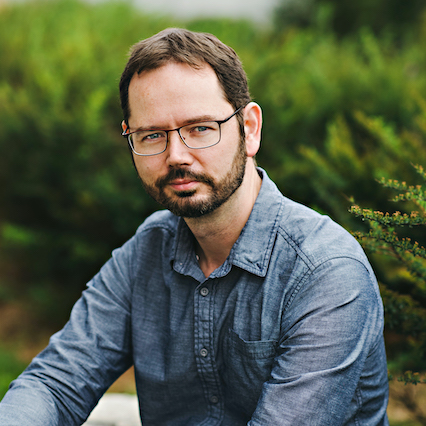
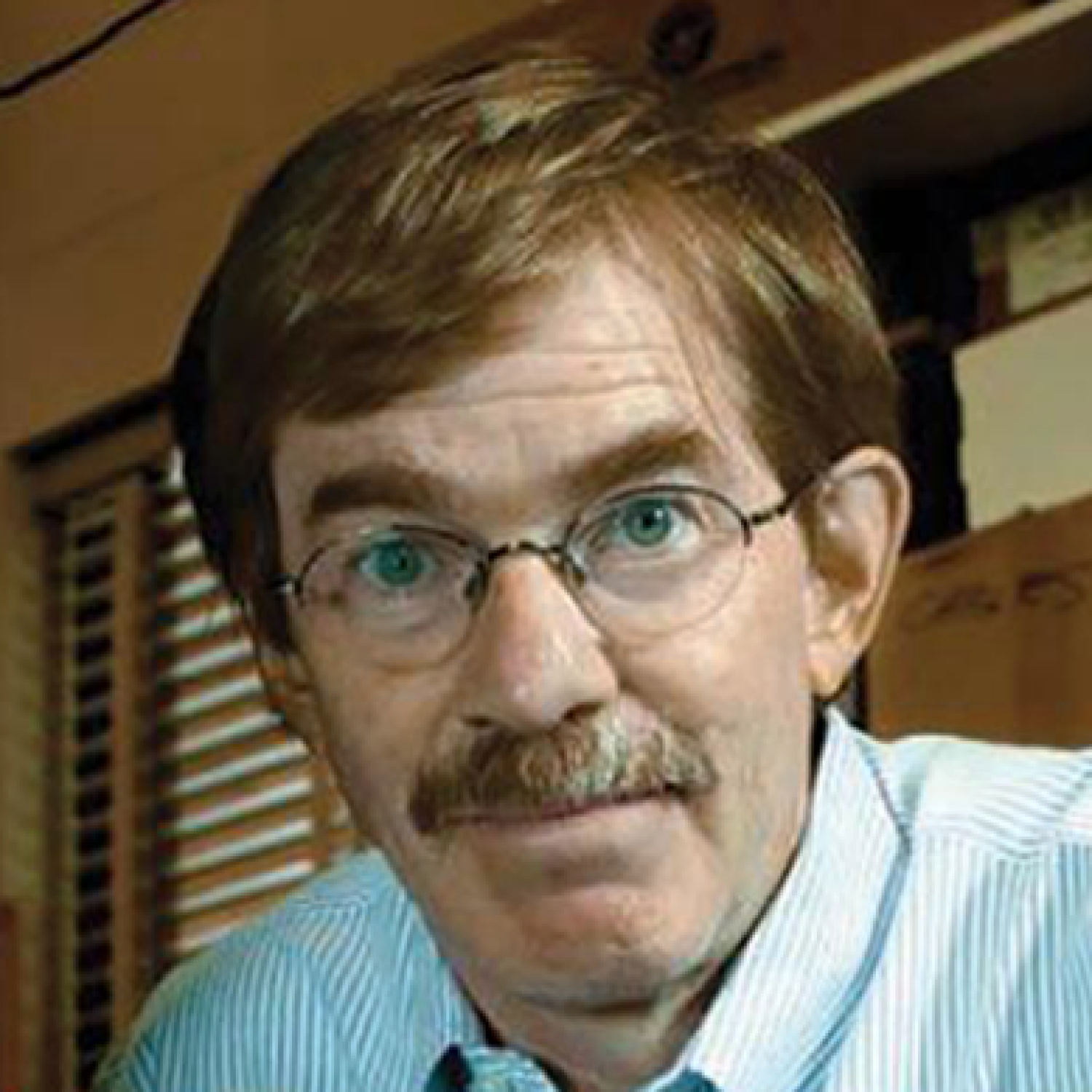
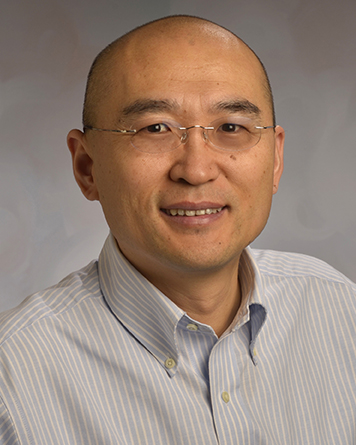
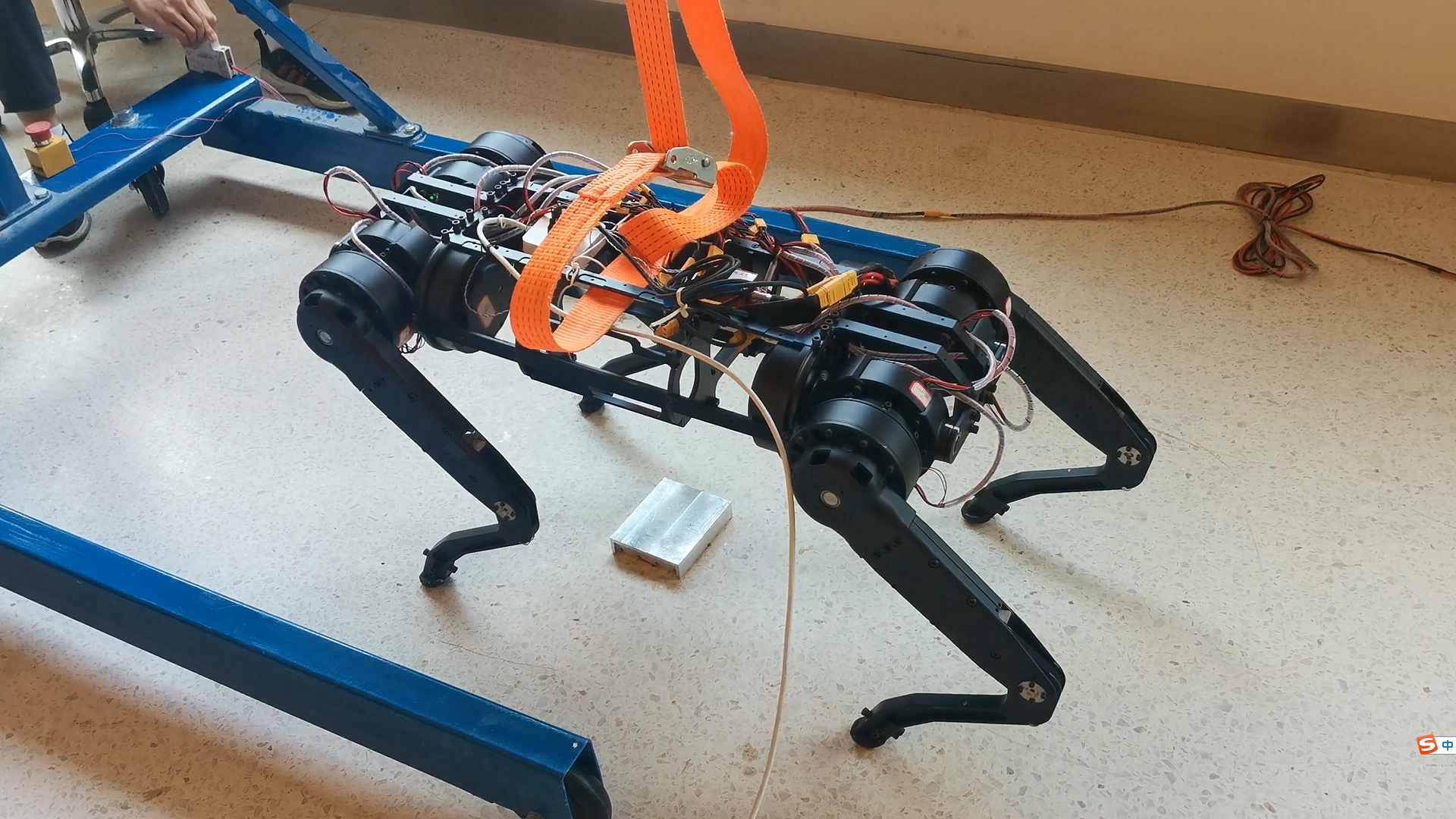
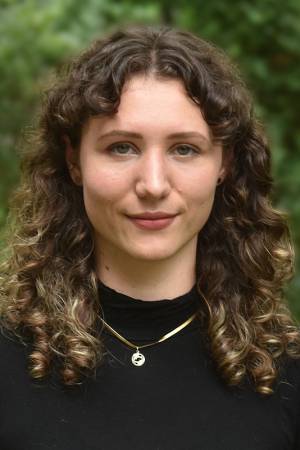
Yin Bao is an Assistant Professor in Plant and Soil Sciences and Mechanical Engineering at the University of Delaware since 2023, previously holding the same position at Auburn University's Department of Biosystems Engineering (2019-2023). He holds a BE in Mechanical Engineering from China Agricultural University (2012) and a PhD in Agricultural and Biosystems Engineering from Iowa State University (2018), followed by postdoctoral research there until 2019. His research focuses on automation technology for agriculture and forestry, leveraging robotics, machine learning, and sensing systems to develop tools for precision farming and plant phenotyping. Key areas include unmanned systems (UGVs/UAVs), spectral imaging, and AI-driven predictive models for crop and livestock management. Recent work emphasizes automated inventory systems for forest nurseries, UAV-based vegetation assessment, and machine learning applications in crop yield prediction. His publications span robotic guidance systems, root segmentation in X-ray CT scans, and equine gait analysis using deep learning. Notable projects include the Robotic Assay for Drought (RoAD) system and the 'smart canopy' sorghum initiative. Collaborative efforts involve integrating multifrequency microwave sensing and electronic nose technologies for crop quality analysis.
Christopher Turbill is an Associate Professor in Animal Science at Western Sydney University's School of Science, where he maintains an active research program focused on animal physiological ecology. He is affiliated with the Hawkesbury Institute for the Environment and serves as a Principal Investigator on multiple research projects while accepting HDR candidates for supervision. PhD from University of New England (2006) Thesis: Thermoregulatory Ecology of Tree-roosting Bats Supervised by Prof. Fritz Geiser Postdoctoral fellowships from Austrian Science Fund and Australian Research Council (DECRA) Former ecologist with NSW Government Professor Turbill's research integrates thermal and metabolic physiology with behavioral ecology to understand animal-environment interactions. His work has revealed significant ecological consequences of controlled body temperature variation in mammals and birds, linking these processes with metabolic energy expenditure, activity patterns, and life-history strategies. He specializes in bat biology and investigates conflicts between human environmental change and animal conservation requirements. His research keywords include ecophysiology, thermoregulation, energy expenditure, life-history ecology, body temperature, torpor, hibernation, and wildlife conservation. Analysis of Turbill's recent publications reveals a strong focus on thermal biology and conservation physiology, particularly regarding bats and birds. His work examines how animals manage energy through torpor, respond to climate change through thermal regulation, and adapt to anthropogenic disturbances. The research spans field studies of flying-foxes, microbats, and passerine birds across Australian ecosystems, with increasing emphasis on conservation applications related to white-nose syndrome, fire impacts, and wind energy development. Turbill leads significant research projects including the Ecology of the eastern horseshoe bat and its sensitivity to fire impacts (2024-2027), Vulnerability of Australian bats to white-nose syndrome (2021-2026), and Torpor use and burrowing behaviour in an arid zone passerine (2024). His work attracts funding from diverse sources including the Australian Research Council, Department of Planning and Environment, and various conservation organizations. Professor Turbill directs the BatsLab research group, which maintains a virtual hub for bat research at Western Sydney University. His team employs advanced methodologies including thermal imaging, GPS tracking, and physiological monitoring to study animal responses to environmental challenges. Current work focuses on developing conservation interventions for heat-stressed flying-foxes and assessing vulnerabilities of Australian bat species to emerging diseases.
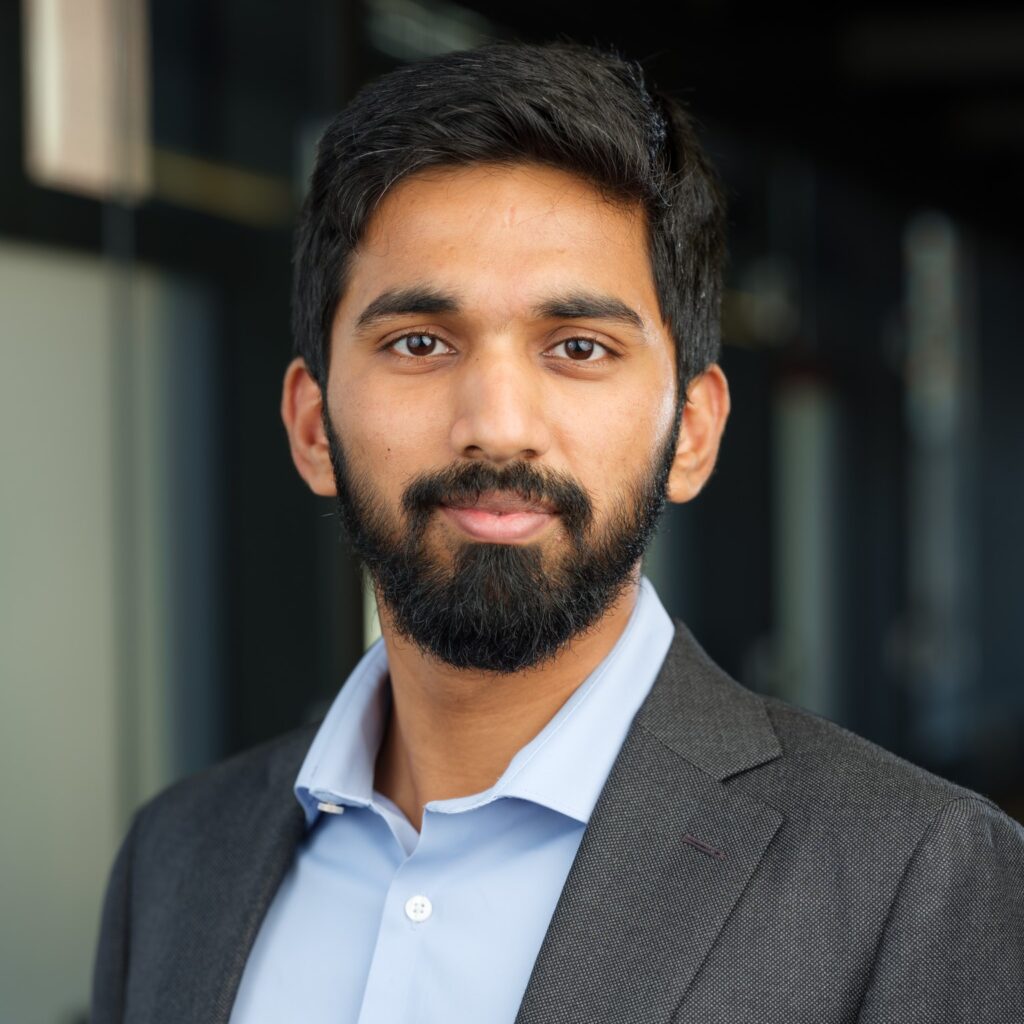
Dr. Arno Solin is a tenured Associate Professor in Machine Learning at Aalto University's Department of Computer Science and an Academy of Finland Research Fellow . He leads the Aalto machine learning research group and serves as Director of the Finnish Doctoral Program Network in AI (AI-DOC) . His work bridges probabilistic modeling with practical applications in sensor fusion and real-time inference. ELLIS Scholar (European Laboratory for Learning and Intelligent Systems) Adjunct Professor at Tampere University Member of Young Academy Finland (2021–2025) Research Interests focus on data-efficient machine learning with probabilistic methods for real-time inference and sensor fusion. Key areas include Gaussian processes, diffusion models, stochastic differential equations, and uncertainty quantification in deep learning. His group develops methods that combine structural constraints with adaptive learning for deployment on resource-limited hardware. Publication Trends show consistent output in top venues (NeurIPS, ICML, ICLR, AISTATS) with emphasis on diffusion models , 3D scene reconstruction , and real-time probabilistic modeling . Recent works explore physics-informed learning, heterophily-aware graph models, and compressed representations for world models in reinforcement learning. Scientific Recognition : Awarded AI Researcher of the Year 2024 by AI Finland Teacher of the Year 2023 at Aalto CS ISIF Jean-Pierre Le Cadre Best Paper Award (2018) MLSP Schizophrenia Classification Challenge Winner (2014) NeurIPS/ICML Reviewer Awards Research Leadership includes coordinating Finland's AI Center of Excellence program and directing the Finnish Doctoral Program Network in AI (AI-DOC). He supervises 15+ doctoral/postdoctoral researchers and has spun off Spectacular AI , a company commercializing sensor fusion technology.
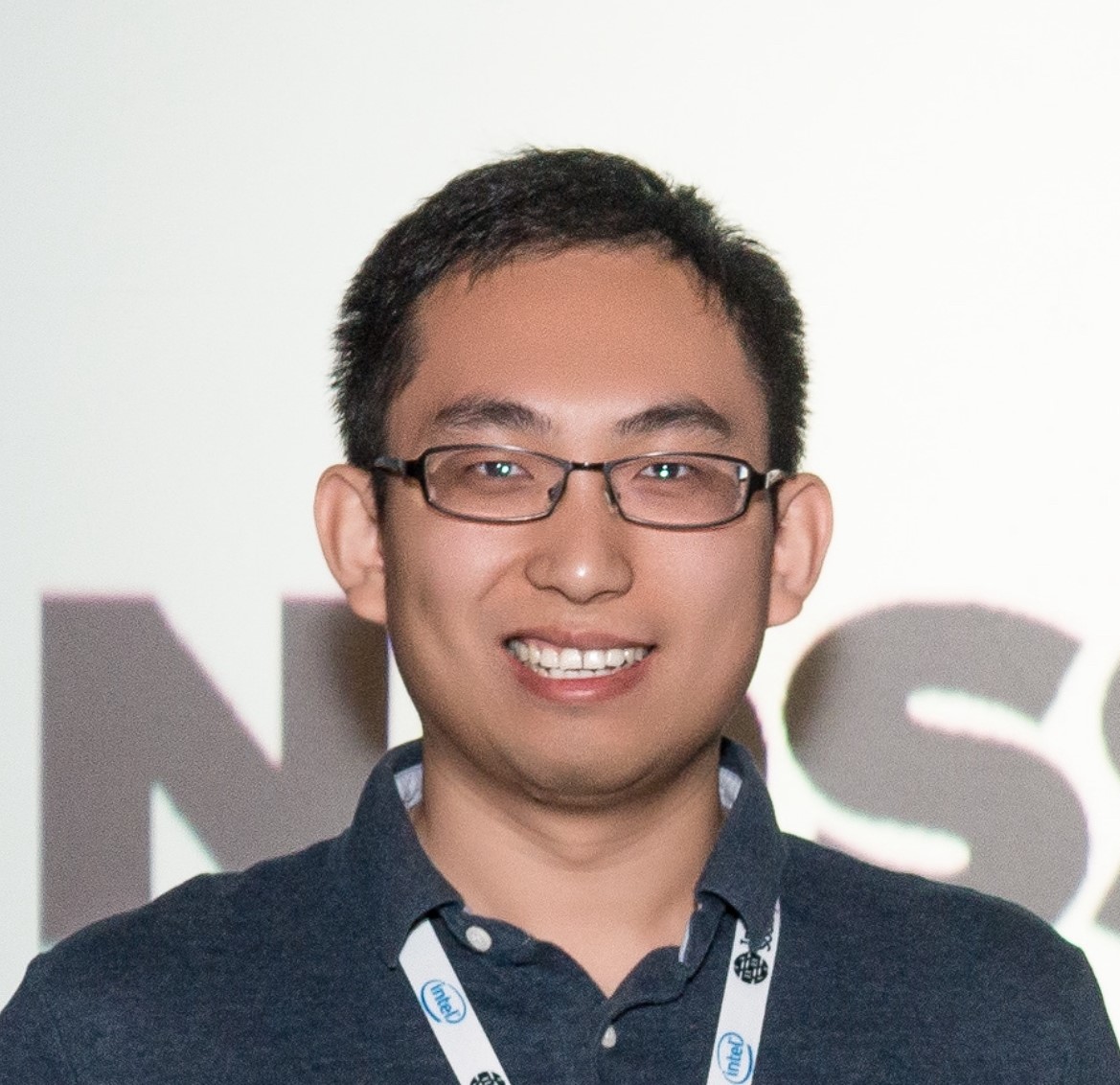
Mark Crowley is an Associate Professor in the Department of Electrical and Computer Engineering at the University of Waterloo, with a cross-appointment in the Cheriton School of Computer Science. He is a member of the Waterloo Artificial Intelligence Institute (WAII) and the Waterloo Institute for Complexity and Innovation (WICI), and serves as National Secretary of the Canadian Artificial Intelligence Association (CAIAC). His educational background includes a Ph.D. and M.Sc. in Computer Science from the University of British Columbia, where he worked in the Laboratory for Computational Intelligence, and a B.A. in Computer Science from York University. He completed a postdoctoral fellowship at Oregon State University working with Tom Dietterich's machine learning group. Crowley's research focuses on developing dependable and transparent algorithms to augment human decision-making in complex domains with multiple agents, spatial structure, or uncertainty. His work spans Reinforcement Learning , Deep Learning , Ensemble Methods , and Manifold Learning . He frequently collaborates with researchers in applied fields including Computational Sustainability, Sustainable Forest Management, Autonomous Driving, Medical Imaging, and Material Design. His research is motivated by both theoretical opportunities and real-world challenges such as forest fire management, automotive applications, and medical imaging. His recent publications demonstrate a strong focus on addressing challenges in reinforcement learning, particularly around observation costs, multi-agent systems, and causal representation learning. His work on ChemGymRL provides a significant contribution to digital chemistry and material design through reinforcement learning frameworks. The textbook Elements of Dimensionality Reduction and Manifold Learning represents a major contribution to the theoretical foundations of machine learning. Crowley actively supervises graduate students, with recent thesis completions including Shayan Shirahmadi Gale Bagi (PhD, Feb 2025) and Oleksandra Nahorna (MASc, Dec 2024). His lab, UWECEML (Waterloo ECE Machine Learning Lab), focuses on developing new algorithms at the intersection of Machine Learning, Optimization, and Probabilistic Modeling. He teaches courses including ECE 457C (Reinforcement Learning), ECE 657A (Data & Knowledge Modelling & Analysis), and ECE 457B (Fundamentals of Computational Intelligence). His blog Computationally Thinking explores AI, machine learning, and the societal impact of these technologies.
Wei Xiang is an Assistant Professor of Economics at the University of Michigan's Department of Economics, housed within the College of Literature, Science, and the Arts. He earned his Ph.D. in Economics from Yale University in 2024, focusing on international trade, macroeconomics, and environmental economics. His research bridges economic theory with applied analyses, addressing global trade dynamics, macroeconomic policies, and environmental sustainability. Education: Ph.D. in Economics, Yale University (2024). Research Interests: His work explores the intersection of international trade policies, macroeconomic stability, and environmental regulations. He examines how trade agreements influence economic growth and environmental outcomes, with a focus on empirical methodologies to assess policy impacts. Additionally, he investigates macroeconomic models to understand global economic fluctuations and their implications for sustainable development. Publications: His recent articles highlight contributions to vehicle communication systems, signal processing, and wireless technologies, reflecting interdisciplinary engagement with engineering applications. These include real-time prediction models for GPS errors and beamforming optimization in vehicular networks. Labs/Teams: Not explicitly stated, but his research collaborations likely involve interdisciplinary teams in economics, engineering, and environmental science.
Prof. Raffaello D'Andrea is a Full Professor at ETH Zürich's Department of Mechanical and Process Engineering, affiliated with the Institute for Dynamic Systems and Control. His research focuses on bridging digital and physical worlds through robotics, control systems, and autonomous systems. He has pioneered work in aerial robotics, swarm systems, tactile sensing, and soft robotics. His philosophy emphasizes solving 'easy' problems with scalable, robust solutions, prioritizing simplicity and replicability. Key research areas include UAV navigation, distributed control, tactile sensor design, and fault-tolerant systems. He has founded multiple organizations and led roles as CTO/CEO, emphasizing cross-disciplinary innovation. His work has commercial applications in logistics, healthcare, and automation, driven by a belief in technology's role in improving human life. Notable projects include the Cubli robotic cube, aerial vehicle swarms, and optical tactile sensors for robotics. His lab emphasizes collaboration and team leadership, aiming to translate theoretical insights into practical, scalable technologies. Scientific awards: None explicitly listed in the provided texts. Advising and grants: No students listed in the provided texts; grants information not detailed. Labs/Teams: Leads research at ETH Zurich's Institute for Dynamic Systems and Control, collaborating with industry and academic partners globally.
Professor Hanumant Singh leads the Electrical and Computer Engineering department at Northeastern University, with a joint appointment in Mechanical and Industrial Engineering , and serves as Program Director for the Master of Science in Robotics. He earned his Ph.D. from MIT/WHOI Joint Program in 1995 and has conducted over 60 expeditions globally, focusing on marine geology, polar studies, and coral reef ecology. His research emphasizes field robotics , including SLAM, underwater manipulation, and imaging in extreme environments. He developed the Seabed AUV and Jetyak ASV , widely used in scientific research. His labs include the Field Robotics Lab and the Institute for Experiential Robotics . Research Interests: Machine Learning for Fisheries SLAM with dynamic objects Underwater imaging and manipulation Autonomous surface and aerial systems Polar and marine robotics Awards: ICRA Best Student Paper Award, IEEE Oceanic Engineering Society Distinguished Faculty Award (2025), Lifetime Achievement Award (2022), and IEEE Fellow status. His work has been featured in Nature Geoscience , Polar Biology , and media outlets like WGBH. Students & Collaborations: Advises students like Srinidhi Pattala (MS Robotics) and Dennis Giaya (PhD Computer Engineering). Collaborates with institutions on projects such as Antarctic sea ice thickness estimation and deep-sea submersible missions.
Mayank R. Mehta is a Professor at the University of California, Los Angeles (UCLA), holding joint appointments in the Departments of Physics & Astronomy, Neurology, and Neurobiology. He is a member of the Brain Research Institute and the W. M. Keck Center for Neurophysics at UCLA. His research bridges experimental and theoretical neuroscience, focusing on how neuronal networks encode space-time, the role of brain rhythms in learning and memory, and the impact of sleep and virtual reality on neural dynamics. His recent publications highlight breakthroughs in understanding hippocampal spatiotemporal selectivity, dendritic activity during behavior, and the causal influence of visual cues on memory neurons. Notable findings include the discovery that dendrites generate ten times more spikes than neuronal cell bodies and the modulation of hippocampal theta rhythms in virtual reality. Research Themes: Neurophysics of spatial-temporal coding Dendritic contributions to learning Virtual reality and brain plasticity Neural oscillations in memory consolidation Key Collaborators: Bert Sakmann (Max Planck Florida Institute) Thomas Hahn (Bernstein Center Heidelberg/Mannheim) Maryam Ghorbani (UCLA) Mehta's lab at UCLA trains graduate and postdoctoral researchers in cutting-edge techniques combining hardware development, electrophysiological recordings, and biophysical modeling. His work has significant implications for treating learning and memory disorders like Alzheimer's disease.
Perla Maiolino serves as an Associate Professor in Engineering Science at the University of Oxford and Principal Investigator of the Soft Robotics Lab (SRL) within the Oxford Robotics Institute. Her academic foundation includes BEng, MEng, and PhD degrees in Robotics and Automation from the University of Genoa, where she pioneered CySkin technology for distributed tactile sensing in robots—later exhibited at the Science Museum in London. She expanded her expertise during a 2017-2018 postdoctoral fellowship at Cambridge University's Biologically Inspired Robotics Lab, focusing on soft robotics and tactile perception. Dr. Maiolino's research centers on developing artificial skin systems, soft robotic actuators, and distributed sensing architectures. Her work bridges biological inspiration with engineering innovation to create robots capable of safe human interaction and dexterous manipulation in unstructured environments. Key contributions include compliant beaded-string jamming mechanisms for anthropomorphic fingers, monolithic 3D-printed soft pneumatic arms (JAMMit!), and distributed time-of-flight sensor networks for robotic self-awareness. Recent publications (2024-2025) reveal a strong convergence of tactile sensing with machine learning, featuring optical flow for gesture recognition, diffusion models for artificial skin simulation, and zero-shot sim-to-real transfer techniques. Her team has made significant advances in multi-modal sensing integration, variable stiffness actuation, and scene flow estimation for robots operating in dynamic surroundings. Scientific Awards No specific awards were documented in the provided institutional materials. Advising and Grants While her leadership of the Soft Robotics Lab implies active student supervision and grant management, detailed information about advisees or funded projects was not included in the source documentation. Labs and Teams As Principal Investigator of the Soft Robotics Lab at Oxford Robotics Institute, Dr. Maiolino directs research on tactile perception systems, soft actuation mechanisms, and sensor-integrated robotic structures. The lab's work focuses on applications requiring safe physical interaction, including healthcare robotics and human-robot collaboration scenarios, with emphasis on multi-material 3D printing and embedded sensing technologies.
Dinesh Jayaraman is an Assistant Professor at the University of Pennsylvania, with primary and secondary appointments in the Department of Computer and Information Science (CIS) and Electrical and Systems Engineering (ESE), respectively. He leads the Perception, Action, and Learning (PennPAL) Research Group at the GRASP Laboratory, focusing on interdisciplinary research at the intersection of robotics, machine learning, and computer vision. Research Interests: Robotics, computer vision, reinforcement learning, and autonomous systems. Recent Publications: His work explores vision-language models for robotic tool use, symmetry-based control acceleration, articulated object modeling, and in-context learning frameworks. Awards: Recipient of the 2022 NSF CAREER Award for innovative contributions to robotics and AI. Teaching: Co-teaching a robot-learning seminar (CIS 7000/ESE 6800) with Antonio Loquercio in Spring 2025. Students: Advising PhD candidates including Edward Hu, Arjun Krishna, and co-advised students with Osbert Bastani, Vijay Kumar, and Rajeev Alur.
Qi Alfred Chen is an Assistant Professor in the Department of Computer Science at the University of California, Irvine (UCI), within the Donald Bren School of Information and Computer Sciences. He also holds affiliations with the Department of Electrical Engineering and Computer Science (EECS), the Institute of Transportation Studies at UC Irvine (ITS-Irvine), the Center for Embedded and Cyber-physical Systems (CECS), the Institute for Software Research (ISR), and the UC Irvine Cybersecurity Policy & Research Institute (CPRI). His research focuses on network and systems security, with particular emphasis on autonomous vehicle and IoT security. Dr. Chen received his Ph.D. from the University of Michigan in 2018. His educational background has prepared him for his current research in security of critical computer systems. His work bridges theoretical security principles with practical implementations in real-world systems. Chen's research interests center on network and systems security , with a major focus on smart systems and IoT security , particularly in transportation and autonomous vehicle systems . His work addresses security challenges through systematic problem analysis and mitigation, discovering and mitigating security problems in next-generation transportation systems, smartphone OSes, network protocols, DNS, GUI systems, and access control systems. His research has high impact in both academic and industry contexts, with over 10 top-tier conference papers, a DHS US-CERT alert, multiple CVEs, and coverage in major news media like Fortune and BBC News. His publication record shows a clear evolution from foundational work on network protocols and smartphone security toward increasingly sophisticated security analyses of autonomous vehicle systems and AI-powered transportation technologies. The research trajectory demonstrates growing technical sophistication and real-world impact, with recent work focusing on physical-world adversarial attacks against autonomous driving perception systems, LiDAR spoofing, and security of multi-sensor fusion in autonomous vehicles. NSF CAREER Award (2022) on securing the AI stack in emerging autonomous and connected CPSs Chancellor's Award for Excellence in Undergraduate Research Mentorship, UC Irvine (2021) 5th place nation-wide at National CCDC competition (2021, as faculty advisor) 1st place (Gold Medal) at CCDC Western Regional competition (2021) ProQuest Distinguished Dissertation Award, University of Michigan (2019) Dr. Chen has mentored numerous successful students, including PhD candidates and undergraduates who have gone on to positions at major tech companies like Meta, Uber, Amazon, and Intel. His research group has secured significant funding, including an NSF CAREER award, and has made substantial contributions to the field through high-impact publications and vulnerability disclosures. He is also the co-founder of the ISOC VehicleSec Symposium and has organized the AutoDriving CTF contest at DEF CON. Chen leads the AV & IoAT Security Research Group at UCI, focusing on security challenges in autonomous vehicles and the broader Internet of Autonomous Things. His team has developed numerous attack demonstrations and security analyses that have received significant media attention and influenced industry practices. The group maintains an active YouTube channel showcasing their security research.
Dana Anderson is a Professor of Physics and JILA Fellow at the University of Colorado Boulder. He holds dual affiliations with the Department of Physics and JILA, a joint institute between the University of Colorado Boulder and the National Institute of Standards and Technology (NIST). His research focuses on ultracold atoms, quantum computing, and atomtronics, with applications in quantum sensing and space-based experiments. He currently serves as Chief Strategy Officer (CSO) of Infleqtion (formerly ColdQuanta), a quantum technology company he co-founded. Anderson is a principal investigator in the Quantum Pathways Institute, a NASA-funded initiative to develop quantum-based Earth-sensing technologies. He collaborates with institutions like NIST, JPL, and ColdQuanta on projects such as the Cold Atom Laboratory (CAL) for space-based ultracold atom research. His work has been recognized by TIME Magazine and led to significant grants, including a $15M NASA award for quantum space research. Research interests include atomtronics (hybrid atom-electronics systems), neutral atom quantum computing, and ultracold atom gyroscopes. His group develops novel atom chip technologies, such as window atom chips enabling high-resolution imaging, and explores applications like matterwave transistors and quantum inertial sensors. Current projects include shaken lattice interferometry for navigation and Rydberg atom-based microwave sensors. Anderson has pioneered concepts like the matterwave transistor oscillator and contributed to the first neutral atom quantum computing arrays. His work bridges fundamental physics and applied technologies, with a focus on translating quantum phenomena into practical devices. He actively mentors students and postdocs in experimental atomic physics and quantum engineering.
Jindong Tan is a Professor in the Department of Mechanical, Aerospace, and Biomedical Engineering at the University of Tennessee, Knoxville (since 2015). Previously, he held roles at Michigan Technological University (2002–2015) and Northeastern University, China (1995–1998). He specializes in medical/surgical robotics, human-robot interactions, wearable sensors, control systems, and mechatronics. His research integrates robotics, biomedical engineering, and computer science to advance minimally invasive surgical tools, wearable technology, and autonomous systems. Education: Ph.D. in Mechanical Engineering from Michigan State University (2002), M.S. from Northeastern University (1995), and B.S. from Lanzhou University of Technology (1992). Research interests focus on developing innovative medical robotic systems, including laparoscopic camera robots, magnetic actuation mechanisms, and human-robot collaboration frameworks. He has contributed to advancements in wearable sensors for healthcare, sensor networks for dynamic environments, and calibration techniques for bio-inspired robots. Key projects include the design of an untethered laparoscopic camera robot (s-CAM), magnetic localization for surgical tools, and frameworks for controlled robot language in human-robot collaboration. His work emphasizes practical applications in surgical environments and wearable health monitoring. Professional service includes roles with the IEEE Robotics & Automation Society, Engineering in Medicine and Biology Society, and the Association for Computing Machinery. Contact: tan@utk.edu, Perkins Hall 315.
Wei Zhang is a tenured Professor at the Southern University of Science and Technology (SUSTech) , Shenzhen, China, and a Senior Member of IEEE. He serves as Associate Editor for IEEE Transactions on Control System Technology and leads the CLEAR Lab (Control & Learning for Robotics and Autonomy) within the School of Automation and Intelligent Manufacturing (AiM). His career spans institutions including the University of California, Berkeley (postdoc), and The Ohio State University (Assistant/Associate Professor). Education: PhD in Electrical Engineering from Purdue University (2009), MS in Electrical and Computer Engineering from University of Kentucky (2005), BS in Automation from University of Science and Technology of China (2003) Research Interests focus on integrating control theory, optimization, and machine learning to develop intelligent systems. Key areas include: Legged Robots: Dynamic locomotion control, bio-inspired gait design, and push recovery mechanisms Autonomous Systems: Real-time motion planning, obstacle avoidance, and safe navigation in adversarial environments Smart Grids: Distributed control for energy systems and transactive energy optimization Machine Learning: Reinforcement learning for robotics, Q-learning convergence analysis, and hybrid control-learning frameworks Publication Trends highlight interdisciplinary work at the intersection of robotics and control systems. His recent 2024 papers address: Whole-body control for wheeled-quadrupedal robots Geometric object pose refinement in computer vision Task-space Riccati feedback for underactuated systems Teacher-student reinforcement learning architectures Scientific Awards include: 2016 : NSF CAREER Award 2015 : Lumley Research Award (Ohio State University) 2013 : AFOSR Summer Faculty Fellowship 2018 : National Distinguished Expert (Young, China) 2019 : International Underwater Robot Competition 2nd Prize (team advisor) Academic Leadership involves editorial roles at IEEE Transactions on Control System Technology and IEEE Transactions on Power Systems. His lab provides state-of-the-art robotics platforms including quadruped robots, Kuka manipulators, and UAVs for algorithm validation. Research collaborators span The Ohio State University , UC Berkeley , CMU , and The University of Hong Kong .
Andrea Bajcsy serves as an Assistant Professor in the Robotics Institute and School of Computer Science at Carnegie Mellon University, leading the Interactive and Trustworthy Robotics Lab (Intent Lab). Her work focuses on enabling robots to safely interact with open-world environments through novel algorithms in control theory and machine learning. Her educational background includes a Ph.D. in Electrical Engineering & Computer Science from UC Berkeley under Anca Dragan and Claire Tomlin, followed by a postdoctoral position with Jitendra Malik and industry experience at NVIDIA's Autonomous Vehicle Research Group. Research centers on quantifying robot confidence, computing safe interaction policies for nuanced hazards (tearing, spilling, breaking), and aligning AI with human values. Key methodologies integrate optimal control, reinforcement learning, dynamic game theory, and deep learning, applied to robotic arms, quadrotors, quadrupeds, and autonomous vehicles. Core areas include safety for physical human-robot interaction, robot learning for manipulation, and world modeling. Recent publications (2024-2025) reveal a concentrated effort on uncertainty-aware safety mechanisms, out-of-distribution adaptation, and language-based safety specification. Her work increasingly bridges conformal prediction with interactive learning while leveraging vision-language models for real-time policy steering, as evidenced by multiple CoRL, RSS, ICRA, and ICLR acceptances. Scientific Awards: NSF CAREER Award (2025) Advises four active PhD students (Kensuke Nakamura, Ravi Pandya, Junwon Seo, Yilin Wu) and leads research funded by the NSF CAREER grant. Organizes community initiatives including the Northeast Systems and Control Workshop and ICRA workshops on Safely Leveraging VLMs in Robotics and Public Trust in Autonomy. Directs the Intent Robotics Lab, which develops theoretical frameworks and practical implementations for open-world robot safety. The lab maintains strong industry ties through NVIDIA collaborations and emphasizes real-world deployment across multiple robotic platforms.