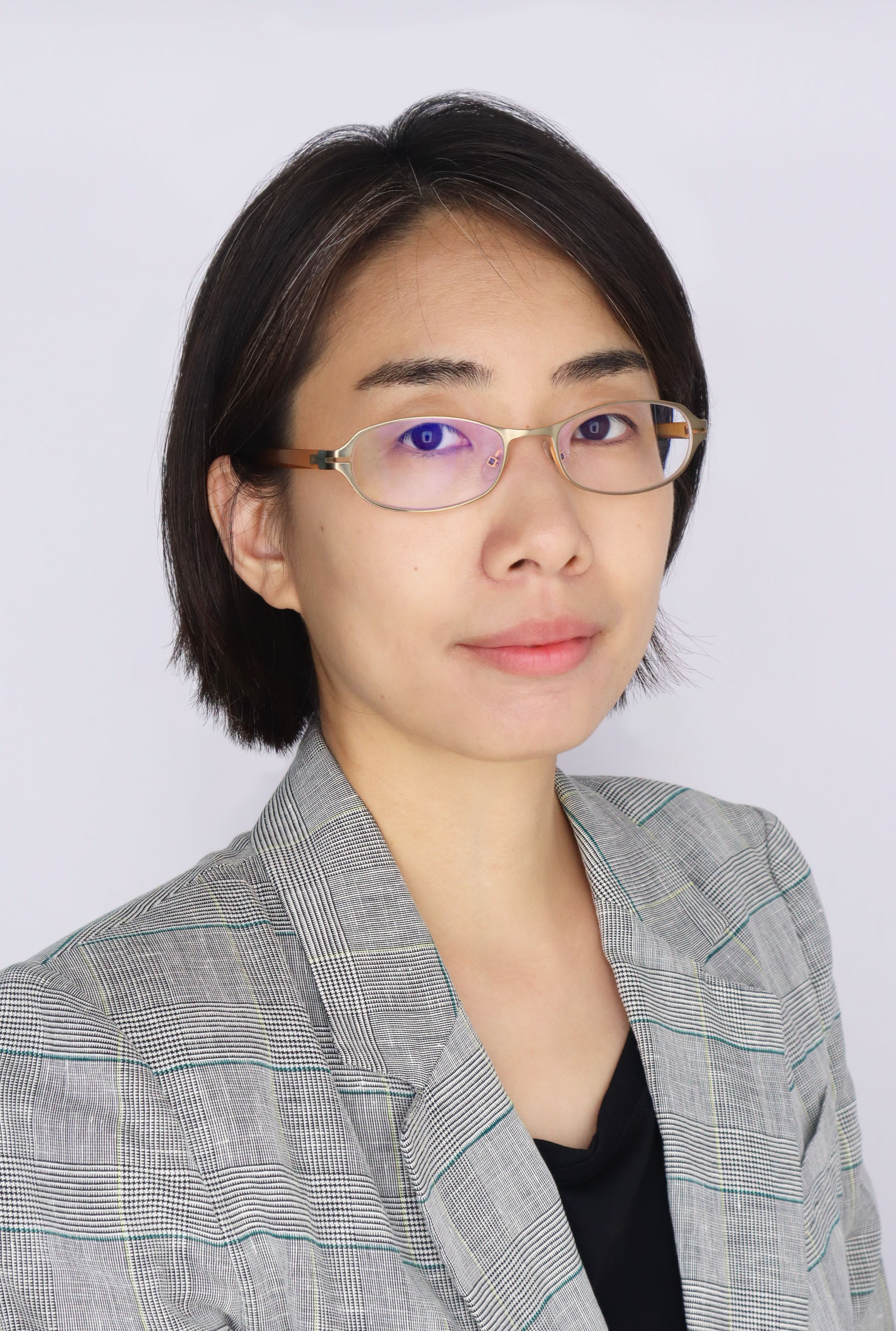
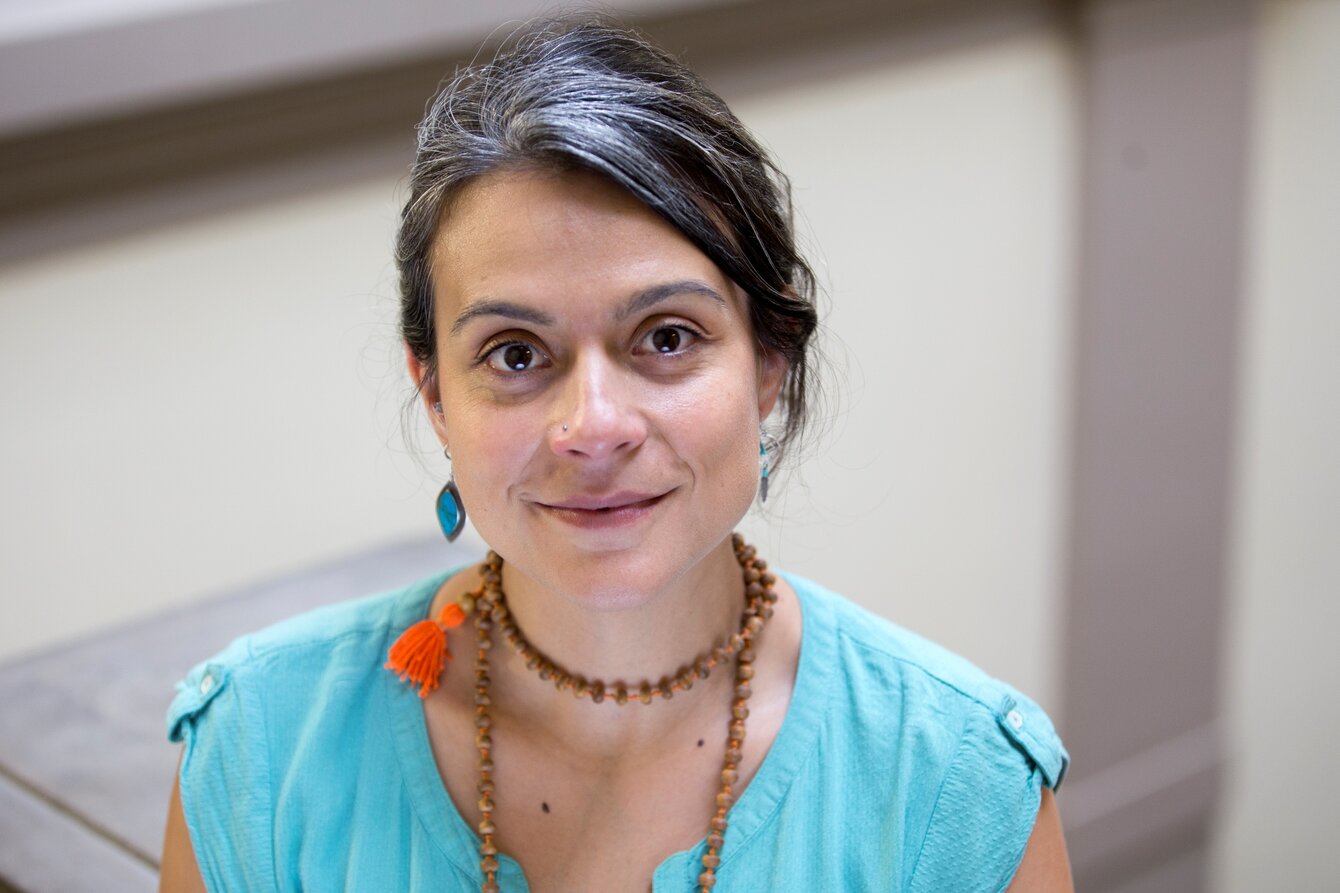
Hongmi Lee is an Assistant Professor in the Department of Psychological Sciences at Purdue University. Her research focuses on human long-term memory , naturalistic memory , and functional neuroimaging , using behavioral experiments and fMRI to explore how the brain encodes and retrieves complex real-world experiences. PhD, New York University (2018) Lee investigates how memories for naturalistic events are structured in the brain, emphasizing the roles of the posterior medial cortex and parietal cortex in memory reactivation. Her work examines semantic integration, contextual binding, and neural dynamics during spontaneous recall and future thinking. The 15 most recent articles highlight trends in episodic retrieval , event segmentation , and neural activity patterns during memory processing. Key methodologies include fMRI , naturalistic stimuli , and network science . Labs: Lee Memory and Cognition Lab
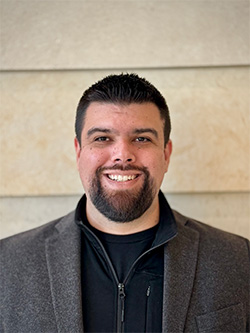
Jeremy I. Borjon is an Assistant Professor in the Department of Psychology at the University of Houston, affiliated with the College of Liberal Arts and Social Sciences. He leads the Developing Systems Laboratory, focusing on infant cognitive, sensorimotor, and autonomic development. His research is supported by an NICHD R00 award and integrates multimodal technologies such as eye-tracking, motion capture, and wireless physiological sensors. Education: A.B. in Psychology and Neuroscience, Princeton University Ph.D. in Psychology and Neuroscience, Princeton University Dr. Borjon's research centers on how infants coordinate internal states with emerging cognitive and motor systems during the first two years of life. He investigates how visual, motor, and autonomic processes interact in real time, particularly during naturalistic caregiver interactions. His work emphasizes ecological validity by studying infants in dynamic, real-world contexts. He is particularly interested in sustained attention, language development, and how caregiver behaviors shape infant cognition. His recent publications reflect a strong trend in using dense, naturalistic behavioral sampling to understand developmental processes. The articles highlight interdisciplinary approaches combining developmental psychology, neuroscience, and engineering to study real-time cognitive and physiological dynamics in infants. Topics include physiological synchrony, attention regulation, and sensorimotor integration. Scientific Awards and Honors: R00 Pathway to Independence Award, NICHD K99 Pathway to Independence Award, NICHD NSF Postdoctoral Research Fellowship NICHD T32 Postdoctoral Fellowship 2019 Small Grant for Early Career Scholars, SRCD NSF Graduate Research Fellowship Princeton President’s Fellowship Simons Fellow in Computational Neuroscience Dr. Borjon has been actively involved in mentoring and is currently reviewing graduate applications for the Developmental, Cognitive, & Behavioral Neuroscience Program. His research is supported by federal grants, indicating active funding and research productivity. He previously held postdoctoral fellowships at Indiana University and positions at Yale and Emory. He directs the Developing Systems Laboratory, which employs cutting-edge technology to study infant behavior in naturalistic settings. The lab integrates head-mounted eye-tracking, wireless cardiorespiratory sensors, motion capture, and audiovisual recording to examine how cognitive achievements emerge within the context of a developing body and social environment.
Andreas Weber is an Associate Professor at the University of Twente's Digital Society Institute , specializing in the Knowledge, Transformation & Society (KiTeS) research group . His work examines the long-term historical and global relationship between Science, Technology, and Society , with particular focus on colonial histories of natural history, chemistry, and sustainability , as well as computational technologies for contextualizing digitized archives . He leads the HAICu project (2023–2029) on digital cultural heritage and coordinates STS PhD training for the Netherlands Graduate Research School (2019–2024). MA & PhD in History (2005 & 2012), Leiden University Assistant Professor (2017–2023), University of Twente Andreas' research integrates digital humanities with colonial science history , emphasizing global histories of minerals , digital humanism , and AI's societal context . His 15 most recent publications (2016–2025) explore topics like colonial bias in natural history collections , FAIR data implementation , and semantic annotation of handwritten archives , spanning disciplines from history of science to computer science and museum studies . He has received 7 scientific awards , including multiple Best Teacher Awards (2020–2023) and the IEEE eScience Best Poster Award (2018). Andreas supervises PhD and postdoctoral projects while engaging in media commentary on colonial heritage issues and co-organizing international conferences like Hydrogen Pasts and Futures (2024).
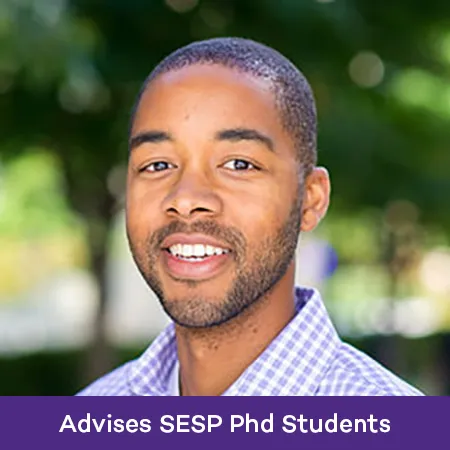
Marcelo Worsley is the Karr Family Associate Professor in Computer Science and Learning Sciences at Northwestern University's School of Education and Social Policy (SESP). His research focuses on promoting STEM education for underserved populations through hands-on, project-based learning. He holds a PhD and MS in Learning Sciences and Computer Science from Stanford University, along with dual bachelor's degrees in Chemical Engineering and Portuguese. His work emphasizes inclusive learning technologies, multimodal learning analytics, and fostering agency in students to address real-world challenges. Research Interests: Worsley’s research spans four core areas: (1) designing meaningful hands-on learning experiences; (2) extracting and analyzing multimodal data; (3) developing naturalistic interfaces for education; and (4) bridging engineering education with conceptual change. His Technological Innovations for Inclusive Learning and Teaching (tiilt) Lab aims to address inequities in education by co-designing tools with teachers and learners. Grants & Projects: Worsley has led initiatives such as Multimodal Learning Analytics (funded by NSF EAGER) and PE++ , integrating computer science with physical education. His projects often involve intergenerational making, refugee youth engagement, and culturally responsive computing. Publications: His work appears in journals like Journal of Learning Analytics and conferences such as ICLS and EDM. Recent themes include AI in education, embodied learning in games like Minecraft, and leveraging sports for computational thinking.
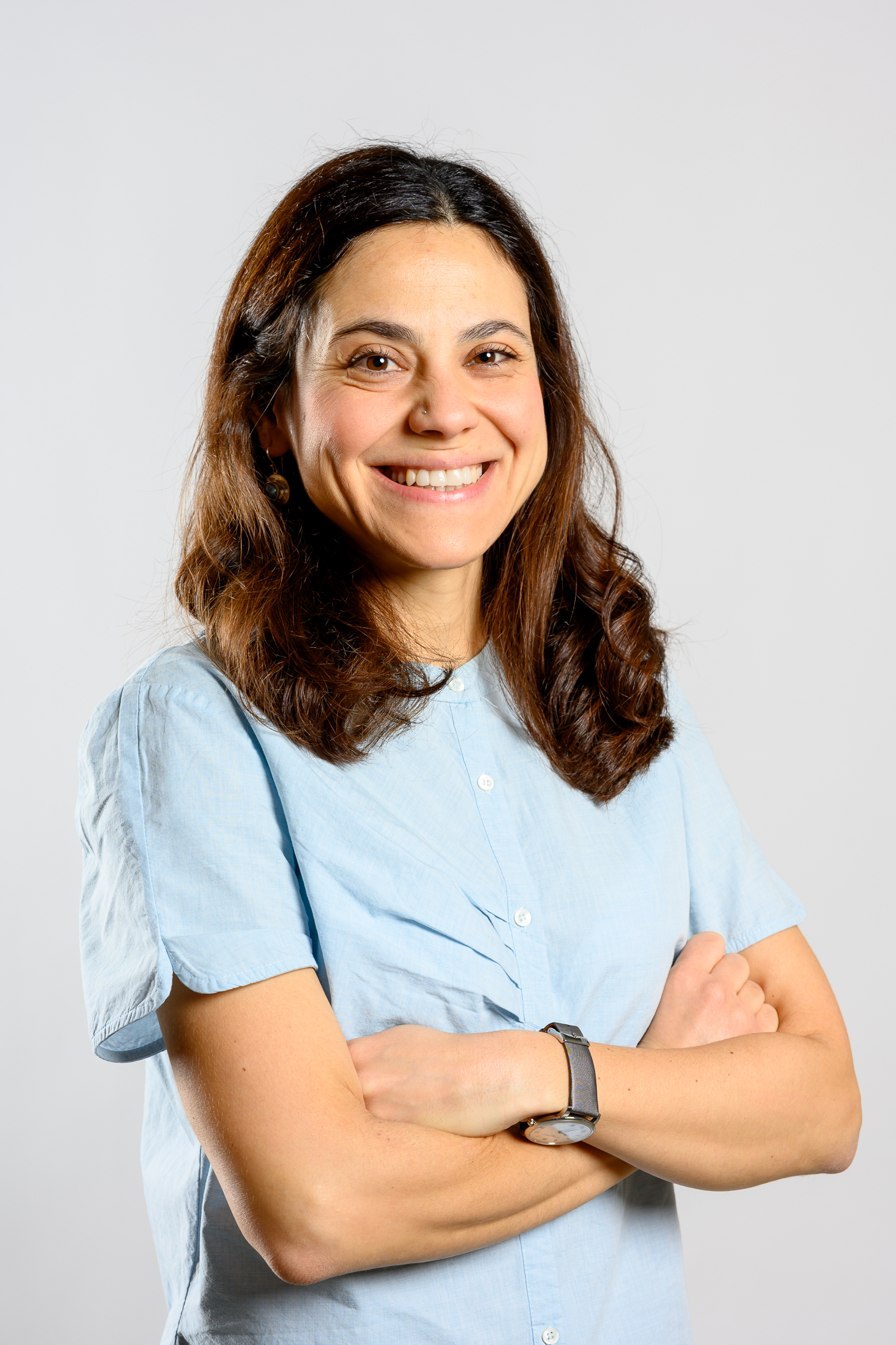
Dr. Johanna Higgins is an Assistant Professor in the School of Education at the University of Pittsburgh. She specializes in Applied Behavior Analysis and Autism, with a focus on caregiver support for families of children at risk for or diagnosed with autism. Education: B.S., Communication Sciences and Disorders, The College of Wooster M.Ed. and Ph.D., Early Intervention Program (Autism specialization), University of Pittsburgh Her research centers on naturalistic developmental behavioral interventions and caregiver training via technology-based platforms. She has contributed to publications in Journal of Early Intervention , Topics in Early Childhood Special Education , and Young Exceptional Children , with recent work exploring: Home visitation quality improvement Mobile technology for behavioral data collection Online caregiver training modules Collaborative teaming in early intervention Dr. Higgins has received recognition including the Student of the Year Award (2012) and a LEND Fellowship (2009–2011). Her grant work includes: Co-PI, IT-EIVIS Grant (2021–2026, $993,543) PI, Nebraska EDN Professional Upgrade Partnership (2019–2020, $41,441) She teaches courses in special education practices and applied behavior analysis at the graduate level.
Dr. Burcu Demiray is a researcher at the Department of Psychology, University of Zurich, leading a team focused on real-life cognitive activities in the context of healthy longevity. Her interdisciplinary work integrates smartphone sensing, experience sampling, and machine learning to analyze real-life audio, speech, and text data. She is also developing e-learning concepts for Generation 65+ to combat ageism and enhance digital literacy. Education: Not explicitly detailed in the provided text. Research Interests: Healthy cognitive aging and psychological well-being. Automated semantic analysis of real-life conversations. Machine learning applications in gerontology and memory studies. Digital health interventions and ambient audio monitoring. Publications Trends: Focus on naturalistic observation studies using smartphone sensing and wearable devices. Development of machine learning models for reminiscence and memory function detection. Analysis of gender differences in daily communication and cognitive aging. Scientific Awards: No specific awards mentioned. Labs/Teams: Affiliated with the Healthy Longevity Center at UZH and the Digital Society Initiative (DSI) Community Health.
Tuukka Ruotsalo serves as Associate Professor in the Machine Learning Section at the Department of Computer Science, University of Copenhagen. His research bridges human cognition with computational systems through brain-computer interfaces and physiological computing. As Academy Research Fellow at University of Helsinki (2019-2024), he maintained dual institutional affiliations while leading cutting-edge work in neuro-linguistic modeling and affective relevance. His research focuses on brain-computer interfaces for information retrieval , where he pioneers methods to decode cognitive states from neural signals to improve search systems. Key areas include affective relevance modeling that integrates emotional states into search algorithms, and neuro-linguistic reconstruction that translates brain activity into language. His work on fairness-relevance tradeoffs in recommender systems established Pareto frontier evaluation frameworks now widely adopted in ethical AI research. Recent publications demonstrate how physiological signals like EEG and galvanic skin response can create more adaptive human-information interaction systems. Ruotsalo's scientific recognition includes the prestigious Academy Research Fellow position. His publications in IEEE Transactions on Human-Machine Systems , Journal of the Association for Information Science and Technology , and Communications Biology reveal growing interdisciplinary impact. His advising spans cognitive neuroscience and machine learning students, with notable collaborations across the SCIENCE AI Centre. Current projects include the TreeSense initiative for remote sensing of global tree resources and development of quantum-inspired neural architectures. His lab leverages the department's powerful compute cluster for large-scale physiological data analysis.
Peter Brown is an Associate Professor in the School of Life Sciences at Anglia Ruskin University (ARU), Faculty of Science and Engineering. His research focuses on ladybird ecology, invasive species, and citizen science, with strong collaborations across the UK (especially the UK Centre for Ecology & Hydrology and University of Hull), Europe, and Chile. Education: PhD: The spread of the harlequin ladybird Harmonia axyridis (Coleoptera: Coccinellidae) in Europe and its effects on native ladybirds – Anglia Ruskin University (2010) BSc (Hons) Ecology and Conservation – Anglia Ruskin University (2004) Peter's research interests include ladybird ecology, the impacts of non-native species on native biodiversity, intraguild predation among arthropods using molecular tools, and the use of citizen science in ecological research, particularly through the UK Ladybird Survey and COST Action CA17122. He investigates the global spread and ecological effects of the harlequin ladybird (Harmonia axyridis) and evaluates the benefits and risks of exotic biological control agents. As director of the Citizen Science Research Group and member of the Applied Ecology Research Group, he emphasizes public engagement in science. His recent publications reveal a consistent focus on citizen science, invasive species monitoring, and conservation biology. Themes include volunteer motivations, digital tools for data collection, policy implications of alien species, and recovery strategies for native ladybirds. This body of work demonstrates a strong integration of field ecology, molecular techniques, and public participation. Scientific Awards and Memberships: Fellow, Royal Entomological Society Honorary Fellow, British Naturalists' Association Co-leader, UK Ladybird Survey Editorial board, Nature in Cambridgeshire Member, British Ecological Society Peter supervises postgraduate research in ladybird and insect ecology and welcomes PhD applications. He has secured collaborative research opportunities and leads projects involving citizen science data. He has also contributed to policy and management frameworks for invasive species in Europe. Peter leads the undergraduate module 'Invertebrate Biology' and postgraduate modules in conservation and biodiversity, including field-based learning. He directs the Citizen Science Research Group and is actively involved in public outreach, having appeared on BBC programs such as The One Show, Countryfile Diaries, and The Today Programme, enhancing public understanding of ecology and invasive species.
Luisa Arango is an Associate Professor at the Institute of Ethnology, Faculty of Social Sciences, University of Strasbourg, where she also serves as Director of Studies for the Bachelor's program in Anthropology and Ethnology in Distance Learning (EàD). She is based at the MISHA building and is affiliated with the SAGE Laboratory (UMR 7363). Her academic work spans research, teaching, and interdisciplinary collaboration, with a strong focus on urban anthropology and environmental issues. Her research centers on urban environments, water and land resource management, identity dynamics in cities, and the anthropology of techniques, with fieldwork conducted in the Nile Valley (Sudan) and the Colombian Caribbean. She explores themes such as urbanization processes, spatiality and power, local perceptions of climate change, and alternative ethnographic methods. Her work often engages with political ecology, interdisciplinary environmental research, and the social dimensions of nature and resources. Luisa Arango’s recent publications (2013–2024) reflect a consistent focus on hydrosocial systems, urban water governance, land appropriation, and knowledge production in Africa and Latin America. Her articles appear in journals such as Canadian Journal of African Studies , Espaces et Sociétés , Autrepart , and Sources . She has also contributed to interdisciplinary dialogues on climate change, artistic ethnography, and field drawing as research tools. Knowledge about nature in Africa Urban water management in Khartoum and Cartagena Land rights and ethnic identity in Colombia Interdisciplinary approaches to climate and urban planning Ethnographic and artistic methodologies Luisa Arango is actively involved in research networks such as WATERLAT-GOBACIT and GAIA (University of Antioquia, Colombia). She has supervised academic projects and contributed to methodological innovations in ethnographic research. She teaches courses on ethnographic methods, urban anthropology, and research forums for distance-learning students. Her work emphasizes the political dimensions of resource access, the transformative power of collective action, and the importance of integrating social and material realities in understanding urban and environmental change. She has no listed scientific awards in the provided text, but her sustained publication record and leadership roles indicate significant scholarly impact. She is also engaged in public-facing research, including graphic works and documentaries on anthropological practice.
John H. Mace serves as Professor and Chair of the Psychology Department at Eastern Illinois University, concurrently holding a professorship in Aging Studies (Gerontology). Based in Klehm Hall, Charleston, his contact email is jhmace@eiu.edu. His research centers on autobiographical memory systems , specifically: Involuntary vs. voluntary memory recall mechanisms Organization principles of autobiographical memories Semantic-to-autobiographical priming under varied conditions (non-verbal cues, subliminal stimuli, cue repetition) Functional purpose of involuntary memories Methodological innovations in diary-based memory research Recent publications (2023-2024) demonstrate rigorous experimental approaches examining how semantic cues trigger autobiographical memories, revealing critical insights about memory accessibility thresholds and unconscious processing. His work bridges cognitive psychology with consciousness studies through innovative paradigms like vigilance tasks and subliminal stimulation protocols. Dr. Mace maintains active teaching responsibilities for Cognitive Psychology and Human Memory courses while leading departmental operations. His public profile includes media recognition as the 82-year-old Boston Marathon qualifier in 2020, featured across eight media outlets including The Boston Globe .
Emily K Harrington is an Assistant Professor in Special Education at the University of Illinois. Her research focuses on early intervention strategies, language facilitation, and caregiver collaboration in speech-language pathology. Academic Rank: Assistant Professor Department: Special Education University: University of Illinois Research Interests center on naturalistic language facilitation strategies and early intervention for toddlers. She evaluates diversity measures in linguistic assessments and explores methods to enhance communication outcomes through parent training and collaborative frameworks. Construct validity in language assessments Innovative early intervention techniques Family-centered speech therapy approaches Scientific Collaborations include partnerships in clinical research and educational program development, focusing on caregiver involvement and standardized evaluation metrics.
Marian Sauter is a researcher at Ulm University's Institute for Psychology in Germany, specializing in the intersection of psychology, human-computer interaction, and educational technology. Her work primarily focuses on eye-tracking methodologies and gaze analysis to improve online teaching and learning environments. She frequently collaborates with colleagues from the Institute of Media Informatics at Ulm University, indicating strong interdisciplinary connections between psychology and computer science departments. Her research interests center on understanding visual attention patterns in educational contexts, particularly how gaze behavior correlates with learning outcomes in digital environments. Dr. Sauter investigates how eye movement data can be visualized and utilized to optimize instructional design, with specific attention to gaze-laser pointer relationships, gaze synchronicity among students, and attention monitoring in virtual classrooms. Her work bridges cognitive psychology theories with practical applications for e-learning platforms and remote education systems. Analysis of her recent publications reveals a strong trajectory in applying eye-tracking technology to solve real-world educational challenges, particularly those emerging during and after the pandemic-driven shift to online learning. Her research spans both theoretical investigations of visual attention mechanisms and practical implementations for educational technology. The consistent focus on webcam-based eye-tracking demonstrates her commitment to developing accessible methods that don't require specialized hardware, making her research particularly relevant for widespread educational applications. Best Paper Award at ETRA '22 Symposium on Eye Tracking Research and Applications Berlin Health Award (2023) Dr. Sauter's collaborative approach is evident in her frequent co-authorship with Tobias Wagner from Ulm University's Institute of Media Informatics and Anke Huckauf from General Psychology. Her research appears to be supported by institutional resources at Ulm University, though specific external grants are not mentioned in the available information. She appears to be actively mentoring students given her involvement in educational psychology research and student-focused studies. Her work suggests involvement with research groups focused on human-computer interaction, educational technology, and cognitive psychology at Ulm University, though specific lab names are not provided in the available information. The interdisciplinary nature of her publications indicates collaboration across psychology and media informatics departments.
Pranamesh Chakraborty serves as an Assistant Professor in the Department of Civil Engineering at the Indian Institute of Technology Kanpur (IIT Kanpur), where he specializes in Transportation Engineering with expertise spanning Intelligent Transportation Systems, Machine Learning, Big Data Analytics, and Naturalistic Driving Studies. Faculty position: Assistant Professor, Department of Civil Engineering Academic qualifications: PhD from Iowa State University (2019), M.Tech from IIT Kanpur (2014), B.E. from IIEST Shibpur (2012) Previous appointments: Assistant Professor at Techno India University and KIIT University Dr. Chakraborty's research program focuses on developing innovative computational approaches to transportation challenges, with particular emphasis on applying machine learning techniques to traffic management, incident detection, and policy analysis. His work bridges civil engineering principles with cutting-edge data science methodologies. Analysis of his publication record reveals a consistent research trajectory centered on data-driven transportation solutions, with increasing emphasis on deep learning applications and real-world policy implications. His work demonstrates strong interdisciplinary integration across engineering, computer science, and urban planning domains. Research Excellence Award, Iowa State University, 2019 Best Student Paper, TRB Managing Roadways and Transit Together Conference, Seattle, 2018 Student Essay Competition Winner, ITS America, San Jose, 2016 Academic Excellence Award, Indian Institute of Technology Kanpur, 2013 Dr. Chakraborty maintains an active research program with multiple publications in high-impact transportation journals. His previous experience includes serving as a Graduate Research Assistant at Iowa State University and teaching positions at multiple Indian institutions before joining IIT Kanpur.
Professor Nicholas G. Martin is a distinguished researcher at the Queensland Brain Institute, University of Queensland, with extensive contributions to behavioral genetics and psychiatric research. His work primarily focuses on twin studies, genetic epidemiology, and the genetic basis of mental health disorders. His research interests span behavioral genetics, particularly twin studies methodology, psychiatric genetics focusing on depression and substance use disorders, neurogenetics examining brain structure and function, and genome-wide association studies of complex traits. Martin has pioneered methodologies for analyzing genetic and environmental contributions to complex human behaviors and disorders. His publication record demonstrates consistent productivity in high-impact journals, with recent work emphasizing polygenic risk scores, gene-environment interactions, and cross-ancestry genetic studies. His research often involves large-scale collaborative efforts examining the genetic architecture of psychiatric conditions and related phenotypes. Multiple publications in Nature Genetics, Molecular Psychiatry, and other top-tier journals Extensive work on depression genetics and related phenotypes Significant contributions to twin study methodology Research spanning psychiatric disorders, substance use, and cognitive traits Professor Martin maintains active collaborations across international research networks and has contributed significantly to advancing our understanding of the genetic underpinnings of human behavior and mental health conditions through rigorous quantitative genetic approaches.
Uri Hasson is a Professor at the Princeton Neuroscience Institute, Princeton University, focusing on the neural basis of brain-to-brain human communication, natural language processing, and language acquisition in real-world contexts. His lab challenges traditional experimental models by using deep learning to decode cognition during natural stimuli. Research Highlights: Investigates neural alignment in speaker-listener interactions. Develops computational tools to model language processing in everyday conversations. Explores shared principles between biological and artificial neural networks. Recent Article Trends: 2025–2023 publications emphasize deep language models matching neural responses, event segmentation via Bayesian surprise, and multibrain convergence during storytelling. Key keywords: Neuroscience, Natural Language Processing, Deep Learning, Cognitive Modeling . Awards: NIH Pioneer Award Lab & Collaborations: The Hasson Lab integrates neuroimaging (ECoG, fMRI) with large-scale datasets and AI to study real-life cognition. Collaborations span psychology, computational neuroscience, and machine learning.