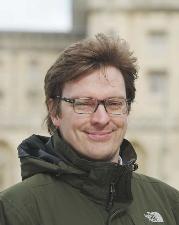
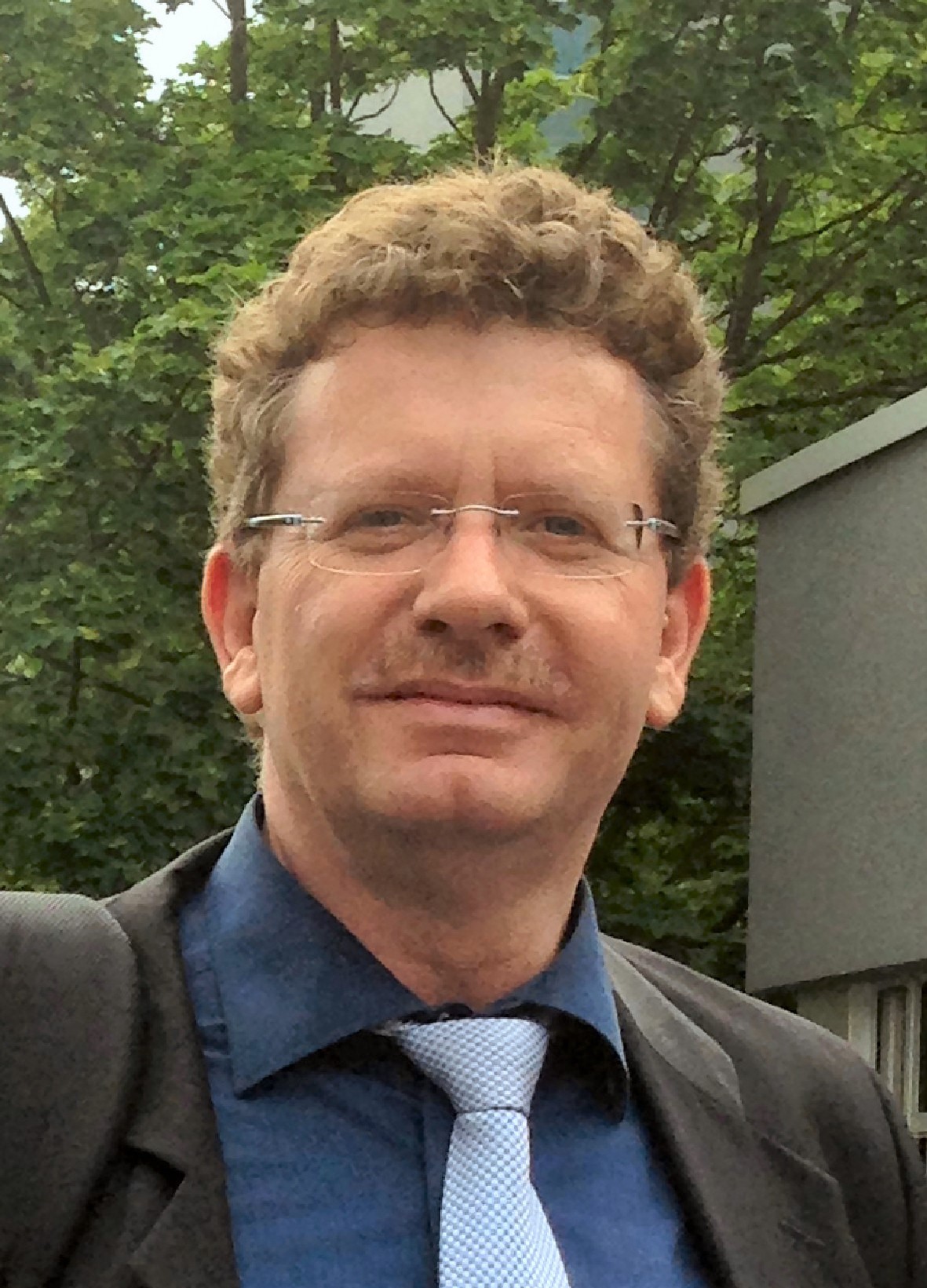
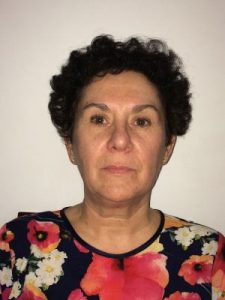
Tom DeSutter is a Professor in the Department of Soil Science at North Dakota State University's School of Natural Resource Sciences. His work focuses on soil reclamation, remediation strategies, and industrial by-product applications. Education: PhD in Agronomy (2004) from Kansas State University, MS in Agronomy (1998) and BS in Geography (1994) from South Dakota State University. Research interests span soil salinity/sodicity management, environmental field instrumentation, and remediation of anthropogenically disturbed soils. Key trends in his Agrosystems, Geosciences & Environment publications include biostimulant effects, thermal desorption impacts, and brine contamination mitigation. Teaching responsibilities include SOIL 410/610 (Soil and Land Use) and SOIL 721 (Environmental Field Instrumentation and Sampling). Previous roles (2006-2018) at NDSU included Assistant and Associate Professor positions.
Xiaoju Wang is a Research Fellow at Åbo Akademi University within the Faculty of Natural Sciences and Technology and Pharmacy department, focusing on sustainable biomaterials derived from plant biopolymers. Research Highlights: Developing bio-enabled nanomaterials using lignin, cellulose, and tannin Creating CO2 capture systems and antimicrobial packaging Expertise in chemical modifications , self-assembled networks , and 3D printing Recent Publications (2024-2025) demonstrate leadership in biomaterial design for pharmaceuticals , wound healing , and carbon capture . Active Collaborations: Leading projects like MADNESS (antimicrobial solutions) and SusCellInk (therapeutic bioinks). Contributing to UN Sustainable Development Goals (SDGs) through material sustainability and health innovations .
Joshua Atkinson is an Assistant Professor in the Department of Civil and Environmental Engineering and the Omenn-Darling Bioengineering Institute at Princeton University. His interdisciplinary research program integrates synthetic biology, protein engineering, and electrochemistry to understand and control microbial electron transport across biological scales—from intracellular metabolic circuits to ecosystem-level geochemical cycles. Dr. Atkinson earned his PhD in Systems, Synthetic, and Physical Biology from Rice University in 2019, where he developed ligand-gated protein switches in Escherichia coli . He was an NSF Postdoctoral Fellow at the University of Southern California and Aarhus University, focusing on electromicrobiology and electron transport in microbial systems. PhD, Systems, Synthetic, and Physical Biology, Rice University, 2019 BS, Microbiology, University of Michigan, 2012 His research aims to decode the biophysical principles underlying electron transfer in proteins and microbial communities and to engineer novel biotechnologies for sustainability, environmental monitoring, and bioelectronics. Key research themes include programming electroactive proteins, building living electronic devices, and manipulating microbial ecosystems for environmental remediation. The Atkinson Lab develops synthetic electron transport chains, protein switches, and biohybrid materials for applications in sensing, catalysis, and computation. His recent work, published in Nature , ACS Synthetic Biology , and Nature Chemical Biology , demonstrates breakthroughs in real-time bioelectronic sensing of pollutants, light-induced patterning of biofilms, and engineered living electronic components. These studies reveal a strong focus on modular, tunable biological systems that interface with electronic materials to create responsive, low-power devices. Scientific Awards: NSF Postdoctoral Research Fellowship in Biology (2020) Best Presentation, ISMET North American Meeting (2018) Lodieska Stockbridge Vaughn Fellowship (2018) DOE Office of Science Graduate Research Fellowship (2017) NSF Graduate Research Fellowship (2014) Dr. Atkinson actively mentors graduate and undergraduate researchers through independent studies, senior theses, and funded summer programs such as BE-SURE and High Meadows Environmental Internship. He has secured research support through prestigious fellowships and collaborates with leading scientists in bioengineering and electromicrobiology. The Atkinson Lab emphasizes diversity, peer mentorship, and interdisciplinary training in engineering biology. The lab is structured around three interconnected research thrusts: (1) Cells – engineering electron flow in metabolic circuits; (2) Devices – integrating engineered cells with electroactive materials for biosensing and catalysis; and (3) Ecosystems – controlling microbial community structure and geochemical cycles using electron transfer principles. Current lab members include postdoctoral fellows, PhD students, and undergraduates from diverse scientific backgrounds.
Thoo Yin Yin is a Senior Lecturer in the School of Science at Monash University Malaysia, specializing in food science and technology. Her research focuses on sustainable food processing methods, including the development of biodegradable food packaging from food waste and the use of oleogelation to create healthier lipid-based products. She has led projects such as the characterization of palm oil organogels and the biosynthesis of metal nanoparticles from plant extracts. Education: PhD in Food Science from Universiti Putra Malaysia (2013), focusing on ultrasound-assisted extraction of antioxidants from natural products. Teaching Commitments include courses on nutrition and food safety (FST1911 and FST3862). Research Interests: Value-added food products, organogels, biodegradable films, antioxidant interactions, and sustainable packaging solutions aligned with UN SDGs like Zero Hunger and Responsible Consumption. Key Achievements: Awarded Gold Medals for inventions like 'PLANT B' (2023) and 'Multi-Spicy' (2024), and a Silver Medal for 'Biopolymer Film' (2021). Over 34 publications, including work on encapsulation technologies, functional food matrices, and food preservation. Grants & Collaborations: Led projects funded by Monash University, collaborating on biopolymer films, spice oleoresin encapsulation, and plant protein applications in frozen desserts. Active in international exhibitions and media discussions on plastic-free packaging. Labs/Teams: Works with interdisciplinary teams on food innovation, including the development of edible films and lipid structuring for reduced-fat spreads.
Mahmoud Abuelella is a research-active academic affiliated with the School of Pharmacy at the University of Reading, specializing in pharmaceutics and advanced drug delivery systems. His work focuses on the development of functional bionanocomposites using natural polymers such as gellan gum and chitosan for pharmaceutical applications. Research Interests: His primary research areas include biopolymers, mucoadhesive drug delivery, nanocarriers, polymer functionalization, and the design of stimuli-responsive hydrogels. He investigates the modification of clay nanotubes like halloysite and integrates them with biocompatible polymers to enhance drug release profiles and bioavailability. The recent publications highlight a strong trend in utilizing natural materials for sustainable and biocompatible drug delivery platforms, particularly in designing nanocomposite systems with improved mechanical and functional properties. These works reflect interdisciplinary research at the intersection of materials science, pharmacy, and nanotechnology. Collaborations and Impact: Dr. Abuelella collaborates extensively with leading researchers such as Prof. Vitaliy Khutoryanskiy. His contributions appear in reputable scientific publications and book chapters, indicating an active role in advancing knowledge in pharmaceutical materials. While no grants or awards are listed, his publication record suggests ongoing research support and scholarly engagement. Laboratory and Research Group: He is likely part of the Soft Matter and Materials Chemistry research group within the Department of Pharmaceutics at the University of Reading, which focuses on polymer-based drug delivery systems and stimuli-responsive materials.
Professor Erwin Reisner is a leading academic in energy and sustainability at the University of Cambridge , affiliated with the Yusuf Hamied Department of Chemistry and St John’s College . He directs the Christian Doppler Laboratory for Sustainable SynGas Chemistry and co-leads the EPSRC Center for Doctoral Training in Functional and Sustainable Nanoscience. Research Focus: Artificial photosynthesis, solar fuels, CO2 valorization, and waste-to-chemicals technologies. Interdisciplinary Leadership: Integrates synthetic chemistry, nanoscience, and biotechnology for circular economy solutions. Key Collaborations: Active in Cambridge Global Challenges , emphasizing SDG-driven research. His lab develops photocatalytic systems using nanostructured semiconductors and enzymes to convert CO2, water, and waste into sustainable fuels. Recent publications highlight innovations in CO2-to-fuel conversion , floating solar panels , and biohybrid catalysis . Awards include leadership roles in EPSRC-funded networks and the Christian Doppler Society.
Nesrin Köken serves as an Associate Professor (Docent) in the Department of Chemistry at Istanbul Technical University, where she has established herself as a prominent researcher in polymer science and materials engineering. Her academic work spans over two decades with 28 research outputs and leadership of 14 research projects, demonstrating sustained scholarly productivity and research leadership in her field. Dr. Köken's research interests center around polymer science with particular emphasis on sustainable materials development. Her fingerprint analysis reveals strong expertise in copolymer and block copolymer systems (100% and 64% respectively), polymerization techniques (59%), and specialized chemical systems including phosphonic acid (47%), acrylonitrile (45%), acrylic acid (40%), vinyl monomers (39%), and methylene compounds (38%). This diverse expertise enables her to address complex materials challenges across multiple application domains. Analysis of her recent publications (2023-2024) reveals three dominant research trajectories: bio-based adhesives utilizing natural materials like starch and tannins, advanced polyurethane coating systems with modified surface and mechanical properties, and fire-retardant materials with smoke suppression capabilities. These research streams reflect a strategic focus on sustainable materials development while addressing critical performance requirements in industrial applications. Dr. Köken currently leads seven research projects, including four active initiatives extending through 2027. Her current research portfolio includes wood adhesives for high-performance applications, polysulfone nanocomposite membranes for fuel cells, single-component reactive polyurethane adhesives, low-formaldehyde-emission resins for wood panels, PDMS-containing polymers for surface coatings, bio-based nanocomposite adhesives, and high-performance polymeric surface coating materials. This diverse project portfolio demonstrates her ability to secure research funding across multiple domains within polymer science and materials engineering.
Hans-Jörg Gusovius is a senior researcher at the Leibniz Institute for Agricultural Engineering and Bioeconomy (ATB) in Potsdam, Germany, with specific focus on Process Systems Engineering . He has held this position since 2007, following his PhD studies at Humboldt University of Berlin and earlier research at Brandenburg University of Technology Cottbus. His work centers on natural fiber processing and biorefinery systems , particularly for hemp, flax, and linseed straw . His research interests include: Development of mechanical and chemical fiber extraction methods Optimization of bast fiber processing lines Utilization of agricultural residues in composite materials Biodegradation and retting technologies Agro-industrial system integration Recent publications highlight his expertise in nettle fiber composites , hemp silage preservation , and linseed straw valorization . He has contributed to projects assessing fiber properties under varying processing conditions, including impact-free harvesting techniques and shive separation . Notable collaborations include work with Benno P. Weiß, Jérôme Müssig, and international teams in Central Asia and France. As a member of professional organizations like the German Hemp Academy eV and Sachsen-Leinen eV , he actively participates in industry-standard development. While no specific scientific awards are mentioned in available records, his 15+ peer-reviewed publications since 2003 demonstrate sustained academic contribution to sustainable fiber technologies.
apl. Prof. Dr. Ralf Kautenburger is an Adjunct Professor in the Department of Inorganic Solid State Chemistry / Elemental Analysis at Saarland University, Faculty of Natural Sciences and Technology. He leads the WASTe research group, focusing on advanced analytical techniques for environmental, nuclear, and bioanalytical applications. His research interests include analytical chemistry, elemental analysis, speciation analysis, environmental analytics, bioanalytics, nuclear waste disposal research, hyphenated analytical techniques, metal complexation, trace element analysis, and antimicrobial surfaces. His work integrates sophisticated instrumentation such as CE-ICP-MS and LC-ICP-MS to study metal behavior in complex matrices, including deep geological formations and biological systems. He is actively involved in interdisciplinary projects, including ESA-supported research on antimicrobial surfaces in space environments. The recent publications highlight a strong trend in environmental remediation (e.g., PFAS capture), nuclear waste containment (e.g., radionuclide retention in cement phases), advanced materials for energy (battery recycling), and antimicrobial surface engineering. His research bridges fundamental analytical chemistry with practical applications in sustainability, health, and space exploration. While no specific scientific awards are listed in the provided text, his extensive publication record in high-impact journals and leadership in collaborative research projects indicate significant scholarly contributions. He advises research projects and collaborates with numerous scientists, though specific student names are not mentioned. He is involved in teaching analytical chemistry courses and leads the Core Facility Elemental Analysis & Mass Spectrometry (ELMAS-CF), supporting a broad research community. The WASTe research group operates within the university's infrastructure, utilizing advanced laboratories for elemental analysis. The group participates in major research initiatives such as the BMWi joint projects GRaZ I and GRaZ II on nuclear waste disposal and the ESA BIOFILMS project on the International Space Station, demonstrating a strong presence in both national and international scientific networks.
Prof. Polly Burey is a Professor in Food Science at the University of Southern Queensland, affiliated with the School of Agriculture and Environmental Science and the Centre for Future Materials within the Institute for Advanced Engineering and Space Sciences. She leads the BSc Food Science major and the Sustainable Industry Design research theme, overseeing a research portfolio exceeding $13M. Education: BEng, University of Auckland (2001) PhD, University of Queensland (2005) Graduate Certificate in Education, University of Queensland (2007) Her research focuses on the intersection of food science, materials engineering, and sustainability, particularly in formulation, microstructure, processing, and rheological behavior of food materials. She pioneers work in circular economy, waste valorization, sustainable manufacturing, and functional food design. Her expertise spans food technology, bioplastics, rheology, and sustainable composites. Her recent publications (2023–2025) demonstrate a strong trend toward interdisciplinary sustainability, combining food science with materials engineering, environmental science, and biomedical applications. Key themes include waste-to-resource conversion, low-carbon materials, hydrogels for wound care, and sustainable energy systems. Scientific Awards and Recognitions: Senior Fellow, Higher Education Academy Professional Member, Engineers Australia Member, Institute of Chemical Engineers Member, Australian Institute of Food Science and Technology Member, Project Management Institute Member, Australian Institute of Company Directors Member, Waste Management Resource Recovery Association of Australia Polly Burey actively supervises multiple PhD and Master’s students across diverse projects in food science, sustainable materials, and waste utilization. She has secured significant grants, including the $3.35M SIMPLE Hub (RRC) and $2M NO WASTE (SURF) programs, both co-directed by her. She leads the Fight Food Waste CRC project on Queen Garnet plums and contributes to Indigenous food innovation initiatives. She leads a multidisciplinary research team within the Centre for Future Materials, collaborating with industry, government, and international partners on sustainable industry design, circular economy systems, and advanced manufacturing. Her lab focuses on transforming waste into high-value materials across food, construction, and medical sectors.
Weihong Zhong is an active researcher with dual expertise in Computer Science (particularly large language models and controllable text generation) and Environmental Science (focusing on biodegradation of industrial pollutants like phthalate esters and plastic waste). Their work includes methodological innovations in ACL and EMNLP venues, as well as biochemical studies in Applied and Environmental Microbiology and Synthetic and Systems Biotechnology . Key collaborators include Xiaocheng Feng , Lei Huang , and Bing Qin , with whom they co-author multiple papers across NLP and environmental research. Weihong Zhong’s computational research addresses LLM hallucinations (via frameworks like RHIO, Seal, and FRONT), context window extension (through positional encoding optimization), and controllable generation (using latent space probability density estimation). In environmental science, their work focuses on degrading phthalate esters (PAEs) and plastic pollutants using bacterial consortia and enzymatic engineering. Papers like the 2024 GroundBench study and 2023 MMHalSnowball framework highlight their contributions to multimodal hallucination mitigation. Scientific awards or honors are not explicitly documented in the provided materials. Their interdisciplinary approach bridges technical innovation in AI/ML with applied biological solutions for environmental remediation, as evidenced by publications in both top-tier computational conferences and environmental journals .
Dr. Birgit Paul is a PostDoc researcher in the Department of Alloy Design and Processing at the Leibniz Institute for Solid State and Materials Research Dresden (IFW Dresden). Her work focuses on developing biodegradable metallic implants using advanced manufacturing techniques, with particular emphasis on laser powder bed fusion for stent fabrication and iron-manganese based alloys. Her primary research interests span biodegradable metals, biomaterials, tissue engineering, and additive manufacturing. She investigates critical aspects including inherent antibacterial properties of metal alloys, surface modification effects on cell adhesion, electrochemical degradation control, and cell-material interactions for vascular applications. Her work bridges materials science and biomedical engineering to address clinical challenges in implant technology. Analysis of her publication record reveals a strong trajectory in medical device innovation, with recent work (2022-2025) concentrating on laser-fabricated stents, remotely controlled degradation systems, and surface engineering for improved biocompatibility. Key trends include the transition from fundamental material characterization to clinically relevant applications, with increasing focus on in vitro biological validation and process optimization for medical devices. Dr. Paul maintains active collaborations within IFW Dresden's materials research ecosystem and with external partners including Technische Universität Dresden. Her department specializes in alloy design for functional applications, with her subgroup focusing on biomedical material development where she contributes expertise in additive manufacturing, degradation behavior, and biological interface characterization.
Dr. Stela Maria Pruneanu is a Senior Researcher I (Cercetător principal R4) at the National Institute for Research and Development of Isotopic and Molecular Technologies (INCDTIM) in Cluj-Napoca, Romania. She works in the Department of Materials, Energy and Advanced Technologies within the Isotopic, Elemental and Molecular Printing research group. With over 20 years of research experience, she maintains an active research program focused on graphene-based nanomaterials and their applications. Her educational background includes a BSc in Physics (1987) and a PhD in Physical Chemistry (1999), both from Babeș-Bolyai University in Cluj-Napoca. Her research expertise spans multiple areas of nanomaterials science with particular focus on graphene synthesis and modification. Dr. Pruneanu's research interests center on nanomaterials development , specifically focusing on Synthesis of graphene and graphene-based compounds Development of graphene-modified electrodes Electrochemical detection of biomolecules and pollutants Nanocomposites for dental applications Template synthesis of metal nanostructures Electrochemical degradation processes Her work bridges physics, chemistry, and materials science with practical applications in environmental monitoring, medical diagnostics, and dentistry. Analysis of her recent publications reveals a strong focus on graphene-based technologies, with particular emphasis on electrochemical applications. Her work demonstrates consistent innovation in graphene functionalization methods and their application to detection systems for biomarkers, pharmaceuticals, and environmental pollutants. The interdisciplinary nature of her research connects materials science with practical applications in healthcare and environmental protection. Dr. Pruneanu has led and participated in multiple significant research projects including: Graphene-porphyrin supramolecular assemblies for hydrogen peroxide detection (2015-2017) New nanocomposites for dental applications (2014-2017) Graphene-metal nanoparticles electrodes for pharmaceutical pollutant detection (2011-2016) Synthesis of high purity graphene for DNA oxidation studies (2011-2016) These projects demonstrate her leadership in developing innovative graphene-based solutions for real-world problems. She works within the Isotopic, Elemental and Molecular Printing research group at INCDTIM, utilizing advanced facilities for nanomaterial synthesis and characterization. Her research contributes significantly to Romania's scientific output in nanotechnology and materials science, with applications spanning healthcare, environmental protection, and advanced materials development.
Agnese Brangule is an Associate Professor and Lecturer at the Department of Applied Pharmacy, Faculty of Pharmacy, Rīga Stradiņš University. She also serves as a Project Scientific Leader at the Pharmaceutical Studies and Research Center located at 21 Konsula Street in Riga, Latvia. Dr. Brangule's research spans multiple areas within pharmaceutical sciences, with a particular focus on: Pharmaceutical technology and drug delivery systems Natural products and phytochemistry Biomaterials development and characterization Analytical chemistry methods for herbal medicines Nanotechnology applications in medicine Her recent work demonstrates expertise in developing and characterizing novel biomaterials, particularly those involving silk fibroin, hyaluronic acid, and zinc oxide nanoparticles. She has made significant contributions to research on natural antimicrobial agents including Latvian honey and medicinal plants like Tanacetum vulgare. Her analytical expertise spans chromatographic and spectroscopic techniques for characterizing phytochemical compositions. Dr. Brangule's scientific work shows a clear trend toward developing innovative solutions for wound healing and hemostasis applications, with multiple publications on composite scaffolds and hemostatic materials. Her research bridges traditional herbal medicine with modern pharmaceutical technology, creating evidence-based approaches to natural product utilization. Her scientific contributions include numerous publications on zinc oxide nanotechnology, with applications spanning from diagnostics to drug delivery systems. This work demonstrates her interdisciplinary approach that combines materials science with pharmaceutical applications.
Nicola Hüsing is a University Professor in the Department of Chemistry and Physics of Materials at the University of Salzburg's Faculty of Natural Sciences. With over 200 publications since 1992, she has established herself as a leading researcher in sol-gel processing and advanced materials development. Her current research focuses on sustainable materials, smart materials, and bio-based alternatives for various applications. Her research interests span across sol-gel chemistry, aerogel synthesis, nanoparticle development, and sustainable materials engineering. Professor Hüsing's work bridges fundamental materials science with practical applications in energy storage, environmental remediation, and advanced manufacturing. She has particular expertise in developing bio-based alternatives to conventional materials, with recent focus on tannin-based systems and lignin utilization. Analysis of her recent publications reveals a strong emphasis on sustainability in materials science, with significant work on green synthesis methods, bio-based materials, and resource-efficient processing techniques. Her research demonstrates consistent innovation in adapting traditional sol-gel processes to meet contemporary environmental challenges while maintaining high performance standards. Professor Hüsing actively contributes to the scientific community through numerous conference presentations, including keynote addresses at major international events like the European Silicon Days. She serves as project manager for several significant research initiatives including the Salzburg Center for Smart Materials 2.0 and various projects focused on sustainable materials development. She is also engaged in third-mission activities, notably as a member of Scientists4Future Salzburg, where she contributes scientific expertise to address climate change and sustainability challenges. Her work on media communications, particularly regarding battery technology and future mobility, demonstrates her commitment to science communication and public engagement.