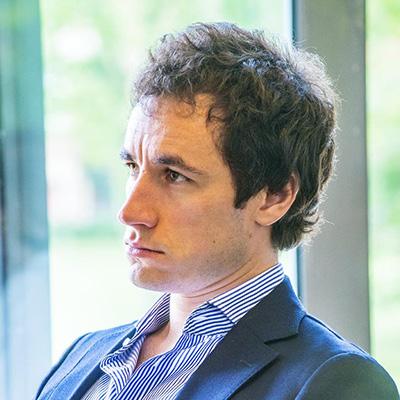
Andrew Zisserman is a Royal Society Research Professor at the University of Oxford's Department of Engineering Science, affiliated with the Visual Geometry Group (VGG). His research focuses on computer vision, artificial intelligence, and neural networks, with significant contributions to multimodal learning, video understanding, and 3D scene analysis. He leads projects exploring visual-language models, audio-visual synchronization, and clinical imaging applications. Key research areas include: Video analysis and temporal modeling Multimodal systems for sign language translation and action recognition 3D shape estimation and physical property inference Foundation models and cross-modal retrieval Recent work highlights: Developed Flamingo and Tapir models for video-language tasks Advancements in spinal MRI analysis and clinical imaging Leadership in EGO4D and VoxCeleb challenges Honors include Fellowship of the Royal Society (FRS) and the ISSLS Prize in Clinical Science 2023 for spinal analysis innovations. His lab collaborates globally, emphasizing real-world applications in healthcare and autonomous systems.
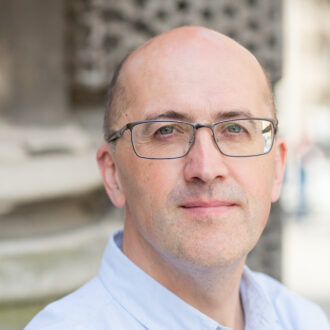
David John Procter is a Professor of Organic Chemistry and Head of the Department of Chemistry at the University of Manchester. His career includes academic roles at the University of Glasgow (Lecturer, Senior Lecturer) and a Readership at the University of Manchester, where he became a Professor in 2008. His research focuses on developing new synthetic methods, catalysis, and materials chemistry, with applications in drug discovery, biocatalysis, and organic electronics. Education: BSc Chemistry (University of Leeds, 1992), PhD (1995, supervised by Prof. Christopher Rayner). Postdoctoral work: Florida State University (Prof. Robert Holton, Taxol analog synthesis). Research interests include samarium diiodide-mediated reactions, metal-free coupling processes, and sustainable synthesis methods. He leads projects funded by EPSRC, Industry (30 grants), and international collaborations. Awards include the EPSRC Established Career Fellowship (2015–2020), Bader Prize (2014), and Young Heterocyclic Chemist Award (2015). Key contributions: Total synthesis of natural products (e.g., pleuromutilin), development of copper-catalyzed multicomponent couplings, and innovative methods for organic materials. His work aligns with UN Sustainable Development Goals related to affordable and clean energy and responsible consumption. Collaborations span academic and industrial partnerships in chemistry, physics, and biology. He supervises 60+ students and contributes to the Organic Materials Innovation Centre (OMIC). His group’s research is detailed at proctergroupresearch.com .
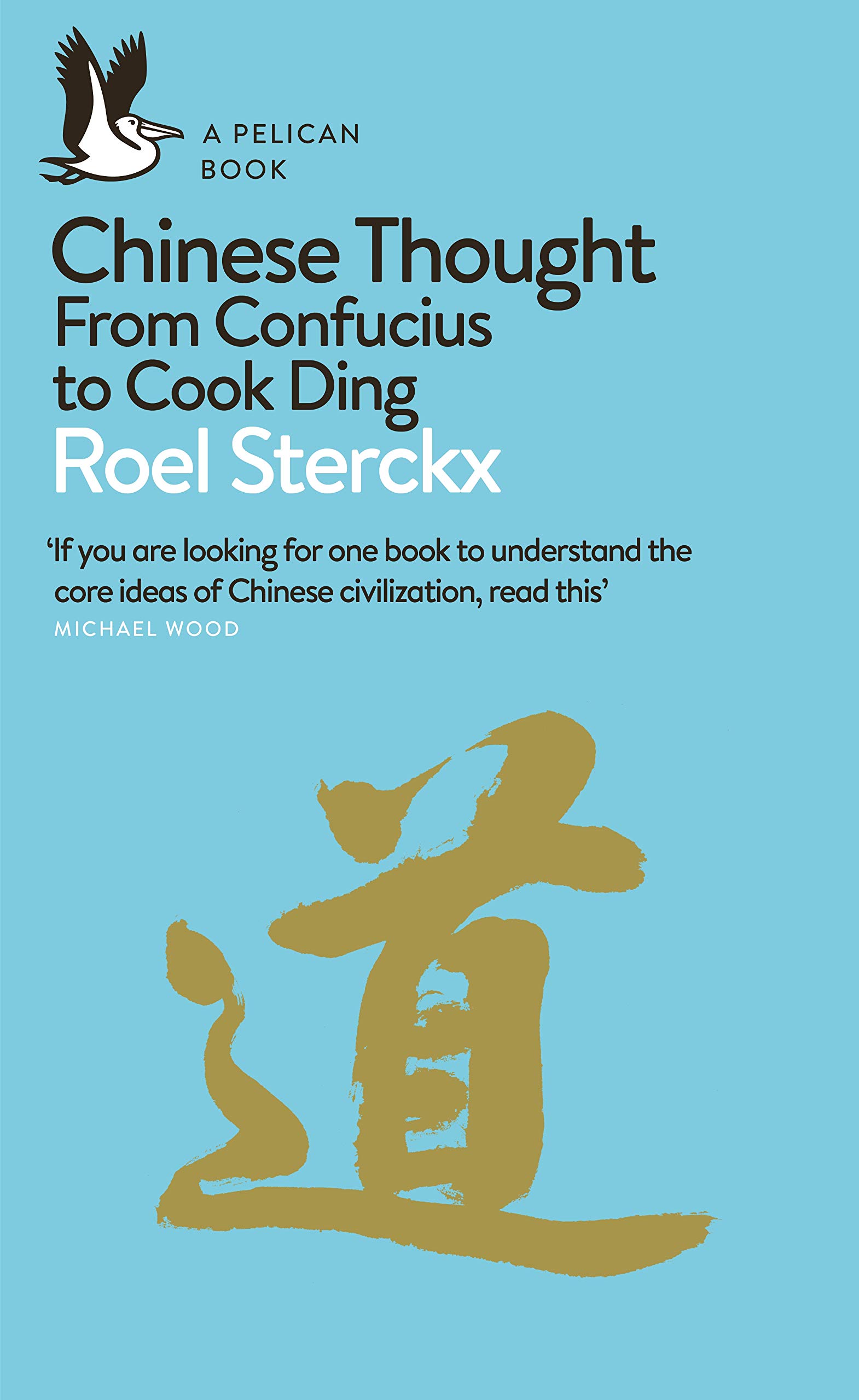
Professor Roel Sterckx is the Joseph Needham Professor of Chinese History, Science, and Civilization at the University of Cambridge, affiliated with Clare College. He specializes in pre-imperial and early imperial Chinese thought, classical Chinese language, and natural history. His research bridges anthropology and the history of science, focusing on topics like ritual, economic thought, and animal studies. He has authored influential books including Food, Sacrifice, and Sagehood in Early China and Animals through Chinese History . Sterckx is a Fellow of the British Academy (since 2013) and holds leadership roles at the Needham Research Institute. He supervises PhD students on subjects ranging from Warring States rhetoric to Han Dynasty apocrypha. Education: BA/PGCE in Sinology and History, Katholieke Universiteit Leuven Masters in Classical Chinese and Philosophy, National Taiwan University PhD in Chinese History, University of Cambridge Research Interests: Early Chinese cultural ecology, ritual economy, and the interplay of moral and material values. His work analyzes texts like the Rites of Zhou , Mozi , and Huainanzi , emphasizing agricultural thought and animal symbolism. Awards: British Academy Fellowship (2013) Grants and Labs: Directs the Cambridge-based Needham Research Institute, focusing on East Asian science and technology history. Current projects include studies on Han perceptions of southern regions and the economics of ritual in early China.
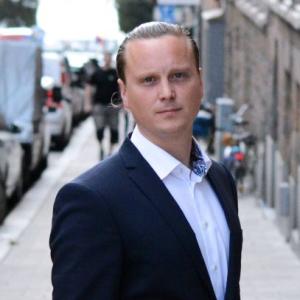
Dr. Johan P Larsson serves as a Lecturer in Economics and Public Policy within the Department of Land Economy at the University of Cambridge, concurrently holding a Fellowship and Director of Studies position in Land Economy. His academic profile bridges theoretical and empirical research in spatial economic phenomena, with emphasis on policy-relevant investigations of regional competitiveness and urban dynamics. His educational foundation includes: PhD from Jönköping University Dr. Larsson's research program centers on economic geography and regional science, specializing in urban economics and entrepreneurship. He examines how historical industrial structures, neighborhood effects, and policy interventions shape economic integration and innovation ecosystems. Methodologically, he combines quantitative analysis of large-scale datasets with natural experiments (e.g., pandemic-induced remote work) to isolate causal mechanisms in spatial economic processes. His recent publication trajectory (2021-2025) reveals consistent focus on three interconnected domains: evaluation of place-based policies (e.g., City Deals), analysis of the entrepreneurial state's role in innovation, and investigation of immigrant integration dynamics. These works predominantly utilize Scandinavian and English case studies while generating globally applicable theoretical insights, demonstrating methodological sophistication through spatial econometrics and policy counterfactuals. Recognition for his scholarly contributions includes: The JIBS Student Association’s Pedagogical Prize (2017) The Martin Beckmann Award from Regional Science International (2015) Jan Wallander scholar designation (2015) His teaching portfolio spans Microeconomics, Macroeconomics, Urban economics, and Applied statistics, reflecting his interdisciplinary expertise. While doctoral advisees aren't explicitly listed, his Director of Studies role indicates active undergraduate supervision within Cambridge's collegiate system. Current research appears focused on post-pandemic labor geography and mission-oriented innovation policy evaluation, though dedicated laboratories or formal research teams aren't mentioned in available materials.
Carla Edgley is a Professor of Accounting and Finance at Cardiff Business School, Cardiff University. She serves as Co-Director of the Cardiff Interdisciplinary Tax Research Group (CITRG) and is an Associate Editor of Critical Perspectives on Accounting Journal. Her professional affiliations include being a Fellow of the Institute of Chartered Accountants in England and Wales (ICAEW), a member of the Chartered Institute of Taxation Welsh Technical Sub-Committee, and former co-opted ICAEW Council member representing UK academia. Her research focuses on interdisciplinary social studies of accounting, with particular emphasis on diversity/gender studies, taxation, and the materiality concept. Drawing on critical theoretical frameworks including Foucauldian analysis, she examines power dynamics in accounting practices, professional identity formation, and the sociology of materiality as a reporting concept. Her work often bridges accounting with sociology, critical theory, and gender studies. Professor Edgley's recent publications demonstrate a clear trajectory toward critical perspectives on taxation and diversity in the accounting profession. Her work explores how diversity initiatives reshape professional identity and merit concepts within accounting firms, while her tax research investigates knowledge gaps and power dynamics in tax disclosures. The interdisciplinary nature of her scholarship is evident in her collaborations across multiple institutions and disciplines. Her scholarly contributions have been recognized through nominations for teaching excellence awards, including the 2024 Enriching Student Life Award nomination and Cardiff Business School's Teaching Excellence Award in 2013. As an educator, Professor Edgley teaches undergraduate courses in Taxation and Auditing, serving as module co-ordinator for multiple levels. She actively supervises PhD students in areas related to critical tax studies, diversity, inclusion, and professional identity in accounting. Her professional experience includes significant industry roles at PricewaterhouseCoopers and other organizations before transitioning to academia. Her research projects include 'Diversity and career progression in the accounting profession,' 'Ethical leaders of tomorrow' (funded by CPA Ontario), and 'Exploring public feeling in tax reform' (a Civic Mission research project funded by Cardiff University).
Marcos Cruz is Professor of Innovative Environments at The Bartlett School of Architecture, University College London (UCL), where he leads research in bio-integrated design. He runs Bio-ID with Dr. Brenda Parker, a multidisciplinary research platform investigating design driven by biotechnology, computation, materials, and fabrication. Previously, he served as Director of The Bartlett from 2010-2014 and founded the BiotA Lab (2014-2018). His academic career spans multiple institutions including University College London (where he ran MArch Unit 20 for 19 years), University of Westminster (2008-2010), UCLA (2010), and IAAC (2014-present). Professor Cruz holds a Licenciatura from ESAP Porto, a Masters with distinction from UCL, and a PhD from UCL (2007), sponsored by the Portuguese Foundation for Science and Technology. His doctoral research on 'Neoplasmatic Architecture' earned him the RIBA President's Research Award in 2008. He is a registered architect with both the Architects Registration Board (ARB) and the Portuguese Architecture Chamber. His primary research area is Bio-Integrated Design, which explores how biotechnology and computation can reshape our built environment in response to climate change. This work goes beyond using nature as inspiration; instead, it treats nature as the medium for a multi-layered design approach. His key research project, Poikilohydric Living Walls, investigates integrating growth systems directly on building facades using algae and mosses that can switch photosynthetic activity on and off without additional maintenance. Another significant research area is The Body in Architecture, which examines the relationship between human flesh and architectural flesh, proposing a 'thick embodied flesh' that creates truly inhabitable architectural interfaces. His recent publications demonstrate a strong progression toward integrating living systems directly into building materials and facades. The research spans from microbial to tectonic scales, with increasing focus on biomaterials, robotic fabrication, and sustainable design approaches that actively participate in urban ecosystems rather than merely responding to them. RIBA President's Research Award (2008) for 'Neoplasmatic Architecture' Multiple Best Unit awards at Bartlett Summer Show (awarded by Thom Mayne, Paul Finch, Richard Rogers, Claude Parent, and Ross Lovegrove) Work part of permanent collection at FRAC Orleans Exhibitions at Venice and São Paulo Biennales Professor Cruz has supervised numerous PhD students through UCL's Research-by-Design programme and currently directs the MArch/MSc in Bio-Integrated Design. His research has been supported by EPSRC and involves industrial partners including Laing O'Rourke, Pennine Stone Limited, and Amorim, with academic partners at UCL Biochemical Engineering, University of Coimbra, and IST Tomar. He co-founded MAM-ARCH London (formerly marcosandmarjan) in 2000, whose work has built buildings and pavilions, won international competitions including the Kunsthaus Graz, and been exhibited globally. His practice represents a significant bridge between architectural design and biological systems, positioning him at the forefront of bio-integrated architectural research.
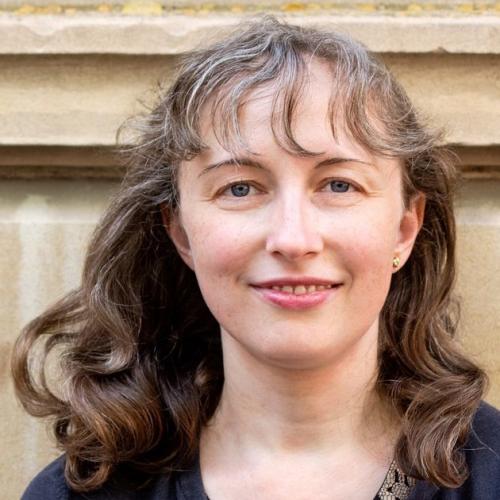
Professor Mary Augusta Brazelton is a Professor at the University of Cambridge's Department of History and Philosophy of Science and a Fellow of Jesus College. She serves as Director of Studies in Natural Sciences (History and Philosophy of Science) at Jesus College (on leave 2024-2025). Her academic work focuses on the history of science and medicine in modern China, with particular attention to global health, transportation technologies, and the intersection of science and state power. Education: BA (Harvard), MPhil and PhD (Yale). Awards include the 2020 Student-led Teaching Award and the 2019 Zhu Kezhen Senior Award. She is also a Trustee and Research Fellow of the Needham Research Institute and a Council member of the American Association for the History of Medicine. Her research explores topics such as mass vaccination policies in 20th-century China, Sino-French scientific collaborations, and the history of penicillin development. Current projects include studies on the Sino-French Institute in Lyon and transnational histories of civil aviation. Publications include Mass Vaccination: Citizens' Bodies and State Power in Modern China (2019) and China in Global Health: Past and Present (2023). She actively contributes to academic discussions through media engagements and international conferences.
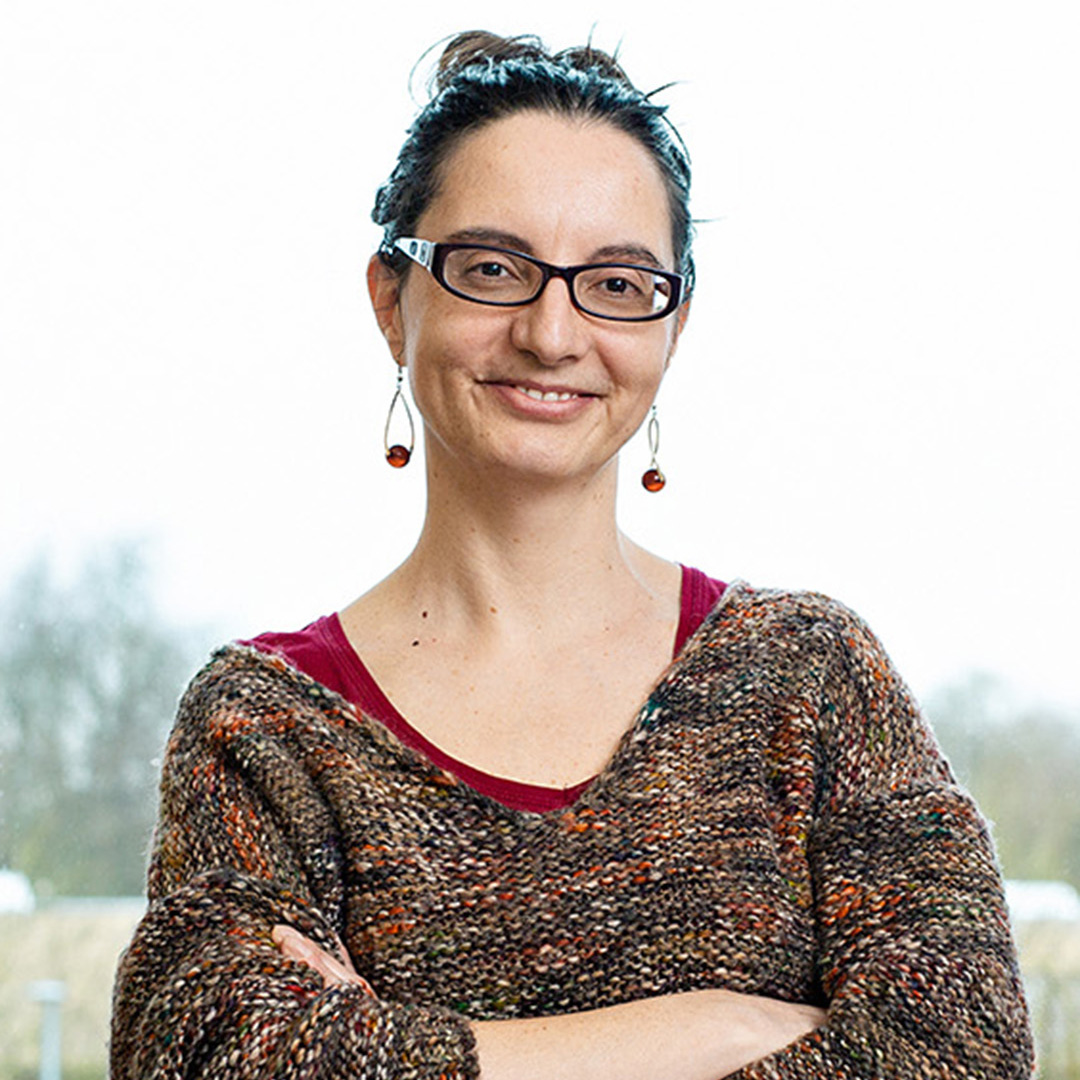
Cecilia Mascolo is a Professor of Mobile Systems at the University of Cambridge , specifically in the Department of Computer Science and Technology . She co-directs the Centre for Mobile, Wearable System and Augmented Intelligence and is a Fellow of Jesus College, Cambridge . Her research focuses on mobile systems , machine learning for mobile health , and earable technology . She has been awarded prestigious grants such as the ERC Advanced Research Grant (2019-2025) and the EPSRC Open Research Fellowship (2025-2030). Currently on sabbatical at Harvard University , her work bridges systems and machine learning for health applications. Education: PhD in Computer Science from the University of Bologna, Italy. Previous Affiliation: Faculty at University College London before 2008. Her research spans mobile and wearable systems for health and behavior monitoring, focusing on on-device machine learning , uncertainty-aware models , and audio-based diagnostics . Key areas include federated learning , edge computing , and respiratory disease progression analysis via wearables. She explores earable technology for physiological monitoring, gait analysis, and even toothbrushing tracking using in-ear sensors. Her recent publications highlight advancements in earable-based health monitoring , including heart rate estimation , respiratory rate detection , and ECG analysis using machine learning. She emphasizes longitudinal health data from consumer devices, advocating for scalable diagnostics beyond traditional clinical standards. Scientific Awards: ERC Advanced Research Grant EPSRC Open Research Fellowship Best Paper Award - IEEE Percom 10-Year Impact Award - ACM Ubicomp Computer Laboratory Ring Hall of Fame Best Paper Award Student: Andrea Ferlini - ACM SIGMOBILE Doctoral Dissertation Runner-up She leads the Mobile Systems Research Laboratory , mentoring a team of 15 researchers (postdocs and PhD students), and has graduated over 25 PhD students. Her teaching includes Mobile Health courses at the University of Cambridge, and she serves as Director of Studies for Computer Science at Jesus College.
Sam Parkinson is a Research Fellow at Aston University's College of Engineering and Physical Sciences. He holds a PhD in Polymer Chemistry from the University of Leeds (2016–2020). His research focuses on advanced polymer materials, particularly in the areas of self-assembly, nanoparticle synthesis, and continuous flow processes. Key contributions include developing methods for 2D platelet formation via accelerated seed mechanisms and enhancing scalability of crystallization-driven self-assembly using flow reactors. Research interests span polymer synthesis, nanomaterials, and their applications in fields like biomaterials and agriculture. Recent work emphasizes tunable nanoparticle behavior and chemosensor design for biofluid analysis. Parkinson collaborates internationally and actively supervises PhD students in these areas. Publications highlight innovations in polymerization-induced self-assembly, flow chemistry, and material characterization. No scientific awards are explicitly listed, but his work has been cited in high-impact journals like Nature Synthesis and Macromolecules .
Dr. Alastair Key serves as Director of Studies in Archaeology and Official Fellow in Archaeology at Queens' College, University of Cambridge. His research bridges Paleolithic archaeology, stone tool technology, and hominin behavioral evolution through experimental and computational approaches. Director of Studies and Official Fellow at Queens' College, Cambridge Specializes in Paleolithic stone tool analysis, Acheulean technology, and hominin adaptation Conducts experimental archaeology and computational modelling to assess tool functionality Key's research focuses on Acheulean handaxe production , lithic microwear patterns , and ergonomic constraints in prehistoric tool use . He has extensively published on topics including glacial-stage hominin occupations , Oldowan toolmakers , and machine learning applications to archaeological analysis . His recent publications (2025-2023) span diverse subfields: Acheulean chronology , hominin tool use biomechanics , experimental projectile testing , and computational morphometric methods . The work often integrates multidisciplinary datasets and open-source analytical tools to address fundamental questions about human technological evolution. Current research directions include stone tool sharpness quantification , handaxe social signaling potential , and cross-species tool use comparisons through primate studies.
Dr. Hester Lees-Jeffries is a University Associate Professor at the University of Cambridge and Fellow of St Catharine's College, where she serves as Director of Studies in English. She earned her BA and MA (Hons.) from the University of Canterbury, New Zealand, before completing her PhD at Cambridge as a Commonwealth Scholar. Her academic career includes a Research Fellowship at Magdalene College (2003-2006) and ongoing fellowship at St Catharine's since 2006. Her research focuses on Shakespeare and early modern literature, with particular expertise in performance studies, visual culture, and material textuality. She investigates topics including Renaissance textiles, costume semiotics, garden symbolism, and material objects in literature. Her interdisciplinary approach connects literary analysis with cultural history and performance theory. Lees-Jeffries maintains an active publication record with scholarly works spanning Shakespearean criticism, material culture studies, and Renaissance literature. Her research demonstrates consistent focus on textual materiality, performance interpretation, and interdisciplinary methodologies bridging literary analysis with visual and material culture. Her forthcoming publications include monographs on textile symbolism in Shakespeare and an introduction to Shakespeare's histories. Honors and Awards: Commonwealth Scholarship Research Fellowship, Magdalene College (2003-2006) Fellowship, St Catharine's College (since 2006) She coordinates exhibitions for the Centre for Material Texts and regularly contributes to Shakespeare Survey as London theater reviewer. Her innovative #SlowShakespeare projects provide daily literary analysis of Shakespeare's plays through social media platforms.
Ivano Cardinale is a Professor and Head of the Institute of Management Studies at Goldsmiths, University of London. He previously held a Junior Research Fellowship at Emmanuel College, Cambridge, and has been a Visiting Fellow at Clare Hall, Cambridge. He founded and directs the Structural Economic Analysis Unit and serves as Editor-in-Chief of Structural Change and Economic Dynamics . PhD, University of Cambridge 2022 Feltrinelli Giovani Prize for Social Sciences (Italy's top award for researchers under 40) 2019 Guest Faculty, Learning Innovation Laboratory, Harvard University His research in Structural Political Economy examines how material, social, and cognitive structures shape economic conflicts and policy outcomes. Key areas include institutional theory, industrial dynamics, and energy transition frameworks. He analyzes systemic interests, sectoral conflicts, and structural conditions through theoretical and empirical studies. Recent publications explore gas market vulnerabilities in EU energy policy, Pasinetti's institutional theory, and networked economic structures. His work appears in Structural Change and Economic Dynamics , Energy Economics , and Cambridge Journal of Economics . Scientific awards include: 2022: Feltrinelli Giovani Prize (Social Sciences) 2019: Political Economy Research Fellowship (ISRF) 2016: Life Membership, Clare Hall, Cambridge He contributes to academic governance through editorial roles and co-edited major handbooks including The Palgrave Handbook of Political Economy (2018) and The Political Economy of the Eurozone (2017).
Dr. Jingyun Wang is an Assistant Professor in the Department of Computer Science at Durham University. Previously, she held an Assistant Professor position at Kyushu University, Japan. Her primary affiliations include the Centre for Neurodiversity & Development and the Artificial Intelligence and Human Systems Group (AIHS), as well as the Pedagogical Innovation in Computer Science Group (PICS). She is a Fellow of the Higher Education Academy and has led or contributed to research projects funded by JSPS, JST, NICT, Innovate UK, and industry partners. Her research focuses on AI-driven educational technologies, including AI-based feedback systems, computational thinking education, game-based learning, and ontology techniques. She actively contributes to editorial boards (e.g., Computers & Education: Artificial Intelligence ) and serves as a conference chair for AIED, ICCE, and LTLE. Current research includes adaptive learning systems for mathematics education, serious games for cybersecurity training, and visualization tools for e-learning. Her scientific contributions span over 50 peer-reviewed publications, with recent work emphasizing learning analytics, multimodal systems, and digital health interventions. She advises multiple PhD students and mentors in professional recognition pathways. Key projects include developing the BETTER speech training system, the MEMORABLE cybersecurity game framework, and ontology-based language learning platforms.
The Courtauld Institute of Art, University of LondonUnited Kingdom
Antony Eastmond is the Acting Executive Dean and Deputy Director at The Courtauld Institute of Art, holding the AG Leventis Professorship in Byzantine Art. He leads academic strategy across departments including History of Art, Conservation, and Public Engagement. His research focuses on Byzantine art and the Caucasus, exploring cultural interchange between Christian and Islamic worlds. Eastmond studied History at Oxford before completing an MA and PhD in Byzantine Art at The Courtauld, specializing in medieval Georgian art. His research interests include art’s role in identity formation, frontier regions, and inscription studies. Notable grants include the Getty Foundation’s Connecting Art Histories network and a Leverhulme Major Research Fellowship. Eastmond has supervised numerous PhD students, many focusing on medieval Georgian, Byzantine, and Armenian art. Key publications include Tamta's World (2017) and Art and Identity in Thirteenth-Century Byzantium (2004). He has edited volumes on Byzantine-Trebizond relations and medieval inscriptions, reflecting his commitment to interdisciplinary research. Eastmond’s work bridges art history with archaeology, emphasizing material culture’s role in understanding historical narratives.
Professor Hing-Ho Tsang is the Chair in Civil and Structural Engineering at the University of Dundee, with over a decade of academic experience in Australia and Hong Kong. His research focuses on advancing sustainable infrastructure solutions, earthquake resilience, and green technologies to enhance building and infrastructure safety against natural disasters. He holds a Chartered Professional Engineer (CPEng) certification and advises governments and industries on building codes and seismic design guidelines. Tsang chairs the Global Network for Geotechnical Seismic Isolation (GSI) and serves as the Australian National Delegate to the International Association for Earthquake Engineering (IAEE). His expertise spans geotechnical seismic isolation, recycled materials in construction, and structural dynamics, contributing to UN Sustainable Development Goals (SDGs) like resilient infrastructure, circular economy, and climate action. With over 200 publications and a career-long impact ranking in Civil Engineering, Tsang has received prestigious awards including the R W Chapman Medal and Research Impact Award. Research Focus: Seismic design, sustainable construction, bio-inspired materials, and geotechnical isolation systems. Awards: Top Cited Article (2021–2022), Teaching Excellence Award (2022), and multiple international recognitions. Leadership Roles: Editorial board member for Geosynthetics International , organizer of the 18th World Conference on Earthquake Engineering technical session. His work emphasizes equity-driven engineering solutions, fostering inclusive and disaster-resilient communities. Current projects include innovative modular building systems and AI-driven seismic response models.