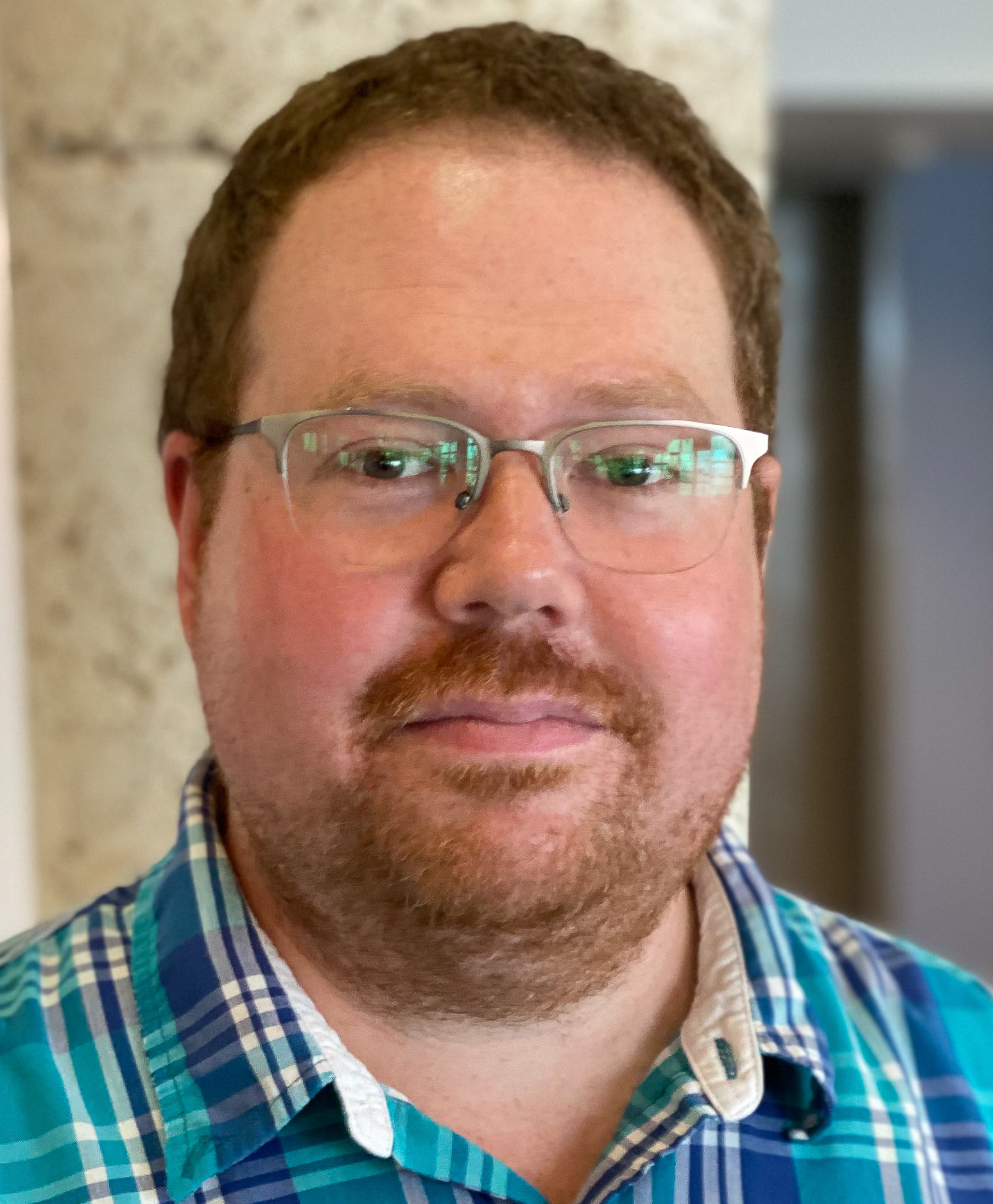
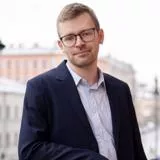
Robin Carpentier is a Research Fellow at the School of Computing, Macquarie University . His work focuses on Data Privacy , Information Management , and Hardware Security , particularly in developing secure personal data management systems using Trusted Execution Environments (TEE) and SGX technology. Research Interests : Secure data processing with third-party code Privacy-preserving computation frameworks Hardware-based security for databases Dimensionality challenges in text privacy Resource-constrained privacy-preserving methods Recent Publications Trends : Robin's research over the past decade has explored data leakage mitigation, TEE-optimized database operations, and privacy-preserving mechanisms for large-scale data applications. His 2024 work extends these principles to secure AI/LLM interactions and advanced text privacy techniques.
Asadul Islam is a Professor at the Department of Economics at Monash University and serves as Director of the Centre for Development Economics and Sustainability (CDES). He is also a Chief Investigator for the Australian Research Council (ARC) Centre of Excellence for the Elimination of Violence Against Women (CEVAW) and holds an Adjunct Fellow position at BRAC International in Bangladesh. Professor Islam's research spans Development Economics and Demography, with specific focus on early childhood and primary education, health economics, gender studies, social networks, technology adoption, energy economics, microfinance, small and medium enterprises, and risk-sharing mechanisms. His work consistently connects academic research with real-world policy implications, particularly for developing countries. His recent publications reveal strong trends in field-based experimental research, particularly randomized controlled trials conducted across South and Southeast Asia. His work frequently addresses gender-related issues, educational interventions, health outcomes, and energy consumption patterns in developing contexts, with Bangladesh serving as a primary research location. The interdisciplinary nature of his work bridges economics, public health, and development studies. Outstanding AJAE Article Award (2023) Professor Islam has secured substantial research funding from major international organizations including the UK ESRC, Australian Research Council (ARC), International Growth Centre (IGC), Department of Foreign Affairs and Trade (DFAT)/AusAID Australia, UK Foreign Aid (FCDO), World Bank, Asian Development Bank, and European Union. His research projects often involve multi-country collaborations across Bangladesh, India, Nepal, Pakistan, China, Indonesia, Fiji, Vietnam, Philippines, Sri Lanka, Uganda, Tanzania, and Cambodia. He actively supervises PhD students and engages with policymakers to translate research findings into practical development interventions. His leadership extends to directing the Centre for Development Economics and Sustainability, which serves as a hub for development-focused research, and his involvement in the ARC Centre of Excellence for the Elimination of Violence Against Women demonstrates his commitment to addressing critical social issues through interdisciplinary research teams.
Professor Mitch Duncan is a Professor of Public Health in the School of Medicine and Public Health at the University of Newcastle, Australia. His research focuses on understanding how patterns of physical activity and sleep influence health outcomes, and developing digital technology interventions to help people be more physically active and sleep better. Professor Duncan's work is supported by a prestigious NHMRC Career Development Fellowship, and he has published over 170 papers while securing more than $9 million worth of research funding. Professor Duncan earned his PhD from the University of Central Queensland, a Bachelor of Health & Human Performance (Honors) in Human Movement Science from the University of Central Queensland, and a Master of Medical Statistics from the University of Newcastle. His educational background has provided a strong foundation for his interdisciplinary research approach that bridges physical activity, sleep science, and digital health interventions. Professor Duncan's research centers on two key areas: (1) understanding how physical activity and sleep work together to influence health outcomes, and (2) developing and testing interventions to improve these behaviors. His unique approach focuses on the combination of these two behaviors rather than examining them separately. Much of his intervention work uses technologies such as mobile devices and the internet to deliver the interventions, including the development of a smartphone app that has been used by over 20,000 people internationally through the 'Balanced' intervention program. Analysis of his recent publications reveals a strong trend toward multi-behavioral interventions that address both physical activity and sleep simultaneously, often leveraging mobile and web-based platforms to deliver personalized interventions at scale. Professor Duncan has received several prestigious awards for his research, including: National Heart Foundation Queensland Researcher of the Year Australian Institute of Policy & Science Queensland Young Tall Poppy Award He also holds a competitive NHMRC Career Development Fellowship, which supports his ongoing research into physical activity and sleep behaviors. Professor Duncan has been highly successful in securing research funding, with more than $9 million in grants from major organizations including the National Health and Medical Research Council (NHMRC), Australian Research Council (ARC), National Heart Foundation, and Queensland Government. His research program has involved mentoring numerous students and early-career researchers. Professor Duncan serves on the Editorial Boards of the Journal of Physical Activity and Health and the Journal of Activity, Sedentary and Sleep Behaviors, contributing to the scholarly community in his field. Professor Duncan leads the development and implementation of evidence-based digital interventions like the 'Balanced' program, which has reached over 20,000 users internationally. His work often involves collaborations with researchers across multiple institutions and disciplines, reflecting the interdisciplinary nature of his research on physical activity, sleep, and health. Current projects include investigations into the impact of breaking up prolonged sitting on sleep architecture, app-based interventions for shift workers, and multi-behavioral approaches to improving postnatal mental health.
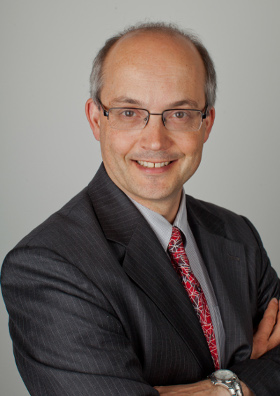
Tim Conway is an Associate Professor in the Chemical Oceanography department at the University of South Florida's College of Marine Science, where he leads research on trace metal biogeochemistry and isotope geochemistry. His work focuses on the role of micronutrients and toxins in marine biogeochemical cycles, utilizing advanced instrumentation like MC-ICPMS and HR-ICPMS to analyze trace metals across diverse marine environments including aerosols, sediments, and seawater. He actively contributes to the International GEOTRACES program and serves as Associate Editor for Geochimica et Cosmochimica Acta. Dr. Conway earned his Ph.D. from the University of Cambridge in 2010. His research spans trace metal cycling of iron, zinc, nickel, cadmium, and copper, with emphasis on isotopic tracers to understand sources (e.g., sediments, aerosols, hydrothermal vents), transport mechanisms, and biological utilization. Key environments include polar oceans, continental shelves, and open-ocean transects, addressing critical questions about micronutrient supply to phytoplankton and implications for the global carbon cycle. Analysis of his 15 most recent publications reveals dominant themes in trace metal isotopes within GEOTRACES frameworks, with growing focus on anthropogenic impacts and polar biogeochemistry. His work spans Pacific, Southern, and Atlantic Oceans, examining sedimentary sources, atmospheric deposition, and hydrothermal inputs. Recent studies increasingly integrate multi-element approaches and explore climate-relevant processes like iron limitation in high-nutrient regions. Dr. Conway currently leads NSF-funded projects on trace metals in the North/South Pacific (GEOTRACES sections GP17-OCE, GP21, GP11), Amundsen Sea (GP17-ANT), and West Florida Shelf nutrient cycling. His group actively recruits graduate students and postdocs for collaborative research involving national and international partners. NSF-funded projects on North/South Pacific trace metals (GP17-OCE, GP21, GP11) Amundsen Sea biogeochemistry (GP17-ANT) West Florida Shelf nutrient dynamics He directs the Marine Metal Isotope and Trace Element lab at USF, equipped with Thermo Neptune Plus MC-ICPMS and Element XR HR-ICPMS. The lab supports GEOTRACES intercalibration efforts and develops novel methods for trace metal isotope analysis, maintaining strong collaborations with global oceanographic institutions to advance understanding of marine elemental cycles.
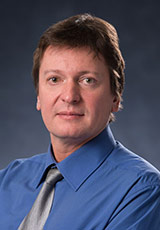
Denny Yu is an Associate Professor at the Edwardson School of Industrial Engineering, Purdue University. His work bridges human factors, neuroergonomics, and healthcare safety through advanced sensor systems and AI. Primary Affiliation : Edwardson School of Industrial Engineering, Purdue University Research Themes : Surgical ergonomics, autonomous vehicle human factors, cognitive workload assessment, multimodal physiological sensing Dr. Yu's research focuses on neuroergonomics and human-robot interaction , particularly in surgical and transportation contexts. His team develops sensor-based systems for workload monitoring, including: EEG-eye tracking fusion for situation awareness Wearable exoskeletons for surgical posture support Computer vision tools for lifting task risk analysis Smart infusion pump usability frameworks AI-driven surgical coaching systems Recent publications emphasize deep learning applications in soft tissue deformation estimation and real-time adaptive systems for robotic surgery augmentation. His work spans both occupational health (veterinary surgeons, airport workers) and medical device innovation domains.
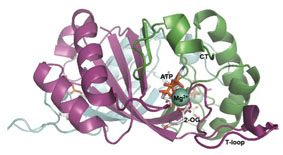
Karl Forchhammer is a full Professor at the University of Tübingen , chairing the Department of Microbiology/Organismic Interactions within the Interfaculty Institute of Microbiology and Infection Medicine Tübingen (IMIT) . He received his education at Ludwig-Maximilians-Universität München, earning a Doctorate in Microbiology with a thesis on selenocysteine biosynthesis in Escherichia coli , for which he received the VAAM Promotionspreis in 1992. His academic career includes a postdoctoral fellowship at the Institut Pasteur and associate professorship at the Justus-Liebig-Universität Giessen (1999-2007). Current Roles: Chair of Microbiology/Organismic Interactions, University of Tübingen Editor for FEBS Journal Scientific Advisory Board member, Max Planck Institute for Terrestrial Microbiology DFG panel member (Microbiology, Virology, Immunology) His research focuses on: PII Signal Transduction Proteins : Molecular mechanisms of 2-oxoglutarate sensing, ATP/ADP binding dynamics, and regulatory roles in carbon-nitrogen balance across bacteria, archaea, and chloroplasts. Nitrogen Starvation Response : Molecular basis of chlorosis in Synechocystis and Synechococcus species, including nblA gene regulation and sodium bioenergetics during dormancy. Metabolic Engineering Applications : Development of FRET sensors for metabolite detection and optimization of polyhydroxybutyrate (PHB) production in cyanobacteria. Carbon Regulation Systems : Structural analysis of SbtB redox-sensitive loops, c-di-AMP signaling in diurnal metabolism, and PirC-mediated phosphoglycerate mutase inhibition. Technological Innovations : Creation of SCAGE method for cyanobacterial transport and development of magnetic bead immunoassays for SARS-CoV-2 detection. Scientific contributions include: Discovery of plant kingdom's first glutamine sensory mechanism through PII evolution Elucidation of PII-NAGK functional conservation over 1.2 billion years Identification of 2-oxoglutarate binding site in PII proteins Demonstration of sodium bioenergetics' critical role in cyanobacterial developmental transitions Development of metabolite FRET sensors for real-time metabolic monitoring Establishment of PHB production platforms without nitrogen starvation His lab has trained 15+ PhD students and 3+ PostDocs, with collaborations spanning microbial biotechnology, structural biology, and environmental systems. Recent publications highlight: 2025 work on natural microbial community-enhanced bioplastic production 2024 structural studies of PII-regulated enzymes 2023-2024 investigations into glycogen metabolism and redox regulation 2022-2023 studies on c-di-AMP signaling and toxin-antitoxin systems
Erik Schlogl is a Professor in the School of Mathematical and Physical Sciences at the University of Technology Sydney (UTS), Australia, with a focus on Financial Mathematics and Quantitative Finance. He previously held academic appointments at UTS Business School and the School of Finance and Economics at UTS, as well as the School of Mathematics at UNSW Australia and the University of Bonn, Germany. He received a Doctorate in Economics from the University of Bonn, Germany (1992–1997), specializing in term structure models and the pricing of fixed income derivatives. His research spans quantitative finance, including model calibration, interest rate term structure modeling, credit risk, and the integration of multiple sources of risk. He has published in journals such as Finance and Stochastics , Quantitative Finance , Risk , and Journal of Economic Dynamics and Control . Erik's recent work includes a 2021 publication in Risks on parameter learning and change detection using a particle filter incorporating genetic algorithms. This aligns with his expertise in computational financial engineering and practical implementation of quantitative finance models. Scientific Awards & Recognition : Highly Commended in the Gerald Durrell Award for Endangered Wildlife (2002) by the Natural History Museum/BBC Wildlife Photographer of the Year competition. He is available for media inquiries and supervises Masters/PhD students in quantitative finance research. Erik also co-organizes the Quantitative Methods in Finance (QMF) conference and chairs the Sydney Financial Mathematics Workshop (SFMW).
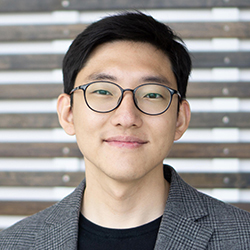
Junsoo Kim is an Assistant Professor of Mechanical Engineering at Northwestern University, leading the Soft Matter Mechanics Lab . His research focuses on understanding mechanics in soft materials, identifying theoretical limits of their properties, and designing molecular structures for applications in robotics, biomedical devices, and polymer pollution solutions. He holds a PhD from Harvard University and undergraduate/graduate degrees from Seoul National University. Research Interests : The lab investigates soft materials' mechanical behavior, with emphasis on hydrogels, polymer networks, and fatigue resistance. Key applications include biomedical devices and sustainable materials. Recent work has explored hydrogel elasticity, fracture mechanics in polymers, and chemical pumps for energy systems. Awards : 2023 Hanwha Non-Tenure Faculty Award Kavli Frontiers of Science Fellow (2023) Scialog Fellow (2023) Teaching : Undergraduate: Solid Mechanics, Thermodynamics Graduate: Fracture Mechanics, Soft Materials His publications span Nature , Science , and Advanced Materials , addressing topics like fatigue-resistant polymers and hydrogel design. The lab emphasizes translational research bridging fundamental science and engineering applications.
Hossein Amini is a Lecturer in Data Analytics at Olin Business School, Washington University in St. Louis. He holds a Ph.D. in Data Science from Kansas State University (2019), an MS (2015), and a BS in Computer Engineering from Khaje Nasir Toosi University of Technology (2007). His research focuses on applying machine learning to healthcare and manufacturing, including predictive analytics for diseases like breast cancer and adverse drug reactions, as well as process monitoring in additive and semiconductor manufacturing. Education: Ph.D. in Data Science, Kansas State University, 2019 MS in Data Science, Kansas State University, 2015 BS in Computer Engineering, Khaje Nasir Toosi University of Technology, 2007 Research Interests: Hossein’s work spans machine learning applications in multistage industrial processes (e.g., 3D metal printing), medical decision support systems, and predictive modeling for healthcare and manufacturing. He emphasizes data-driven solutions for resource optimization, sustainability, and crisis management. Teaching: He instructs graduate courses in SQL (DAT560G) and Big Data Analytics (DAT560M) at Olin Business School. Publications Trends: His publications address emergency response systems, sustainable architecture design, industrial process monitoring frameworks (e.g., MLCPM), medical decision-making under uncertainty, and knowledge management failure analysis using fuzzy logic. Recent work emphasizes real-world applications of machine learning in critical sectors. Professional Activities: No grants or awards explicitly listed. He actively reviews electronic gadgets and engages in academic reviewing.
Fardina Alam is a Lecturer in the Department of Computer Science at the University of Maryland, College Park. She holds a Ph.D. from George Mason University (2023), where she specialized in Structural Bioinformatics and Machine Learning. Her academic rank reflects UMD's Professional Track Faculty, equivalent to an Assistant Professor of Teaching. Dr. Alam's research focuses on deep learning applications in protein structure prediction, generative AI, and ethical data practices. She has contributed to projects funded by an NSF FET Grant (#1900061) and published in journals like Biomolecules. Awards include the 2023 Outstanding Dissertation Award and 2022 Editor's Choice Article recognition. Education: Ph.D. (Computer Science, George Mason, 2023); M.S. (Computer Science, George Mason, 2019); B.S. (Computer Science and Engineering, Military Institute of Science and Technology, Bangladesh, 2013). Her teaching emphasizes data science ethics and interdisciplinary applications, including a new course for UMD's Data Science minor. Professional roles include Associate Guest Editor at Bioinformatics Advances (2024), Faculty Advisor to the Bangladeshi Graduate Student Association, and Program Co-Chair for the ACM-BCB Computational Structural Bioinformatics Workshop (2023). Research Interests: Structural Bioinformatics, Generative AI, Responsible AI Ethics, Deep Learning, Machine Learning, and Data Science. Her work bridges computational biology and AI, with a focus on equitable data practices and protein structure analysis. Recent projects address challenges in generating physically-realistic protein structures and improving question-answering systems through equitable data strategies. Awards: Recipient of the 2023 Outstanding Dissertation Award (George Mason University), 2023 Best Paper Award, and 2022 Biomolecules Editor's Choice Article. These accolades highlight contributions to protein structure prediction and bioinformatics methodology. Advising & Grants: NSF FET Grant #1900061 supported her computational biology research. She advises the Nobanno graduate student group and chairs workshops in her field. Her teaching and research aim to promote inclusivity, particularly for underrepresented groups in STEM. Labs/Teams: Active contributor to the Computational Biology Lab at George Mason University and collaborates with UMD's interdisciplinary teams on data ethics and AI applications. Her work aligns with UMD's vision for data-driven education and innovation.
Dr Maxim Alyukov is a Research Fellow at the University of Manchester's Department of Russian and East-European Studies, focusing on political communication and media in authoritarian contexts, particularly Russia. He holds a PhD in Social Sciences from the University of Helsinki and an MA in Sociology from the European University at Saint-Petersburg. Previously, he was a postdoctoral fellow at King’s Russia Institute (2021-2023), remaining a research associate there. His work explores how citizens process political information in autocracies, leveraging mixed methods like experiments and computational analysis. Research Interests: Alyukov investigates media reception in hybrid systems, propaganda adaptation, and political cognition. His current Leverhulme Trust-funded project examines how authoritarian regimes exploit citizen reflexivity in saturated media environments. Publications and Media: His work appears in journals like Political Communication, Nature Human Behaviour, and Qualitative Psychology. He frequently contributes to non-academic media (BBC, Al Jazeera, NYT) and public discourse on Russian politics and information warfare. Key themes in his articles include propaganda strategies, media credibility, and conflict narratives in authoritarian settings. Labs and Affiliations: He is part of the Public Sociology Laboratory (comparing post-Soviet politics) and the International Panel on the Information Environment (analyzing global information threats). His expertise spans UN Sustainable Development Goals related to informed societies and democratic governance.
Abey Campbell is an Assistant Professor in Computer Science at the School of Computer Science, University College Dublin. He holds roles such as Deputy Programme Director for Computer Science, Director of UCD VR Lab, and 1st Year Stage Coordinator. His research focuses on Augmented Reality (AR), Virtual Reality (VR), Mixed Reality (MR), and Multi-Agent Systems with applications in education, healthcare, and human-computer interaction. Campbell has coordinated modules like Augmented and Virtual Reality, Computer Graphics, Game Development, and Mobile Computing. He earned his BSc and PhD in Computer Science from University College Dublin. His work explores touchless interaction technologies, machine learning agents in STEM education, and ethical implications of emerging technologies. Notable contributions include RenderKernel for real-time rendering systems and studies on AR's role in decision support systems. Campbell has secured a grant from Enterprise Ireland for collaborative design documentation and participates in professional activities like peer reviewing for Frontiers in Virtual Reality and IEEE conferences. His collaborative projects include developing AR tools for veterinary training and evaluating immersive VR experiences in nursing education. The UCD VR Lab under his direction focuses on applied research in spatial computing and interactive systems.
Yevgen Biletskiy is a Professor in the Department of Electrical and Computer Engineering at the University of New Brunswick (UNB), Fredericton. His academic roles include serving as Co-Director of the RuleML Initiative and Program Co-Chair of RuleML-2007. He holds a Ph.D. and is a licensed Professional Engineer (P.Eng.) in New Brunswick. His teaching spans graduate and undergraduate courses in software engineering, digital systems, and power electronics, including EE 6263 (Knowledge Representation for Software Engineering) and EE 6213 (Advanced Digital Systems). Research Interests: His work focuses on Knowledge-Based Systems , Artificial Intelligence , Semantic Web , Information Extraction , FPGA-based Design , and Renewable Energy . He has supervised over 40 graduate and undergraduate students, including 3 active PhD candidates, 1 completed PhD, 9 Masters, and 30+ research-based Bachelors. Publications: Over 100 peer-reviewed articles, including recent contributions on smart grid optimization, fault diagnosis in power electronics, and ontology-driven systems. Notable works include frameworks for semantic interoperability, rule-based learning systems, and FPGA applications. Professional Activities: Served as a reviewer for NSERC grants, IEEE journals (e.g., TKDE, TE), and conferences (CDC, WTAS). He has chaired tracks at international conferences and contributed to industry partnerships through consulting roles with firms like Netsphare Solutions and Vox Interactif. Labs/Teams: Active in UNB’s research initiatives involving power systems, semantic web technologies, and e-learning systems. His lab collaborates on projects like SEMESIS (semantic search systems) and advanced manufacturing post-processing techniques.
Alessandro Arsie is a Professor and Graduate Program Director in the Department of Mathematics and Statistics at the University of Toledo's College of Natural Sciences and Mathematics. His research focuses on mathematical physics, differential geometry, dynamical systems, and control theory, with notable contributions to F-manifolds, integrable systems, and geometric mechanics. He has authored over 50 publications in prestigious journals like Communications in Mathematical Physics and Nonlinearity . His work often bridges pure mathematics and applied fields, such as robotics and ecology. Key research interests include the geometry of Hamiltonian systems, bifurcation analysis in predator-prey models, and the interplay between algebraic structures (e.g., F-manifolds) and integrable hierarchies. He has explored topics like collision dynamics in celestial mechanics and optimization in multi-agent robotic networks. Dr. Arsie’s recent articles emphasize geometric approaches to differential equations and the application of advanced mathematical techniques to real-world systems. He collaborates with researchers in robotics and theoretical physics, reflecting his interdisciplinary expertise.
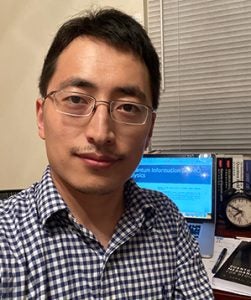
Wenchao Ge is an Assistant Professor in the Department of Physics at the University of Rhode Island . Previously, he held faculty positions at Southern Illinois University (2020–2022) and was a postdoctoral researcher at institutions including Texas A&M University and the U.S. Army Research Lab. He earned his Ph.D. in Physics from Texas A&M University (2015) and a B.S. in Applied Physics from Xi’an Jiaotong University (2009). His research focuses on theoretical quantum optics and quantum information science , with emphasis on quantum sensing, quantum computing, and quantum communication. His group explores fundamental limits of quantum mechanics for information processing, including protocols for multi-parameter sensing, parametric amplification in trapped-ion systems, and quantum resource theories. He leads the Ge Quantum Theory Group , which collaborates with experimentalists to advance quantum technologies. Research interests: Quantum metrology, quantum computing, trapped-ion systems, and optomechanical systems. Notable achievements: Developed protocols for Heisenberg-limited quantum sensing and quantum-enhanced entangling gates. Published in Nature Physics , Phys. Rev. Lett. , and Phys. Rev. A . Teaching: Courses on quantum entanglement and quantum information science. He has received grants from NSF (ExpandQISE and quantum sensing programs) and the SIU Open Textbook Initiative. He was elected Secretary/Treasurer of the APS New England Section (2023) and actively participates in international conferences and quantum education initiatives. His group advises graduate and undergraduate students on projects spanning theoretical and applied quantum physics, including summer internships and capstone research.