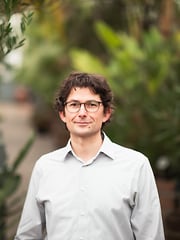
David Nouya Zaya is an Associate Research Scientist in the Department of Botany at the University of Illinois, affiliated with the Illinois Natural History Survey. His work bridges plant genetics, conservation biology, and ecological modeling, focusing on rare and invasive plant species. Research Interests: Plant genetics and hybridization Conservation of endangered species Impact of invasive species on ecosystems Phenology and climate change Ecological modeling and data validation Recent Publications highlight trends in invasive shrub detection via LiDAR, genetic diversity studies in endemic plants, and long-term phenological shifts linked to climate change. His contributions span peer-reviewed journals in Urban Forestry , Ecology and Evolution , and Natural Areas Journal . Collaborations include partnerships with Brenda Molano-Flores, Greg Spyreas, and others, emphasizing field validation, conservation planning, and ecological data analysis. No scientific awards or student advisories are documented in the provided data.
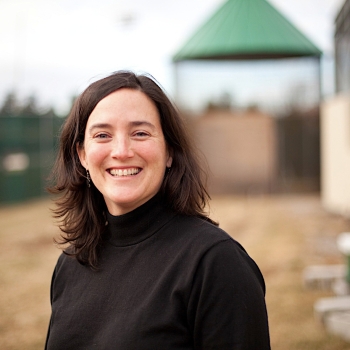
Catherine Larochelle is an Associate Professor in the Department of Agricultural and Applied Economics at Virginia Tech, within the College of Agriculture and Life Sciences. Her research focuses on evaluating agricultural technologies and programs, particularly their adoption mechanisms and impacts on productivity, income, and food security. She holds a Ph.D. in Applied Economics from Virginia Tech and has conducted extensive international fieldwork in countries like Nepal, Rwanda, Malawi, and Ecuador. Her funded projects include transformative initiatives like integrating native wildflowers into grazing systems to support pollinators and enhancing legume-based product commercialization in Africa. She teaches courses such as Agricultural Production and Consumption Economics and leads experiential learning programs in Ecuador. Dr. Larochelle has received awards including the College of Agriculture and Life Sciences Global Faculty Scholar (2021) and Outstanding Dissertation Award (2012). Her work bridges academic research with real-world applications, emphasizing global development and sustainable agricultural practices. Her advisory role supports graduate students who present at international conferences, and she collaborates with organizations like CIAT and USDA on projects addressing food security, biodiversity, and technology adoption.
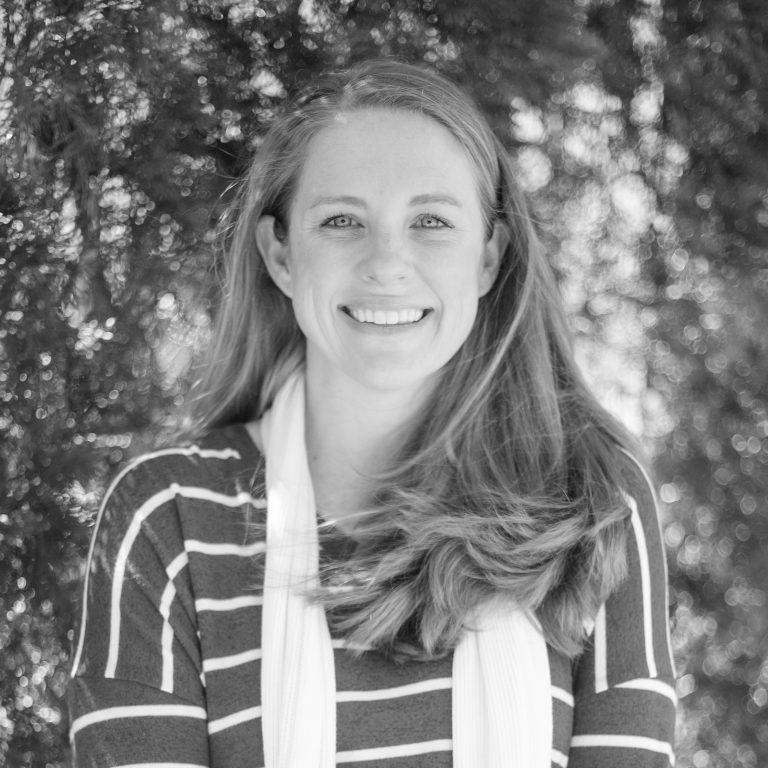
Alexandra Harmon-Threatt is an Associate Professor in the Department of Entomology at the University of Illinois Urbana-Champaign . Her research focuses on pollination ecology, conservation, and restoration , particularly examining how plant-pollinator interactions and landscape factors influence pollinator diversity. She holds a PhD from the University of California, Berkeley (2011), and her work emphasizes bees as key pollinators. Her research interests include understanding the effects of neonicotinoids , forest management practices , and habitat fragmentation on bee communities. She has published extensively on topics such as pollinator conservation, pesticide impacts, and biodiversity in agricultural and natural ecosystems. Harmon-Threatt is affiliated with the College of Agricultural, Consumer and Environmental Sciences . Key awards include the Fulbright Scholar Award (2022) and ESA Early Career Fellow (2020) . Her work often integrates field studies, stable isotope analyses, and ecological modeling. She collaborates on projects exploring agroecology, prairie restoration, and the role of predators in pest control. Her office is located at 320 Morrill Hall, 505 S. Goodwin Ave, Urbana, IL 61801 . Recent research highlights include studies on the ecological impacts of neonicotinoids , forest management strategies , and hover fly migration .
Amy L Toth is a Professor and Chair of the Graduate Program in Ecology and Evolutionary Biology at Iowa State University, holding dual appointments in the Department of Ecology, Evolution and Organismal Biology and the Department of Plant Pathology, Entomology, and Microbiology within the College of Agriculture and Life Sciences. She leads the Toth Laboratory of Integrative Insect Sociobiology, conducting research at the intersection of ecology, evolution, behavior, and genomics. Her educational background includes a B.A. in Biology from Bard College (2000) and a Ph.D. in Ecology and Evolution from the University of Illinois at Urbana-Champaign (2006). Toth's research focuses on three core areas: comparative genomics of bees and wasps to understand the evolution of eusociality; mechanisms of social behavior including maternal care and division of labor; and integrative pollinator health examining habitat impacts on honey bees and wild bees in Midwestern agricultural landscapes. Her work employs genomic, behavioral, and ecological approaches to address fundamental questions about social evolution and critical conservation challenges facing pollinators. Analysis of her 15 most recent publications reveals consistent emphasis on genomic approaches to social evolution, conservation genomics of endangered bumble bees (particularly in Patagonia), and landscape-level interventions for improving pollinator health in agricultural systems. Key thematic threads include the impact of prairie restoration on bee health, comparative studies of native and managed pollinators, and molecular mechanisms underlying social behavior. Toth actively contributes to interdisciplinary programs including Bioinformatics and Computational Biology, Interdepartmental Genetics, and Ecology and Evolutionary Biology. She teaches courses in Animal Behavior, Advanced Animal Behavior (Genes and Behavior), and Bee Biology, Management, and Beekeeping, demonstrating strong commitment to undergraduate and graduate education. Her laboratory applies integrative approaches to address real-world complexity in pollinator health, collaborating internationally (including projects in Argentina) and working at the interface of basic research and applied conservation. Current projects investigate the role of prairie habitat in mitigating nutritional stress for honey bees, comparative genomics of social evolution, and mechanisms of social behavior in wasps.
Dr. Svoboda Vladimirova Pennisi holds the Vincent J. Dooley Professorship in Horticulture at the University of Georgia’s College of Agricultural and Environmental Sciences (CAES). Her primary focus is on sustainable and commercial landscape practices, with an emphasis on pollinator health and ecosystem services. She oversees statewide Extension programs supporting Georgia’s landscape industry, integrating applied research and outreach. Dr. Pennisi teaches online courses such as HORT3440E (Herbs, Spices, and Medicinal Plants) and HORT4430/6430E (Plant Physiology). Education: M.Ag., Viticulture and Gardening, Higher Institute of Agriculture, Bulgaria (1993) M.S., Environmental Horticulture, University of Florida (1996) Ph.D., Environmental Horticulture, University of Florida (1999) Research Interests: Dr. Pennisi’s work centers on evaluating ornamental plants for ecosystem services, particularly their role in pollinator conservation and reducing pesticide reliance. She also investigates biodegradable containers and microbial inoculants to enhance plant growth and sustainability. Her research bridges ecological and agricultural practices, emphasizing practical applications for the green industry. Publications & Impact: Her recent publications include guides on pollinator-friendly gardens, biodegradable containers, and annual plant trials. These contributions highlight her focus on sustainable practices and industry needs. Affiliations: Co-Editor-in-Chief of Scientia Horticulturae Educational Advisor to the Georgia Green Industry Association (GGIA) and Urban Agriculture Council (UAC) Board Member of the Griffin Region College and Career Academy (GRCCA) Labs/Teams: Dr. Pennisi collaborates with the Trial Gardens at UGA, evaluating new ornamental plants and their ecological impacts. She also supports the Green Plants for Green Buildings (GPGB) initiative to promote sustainable landscaping.
Dr. Katja Seltmann is a Lecturer at the University of California, Santa Barbara, and serves as Director of the Cheadle Center for Biodiversity and Ecological Restoration (CCBER). Her leadership integrates collections management, ecological restoration initiatives, and STEAM education programs to advance the university's mission and support interdisciplinary research. Educational background includes: PhD from Pennsylvania State University MSc from University of Kentucky BFA from University of Georgia Her research program focuses on biodiversity informatics—applying data science methods to digitized natural history collections—and examines arthropod diversity in restoration habitats. She pioneers approaches to expand the educational impact of ecological restoration through integration of science, technology, engineering, arts, and mathematics (STEAM). Specific interests include: Developing computational tools for analyzing collection specimen data Investigating bee ecology and pollinator responses to environmental change Creating STEAM curricula leveraging natural history collections Recent publications (2023-2025) demonstrate strong research trends in pollinator ecology, biodiversity informatics, and restoration science, with particular emphasis on: Climate impacts on bee behavior and functional traits Genomic applications for herbarium specimens Standardization of biodiversity data practices As CCBER Director, she oversees campus natural areas used for research and education, manages extensive biological collections, and develops community engagement programs that connect academic research with conservation practice.
Kathryn LeCroy is an Assistant Professor at Rhodes College, affiliated with both the Biology Department and the Environmental Studies and Sciences Program. Her research focuses on solitary bee ecology, examining health outcomes across urban, agricultural, and natural landscapes in collaboration with undergraduate researchers and community scientists. Education : PhD from the University of Virginia Her research explores the interplay between pollen diets, microbial interactions, and pathogen susceptibility in solitary bees. She investigates how environmental changes affect pollinator populations and conservation efforts. Her recent publications emphasize non-native bee species dynamics, fungal pathogen spillover, and pollinator conservation strategies. These works span ecology, entomology, and microbial biology, addressing critical gaps in solitary bee health research. Scientific Awards : Scientific Reports 2020 Top 100 Papers in Ecology Kathryn actively mentors student researchers and teaches courses such as introductory organismal biology, environmental sciences, and conservation biology. She also engages the public through the "How do we Save the Bees?" course series with the Meeman Center for Lifelong Learning. Her Wild Bee Lab partners with community scientists and uses social media platforms (e.g., Instagram: @beesyall) to disseminate findings and engage stakeholders.
S. Kristine Braman is Professor and Department Head in the Department of Entomology at the University of Georgia's College of Agricultural & Environmental Sciences. She has been with UGA since 1989, serving as Department Head since June 2016, and previously as Director of the Georgia Center for Urban Agriculture (2014-2016) and Interim Director (2011-2014). Ph.D. Entomology, University of Kentucky (1987) B.S. Forest Biology, SUNY College of Environmental Science and Forestry (1978) Dr. Braman's research focuses on ecology and management of insect pests in urban landscapes, with increasing emphasis on pollinator conservation. Her work integrates basic and applied research to improve sustainability of urban plant production and landscape management. She has produced over 200 publications including 160 refereed articles and 16 book chapters. Her recent publications reveal a strong focus on urban pollinator conservation, examining bee functional groups, landscape effects on pollinator diversity, cultivar preferences for pollinators, and practical strategies for enhancing pollinator habitats in urban settings. This work bridges entomology, horticulture, and urban planning to develop science-based solutions for sustainable landscapes. Distinguished Achievement Award in Horticultural Entomology, SEB/ESA GGIA Environmental Friend of the Year Award Distinguished Alum, University of Kentucky Entomology 2019 UGA Women's Leadership Fellow SREF Special and Mass Media Awards for "Trees for Bees" ASHS Outstanding Education Publication Award Georgia Entomological Society Fellow Dr. Braman has taught courses in Pollinator Conservation, Turfgrass Pest Management, General Entomology, and Biological Control. As Director of the Center for Urban Agriculture, she led science-based outreach initiatives including urban county agent training, professional certification programs, and web-based educational resources. She has developed extension tools including the IPMLite and IPMPro apps for pest management. She leads the Braman Lab which focuses on communicating pollinator, predator and parasitoid ecosystem services to diverse audiences. The lab's work emphasizes translating research into practical applications for sustainable urban landscapes that support beneficial arthropod communities.
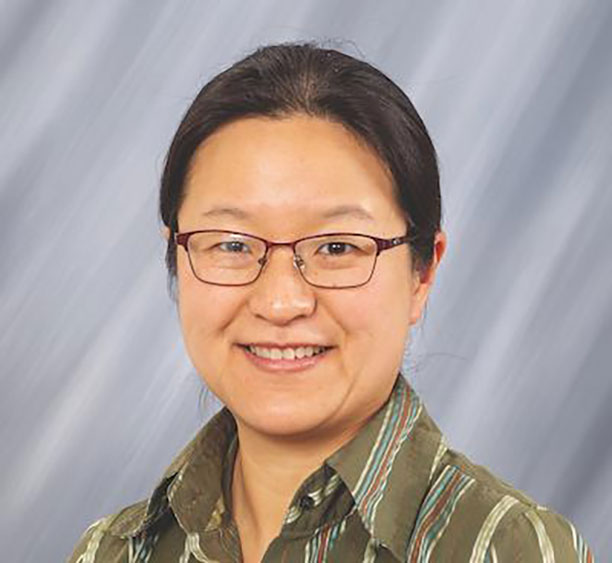
Maciej Maselko is an Associate Professor in Applied BioSciences at Macquarie University. His research focuses on insect genome engineering to advance biotechnology applications, including genetic biocontrol of disease-vectoring mosquitoes and bioremediation of environmental contaminants. He leads projects on transgenic animal systems, synthetic biology-based solutions for invasive species control, and sustainable biomanufacturing in insects. Education: PhD in Molecular and Cell Biology (Oregon State University, 2011) BS in Biological Sciences (University of Alaska Anchorage, 2005) Research Interests: Dr. Maselko's work integrates genetic engineering and synthetic biology to address global challenges such as disease vector control, environmental pollution, and agricultural sustainability. His lab develops transgenic insects for biocontainment, population replacement strategies, and bioremediation using microbial enzymes expressed in insect hosts. Current projects include cane toad genetic manipulation, amphibian disease resistance engineering, and phytase production in black soldier flies. Collaborations: Active collaborations span institutions globally, with a focus on ecological and agricultural applications of genetic engineering. Projects involve partnerships in Australia, the US, and other regions. Grants & Projects: Principal Investigator for multiple grants including 'Sustainable biomanufacturing of phytase enzymes' (2023–2026) and 'Control of cane toads by genetic manipulation' (2023–2027). Lead on initiatives like 'Preventing disease-caused extinctions in amphibians' (2022–2025) and 'Insecticide-resistant honey bees for pollination security' (2023). Labs & Teams: His research group operates at the intersection of molecular biology, ecology, and engineering, with a focus on translating lab discoveries into real-world solutions for environmental and agricultural challenges.
Elizabeth Capaldi is a Professor of Biology and Animal Behavior at Bucknell University, holding dual appointments in the Department of Biology and the Animal Behavior Program where she teaches undergraduate courses including Animal Behavior (BIOL/ANBE/PSYC 266), Neuroethology, and Tropical Ecology. Her educational background: Ph.D. from Michigan State University Her research integrates neuroethology and ecology to investigate the neural basis of insect behavior, with primary focus on honey bees. She examines navigation mechanisms, social behavior modulation by environmental factors, and brain-behavior relationships through field studies in Pennsylvania and tropical habitats combined with laboratory neuroanatomical analysis. This work employs techniques including harmonic radar tracking and histological brain examination. Publication trends reveal consistent focus on bee biology across virology, biodiversity, and behavioral ecology, with recent expansion into comparative studies of regeneration in lizards. Her work bridges fundamental neurobiology with conservation applications for native bee populations. Her laboratory infrastructure includes: Langstroth hive colonies of Apis mellifera Specialized observation hives and beekeeping equipment Microscopy/histology suites for neural analysis Digital video systems for behavioral recording Field equipment for tropical and native bee studies
Isaac Esquivel is an Assistant Professor of Entomology at the University of Florida's North Florida Research and Education Center, focusing on agronomic and forage crop entomology. His research examines spatial dynamics of plant-pest-natural enemy-pollinator interactions influenced by landscape structure, using GIS and remote sensing for improved pest management systems. Dr. Esquivel studies piercing-sucking pests of cotton and peanut while balancing ecological and economic values in agroecosystems, including biological control services and pollinator health. His work addresses priority pest management issues in the Florida panhandle. Recent publications demonstrate his focus on sustainable agriculture, including studies on native bees in agroecosystems, nutritional landscapes affecting pollinators, and innovative pest monitoring techniques.
Shayan Ghajar is an Assistant Professor in the Department of Crop and Soil Science at Oregon State University's College of Agricultural Sciences. His work focuses on organic and sustainable pasture management for grazing systems in Oregon. PhD in Crop and Soil Environmental Sciences (Virginia Tech) MS in Rangeland Ecosystem Science (Colorado State University) Ghajar integrates remote and proximal sensing technologies with agronomic practices to optimize warm-season grazing options and support organic livestock producers. His research spans agrivoltaic systems, equine nutrition, and rangeland ethics under uncertainty. Recent publications highlight his contributions to agrivoltaic pasture systems, equine metabolic health, and AI applications in forage prediction. He develops digital tools like the Oregon Pasture (m)App for field monitoring. As an extension specialist, Ghajar collaborates with the Center for Small Farms & Community Food Systems, creating resources for pasture revitalization and organic agriculture programming.
Dr. Ai Wen is an Associate Professor of Biology at the University of Northern Iowa researching wildlife-agriculture interactions. Her dual-focused program examines: Ecosystem services from pollinators/birds in farm landscapes Microbial ecology of human infectious diseases Wen's agroecological work analyzes Conservation Reserve Program effectiveness, prairie biomass systems, and habitat value of sustainable farms. Recent publications demonstrate methodological expertise in population genetics, occupancy modeling, and landscape-scale biodiversity assessment. She collaborates internationally on wildlife conservation initiatives, particularly in Chinese agricultural regions.
Kelly Homan is an Assistant Professor at Auburn University’s School of Architecture, Planning and Landscape Architecture (APLA), part of the College of Architecture, Design and Construction (CADC). She holds a Master of Landscape Architecture from Auburn University, a Master of Science in Landscape Design from Columbia University, and a Bachelor of Science in Horticulture from Auburn. Her teaching includes foundational courses in Environmental Design and specialized topics in ecological design. Her research focuses on landscape-scale conservation, species urbanism, and plant corridor design to enhance biodiversity and ecological resilience. Education: BS Horticulture (Auburn, 2002), MLA (Auburn, 2012), MLS (Columbia, 2009) Grants: $405,859 from Alabama Department of Conservation for revising the State Wildlife Action Plan (2023–2025), $11,000 CADC Seed Grants (2023–2024) Her research emphasizes documenting Alabama’s declining grasslands and designing corridors for imperiled plant species. Collaborations include Auburn’s Natural Heritage Program and Bee Lab. She has advised undergraduate research fellows on topics like inclusive design and regional conservation. Notable awards include multiple ASLA and AIA honors for design projects such as the Advanced Structural Engineering Laboratory and Dekalb County 911 Facility. Awards: 2021 ASLA Merit Award, 2020 ASLA Pennsylvania Design Honor, 2019 AIA Alabama Honor Practice Experience: Associate at Hillworks Landscape + Architecture (2014–2019), Landscape Designer roles since 2011
Professor Jochen Fründ is a Professor of Zoology specializing in Organismic Interactions at the University of Hamburg, where he leads the Animal Network Ecology research unit within the Institute of Animal Cell and Systems Biology. His work focuses on understanding complex ecological networks and species interactions across various ecosystems. Dr. Fründ's educational background includes a Diplom in Biology from the University of Würzburg (2007) and a Dr. rer. nat. from the University of Göttingen (2008-2011), supported by a DBU scholarship. His academic journey includes postdoctoral positions at the University of Göttingen (2012), UC Davis (2013), University of Guelph (2013-2015), and the University of Freiburg (2015-2023) before becoming a professor at the University of Hamburg in 2023. Professor Fründ's research centers on ecological network analysis and modeling, with particular expertise in mutualistic and antagonistic interactions of animals including pollinators, seed dispersers, herbivores, parasitoids, and predators. His work spans multiple areas of community ecology with a special focus on insect biodiversity and the relationship between biodiversity and ecosystem function . His innovative approaches to studying species interactions across vertical and horizontal spatial dimensions have significantly advanced our understanding of ecological networks. His publication record demonstrates expertise across multiple dimensions of ecological network theory and application. Key research themes include plant-pollinator interactions, cross-ecosystem comparisons of species interactions, and the effects of biodiversity on ecosystem processes. His work often bridges theoretical ecology with practical conservation applications, particularly in agricultural and forest ecosystems. Professor Fründ has established himself as a leading researcher in ecological network analysis, with contributions spanning methodological advances in network comparison techniques to empirical studies of species interactions across diverse ecosystems. His work on "dissimilarity of species interaction networks" has provided important methodological frameworks for the field. He leads the Animal Network Ecology research unit at the University of Hamburg, where his team investigates complex ecological networks using both empirical and theoretical approaches. His research has important implications for biodiversity conservation and ecosystem management in the face of global environmental change.