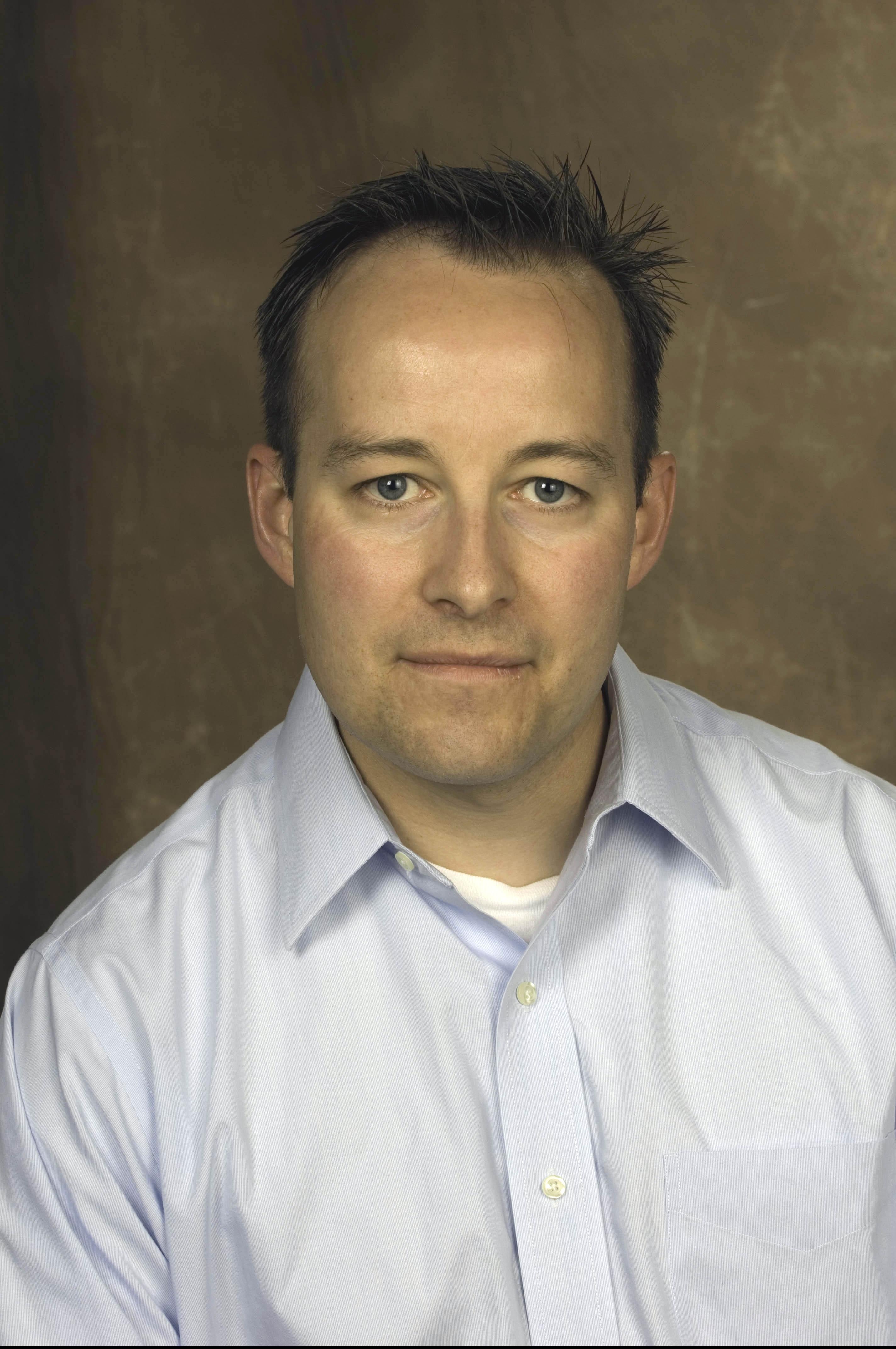
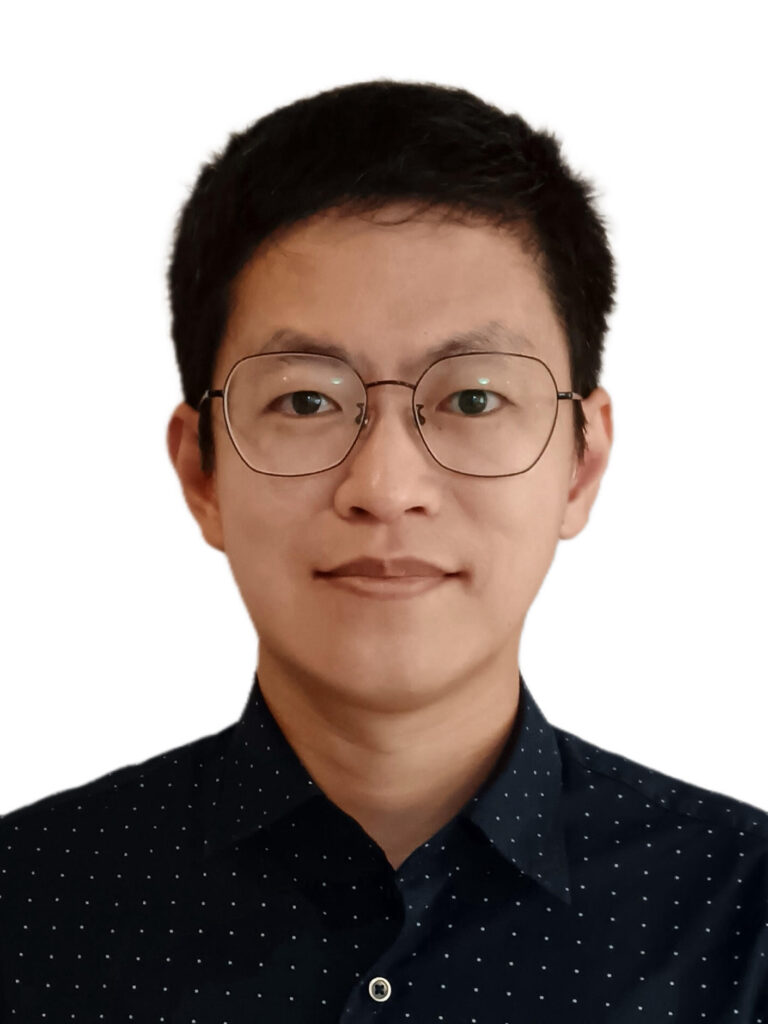
Elizabeth Sargent serves as an Assistant Professor in the School of Marine Science and Policy within the College of Earth, Ocean and Environment at the University of Delaware. Her office is located in 112B Robinson Hall on the Newark campus, with primary contact through esargent@udel.edu. Her academic credentials include: Ph.D. in Biological Oceanography from the University of Southampton, National Oceanography Centre (2014) B.A. in Marine Biology from Roger Williams University (2009) Dr. Sargent's research spans Scholarship of Teaching and Learning (SoTL), biogeochemistry, phytoplankton ecophysiology, and algal ecology. Her recent scholarship demonstrates a strategic pivot from marine biogeochemistry toward educational innovation, with concentrated focus on developing and evaluating Course-based Undergraduate Research Experiences (CUREs) and the Remote Mentoring of Undergraduate Research Students (ReMentURS) framework. She investigates pedagogical effectiveness across instructional modalities while maintaining connections to marine science through earlier foundational work. Publication trends reveal a distinct transition from marine biogeochemistry (2011-2016) to educational research dominance (2018-2023), particularly in forensic chemistry CURE development, remote mentoring infrastructure, and assessment of flipped instruction techniques. Current work emphasizes evidence-based STEM education practices with strong focus on accessibility and mentorship scalability. Scientific Recognition: No formal awards documented in provided materials Dr. Sargent actively cultivates undergraduate research capacity through structured mentoring initiatives and curriculum innovation. Her ReMentURS program addresses critical gaps in remote research guidance, while forensic chemistry CURE development expands authentic research opportunities at primarily undergraduate institutions. She contributes significantly to faculty development through workshop series on mentoring best practices and evidence-based teaching strategies.
Chris P. Long is a Professor of Management at St. John's University's Peter J. Tobin College of Business and Director of the Executive-in-Residence Program. He holds a PhD in Management from Duke University, an MPP from Harvard University, and a BA in Political Science from the University of Connecticut. Previously, he served as a faculty member at Georgetown University, Washington University in St. Louis, and Duke University. Education: PhD, Management, Duke University; MPP, John F. Kennedy School of Government, Harvard University; BA (Hons), Political Science, University of Connecticut. His research focuses on leadership in complex business environments, organizational design, and the interplay between control systems, trust, and fairness. Recent work explores institutional contradictions, trust attractors, and multilevel control-trust dynamics, with applications in public sector organizations and human-automated systems. Professor Long has received multiple teaching awards, including Teacher of the Year at St. John's and Georgetown Business Schools. He was also named one of the Top 50 Undergraduate Business Professors in the U.S. by Poets & Quants (2022). His military service spans over 20 years as an Officer in the U.S. Army Reserve and Air Force Reserve, focusing on national defense operations and research. Key Awards: Teacher of the Year, St. John's University Business School Teacher of the Year, Georgetown University Business School Poets & Quants Top 50 Undergraduate Professors (2022)
Univ.-Prof. Mag. Dr. Hannes Fellner is University Professor at the University of Vienna, Deputy Head of the Department of European and Comparative Literature and Language Studies, and affiliated with the Research Network Data Science @ Uni Vienna. His expertise lies in historical-comparative linguistics, digital philology, and language ecology, with deep specialization in ancient Indo-European languages such as Tocharian, Sanskrit, and Khotanese, as well as Central Asian and Silk Road studies. Research Interests: Historical-comparative linguistics and nominal morphology Digital philology and digital humanities methodologies Ancient Indo-European languages (Tocharian, Sanskrit, Khotanese) Silk Road history, Central Asian studies, and Buddhist studies Language ecology, linguistic diversity, and the Capitalocene Dialectical philosophy and the works of Hans Heinz Holz China studies and contemporary Chinese ecological discourse His recent scholarly output spans from intricate philological studies of Tocharian morphology to philosophical treatises on dialectical materialism and analyses of China’s ecological civilization discourse. This reflects a unique integration of rigorous linguistic reconstruction with broader humanistic and socio-ecological reflection. Scientific Awards: No specific awards are listed in the provided material. Teaching & Supervision: Fellner regularly teaches introductory and advanced courses in Digital Humanities, Indo-European Studies, Tocharian historical grammar, Vedic language and literature, and digital text analysis. He supervises master’s theses and leads specialized seminars on digital methods in literature and linguistics. Labs & Teams: He is embedded in the Research Network Data Science @ Uni Vienna and actively collaborates within transdisciplinary initiatives linking digital philology, ecological humanities, and Silk Road studies.
Chia-Wen Lee is a distinguished Professor at the Law School within the College of Social Sciences at National Cheng Kung University (NCKU). She holds a Juris Doctor degree from Indiana University Bloomington and has established herself as a leading scholar in criminal law and procedure with a focus on gender perspectives and human rights. Her academic career spans over two decades, during which she has taught numerous courses including Criminal Procedure Law, Criminology, and Special Topics in Criminal Law and Legal Sociology. Member of the Judicial Yuan Judges Review Committee (2024-2026) Member of the Editorial Board of NTU Law Review (2022-present) Director of Taiwan Alliance to Abolish the Death Penalty (2018-2021) Director of Women's New Knowledge Foundation (2017-2019) Professor Lee earned her Juris Doctor from Indiana University Bloomington, building on her earlier legal education in Taiwan. Her academic journey has been marked by a consistent focus on the intersection of law, society, and justice, particularly examining how criminal justice systems impact marginalized groups and how legal narratives shape our understanding of crime and punishment. Professor Lee's research centers on three interconnected areas: Criminal Procedure Law, Criminal Law and Sociology of Law, and American Feminist Jurisprudence. Her work critically examines how legal procedures affect substantive justice outcomes, particularly for vulnerable populations. She has made significant contributions to understanding sexual violence within legal frameworks, advocating for 'only yes means yes' affirmative consent models. Her scholarship on the death penalty in Taiwan explores both its legal frameworks and its social and cultural dimensions, situating Taiwan's experience within global abolition movements. Recent work has focused on constitutional court decisions related to criminal procedure, demonstrating her ability to bridge theoretical scholarship with practical legal reform. Professor Lee's recent scholarly output reveals a consistent focus on constitutional challenges to criminal procedure, victim rights, and death penalty jurisprudence. Her work shows increasing engagement with constitutional court decisions, particularly examining how Taiwan's Constitutional Court is reshaping criminal justice through innovative interpretations. A notable trend is her attention to vulnerable populations within the criminal justice system—victims, sexual assault survivors, and defendants facing capital punishment. Her interdisciplinary approach combines legal analysis with insights from sociology, gender studies, and narrative theory, creating a distinctive scholarly voice that bridges academic rigor with practical legal reform. Outstanding Teacher of National Cheng Kung University (2011) Multiple Annual Research Awards from NCKU College of Social Sciences (2005-2007) NCKU College of Social Sciences Outstanding Teacher Award (2007) James J. Robinson Fellowship in Graduate Legal Studies (USA, 1999) Scholarship from Austrian Ministry for Science and Transport (1996-1997) Professor Lee has supervised over twenty master's theses on diverse topics in criminal law and procedure, with a particular emphasis on judicial reform, victim rights, and gender issues in criminal justice. Her students have examined topics ranging from judicial personnel review systems to the application of restorative justice in domestic violence cases. Beyond formal supervision, she has served as a thesis committee member for numerous students across Taiwan's top law schools, including National Taiwan University, National Chengchi University, and National Sun Yat-sen University. Her commitment to judicial reform extends to multiple research grants from Taiwan's National Science Council, including major projects on 'Punishment and Moral Outrage' and 'Emotions and Criminal Law.' Professor Lee is deeply involved in several key legal reform initiatives through her leadership roles in the Taiwan Alliance to Abolish the Death Penalty and the Women's New Knowledge Foundation. She has been instrumental in shaping Taiwan's approach to sexual violence law reform, particularly through her work with the Women's New Knowledge Foundation on amending sexual assault provisions. Her influence extends to judicial training through her frequent presentations at the Judicial Academy, where she has educated judges on topics ranging from death penalty sentencing to handling sexual assault cases. She maintains active scholarly networks through her editorial role at the NTU Law Review and her participation in international academic conferences on criminal justice reform.
Jamie Pearson serves as Associate Professor of Special Education and Educational Equity in the Department of Teacher Education and Learning Sciences at North Carolina State University's College of Education. Her work bridges U.S. and international special education through grant-funded initiatives addressing systemic disparities for racially marginalized students with disabilities. Her academic credentials include a Ph.D. in Special Education from the University of Illinois at Urbana-Champaign (2017), M.A. in Psychology from North Carolina Central University (2013), and B.A. in Psychology and Sociology from the University of North Carolina at Chapel Hill (2009). Dr. Pearson's research centers on dismantling racial disparities in autism services through four interconnected pillars: Investigating diagnostic and service access barriers for Black autistic children Developing culturally responsive parent advocacy interventions Designing classroom strategies for Black autistic students Building equitable educator-family partnerships Her work integrates critical race theory with disability studies to address intersectional oppression in educational systems. Analysis of her 15 most recent publications reveals dominant trends in racial equity within autism research, with 87% focusing on Black family experiences. Key methodological approaches include community-based participatory research (40%), qualitative narrative analysis (33%), and culturally adapted intervention studies (27%). Emerging subfields include disability theology (13%), international comparative disability education (20%), and decolonizing research methodologies (7%). Her active grant portfolio includes: $950,647 U.S. Department of Education grant leading the SPARC Consortium (22 doctoral trainees across 6 universities) $55,171 Spencer Foundation grant researching autism education in Kenya National Center for Special Education Research grant #R324B210003 for the FACES advocacy program She mentors doctoral students through SPARC and supervises international research teams in Jamaica and Kenya. She directs the FACES (Fostering Advocacy, Communication, Empowerment, and Support) program serving Black families of autistic children, and collaborates with Jamaica's Savanna-LaMar Inclusive Academy and Kenyan researchers to develop context-specific educational interventions for neurodevelopmental disabilities.
Andrea Bocco Guarneri is a Full Professor of Technological and Environmental Design of Architecture at the Polytechnic University of Turin and Director of the Interuniversity Department of Regional and Urban Studies and Planning (DIST). His career spans teaching, research, and leadership in sustainable architecture, low-tech construction, and urban regeneration. Academic roles: Member of DIST, Academic Senate, University Committee for Research, and GEDI Observatory. Research Interests Appropriate Technology Environmental Impact Assessment Urban Regeneration Cultural Heritage Ontology in Architecture Low-Tech Construction His recent research trends focus on sustainable building practices using natural materials, environmental impact methodologies, and revitalizing marginal regions through traditional architecture. He emphasizes bridging ecological awareness with computational terminological resources. Scientific Awards JSPS Invitation Fellowship for Research in Japan (2015-2016) As an advisor , he supervises PhD students in Urban and Regional Development, including Arthur Bohn, Redina Mazelli, Martina Bocci, and Manuela Ronci. He leads collaborative projects such as the Memorandum of Understanding with Yokohama National University and agreements with the Municipality of Turin for regulatory plan studies.
Dr. Jessica Cronce is an Associate Professor in the Department of Counseling Psychology and Human Services at the University of Oregon's College of Education. She serves as Director of the Counseling Psychology doctoral program and the Counseling Psychology Center within the HEDCO Clinic. Her research focuses on preventing alcohol and drug-related harms among college students and young adults, with expertise in interventions like NIAAA’s College Alcohol Intervention Matrix (CollegeAIM). She holds a PhD in Clinical Psychology from Yale University and a postdoc in Alcohol Research from the University of Washington. Education: Postdoc: 2009-2011, Department of Psychiatry & Behavioral Sciences, University of Washington PhD: 2009, Yale University (Clinical Psychology) BS: 1999, University of Washington AAS: 1996, Olympic Community College Research Interests: Dr. Cronce combines clinical training in Cognitive Behavioral Therapy, Motivational Interviewing, and Dialectical Behavior Therapy with prevention science. Her work addresses substance use disorders, eating disorders, and mental health disparities among marginalized groups, particularly transgender and gender-diverse populations. She investigates biobehavioral links between sleep, stress, and alcohol use, aiming to develop targeted interventions. Awards: 2019-2020 UO Leadership Academy Member 2019 Excellence in Teaching, Early Career Award (UO College of Education) Advising & Grants: Dr. Cronce advises PhD students in Counseling Psychology and oversees research grants like R01 AA029125 (2022-2027), studying sleep/stress-alcohol use connections. She collaborates on projects analyzing health disparities among sexual/gender minorities and developing cannabis intervention frameworks. Labs/Teams: Directs the Counseling Psychology Center (CPC) and collaborates with the Prevention Science Institute and HEDCO Clinic on clinical and research initiatives.
Connie Roser-Renouf is a Research Professor at George Mason University's Department of Communication, affiliated with the Center for Climate Change Communication since its 2007 founding. She holds a PhD in Communication Research from Stanford University (1986). Her work focuses on applying information processing theories to design climate change communication strategies that increase public awareness of climate threats and solutions. She has studied diverse social issues, including Third World development and health risks from environmental contamination, but now prioritizes depolarizing climate change discourse to build public support for action. Education: PhD in Communication Research, Stanford University, 1986 Research Interests: Environmental communication, informal science education, and science communication. She investigates audience segmentation (e.g., Global Warming’s Six Americas framework), emotional responses to climate messaging, and strategies to engage polarized audiences. Her work emphasizes actionable insights for depolarizing climate discourse through tailored messaging and institutional collaboration. Article Trends: Recent publications (2020–2025) highlight longitudinal studies on climate belief shifts, emotional drivers of policy support, and the efficacy of targeted messaging strategies. Her research increasingly incorporates digital platforms (e.g., NASA climate website analysis) and youth engagement. Key themes include depolarization, behavioral activation, and institutional communication models. Awards & Grants: No specific awards mentioned. Her work is supported through institutional and collaborative research funding streams at George Mason University. Advising & Grants: No formal advisees listed. Collaborates on large-scale projects like the Six Americas segmentation framework, funded by organizations such as the National Science Foundation and private foundations. Labs & Teams: Leads climate communication initiatives at the Center for Climate Change Communication, collaborating with interdisciplinary teams across environmental science, public health, and political science.
Anne Roche is a Casual Academic and past researcher associated with the School of Education within the Faculty of Education and Arts. Her work focuses on mathematics education, particularly in areas such as teacher professional development, student learning strategies, and pedagogical content knowledge. She has extensively studied topics like fractions, decimals, task-based learning, and teacher noticing across international contexts, including Australia, China, and Germany. Her research emphasizes the importance of contextualized tasks and challenging mathematical problems in fostering student engagement and conceptual understanding. She has contributed to projects aimed at improving teacher knowledge, such as the 'Early Numeracy Research Project' and studies on mathematics middle leaders' aspirations for classroom learning. Roche's work also explores teacher decision-making processes, the use of visual tools like decimats for decimal place value, and strategies to build student persistence in problem-solving. Her findings have been disseminated through peer-reviewed journals such as ZDM Mathematics Education, Mathematics Education Research Journal, and The Journal of Mathematical Behavior. While her articles highlight collaborative efforts with institutions worldwide, her academic contributions lack explicit mentions of awards or grants listed in the provided texts. Her publications span over two decades, reflecting sustained engagement with foundational and applied aspects of mathematics education.
Alison Louise Milner is an Assistant Professor in the Department of Culture and Learning at Aalborg University's Faculty of Social Sciences and Humanities. She joined in 2020 after completing her PhD at the University of Nottingham, focusing on teacher professionalism in England and Sweden. Her research explores teacher unions, social dialogue, education policy, and inclusive education systems. She is a co-PI on EU-funded projects addressing teaching profession attractiveness and union renewal. Education: PhD in Education from University of Nottingham (2015–2019) Qualified secondary school teacher in England and Sweden (French/German/Spanish) Completed university pedagogy course for assistant professors (Spring 2022) Research Interests: Teacher professionalism, education policy governance, social dialogue in education, union renewal, and comparative analyses of European education systems. She speaks English, French, German, Spanish, Swedish, and Danish. Recent Research Output: Focused on cross-national comparisons of education policy, teacher union dynamics, and inclusive education frameworks. Her work includes analyzing accountability mechanisms in Denmark and England, trade union renewal strategies, and pandemic-era governance challenges. Awards: Educational Review Article of the Year Award 2019 Teaching: Coordinates modules on qualitative research methods, global education perspectives, and comparative education design. Supervises master's theses and moderates academic programs on organizational learning and change processes. Key Projects: 'Getting stronger together: trade union renewal in education' (EU-funded, 2023–2024) 'Education Access under the Reign of Testing and Inclusion' (Danish funded, 2019–2023)
Professor Linda Slack-Smith is a leading social epidemiologist at the University of Western Australia's School of Population and Global Health, specializing in oral health disparities, child health, and Aboriginal health. She holds significant international roles including Editor Emerita of Gerodontology, Vice-President of the IADR Geriatric Oral Health Research Group, and Co-Chair of the 2021 Melbourne World Congress of Epidemiology. Her research emphasizes policy translation and addressing health inequities through mixed-methods approaches. Expertise: Social determinants of health, dental geriatrics, child oral health, Indigenous health systems Leadership: 40+ national/international board positions, $5.7M+ grant leadership Awards: IADR Giddon Award (2018/2024), Mentoring Excellence (2019) Research focuses on: Aboriginal oral health equity via volunteer programs like the Kimberley Dental Team Geriatric oral health workforce development Social practices influencing child oral hygiene Grant achievements include $5M+ in major initiatives like NHMRC Indigenous Capacity Building Grants and APHCRI Oral Health Research Excellence Centres. Active in policy advocacy through organizations like the Australian Epidemiological Association and Network for Integrated Oral Health.
Professor Ali Abbas is a leading academic and researcher in chemical engineering and sustainable systems, currently serving as Professor and Acting Head of the School of Chemical and Biomolecular Engineering at the University of Sydney. He also directs the Waste Transformation Research Hub and serves as Deputy Director for Industry, Innovation & Commercialisation at Sydney Nano. His research focuses on advancing circular economy principles, waste-to-value technologies, and sustainable energy solutions, with expertise in carbon capture, biomass gasification, nanotechnology, and materials science. He recently became Australia’s first Chief Circular Engineer at Circular Australia, driving national transition to a circular economy by 2030. Professor Abbas has pioneered innovations in solar-powered carbon capture systems, phase change material applications, and bio-based materials. He collaborates closely with industry and government to integrate circular economy principles into infrastructure and industrial processes. His work emphasizes eliminating waste, maximizing material reuse, and regenerating natural systems through interdisciplinary approaches combining chemical engineering, materials science, and policy frameworks. Key roles: Chief Circular Engineer (Circular Australia), Acting Head of School (University of Sydney), Director of Waste Transformation Research Hub Research themes: Circular economy frameworks, carbon neutral energy systems, sustainable materials, waste valorization Notable projects: Solar-driven carbon capture, biomass gasification systems, DNA origami nanomaterials, recycled construction materials His interdisciplinary approach bridges academia, industry, and policy to address global challenges in sustainability, with a focus on scalable solutions for decarbonization and resource efficiency.
Professor Michael Templeton is a leading academic in Public Health Engineering at Imperial College London , affiliated with the Faculty of Engineering and the Department of Civil and Environmental Engineering . He also holds the Royal Academy of Engineering Research Chair in Global Sanitation Technology , working closely with organizations like Oxfam , Water For People , and the International Worm-Based Sanitation Association . His work addresses critical issues in water supply , sanitation , and public health , particularly in regions affected by schistosomiasis and water scarcity . Professor Templeton earned a Bachelor's degree with honours in Engineering Science and a PhD in Civil-Environmental Engineering , both from the University of Toronto . He is a chartered civil engineer , Fellow of the Institution of Civil Engineers , and elected Fellow of the African Academy of Sciences . His professional experience includes advisory roles for the World Health Organization , Ethiopian Federal Ministry of Health , and various research councils. Environmental Engineering : Water treatment Infectious Diseases : Schistosomiasis control Global Health : Sanitation in low-income settings Climate Resilience : Cold region sanitation Waste Valorization : Biochar from faecal sludge Diagnostic Innovation : Biosensors for pathogens His most recent research explores stormwater odorants , UV disinfection , and smartphone-based water quality monitoring . He has also advanced tiger worm toilets and citizen science approaches in data-scarce regions. His work spans 15 countries including Ghana , Sierra Leone , India , and Ethiopia . Scientific awards and honors include: Fellow of the Institution of Civil Engineers Elected Fellow of the African Academy of Sciences Royal Academy of Engineering Research Chair Professor Templeton has no listed students in the provided data but has contributed extensively to sanitation innovation , waterborne disease prevention , and capacity-building in developing nations. He has led field projects and published on vermifiltration systems , biochar production , and disinfection byproducts .
Dr. Yang Yi, a researcher at the National University of Singapore (NUS), has a multidisciplinary background in civil engineering, sustainability, and biomedical device development. He earned his BEng (1st Class Honours) and PhD in 2013 and 2017 respectively from NUS, focusing on lightweight sustainable construction materials and dynamic responses under blast loading. PhD, National University of Singapore, 2017 BEng (1st Class Honours), National University of Singapore, 2013 His research spans two distinct domains: sustainable construction and flexible bioelectronic devices . At NUS, he contributes to advancing implantable and wearable technologies for neuroscience applications, while previously driving sustainability initiatives at JTC Corporation and structural design at Meinhardt. The 15 most recent publications highlight his work on implantable optogenetic devices , flexible bioelectronics , and neural interfaces . These studies integrate materials science, neuroscience, and wireless engineering for applications in neuromodulation and biomedical systems. Scientific Awards: IES Sustainability Awards (Engineering Projects, 2023) Public Sector Engineering Innovation Challenge Award (2022) Silver Prize, ACI Singapore Chapter (2022) President Graduate Fellowship (2013-2017) Class of 1977 Silver Medal (2013) Multiple book prizes and medals (2010-2012) Contact: yangyi@nus.edu.sg
Professor Sean Ervin is a Teaching Professor and Architecture Coordinator in the School of Design at South Dakota State University (SDSU). With 35 years of professional experience, he bridges architectural theory and practical application, emphasizing collaborative design and sustainable practices. His work includes high-profile projects like the SDSU American Indian Student Center and Columbus Wellness Center. Education: B.A. in Architecture, Iowa State University M.S. in Architecture, Washington University-St. Louis M.S. in Construction Management, Washington University-St. Louis Research & Interests: Focuses on holistic design integration, innovative materials, craftsmanship, and sustainable building practices. Advocates for balancing creative design with material and process realities. Awards: AIA South Dakota Honor Awards (202X) National Wood Design Competition Winner (202X) Friends of Iowa Best Development Award (202X) Advising & Grants: No formal advisees listed, but actively coordinates the architecture program. Engaged with professional organizations like AIA and LEED/WELL certifications. Labs/Teams: Leads architecture program operations and participates in institutional committees. Office located in Chicoine Hall, Room 364.