Dr Anthony Curtis is a Senior Lecturer in Organic and Medicinal Chemistry at the School of Pharmacy and Bioengineering, Keele University. With a career spanning over 25 years at Keele, he has played a pivotal role in developing the MPharm program and advancing nanopharmaceutical research. Current focus on nanopharmaceutics and supramolecular delivery systems Collaborates with Dr Alan Richardson (Keele), Dr Jóhannes Reynisson (Keele), and Dr Clare Hoskins (University of Strathclyde) External Examiner for MPharm at Robert Gordon University His research addresses critical challenges in drug delivery through nanotechnology-enabled solutions , particularly for hydrophobic anticancer drugs. He has pioneered the use of calix[n]arenes and calix[4]resorcinarenes as solubilizing agents for creating responsive nano-carriers that release drugs under specific stimuli like pH changes. Recent publications demonstrate his work's impact across multiple subfields: Pancreatic cancer nanotherapy Thermoresponsive drug carriers Hybrid nanoparticle design Prodrug chemistry Controlled release mechanisms Anti-microbial resistance solutions Awarded: Keele University Excellence in Learning and Teaching Award (2008) Institute of Science and Technology in Medicine Research Fellowship (2015-2016) Professional memberships include: Royal Society of Chemistry (Fellow and Chartered Chemist), American Chemical Society, Academy of Pharmaceutical Sciences, and UK/Ireland Controlled Release Society.
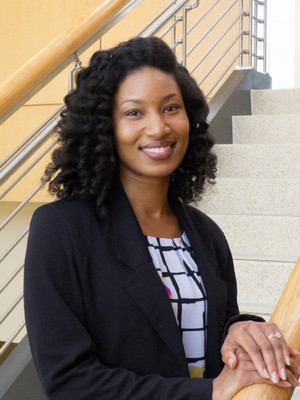
Angela Alexander-Bryant is an Associate Professor at Clemson University within the College of Engineering, Computing and Applied Sciences . Her research focuses on Drug and Gene Delivery , Biomaterial Design , and Targeted Therapy and Controlled Release , with a particular emphasis on treating heterogeneous and drug-resistant cancers. Education: Ph.D. in Bioengineering from Clemson University (2015). Research Interests center on developing advanced delivery systems for cancer therapy. Key areas include siRNA delivery , self-assembling peptides , and ligand-targeted nanoparticles , aiming to enhance therapeutic efficacy through combination gene-drug approaches and controlled release mechanisms. Publication Trends show a focus on nanocarriers for glioblastoma , ovarian cancer , and malignant melanoma , with recent work addressing immune resistance in glioblastoma and machine learning analysis of cellular morphology. Laboratory: Lead the Nanobiotechnology Lab , pioneering peptide-based delivery platforms for gene editing and chemotherapeutics.
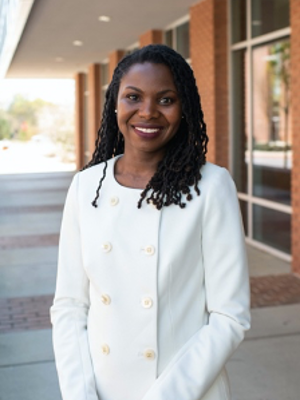
Renee Cottle is an Associate Professor in the Department of Bioengineering at Clemson University. She holds a Ph.D. in Biomedical Engineering from Georgia Institute of Technology and Emory University (2015). Her research focuses on developing cell-based gene therapy technologies and point-of-care diagnostic tools for inherited metabolic diseases, integrating life sciences and bioengineering principles. Key areas include CRISPR-Cas9 gene editing, ex vivo hepatocyte modification, and 3D culture systems for disease modeling. Education: Ph.D. in Biomedical Engineering, Georgia Tech & Emory University (2015). Research interests emphasize genome editing, targeted therapies, and translational biomedical devices. Techniques include off-target analysis via next-gen sequencing, lipid nanoparticle delivery, and functionalized scaffold-based systems. The Cottle Group also prioritizes training future bioengineers through research, professional development, and community outreach. Lab/Team: The Cottle Group operates within the Department of Bioengineering, advancing therapies and diagnostics for metabolic disorders. Their work includes developing amino acid monitoring devices and in vitro disease models for drug screening.
Alexey Vertegel is an Associate Professor in the Department of Bioengineering at Clemson University, part of the College of Engineering, Computing and Applied Sciences. He holds a Ph.D. in Inorganic Chemistry from Moscow State University (1996). Education: Ph.D. Inorganic Chemistry, Moscow State University, Russia (1996) Research Interests: Focuses on bionanomaterials, surface bioengineering, and advanced scanning-probe-microscopy techniques. Key areas include: Nanoparticles for targeted drug delivery and neuroprotection Antibacterial enzyme-nanoparticle conjugates Fiber-based biosensors for self-diagnosis and environmental integration Mechanical property mapping of cells using piezoresponse force microscopy Labs/Teams: Leads the Bionanomaterials Laboratory, exploring applications in respiratory-tract protection, thrombolytic nanodevices, and artificial proboscis technology for cellular probing.
Dr. Naren Vyavahare is a Professor and Hunter Endowed Chair in the Department of Bioengineering at Clemson University. He leads the Vyavahare Lab, focusing on biomaterials, extracellular matrix biology, and cardiovascular disease therapies. His work addresses elastin degradation in diseases like aortic aneurysms and vascular calcification, developing targeted nanoparticle therapies and tissue-engineered devices for congenital heart defects. He holds a Ph.D. in Chemistry from the University of Pune, India (1991). Research emphasizes site-specific drug delivery systems, including elastin-targeted nanoparticles for calcification reversal, and novel materials for pediatric cardiac devices. His lab's innovations include PGG-stabilized vascular implants and anti-inflammatory macrophage polarization strategies. Key projects involve chronic kidney disease-induced vascular calcification, pulmonary hypertension modeling, and elastin regeneration in diseased tissues. Notable contributions include preclinical proof-of-concept for calcification reversal therapies and bioprosthetic valve stabilization via crosslinking methods. Current efforts target translational applications for chronic diseases, combining biomaterial engineering with nanotechnology for precision medicine.
Ken Webb is a Professor and Associate Chair of Undergraduate Affairs in the Department of Bioengineering at Clemson University. His research focuses on developing bioactive scaffolds for regenerative medicine, including hybrid hydrogels, capillary channel polymer fibers, and vibratory mechanotransduction systems. Key areas include drug delivery, tissue engineering, and anti-fibrotic therapies for vocal fold regeneration. He holds a Ph.D. in Bioengineering from the University of Utah (1999). Education: Ph.D. Bioengineering, University of Utah, 1999 Research Interests: Mechanotransduction and vibratory stimulation effects on tissue regeneration Design of hydrogel-based systems for drug delivery and gene therapy Development of topographically guided scaffolds for nerve and ligament regeneration Anti-scarring strategies for vocal fold lamina propria repair Grants & Collaborations: Funded by NIH (NIBIB, NIGMS, NCRR) and SC COBRE Center for Biomaterials Collaborations with Dr. Jeoung Soo Lee (Clemson), Dr. Phil Brown (Materials Science), and Dr. Jeremy Barth (Medical University of South Carolina) Labs: MicroEnvironmental Engineering Laboratory at Clemson University
Terri Bruce, Ph.D., is a Research Assistant Professor in the Department of Bioengineering at Clemson University, where she also directs the Clemson Light Imaging Facility. Her work focuses on advanced imaging techniques, cellular communication mechanisms, and the role of microvesicles and exosomes in cancer, stem cell biology, and inflammatory processes. Dr. Bruce earned her Ph.D. in Biological Sciences from Clemson University in 2009. Her research integrates cutting-edge imaging technologies with molecular biology to explore topics such as cholesterol efflux in cardiovascular diseases, biofilm structures, and the application of nanotechnology in biomedical diagnostics. Her recent studies emphasize microRNA regulation in muscle hypertrophy, anti-inflammatory pathways, and novel methods for isolating extracellular vesicles. She has pioneered techniques using capillary-channeled polymer fibers for efficient biomolecule separation, advancing applications in diagnostics and drug delivery. Dr. Bruce’s work spans interdisciplinary collaborations, addressing challenges in regenerative medicine, infectious diseases, and agricultural science through innovative imaging and biochemical approaches.
Urszula Bazylińska is an Associate Professor at the Department of Physical and Quantum Chemistry, Wroclaw University of Science and Technology. Her research focuses on colloidal dispersions, nanomedicine, and drug delivery systems for cancer theranostics. She holds a Ph.D. (2013) and D.Sc. (2019) in Chemical Sciences from the same institution. Her work emphasizes nanostructured formulations such as cubosomes, microemulsions, and liposomes for targeted anticancer therapies. Education: M.Sc. Eng. in Biotechnology (Wroclaw University of Science and Technology, 2008) Ph.D. in Chemical Sciences (2013) D.Sc. in Chemical Sciences (2019) Research Interests: Surfactant self-organization in nanostructured carriers Photodynamic therapy using nanocarriers Biocompatible lipid-based nanoplatforms Targeted drug delivery systems Award Highlights: European Colloid and Interface Society Award (2016) Ministry of Science Fellowship for Young Scientists (2015) Rector’s Award for Outstanding PhD Thesis (2014) Her work integrates cutting-edge nanotechnology with biomedical applications, with a focus on overcoming challenges in cancer treatment through innovative nanoformulations. Collaborations include internships at top institutions like ETH Zurich and University of Cagliari.
Vikash Yadav is a Lecturer in Biomedical and Clinical Sciences at the University of Derby, affiliated with the College of Science and Engineering. His research focuses on protein interactions, structural biology, and biopharmaceutical applications. Key areas include short linear motif (SLiM)-mediated interactions, phosphatase signaling, and protein engineering. Yadav's work spans structural studies on FERM domains, nanotechnology applications in protein delivery, and optimizing biopharmaceutical purification processes. He has pioneered methods for protein ligation using bacterial superglues and explored SLiMs in pathways like calcineurin and hippo signaling. His publications reflect interdisciplinary research at the intersection of biochemistry, molecular biology, and materials science. Recent work includes nano-protein particle production in living cells and the role of graphene oxide in protein crystallization. Yadav has presented findings at conferences such as Synthetic Biology UK and Protein Engineering events. His research contributes to advancing therapeutic protein development and understanding fundamental cellular mechanisms.
Rick Cote is a Professor in the Department of Molecular, Cellular, and Biomedical Sciences at the University of New Hampshire (UNH), affiliated with the College of Life Sciences and Agriculture. He serves as Director of the Center of Integrated Biomedical and Bioengineering Research (COBRE) and a Faculty Fellow in Research and Graduate Education. His research focuses on photoreceptor phosphodiesterase (PDE6) regulation, visual signaling pathways, and applications to retinal disease therapies. Cote holds a Ph.D. in Molecular Biology from the University of Wisconsin and a B.S. in Biology-Chemistry from Tufts University. Research Interests: Photoreceptor cell signaling and PDE6 structure/function Therapeutic interventions for retinal degenerative diseases Pharmacology of PDE inhibitors and nematode control Protein biochemistry and enzymology Publications: Over 50 peer-reviewed articles, including recent work on PDE6 structural dynamics, nematode PDE4 inhibition for pest control, and G-protein signaling reconstitution. Awards: University Distinguished Professor (2016), recognizing contributions to teaching, research, and service. Service & Leadership: Academic administrator for the Molecular, Cellular, and Biomedical Sciences Department; PI of the COBRE Center, mentoring early-career faculty and strengthening UNH’s biomedical infrastructure. Education: Taught courses in biochemistry, protein chemistry, and cell signaling at both undergraduate and graduate levels.
Dr. Yaowu Hao is a Professor in the Department of Materials Science and Engineering at the University of Texas at Arlington. He holds joint appointments in both Materials Science and Engineering and Bioengineering departments. His academic journey began with a BS and MS in Metal Physics and Chemistry from the University of Science and Technology in Beijing, followed by an MS in Materials Science and Engineering from the University of Florida, and culminated with a PhD in Materials Science and Engineering from MIT in 2003. After completing a postdoctoral fellowship at Johns Hopkins University, he joined UT Arlington in 2005, progressing from Assistant Professor to Associate Professor and ultimately to his current position as Professor since 2018. Dr. Hao's research focuses primarily on nanomedicine, with specific interests in plasmonic metal and semiconductor nanoparticles for biomedical imaging and drug delivery applications, as well as radioactive copper-based inorganic nanoparticles for biomedical imaging and therapeutic applications. His work spans nanotechnology, nuclear medicine, plasmonics, and magnetic materials, with a strong emphasis on developing novel nanomaterials for cancer diagnosis and treatment. His laboratory has made significant contributions to the fields of hollow nanoparticles, surface-enhanced Raman scattering (SERS) substrates, and nanotheranostic agents. Analysis of Dr. Hao's recent publications reveals a consistent focus on nanomaterial synthesis and biomedical applications. His work demonstrates expertise in creating various nanostructures (gold, silver, tungsten disulfide) with specific morphologies for targeted applications, particularly in cancer therapy and diagnostics. There's a clear progression from fundamental nanomaterial synthesis to increasingly sophisticated theranostic applications, with recent work focusing on radiolabeling strategies, improved memory devices, and advanced SERS substrates for sensitive detection. US patent 9,040,157: Hollow nanoparticles and nanocomposites and methods of making hollow nanoparticles and nanocomposites (issued May 26, 2015) US patent 9,801,962 B2: Radioactive nanoparticles and methods and using of the same (issued October 31, 2017) Dr. Hao has mentored numerous graduate students through their PhD and MS research projects, with current advisees including Christopher Pickering, Aseem Athavale, Shahab Ranjbar Bahadori, and Ryan Hart. His research has been generously supported by multiple federal grants from NIH and NSF, as well as state funding from organizations like the Cancer Prevention & Research Institute of Texas. Current major projects include "Radiotherapeutic Nanoseeds for Internal Radiation Therapy of Unresectable Solid Tumors" (NIH-funded) and "Collaborative Research: Hollow Nanoparticle Synthesis" (NSF-funded). Dr. Hao leads the Hao Research Group, which focuses on developing novel nanomaterials for biomedical applications. The group maintains strong collaborations with researchers in bioengineering and oncology, particularly in developing nanotheranostic agents for cancer treatment. Current projects involve radioactive nanoseeds for glioblastoma treatment, renal clearable nanoparticles, and advanced SERS substrates for sensitive molecular detection.
Kyungsuk Yum is an Associate Professor in the Department of Materials Science and Engineering at the University of Texas at Arlington (UTA), within the College of Engineering. His research focuses on bioinspired materials, soft materials and devices, 3D/4D printing, and nanobiotechnology. He holds a PhD in Mechanical Science and Engineering from the University of Illinois at Urbana-Champaign (2009), and a BS in Mechanical and Aerospace Engineering from Seoul National University (200?). Prior to UTA, he conducted postdoctoral research at MIT (Chemical Engineering) and UC Berkeley (Bioengineering). Education: PhD: Mechanical Science & Engineering, University of Illinois at Urbana-Champaign (2009) MS: Physics, University of Illinois at Urbana-Champaign (2006) BS: Mechanical and Aerospace Engineering, Seoul National University Research Interests: Dr. Yum’s work spans bioinspired material design, additive manufacturing, and nanotechnology applications in biomedicine. He pioneers innovations such as 4D-printed programmable materials and bioadhesives for wound healing. His lab integrates principles from mechanical engineering, chemistry, and biology to develop functional materials with dynamic capabilities. Awards & Recognition: NSF CAREER Award (2019) STARS Award (2013), Texas University System Advising & Grants: Dr. Yum has secured significant grants including NSF funding, and advises graduate students in materials science, biomedical engineering, and nanotechnology. His research has led to patents in nanomechanical delivery systems and bioink formulations. Research Groups/Labs: His lab focuses on interdisciplinary projects at the nexus of materials science and biomedicine, collaborating with industry and academic partners to advance translational research in 3D/4D printing and nanoscale biosensors.
Juhyun Lee is an Associate Professor in the Department of Bioengineering at the University of Texas at Arlington (UTA), within the College of Engineering. His research focuses on cardiovascular bioengineering, particularly using advanced imaging technologies like light-sheet microscopy to study cardiac development and biomechanics in zebrafish models. His work integrates nanotechnology, biomedical imaging, and computational modeling to understand heart function and repair mechanisms. Education: PhD in Bioengineering, University of California, Los Angeles (2016) MS in Bioengineering, University of Southern California (2012) BA in Bioengineering (Biomechanics), University of Utah (2010) Research Interests: Dr. Lee’s lab investigates the biomechanical and hemodynamic forces driving cardiac development, including the role of shear stress in trabeculation and Notch signaling pathways. He develops novel imaging techniques (e.g., light-sheet microscopy, tissue clearing) and nanoparticle-based delivery systems for therapeutic applications. His work bridges engineering, biology, and medicine to advance cardiovascular disease understanding and treatment. Grants & Funding: NSF grant ($457,999) for studying cardiomyocyte proliferation after injury (2020–2024) AHA grant ($266,000) on biomechanical effects in cardiac trabeculation (2018–2022) National Institutes of Health (NIH) grant ($1,935,440) for high-resolution optical imaging (2023–2028) Awards: Notable recognitions include the American Heart Association Fellowship (2023), UTA Outstanding Early Career Faculty Award (2022), and Harry M. Showman Prize (2016). His lab also actively mentors students and collaborates on projects ranging from undergraduate research to international partnerships. Labs & Teams: The Cardiovascular Bioengineering Lab at UTA focuses on translational research, combining experimental and computational approaches. Recent projects include developing wireless ECG systems for zebrafish studies and optimizing light-sheet microscopy for 4D cardiac imaging.
Jon A Weidanz is a Professor at the University of Texas at Arlington (UTA), jointly affiliated with the Kinesiology and Bioengineering departments. His expertise spans immunology, cancer therapy, and nanotechnology, with a focus on developing novel biosensors and antibody-based therapeutics targeting peptide-HLA complexes. Education : PhD in Molecular Biology/Immunology, University of Alabama at Birmingham (1992) MPH in Epidemiology, University of Alabama at Birmingham (1987) BS in Biology, West Virginia University (1985) Research Interests : Discovery and validation of disease-specific peptide-HLA epitopes Development of T-cell receptor mimic (TCRm) antibodies for cancer immunotherapy Nanotechnology-based drug delivery systems (e.g., T-cell-mimicking nanoparticles) Biosensor technologies for label-free detection of biomarkers Immune checkpoint modulation (e.g., NKG2A/CD94 axis) Grants & Collaborations : Lead investigator on NIH-funded projects targeting Chlamydia-induced immune responses and MHC-peptide ligand selection Co-investigator on CPRIT-funded cancer nanotechnology initiatives Industry partnerships (e.g., Resonant Sensors Inc. for biosensor applications) Labs & Teams : Pioneered the North Texas Genomics Center Collaborates with interdisciplinary teams in bioengineering, oncology, and computational biology
Dr. Zhongfeng Ye serves as Research Assistant Professor in the Department of Biomedical Engineering within the School of Engineering at Tufts University. His primary affiliation is with the university's biomedical engineering division, located at 4 Colby Street. He holds a Doctor of Philosophy from the University of Tokyo (2017). PhD, University of Tokyo, Japan (2017) Dr. Ye's research focuses on cutting-edge biomedical engineering applications, particularly in precision gene editing and nanoparticle-based therapeutic delivery . His work bridges CRISPR-Cas9 optimization with advanced lipidoid/LNP formulations for targeted treatments. Current investigations span cancer immunotherapy, mRNA vaccine development, and somatic mutation modeling, with strong emphasis on translational applications for diseases including SARS-CoV-2 variants and pulmonary disorders. His methodologies frequently combine nanomechanical action with biomolecular engineering to enhance cellular delivery and therapeutic efficacy. Analysis of his recent publications reveals a dominant focus on CRISPR enhancement (40% of output), lipid nanoparticle delivery systems (35%), and cancer/viral immunotherapies (25%). His work consistently targets precision medicine applications, with increasing emphasis on in vivo modeling and clinical translation since 2021. Dr. Ye actively mentors graduate students in biomedical engineering research, though specific advisees are not publicly listed. His laboratory develops novel delivery platforms for nucleic acids and proteins, with current projects centered on lung-selective mRNA delivery and in situ cancer vaccination strategies. The team employs combinatorial approaches to engineer lipid nanoparticles with tunable properties for specific therapeutic applications.