

Andrea C. Ferrari is a Professor of Nanotechnology in the Department of Engineering at the University of Cambridge, UK. He currently holds multiple leadership roles, including Science and Technology Officer and Chair of the Management Panel for the EU Graphene Flagship, as well as Director of both the EPSRC Centre for Doctoral Training in Graphene Technology and the Cambridge Graphene Centre. PhD, University of Cambridge (24 March 2001) Laurea in Nuclear Engineering, Politecnico di Milano (24 July 1997) His research focuses on nanoscience, graphene and related materials, Raman spectroscopy, and optoelectronic applications of nanotechnology. He has authored over 390 papers, amassed >116,000 citations, and delivered >450 invited/keynote talks globally. He has received numerous accolades including: IMR-Lee Hsun Lecture Award (2018) Nanosmat Award (2017) ERC Synergy grant (2013) Philip Leverhulme Prize (2005) As a leading figure in graphene research, he has secured >£60M in research funding, led major EU Flagship projects, and commercialized innovations through patents licensed to companies like Nokia, IBM, and Huawei. He chairs the Executive Board of the EU Graphene Flagship and serves as Academic lead for the Royce Institute's e-beam lithography initiatives.
جستجوی استاد راهنمای دانشگاهی
برای مسیر پژوهشیتان، استاد راهنما، استاد دانشگاه و پژوهشگر مناسب را پیدا کنید و با آنها ارتباط بگیرید.
نمایش ۱-۱۵ از ۲۷۲ استاد راهنما
اطلاعات پروفایلها از صفحات عمومی دانشگاهها گرفته شده و ممکن است بهروز نباشد.
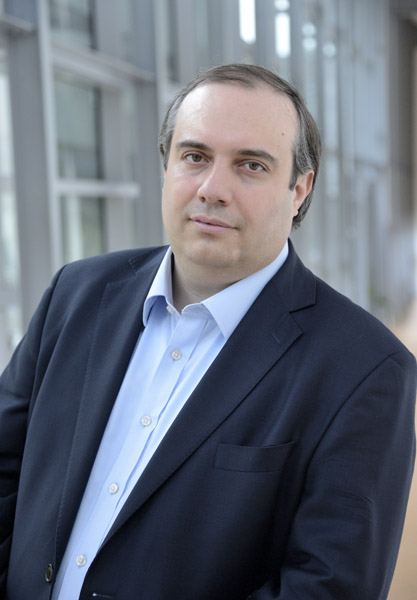
Andrea C. Ferrari is a Professor of Nanotechnology at the Department of Engineering, University of Cambridge, UK. He holds multiple leadership roles, including Director of the Cambridge Graphene Centre and EPSRC Centre for Doctoral Training in Graphene Technology, and serves as Science and Technology Officer for the EU Graphene Flagship. Education: PhD, University of Cambridge (2001) Laurea in Nuclear Engineering, Politecnico di Milano (1997) Ferrari’s research focuses on graphene, 2D materials, and their applications in nanotechnology, photonics, optoelectronics, and Raman spectroscopy. His work bridges fundamental studies and industrial translation, emphasizing scalable synthesis and characterization techniques. His publications span over 390 peer-reviewed articles, including groundbreaking studies on graphene photonics, quantum emitters, and advanced optoelectronic devices. These works are highly cited, with an H-index of 115 and over 116,000 total citations. Scientific Awards: IMR-Lee Hsun Lecture Award (2018) Nanosmat Award (2017) Knight Officer of the Order of the Star of Italy (2017) ERC Synergy Grant (2013) EU-40 Materials Prize (2011) Royal Society Wolfson Research Merit Award (2010) ERC Starting Grant (2008) Philip Leverhulme Prize (2005) Ferrari has secured over £60M in research funding, including leadership roles in the EU Graphene Flagship and the EU Quantum Technology Flagship. He is a Fellow of the Optical Society, Materials Research Society, Institute of Physics, and American Physical Society.
Christian Friedrich Wilhelm Becker is a full Professor at the University of Vienna, holding a position within the Faculty of Chemistry and the Department of Biological Chemistry. His research profile shows extensive activity in protein chemistry and biochemistry, with particular focus on post-translational modifications and their implications in disease mechanisms. His work bridges chemical biology, biochemistry, and biomedical applications, contributing significantly to the academic and research landscape at one of Europe's oldest and most prestigious universities. Faculty of Chemistry, University of Vienna Department of Biological Chemistry Active research leader with numerous ongoing projects Significant publication record spanning multiple disciplines Professor Becker's research primarily focuses on protein chemistry, particularly post-translational modifications and their role in protein function and dysfunction. His work spans multiple interconnected areas including ubiquitination, protein aggregation, prion protein behavior, and biomimetic approaches to protein analysis. His research has significant implications for understanding neurodegenerative diseases and developing novel therapeutic approaches. The fingerprint analysis of his work shows strong connections to biochemistry, molecular biology, and chemistry, with particular emphasis on cysteine chemistry, glycosylation, and amino acid modifications. Analysis of Professor Becker's recent publications (2021-2025) reveals a consistent research trajectory focused on protein modification techniques and their biological implications. His work shows increasing sophistication in chemical biology approaches to study protein function, with particular emphasis on ubiquitination pathways and protein aggregation mechanisms. The integration of chemical synthesis methods with biological analysis represents a hallmark of his research approach. His publications span high-impact journals in biochemistry, chemical biology, and peptide science, demonstrating the interdisciplinary nature of his contributions. Professor Becker has received notable recognition for his research contributions, most prominently the Cathay Award in 2020. This award acknowledges his significant contributions to the field of protein chemistry and chemical biology. His work appears to have practical applications in therapeutic development, particularly in the areas of targeted protein degradation and immunotherapy, which likely contributed to this recognition. Cathay Award (2020) Professor Becker leads multiple significant research projects, including 'Targeted protein degradation - from small molecules to complex organelles' (2020-2024), 'Taktira: Development of an improved, low-side-effect and sustainable immunotherapy' (2019-2023), and 'Structure Zoom: Zooming in on protein functional sites with atomic resolution' (2018-2021). These projects demonstrate substantial grant funding and collaborative research efforts across multiple institutions. His active participation in 290 recorded activities through 2025 indicates a highly engaged research program with numerous collaborators and trainees. Targeted protein degradation project (2020-2024) Taktira immunotherapy project (2019-2023) Structure Zoom project (2018-2021) Professor Becker's research environment includes a robust team of collaborators and junior researchers, as evidenced by the numerous co-authored publications and activities. His work intersects with multiple research groups studying protein function, modification, and therapeutic applications. The international collaboration network shown in his profile indicates significant engagement with researchers across multiple countries, creating a dynamic research ecosystem focused on advancing protein science and its biomedical applications.
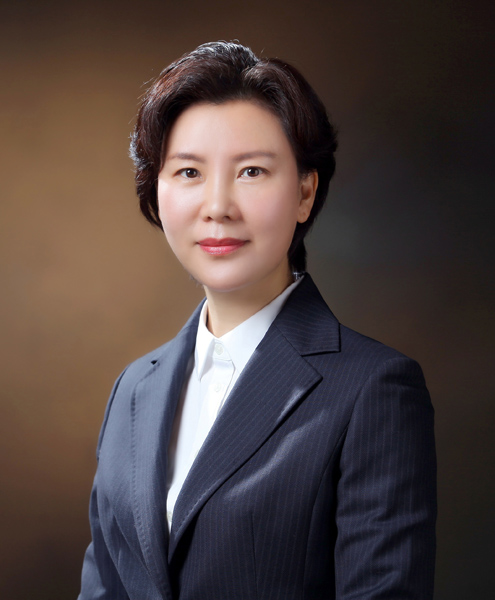
Prof. Yu Jihong is a full Professor at the Department of Chemistry, Jilin University, and serves as Director of the International Center of Future Science and Vice President of the Chinese Chemical Society. She leads the State Key Laboratory of Inorganic Synthesis and Preparative Chemistry. Her research focuses on designing nanoporous materials for energy and environmental applications, with over 320 publications in top journals like Science and Nature Communications. Education: BS (1989), MS (1992), PhD (1995) from Jilin University Postdoctoral: Hong Kong University of Science and Technology (1996–1997), Tohoku University (1997–1998) Research interests include inorganic synthesis, porous materials, catalytic materials, and environmental applications. Her work bridges computational methods with experimental synthesis, yielding innovations in zeolite structures and catalytic systems. Awards: IUPAC Distinguished Women in Chemistry Award (2017), TWAS Fellow (2016), Chinese Academy of Sciences Academician (2015), and multiple national science prizes. She is an Associate Editor of Chemical Science and leads editorial boards for Materials Horizons and others. Her articles emphasize novel synthetic methods, catalytic systems, and sustainable materials. Key themes include accelerating zeolite crystallization, designing nanocatalysts, and developing porous membranes for environmental applications.
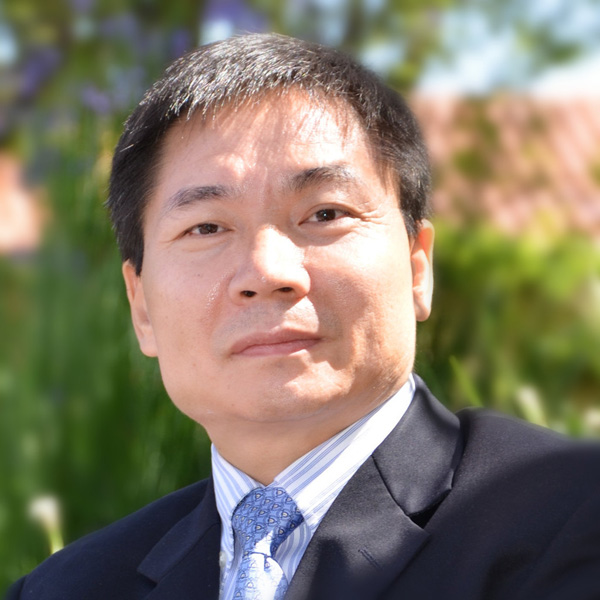
Dr. Li Baowen is Chair Professor at Southern University of Science and Technology (SUSTech) with joint appointments in the Department of Physics and Department of Materials Science and Engineering. A pioneer in phononics and thermal metamaterials, he previously held endowed professorships at University of Colorado Boulder and UC Berkeley. His research focuses on controlling heat transfer at nano scales, developing thermal metamaterials like thermal cloaks, and applying complex networks to physical systems. Dr. Li has published over 400 papers including 3 in Reviews of Modern Physics and 30 in Physical Review Letters, with more than 34,800 citations (H-index 98). He is recognized with the Brillouin Medal from the International Phononics Society and is a Fellow of the American Physical Society. He founded research centers including the China-EU Joint Lab for Nanophononics at Tongji University. His current research explores quantum phononics, machine learning applications in thermal materials, phonon lasers, and quantum sensing technologies.
- Phononics
- Thermal Metamaterials
- Nano Heat Transfer
- +۲ مورد دیگر
Martin Kaltenbrunner is a Professor in the Department of Soft Matter Physics at the Faculty of Engineering & Natural Sciences, Johannes Kepler University Linz (JKU). He leads the LIT Soft Materials Lab and is affiliated with the Linz Institute of Technology (LIT), focusing on sustainable material innovations for next-generation electronics. His research spans biodegradable flexible electronics, energy-autonomous systems, and eco-friendly substrates. Key interests include perovskite solar cells for healthcare robotics, mycelium-based electronic skins, and algal polysaccharide conductive nanocomposites. He pioneers sustainable alternatives using organic materials to replace conventional electronics in soft robotics and wearable devices. Recent publications (2024-2025) emphasize circular economy principles, featuring mycelium substrates for PCBs, algae-derived transistors, and passivation techniques for high-efficiency solar cells. The work integrates materials science with environmental sustainability, targeting applications in medical sensors and autonomous robotics. Professor Kaltenbrunner has supervised 18 research works and leads multiple major grants: Personalized Sustainable Smart Patch Omnificence (Persimmon) - EU project (2024-2028) Mycelium-based substrate for sustainable flexible PCBs (MycoSub) - EU project (2024-2025) Intelligent cellulose-based sensors - FFG project (2022-2025) Metasurface Fabrication (META-FAB) - FFG project (2024-2027) Nadelholzreststoffe for mycelium packaging (MycoSoft) - FFG project (2023-2026) He directs the LIT Soft Materials Lab, which develops biodegradable gels, fungal biomaterials, and sawmill byproduct-based insulation. The lab collaborates across JKU's engineering and natural sciences divisions to advance sustainable electronics through interdisciplinary projects like Persimmon and MycoSub, emphasizing real-world deployment of eco-friendly technologies.
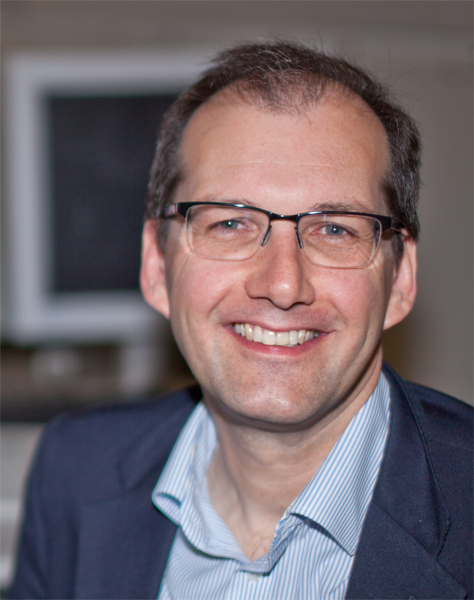
Professor Paul Midgley is a leading academic in Materials Science at the University of Cambridge's Department of Materials Science and Metallurgy, serving as Professor since 2007 and Head of Department from 2018–2020. He is a Fellow of Peterhouse College and holds multiple prestigious awards, including the Royal Society Fellowship and the Ernst Ruska Prize. Education: PhD in Physics (University of Bristol, 1991), MSc (Distinction) in Semiconductor Materials (1988), BSc (Hons) Physics (1987). Administration: Director of the Wolfson Electron Microscopy Suite, and active on various University committees including Research, Teaching, and REF. His research focuses on advanced electron microscopy techniques such as convergent beam diffraction, electron tomography, and nanostructure analysis, with applications in nanoscale materials science and 3D reconstruction using compressed sensing. He has pioneered methods like precession electron diffraction and multi-dimensional electron microscopy, contributing to fields like plasmonic nanoparticles and catalytic materials. Key Research Themes: Electron crystallography, nanomaterial characterization, energy materials, and defect analysis in perovskites. Midgley has delivered over 20 invited/plenary lectures globally, including at EUROMAT, the Welch Symposium, and the John Cowley Memorial Lecture. His grant income exceeds £16M as Principal Investigator. Labs/Teams: Leads the Wolfson Electron Microscopy Suite and collaborates internationally on microscopy advancements and materials innovation.
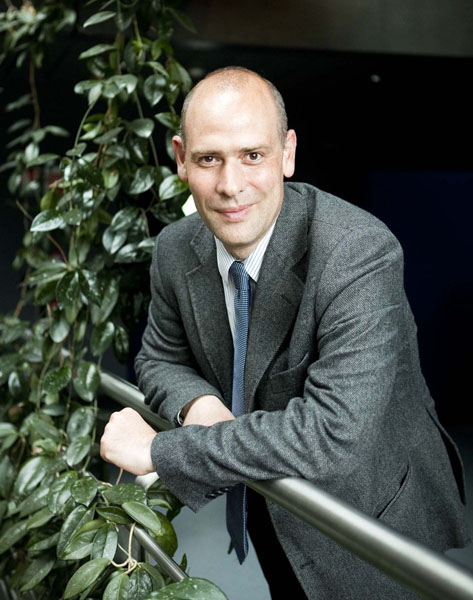
Paolo Samorì is a full-time Professor at the Université de Strasbourg , where he serves as Director of the Nanochemistry Laboratory and Emeritus Director of the Institut de Science et d'Ingénierie Supramoléculaires (ISIS) . He is affiliated with multiple prestigious academies, including the German National Academy of Science and Engineering (ACATECH) , Royal Society of Chemistry (FRSC) , and European Academy of Sciences (EURASC) . Education: Laurea (MSc) in Industrial Chemistry (University of Bologna, 1995), PhD in Chemistry (Humboldt University Berlin, 2000, summa cum laude). His research focuses on Nanochemistry , 2D materials , and supramolecular systems at interfaces , with applications in organic electronics , optoelectronics , and sensing . He pioneered methods for scanning probe microscopies and photoresponsive nanodevices , including graphene-based systems and diarylethene molecular switches. His scientific awards include the ERC Advanced Grant (2019) , Blaise Pascal Medal (2018) , and Catalán-Sabatier Prize (2017) , among 20+ honors. He has trained over 130 students and researchers , including 34 professors now active globally.
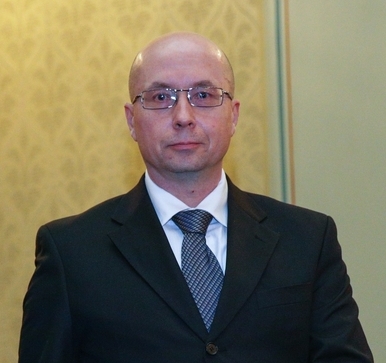
Kostya (Ken) Ostrikov is Professor of Nanotechnology and Molecular Science at the Queensland University of Technology (QUT), Faculty of Science and Engineering, Australia, and concurrently serves as CEO Science Leader and Chief Research Scientist (Plasma- and Nano- Technologies) at CSIRO Manufacturing Flagship. Beyond his primary appointments, he holds visiting or honorary professorships at more than a dozen institutions across six countries, including Peking University, Zhejiang University, the University of Sydney, University of Technology Sydney, University of Wollongong, Huazhong University of Science and Technology, Shanghai Jiao Tong University, Jiangnan University, Kharkiv National University, Nanyang Technological University, and the Jožef Stefan Institute. Education & Fellowships: Distinguished Doctor of Sciences, Kharkiv National University, Ukraine (2009) Alexander von Humboldt Research Fellowship, Germany (1997–1999) Royal Society Postdoctoral Research Fellowship, United Kingdom (1997) Japan Society for the Promotion of Science Invitation Fellowship (2000–2001) Lee Kuan Yew Research Fellowship, Singapore (2002) Australian Research Council (ARC) Queen Elizabeth II Fellowship (2004–2009) ARC Future Fellowship – Level FT3 (2011–2015) Research Interests: Professor Ostrikov is globally recognized as the pioneer of Plasma Nanoscience , a field he established and advanced through seminal reviews in Reviews of Modern Physics (2005) and Advances in Physics (2013). His research targets the fundamental challenge of controlling energy and matter at the nanoscale, translating insights into sustainable technologies. Core themes include: plasma-aided nanofabrication, functional nanomaterials synthesis, plasma catalysis, low-temperature plasmas for energy and environmental applications, plasma medicine and healthcare, and nano-plasmonics. The work bridges physics, chemistry, materials science and biotechnology, aiming at renewable-energy devices, environmental remediation, and next-generation health-care solutions. Grants & Funding: He has secured over AU $15 million in competitive research funding during the last six years alone, including flagship and centre-level grants from the Australian Research Council and CSIRO. Advising & Mentoring: Ostrikov has supervised approximately 65 PhD graduates and more than 92 research students (post-doctoral fellows, master’s and honours students). Alumni hold prestigious fellowships and faculty positions worldwide, attesting to the global impact of his mentoring. Leadership & Community: He is the Convenor of the annual iPlasmaNano international conference series (since 2009) and chairs the Executive Committee of the International Plasma Nanoscience Collaborative Research Network. These roles coordinate a vibrant community of >250 active collaborators, ensuring rapid dissemination of breakthroughs and fostering cross-disciplinary partnerships.
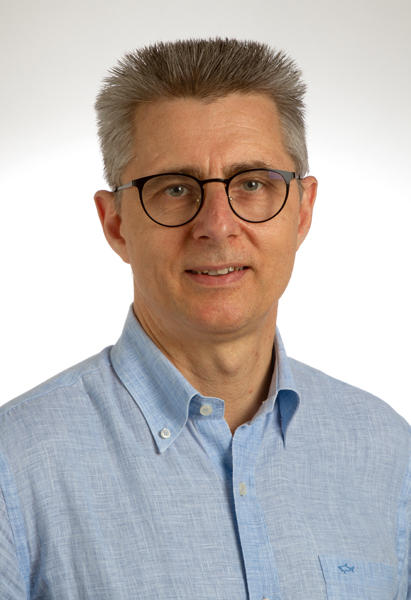
Professor Paolo Fornasiero is a Full Professor of Inorganic Chemistry at the University of Trieste, Department of Chemical and Pharmaceutical Sciences, where he has worked since 1998. He serves as Deputy Director of the department since 2021 and Scientific Responsible of the CNR Research Unit associated with the Institute of Chemistry of OrganoMetallic Compounds (ICCOM) since 2008. His career spans EU projects, bilateral collaborations with China, India, and Argentina, and leadership roles in journals like ACS Catalysis (Executive Editor since 2021). Full Professor (2016–present) Associate Professor (2006–2016) Assistant Professor (1998–2006) Post-Doc, University of Reading (1996–1997) His research focuses on multi-functional metal-oxide nanosystems for energy and environmental catalysis, including green hydrogen production , CO2 valorization , and methane emission control . He pioneered core-shell catalysts and single-atom systems for stability and selectivity. His work extends to solid oxide fuel cells and photocatalytic water depollution . Recent publications highlight trends in photothermal catalysis , single-atom catalysts , and CO2 electroreduction . His 280+ papers (3 in Science , 2 in Nature Communications ) reflect expertise across Environmental Catalysis , Nanomaterials , and Green Energy . 2022 Malatesta Medal 2021 European Academy of Sciences member 2017 Edoardo Kramer Award 2016 Heinz Heinemann Award 2013 Chiusoli Gold Medal He oversees PhD/postdoc advising and participates in global capacity-building via UNIDO and World Academy of Sciences . His lab collaborates with institutions like KAUST , Czech Academy of Sciences , and Dalian Institute of Chemical Physics .
Jia Min Chinمشاهده پروفایل
دانشیار
Jia Min Chin is an Associate Professor at the Faculty of Chemistry , affiliated with the Institute of Functional Materials and Catalysis . Her research focuses on advanced materials, particularly Metal-Organic Frameworks (MOFs), Gold nanoparticles, and N-Heterocyclic Carbene (NHC) chemistry, with applications in catalysis, environmental remediation, and sustainable technology. Her scientific work contributes to United Nations Sustainable Development Goals (SDGs) through innovations in functional materials and catalytic systems. Key projects include Breaking the ice – novel energy efficient hybrid de-icing systems and DYNAMOF: Electric Field Assisted Dynamic MOF Alignment , funded by major research grants. She received the prestigious ERC Grant in 2020 for her contributions to materials science. Chin's research spans MOF-based nanocomposites, photonic assemblies, and biomedical applications. Her publications highlight trends in Stimuli-responsive materials (electric/magnetic fields) Green catalytic systems Anti-icing and humidity-sensing coatings Cancer therapy platforms Scientific Awards ERC Grant (2020) She collaborates globally on cutting-edge topics like MOF alignment, nerve agent decomposition, and CO2 reduction, with recent activities including lectures at international conferences and workshops on material structuring.
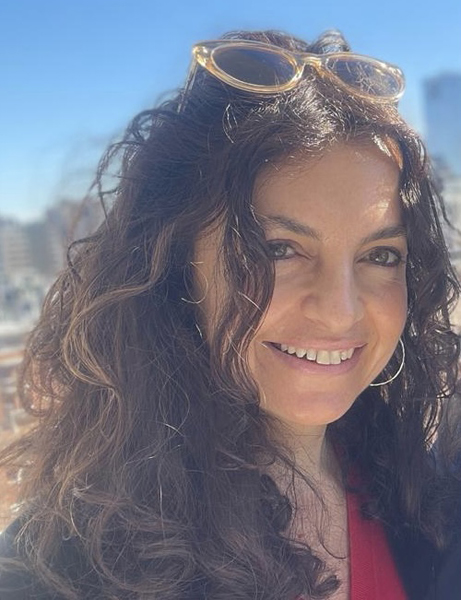
Elisa Riedo is a tenured Professor of Chemical and Biomolecular Engineering at New York University (NYU) Tandon School of Engineering, with joint appointments as Professor of Physics in NYU’s College of Arts and Science and as affiliated Professor of Mechanical Engineering at Tandon. She serves as Director of Faculty Development at NYU Tandon and has held prior tenured positions at Georgia Tech (2003–2015) and CUNY ASRC (2015–2018). Her academic career spans over two decades, with a Ph.D. in Physics from the University of Milano (2000) and postdoctoral work at EPFL. Her research focuses on nanotechnology , graphene and 2D materials , and thermal scanning probe lithography (tSPL) , with applications in biomedical diagnostics quantum electronics electromagnetic interference shielding mechanical reinforcement of materials She pioneered tSPL for sustainable nanofabrication and discovered diamene—a single-layer diamond structure from graphene under pressure. Her recent work involves transparent infrared electrodes using silver nanowires (2025) and self-organized graphene stacking domains for quantum technologies (2024). She has secured major grants from National Science Foundation , Department of Defense , and Army Research Office . Scientific honors include: 2023 NYU Tandon Excellence in Research Award 2013 American Physical Society Fellow 2005 CREA Innovation Award Membership in the Academy of Europe (2023) She contributes to editorial boards for journals like 2D Materials and Applications and advises companies such as Mirimus Inc. and SwissLitho AG .
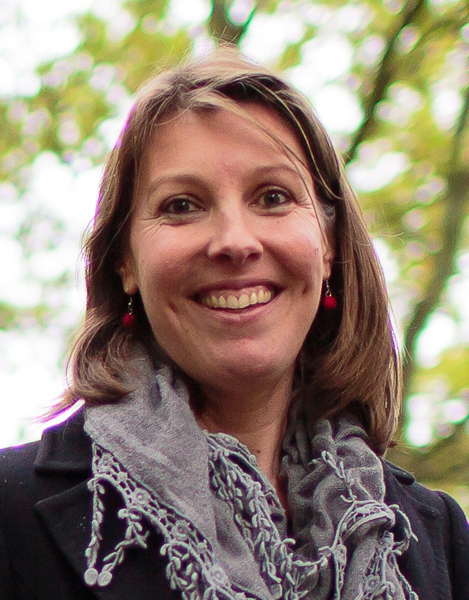
Annemie Bogaerts is a Full Professor at the University of Antwerp since 2014 and head of the PLASMANT research group , which she established independently after her supervisor's retirement. The group now has 37 members including 2 professors, 15 postdocs, 18 PhD students, and 2 technical coworkers. Academic Career: Lecturer (2004-2007), Senior Lecturer (2008-2011), Francqui Distinguished Research Professor (2013-2016), Full Professor (2012-now) Current Leadership Roles: Chair of Department of Chemistry, Head of PLASMANT group Research Focus : Computer modeling of plasmas, plasma-surface interactions, plasma catalysis for CO 2 conversion into value-added chemicals. Her work combines experimental and computational approaches to develop sustainable plasma-based chemical processes. Scientific Achievements : Over 400 peer-reviewed publications (H-index 52 in Web of Science, 64 in Google Scholar) 11,000+ citations (16,000+ in Google Scholar) 20+ major scientific awards including: Winter Plasma Award 2009 for laser ablation modeling Lester W. Strock Award 2008 for plasma/surface modeling Academia Europaea member since 2011 Koninklijke Vlaamse Academie member since 2012 Academic Service : Editor of Spectrochimica Acta Part B , guest editor for 10 special issues including 'Plasma & Cancer', Chair of International Symposium on Plasma Chemistry (2015), and active in university governance through multiple commissions.
Stefanie Dehnen is a Professor at Karlsruhe Institute of Technology (KIT), focusing on multinary, non-oxidic cluster and network compounds with applications in inorganic and materials chemistry. Her group specializes in synthesizing precursor compounds with binary main group element units to develop materials with unique electronic and structural properties. Corresponding Member, Division of Mathematics and Natural Sciences (since 2024) Her research bridges fundamental studies of cluster architectures and practical applications in solid-state chemistry, including lithium superionic conductors and photonic materials. Key themes include aromaticity in heavy-metal clusters, structural expansion, and strain-induced rearrangements. Recent publications highlight her work on bismuth-based clusters, thorium-doped systems, and lithium-ion conductive materials, reflecting expertise in synthesizing complex inorganic structures. Gottfried Wilhelm Leibniz-Preis (DFG) ERC Advanced Grant Alfred-Stock-Gedächtnispreis (GDCh) Fellow of Chemistry Europe Alexander Todd-Hans Krebs Lectureship (RSC/GDCh)
- Chemistry
- Inorganic Chemistry
- Materials Chemistry
- +۳ مورد دیگر

Prof. Chunli Bai is a distinguished academic leader serving as President of the Chinese Academy of Sciences (CAS) since 2011 and President of TWAS (The World Academy of Sciences) since 2013. He previously led the University of Chinese Academy of Sciences (UCAS) from 2001-2014 and directed the National Center for Nanoscience and Technology (2003-2008). His research focuses on nanotechnology, molecular self-assembly, scanning probe microscopy, and catalyst characterization. Education highlights include a Research Associate position at the California Institute of Technology (1985-1987) and Visiting Professorships at Tohoku University (1991-1992). He has held progressively senior administrative roles within CAS since 1996, culminating in his current presidencies. Research interests emphasize nanomaterials synthesis, STM-driven structural analysis, and molecular-level surface interactions. His work bridges fundamental nanoscience with applied technologies, particularly in catalytic systems and nanodevice development. Prof. Bai has received over 15 major international honors including membership in 8 national academies, 6 honorary doctorates, and prestigious medals from UNESCO and the National Academy of Sciences (USA). He authored/co-authored influential books on nanotechnology and pioneered China's nanoscience advancement through visionary leadership. His extensive network includes global collaborations through TWAS and CAS, driving scientific capacity development in developing countries. Leadership in major institutions has positioned him as a pivotal figure in both Chinese and global scientific communities.
- Nanoscience
- Nanotechnology
- Catalysts
- +۵ مورد دیگر