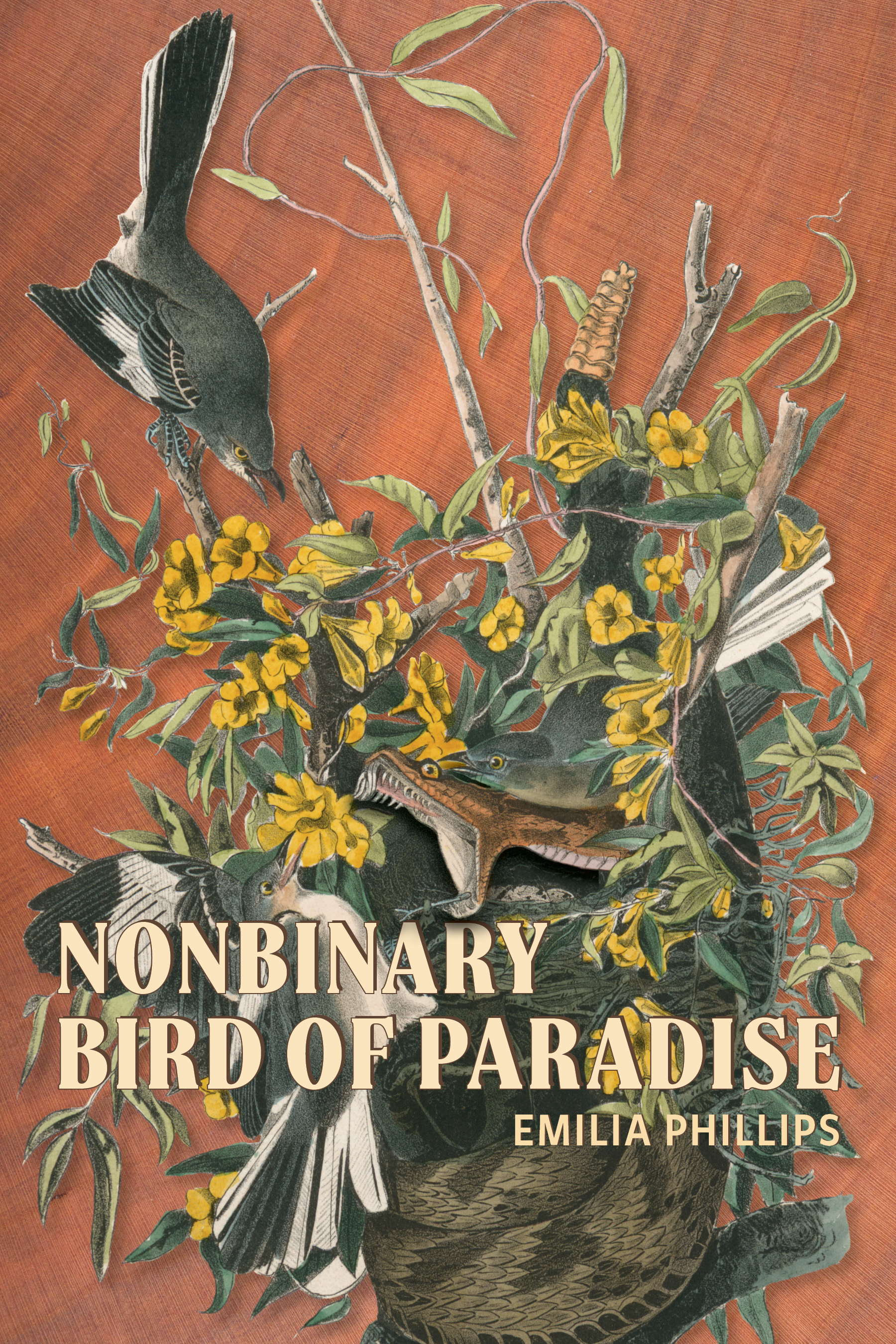
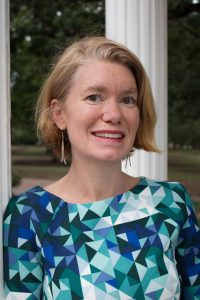
Emilia Phillips (they/them) is an Associate Professor of Creative Writing at the University of North Carolina Greensboro, affiliated with the Department of English, the MFA in Writing Program, and the Women’s, Gender, and Sexuality Studies Program. Their work spans poetry, creative nonfiction, and literary criticism, with notable publications in Agni , American Poetry Review , and The New York Times . Phillips is the author of five poetry collections, including the forthcoming Nonbinary Bird of Paradise (2024), and has received prestigious awards such as the Pushcart Prize and NC Arts Council Fellowship. Research interests include queer poetics, archival documentation of LGBTQ+ spaces, and intersections of gender, health, and identity. Current projects include a memoir ( SQAR ), a poetry collection memorializing historical queer spaces, and translations of Chilean poet Macarena Urzúa Opazo. Phillips collaborates with UNCG’s Special Collections on digitizing poetry broadsides and LGBTQIA+ archives, blending creative practice with scholarly engagement. Awards and fellowships reflect their contributions to literature and academia. Teaching focuses on poetry workshops, queer literary studies, and gender-related health narratives. Phillips has held editorial roles at Ploughshares , 32 Poems , and Blackbird , and participated in residencies worldwide, including Iceland, Portugal, and Catalonia.
Annie Jonas is a Professor at Warren Wilson College with an Ed.D. in Curriculum and Instruction. Her research explores civic identity development and brain-based learning in experiential education contexts. As NC Campus Compact Engaged Faculty Scholar and Journal of Experiential Education Associate Editor, she bridges theory and practice through youth programs and nonprofit partnerships.
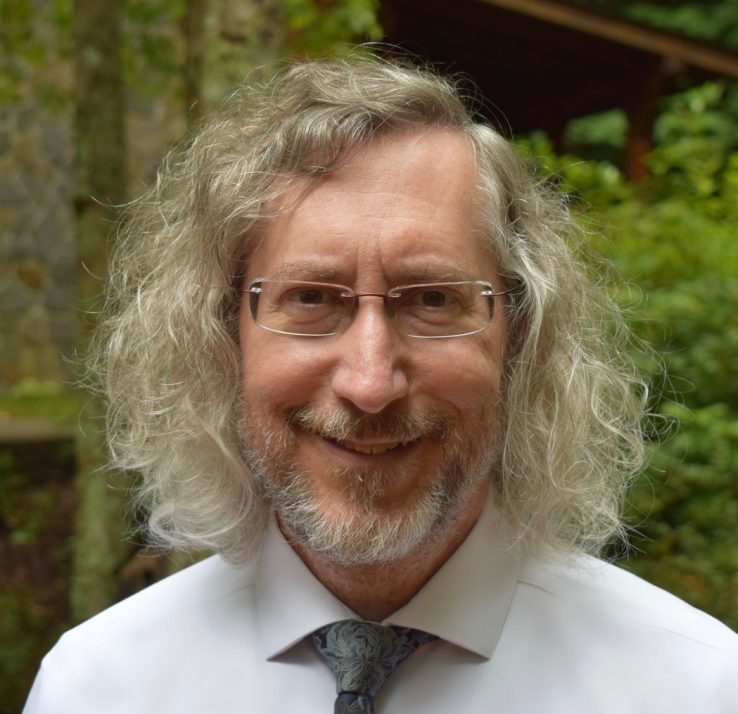
Michael Mars Landis serves as faculty in Computer Science at Warren Wilson College in Asheville, NC, where he teaches and supports IT infrastructure since 2016. He holds an M.S. in Computer Science from Duke University and a B.S. in Computer Science and Mathematics from Furman University. His courses include Introduction to Computer Science with Python (MAT:2110) and specialized topics in Machine Learning and Database Systems (MAT:3901). Research focuses on machine learning applications and programming language development. Landis contributes to campus life through IT crew supervision and participation in ecstatic dance and Celtic music activities. No awards, publications, or student advising are noted.
Melissa Faetz is an Associate Instructor and Elementary Education program coordinator at the College of Education and Allied Professions, Western Carolina University (WCU). She also serves as the WCU Regional Director for the North Carolina New Teacher Support Program. With 12 years of K-12 teaching experience in Macon County, she has been recognized for her contributions, including regional Teacher of the Year and a Teacher Voice Fellowship. She is pursuing an Ed.D. in Curriculum and Instruction at the University of Virginia. Education: MAED in Elementary Education, Western Carolina University BSED in Elementary Education, Western Carolina University Research interests focus on integrating STEM and literacy in elementary classrooms, and preparing pre-service teachers to address cultural diversity. Her work emphasizes practical strategies for inclusive and interdisciplinary teaching practices. Awards: 2015 NC Hope Street Group Teacher Voice Fellow 2014 North Carolina Region 8 Teacher of the Year Advising and Grants: No specific grants or advisees listed, but her role as program coordinator likely involves mentoring pre-service teachers. She collaborates with the North Carolina New Teacher Support Program to support novice educators. Labs/Teams: Active in the School of Teaching and Learning at WCU, contributing to teacher education initiatives.
William Faust is an Associate Instructor in the School of Health Sciences at Western Carolina University's College of Health and Human Sciences. He holds an MPA in Public Administration from Kean University and a BS in Biology from Washington College. His teaching focuses on Cardiology, Pediatrics, EMS leadership/education, and rescue operations. With over 40 years in EMS, Faust has served as a paramedic since 1991, working across rural/urban settings. He has taught EMS programs in NJ and NC since 1993, combining field experience with instructional roles. He remains an active fire/EMS/rescue first responder in his community.
Dr. John Bassett is an Honorary Fellow at the School of Pharmacy and Pharmaceutical Sciences, University of Queensland. His research focuses on calcium signaling mechanisms in cancer, particularly breast cancer, with an emphasis on high-throughput screening, drug discovery, and cellular imaging techniques. He has contributed to understanding the roles of calcium channels like TRPV6 and ORAI1 in cancer progression and apoptosis resistance. Key research interests include the development of genetically encoded calcium indicators (GECIs) for high-content imaging applications, mitochondrial toxicity prediction in cardiomyocytes, and the application of fluorescent assays for ion channels and GPCRs. His work spans both basic science and translational research, with a strong focus on breast cancer biology. Notable collaborations include studies on ceramide-induced apoptosis, PTEN loss effects on calcium signaling, and the assessment of doxorubicin's impact on breast cancer cell lines. Bassett has presented at international conferences such as the European Calcium Society meetings and the Society for Laboratory Automation and Screening (SLAS). His early career publications also addressed mental health rehabilitation programs for young people with psychosis, highlighting interdisciplinary contributions to healthcare service innovation.
Alexander Deiters is a Distinguished Professor of Chemistry at the University of Pittsburgh where he serves as founding Director of the Institute for Synthetic Biology. He joined the University of Pittsburgh in September 2013 after previously serving as a Full Professor at North Carolina State University. His research spans chemical biology, synthetic chemistry, and optochemical biology with applications to understanding and treating human diseases including cancer, neurological disorders, and viral infections. Deiters received his education in Germany, studying Chemistry at the University of Münster from 1993-1998, where he earned both his diploma degree (1998) and doctoral degree (2000). He completed postdoctoral work at the University of Texas at Austin (2001) and The Scripps Research Institute (2002-2004) before beginning his independent career at NC State University in 2004. Professor Deiters' research program focuses on developing novel chemical tools to elucidate biological processes. His multidisciplinary work combines synthetic organic chemistry, nucleic acid chemistry, biochemistry, and photochemistry to create optochemical tools that enable external control of biological processes with high spatial and temporal resolution. Key research directions include the development of light-activated proteins through synthetic biology approaches, photocaged oligonucleotide chemistry for controlling gene function, and small molecule inhibitors of the microRNA pathway for potential therapeutic applications. His lab consists of students and researchers with diverse backgrounds in multiple scientific disciplines working together to engineer DNA, RNA, and proteins with new functions. His recent publications demonstrate a continued focus on optochemical control of biological systems, with significant contributions in genetic code expansion, light-activated therapeutic agents, and novel approaches to controlling cellular signaling pathways. The work spans multiple model systems including mammalian cell culture, zebrafish embryos, and Xenopus laevis, with applications in cancer research, virology, and immunology. Editorial Board of Scientific Reports, Springer Nature Group (2016-) Editorial Advisory Board of ChemBioChem, Wiley-VCH (2016-) Charles E. Kaufman Foundation New Initiative Research Grant (2014) American Cancer Society Research Scholar Award (2011) National Science Foundation CAREER Award (2009) Beckman Young Investigator Award (2007) March of Dimes Foundation Basil O'Connor Starter Scholar Award (2006) Professor Deiters has trained over one hundred graduate students, postdocs, and undergraduates in his laboratory. His research has been supported by numerous grants from federal agencies including NIH and NSF, as well as private foundations. He serves as faculty advisor to the University of Pittsburgh's iGEM teams and has co-founded Monarch Therapeutics. Several compounds and reagents developed in his lab are commercially available, and his technologies have been licensed to biotech companies including Coeptis Therapeutics. His work has significant therapeutic potential, particularly in developing fundamentally new therapeutic agents through small molecule targeting of cellular pathways. The Deiters Lab at the University of Pittsburgh brings together students and researchers with diverse backgrounds in synthetic organic chemistry, nucleic acid chemistry, biochemistry, analytical chemistry, chemical engineering, and functional genomics. The lab maintains active collaborations with researchers at the Hillman Cancer Center, the Molecular Biophysics and Structural Biology Program, the Medical Scientist Training Program, and the Center for Systems Immunology at the University of Pittsburgh, as well as the Center for Nucleic Acids Science & Technology at Carnegie Mellon University.
Sara Nienow is a Professor of Practice in the Department of City and Regional Planning at the University of North Carolina at Chapel Hill. She serves as an applied economist at RTI International’s Center for Applied Economics and Strategy, where she leverages over 20 years of professional experience in economic analysis and program evaluation. Her expertise spans assessing economic and social impacts of industrial developments, policy changes using input-output models, and designing community benefit plans. She has also evaluated initiatives to fund scientific innovation and conducted regional economic analyses, survey research, and strategic planning. Her current role involves project management, staff guidance, and interdisciplinary collaboration. Previously, she held roles as a Principal Program Evaluator for the North Carolina General Assembly, a long-range planner for the Town of Cary, and an economist/planner at the NC Department of Commerce. She is IMPLAN-certified and holds the Council for Community and Economic Research’s CERP certification. No specific grants or advising details are disclosed, though her work emphasizes applied research with practical policy implications. She remains affiliated with the Department of City and Regional Planning at UNC-Chapel Hill.
David Salvesen is a retired Teaching Professor in the Department of City and Regional Planning at the University of North Carolina at Chapel Hill. He specialized in Land Use and Environmental Planning and served as Deputy Director for the Center for Sustainable Community Design for fourteen years. His work emphasized sustainable community design, climate resilience, and technical assistance for communities. Dr. Salvesen held a PhD from UNC’s Department of City and Regional Planning (DCRP). His research and teaching focused on sustainable cities, natural hazard resiliency, and renewable energy. He developed the Sustainable Triangle Field Site, taught courses on sustainable development, and created the Climate Stories NC film series documenting climate impacts across North Carolina. Affiliations include the Institute for the Environment. His pedagogical contributions included a six-week summer study abroad program and capstone courses. Though retired in 2021, his legacy includes integrating practical planning education with community-driven sustainability initiatives.
Laura V. Milko, PhD, is an Assistant Professor in the Department of Genetics at the University of North Carolina at Chapel Hill and Associate Director of the Program for Precision Medicine in Healthcare (PPMH) at the UNC School of Medicine. She specializes in public health genetics, focusing on equitable implementation of population genetic screening. Her roles include co-chair of ClinGen Working Groups and membership in the Newborn Screening Translational Research Network (NBSTRN). Education: BSc (Howard University, 2000), PhD (University of New Orleans, 2007), Postdoc in Molecular Ecology (NC State University, 2007–2009). Research Interests: Genomic sequencing, precision public health, clinical utility of genetic information, stakeholder engagement, and addressing health equity. Current projects include the NIH-funded Age-Based Genomic Screening (ABGS) R01 project and leadership in the UNC ClinGen U24 grant. Grants & Awards: NIH R01, NC TraCS Pilot Grant, and NHGRI Diversity Supplement. Active in translational research, implementation science, and global newborn screening initiatives. Labs/Teams: Core member of ClinGen, PPMH, and the NBSTRN, collaborating on genetic screening frameworks and policy development.
Amy Gladfelter is an Adjunct Professor at Duke University, affiliated with the Department of Cell Biology and multiple programs including the Duke University School of Medicine, Pratt School of Engineering, and the Duke Center for RNA Biology. Her research focuses on understanding how cells organize themselves in time and space, combining microscopy, computational methods, and genetic approaches. Key research areas include cytoplasm spatial patterning, cell shape sensing, marine fungi survival in extreme environments, and placental cell function. She leads the Gladfelter Lab at Duke’s LSRC facility (C341), emphasizing interdisciplinary collaboration and diversity in scientific backgrounds. Affiliations include the Program in Cell and Molecular Biology, University Program in Genetics and Genomics, Computational Biology and Bioinformatics Program, Biomedical Engineering (Pratt School of Engineering), and the Marine Biological Laboratory (MBL). Contact her via amy.gladfelter@duke.edu at Duke University Cell Biology, Durham, NC.
Dr. Kevin Anstrom is a Professor in the Department of Biostatistics and Director of the Collaborative Studies Coordinating Center (CSCC) at the University of North Carolina's Gillings School of Global Public Health. With over 25 years of experience, he specializes in statistical methods for clinical trials and observational studies in cardiovascular diseases, pulmonary disease, and infectious diseases like COVID-19. His leadership roles include directing NIH-funded studies and chairing the DSMB for the National Institute of Eye Disease's clinical trials. He also serves on steering committees for RECOVER-CT, HERO, and VICTOR programs. Education: PhD in Statistics (NC State University, 2002), MS in Biostatistics (UNC, 1994), and BS in Biometry (Cornell, 1992). His career includes faculty roles at Duke University's Department of Biostatistics and Bioinformatics (2002–2022) and leadership at the Duke Clinical Research Institute (DCRI) until 2022. Research focuses on designing large-scale clinical trials, such as the TRANSFORM-HF and VICTORIA trials, addressing heart failure, diuretic efficacy, and precision medicine. He has contributed to landmark studies like the Trial to Assess Chelation Therapy 2 (TACT2) and the HERO platform for healthcare worker exposure. His work emphasizes outcomes like mortality reduction, biomarker analysis, and cost-effectiveness. Awards include the Public Health Honor Society (Delta Omega, 1994) and the Robert M. Califf Mentoring Award (2015). He has mentored numerous clinical and graduate students, bridging biostatistical expertise with public health impact. The CSCC, under his leadership, coordinates over 40 multi-site trials, including projects on precision medicine for severe asthma and spinal treatments. Collaborations span UNC departments and external institutions, fostering interdisciplinary public health solutions.
Michael R. Kosorok is the W.R. Kenan, Jr. Distinguished Professor of Biostatistics and Professor of Statistics and Operations Research at the University of North Carolina-Chapel Hill. He leads the Precision Health and Artificial Intelligence Research (PHAIR) Lab and the Center for Artificial Intelligence and Public Health. His research focuses on biostatistics, machine learning, precision medicine, and their applications in cancer and cystic fibrosis. He has authored major texts on statistical foundations and co-edited volumes on dynamic treatment regimes. Education: PhD in Biostatistics (University of Washington, 1991), MM in Music Composition (University of Wisconsin, 1999), and multiple advanced degrees in statistics and music from Brigham Young University. Research interests include data science, reinforcement learning, semiparametric inference, and applications to public health challenges. He leads the NIH-funded P01 CA142538 program project on precision oncology methods. His work bridges statistical theory with clinical practice, particularly in optimizing treatment strategies through AI-driven approaches. Major awards include the COPSS George W. Snedecor Award (2023), AAAS Fellowship (2016), and multiple editorial roles at top journals. He has served on national committees for data safety monitoring, NIH study sections, and international advisory boards in biostatistics. Grants and funding include leadership roles in NC TraCS Biostatistics Core and the Precision Medicine program. His academic service includes department chair roles (2006-2016, 2017-present) and directorships in major research centers.
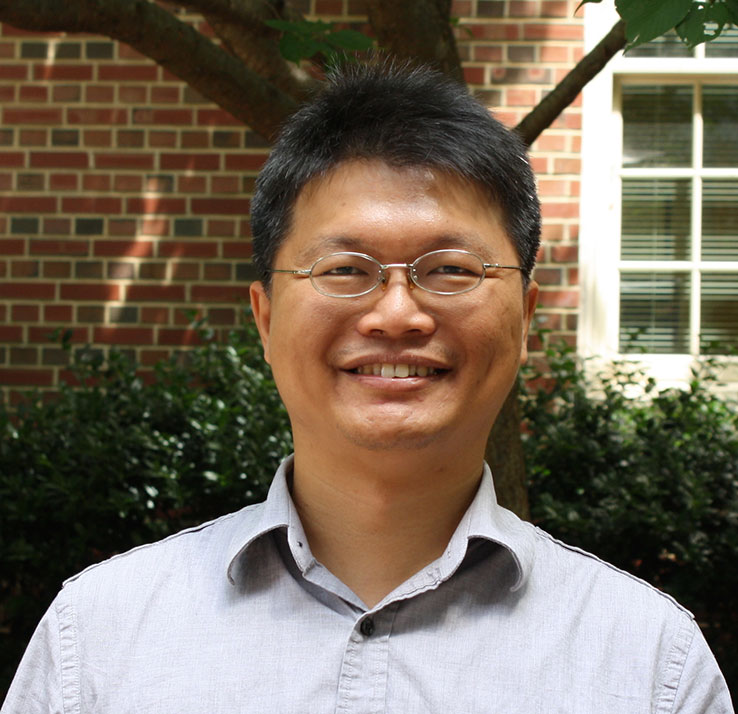
Feng-Chang Lin is a Professor in the Department of Biostatistics at the University of North Carolina at Chapel Hill's Gillings School of Global Public Health. He holds positions in the Translational and Clinical Sciences Institute (TraCS) and NC TraCS CTSA. His expertise spans biostatistical methods for recurrent event modeling, survival analysis, longitudinal data analysis, and hypertension monitoring. Dr. Lin's research addresses biomedical challenges such as infectious disease modeling and prevention clinical trials. He teaches advanced statistics courses including BIOS 661/673. Education: PhD in Statistics from University of Wisconsin-Madison (2008), MA in Statistics (2006). Research interests include survival analysis, generalized linear models, longitudinal analysis, hypertension monitoring, and infectious disease research. His work bridges statistical innovation with clinical applications, particularly in cardiology, oncology, and public health. Service activities include serving as Statistics Editor for *Genetics in Medicine* (2012-2018) and reviewing for top journals like JASA and Biometrics. Non-academic roles include leadership in the North Carolina Raleigh Chinese Language School. Key awards include the 2018-2019 Gillings Teaching Innovation Award and a Taiwanese Study Abroad Scholarship (2005-2006). His publications span statistical methodologies and applied biomedical research, often addressing clinical trial design, disease recurrence models, and public health interventions.
Lianne Cartee is a Teaching Professor and Director of the Undergraduate Program in the Lampe Joint Department of Biomedical Engineering at the University of North Carolina and North Carolina State University . This unique joint program grants ~500 undergraduates full student status at both research universities. Her work in developing the program and the '3D engineer' concept was nominated for the National Academy of Engineering's Gordon Prize for innovation in engineering education. She is a member of the NC State Academy of Outstanding Teachers and has received multiple awards for teaching and mentoring. Education : Ph.D. in Biomedical Engineering, Duke University (1991) B.S. in Biological Engineering, Mississippi State University (1985) Research Interests : Focuses on cochlear implants and engineering education , with prior work on neural modeling in auditory systems. Her research combines biomedical device development with pedagogical innovation to enhance engineering education. Articles Overview : Her publications span cochlear implant modeling, cardiac electrophysiology, and neural stimulation techniques. Recent work (2006) advances understanding of cochlear neural responses to electrical stimulation, while earlier studies (1992) explored cardiac cellular dynamics. This reflects her dual expertise in medical device engineering and physiological systems analysis. Awards : 2019 BME Faculty Departmental Service Award 2014 Peter Mente Outstanding Teacher Award 2010/2014 George Blessis Advising Award 2008 NC State College of Engineering Outstanding Teaching Award 2008 NC State Academy of Outstanding Teachers Advising & Grants : As Director of Undergraduate Studies, she leads program development and student advising. Her grants and collaborations include work with Duke University Medical Center and the Research Triangle Institute on cochlear implant advancements. Labs/Teams : Engaged in interdisciplinary biomedical engineering projects at both universities, focusing on auditory prosthetics and engineering education initiatives.