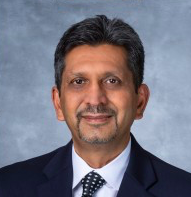
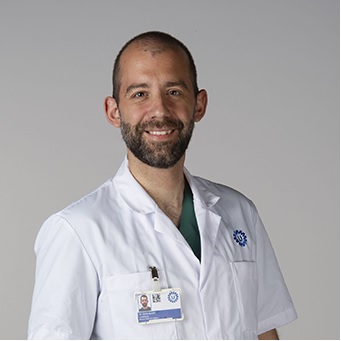
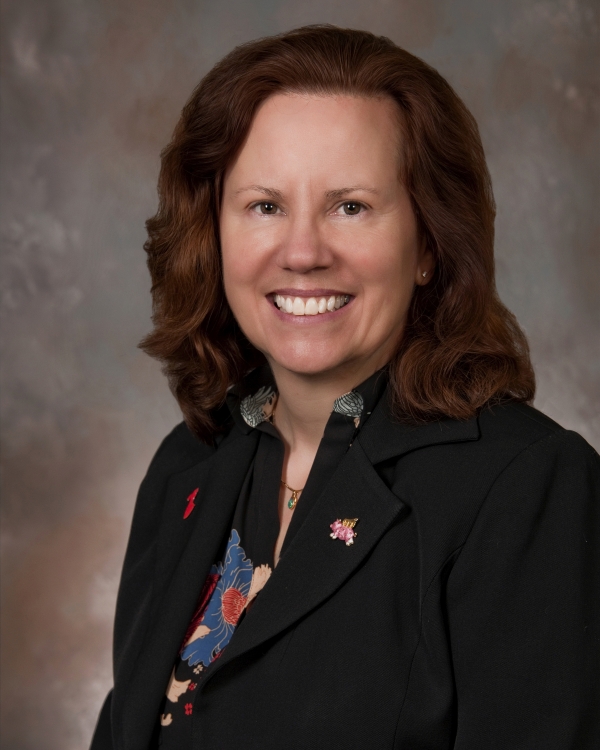
Bijoy Kumar Kundu is an Associate Professor in the Department of Radiology and Medical Imaging and the Department of Biomedical Engineering at the University of Virginia. He holds a PhD in Physics from the Bhabha Atomic Research Center, India, and completed postdoctoral work at the Indian Institute of Technology and UVA. His primary affiliation is within the School of Medicine, specifically in the Cardiovascular Research Center. Dr. Kundu's research focuses on developing novel PET imaging techniques to study metabolic and cardiovascular processes. Key areas include quantifying myocardial glucose and fatty acid metabolism in rodent models of heart disease, optimizing PET imaging for human brain and breast lesions, and applying machine learning for image analysis. His lab is funded by NIH grants, collaborating with institutions like the University of Texas and Spain’s Oncovision Inc. His work addresses metabolic remodeling in hypertension-induced left ventricular hypertrophy, brain abnormalities via FDG PET, and breast lesion segmentation using neural networks. Notable projects include noninvasive detection of early metabolic changes in cardiac diseases and advancements in PET quantification methods to correct partial volume and spill-over effects.
Dr. Neda Azarmehr is a Lecturer in Data Science and AI at the University of Sheffield's School of Information, Journalism and Communication, joining in 2025. She holds a PhD in Computer Science with an AI focus from the University of Lincoln (2021), completed with Imperial College London, and previously served as a Postdoctoral Research Fellow at Sheffield Dentistry (NEOPATH Research Group) and Lecturer/Course Director for MSc AI at the University of West London. Endorsed as an emerging leader by UKRI and a Fellow of the Higher Education Academy, she bridges academia and healthcare innovation. Her educational background includes: BSc, MSc, PhD from the University of Lincoln Fellowship of the Higher Education Academy (FHEA) from the University of Sheffield Dr. Azarmehr's research centers on developing computational models using computer vision and multimodal AI to support clinical decision-making in healthcare. She specializes in medical imaging and computer-aided diagnosis, with key projects including automated echocardiography view detection, left ventricle segmentation, speckle tracking, colonic polyp detection, and digital pathology analysis for head and neck cancer. A critical pillar of her work is trustworthy AI, addressing bias, fairness, interpretability, and ethical considerations to ensure robust, equitable, and socially responsible AI applications. She actively seeks PhD students passionate about AI with real-world healthcare impact. Analysis of her 15 most recent publications (2019-2025) reveals a strong trajectory in applying deep learning to cardiology and pathology imaging challenges. Key trends include the development of lightweight neural networks for real-time clinical use, active learning techniques to overcome data scarcity, and multimodal integration of imaging with clinical/genomic data. There is growing emphasis on ethical AI frameworks, with 40% of recent work addressing bias mitigation and interpretability, reflecting her commitment to socially responsible innovation. Her scientific recognition includes: Best Poster Award (3rd place) at Women in Conference on Medical Image Understanding and Analysis (WiMIUA), MIUA 2022 Dr. Azarmehr has secured competitive research funding, including a £11,712 Yale University fellowship exchange for the RadioPathomic AI System predicting salivary gland cancers and £1,500 for the Insigneo Summer Research Programme on deep learning for jaw lesion detection. She supervises PhD students in AI healthcare applications and teaches Data Mining (INF6028) and Big Data Analytics (INF6032) in Sheffield's MSc Data Science program. Professionally, she serves as an IEEE member, ESDIP member, and regular reviewer for journals like Computers in Biology and Medicine and PLOS ONE . Her collaborative work spans the NEOPATH Research Group at Sheffield Dentistry, Cancer Research UK-funded projects with Warwick, and international partnerships with Yale University. Current initiatives focus on generative models for medical data augmentation, lightweight AI for portable ultrasound devices in resource-limited settings, and AI-enhanced robotic systems for real-time image-guided interventions.
Dr. Diego Villar is a Non-clinical Senior Lecturer at Queen Mary University of London's Blizard Institute, Faculty of Medicine and Dentistry. His laboratory integrates genomics, epigenetics, and bioinformatics to investigate myocardial gene regulation mechanisms and their implications in cardiovascular disease, while also exploring evolutionary adaptations in African mole-rats through comparative genomics. PhD in Molecular Biology Postdoctoral training in neurodegeneration Established BHF-funded independent research group Research focuses on transcriptional dynamics in mammals through: Functional genomics of non-coding elements Cardiovascular epigenetic profiling Evolutionary enhancer analysis Recent publications examine DNA methylation networks in mammalian traits, lineage-specific adaptations in subterranean species, and regulatory element contributions to cardiovascular pathology. Key projects include characterizing myocardial enhancers with disease-associated variants and exploring stress resistance mechanisms in hypoxia-adapted rodents. Scientific recognitions include: British Heart Foundation Basic Science Fellowship (2018) EMBO Short Term Fellowships (2016, 2009) Ramon y Cajal Merit Award (2016) CRUK Travel Award (2012) Current supervision includes: Dr. Stephanie Frost (BHF-funded Postdoctoral Scientist) Mr. Yu Huang (Regenerative Medicine MSc student) Alumni: Daniel Pavon Heredia (CONACYT MSc) and Yiling Wan (undergraduate project)
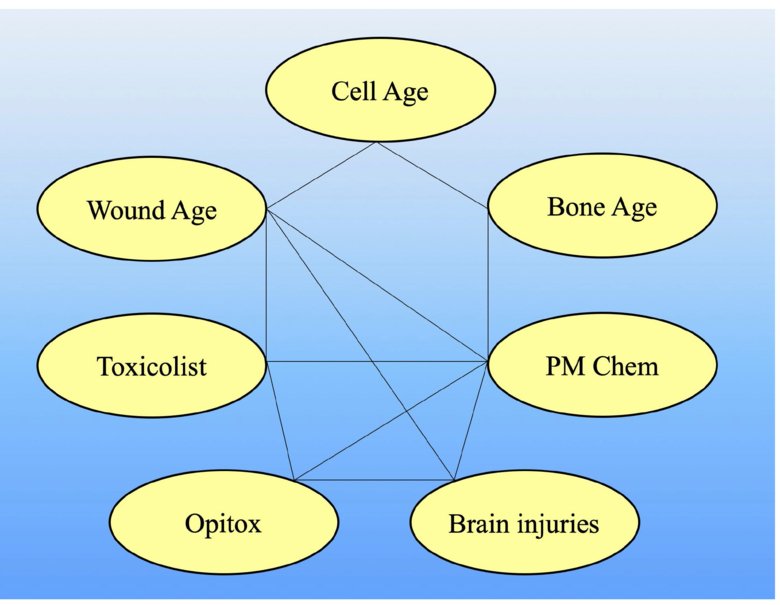
Henrik Druid is a Professor of Forensic Medicine at the Department of Oncology-Pathology, Karolinska Institutet, since 2011. His research focuses on enhancing forensic diagnostics through postmortem analysis, pharmacology, toxicology, and pathophysiological mechanisms of disease and injury. Academic Affiliation : Karolinska Institutet (2011–present), Linköping University (2002 as Associate Professor) Research Themes : Development of postmortem diagnostic criteria for unnatural deaths, hypothermia-related lipid metabolism, drug toxicity, and cellular turnover in human organs Key Publications span neuroscience (adult hippocampus neurogenesis), cardiology (cardiomyocyte regeneration), and forensic toxicology (poisoning deaths, hypothermia biomarkers). His work frequently involves collaborations with the Swedish National Board of Forensic Medicine.
Anne Cecilie Kjeldsen Larstorp serves as an Associate Professor in the Department of Medical Biochemistry at the University of Oslo's Faculty of Medicine. Her work is deeply embedded in cardiovascular research with a particular focus on hypertension management, blood pressure monitoring technologies, and medication adherence. She maintains an active research presence with numerous publications spanning clinical trials, biomarker discovery, and innovative diagnostic approaches in cardiovascular medicine. Dr. Larstorp's research interests center on hypertension pathophysiology and treatment, with emphasis on medication adherence assessment through therapeutic drug monitoring, novel blood pressure monitoring technologies including cuffless devices, and cardiovascular risk assessment in hypertensive patients. Her work frequently explores gender differences in hypertension outcomes, renal denervation as a treatment approach for resistant hypertension, and biomarkers for early detection of cardiovascular and renal complications. She has made significant contributions to large-scale studies including the LIFE Study and VALUE Trial, examining long-term cardiovascular outcomes in hypertensive populations. Her recent publication trends show a strong focus on practical clinical applications, with numerous studies on the OUT-ACS and OUT-POC projects investigating rapid rule-out protocols for acute myocardial infarction in primary care settings. She has also published extensively on therapeutic drug monitoring approaches to assess medication adherence in resistant hypertension, novel biomarkers for kidney damage in hypertensive patients, and the development of advanced blood pressure monitoring technologies. Her work consistently bridges laboratory research with clinical application, demonstrating translational impact across cardiovascular medicine. Dr. Larstorp collaborates extensively with the Cardiovascular and Renal Research Group and the Internal Medicine Research Group at the University of Oslo. She is actively involved in the OUT-ACS study (Faster resolution of acute myocardial infarction at the Emergency Department in Oslo), which aims to improve diagnostic pathways for acute coronary syndromes in emergency settings. Her work frequently involves multidisciplinary collaborations with clinicians, pharmacologists, and biomedical engineers to develop and validate new approaches to hypertension management and cardiovascular risk assessment.
Lee R. Goldberg, MD, MPH is Professor of Medicine (Cardiovascular Medicine) at the Perelman School of Medicine, University of Pennsylvania, where he serves as Section Chief of Advanced Heart Failure and Cardiac Transplant, Vice Chair for Informatics in the Department of Medicine, and Disease Team Lead for Heart Failure. He is active medical staff at the Hospital of the University of Pennsylvania, Presbyterian Medical Center, and Good Shepherd Penn Partners Specialty Hospital at Rittenhouse. Education A.B. (cum laude), Biology and Government, Cornell University, 1988 M.D. (cum laude), Boston University School of Medicine, 1992 M.P.H., Clinical Effectiveness, Harvard School of Public Health, 1999 Research & Clinical Interests Dr. Goldberg’s scholarly work integrates advanced heart-failure therapeutics with health-technology innovation. His research portfolio spans cardiac transplantation, ventricular assist devices, telemedicine‐enabled disease management, sleep-disordered breathing in cardiovascular disease, and the use of electronic health records for large-scale outcomes research. He leads multi-center trials evaluating novel implantable devices such as synchronized diaphragmatic stimulation systems, and national quality-improvement initiatives like IMPLEMENT-HF that benchmark guideline adherence across U.S. centers. Clinically, he specializes in the comprehensive care of patients with end-stage heart failure, cardiomyopathy, myocarditis, and complex congenital heart disease, employing state-of-the-art hemodynamic assessment, cardiac imaging (PET/MRI), and individualized immunosuppressive strategies. Publications Trend Over the past decade Dr. Goldberg has published >200 peer-reviewed articles. Recent work (2022-2025) emphasizes pragmatic clinical trials, real-world effectiveness data, and precision phenotyping of heart-failure patients using multimodality imaging. His 2025 output highlights breakthrough device trials (diaphragmatic stimulation), national quality-improvement registries, and novel PET imaging protocols for cardiac sarcoidosis, reflecting a translational pipeline from bench innovation to bedside implementation. Scientific Awards & Recognition Consistently named among "Top Doctors" in Philadelphia Magazine and Castle Connolly guides Recipient of multiple NIH and industry-funded grants for heart-failure and transplant research Invited lecturer at major cardiovascular conferences including AHA, HFSA, and ISHLT Leadership & Mentorship As Vice Chair for Informatics, Dr. Goldberg spearheads initiatives that leverage the electronic health record for population health management and clinical decision support across Penn Medicine. He mentors cardiology fellows and junior faculty in advanced heart-failure/transplant training pathways, fostering the next generation of clinician-scientists. His team participates in multi-institutional consortiums including the HF-ACTION, IMPLEMENT-HF, and remedē System post-market surveillance networks.
Khalid Mohamedali is a Research Assistant Professor at the Department of Translational Medical Sciences , Texas A&M Health Science Center . He earned his Bachelor’s Degree in Biochemistry from Texas A&M University and a PhD in Biochemistry from Rice University under Dr. Fred Rudolph, focusing on adenosine deaminase enzyme function. His postdoctoral work continued at TAMU-IBT in Dr. Wallace McKeehan's lab before joining MD Anderson Cancer Center's Immunopharmacology and Targeted Therapy Laboratory led by Dr. Michael Rosenblum. Research interests include: Development of fusion protein therapeutics for cancer treatment Targeted delivery of toxins/cytokines via antibodies and growth factors Mechanistic studies of VEGF receptor interactions Angiogenesis inhibition in tumor vasculature Melanoma and TNBC therapeutic targets Key article trends show expertise in: Granzyme B/VEGF fusion proteins (2024-2013) Fn14 receptor targeting (2020-2014) HER2/neu therapeutics (2019-2013) Photochemical internalization (2018-2014) Adenosine deaminase studies (1996-1993) His work spans 15+ years of preclinical research in vascular targeting agents, with collaborations across Texas A&M, MD Anderson, and leading cancer research institutions. Current projects focus on immune cell modulation in breast cancer (2024) and mechanisms of nuclear factor-κB inhibition in melanoma (2010). Techniques include in vitro/in vivo modeling , PK/PD analysis , and multi-modal imaging (PET, MRI).
Samuel Wall serves as Chief Research Scientist and Research Professor in the Department of Computational Physiology at Simula Research Laboratory. His work focuses on developing computational models to understand cardiac electromechanics, with particular emphasis on stem cell-derived cardiomyocytes and personalized heart modeling approaches. His research interests span computational cardiac physiology, mechano-electric feedback mechanisms, stem cell-derived cardiomyocyte modeling, and drug response prediction. Wall's work integrates advanced computational methods with experimental cardiac physiology to create in-silico tools for evaluating cardiac function, tissue engineering applications, and drug effects. His research has significant implications for understanding arrhythmia mechanisms, cardiac remodeling, and developing more accurate preclinical drug testing platforms. Analysis of Wall's recent publications reveals a strong trend toward integrating computational modeling with microphysiological systems, particularly using human-induced pluripotent stem cell-derived cardiomyocytes. His work increasingly focuses on creating in-silico augmented platforms that combine experimental measurements with computational analysis to improve drug response prediction and understand fundamental cardiac mechanisms. The research spans multiple scales from sub-cellular mechanics to whole-organ function. Wall maintains active collaborations with leading institutions in cardiac modeling and biomedical engineering. His work frequently appears in high-impact journals spanning computational science, physiology, and biomedical engineering fields.
Marco Guglielmo serves as an Assistant Professor in Medical Cardiology at Utrecht University, where he is a key member of the Cardiovascular Imaging and Image Guided Treatment research group under the Circulatory Health strategic program. A Multimodality Imaging Cardiologist, he holds EACVI accreditations in transthoracic and transesophageal echocardiography, cardiovascular MR imaging (level 3), and cardiac CT (level 3), and is an Associate Editor for the European Heart Journal Imaging Methods and Practice. His research program centers on leveraging advanced imaging and artificial intelligence to enhance individualized detection, prediction, and minimally invasive treatment of cardiovascular diseases, with a particular focus on sudden cardiac arrest in idiopathic ventricular fibrillation cases. He investigates sex differences in cardiac responses, coronary plaque characterization, and hemodynamic changes in valvular heart diseases to optimize patient outcomes. Recent publications highlight his contributions to AI-driven coronary inflammation quantification, cost-effectiveness of imaging technologies, and understanding cardiovascular remodeling in mitral valve disorders. These works collectively advance precision cardiology through multimodal imaging integration and machine learning applications. Dr. Guglielmo has received significant professional recognition including: Fellow of the European Association of Cardiovascular Imaging (FEACVI) Fellow of the Society of Cardiovascular CT (FSCCT) EACVI accreditation in transthoracic echocardiography (level 3) EACVI accreditation in transesophageal echocardiography (level 3) EACVI accreditation in cardiovascular MR imaging (level 3) EACVI accreditation in cardiac CT (level 3) While specific details on student advising and research grants are not provided in the current text, his leadership as Past Chairman of the CT&Nuclear Working Group of the Italian Society of Cardiology and active editorial role indicate substantial contributions to the field. He conducts his research within the Cardiovascular Imaging and Image Guided Treatment group at UMC Utrecht, which develops cutting-edge imaging protocols and AI algorithms for cardiovascular disease diagnosis and intervention.
Joseph Francis is a Professor and Director of the Center for Comparative Oncology in the Department of Comparative Biomedical Sciences at Louisiana State University's School of Veterinary Medicine, where he has been faculty since 2003. He holds a PhD from Kansas State University and veterinary degrees (BVSc/MVSc) from Madras Veterinary College. His research examines neuro-immune mechanisms in cardiovascular diseases, PTSD, and cancer therapeutics, with emphasis on plant-based interventions. Key focuses include: Cytokine signaling in heart failure and hypertension Neuroinflammation biomarkers in PTSD Blueberry phytochemicals for metabolic and neurological disorders His recent publications demonstrate strong emphasis on: Cardiac fibrosis and infarction mechanisms (7 papers) PTSD neuropathology and therapeutics (4 papers) Advanced imaging techniques (3 papers) Nutritional interventions (2 papers) Awards and Honors: Distinguished Research Scholar Award (2020) Everett D. Besch Professorship (2015-2020) Arthur Guyton Young Investigator Award (2009) Pfizer Research Excellence Award (2006) Multiple NIH training and travel awards Current grants include: NIH COBRE for preclinical cancer research ($3.9M, 2021-2025) NIH R01s for hemorrhagic infarction therapy and cardiac fibrosis Clinical trials on blueberry interventions for depression/CKD He directs the Center for Comparative Oncology, leveraging multidisciplinary approaches to study tumor microenvironments.
Professor Juhani Knuuti serves as Professor and Director of the Turku PET Centre at the University of Turku, Finland. His research integrates cardiovascular medicine with advanced imaging science, focusing on coronary artery disease, heart failure, and metabolic disorders through noninvasive diagnostic techniques including PET, SPECT, MRI, CT, and echocardiography. His research program targets disease pathophysiology, novel therapy development, and imaging innovation with three key thrusts: vulnerable plaque characterization in coronary disease, cardiac remodeling processes, and multimodality/hybrid imaging integration. Recent work increasingly incorporates machine learning for complexity reduction in cardiovascular modeling while maintaining clinical interpretability. Organ-heart interaction studies in metabolic disease represent another growing focus area. Analysis of Professor Knuuti's 2025 publications reveals a strong emphasis on technical innovation in quantification methods (total-body perfusion, pulmonary blood flow), AI-driven diagnostic tools (plaque burden cut-offs, COME-CCT calculator), and translational tracer development ([18F]SYN2 dosimetry). His work bridges molecular imaging (e.g., CD206-targeted macrophage imaging) with clinical applications in elderly populations and acute coronary syndrome. Information regarding specific grant funding and student advising load was not available in source materials. However, his leadership of the Turku PET Centre and extensive collaborative network indicate active research programs with substantial infrastructure support. The Turku PET Centre operates as a comprehensive imaging research facility under Professor Knuuti's direction, featuring cutting-edge PET/CT technology and multidisciplinary teams. Current activities include tracer development, quantitative imaging protocol validation, and international consortium leadership (e.g., COME-CCT), with strong emphasis on translating technical advances into clinical cardiovascular practice.
Antti Saraste serves as Professor of Internal Medicine at the University of Turku, Finland, holding MD and PhD qualifications. Recognized as a Fellow of the European Society of Cardiology (FESC), his clinical and research activities center on advancing cardiovascular diagnostics through cutting-edge imaging methodologies. Professor Saraste's research program focuses on coronary artery disease pathophysiology, with particular emphasis on plaque burden quantification , myocardial ischemia detection , and AI-enhanced diagnostic algorithms . His work bridges nuclear cardiology (SPECT/PET), coronary CT angiography, and molecular imaging to establish more accurate diagnostic criteria for atherosclerotic disease. Key innovations include developing safety thresholds for plaque burden interpretation and validating hybrid imaging protocols endorsed by European cardiology societies. His 2025 publication surge reveals strategic focus areas: artificial intelligence integration in cardiovascular imaging (40% of output), European consensus guideline development (20%), and translational cardio-oncology research (10%). This output demonstrates consistent leadership in moving imaging diagnostics from technical validation to clinical implementation. Scientific recognition includes: Fellow of the European Society of Cardiology (FESC) Lead contributor to ESC consensus statements on SPECT/CT imaging and hybrid cardiovascular modalities Professor Saraste maintains active supervision of medical trainees and early-career researchers through University of Turku's cardiology programs. His participation in European imaging task forces provides students access to multinational research networks and clinical datasets. Current projects emphasize AI-driven diagnostic refinement and molecular biomarker validation for precision cardiology. While no dedicated laboratory name is specified, his research group operates within University of Turku's cardiology infrastructure, leveraging partnerships with Turku PET Centre and European imaging consortia to conduct translational studies from single-cell analysis to clinical trials.
Mika Teräs serves as Professor at the University of Turku's Faculty of Medicine (Institute of Biomedicine) and Chief Physicist at Turku University Hospital, while concurrently teaching medical physics at Turku University of Applied Sciences' Faculty of Health Care. His career spans nearly three decades with foundational experience as Physics Assistant in UTU's biomedical department. Professor Teräs's research centers on PET methodology development , specializing in quantitative accuracy for cardiac and neurological imaging. His work addresses critical challenges in attenuation correction , myocardial perfusion quantification using [15O]H2O, and respiratory motion correction in dual-gated cardiac PET. Operating within the internationally recognized Turku PET Centre , he maintains extensive collaborations with PET manufacturers and research institutes worldwide. Analysis of his 2020-2024 publications reveals consistent focus on translational medical physics - developing clinically viable protocols validated through flow phantom studies and experimental models. Key contributions include digital/analog PET system comparisons, Bayesian reconstruction optimization, and MRI-based attenuation correction techniques for brain imaging. His work bridges engineering principles with clinical implementation to enhance diagnostic accuracy. As an educator, Professor Teräs emphasizes interactive learning through real-world examples, progressing from fundamentals to advanced concepts. He actively contributes to scientific discourse through peer review and conference abstract evaluation for major nuclear medicine societies, maintaining strong connections between academic research, clinical practice, and industry innovation.
Dr. Maureen Hood serves as Associate Professor of Radiology and Bioengineering at the Uniformed Services University of the Health Sciences (USU) and functions as a clinical scientist. She maintains dual affiliation with the Walter Reed National Military Medical Center (WRNMMC) as a cardiovascular MR imaging consultant and MR safety expert, driving translational research in military and veteran healthcare settings. Her educational foundation includes: Bachelor of Science in Biology, Minor in Mathematics, University of Puget Sound Associate of Technical Arts in Radiologic Technology, Tacoma Community College Bachelor of Science in Nursing, University of Maryland, School of Nursing Master of Science in Nursing Informatics, University of Maryland, School of Nursing Doctor of Philosophy in Nursing Research, Uniformed Services University of the Health Sciences Dr. Hood's research program bridges engineering and clinical medicine through advanced imaging techniques. Her cardiac MRI work establishes critical correlations between T1/T2 mapping sequences and histological markers in heart failure models, while her current focus on ultrasound-mediated drug delivery targets precision treatment for infections. This dual trajectory in diagnostic imaging innovation and therapeutic application defines her unique contribution to biomedical science. Publication analysis reveals consistent expertise in cardiac MRI physics and safety spanning two decades. Her work demonstrates progressive technical sophistication from foundational contrast agent research to advanced quantitative mapping techniques, with strong emphasis on preclinical validation and clinical translation. Key thematic threads include myocardial tissue characterization, vascular imaging optimization, and rigorous safety protocols for MR environments. Scientific recognition includes: Fellow of the American Heart Association (2015-present) Best Cardiac MR Poster at NASCI Annual Meeting (2011) Linda Strangio Editor’s Award from ARNA (2006) Dr. Hood directs significant research initiatives including the Early Career Scientist Award-funded project on ultrasound-enhanced antibiotic delivery for osteomyelitis. Her leadership extends to editorial responsibilities for Military Medicine and abstract grading for major cardiology/radiology societies, demonstrating commitment to scholarly advancement beyond direct research output. She actively shapes the field through leadership roles in the American Heart Association's Leadership Council on Cardiovascular Radiology, the ISMRM MR Safety Committee, and NASCI research committee, fostering collaborative networks that integrate military medical imaging with broader academic radiology communities.
Dr. Usama Boles serves as an Honorary Clinical Senior Lecturer in the Department of Medicine at the Royal College of Surgeons in Ireland (RCSI). He is a Consultant Cardiologist and Electrophysiologist specializing in Arrhythmia and Electrophysiology, with extensive clinical experience spanning interventional procedures including ablations and intracardiac device implants, outpatient clinics, and screening for congenital cardiac arrhythmias and sudden cardiac death. His educational background includes a PhD in Cardiology from Umea University, Sweden (2011-2019), a Masters from Trinity College Dublin, Ireland (2007-2010), an MB, BCH from Cairo University hospitals, Cairo, Egypt (1993-2000), and a PGD in Health care Management from University College Dublin, Ireland (2009-2010). Dr. Boles' research focuses on cardiac electrophysiology with particular emphasis on atrial fibrillation management, left atrial scar burden analysis, and optimization of ablation techniques. His work spans clinical electrophysiology, arrhythmia mechanisms, and device therapy. He has made significant contributions to understanding the relationship between voltage mapping in different cardiac rhythms and developing improved ablation strategies for persistent atrial fibrillation, with a special interest in scar quantification and its clinical implications. His scholarly output includes over 40 publications in high-impact cardiology journals, with recent work focusing on novel voltage analysis techniques, coronary artery ectasia pathophysiology, and device-related outcomes. His research demonstrates consistent progression from basic electrophysiological mapping to clinical applications in complex arrhythmia management, with emphasis on practical improvements in ablation techniques and patient outcomes. Fellow, Heart Rhythm Society (FHRS) Fellow, European Society of Cardiology (FESC) Fellow, Royal College of Physicians in Ireland (FRCPI) Dr. Boles actively collaborates with international committees and participates in guideline discussions through his fellowship positions. He works with numerous young colleagues on ongoing research projects related to persistent atrial fibrillation and scar burden analysis, providing mentorship opportunities for interested candidates. His book authorship includes a monograph on Coronary artery Ectasia and co-authorship of three books on intracardiac devices and defibrillators, Diastolic Dysfunction, and Electrocardiogram changes in Early hypertension. His research group focuses on identifying the best interventional approaches during ablation to reduce atrial fibrillation burden and maintain normal sinus rhythm, with active collaborations across multiple institutions and participation in international multi-center academic and research work.